Regina Kratzer is an Associate Professor at the Graz University of Technology , affiliated with the Institute of Biotechnology and Bioprocess Engineering . Her academic work focuses on advancing CO₂-based biotechnology, enzyme engineering, and sustainable bioprocessing techniques. Her research emphasizes: Bioprocess optimization for Cupriavidus necator cultivation CO₂ utilization in microbial systems Enzyme engineering for industrial applications Integration of reaction engineering with protein design Development of sustainable chemical production systems Analysis of microbial growth dynamics and substrate interactions Recent publications highlight trends in microbial CO₂ fixation, bioplastic production, and enzymatic reduction mechanisms. She maintains a focus on practical implementation of green biotechnology solutions. Contact: regina.kratzer@tugraz.at Location: Room BC01124, 8010 Graz, Petersgasse 10-12/I
Dr. Hayriye Altural Özkan is an Assistant Professor at the College of Engineering and Architecture, Kastamonu University , Turkey, specializing in Biomedical Engineering and Bioelectronics. Her research spans artificial intelligence in healthcare , microfluidics , and robotic rehabilitation systems , with a focus on diagnostics and wearable technologies. PhD in Electrical and Electronics Engineering (2011), MSc in Electronics Engineering (2005), and BSc in Electronic Engineering (2002) from Erciyes University Postdoctoral research at Boston University (2013-2015) and Iowa State University (2015) Her work involves AI-driven medical diagnostics (e.g., sleep apnea, coronary artery disease), photoacoustic imaging for diabetes detection, and robotic exoskeletons for cerebral palsy rehabilitation. She has published extensively in SCI-indexed journals and conferences. Recent projects include aluminum nitride-based surface acoustic wave devices (2020-2023) and optofluidic microalgae screening systems (2013-2015). Her scientific awards include: TÜBİTAK BİDEB (2013) She has supervised master's theses on: Gait analysis visualization (Gizem Örek, 2025) AI-based sleep apnea diagnosis (Bahar Nazlı, 2021) Photoacoustic diabetes detection (Hajer Al-Jebury, 2020) As co-author of 2 books and editor of the 2023 textbook Biyomedikal Mühendisliğine Giriş , she contributes to academic pedagogy in biomedical instrumentation and microsystems.
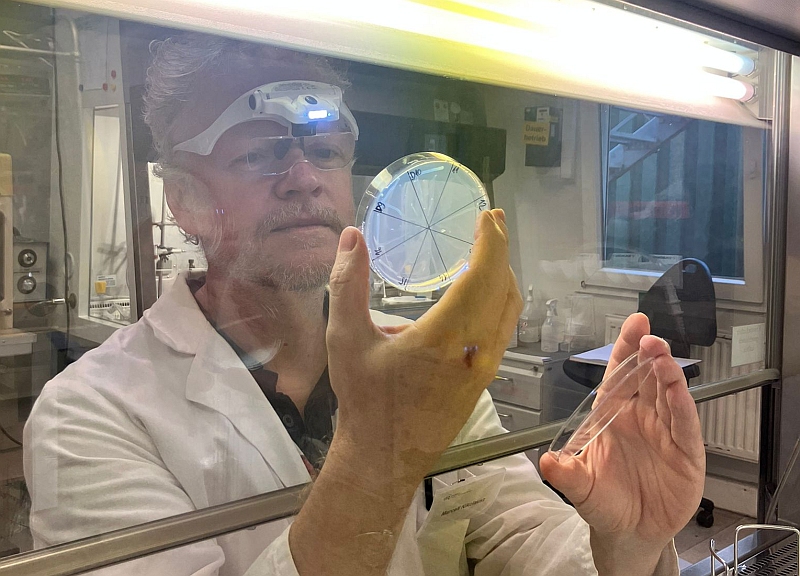
Dr. Marcell Nikolausz is a Scientist at the Department of Microbial Biotechnology of the Helmholtz Centre for Environmental Research - UFZ in Leipzig, Germany, with additional collaboration through the Deutsches Biomasseforschungszentrum (DBFZ). His career at the UFZ spans over two decades, having served in various departments including Environmental Microbiology and Bioenergy before his current position in Microbial Biotechnology since 2024. Dr. Nikolausz's research focuses on microbial communities in anaerobic systems, particularly examining biomethanation processes, hydrogen utilization, and antimicrobial resistance in biogas production. His work bridges fundamental microbiology with practical applications in renewable energy and waste treatment technologies. He has made significant contributions to understanding the functional dynamics of microbial communities involved in biogas production from various feedstocks, including lignocellulosic biomass and organic waste streams. Analysis of Dr. Nikolausz's recent publications reveals a consistent focus on optimizing biogas production processes through microbial community analysis. His research increasingly addresses the integration of renewable energy systems with biological processes, particularly examining Power-to-X applications and hydrogen-based biomethanation. A notable trend is his investigation into antimicrobial resistance within anaerobic digestion systems, which has important implications for environmental safety and public health. Marie Curie Development Host Fellow (Project: BIOISOTOPE, contract: EVK1-CT-2000-56120) Dr. Nikolausz has established extensive collaborations across European research institutions, contributing to numerous projects focused on sustainable biotechnological solutions. His work on microbial protein production from green hydrogen represents cutting-edge research at the intersection of renewable energy and food security. He has been actively involved in developing innovative reactor designs for biomethanation processes and investigating the microbiological aspects of Power-to-X applications. As a member of the Working Group Microbiology of Anaerobic Systems, Dr. Nikolausz contributes to advancing the scientific understanding of complex microbial communities in biogas production systems. His research team investigates the functional relationships within these communities to optimize process efficiency and stability under varying operational conditions.
J.J. Oh is a Researcher in the Applied Sciences faculty at Delft University of Technology, working within the BN/Marie-Eve Aubin-Tam Lab. The researcher maintains active collaborations both within Delft and internationally, including with MIT researchers as evidenced by recent publications. The research focuses on engineered living materials , with particular expertise in systems combining bacterial spores and microalgae within hydrogel matrices . Key research themes include developing materials with on-demand functionality, studying photosynthetic efficiency in 3D environments, and optimizing carbon capture capabilities of biological material systems. Recent publications demonstrate significant contributions to the field, with four research outputs between 2023-2025 including articles in Science Advances, ACS Synthetic Biology, and Trends in Biotechnology. The 2023 Advanced Materials paper on algal growth in hydrogels has garnered substantial attention with 27 citations and 44 Mendeley readers. 2025 Science Advances paper on bacterially-grown materials with on-demand functionality 2025 ACS Synthetic Biology review on microalgae-based living materials 2024 Trends in Biotechnology review on bacterial spores in materials 2023 Advanced Materials paper on algal photosynthesis in hydrogels The work has received notable media attention, with a January 2024 press coverage event ( Hoe levende materialen van algen het best koolstof kunnen opnemen ) picked up by 6 news outlets and shared by 36 X users, highlighting the environmental applications of this research for carbon capture. The researcher maintains active participation in the living materials research community with substantial cross-disciplinary collaboration.
Saulius Bagdonas is a Professor and Senior Researcher at the Laser Research Center (LRC) within Vilnius University's Faculty of Physics. His research spans the interdisciplinary fields of physics and biophysics with a focus on light-matter interactions in biological systems. Professor Bagdonas's primary research interests include: Photophysics and photochemistry of tetrapyrrolic compounds in model and biological systems Fluorescence diagnostics Photosensitized therapy Quantum dots applications in biomedicine Spectroscopic techniques for biomedical analysis His work bridges fundamental physical principles with practical applications in medical diagnostics and therapy, particularly in the development of light-based approaches for disease treatment. Analysis of Professor Bagdonas's recent publications reveals a strong focus on quantum dots, porphyrin compounds, and their biomedical applications. His research demonstrates expertise in spectroscopic techniques and fluorescence imaging, with applications spanning nanomedicine to photodynamic therapy for rheumatoid arthritis. The interdisciplinary nature of his work connects physics, chemistry, biology, and medicine, reflecting the growing importance of cross-disciplinary approaches in modern scientific research. Professor Bagdonas has supervised three defended doctoral theses and one postdoctoral research internship, in addition to mentoring numerous Bachelor's and Master's students since 2001. He has led research projects including "In vitro model of photosensitized therapy for rheumatoid arthritis" funded by the Lithuanian Science Council (2010-2011), and has delivered international invited talks such as "Luminescent nanoparticles for cellular imaging and theranostics" at Photonics North in Quebec, Canada (2019). At Vilnius University, Professor Bagdonas teaches courses including "Biophysical nanotechnologies", "Physics of molecules and membranes", "Introduction into biophysical technologies", and "Biophysics" for undergraduate students, as well as "Biophotonics" and "Photobiology" for graduate students. He serves on the committee of the Master study program "Nature and Chemical Physics" and the Biophysics Doctoral studies committee. Since 2018, he has been an expert for the Research Council of Lithuania, and since 2020, for the Lithuanian Project Management Association and the Centre for Quality Assessment in Higher Education.
Prof. EKİN SUCU is a Professor at Bursa Uludag University, Faculty of Agriculture, Department of Animal Science . With a career spanning over two decades, they have held academic positions including Associate Professor (2018-2023) and Assistant Professor (2013-2018) . Their research focuses on Animal Nutrition, Rumen Fermentation, Methane Mitigation, Silage Fermentation, Microalgae Applications , and Feed Additives . Doctorate (Zootekni): Bursa Uludag University, 2009 Postdoctorate (Animal Science): Iowa State University, 2012 Master’s (Zootekni): Bursa Uludag University, 2002 Bachelor’s (Zootekni): Bursa Uludag University, 1999 Their research explores fermentation profiles , methane emissions in ruminants , and alternative feed ingredients like microalgae and byproducts . Key projects include COST Action 'SeaWheat' and microalgae oil effects on lamb metabolism . Scientific awards include the YOK Postdoctoral Fellowship (2010-2012) . They have supervised postgraduate theses on topics like hazelnut hull silage and protected amino acids in dairy cows . Managerial roles include Farabi Program Coordinator (2013-present) and Deputy Head of Department (2019-2020) .
Francesco Bellamoli is a postdoctoral research fellow at the University of Verona, Department of Biotechnology, and a member of the Solar Energy Bio-exploitation Lab (SOLE). His work bridges microbial biotechnology, environmental science, and computational biology, focusing on cyanobacteria, microalgae, and aquatic toxicology. Education: PhD in Biotechnology (2021), University of Verona Visiting experience: Hanyang University, Seoul (2019) Research spans three domains: Microalgal genome editing and photosynthetic efficiency optimization Environmental toxicology in Alpine ecosystems Computational DNA protocols (XPCR-based molecular operations) Recent publications highlight his contributions to: Carotenoid production in cyanobacteria (2025) Genome adaptation in extremophile organisms (2024-2023) Toxicological responses in aquatic insects (2018-2017) No formal scientific awards are listed. No student advisement information is available. Laboratory work remains central to his research activities.
Dr. Robert Pillsbury serves as an Associate Professor in the Department of Biology and Microbiology at the University of Wisconsin Oshkosh, where he conducts research on freshwater ecosystems and teaches courses spanning introductory biology to advanced diatom taxonomy. Education: B.S. in Fisheries, University of Minnesota, St. Paul (1983) M.S. in Biology, University of Minnesota, Duluth (1986) – Thesis: The pH-independent effect of aluminum on cultures of phytoplankton from an acidic Wisconsin lake Ph.D. in Biology, Bowling Green State University (1993) – Dissertation: Factors influencing the structure of benthic algal communities in acid lakes Research Focus: His work integrates algal taxonomy , invasive species ecology , and ecosystem assessment . Key projects examine Didymosphenia geminata bloom mechanics in oligotrophic streams, diatom-based metrics for agriculturally impacted watersheds, and using Cladophora mat diatoms to trace Great Lakes beach-closing events. This research addresses critical management questions for tribal wild rice habitats and recreational waters. Publication Trends: Over 30 years, Pillsbury's work consistently bridges fundamental limnology and applied management. Early research focused on metal toxicity in acidic lakes (1986-1990), shifting to zebra mussel impacts (1994-2002), then expanding to diatom metrics and invasive species (2003-2006). His publications emphasize field-based approaches in the Great Lakes region with strong ties to tribal communities and conservation agencies. Student Engagement: Actively recruits graduate and undergraduate researchers for field projects across Wisconsin, Michigan, and South Dakota. Confirms consistent funding for student-involved projects through grants supporting work at Trout Lake Station, Sokaogon Chippewa wetlands, and Boundary Waters sites. Field Operations: Research spans multiple ecosystems including northern Wisconsin lakes, Door County coastal zones, Black Hills streams, and tribal wild rice beds. This distributed approach enables comparative studies of stressor impacts across disturbance gradients.
Claudia Grewe is a Professor in the Department of Applied Biosciences and Process Engineering at Anhalt University of Applied Sciences, where she serves as Degree Program Advisor for the Biotechnology Bachelor of Engineering program (offered in both full-time and dual study formats). Her academic career spans from her earliest publications in 2007 through to recent work in 2024, demonstrating sustained research activity in microalgae biotechnology. Professor Grewe's research interests center on microalgae biotechnology with particular expertise in lipid extraction, carotenoid production, and downstream processing of high-value compounds. Her work integrates analytical chemistry methods with bioprocess engineering to develop comprehensive approaches for characterizing and processing microalgal biomass. She has made significant contributions to the development of analytical methods for glycerolipidome profiling and the optimization of extraction processes for both lipophilic and hydrophilic compounds from microalgae. Analysis of her publication record from 2007-2024 reveals a consistent research trajectory focused on microalgae applications, with increasing emphasis on multiproduct recovery systems and analytical method development in recent years. Her work spans fundamental studies of carotenoid biosynthesis under different cultivation conditions to applied research on commercial-scale microalgal cultivation systems and downstream processing. As an academic advisor, Professor Grewe guides students in the Biotechnology program, likely incorporating her research expertise into practical learning experiences. Her work on microalgae as multiproduct cell factories provides valuable context for students interested in sustainable biotechnology and renewable resource utilization. Based at the Köthen campus of Anhalt University of Applied Sciences, Professor Grewe conducts her research and teaching within the Department of Applied Biosciences and Process Engineering, contributing to the university's focus on applied scientific research with industrial relevance.
Pascal Jaouen is a Full Professor at the University of Nantes and Honorary Director of GEPEA Laboratory (UMR CNRS 6144). He is affiliated with Polytech' Nantes Engineering School and has established himself as a prominent figure in marine biotechnology and process engineering over his extensive career that began in 1986 at the University Institute of Technology of Saint-Nazaire. Professor Jaouen's educational background includes: DEA from Grenoble INP (1985) Doctorate in Process Engineering from ENSM (Centrale Nantes) & University of Nantes (1988) Habilitation to supervise research from the University of Nantes (2000) His research focuses on marine biotechnology with emphasis on microalgae applications, membrane separation techniques, and bioprocess engineering. Professor Jaouen has pioneered work in microalgae harvesting, processing, and valorization, particularly in the context of marine resources. His research group develops innovative membrane-based approaches for the extraction of valuable compounds from marine organisms, with applications ranging from biodiesel production to cosmetic ingredients. With over 300 scientific publications to his name, Professor Jaouen's work demonstrates a consistent progression from fundamental research to practical industrial applications. His recent publications focus on microalgae biorefinery, marennine production from diatoms, membrane processes for seawater treatment, and extraction of valuable compounds from marine organisms, reflecting the evolution of his research toward increasingly sophisticated bioprocessing techniques. Professor Jaouen has held numerous leadership roles: Director of GEPEA Laboratory (2017-2018) Director of IUML (FR CNRS 3473) (2004-2016) Co-initiator of AlgoSolis research platform (2015) Chair of ISAP 2017 Congress in Nantes (560 delegates from 45 countries) Administrator of University of Nantes (since 2016) As an advisor, Professor Jaouen has supervised or co-supervised 22 doctoral theses and coordinated multiple research programs with substantial funding, including the 'Atlantic-Microalgae' program (€1.85M) and various international collaborations. His research has practical applications in environmental protection, resource utilization, and industrial processes. Professor Jaouen leads the GEPEA Laboratory research group focused on marine bioprocess engineering, with particular expertise in microalgae cultivation systems and downstream processing. His team works at the intersection of chemical engineering and marine biology, developing sustainable approaches for marine resource utilization that balance scientific innovation with environmental responsibility.
Albe Chai Bing Zhe serves as an Associate Lecturer at Swinburne University of Technology's Faculty of Engineering, Computing and Science in Sarawak, having joined the institution in 2025 while completing his PhD at the same university. His academic qualifications include: Bachelor of Engineering (Hons) in Electrical and Electronic Engineering, Swinburne University of Technology, Sarawak Campus (2022) PhD in progress (examination stage), Swinburne University of Technology, Sarawak Campus Dr. Chai's research bridges Internet of Things (IoT) infrastructure with artificial intelligence to solve practical problems in agriculture and transportation. His work on smart incubators for microalgae cultivation demonstrates IoT applications in sustainable food production, while his road safety research develops machine learning models for accident prediction using non-visual data sources. This interdisciplinary approach connects engineering hardware development with data science methodologies. His 2023-2025 publications reveal a clear research trajectory: starting with foundational data mining for traffic patterns (2023), progressing to cloud-based multi-region prediction systems (2024), and culminating in integrated agricultural technology (2025). The work spans agricultural engineering, transportation safety, and embedded systems, consistently applying AI to real-world sensor data. Professional recognition includes: Graduate Engineer, Board of Engineers Malaysia (BEM) Member, Institute of Electrical and Electronics Engineers (IEEE) Dr. Chai actively seeks Master's and PhD candidates for his research areas, with supervision focusing on hands-on IoT system development and AI implementation. His examination-stage PhD status indicates he brings recent technical expertise to student projects, while his industry-aligned research suggests strong practical training opportunities. Current publications indicate active research momentum despite being an early-career academic. Though no formal lab name is specified, his research group develops physical IoT prototypes (like smart incubators) alongside data analytics pipelines, creating an environment where students gain experience from circuit design to cloud deployment.
Prof. Dr. Olaf Kruse is a Professor at Bielefeld University in the Faculty of Biology, where he serves as Head of the Working Group on Algal Biotechnology & Bioenergy at the Center for Biotechnology (CeBiTec). He is also a Board member of CeBiTec and serves on various university committees including the Research Committee. His research focuses on harnessing microalgae as green cell factories for solar energy conversion into biomass, bioenergy, and high-value products. Dr. Kruse's work specifically targets understanding regulatory aspects of photosynthesis in microalgae and optimizing solar energy conversion into biofuels through advanced molecular biology approaches. His group employs Systems Biology strategies using omics technologies to elucidate regulatory networks of light harvesting and establish metabolic flow models for algal biofuel production pathways. Dr. Kruse's recent publications demonstrate a strong emphasis on genetic engineering of Chlamydomonas reinhardtii for enhanced production of valuable compounds including zeaxanthin, astaxanthin, and various terpenoids. His research integrates multiple approaches including CRISPR/Cas9 genome editing, metabolic pathway engineering, and development of novel cultivation techniques such as hydrogel immobilization systems. Young Scientist van't Hoff fund award of the Dutch Royal Society (2008) As an academic advisor, Dr. Kruse has mentored numerous researchers who frequently appear as co-authors on his publications, including Baier T, Jacobebbinghaus N, and Kneip J. His research has been supported through various national and international funding mechanisms including DFG Collaborative Research Centers and EU framework programs. Dr. Kruse leads the Algal Biotechnology & Bioenergy working group which operates within CeBiTec's technology platform, utilizing advanced omics technologies and bioinformatics support for their research.
Angela Wulff serves as Professor in the Department of Biology and Environmental Sciences at the University of Gothenburg, where she leads research at the intersection of marine phycology and environmental change. Her work spans fundamental diatom taxonomy and applied biotechnology, with field sites spanning the Arctic, Antarctic, Baltic Sea, and Iraqi wetlands. As host of the 'Algpodden' podcast and contributor to educational initiatives like 'Bring the ocean to the classroom,' she actively bridges academic research and public engagement. Professor Wulff's research program centers on three interconnected domains: Diatom Biodiversity : Describing new species (e.g., Gomphonema from Iraqi hot springs, Craspedostauros from Swedish coasts) and documenting ecological shifts in polar regions Environmental Stress Physiology : Investigating UV radiation, climate change, and pollution impacts on microalgal communities through photophysiological and community ecology approaches Applied Phycology : Developing sustainable technologies using diatom structures for biophotonics and carbon capture, notably through the Swedish Algae Factory start-up Her work uniquely combines polar field expeditions with laboratory innovation, examining how microalgal communities respond to multiple stressors in changing oceans. Analysis of her 39+ publications (2016-2025) reveals consistent focus on diatom taxonomy (45% of work), physiological responses to environmental change (35%), and biotechnology applications (20%). Recent trends show increased emphasis on climate change impacts (7 of 15 most recent papers) and translational research, with growing international collaboration networks spanning 15+ countries. Her publications appear in high-impact venues including Scientific Reports, One Earth, and Harmful Algae, demonstrating disciplinary reach from pure taxonomy to global environmental solutions. While no specific awards are listed in available materials, Professor Wulff's leadership in major collaborative projects—including the 2020 Harmful Algae perspective with 30+ international co-authors—highlights her standing in the field. Her sustained publication output (15+ papers in 2021-2025) indicates robust research momentum and successful grant acquisition. Professor Wulff maintains active research supervision through international collaborations and field projects, with recent work involving PhD students from co-author lists. Her educational initiatives extend beyond university teaching to public outreach via podcasts and classroom programs. Current projects include Arctic light adaptation studies (2025 papers on polar night recovery) and biotechnology development through Swedish Algae Factory, positioning her at the forefront of both fundamental and applied phycology. Though no formal lab name is specified, her research group operates through the Department of Biology and Environmental Sciences with strong ties to polar research networks and the Swedish Algae Factory. The group's work integrates field sampling in extreme environments with laboratory analysis of diatom physiology and structure, supported by international partnerships that provide access to diverse aquatic ecosystems from Iraqi wetlands to Antarctic fjords.
Fernando López Ortiz is a Professor in the Department of Organic Chemistry at the University of Almería, where he leads the Organic and Organometallic Chemistry Research Group. With an extensive publication record of 163 articles and 16 doctoral theses supervised, he has established himself as a leading researcher in organometallic chemistry with particular expertise in phosphorus and gold chemistry. His research interests span multiple interconnected areas including organometallic synthesis, structural chemistry of phosphorus compounds, development of gold-based antimicrobial agents, and applications in catalysis and materials science. Professor López Ortiz has made significant contributions to understanding ortho-lithiated phosphinamides, cyclometallated gold complexes, and phosphorus-based multifunctional materials. His work bridges fundamental chemical principles with practical applications, particularly in addressing antimicrobial resistance through novel metal-based therapeutics. Analysis of his 15 most recent publications reveals a strong focus on gold chemistry for biomedical applications, with multiple papers on gold(III) complexes as antimicrobial and antiviral agents. He also maintains active research in phosphorus chemistry, publishing structural studies of phosphinothioic amides and novel phosphorus-containing compounds. A more recent direction involves energy applications, as evidenced by his 2025 paper on zinc-air batteries. h-index: 30 (Scopus and Web of Science) i10-index: 100 (Scopus) 163 peer-reviewed articles 16 doctoral theses supervised Multiple competitive research grants including EU Horizon 2020 funding As Principal Investigator on numerous research projects totaling over €1.5 million in funding, Professor López Ortiz has built a productive research program that trains graduate students while advancing knowledge in organometallic chemistry. His lab maintains active collaborations with microbiologists and pharmacologists to evaluate the biological activity of synthesized compounds, creating a rich interdisciplinary research environment. The Organic and Organometalic Chemistry Research Group under Professor López Ortiz's leadership focuses on synthesizing novel compounds with potential applications in medicine and technology, particularly targeting the growing challenge of antimicrobial resistance through innovative gold-based therapeutics and exploring sustainable energy solutions through advanced materials chemistry.
Daniel M. Chevrier serves as a CNRS Researcher and Deputy Team Leader at the Bioscience and Biotechnology Institute of Aix-Marseille (BIAM, UMR 7265), located at CEA Cadarache in Saint-Paul-lez-Durance, France. His primary affiliation is with the French Alternative Energies and Atomic Energy Commission, where he leads research in microbial biomineralization and nanomaterial characterization. Dr. Chevrier earned his PhD in Chemistry from Dalhousie University in Halifax, Nova Scotia, Canada, between 2011 and 2016. His postdoctoral journey included positions at the Max Planck Institute for Colloids and Interfaces in Potsdam, Germany, and Dalhousie University before joining BIAM as a Marie Curie Postdoctoral Researcher from 2018-2020. His research focuses on Microbial Biomineralization , particularly examining how microorganisms form minerals like magnetite and calcite. He employs Synchrotron-based X-ray spectroscopy and microscopy techniques to study these processes at the nanoscale, often combined with microfluidics for in situ observation. His work extends to the Structure and properties of nanomaterials and biomaterials , with applications ranging from environmental science to potential biomedical uses. Dr. Chevrier's expertise includes Ab Initio Calculations, Physical Chemistry, and Nanoparticle characterization. Analysis of his recent publications reveals a strong emphasis on biomineralization processes across diverse organisms. His work spans magnetotactic bacteria that form magnetite crystals, coccolithophores that produce calcium carbonate structures, and novel bacterial systems creating metal sulfides. A recurring theme is the application of advanced X-ray techniques to understand biomineral formation at unprecedented resolution, with increasing focus on environmental and potential biomedical applications. NSERC Postdoctoral Fellowship (awarded, not accepted) O'Brien Foundation Scholarship from the O'Brien Humanitarian Trust Alexander Graham Bell Canadian Graduate Student Scholarship - Doctoral Level Dr. Chevrier collaborates extensively with researchers across international institutions, including the University of Latvia, National University of Singapore, and various French research centers. His laboratory work focuses on developing methodologies to follow microorganism biomineralization processes using synchrotron-based X-ray spectromicroscopy and microfluidics. Current projects examine how bacterial systems control the formation of magnetic and calcium-based minerals, with implications for understanding biogeochemical cycles and developing novel biomimetic materials.