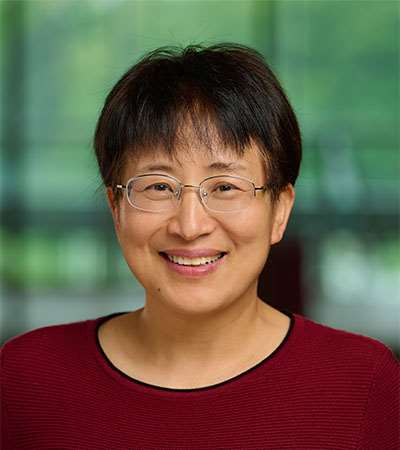
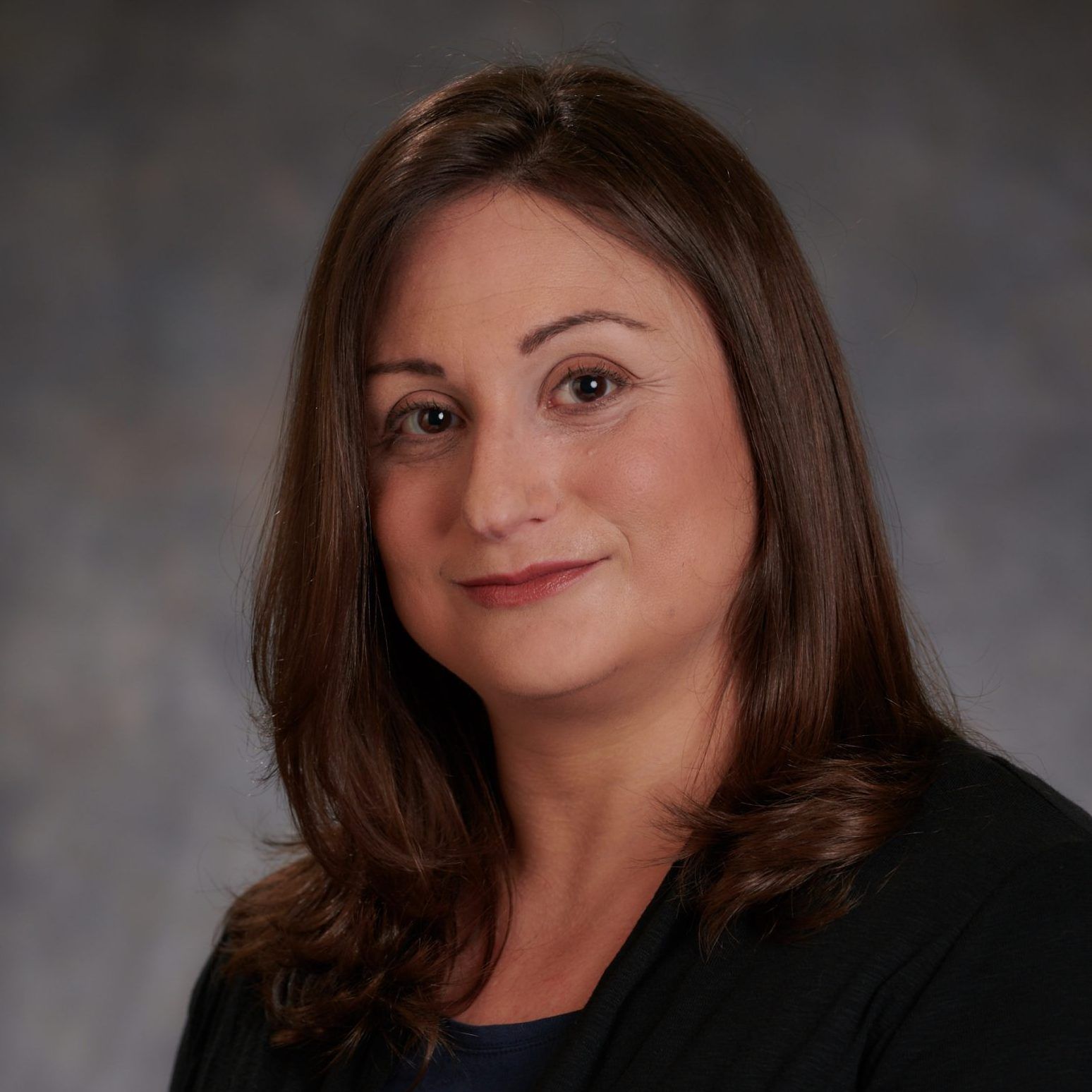
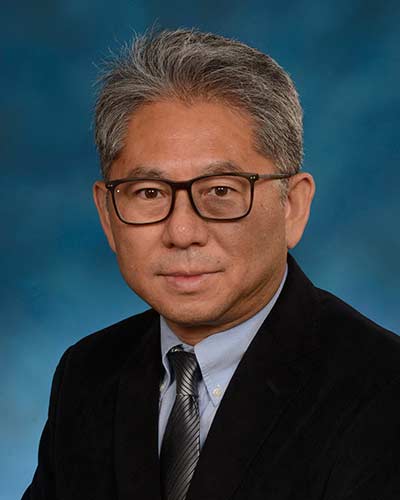
Xiaowen Bai, MD, PhD, is a Professor in the Department of Cell Biology, Neurobiology and Anatomy at the Medical College of Wisconsin. His research focuses on leveraging stem cells to model neurodegenerative diseases and cardiac disorders, with a particular emphasis on non-coding RNAs, mitochondria, and environmental stressors like anesthetics and alcohol. He holds a leadership role as Executive Director of Hematology at the World Federation of Chinese Medicine Societies (WFCMS). Education: MD, Shanxi Medical University (1993) PhD, Beijing University Stem Cell Center (2004) Postdoctoral Training, University of Texas MD Anderson Cancer Center (2007) Research Interests: Neurodegeneration mechanisms involving microRNAs, lncRNAs, and mitochondrial dysfunction Stem cell-based therapies for myocardial regeneration Diabetic cardiomyopathy pathogenesis and cardioprotection 3D organoid models for studying anesthetic and alcohol neurotoxicity Recent Work: Recent publications emphasize translational studies using human-induced pluripotent stem cell (iPSC)-derived models to investigate alcohol-induced brain injury, anesthetic neurotoxicity, and cardiac fibrosis. His lab also explores immunomodulatory pathways and redox signaling in inflammatory diseases. Labs/Teams: The Bai Lab develops novel in vitro models for disease modeling and drug testing, focusing on cerebral organoids and cardiac organoids to bridge basic research and clinical applications.
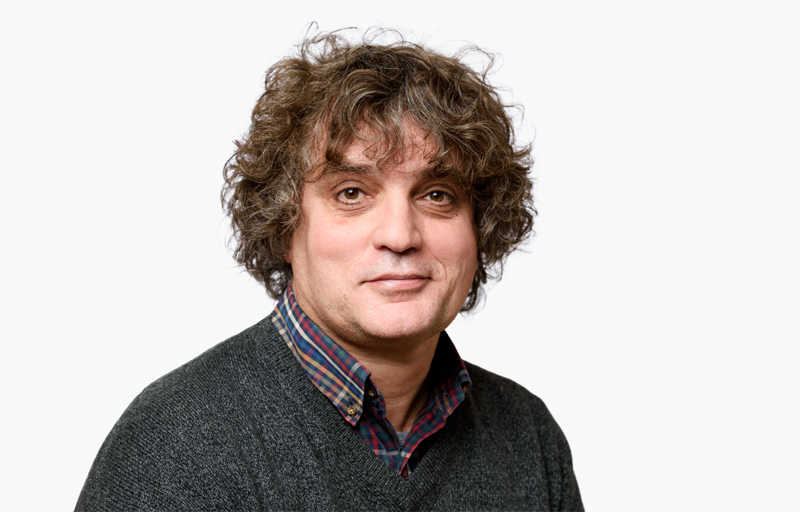
Dr. Ryszard Nosalski is an Honorary Research Fellow at the School of Cardiovascular & Metabolic Health, University of Glasgow. His research focuses on understanding immune mechanisms underlying hypertension, vascular inflammation, and cardiovascular disease progression. He collaborates extensively with the British Heart Foundation (BHF) Cardiovascular Research Centre. Key research interests include vascular inflammation pathways, T-cell-mediated fibrosis in hypertension, and therapeutic targeting of oxidative stress (e.g., NOX enzymes). His work bridges basic science and translational medicine, addressing clinical challenges such as chemotherapy-induced hypertension and periodontitis-hypertension associations. Recipient of a 2022-2023 grant from Tenovus Scotland for studying the IL-15/IL-15Ra axis in cardiac damage during hypertension. Published over 20 peer-reviewed articles in high-impact journals like Nature Reviews Cardiology , Hypertension , and Circulation Research . His recent work highlights novel therapeutic strategies for vascular inflammation and demonstrates how immune responses contribute to hypertension pathophysiology. Ongoing projects investigate neuroimmune interfaces in atherosclerosis and the role of microRNAs in fibrosis.
Sonia Navas-Martin is a Professor in the Department of Microbiology & Immunology at Drexel University College of Medicine. She holds a PhD from Universidad Autónoma de Madrid (1997). Her research focuses on innate immunity mechanisms during viral infections and neurodegenerative diseases, with emphasis on CNS pathologies and cellular senescence. Education: PhD in Microbiology & Immunology, Universidad Autónoma de Madrid (1997) Research Interests: Dr. Navas-Martin investigates how innate immune pathways contribute to immunopathology in viral infections (e.g., coronaviruses), neuroinflammation, and neurodegenerative diseases like Alzheimer’s. Her work combines molecular biology, immunology, and animal models to identify therapeutic targets. Key areas include: Microglial responses to viral pathogens Role of non-coding RNAs (e.g., miRNAs) in immune regulation Cellular senescence in HIV-associated neurocognitive disorders Cross-talk between TLR signaling and viral replication Publications: Her recent work includes studies on SARS-CoV-2 antiviral strategies, microglial antiviral mechanisms, and HIV-HCV co-infection dynamics. The articles reflect a focus on innate immunity modulation, viral pathogenesis, and translational therapies. Awards: Curator, American Society for Microbiology’s COVID-19 Research Registry Grants & Mentorship: She oversees an NIH-funded neuroimmunology graduate position and mentors students in scientific excellence. Her lab is known for collaborative, open research environments fostering innovation. Labs & Teams: Active in the Institute for Molecular Medicine & Infectious Disease at Drexel, collaborating on coronavirus immunology and SARS-CoV-2 therapeutic development. Her research integrates virology, immunology, and neurobiology to address critical gaps in understanding viral CNS pathogenesis.
Gabriele Romano, PhD, is an Assistant Professor in the Department of Pharmacology & Physiology at Drexel University College of Medicine. His research focuses on cancer drug resistance mechanisms, leveraging mouse modeling, functional genomics, and computational biology. He leads the Romano Lab, which explores tumor-stroma interactions in minimal residual disease, tumor suppressor roles in therapy resistance, and HIV-cancer comorbidity. Education: PhD - Molecular and Translational Medicine, University of Milan, Bicocca (2015) MS - Medical Biotechnology, University of Milan, Bicocca (2012) BS - Biotechnology, University of Milan, Bicocca (2010) Research Interests: Cancer drug resistance mechanisms Immune evasion and tumor microenvironment Therapeutic strategies for HIV-associated cancers Functional genomics and nanoparticle delivery His work emphasizes developing novel therapies targeting residual tumor cells and improving outcomes for immunocompromised cancer patients. Key Awards: 2023 WW Smith Trust nominee (Cancer Research) 2022 Pew Biomedical Scholars competition nominee 2019 Maryanne Rosenstein Family Fellowship in Cancer Research Grants & Collaborations: Recipient of multiple institutional and foundation grants Collaborations with global institutions on translational projects Focus on mouse models, CRISPR screens, and bioinformatics Labs & Teams: Romano Lab at Drexel University Partnerships with MD Anderson Cancer Center and The Jackson Lab
Javier Caceres is a Professor of RNA and Gene Expression holding a Personal Chair at the MRC Human Genetics Unit within the Institute of Genetics and Molecular Medicine (IGMM) at the University of Edinburgh. He has served as Head of the Genome Regulation Section since 2015, leading research on RNA-mediated genetic mechanisms. His educational background includes a Ph.D. in Molecular Biology (1989) and an MSc. in Biology (1985), both obtained from the University of Buenos Aires. These degrees established his foundation in molecular genetics before his postdoctoral work at Cold Spring Harbor Laboratory and the University of Wisconsin-Madison. Dr. Caceres' research centers on RNA biology with emphasis on post-transcriptional gene regulation. His work investigates alternative splicing mechanisms, nonsense-mediated decay pathways, microRNA functions, and RNA-protein interactions. These studies provide critical insights into genetic disorders and potential therapeutic targets, particularly in splicing-related diseases. His experimental approaches combine biochemical, genomic, and cellular techniques to dissect RNA regulatory networks. Analysis of his publication record reveals consistent focus on RNA processing mechanisms across three decades. His work demonstrates evolving technical sophistication from foundational splicing studies to contemporary systems-level analyses of RNA regulation, with sustained contributions to understanding how RNA dysregulation causes human disease. Key themes include RNA-binding proteins, mRNP dynamics, and quality control pathways. His major scientific recognitions include: Election as Fellow of the Royal Society of Edinburgh (FRSE) in 2011 Award of the Wellcome Trust Senior Investigator Award in 2011 Membership in the European Molecular Biology Organization (EMBO) since 2008 Dr. Caceres actively shapes scientific discourse through editorial leadership as Associate Editor of RNA (since 2011) and service on editorial boards of EMBO Journal and Nucleic Acids Research. He has evaluated research proposals for major funding bodies including the European Research Council (ERC Starting Grants panel), German Research Foundation (DFG), and Swiss National Foundation, focusing on molecular biology and RNA research initiatives. He directs the Genome Regulation Section at the MRC Human Genetics Unit, where his team employs cutting-edge methodologies to investigate RNA-mediated gene regulation mechanisms and their roles in human disease pathogenesis.
John Iacomini is a Professor at Tufts University School of Medicine , affiliated with the Department of Immunology and cross-appointed in Genetics, Molecular and Cellular Biology, and other biomedical programs. He has taught courses like Intro to Immunology and Advanced Cellular Immunology since 2011. Doctor of Philosophy , Tufts University (1991) Bachelor of Science , Syracuse University (1986) His research focuses on adaptive immune responses , immunological tolerance , and the role of microRNAs in T cell activation and tissue injury responses . Recent work explores how hyperlipidemia and dietary factors influence organ transplant rejection and immune regulation. His publications since 2015 highlight studies on Treg dysfunction , Th17 cell pathogenicity , microRNA-mRNA interactions in nephrotoxicity, and hormonal modulation of T cells. These studies often intersect transplant immunology and metabolic-immune crosstalk . Scientific Awards NIH Grant: Post-transcriptional regulation of gene expression by microRNAs (2021-2026) NIH Grant: Microbial disruption of dendritic cell function (2018-2023) NIH Grant: Hyperlipidemia effects on immune memory (2018-2020) NIH Grant: Diet-induced transplant rejection (2015-2020) American Heart Association Grant: Hyperlipidemia in cardiac rejection (2014) As a mentor, he has advised graduate students like Christopher Benway and contributed to training programs. His laboratory remains active in uncovering mechanisms of immune tolerance , microRNA regulation , and metabolic influences on transplant outcomes .
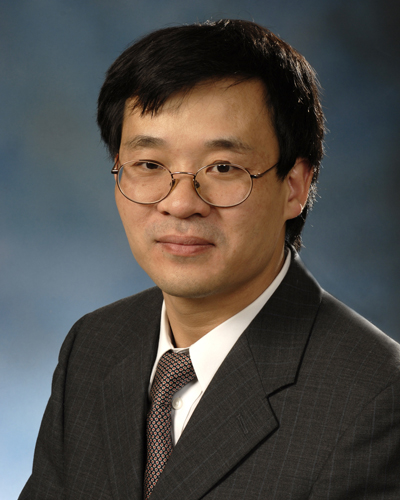
Dr. Peixin Yang is the Christopher R. Harman, MD Endowed Professor of Obstetrics, Gynecology, and Reproductive Sciences at the University of Maryland School of Medicine. He serves as Professor with tenure in the Department of Obstetrics, Gynecology and Reproductive Sciences and holds a secondary appointment in the Department of Biochemistry & Molecular Biology. Dr. Yang is the founding director of the Center for Birth Defect Research at the University of Maryland School of Medicine and leads multiple NIH-funded research projects totaling millions of dollars. Dr. Yang's educational background includes: B.S. in Animal Science from Zhejiang Agricultural University (1986-1990) M.S. in Animal Reproductive Sciences from Nanjing Agricultural University (1990-1993) Ph.D. in Biophysics from Tokyo University of Agriculture & Technology and Zhejiang University (1994-1999) Postdoctoral Research Associate at University of Nebraska Medical Center (1999-2002) BIRCWH scholar (NIH K12) at University of Maryland Baltimore (2008-2009) Dr. Yang has built an extensive research program focused on diabetic embryopathy, particularly examining how maternal diabetes induces neural tube defects (NTDs), congenital heart defects (CHDs), and kidney defects. His laboratory was the first to establish a mouse model of diabetic embryopathy and reveal the causal role of JNK1/2 in neural tube defects. He has made significant contributions to understanding the molecular mechanisms of cellular stress, endoplasmic reticulum stress, and autophagy in neural tube defect formation. Dr. Yang also investigates the effects of maternal obesity on placental function and has established the Maryland Maternal Health Research Center of Excellence. His recent work has expanded to include studies on SARS-CoV-2 infection in pregnancy and connections between insulin resistance signaling and Alzheimer's disease. Analysis of Dr. Yang's recent publications reveals a strong focus on the molecular mechanisms of diabetic embryopathy, with particular emphasis on epigenetic regulation, cellular stress signaling pathways, and placental function. His work consistently bridges basic science with clinical applications, developing potential therapeutic approaches for preventing birth defects. A significant portion of his recent research examines the intersection of maternal metabolic conditions (diabetes and obesity) with fetal development, while also expanding into novel areas like viral infections in pregnancy and connections to neurodegenerative diseases. Dr. Yang's notable scientific achievements include: The F. Clarke Fraser New Investigator Award from the Teratology Society (2013) BIRCWH scholar (NIH K12) (2008-2009) The Lalor foundation postdoctoral Fellowship (2002-2003) Dr. Yang currently directs a multi-million dollar NIH-funded research group with multiple active R01 grants. His current projects investigate the intersection of mTOR/p70S6K1 signaling and HIPPO-Yap tissue organizer in neurulation, heightened hypoxia and DNA methylation in heart defects of diabetic embryopathy, hyperglycemia-induced cardiac progenitor dysfunction, and epitranscriptomic alterations in diabetic embryopathy. He has developed a robust research program in maternal diabetes-induced heart defects, which was previously an understudied area. Dr. Yang is also leading efforts to establish the Maryland Maternal Health Research Center of Excellence, focusing on the adverse effects of obesity, placental accreta spectrum, and opioid use disorder. As the founding director of the Center for Birth Defect Research at the University of Maryland School of Medicine, Dr. Yang leads a multidisciplinary team of translational and clinical scientists. His laboratory has made original contributions to understanding the molecular mechanisms underlying maternal diabetes-induced structural birth defects. The team employs genetically modified mouse models, whole-embryo culture systems, and human placental studies to investigate the effects of metabolic conditions on fetal development. Dr. Yang's group has been instrumental in developing natural compounds as potential preventatives for diabetic embryopathy, including trehalose, epigallocatechin-3-gallate, and curcumin.
Reyad Elbarbary, PhD is an Associate Professor in both the Department of Orthopaedics and Rehabilitation and the Department of Molecular and Precision Medicine . He is affiliated with the Center for Cannabis and Natural Product Pharmaceuticals (CCNPP) , focusing on cannabis-based therapeutics and bone regeneration. His research spans Molecular Biology , Genetics , and Immunology , with a particular emphasis on MicroRNA , Osteoarthritis , and Bone Fracture Healing . Recent studies explore Cannabidiol and Cannabigerol for pain management and healing promotion in mice, alongside immune response defects in obesity-related fractures. Key publications include work on alternative polyadenylation in Bone Research and musculoskeletal methodologies in Journal of Visualized Experiments . His National Institute of Diabetes and Digestive and Kidney Diseases grant (2019–2024) investigates microRNA homeostasis in bone repair.
Anne Marie Jukic, PhD, MSPH serves as an Adjunct Assistant Professor in the Department of Chronic Disease Epidemiology at the Yale School of Public Health. Her research focuses on perinatal epidemiology with emphasis on the pre-conception period, pregnancy outcomes, and child health. Dr. Jukic's research interests include: Early pregnancy events, particularly implantation and placental development Vitamin D's role in reproductive health and fertility Environmental exposures (phthalates and phenols) and their impact on pregnancy Menstrual cycle function as a vital sign for reproductive health Physical activity during pregnancy and pregnancy outcomes Her publications reveal strong trends in digital epidemiology, vitamin D research, and environmental impacts on reproductive health. Recent work leverages large digital cohorts to investigate menstrual patterns, PCOS prediction, and androgen excess across the lifespan. She maintains active collaborations with Norwegian research teams studying placental development and childhood neurodevelopment. Scientific recognition includes: Rising Star Award (2016) from Society for Pediatric and Perinatal Epidemiologic Research Young Investigator Award (2016) from Vitamin D Workshop NIEHS Paper of the Month (2015) Poster Award (2015) from Society for Epidemiologic Research Student Travel Award (2012) from Society for Epidemiologic Research Dr. Jukic directs research within the Yale Center for Perinatal, Pediatric and Environmental Epidemiology (CPPEE), investigating how environmental, genetic, and clinical factors impact pregnancy and childhood health. Her current projects include studies on ambient air pollution and miscarriage, vitamin D and cycle regularity, and microRNA in early placental development.
Sabah Hussain, MD, PhD, is Distinguished James McGill Professor in the Department of Medicine, Faculty of Medicine and Health Sciences at McGill University and Senior Scientist in the Translational Research in Respiratory Diseases Program of the Research Institute of the McGill University Health Centre (RI-MUHC, Glen site). She leads an integrated bench-to-bedside program focused on skeletal-muscle wasting, autophagy, and angiogenesis. Education & Training: MD – University of Baghdad, 1978 PhD (Physiology) – McGill University, 1989 Research Focus: Dr Hussain’s laboratory investigates the molecular machinery governing skeletal-muscle mass in health and disease. Using transgenic models of angiopoietin signaling, sepsis, COPD and mechanical ventilation, her team has dissected how autophagy, mitophagy and proteasomal pathways drive diaphragmatic and locomotor muscle atrophy. A second axis of work explores gene-therapy delivery of angiopoietins to accelerate muscle regeneration after injury or in Duchenne Muscular Dystrophy models. More recently, her group is mapping epigenetic regulators—microRNAs and long non-coding RNAs—that fine-tune these degradative pathways. Scientific Awards & Funding: Distinguished James McGill Professorship CIHR Project Grant – Fall 2024 competition NSERC Discovery Grant – 2024 competition Advising & Mentorship: Dr Hussain mentors graduate students, post-doctoral fellows and clinical research trainees. Sami Sedraoui, a PDF in her group, received the April 2025 Relève-Étoile Jacques-Genest Award from CIHR. Laboratory & Affiliations: Her laboratory is located in the Meakins-Christie Laboratories, RI-MUHC Block E, Glen site (1001 Decarie Blvd, Montréal). The group is embedded within the Centre for Translational Biology and benefits from the RI-MUHC Technology Platforms including Proteomics, Small-Animal Imaging and Molecular Imaging Services.
Elizabeth Videlock, M.D., Ph.D. is an Assistant Professor of Medicine at the David Geffen School of Medicine , University of California, Los Angeles (UCLA) . Her laboratory is housed within the UCLA Center for Inflammatory Bowel Diseases and she leads the Videlock Laboratory . She is a physician-scientist with dual training in internal medicine and gastroenterology, and a Ph.D. in translational research focused on the gut-brain axis. Education and Training: B.S., Chemistry – Yale University M.D. – David Geffen School of Medicine at UCLA Internal Medicine Residency – Beth Israel Deaconess Medical Center, Boston Gastroenterology Fellowship – UCLA STAR Program Ph.D. – UCLA, under mentorship of Dr. Charalabos Pothoulakis and Dr. Lin Chang Research Focus: Dr. Videlock’s research centers on the gut-brain axis , with a particular emphasis on Parkinson’s disease and irritable bowel syndrome (IBS) . Her lab uses clinical samples, animal models, and cell-based systems to investigate how gastrointestinal dysfunction contributes to neurological disease. Key areas include mitochondrial dysfunction in the gut epithelium, alpha-synuclein pathology, and the role of genes like PINK1 and PRKN in intestinal health. Scientific Awards and Honors: NIH-NIDDK K08 Grant Award (2024) UCLA CTSI KL2 Translational Science Award (2023) Chan Zuckerberg Initiative Neurodegeneration Challenge Grant American Gastroenterological Association (AGA) FORWARD Scholar Funding and Grants: NIH-NIDDK K08: “Intestinal Mitochondrial Dysfunction and the Gut-Brain-Immune Axis in Models of Parkinson’s Disease” UCLA CTSI KL2: “Parkinson's Disease May Begin in the Gastrointestinal Tract” Chan Zuckerberg Initiative: “The Role of Pink1/Parkin in the Intestinal Epithelium” CURE Pilot and Feasibility Grant UCLA Claude Pepper Rapid Pilot Award Laboratory and Affiliations: Dr. Videlock leads the Videlock Laboratory within the UCLA Center for Inflammatory Bowel Diseases . She is also affiliated with the UCLA G. Oppenheimer Center for Neurobiology of Stress and Resilience and the UCLA Vatche and Tamar Manoukian Division of Digestive Diseases .
Tim Jenkins, Ph.D., is an Adjunct Professor in the Department of Surgery, Division of Urology at the University of Utah. He earned a B.S. in Physiology and Developmental Biology from Brigham Young University (2008) and a Ph.D. in Physiology from the University of Utah (2013). After completing a postdoctoral fellowship at the University of Utah School of Medicine, he accepted an adjunct faculty position where he continues to pursue translational research in male reproductive health. Education Ph.D. in Physiology, University of Utah, 2013 B.S. in Physiology and Developmental Biology, Brigham Young University, 2008 Postdoctoral Fellowship, University of Utah School of Medicine Research Focus Jenkins’ research centers on the intersection of sperm epigenetics, male infertility, and assisted reproductive technologies. Key themes include: Impact of paternal age on the sperm epigenome and subsequent offspring health Development of microfluidic platforms for gentle, high-precision sperm selection to improve intrauterine insemination and TESE outcomes Epigenetic biomarkers as predictors of male fertility and embryo quality His work integrates molecular epigenetic profiling with innovative bioengineering approaches to translate laboratory findings into clinical practice. Publication Trends Jenkins has authored more than 30 peer-reviewed papers since 2011. Early work established baseline DNA methylation changes in aging sperm, while more recent studies expand into multi-omics meta-analyses, systematic reviews on miRNA roles in reproduction, and engineering microfluidic devices for sperm isolation. The trajectory shows a clear shift from descriptive epigenetic studies to translational technologies aimed at improving ART success rates. Intellectual Property & Editorial Contributions Co-inventor on patent: "Systems and Methods for Determining Impact of Age Related Changes in Sperm Epigenome on Offspring Phenotype" (2019) Editorial commentary: "Microfluidics: a way to interrogate a single sperm?" Fertil Steril (2019) Collaborative Teams Jenkins collaborates closely with investigators in the Departments of Surgery, Human Genetics, and Bioengineering at the University of Utah, notably with Drs. Carrell, Aston, Hotaling, and Cairns. His lab is embedded within the larger Utah Center for Reproductive Medicine, providing access to clinical samples for translational projects.
Prof. Dr. Sven-Erik Behrens serves as a Professor in the Department of Microbial Biotechnology at the Faculty of Natural Sciences I of Martin Luther University Halle-Wittenberg. He is affiliated with the Protein Research Center 'Charles Tanford' and maintains an active research program focused on RNA biology, molecular virology, and biotechnological applications. His primary research interests encompass RNA-based plant protection strategies, viral replication mechanisms (particularly for flaviviruses and plant viruses), and innovative vaccine development using Kluyveromyces lactis yeast expression systems. Behrens' work investigates fundamental RNA-protein interactions, RNA chaperone activities, and the molecular basis of antiviral defense mechanisms in plants. His laboratory explores how RNA accessibility influences viral replication and how this knowledge can be harnessed for developing novel RNA-based antiviral strategies. Analysis of his recent publications (2021-2025) reveals a clear research trajectory focused on identifying accessible RNA sites for targeted antiviral applications, optimizing yeast-based vaccine platforms for both plant and animal pathogens, and investigating the role of non-coding RNAs in plant development and stress responses. His work spans multiple disciplines including plant virology, medical virology, and microbial biotechnology, demonstrating translational research from basic molecular mechanisms to practical applications. Prof. Behrens leads research in the Department of Microbial Biotechnology, collaborating with various groups working on plant-pathogen interactions and vaccine development. His laboratory employs advanced techniques including RNA structure probing, fluorescence-based assays for RNA chaperone activity, and plant in vitro systems for studying viral replication. The research demonstrates significant potential for developing novel approaches to combat viral diseases in both agricultural and medical contexts.
Dr. D. Marshall Porterfield is a Professor of Agricultural & Biological Engineering at Purdue University, specializing in biosensors, bio-nanotechnology, and space biology. His research focuses on developing technologies for bioregenerative life support systems and nutrient delivery in microgravity environments. He served as NASA's Division Director for Space Life and Physical Sciences (2012-2016), pioneering initiatives like geneLAB and materialsLAB to advance space research utilization. His work bridges engineering and biology, with applications in space exploration and terrestrial challenges. Porterfield holds leadership roles in organizations like the American Society for Gravitational and Space Research and the Institute for Biological Engineering. He has authored over 100 peer-reviewed papers and holds patents in biosensor technology. Awards include the Halstead Investigator Award and election to the AIMBE College of Fellows. His research portfolio includes lab-on-a-chip devices, biomimetic sensors, and gravitational physiology studies, with recent emphasis on lunar agriculture and space radiation mitigation. His articles highlight advancements in space microbiology, extraterrestrial crop systems, and molecular responses to spaceflight. Key themes include optimizing oxygen delivery for hydroponics, detecting cancer biomarkers via microtest tech, and understanding aging in space environments. Porterfield collaborates across disciplines, leveraging Purdue's facilities like the Birck Nanotechnology Center and Discovery Park for interdisciplinary innovation.
Dr. Shaojun Du is a Professor in the Department of Biochemistry and Molecular Biology at the University of Maryland School of Medicine and a faculty member at the Institute of Marine and Environmental Technology, University of Maryland. His research focuses on genetic and epigenetic mechanisms regulating muscle development, growth, and repair using zebrafish models. Education: PhD in Biochemistry and Molecular Biology (University of Toronto, 1993), Postdoctoral Fellowship in Genetics (Howard Hughes Medical Institute, University of Washington, 1993–1997) Dr. Du’s work explores the roles of molecular chaperones (e.g., Hsp90α1), histone modifiers (e.g., SmyD1), and fusogenic proteins (Myomaker/Myomixer) in myofibril assembly, sarcomere organization, and myoblast fusion. His lab employs Tol2 transposon, TALEN, and CRISPR technologies to generate transgenic and mutant zebrafish models. The scientific awards section is currently empty, but his research has been funded by the NIH (Grant 1R01AR072703-01A1, 2018–2025). His publications highlight breakthroughs in muscle cell identity specification via Hedgehog signaling and the critical role of post-translational modifications in protein stability. Dr. Du’s lab has developed over 40 zebrafish models to study muscle structural proteins, transcription factors, and microRNA networks, contributing to understanding neuromuscular diseases and advancing aquaculture applications.