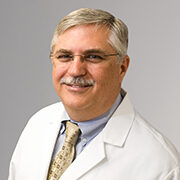
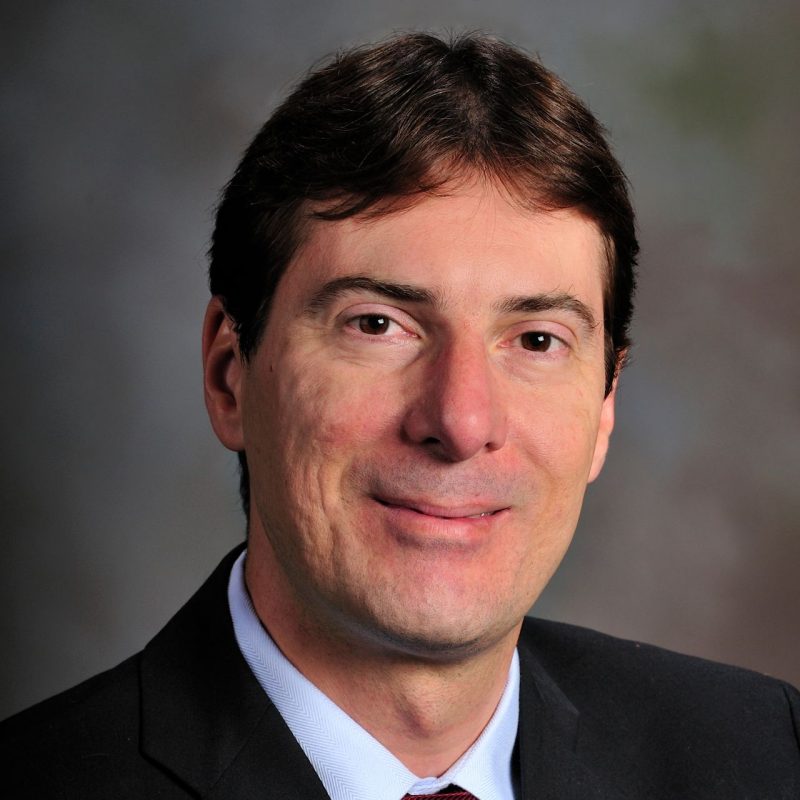
Dr. Harold A. Singer is a Professor and Chair in the Department of Molecular and Cellular Physiology at Albert Einstein College of Medicine. His research focuses on calcium signaling mechanisms in vascular smooth muscle cells, particularly the role of CaMKII isoforms in regulating gene transcription and vascular remodeling. Research spans vascular biology , signal transduction , and cardiovascular pathophysiology Key interests include CREB phosphorylation , CaMKIIδ function , and vessel injury responses His recent work examines CaMKII-endothelium interactions in re-endothelialization and angiogenesis . Grants from the NIH (R01 HL049426, R01 HL092510) support his investigations into vascular remodeling and disease mechanisms .
Dr. Miriam Matamales is a UNSW Scientia Fellow (Level C) in the School of Psychology at the University of New South Wales. She leads the Neuromodulatory Systems and Behaviour group within the Decision Neuroscience Laboratory, focusing on understanding how neuromodulatory systems support plasticity in subcortical brain networks for generating and modifying voluntary behaviors. Education: Ph.D. Neuroscience, Pierre and Marie Curie University, Paris, France (2009) Master in Biomedical Research, Pompeu Fabra University, Barcelona, Spain (2007) Bachelor of Human Biology, Pompeu Fabra University, Barcelona, Spain (2006) Dr. Matamales' research combines innovative high-throughput fluorescence microscopy and computational image analysis to understand how the functional architecture of the striatum encodes goal-directed learning and how its dysfunction impairs normal behavior. Her work primarily focuses on neuromodulatory systems (dopamine, acetylcholine, neuropeptides) supporting plasticity in subcortical brain networks, particularly the striatum and basal ganglia pathways. She uses mice as experimental models with approaches including instrumental conditioning, AAV-based circuit- and cell-specific tracing and manipulation in behaving animals, in vivo photometry and computational analysis of behavioral and neuronal data. Analysis of Dr. Matamales' recent publications shows a strong focus on striatal function, goal-directed learning mechanisms, and age-related changes in neural circuits. Her work spans from molecular neuroscience examining DARPP-32 signaling to systems-level investigations of basal ganglia circuits and their role in behavior. Scientific Awards: UNSW Dean of Science Early Career Excellence Award (2020) UNSW's Vice-Chancellor's Childcare Support Fund for Women Researchers (2019) Paxinos-Watson Award from the Australasian Neuroscience Society (2017) Dr. Matamales has successfully secured multiple competitive grants including NHMRC Ideas Grants as both Lead CI and CIB, an ARC Discovery Project as Lead Investigator, and a Tourette Association of America Young Investigator Award as sole CI. She currently supervises PhD student Jonathon Jacobs on research related to the molecular footprint of instrumental learning in the striatum. In addition to her research, she teaches in the UNSW NEUR2201 Neuroscience Fundamentals course and serves as invited faculty at the Australasian Course in Advanced Neuroscience. Her laboratory, the Neuromodulatory Systems and Behaviour group (www.neuromodulab.org), investigates how learning is encoded in brain circuits and how new behaviors imprint in neuronal circuits during generation, maturation, and adaptation to environmental rule changes.
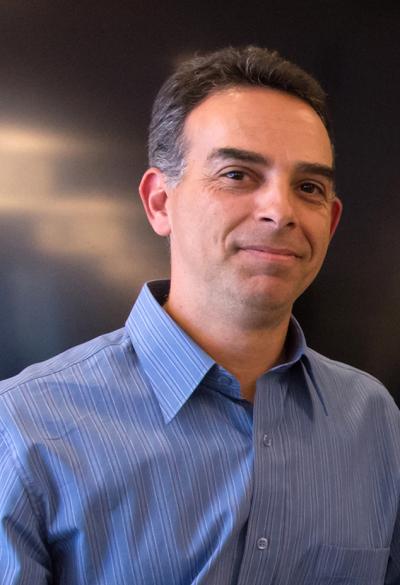
Francesca Rappa is a Full Professor in the Department of Human Anatomy and Histology within the School of Medicine and Surgery at the University of Palermo. Her academic position (BIOS-12/A classification) centers on biomedicine, neuroscience, and advanced diagnostics with a focus on molecular mechanisms of disease. Her research spans multiple interconnected domains centered on stress response systems. Key interests include: Molecular chaperone networks (particularly Hsp60, Hsp90, Hsp27) in carcinogenesis Thyroid and colorectal cancer pathophysiology Glioblastoma multiforme molecular characterization Probiotic interventions for gut-liver-muscle axis disorders Nanovesicle-based therapeutics from citrus and tomatoes Diagnostic applications of heat shock proteins in inflammatory diseases Publication analysis reveals consistent focus on chaperone systems across cancer types (thyroid, salivary, colorectal, brain), with recent expansion into nutraceutical mechanisms involving citrus nanovesicles and golden tomatoes. Her 2023-2025 output shows increasing emphasis on multi-organ communication pathways (gut-brain, gut-liver-muscle) and industrial-scale therapeutic applications. Methodologically, she integrates immunohistochemistry, proteomics, and animal disease models. Teaching responsibilities include core anatomy courses for Medicine and Radiology programs: Anatomy I (10 CFU) and II (6 CFU) for Medicine Human Anatomy with Histology elements (6 CFU) for Radiology Integrated Anatomy/Biochemistry/Physiology modules (12 CFU) She actively supervises graduate research, with four theses directed between 2020-2024 covering celiac disease histopathology, stress protein interactions in colorectal cancer, glioblastoma biomarkers, and thyroid stress responses. Her laboratory work focuses on immunomorphological analysis of chaperone systems in tumor tissues and development of probiotic/nanovesicle interventions for metabolic and inflammatory conditions.
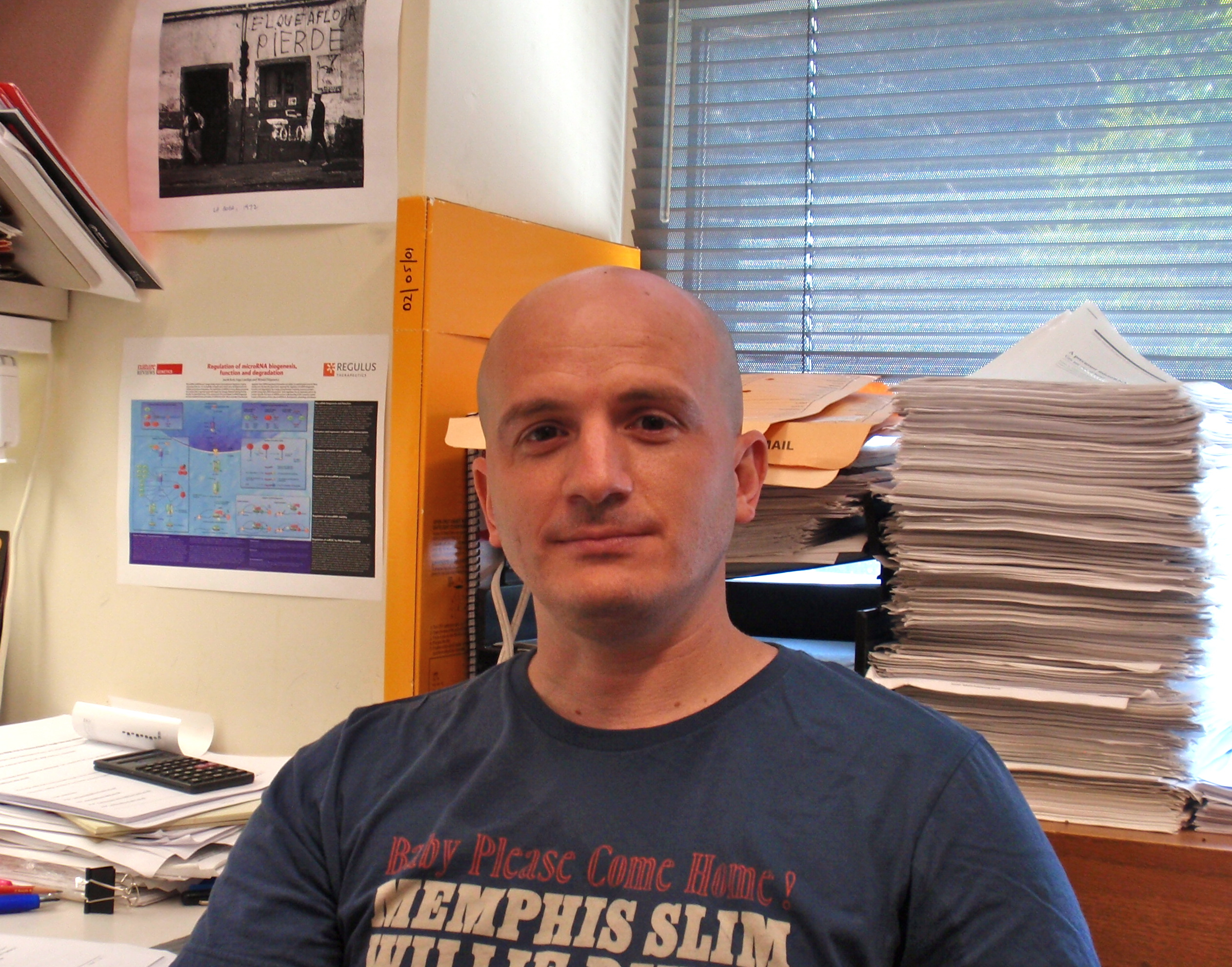
Ramon Jose Ayon is a Researcher in the Department of Molecular Physiology and Biological Physics at the University of Virginia School of Medicine. His work focuses on molecular mechanisms underlying vascular contractility and pulmonary hypertension, particularly involving calcium signaling networks and ion channel regulation. Education: BS in Biochemistry, University of Nevada, Reno PhD in Cellular and Molecular Pharmacology and Physiology, University of Nevada, Reno Research Interests: His research explores novel signaling networks regulating vascular contractility, with emphasis on the sodium calcium exchanger (NCX1) and its role in cardiovascular biology. Key areas include molecular pharmacology, pulmonary arterial hypertension, calcium signaling, ion channel regulation, vascular physiology, and signal transduction. Publication Trends: His recent work spans 2016–2020, highlighting calcium-sensing receptors, TRPV1 channels, TMEM16A regulation, and metabolic pathways in pulmonary hypertension. Articles focus on molecular physiology, cardiovascular disease, and targeted therapies.
Dr. Maria Harrison is the William H. Crocker Distinguished Professor at Cornell University's School of Integrative Plant Science and Adjunct Professor in Plant Pathology. Her research investigates arbuscular mycorrhizal symbioses, focusing on phosphate transfer mechanisms and plant defense biochemistry. Using model legumes and poplar trees, her lab studies fungal colonization, symbiotic gene regulation, and metabolic pathways for bioactive compounds. She was elected to the Royal Society in 2024, recognizing her contributions to plant-microbe interactions. Her publications reveal insights into lipid provisioning, kinase signaling in symbiosis, and development of plant biosensors. Research integrates molecular genetics, cell biology, and genomics to address nutrient acquisition challenges in agriculture.
Dr. Hanna Taipaleenmäki is a Researcher and Group Leader at the Molecular Skeletal Biology Laboratory (MSB-Lab) within the University Medical Center Hamburg-Eppendorf in Hamburg, Germany. She holds a PhD from the University of Turku (Finland) and Odense University Hospital (Denmark), followed by postdoctoral research at the University of Massachusetts Medical School (USA) and UMC Hamburg-Eppendorf. Her research focuses on the role of osteoblasts in breast cancer-induced metastatic bone disease, particularly investigating microRNA regulation in bone physiology and pathology. Key areas include histomorphometry, in vivo models, and translational medicine. She is an active member of the ECTS and ASBMR scientific societies. Her work has been recognized through multiple awards and grants, though specific names are not listed. Technical strengths include in vivo methods and expertise in bone-cancer cross-talk mechanisms. Dr. Taipaleenmäki’s research aims to elucidate malignant interactions between bone and cancer cells in metastasis, with a focus on therapeutic targets in the bone microenvironment.
Melissa J. Moore, PhD, is Professor at the University of Massachusetts Chan Medical School, where she holds the Eleanor Eustis Farrington Chair of Cancer Research and serves in the RNA Therapeutics Institute. She also holds appointments in the T. H. Chan School of Medicine (Department of Chemical Biology) and the Morningside Graduate School of Biomedical Sciences (Departments of Biochemistry & Molecular Biotechnology, Interdisciplinary Graduate Program, and Translational Science). Additional affiliations include campus-wide programs in Bioinformatics & Integrative Biology and Chemical Biology. Education: BS in Chemistry/Biology, College of William and Mary PhD in Biological Chemistry, Massachusetts Institute of Technology Research Focus: Melissa Moore’s laboratory investigates post-transcriptional gene regulation in eukaryotes, with emphasis on three interconnected themes: (1) spliceosome structure and catalytic mechanism, (2) nuclear-to-cytoplasmic control of mRNA metabolism, and (3) quality control and clearance of defective ribosomal and messenger RNAs. The group combines biochemistry, single-molecule biophysics, RNA structural biology, and cell biology to dissect these processes at molecular and systems levels. Scientific Awards & Honors: Eleanor Eustis Farrington Chair of Cancer Research Funding & Collaborations: Work is supported by grants from the National Institutes of Health and involves ongoing collaborations with investigators at Brandeis University, MIT, University of Rochester, and other institutions. Rotation projects for graduate students are available in all active research areas. Laboratory & Team: The Moore laboratory is located in the RNA Therapeutics Institute at UMass Chan Medical School, 364 Plantation Street, Worcester, MA. The team employs state-of-the-art single-molecule imaging, mass spectrometry, and high-throughput sequencing to advance understanding of RNA biology and to translate insights into therapeutic RNA technologies.
Dr. Aydan Bulut-Karslıoğlu is a Research Group Leader at the Max Planck Institute for Molecular Genetics in Berlin, where she leads the Bulut-Karslıoğlu Lab focused on gene-environment interactions in stem cells and development. Her work has significantly advanced our understanding of embryonic diapause and stem cell state transitions. Dr. Bulut-Karslıoğlu's educational background includes: B.Sc. in Chemical Engineering (major) and Biology (minor) from Middle East Technical University, Ankara, Turkey (2006) M.Sc. in Molecular Biology and Genetics from Bilkent University, Ankara, Turkey (2008) Ph.D. from Max Planck Institute of Immunobiology and Epigenetics, Freiburg, Germany (2013) Her research focuses on mechanisms regulating stem cell state transitions and fate commitment, particularly how cells communicate signals from their surroundings to the gene expression machinery. She has pioneered work on mammalian embryonic diapause - a reversible dormant state that gives embryos extra time to develop. Her lab uses a combination of functional perturbation methods in stem cells and early mouse embryos with omics, imaging, and biochemistry to reveal how genetic networks adjust to the status of the embryo. Analysis of her recent publications reveals a strong focus on the epigenetic and metabolic regulation of embryonic diapause, with particular emphasis on mTOR signaling, lipid metabolism, and DNA methylation dynamics. Her work bridges developmental biology, stem cell research, and metabolism, demonstrating how environmental cues like oxygen levels and nutrient availability influence developmental timing and cell fate decisions. Her notable scientific achievements include: Sofja Kovalevskaja Award (2018) ERC Starting Grant (2023) ERC Proof of Concept Grant (2025) GSCN Young Investigator Award (2025) Dr. Bulut-Karslıoğlu actively mentors the next generation of scientists, currently supervising multiple PhD students including Persia Akbari-Omgba, Anastasios Balaskas, Heleen Mallie, and Gunwant Patil. Her lab has received substantial funding through prestigious grants, including the Sofja Kovalevskaja Award, ERC Starting Grant, and ERC Proof of Concept Grant, enabling her team to pursue innovative research at the intersection of developmental biology and metabolism. The Bulut-Karslıoğlu Lab maintains a vibrant research environment with both computational and experimental scientists working together to unravel the mysteries of embryonic diapause and stem cell regulation. The lab actively participates in the International Max Planck Research School for Biology And Computation (IMPRS-BAC), contributing to the training of doctoral candidates at the interface of molecular life sciences and computational sciences.
Associate Professor Patrick Bertolino at the University of Sydney's Central Clinical School leads the Liver Immunology Program at the Centenary Institute. With 20+ years of international recognition in liver immunology , he pioneered discoveries about CD8+ T cell activation and hepatocyte-mediated immune tolerance , including the paradigm-shifting finding that liver-activated T cells are deleted via hepatocyte lysosomes. His work bridges transplantation immunology , chronic hepatitis , and malaria vaccine development using transgenic mouse models . Trained by immunology luminaries: Chantal Rabourdin-Combe (ENS-Lyon), Jacques Miller (WEHI), Barbara Fazekas de St Groth (Centenary Institute) Continuous NHMRC funding since 2000: 2 Program Grants, 6 Project Grants 2010 NHMRC Senior Research Fellowship Research Themes explore how the liver uniquely regulates immunity: Induces transplant tolerance via T cell deletion Exploits immune subversion in hepatitis B/C and malaria Develops gene therapy and mRNA vaccines for liver-targeted immunity Investigates hepatitis C reinfection post-transplant Article Trends show sustained focus on T cell-liver interactions , with recent work on mRNA vaccines (2023), neuroinflammation in GVHD (2024), and long-lived TRM cells in malaria (2025). Publications span high-impact immunology , hepatology , and transplantation journals . Awards include: 2010 NHMRC Senior Research Fellowship 2009 Centenary Institute student paper award 1999 Kevin Lafferty Prize for Autoimmunity 1997 University of Sydney U2000 Fellowship Teaching includes 3rd-year Immunology lectures (since 1998). Led liver immunology group since 2011, mentoring students and postdocs. Collaborates with Centenary Institute and National Hepatitis C Elimination Program .
Wendy P. Robinson is a Professor in the Department of Medical Genetics at the University of British Columbia Faculty of Medicine , and a Senior Scientist at the BC Children’s Hospital Research Institute . She holds the CIHR Sex and Gender Science Chair . Research Interests: Genetics and epigenetics of early human development, placental function in pregnancy complications (fetal growth restriction, preterm birth), DNA methylation, non-coding RNA, sex differences, and polymorphisms. Her lab employs genomic and bioinformatic tools to study placental health and its impact on newborn outcomes. Recent Publications (2025-2024) focus on X-chromosome inactivation patterns in placenta, cell-type specific DNA methylation, maternal socioeconomic effects on placental epigenetics, and modeling placental development with organoids. Key themes include sex-specific epigenetic regulation , maternal-fetal interactions , and human placental methylome . Awards: UBC Faculty of Medicine Distinguished Achievement Award (2018), with trainees receiving the James Miller Memorial Prize and Mary-Jane Carroll Trainee Award. Students & Collaborations: Supervised PhD/MSc students include Li Qing Wang, Icíar Fernández Boyano, Giulia Del Gobbo, Victor Yuan, and Magda Price. Collaborators span the Alex Beristain Lab and University of Toronto institutions. Laboratory Activities: Regular team-building events like mountain hikes, climbing outings, and kayaking trips, alongside providing open access to epigenetic tools (e.g., Bisearch, SeqDoc) for the research community.
Mauricio Antunes is an Assistant Professor in the Department of Biological Sciences and a member of the BioDiscovery Institute at the University of North Texas (UNT), where he joined in 2018 after serving as a Research Assistant Professor at Colorado State University. His work pioneers plant synthetic biology to engineer plants with novel traits for environmental sensing and improved bioproduction. Education: B.S. in Agronomy from Universidade Federal de Viçosa, Brazil M.S. in Crop Sciences from Universidade Federal de Viçosa, Brazil Ph.D. in Plant Molecular Biology from Purdue University under Nick Carpita and Tom Hodges Dr. Antunes' research focuses on developing synthetic biology tools for plant engineering. Key areas include: Synthetic transcriptional/post-transcriptional control systems modulated by specific inputs Small RNAs as mobile signaling molecules in plants Complex genetic circuits for enhanced plant production Re-wiring metabolic pathways like phenylpropanoid biosynthesis His publication analysis (2016-2024) shows consistent innovation in plant synthetic biology, with recent emphasis on Boolean logic gates for environmental sensing, RNA signaling mechanisms, and metabolic pathway engineering. Key trends include the development of tunable promoters, microRNA mobility studies, and biosensors for plant metabolites. Scientific Awards: No scientific awards listed for Dr. Antunes Dr. Antunes actively mentors graduate students and secures research funding: Current Students: Jordan LaChance (PhD), Md Shoyeb (PhD), Jesseca Hemminger (PhD) Former Students: Stephanie Amack (MS), Charles Anderson (MS), Armin Tutnjic (MA) Current Grant: The Welch Foundation ($240,000, 2021-2024) for 'Establishing biochemical determinants of microRNA long-distance mobility in plants' The Antunes Lab, part of UNT's BioDiscovery Institute, comprises postdocs, graduate students, and undergraduates collaborating on plant synthetic biology projects. The team maintains strong interdisciplinary connections within UNT and with external partners like Colorado State University, focusing on translating synthetic biology tools into agricultural and biotechnological applications.
Dr. Stella Daskalopoulou is a Senior Scientist at the Research Institute of the McGill University Health Centre (RI-MUHC) and a Professor in the Department of Medicine at McGill University's Faculty of Medicine and Health Sciences. She specializes in translational cardiovascular research with a focus on vascular health, atherosclerosis, and hypertension management. Senior Scientist, RI-MUHC Glen site Professor, Department of Medicine, McGill University Member, Cardiovascular Health Across the Lifespan Program Research Focus: Her work integrates biomedical technology with clinical investigation to identify early vascular impairment markers. Key areas include: Arterial stiffness and hemodynamic assessment Adiponectin signaling pathways in atherosclerosis Sex-specific cardiovascular risk stratification Biomarker discovery for plaque instability Pregnancy-related vascular complications Machine learning applications in plaque classification Scientific Engagement: Dr. Daskalopoulou contributes to hypertension guideline development (2024 ESC Guidelines) and explores environmental impacts on vascular health (household pollution studies). Her recent publications emphasize: Deep learning for plaque characterization Sex hormone receptor pathways in atherosclerosis Adipokine interactions with HDL metabolism Clinical decision tools for preeclampsia prediction Laboratory: Leads the Vascular Health Unit at RI-MUHC, combining histopathology, immunophenotyping, and advanced imaging for translational research.
Demian Cazalla is an Associate Professor in the Department of Biochemistry at the University of Utah, focusing on the functional roles of non-coding RNAs (ncRNAs) in gene expression regulation. He is affiliated with the Molecular Biology Program and Biological Chemistry Program, contributing to interdisciplinary research in RNA biology. Education: M.Sc., University of Buenos Aires, Argentina Ph.D., Open University/MRC Human Genetics Unit, Edinburgh, Scotland Dr. Cazalla's research investigates how ncRNAs, particularly those expressed by oncogenic herpesviruses like Herpesvirus saimiri (HVS), regulate gene expression. His lab explores the structural and molecular mechanisms of viral ncRNAs (HSURs), their interactions with host miRNAs, and their role in viral oncogenesis through miRNA degradation and mRNA targeting. Current projects involve biochemical analysis of RNA-protein complexes and high-throughput sequencing to identify RNA targets. His recent publications highlight viral miRNA biogenesis pathways, ncRNA structural dynamics, and RNA-based regulatory networks. The work spans molecular virology, RNA biochemistry, and gene expression control in complex organisms.
Marco A.R. Ferreira is an Associate Professor in the Department of Statistics at Virginia Polytechnic Institute and State University (Virginia Tech), affiliated with the College of Science. He holds a Ph.D. in Statistics from Duke University (2002), with a dissertation on Bayesian multi-scale modeling under M. West. He also earned an M.Sc. (1994) and B.Sc. (1993) in Statistics from the Federal University of Rio de Janeiro. Research Interests: Ferreira specializes in Bayesian statistics, multi-scale modeling, spatial-temporal models, computational methods (e.g., MCMC), and applications in environmental science, genomics, and epidemiology. His work emphasizes hierarchical models, inverse problems, and high-dimensional data analysis. Publications Trends: His research spans advanced statistical methodologies for environmental monitoring, civil unrest modeling, and genomic data analysis. Key themes include Bayesian hierarchical models, spatiotemporal fusion, and computational algorithms for optimal experimental design. Awards & Honors: OBAYES Poster Prize (2009) CNPq Fellowship (2003–2006) WNAR/COBAL 2 Award (2005) Springer Poster Prize (2003) Finalist, Savage Award (2003) Best Contributed Paper (JSM 2000) Professional Activities: He serves as an Associate Editor for Bayesian Analysis and is a member of the American Statistical Association and the International Society for Bayesian Analysis.
Xiaowen Bai, MD, PhD, is a Professor in the Department of Cell Biology, Neurobiology and Anatomy at the Medical College of Wisconsin. His research focuses on leveraging stem cells to model neurodegenerative diseases and cardiac disorders, with a particular emphasis on non-coding RNAs, mitochondria, and environmental stressors like anesthetics and alcohol. He holds a leadership role as Executive Director of Hematology at the World Federation of Chinese Medicine Societies (WFCMS). Education: MD, Shanxi Medical University (1993) PhD, Beijing University Stem Cell Center (2004) Postdoctoral Training, University of Texas MD Anderson Cancer Center (2007) Research Interests: Neurodegeneration mechanisms involving microRNAs, lncRNAs, and mitochondrial dysfunction Stem cell-based therapies for myocardial regeneration Diabetic cardiomyopathy pathogenesis and cardioprotection 3D organoid models for studying anesthetic and alcohol neurotoxicity Recent Work: Recent publications emphasize translational studies using human-induced pluripotent stem cell (iPSC)-derived models to investigate alcohol-induced brain injury, anesthetic neurotoxicity, and cardiac fibrosis. His lab also explores immunomodulatory pathways and redox signaling in inflammatory diseases. Labs/Teams: The Bai Lab develops novel in vitro models for disease modeling and drug testing, focusing on cerebral organoids and cardiac organoids to bridge basic research and clinical applications.