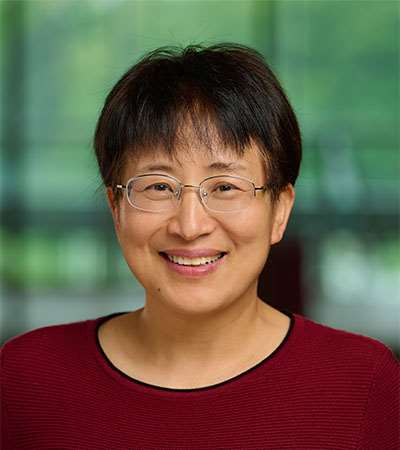
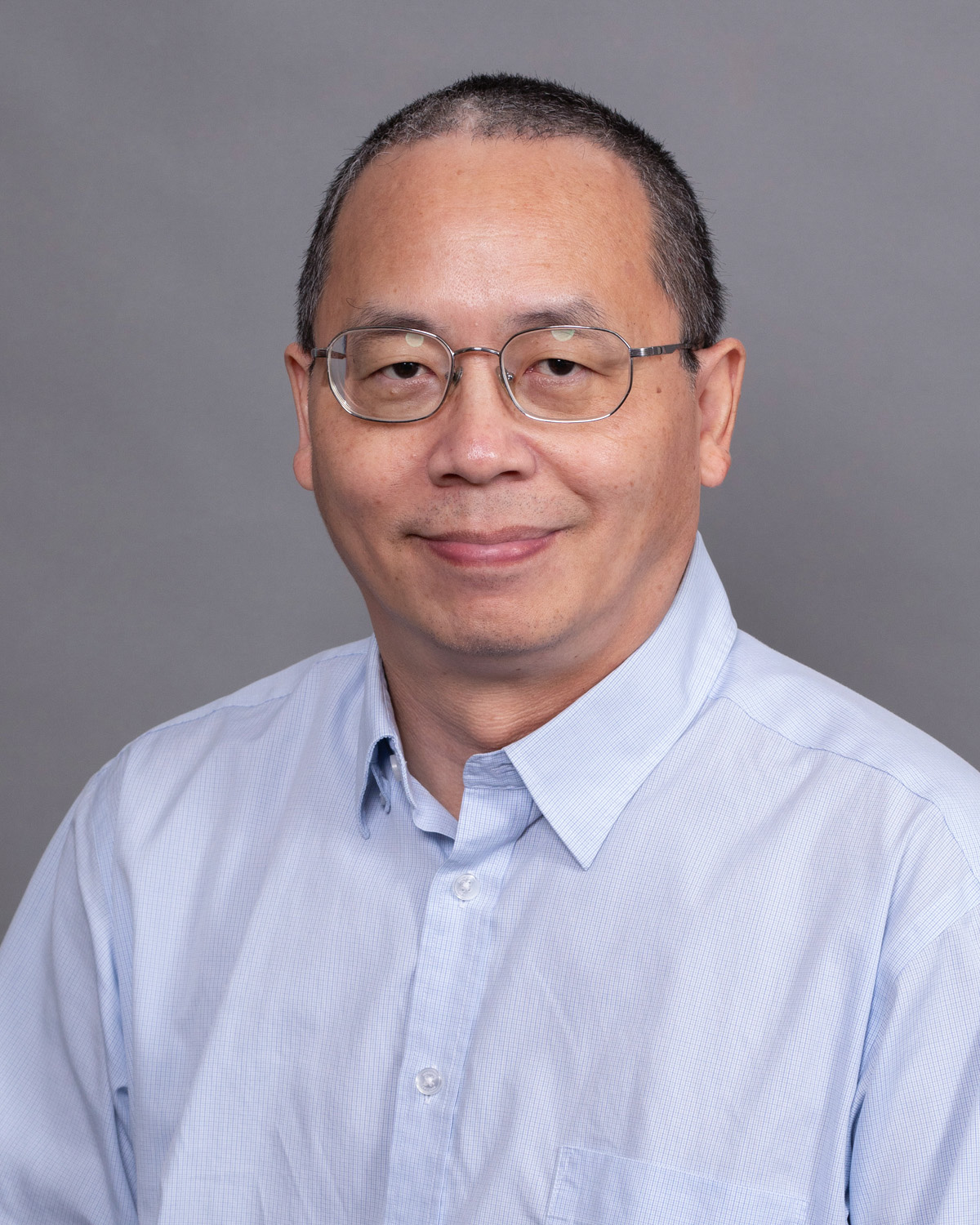
Xiaowen Bai, MD, PhD, is a Professor in the Department of Cell Biology, Neurobiology and Anatomy at the Medical College of Wisconsin. His research focuses on leveraging stem cells to model neurodegenerative diseases and cardiac disorders, with a particular emphasis on non-coding RNAs, mitochondria, and environmental stressors like anesthetics and alcohol. He holds a leadership role as Executive Director of Hematology at the World Federation of Chinese Medicine Societies (WFCMS). Education: MD, Shanxi Medical University (1993) PhD, Beijing University Stem Cell Center (2004) Postdoctoral Training, University of Texas MD Anderson Cancer Center (2007) Research Interests: Neurodegeneration mechanisms involving microRNAs, lncRNAs, and mitochondrial dysfunction Stem cell-based therapies for myocardial regeneration Diabetic cardiomyopathy pathogenesis and cardioprotection 3D organoid models for studying anesthetic and alcohol neurotoxicity Recent Work: Recent publications emphasize translational studies using human-induced pluripotent stem cell (iPSC)-derived models to investigate alcohol-induced brain injury, anesthetic neurotoxicity, and cardiac fibrosis. His lab also explores immunomodulatory pathways and redox signaling in inflammatory diseases. Labs/Teams: The Bai Lab develops novel in vitro models for disease modeling and drug testing, focusing on cerebral organoids and cardiac organoids to bridge basic research and clinical applications.
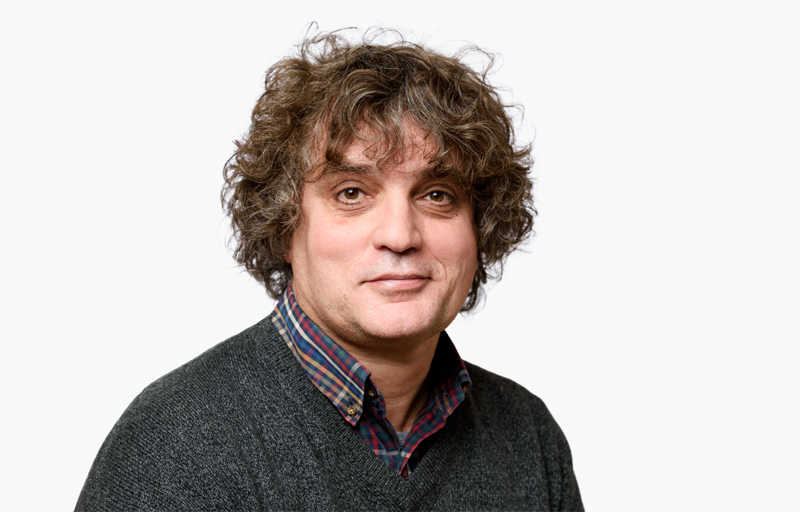
Dr. Ryszard Nosalski is an Honorary Research Fellow at the School of Cardiovascular & Metabolic Health, University of Glasgow. His research focuses on understanding immune mechanisms underlying hypertension, vascular inflammation, and cardiovascular disease progression. He collaborates extensively with the British Heart Foundation (BHF) Cardiovascular Research Centre. Key research interests include vascular inflammation pathways, T-cell-mediated fibrosis in hypertension, and therapeutic targeting of oxidative stress (e.g., NOX enzymes). His work bridges basic science and translational medicine, addressing clinical challenges such as chemotherapy-induced hypertension and periodontitis-hypertension associations. Recipient of a 2022-2023 grant from Tenovus Scotland for studying the IL-15/IL-15Ra axis in cardiac damage during hypertension. Published over 20 peer-reviewed articles in high-impact journals like Nature Reviews Cardiology , Hypertension , and Circulation Research . His recent work highlights novel therapeutic strategies for vascular inflammation and demonstrates how immune responses contribute to hypertension pathophysiology. Ongoing projects investigate neuroimmune interfaces in atherosclerosis and the role of microRNAs in fibrosis.
Sonia Navas-Martin is a Professor in the Department of Microbiology & Immunology at Drexel University College of Medicine. She holds a PhD from Universidad Autónoma de Madrid (1997). Her research focuses on innate immunity mechanisms during viral infections and neurodegenerative diseases, with emphasis on CNS pathologies and cellular senescence. Education: PhD in Microbiology & Immunology, Universidad Autónoma de Madrid (1997) Research Interests: Dr. Navas-Martin investigates how innate immune pathways contribute to immunopathology in viral infections (e.g., coronaviruses), neuroinflammation, and neurodegenerative diseases like Alzheimer’s. Her work combines molecular biology, immunology, and animal models to identify therapeutic targets. Key areas include: Microglial responses to viral pathogens Role of non-coding RNAs (e.g., miRNAs) in immune regulation Cellular senescence in HIV-associated neurocognitive disorders Cross-talk between TLR signaling and viral replication Publications: Her recent work includes studies on SARS-CoV-2 antiviral strategies, microglial antiviral mechanisms, and HIV-HCV co-infection dynamics. The articles reflect a focus on innate immunity modulation, viral pathogenesis, and translational therapies. Awards: Curator, American Society for Microbiology’s COVID-19 Research Registry Grants & Mentorship: She oversees an NIH-funded neuroimmunology graduate position and mentors students in scientific excellence. Her lab is known for collaborative, open research environments fostering innovation. Labs & Teams: Active in the Institute for Molecular Medicine & Infectious Disease at Drexel, collaborating on coronavirus immunology and SARS-CoV-2 therapeutic development. Her research integrates virology, immunology, and neurobiology to address critical gaps in understanding viral CNS pathogenesis.
Lill-Tove Rasmussen Busund is a Professor and Consultant Pathologist at the Department of Medical Biology, UiT The Arctic University of Norway. Her research focuses on translational cancer studies with emphasis on cancer biomarkers in tissue and blood, combining molecular biology with artificial intelligence applications in pathology. She leads the Translational Cancer Research Group (TCRG) and contributes to projects like the TNM-Immune Cell Score Trial and AI–Pathology initiatives. Role: Professor/Consultant Pathologist University: UiT The Arctic University of Norway Department: Department of Medical Biology Email: lill.tove.rasmussen.busund@uit.no Rasmussen Busund's work spans epidemiological cancer research , multi-omic data integration , and machine learning applications for cancer diagnostics. She develops prognostic and predictive biomarkers using population-based cohorts like the NOWAC study, with particular attention to hormone-dependent cancers and immune microenvironment analysis . Recent publications highlight her expertise in digital pathology and AI-driven tumor classification , including studies on microRNA expression patterns in breast and colon cancer, immune cell score development for NSCLC, and computational approaches to lymphocytic infiltration assessment. Her research directly impacts precision oncology and immunotherapy response prediction . She contributes to teaching as leader of the Musculoskeletal System course at the Medical School, and maintains active participation in scientific knowledge migration projects like the transition to the National Science Archive (NVA). Her ORCID identifier is 0000-0001-8235-6163 .
Gabriele Romano, PhD, is an Assistant Professor in the Department of Pharmacology & Physiology at Drexel University College of Medicine. His research focuses on cancer drug resistance mechanisms, leveraging mouse modeling, functional genomics, and computational biology. He leads the Romano Lab, which explores tumor-stroma interactions in minimal residual disease, tumor suppressor roles in therapy resistance, and HIV-cancer comorbidity. Education: PhD - Molecular and Translational Medicine, University of Milan, Bicocca (2015) MS - Medical Biotechnology, University of Milan, Bicocca (2012) BS - Biotechnology, University of Milan, Bicocca (2010) Research Interests: Cancer drug resistance mechanisms Immune evasion and tumor microenvironment Therapeutic strategies for HIV-associated cancers Functional genomics and nanoparticle delivery His work emphasizes developing novel therapies targeting residual tumor cells and improving outcomes for immunocompromised cancer patients. Key Awards: 2023 WW Smith Trust nominee (Cancer Research) 2022 Pew Biomedical Scholars competition nominee 2019 Maryanne Rosenstein Family Fellowship in Cancer Research Grants & Collaborations: Recipient of multiple institutional and foundation grants Collaborations with global institutions on translational projects Focus on mouse models, CRISPR screens, and bioinformatics Labs & Teams: Romano Lab at Drexel University Partnerships with MD Anderson Cancer Center and The Jackson Lab
Javier Caceres is a Professor of RNA and Gene Expression holding a Personal Chair at the MRC Human Genetics Unit within the Institute of Genetics and Molecular Medicine (IGMM) at the University of Edinburgh. He has served as Head of the Genome Regulation Section since 2015, leading research on RNA-mediated genetic mechanisms. His educational background includes a Ph.D. in Molecular Biology (1989) and an MSc. in Biology (1985), both obtained from the University of Buenos Aires. These degrees established his foundation in molecular genetics before his postdoctoral work at Cold Spring Harbor Laboratory and the University of Wisconsin-Madison. Dr. Caceres' research centers on RNA biology with emphasis on post-transcriptional gene regulation. His work investigates alternative splicing mechanisms, nonsense-mediated decay pathways, microRNA functions, and RNA-protein interactions. These studies provide critical insights into genetic disorders and potential therapeutic targets, particularly in splicing-related diseases. His experimental approaches combine biochemical, genomic, and cellular techniques to dissect RNA regulatory networks. Analysis of his publication record reveals consistent focus on RNA processing mechanisms across three decades. His work demonstrates evolving technical sophistication from foundational splicing studies to contemporary systems-level analyses of RNA regulation, with sustained contributions to understanding how RNA dysregulation causes human disease. Key themes include RNA-binding proteins, mRNP dynamics, and quality control pathways. His major scientific recognitions include: Election as Fellow of the Royal Society of Edinburgh (FRSE) in 2011 Award of the Wellcome Trust Senior Investigator Award in 2011 Membership in the European Molecular Biology Organization (EMBO) since 2008 Dr. Caceres actively shapes scientific discourse through editorial leadership as Associate Editor of RNA (since 2011) and service on editorial boards of EMBO Journal and Nucleic Acids Research. He has evaluated research proposals for major funding bodies including the European Research Council (ERC Starting Grants panel), German Research Foundation (DFG), and Swiss National Foundation, focusing on molecular biology and RNA research initiatives. He directs the Genome Regulation Section at the MRC Human Genetics Unit, where his team employs cutting-edge methodologies to investigate RNA-mediated gene regulation mechanisms and their roles in human disease pathogenesis.
John Iacomini is a Professor at Tufts University School of Medicine , affiliated with the Department of Immunology and cross-appointed in Genetics, Molecular and Cellular Biology, and other biomedical programs. He has taught courses like Intro to Immunology and Advanced Cellular Immunology since 2011. Doctor of Philosophy , Tufts University (1991) Bachelor of Science , Syracuse University (1986) His research focuses on adaptive immune responses , immunological tolerance , and the role of microRNAs in T cell activation and tissue injury responses . Recent work explores how hyperlipidemia and dietary factors influence organ transplant rejection and immune regulation. His publications since 2015 highlight studies on Treg dysfunction , Th17 cell pathogenicity , microRNA-mRNA interactions in nephrotoxicity, and hormonal modulation of T cells. These studies often intersect transplant immunology and metabolic-immune crosstalk . Scientific Awards NIH Grant: Post-transcriptional regulation of gene expression by microRNAs (2021-2026) NIH Grant: Microbial disruption of dendritic cell function (2018-2023) NIH Grant: Hyperlipidemia effects on immune memory (2018-2020) NIH Grant: Diet-induced transplant rejection (2015-2020) American Heart Association Grant: Hyperlipidemia in cardiac rejection (2014) As a mentor, he has advised graduate students like Christopher Benway and contributed to training programs. His laboratory remains active in uncovering mechanisms of immune tolerance , microRNA regulation , and metabolic influences on transplant outcomes .
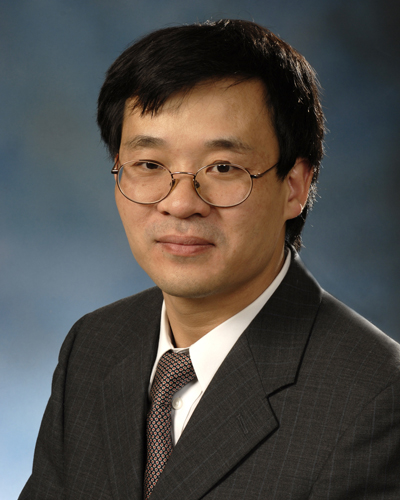
Dr. Peixin Yang is the Christopher R. Harman, MD Endowed Professor of Obstetrics, Gynecology, and Reproductive Sciences at the University of Maryland School of Medicine. He serves as Professor with tenure in the Department of Obstetrics, Gynecology and Reproductive Sciences and holds a secondary appointment in the Department of Biochemistry & Molecular Biology. Dr. Yang is the founding director of the Center for Birth Defect Research at the University of Maryland School of Medicine and leads multiple NIH-funded research projects totaling millions of dollars. Dr. Yang's educational background includes: B.S. in Animal Science from Zhejiang Agricultural University (1986-1990) M.S. in Animal Reproductive Sciences from Nanjing Agricultural University (1990-1993) Ph.D. in Biophysics from Tokyo University of Agriculture & Technology and Zhejiang University (1994-1999) Postdoctoral Research Associate at University of Nebraska Medical Center (1999-2002) BIRCWH scholar (NIH K12) at University of Maryland Baltimore (2008-2009) Dr. Yang has built an extensive research program focused on diabetic embryopathy, particularly examining how maternal diabetes induces neural tube defects (NTDs), congenital heart defects (CHDs), and kidney defects. His laboratory was the first to establish a mouse model of diabetic embryopathy and reveal the causal role of JNK1/2 in neural tube defects. He has made significant contributions to understanding the molecular mechanisms of cellular stress, endoplasmic reticulum stress, and autophagy in neural tube defect formation. Dr. Yang also investigates the effects of maternal obesity on placental function and has established the Maryland Maternal Health Research Center of Excellence. His recent work has expanded to include studies on SARS-CoV-2 infection in pregnancy and connections between insulin resistance signaling and Alzheimer's disease. Analysis of Dr. Yang's recent publications reveals a strong focus on the molecular mechanisms of diabetic embryopathy, with particular emphasis on epigenetic regulation, cellular stress signaling pathways, and placental function. His work consistently bridges basic science with clinical applications, developing potential therapeutic approaches for preventing birth defects. A significant portion of his recent research examines the intersection of maternal metabolic conditions (diabetes and obesity) with fetal development, while also expanding into novel areas like viral infections in pregnancy and connections to neurodegenerative diseases. Dr. Yang's notable scientific achievements include: The F. Clarke Fraser New Investigator Award from the Teratology Society (2013) BIRCWH scholar (NIH K12) (2008-2009) The Lalor foundation postdoctoral Fellowship (2002-2003) Dr. Yang currently directs a multi-million dollar NIH-funded research group with multiple active R01 grants. His current projects investigate the intersection of mTOR/p70S6K1 signaling and HIPPO-Yap tissue organizer in neurulation, heightened hypoxia and DNA methylation in heart defects of diabetic embryopathy, hyperglycemia-induced cardiac progenitor dysfunction, and epitranscriptomic alterations in diabetic embryopathy. He has developed a robust research program in maternal diabetes-induced heart defects, which was previously an understudied area. Dr. Yang is also leading efforts to establish the Maryland Maternal Health Research Center of Excellence, focusing on the adverse effects of obesity, placental accreta spectrum, and opioid use disorder. As the founding director of the Center for Birth Defect Research at the University of Maryland School of Medicine, Dr. Yang leads a multidisciplinary team of translational and clinical scientists. His laboratory has made original contributions to understanding the molecular mechanisms underlying maternal diabetes-induced structural birth defects. The team employs genetically modified mouse models, whole-embryo culture systems, and human placental studies to investigate the effects of metabolic conditions on fetal development. Dr. Yang's group has been instrumental in developing natural compounds as potential preventatives for diabetic embryopathy, including trehalose, epigallocatechin-3-gallate, and curcumin.
Reyad Elbarbary, PhD is an Associate Professor in both the Department of Orthopaedics and Rehabilitation and the Department of Molecular and Precision Medicine . He is affiliated with the Center for Cannabis and Natural Product Pharmaceuticals (CCNPP) , focusing on cannabis-based therapeutics and bone regeneration. His research spans Molecular Biology , Genetics , and Immunology , with a particular emphasis on MicroRNA , Osteoarthritis , and Bone Fracture Healing . Recent studies explore Cannabidiol and Cannabigerol for pain management and healing promotion in mice, alongside immune response defects in obesity-related fractures. Key publications include work on alternative polyadenylation in Bone Research and musculoskeletal methodologies in Journal of Visualized Experiments . His National Institute of Diabetes and Digestive and Kidney Diseases grant (2019–2024) investigates microRNA homeostasis in bone repair.
Dr. D. Marshall Porterfield is a Professor of Agricultural & Biological Engineering at Purdue University, specializing in biosensors, bio-nanotechnology, and space biology. His research focuses on developing technologies for bioregenerative life support systems and nutrient delivery in microgravity environments. He served as NASA's Division Director for Space Life and Physical Sciences (2012-2016), pioneering initiatives like geneLAB and materialsLAB to advance space research utilization. His work bridges engineering and biology, with applications in space exploration and terrestrial challenges. Porterfield holds leadership roles in organizations like the American Society for Gravitational and Space Research and the Institute for Biological Engineering. He has authored over 100 peer-reviewed papers and holds patents in biosensor technology. Awards include the Halstead Investigator Award and election to the AIMBE College of Fellows. His research portfolio includes lab-on-a-chip devices, biomimetic sensors, and gravitational physiology studies, with recent emphasis on lunar agriculture and space radiation mitigation. His articles highlight advancements in space microbiology, extraterrestrial crop systems, and molecular responses to spaceflight. Key themes include optimizing oxygen delivery for hydroponics, detecting cancer biomarkers via microtest tech, and understanding aging in space environments. Porterfield collaborates across disciplines, leveraging Purdue's facilities like the Birck Nanotechnology Center and Discovery Park for interdisciplinary innovation.
Simon Ekman is a Professor of Oncology at Karolinska Institutet and Senior Physician at Karolinska University Hospital. His research focuses on precision cancer medicine in lung cancer, particularly mechanisms of therapy resistance (tyrosine kinase inhibitors, immunotherapy) and brain metastasis. He leads translational programs integrating molecular profiling of tumors and liquid biopsies (plasma, CSF, pleural effusions) with PET imaging and clinical trials. Appointments: Professor (Karolinska, 2023), Chief Physician (Karolinska University Hospital, 2015) Education: Medical degree and PhD (Uppsala University, 2000), Postdoc (Rudbeck Laboratory, 2002-2005), Visiting Research Fellow (University of Colorado, 2011-2012) His work includes 15 recent articles on topics like exosome-based diagnostics, miRNA-driven resistance, and brain metastasis imaging. Collaborations span institutions including University of Colorado, Oslo University, and University of Manchester. He has secured major grants from the Sjöberg Foundation and Erling Persson Foundation. Scientific awards and funding include SEK 18 million from Sjöberg Foundation (2021) Erling Persson Foundation support for nanotechnology diagnostics Swedish Cancer Society and Research Council grants Simon Ekman's clinical expertise includes NSCLC/SCLC treatment, stereotactic radiotherapy, and brain metastasis management. His group involves principal investigators like Per Hydbring and Kristina Viktorsson, with PhD students and postdocs analyzing tumor biology and therapeutic strategies.
Tian Hong is an Associate Professor at the Department of Biological Sciences, The University of Texas at Dallas , with a joint appointment as Research Associate Professor at the Department of Biochemistry & Cellular and Molecular Biology, The University of Tennessee, Knoxville . His research focuses on systems biology, bioinformatics, cancer biology, and mathematical biology , particularly the plasticity and heterogeneity of epithelial and immune cells during development and cancer progression . He develops computational and mathematical models for gene regulatory networks, pattern formation, and dynamical systems. Education : PhD in Genetics, Bioinformatics and Computational Biology from Virginia Tech; MS in Bioinformatics from Nanyang Technological University, Singapore; BS in Biological Sciences from Nanyang Technological University, Singapore. Previous Appointments : Associate Professor (2023–2024) and Assistant Professor (2017–2023) at The University of Tennessee, Knoxville. His recent publications explore noncoding RNA-driven oscillations , Turing pattern formation without feedback , and epithelial-mesenchymal transitions using single-cell transcriptomics and mathematical modeling . He has received the Professional Promise in Research and Creative Achievement Award (2024) and the Transdisciplinary Team Science Fellow (2009). His work is funded by NIH grants including R35GM149531 (PI) and R01GM140462 (completed PI). Dr. Hong advises PhD and Master’s students and collaborates with researchers at the Center for Systems Biology, UT Dallas . His lab ( link ) actively seeks undergraduate, graduate, and postdoctoral researchers interested in interdisciplinary computational biology .
Xiaonan ZHANG is an Associate Professor in the Faculty of Science and Technology at the University of Canberra, leading the Hepatitis B Virus (HBV) Group within the Centre for Research into Therapeutic Solutions. He holds a PhD from Fudan University (2012) and previously worked at the Shanghai Public Health Clinical Centre until 2021. His research focuses on HBV molecular pathogenesis, therapeutic vaccine development, and next-generation sequencing applications in viral infections. His work has advanced understanding of HBV’s clinical outcomes, including the discovery of Capsid-Antibody-Complexes (CACs) and their role in pathogenesis. Collaborations span institutions like the Peter Doherty Institute, University of Queensland, and international partners such as Fudan University and University of Duisburg-Essen. Key projects include: Development of therapeutic mRNA vaccines for chronic HBV Clinical evaluation of CAC assays in HBV/HIV co-infections Metagenomic sequencing for pathogen identification Research interests emphasize translational medicine, with contributions to H7N9 influenza and SARS-CoV-2 studies during the pandemic. His team pioneered real-world analyses of viral and host factors in COVID-19 outcomes. Current focus includes liver-resident immune cell dynamics and novel diagnostic assays for HBV nucleic acids. Publications highlight innovations in HBV cccDNA tracking, immune complex mechanisms, and exosome-mediated signaling. No scientific awards were explicitly listed in the provided texts. Xiaonan actively collaborates on grants and supervises PhD students, advancing interdisciplinary approaches to viral diseases.
Shankar Mukherji is an Assistant Professor of Physics at Washington University in St. Louis, affiliated with the Department of Physics and the Center for Quantum Leaps. His research integrates theoretical and experimental approaches to understand the design principles governing cellular function, with a focus on organelle biogenesis, spatial organization, and systems-level coordination. He holds a PhD in Biomedical Engineering from the Harvard-MIT Division of Health Science and Technology, and completed postdoctoral training at Harvard’s FAS Center for Systems Biology under Erin O’Shea. Key research themes include: (1) how cells regulate organelle abundance, size, and spatial distribution under developmental/environmental cues, (2) the interplay between organelle biogenesis and cellular physiology, and (3) engineering cellular decision-making to control organelle properties. His group employs advanced imaging, synthetic biology, and computational modeling techniques. Recent work emphasizes systems-level analysis of organelle networks, uncovering principles linking cellular growth to organelle allocation. Notable contributions include studies on stochastic fluctuations in organelle abundance, resource competition models, and the biophysical limits governing organelle formation. Courses taught include Biophysics Laboratory (Physics 360) and Calculus-based Physics (Physics 191). His research has been highlighted in high-impact journals like Cell Systems, Nature, and Science. Current projects explore nanodiamond-based quantum sensing for organelle detection and synthetic biology approaches to reprogram organelle biogenesis pathways.
Chaodong Wu is a Professor of Nutrition and Presidential Impact Fellow at Texas A&M University, affiliated with the College of Agriculture & Life Sciences and Texas A&M AgriLife Research. He holds a PhD in Medical Science from Beijing Medical University (1998) and has extensive expertise in metabolic diseases, particularly obesity, insulin resistance, diabetes, and non-alcoholic fatty liver disease (NAFLD). His research focuses on molecular mechanisms linking metabolic dysfunction to inflammation, with emphasis on STING signaling, hepatocyte regulation, and adipocyte-macrophage interactions. Key projects include investigating STING’s role in MASLD progression, ADK-mediated fatty acid oxidation, and PFKFB3’s control of adipocyte and macrophage functions. His work spans translational studies using mouse models and human tissue samples, with over 150 publications in journals like Gastroenterology and Hepatology . He has received awards from the American Diabetes Association and Texas A&M, and contributes to courses such as NUTR 642 (Human Nutritional Biochemistry). Research highlights include identifying STING’s role in liver inflammation, ADK’s epigenetic regulation of PPARα, and the therapeutic potential of indole (a microbiota metabolite). His lab also explores biliary senescence pathways and the impact of secretin/secretin receptor signaling in NAFLD. Collaborative efforts address Gulf War Illness-related gut dysbiosis and aging-associated liver pathologies. Awards: Presidential Impact Fellow (2020), Innovative Basic Science Award (2017) Grants: Multiple NIH and foundation grants supporting metabolic disease research Labs/Teams: Wu Lab (Texas A&M), collaborations with AgriLife Research and medical institutions