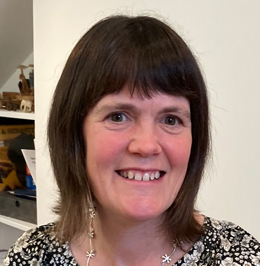
Dr. Urmila Basu is a Faculty Service Officer at the University of Alberta’s Faculty of Agricultural, Life & Environmental Sciences, leading core research and teaching facilities. She holds a Ph.D., M.Sc., and B.Sc. (Honors). Her work focuses on managing labs like the Genomics and Proteomics unit, supporting crop and livestock improvement through functional genomics and proteomics. She co-chairs committees on safety and agricultural genomics. Research interests include plant pathology (clubroot resistance in canola), non-coding RNAs, and omics technologies. She teaches AFNS 575 , a course on advanced functional genomics. Awards include the 2012 Faculty Teacher of the Year. Her articles highlight clubroot resistance mechanisms, Brassica transcriptomics, and silicon’s role in mitigating plant stress. She collaborates internationally on crop improvement and pathogen response studies.
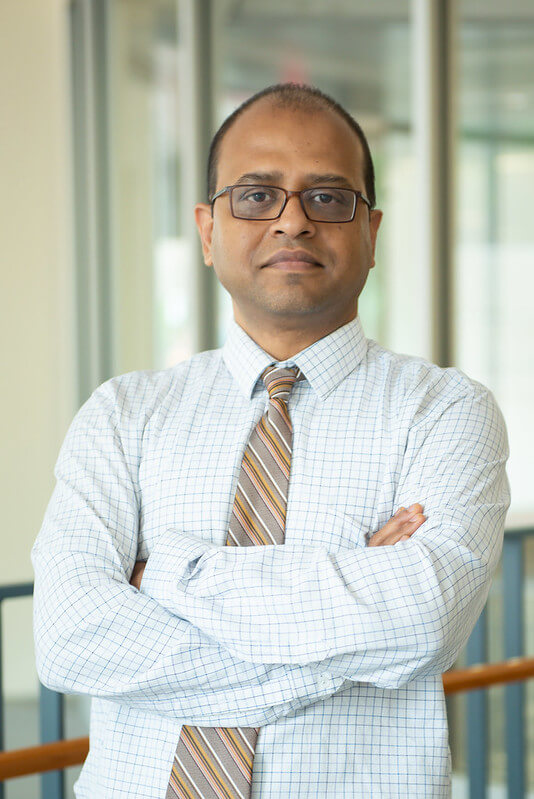
Samiran Sinha is a Professor in the Department of Statistics at Texas A&M University, part of the College of Arts & Sciences. His research focuses on statistical methodologies for epidemiological studies, measurement error correction, Bayesian computation, and missing data techniques. He has held academic positions since 2004, including roles as Associate Head for Operations and Associate Graduate Adviser. Education: PhD in Statistics (University of Florida, 2004), MSc (Calcutta University, 1999), BSc (Kalyani University, 1997). Research Interests: Bayesian methods, epidemiological modeling, statistical computation, and applications in health sciences. His work bridges statistical theory and practical applications, including collaborations in astrophysics and genomics. Notable grants include NIH-funded projects on breast cancer data analysis and epigenetic biomarkers. He has advised over 30 graduate and undergraduate students, fostering interdisciplinary research in biostatistics and data science.
Liliane Michalik is an Associate Professor at the University of Lausanne (UNIL), affiliated with the Center for Integrative Genomics within the Faculty of Biology and Medicine. She holds leadership roles, serving as Vice-Director (2011–2019) and Director (2019–2021) of the School of Biology and currently as Vice-Rector overseeing the "Equality, Diversity and Careers" department. Her academic journey includes a PhD from the University Louis Pasteur in Strasbourg (1993), followed by postdoctoral training and research at UNIL, culminating in her promotion to Associate Professor in 2018. Her research focuses on understanding cellular responses to environmental cues, particularly skin repair, UV-induced skin cancer, and angiogenesis, leveraging nuclear hormone receptors like PPARs. Her work integrates genomic approaches and mouse models to explore transcriptional regulation and disease mechanisms. Notable collaborations include studies on PPARβ/δ's role in UV-induced inflammation and Src activation in skin cancer. Michalik’s funding includes support from the Swiss National Science Foundation and the Swiss Foundation for Excellence and Talent in Biomedical Research. Her contributions extend to policy, as seen in her 2024 publication on strategies to promote gender equality in academia. She oversees a research group and has contributed to over 30 peer-reviewed articles, emphasizing interdisciplinary approaches in biology, pharmacology, and translational medicine. Her administrative leadership and scientific expertise position her as a pivotal figure in advancing both academic research and institutional equity initiatives.
Sabina Halappanavar is an Adjunct Professor in the Department of Biology at the University of Ottawa's Faculty of Science. Her work focuses on molecular toxicology, genomics, nanomaterials, and cardiopulmonary effects. She specializes in validating high-content molecular tools for assessing environmental chemical risks, including engineered nanomaterials. Her research interests include understanding gene expression changes caused by environmental exposures, such as air pollution and nanoparticles, and their implications for human health. Key projects involve investigating pulmonary and hepatic responses to nanomaterials, forestomach carcinogenesis from benzo(a)pyrene, and microRNA regulation in inflammatory conditions. Dr. Halappanavar's recent publications (2013) explore topics like titanium dioxide nanoparticle toxicity, urban air pollution effects on lipid pathways, and maternal nanomaterial exposure impacts. While no specific grants or awards are listed, her work emphasizes translational research bridging molecular biology and regulatory oversight in toxicology.
Jacek Lichota is an Associate Professor in the Department of Health Science and Technology at the Faculty of Medicine, Aalborg University, Denmark. His research is centered on molecular pharmacology with a strong focus on neurodegenerative diseases and epigenetic mechanisms. He is actively involved in investigating how environmental factors induce epigenetic changes that contribute to conditions such as Multiple Sclerosis, Parkinson’s disease, ALS, Alzheimer’s, and Huntington’s disease. His research interests span molecular pharmacology, neuroscience, epigenetics, metabolic dysregulation in the central nervous system, ferroportin regulation, and biomarker discovery for chronic pain. He explores therapeutic strategies involving diet, vitamins, and novel pharmaceuticals to modulate disease progression. Major themes in his work include lipid metabolism, oxidative stress, histone deacetylase inhibitors, and the role of microRNAs in disease prediction and management. The most recent publications highlight a shift toward integrating neurometabolic concepts with epigenetic regulation, particularly in neurodegenerative disorders. His 2024 review proposes a unifying model linking lipid oxidation to CNS diseases. Earlier works emphasize animal models of metabolic dysregulation, epigenetic modulation of iron transporters like ferroportin, and the use of circulating microRNAs as biomarkers for postoperative pain. Collectively, these articles reflect a multidisciplinary approach combining molecular biology, pharmacology, and clinical neuroscience. Jacek Lichota has supervised at least one PhD student and is currently leading an active research project on epigenetic targets in ALS funded by Aage og Johanne Louis-Hansens Fond. He has previously contributed to projects on ferroportin regulation and plant chromatin proteins. His collaborative network includes researchers from diverse institutions, and his work has been referenced in news outlets and Wikipedia, indicating broader scientific impact. He is involved in research datasets related to microRNA biomarkers and has presented at industry events such as the Plant Biotech Denmark Meeting. While no formal scientific awards are listed, his sustained publication record and ongoing funded research underscore his active academic role.
Gavin Bowen-Metcalf is a Senior Lecturer in Genetics and Developmental Biology within the Department of Life Sciences, Faculty of Science and Engineering at Anglia Ruskin University, Cambridge. He holds Fellowship of the Higher Education Academy (FHEA) and the Royal Society of Medicine (FRSM), and leads teaching in Biomedical Science and Laboratory Science programs. He is also the Course Leader for the BSc (Hons) Laboratory Scientist degree apprenticeship and actively supervises undergraduate, MSc, and PhD students. Education: BSc (Hons) Human Biosciences, University of Northampton MRes (DIC) Oncology and Cancer Biology, Imperial College London Joint PhD in Clinical Medicine (Molecular Oncology) and Biomedical Engineering, Imperial College London PGCert in Learning and Teaching in Higher Education, Anglia Ruskin University Gavin’s research centers on cancer biology, particularly the role of non-coding RNAs such as microRNAs in cancer development, metastasis, drug resistance, and early diagnosis. His work spans translational applications in molecular oncology, genomics, and histopathology, with a strong focus on identifying novel drug targets and leveraging natural compounds for cancer therapy. His interdisciplinary approach integrates molecular biology, biomedical engineering, and clinical diagnostics. The recent publications highlight a consistent focus on microRNA-based cancer diagnostics, amplification-free detection technologies, biosensors, and public science communication. His work bridges laboratory research with real-world applications in early cancer detection and patient care, often through innovative engineering solutions and collaborations across academia, industry, and healthcare. Scientific Awards and Recognitions: Fellow of the Higher Education Academy (FHEA) Fellow of the Royal Society of Medicine (FRSM) ACS’ Editors Choice (2016) for groundbreaking work in analytical chemistry and cancer diagnostics Gavin has held research and clinical roles in the NHS, the medical devices industry (Clearblue), and the Wellcome Sanger Institute. He is an Associate Editor for Nature Oncogene , external examiner for the Universities of Birmingham and Nottingham, and provides research supervision across multiple levels. He is also actively involved in public engagement through media contributions to The Conversation UK and educational outreach via Springpod’s Subject Spotlight series. Labs and Research Groups: He leads the Cancer Cell Biology Research Sub-Group at ARU and conducts research involving circulating nucleic acids, microRNA biomarkers, and natural therapeutics. His work benefits from collaborations with clinical and industrial partners, enhancing translational impact. He is also a visiting scholar at multiple institutions, extending his academic influence.
Eva Hofsli is an Associate Professor at the Department of Clinical and Molecular Medicine, Norwegian University of Science and Technology (NTNU). Her research focuses on molecular oncology with a particular emphasis on colorectal cancer biomarkers, neuroendocrine tumors, and treatment efficacy evaluation. She has been actively involved in the NORDIC NEC and NORDIC9 clinical studies, investigating genetic alterations in neuroendocrine neoplasms and treatment outcomes in vulnerable patient populations. Her work combines clinical research with translational studies, including liquid biopsy applications and molecular diagnostics. Key research interests include circulating microRNA profiling for early cancer detection, genetic biomarkers predicting chemotherapy response, and optimizing care for older cancer patients. She contributes to both basic science (e.g., tumor biology) and applied research (e.g., mHealth technology for adverse event monitoring).
Magdalena Plebanski is an internationally-recognized Adjunct Professor in Immunology at Monash University's Alfred Hospital. Her research focuses on developing affordable vaccines and treatments for malaria, cancer, and allergic diseases using innovative nanoparticle technologies. She has pioneered synthetic non-inflammatory nanoparticles for vaccine applications and contributed to understanding cancer immunology through clinical trials in leukemia and ovarian cancer. Her career includes significant contributions from Oxford University and collaborations across multiple institutions. She leads >50 patents across 10 families, founding biotech companies. With over 150 peer-reviewed publications in top journals like Nature and Science , her work aligns with UN SDGs for health and innovation. Plebanski has secured grants from NHMRC and international bodies, leading projects like the TBV malaria vaccine and ovarian cancer immunity studies. Her research emphasizes translational medicine, diagnostics, and immunotherapy advancements. Key Projects: Multiplex Ovarian Cancer Diagnostic, TBV Malaria Vaccine, Immunity-Ovarian Cancer Link Awards: Not explicitly listed but implied by her international recognition and patent success Labs/Teams: Collaborates with multidisciplinary teams in nanotechnology, immunology, and oncology
Professor Chris Halsey serves as Head of School and Professor of Paediatric Haemato-Oncology within the School of Cancer Sciences at the University of Glasgow. Based at the Institute of Cancer Sciences, Wolfson Wohl Cancer Research Centre in Garscube Estate, Professor Halsey leads the Childhood Leukaemia Research Group (Halsey Lab) focused on understanding childhood leukemia biology and developing improved therapeutic approaches. Professor Halsey's research primarily centers on childhood acute lymphoblastic leukemia (ALL), with particular emphasis on central nervous system (CNS) involvement. His work investigates how leukemia cells adapt metabolically to survive in the CNS microenvironment, with significant findings regarding cholesterol biosynthesis pathways in CNS leukemia. His research also explores molecular mechanisms of leukemia cell migration to the CNS, treatment resistance in the bone marrow niche, and development of targeted therapies including immunotherapeutic approaches. His lab employs advanced techniques including hiPSC-derived models, lipidomics, and single-cell tracking to understand leukemia biology. Analysis of Professor Halsey's recent publications reveals consistent focus on CNS involvement in childhood leukemia, with particular attention to metabolic adaptations that allow leukemia cells to survive in the CNS compartment. His research spans from basic molecular mechanisms to translational applications, with several recent studies identifying potential therapeutic targets for CNS-directed therapy. His collaborative work extends across multiple international research groups, with significant contributions to understanding T-cell ALL, MLL-rearranged leukemia, and treatment toxicity. Professor Halsey has secured substantial research funding from numerous prestigious organizations including Children's Cancer and Leukaemia Group, Medical Research Council, Cancer Research UK, Wellcome Trust, and others. His current grants (running through 2025-2026) focus on topics such as CRYSTAL-Immune Pump-Priming, metabolic reprogramming for CNS-directed therapy, identification of biomarkers for personalized treatment, and understanding drivers of CNS involvement in T-ALL. His research program demonstrates strong translational focus with direct implications for improving clinical outcomes in childhood leukemia. Based at the Wolfson Wohl Cancer Research Centre, Professor Halsey leads the Childhood Leukaemia Research Group which maintains active collaborations across multiple institutions. His team utilizes state-of-the-art approaches including lipidomic analysis, hiPSC-derived models, and advanced sequencing techniques to investigate leukemia biology. The lab's work bridges basic science with clinical applications, with several ongoing studies designed to translate laboratory findings into improved patient care.
Professor Andrew Biankin serves as the Regius Chair of Surgery at the University of Glasgow and holds leadership roles including Executive Director of ICGC-ARGO (International Cancer Genome Consortium Accelerating Research in Genomic Oncology) and Specialist Consultant in Precision Oncology. With over 160 publications in major journals, he is a Cancer Research UK Clinician Scientist, Wellcome Trust Senior Investigator, and Fellow of both the Royal Society of Edinburgh and Academy of Medical Sciences. His research focuses on improving pancreatic cancer outcomes through molecular phenotyping, biomarker implementation, and early detection strategies. As a surgeon-scientist, he leads efforts to characterize genomic, transcriptomic, and epigenomic aberrations in pancreatic cancer, translating these findings into personalized cancer care models where molecular characteristics guide treatment decisions. His work bridges laboratory discoveries with clinical implementation across international health systems. Analysis of his recent publications reveals strong emphasis on molecular subtyping, DNA damage response mechanisms, and overcoming therapeutic resistance in pancreatic cancer. His team actively develops precision oncology platforms integrating genomic profiling with clinical decision-making, while addressing implementation challenges in real-world healthcare settings. Key themes include biomarker validation, therapeutic targeting of KRAS pathways, and improving access to genomic testing. Fellow of the Royal Society of Edinburgh Fellow of the Academy of Medical Sciences Cancer Research UK Clinician Scientist Wellcome Trust Senior Investigator Officer of the Order of Australia (A.O.) Professor Biankin leads the PRECISION-Panc therapeutic development platform and coordinates international consortia including the Australian Pancreatic Cancer Genome Initiative. His research program receives substantial funding from Cancer Research UK, Wellcome Trust, and international agencies supporting genomic oncology. He actively mentors junior researchers and clinicians through formal academic appointments and collaborative networks spanning multiple continents. His laboratory work centers on the Wolfson Wohl Cancer Research Centre at the University of Glasgow, where his team integrates genomic analysis with functional validation using patient-derived models. The research environment emphasizes cross-disciplinary collaboration between surgeons, oncologists, pathologists, computational biologists, and basic scientists to accelerate translation from bench to bedside.
Masatoshi Kudo is a Professor and Senior Staff/Vice President at the Faculty of Medicine, Kindai University, with a career spanning over 30 years in hepatology and gastrointestinal research. He leads the Department of Medicine within the Graduate School of Medical Sciences. His research focuses on hepatocellular carcinoma (HCC), imaging diagnostics (e.g., contrast-enhanced ultrasound, EOB-MRI), and therapeutic strategies including immunotherapy, molecular targeted therapy, and locoregional treatments like radiofrequency ablation. Education highlights include a Doctor of Medicine from Kyoto University (1986) and a professorship at Kinki University since 1999. He has served as Director of Kinki University Hospital and on the Board of Directors since 2008 and 2015, respectively. Research interests include HCC molecular classification, tumor microenvironment dynamics, and biomarkers for treatment response. Over 1,900 publications and 25+ grants reflect his expertise, with notable contributions to trials like CheckMate 9DW and EMERALD-1. Awards include the Japanese Society of Gastroenterology Academic Award, Clarivate Highly Cited Researcher (2019–2021), and the Lorenzo Capussotti Award (2014). Grants involve studies on immune checkpoint inhibitor mechanisms, intestinal-pancreatic immune networks, and cfDNA-based tumor monitoring. He collaborates internationally on trials like HERITAGE and HIMALAYA, advancing immunotherapy and combined treatment strategies for advanced HCC. Labs and teams include leadership in molecular targeted therapy research and endoscopic ultrasound innovation. His work bridges clinical practice and translational research, impacting global HCC management guidelines.
Dr. Xantha Karp is a Professor in the Department of Biology at Central Michigan University (CMU), where she has been a faculty member since 2012. She is affiliated with the College of Science and Engineering and leads the Karp Lab, which focuses on genetics, developmental biology, and cell biology using the model organism C. elegans . Her research is supported by the NIH and NSF, and she teaches foundational courses such as Genetics and Cell Biology. B.S. in Human Biology and Anthropology, University of Toronto, 1995 Ph.D. in Genetics and Development, Columbia University, 2004 Postdoctoral training at Dartmouth College and University of Massachusetts Medical School Dr. Karp's research centers on how developmental arrest (diapause or dauer) affects stem and progenitor cell fate, particularly how cells maintain their developmental potential during quiescence. Her lab investigates the role of microRNA pathways, heterochronic genes, and transcription factors like daf-16/FOXO and lin-41 in post-dauer development. She uses C. elegans due to its invariant lineage, transparency, and genetic tractability, enabling single-cell resolution of developmental processes. Analysis of her recent publications reveals a strong focus on gene regulation during developmental arrest and recovery. Key themes include the modulation of microRNA activity, the role of conserved kinases in enhancing microRNA function, and the function of daf-16 isoforms in cell fate decisions. Her work bridges fundamental developmental biology with implications for stem cell quiescence and human health. Dr. Karp has received research funding from the National Institutes of Health (NIH) and the National Science Foundation (NSF) , supporting projects on diapause and developmental pathway modulation. While no specific scientific awards are listed, her sustained external funding and high-impact publications reflect significant recognition in her field. She actively mentors a diverse team of graduate and undergraduate students in the Karp Lab, advising PhD students in the BCMB program and MS students in BCMB or Biology. She also serves as an academic advisor for Biology majors, particularly those interested in genetics, cell biology, or medical school. Many of her former students have pursued advanced degrees, medical school, or research careers. The Karp Lab is a dynamic research environment that emphasizes inclusivity and hands-on learning. Undergraduate students participate in genetic and molecular experiments, data analysis, and co-author peer-reviewed publications. The lab is equipped in Biosciences 3200 at CMU and fosters a collaborative, equity-focused culture.
Professor Luis Filgueira is a Full Professor in the Department of Medicine at the University of Fribourg, affiliated with the Faculty of Mathematics, Natural Sciences and Medicine. He serves as Head of the Gross Anatomy domain and teaches gross anatomy, histology, embryology, cell biology, and immunology. His research focuses on clinical anatomy, medical education, cell biology, immunology, and stem cells, particularly in malaria and viral infection mechanisms. Key research interests include microglia-mediated neuroinflammation, extracellular vesicle biology in malaria, and anatomical innovations in medical education. His work bridges clinical anatomy with advanced microscopy techniques and pedagogical strategies. Recent publications emphasize viral neuropathology (Japanese encephalitis), metabolic gasotransmitters, and anatomical advancements in orthopedic surgery. His educational contributions include integrating ultrasound and peer-teaching methods to enhance musculoskeletal learning. Professor Filgueira coordinates the Certificate of Advanced Studies in Clinical Anatomy and collaborates with initiatives like the Toxin Academy. His work spans anatomical dissection techniques, cadaveric studies, and translational research in regenerative medicine.
Dr. Irene Vercellino is a structural biologist at Forschungszentrum Jülich , leading the Mitochondrial Membrane Folding research group within the Structural Biology (ER-C-3) division of the Ernst Ruska-Centre for Microscopy and Spectroscopy with Electrons. Her work focuses on elucidating the atomic structures of mitochondrial membrane proteins using cryo-electron microscopy and supercomputing resources. This research aims to uncover how mitochondrial membrane architecture impacts cellular energy production and its implications for metabolic diseases and neurodegeneration. Education & Career : Completed studies at the University of Turin, earned her PhD at ETH Zurich, and conducted a four-year postdoc at the Austrian Institute of Science and Technology (ISTA). Currently holds a group leadership position at Jülich, combining cutting-edge microscopy with computational analyses. Research Interests : Mitochondrial membrane dynamics, protein complex assembly in energy metabolism pathways, cryo-EM applications in bioenergetics. Her work bridges structural biology with medical applications, particularly targeting mitochondria-related disorders. Awards : 2024 For Women in Science Award (€25,000), recognizing her groundbreaking contributions to understanding mitochondrial membrane proteins and their role in disease mechanisms. Labs & Teams : Heads the Mitochondrial Membrane Folding group at ER-C-3, collaborating with Jülich's supercomputing facilities (JSC) and microscopy infrastructure. Actively involved in promoting equity/diversity initiatives in STEM through programs like Operation STEM fatale.
Dr. Richard Dana Lewis is the UGA Foundation Professor in Nutritional Sciences at the University of Georgia's College of Family and Consumer Sciences. He leads the Bone & Body Composition Laboratory and specializes in osteoporosis prevention, particularly in pediatric populations. His research integrates nutrient studies (e.g., vitamin D, zinc), physical activity, and obesity's impact on bone development. Education includes a PhD in Human Nutrition from Virginia Tech (1986), an MS in Foods and Nutrition from UGA (1978), and a BS in Psychology from UGA (1975). He teaches courses like Nutrition Throughout the Life Cycle and Medical Nutrition Therapy II. Research focuses on bone quality assessment via DXA, pQCT, and MRI, aiming to identify cost-effective strategies to enhance bone strength in children. His work addresses obesity-related bone deficits and metabolic risks. Recent studies examine dietary inflammatory indices, whole egg consumption effects, and T-cell methylation in obesity. Awards include the 2018 Undergraduate Research Mentor Award and 2016 Creswell Award. He serves on multiple review boards, including the NIH Data Safety and Monitoring Boards. Outreach includes the Georgia Osteoporosis Initiative and the Policy Leadership for Active Youth (PLAY) collaboration to combat childhood obesity.