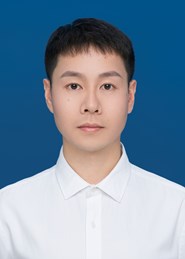
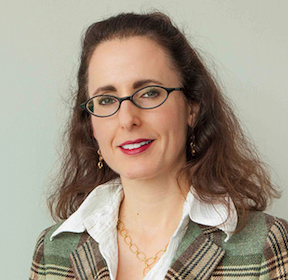
Prof. Maciej Woźny is a faculty member at the Faculty of Geoengineering , University of Warmia and Mazury in Olsztyn (UWM), where he serves as a Professor in the Department of Biotechnology in Environmental Protection . His research focuses on molecular mechanisms of fish responses to environmental pollutants, including mycotoxins, cyanobacterial toxins, and polycyclic aromatic hydrocarbons. Education: Postdoctoral degree in agricultural sciences (veterinary medicine) His interdisciplinary work combines Environmental Toxicology , Aquatic Biology , and Molecular Biology , emphasizing microRNA regulation and stress response in fish species like Coregonus lavaretus and Oncorhynchus mykiss . Recent studies explore miRNA delivery systems, pollutant-induced gene expression changes, and neurotoxicity mechanisms. Key article trends include miRNA profiling , toxin biochemistry , and environmental pollutant effects on aquatic organisms. His affiliation with UWM’s Faculty of Geoengineering underscores institutional integration of environmental science and biotechnology.
Zhuang Zhu is a Postdoctoral Fellow at Umeå University's Department of Molecular Biology, working in Maria Fällman's research group at the Molecular Infection Medicine Sweden (MIMS) laboratory. His current research investigates Yersinia pseudotuberculosis adaptation mechanisms to human neutrophils using RNA sequencing to decipher bacterial responses to innate immune pressure. Education PhD, University of Copenhagen (2022): Focused on bacterial outer membrane vesicles and vaccine development applications. Research Interests Dr. Zhu's work spans bacterial pathogenesis , immunology , and wound healing , with emphasis on non-coding RNA dynamics in tissue regeneration. He employs single-cell transcriptomics and multi-omics integration to dissect host-pathogen interactions and skin repair mechanisms, bridging infection biology with regenerative medicine. Publication Trends Analysis of Zhu's 15 most recent publications (2021-2025) reveals dominant focus on wound healing and RNA biology , particularly circular/long non-coding RNAs in skin regeneration. His methodology heavily utilizes single-cell and spatial transcriptomics, while earlier work (2016-2018) demonstrates expertise in agricultural genomics and SNP array design for poultry science. Research Environment Zhu operates within Maria Fällman Lab at MIMS, a leading infection biology center investigating Yersinia virulence strategies through molecular, cellular, and genomic approaches to understand host-pathogen dynamics during infection.
Zygmunt Galdzicki, Ph.D., M.Sc., is a Professor in the Department of Anatomy, Physiology and Genetics at the Uniformed Services University of the Health Sciences (USUHS) School of Medicine in Bethesda, MD. He holds secondary appointments in the Neuroscience and Molecular and Cell Biology programs. His career includes foundational work at the National Institutes of Health (NIH), where he served as Chief of the Unit on Cell Pathophysiology at the National Institute on Aging (1994–2000) before joining USUHS. Education: • M.Sc. in Experimental Physics, University of Wroclaw, Poland • Ph.D., Academy of Medicine, Wroclaw, Poland • Postdoctoral training in Neurosciences, NIA/NIH Research Focus: Dr. Galdzicki investigates molecular and cellular mechanisms underlying neurodevelopmental disorders (e.g., Down syndrome) and neural adaptation to environmental stressors. His work spans: Neurophysiological deficits in Down syndrome mouse models (Ts65Dn) Microglial responses and cognitive impacts of high-altitude acclimatization Traumatic brain injury (TBI) pathophysiology and therapeutic interventions Epigenetic regulation in PTSD and neurotrauma Publications & Themes: His recent articles (2013–2024) emphasize neuropathology in Down syndrome, TBI recovery mechanisms, and hypoxia-induced neuronal/vascular changes. Key methodologies include electrophysiology, epigenetic analysis, and preclinical modeling. Labs & Teams: He directs research on neuroadaptation at USUHS, collaborating with military medicine initiatives on TBI and environmental physiology.
Alexander Price, Ph.D. serves as an Assistant Professor in the Genome Regulation and Cell Signaling Program within the Ellen and Ronald Caplan Cancer Center at The Wistar Institute, a position he assumed in August 2023. Previously, the program was known as the Gene Expression and Regulation Program until its renaming in 2024. Price earned his B.S. in Genetics and Cell Biology from Washington State University before completing his Ph.D. in Molecular Genetics and Microbiology at Duke University in 2016. He then pursued postdoctoral research at the University of Pennsylvania and the Children's Hospital of Philadelphia. Dr. Price's research focuses on how DNA viruses co-opt and manipulate cellular RNA processing pathways, with particular emphasis on how viral genomes are controlled during infection. His laboratory investigates three core questions: 1) How nuclear dsRNA is sensed and responded to during viral infection; 2) How DNA viruses spatially regulate RNA transcription and processing; and 3) How herpesviruses exploit RNA processing. His work has significant implications for understanding viral pathogenesis, innate immunity, and potential therapeutic targets for viral diseases and cancer. The Price Laboratory has identified how viruses balance the ability to produce diverse RNAs from limited coding capacity while preventing the formation of non-self RNAs that trigger immune responses. His research has revealed critical insights into adenovirus RNA splicing, viral evasion of host immune responses, and the role of RNA modifications in viral replication. Price leads a research team that includes postdoctoral fellows Alison Yu and Molly Patterson, graduate student Lorenzo Serra from UniBO, and research assistant Claire O'Brien. His laboratory is actively recruiting additional researchers to advance their work on viral RNA biology and host-pathogen interactions.
DURMUŞ AYAN is an Associate Professor in the Department of Medical Biochemistry at Nigde Omer Halisdemir University Faculty of Medicine. He holds a medical specialization from Istanbul Şişli Etfal Training and Research Hospital, and earned his Doctorate and Master's degrees in Biochemistry from Gazi University Institute of Health Sciences. His academic career includes significant research contributions across multiple areas of medical biochemistry. Dr. Ayan's research focuses on medical biochemistry with particular emphasis on diabetes complications, cancer biomarkers, enzyme activities, vitamin D research, and genetic analysis of metabolic disorders. His work spans clinical studies on diabetic nephropathy, breast cancer biomarkers, thyroid dysfunction, and circadian rhythm-related genes in cancer pathogenesis. His laboratory investigates the relationship between various biochemical markers and disease states, particularly in metabolic and oncological conditions. His recent publications demonstrate a strong trend toward bioinformatic analysis of cancer-related genes, particularly in breast cancer, endometrial carcinoma, and hepatocellular carcinoma. He frequently examines biomarkers related to inflammation, lipid metabolism, and genetic variations that contribute to disease progression and diagnosis. His work bridges traditional biochemical analysis with modern bioinformatic approaches. BEST POSTER AWARD from Turkish Biochemistry Association (2023) Dr. Ayan leads multiple research projects including "The Effect of Boldi on Pain Levels in Rats with Social Isolation Stress," "Determination of the Effect of Laparoscopic Cholecystectomy on the Levels of Essential Fatty Acids," and "Apelin, Elebela and RARRES2: Investigation of Potential Biomarkers in Patients with Refractory Epilepsy." He serves as Laboratory Responsible of Niğde Training and Research Hospital since 2023, demonstrating his commitment to both research and clinical laboratory medicine.
Susanna Cirera serves as an Associate Professor in the Department of Veterinary and Animal Sciences at the University of Copenhagen, specializing in molecular mechanisms of disease through microRNA biomarker development and comparative obesity research using porcine models. Her work bridges veterinary clinical practice with human biomedical applications, with active collaborations across European research institutions. Her academic credentials include: Bachelor of Biology, University of Barcelona (1990) PhD in Population Genetics of Drosophila, University of Barcelona (1997) Dr. Cirera's research integrates cutting-edge genomic techniques including next-generation sequencing and qPCR to investigate non-coding RNA regulation in disease pathogenesis. Her dual focus on companion animal diagnostics (dogs, cats, horses) and obesity modeling leverages species-specific physiological similarities to advance translational medicine, particularly in gastrointestinal disorders and metabolic diseases. Analysis of her 2024-2025 publications reveals dominant themes in veterinary molecular diagnostics, with 62% focusing on microRNA biomarker validation across species and 38% examining obesity mechanisms in Göttingen Minipigs. These studies consistently employ multi-omics approaches to identify clinically actionable biomarkers while establishing porcine models for human metabolic conditions. She actively mentors students at all levels and secures competitive funding for critical projects: FTP-funded research on fecal microRNA biomarkers for GI cancer/IBD in dogs & cats AGRIA-supported urinary microRNA identification for feline pyelonephritis AGRIA-funded CNS disease biomarker discovery in dogs Novo Nordisk collaboration characterizing Göttingen Minipig for NASH/obesity modeling Her laboratory maintains a unique bio-bank of 600+ porcine tissue samples and collaborates with clinical teams at Copenhagen's small animal hospitals, while her qPCR methodology (Balcells et al. 2011) remains foundational in microRNA quantification worldwide.
Oana Palasca serves as Assistant Professor in the Department of Immunology and Microbiology within the Faculty of Health and Medical Sciences at the University of Copenhagen. She maintains dual appointments as both Assistant Professor and Gæstelektor (Guest Lecturer) in Bacteriology, and is affiliated with the Cellular Network Biology group at the NNF Center for Protein Research. Her research program centers on advanced transcriptomics data analysis and integration, with particular emphasis on cross-species comparative approaches to model human diseases. Dr. Palasca's work spans multiple disease domains including inflammatory bowel diseases (ulcerative colitis and Crohn's disease), cancer biology (particularly breast cancer and multiple myeloma), and neurological disorders (such as epilepsy). Her methodological expertise bridges computational biology with experimental validation, creating translational pathways from basic research to clinical applications. Analysis of her publication record reveals a consistent trajectory in developing and applying multi-omics approaches to identify disease mechanisms, biomarkers, and therapeutic targets. Her research demonstrates increasing sophistication in cross-species modeling, with recent work focusing on drug resistance mechanisms in cancer and neural components of disease pathology. The collaborative nature of her work is evident through extensive co-authorship networks spanning multiple institutions and countries. Dr. Palasca's research has gained significant scholarly attention, with multiple publications receiving substantial citations and social media engagement across platforms including X (formerly Twitter), Facebook, and Mendeley. Her work on ulcerative colitis and multiple myeloma has been particularly influential, with several papers referenced in Wikipedia and appearing on Facebook pages dedicated to these medical conditions.
Weihong Ge is an Associate Adjunct Professor in the Department of Psychiatry and Biobehavioral Sciences within the David Geffen School of Medicine at UCLA. Her research spans multiple disciplines with a focus on neuroscience, molecular biology, and psychiatric conditions. She maintains an active research profile with numerous publications across various domains of biomedical research. Dr. Ge's research interests center on neurodevelopment, epigenetics, and neural repair mechanisms. Her work explores the molecular and cellular basis of neurological conditions including spinal cord injury, Rett Syndrome, and brain cancer. She has made significant contributions to understanding neural stem cell activation, dendritic development, and the role of microRNAs in cognitive function. Her recent work has expanded into pharmacological applications, nanotechnology for drug extraction, and clinical studies on medication efficacy and safety. Analysis of Dr. Ge's publication history reveals a strong trajectory from fundamental neuroscience research toward increasingly translational and clinical applications. Early in her career, she focused on basic mechanisms of neurodevelopment, astrogliogenesis, and neural stem cell biology. More recently, her work has incorporated advanced techniques including single-cell transcriptomics, nanofiber technology, and social network analysis applied to healthcare education. Her research demonstrates consistent productivity with publications spanning over two decades, showing evolution from molecular neuroscience toward broader applications in clinical medicine and pharmacology. Dr. Ge has established a significant collaborative network across UCLA and other institutions, with co-authors spanning neuroscience, psychiatry, pharmacology, and biomedical engineering disciplines. Her work has garnered substantial attention in the scientific community, with several highly cited publications in top-tier journals.
Horst Zitzelsberger is Head of the Research Unit Translational Metabolic Oncology at Helmholtz Zentrum München and an Associate Professor at the Medical Faculty of Ludwig Maximilian University (LMU) Munich. He earned his diploma in human genetics and doctorate in biology. His research focuses on translational radiation oncology with specialization in head and neck cancer, molecular mechanisms of radiation-induced carcinogenesis, multi-omics approaches, and personalized cancer treatment. Key interests include: Molecular cytogenetics and tumor heterogeneity Development of prognostic markers for therapeutic stratification Tumor metabolic processes and immune escape mechanisms Translational bioinformatics for precision oncology Recent publications (2017-2022) demonstrate strong emphasis on head and neck cancer biomarkers, miRNA signatures, transcriptomic classification, and therapy resistance mechanisms. Research consistently integrates multi-omics data with clinical outcomes to develop predictive models and therapeutic targets. He leads a translational research team comprising two laboratory groups: Translational Bioinformatics (Dr. Martin Selmansberger) Experimental Translational Oncology (Dr. Julia Hess) and maintains clinical collaborations with LMU University Clinics and national/international partners. The unit focuses on molecular characterization of therapy-resistant tumors and development of precision treatment strategies.
Dr. Janne Graarup Lyngby serves as an Assistant Professor at the Department of Veterinary Clinical Sciences within the Faculty of Health and Medical Sciences at the University of Copenhagen. She maintains dual appointments in both the Section for Internal Medicine, Oncology and Clinical Pathology and the Section for Clinical Practice and Diagnostics in companion animals. Her clinical work focuses on Small Animal Internal Medicine with dogs and cats suffering from gastrointestinal diseases, while also working as a veterinarian in Clinical Pathology at the Veterinary Diagnostic Laboratory in Frederiksberg, Denmark. Gastroenterology Endoscopy and minimally invasive procedures Endocrinology Hemostasis Transfusion medicine Dr. Lyngby's research program centers on biomarkers for gastrointestinal diseases in companion animals, with particular emphasis on microRNA as diagnostic markers for chronic enteropathy and gastrointestinal cancer in dogs and cats. Her current investigations also include Vitamin D levels in chronic enteropathy, fecal bile acids in cats with gastrointestinal conditions, and quality of life assessments for dogs with chronic enteropathy and their owners. Her publication record from 2022-2025 reveals a strong focus on molecular diagnostics for gastrointestinal conditions, particularly examining microRNA profiles across multiple studies. This research demonstrates a consistent translational approach, bridging laboratory findings with clinical applications in veterinary medicine. Agria & SKK's research fund The Fund for Disease Prevention in Companion Animals The Danish Kennel Club Nestlé Purina PetCare Company Dr. Lyngby actively contributes to the veterinary community through lectures for private veterinary clinics and special interest groups throughout Denmark, sharing her expertise in gastrointestinal diseases, endoscopy, and clinical pathology with practicing veterinarians.
Claus Bøttcher Jørgensen serves as an Associate Professor in the Department of Veterinary and Animal Sciences at the University of Copenhagen's Faculty of Health and Medical Sciences, specializing in Animal Welfare and Disease Control. With a PhD in molecular genetics, he holds dual appointments with his primary role at UCPH and a part-time position at Copenhagen Business School. His academic journey includes progression from Research Assistant (1991) to Assistant Professor (1997), Associate Professor (2003), and Professor MSO in innovation and entrepreneurship (2014-2020). His educational background centers on molecular genetics, with extensive professional development demonstrated through leadership roles including Study Director (2008), Chairman of PhD Study Board (2008), and member of various teaching and research committees. His research expertise spans genomics, production traits, and inherited diseases in domestic animals, with particular focus on pigs and cattle. Research interests concentrate on Next Generation DNA sequencing applications for animal health, including DNA variation analysis, association/linkage mapping, population genetics, and mutation detection. His work bridges fundamental genetic research with practical veterinary applications, especially in disease resistance mechanisms. Recent publications reveal a strong thematic focus on post-weaning diarrhea in piglets, genetic susceptibility to ETEC infections, and molecular mechanisms underlying swine health issues, demonstrating consistent application of genomic technologies to solve agricultural challenges. DSEB's Innovations- og entreprenørskabspris (2017) KVL's Innovationspris (2006) As an educator, Jørgensen has supervised over 35 BSc, MSc, and PhD students while developing curriculum for Biology-Biotechnology, Veterinary Science, and Bioentrepreneurship programs. He has secured funding for 21 research projects and 10 teaching initiatives, demonstrating strong grant acquisition capabilities. His teaching responsibilities include Advanced Biotechnology and Intellectual Property Rights at MSc level, alongside foundational courses in genetics and genomics. He actively participates in research networks including the International Society for Animal Genetics (ISAG), serves on the steering committee for the Biobusiness and Innovation Program (BBIP), and contributes to the Copenhagen Innovation and Entrepreneurship Lab's council (CIEL). His industry collaborations with pig/cattle breeders and biotech companies facilitate translational research, while his patent portfolio reflects successful commercialization of genetic discoveries related to ETEC susceptibility in pigs.
Professor Tuba Edgünlu is a distinguished academic researcher at Muğla Sıtkı Koçman University's Faculty of Medicine, Department of Medical Biology. With a PhD in Medical Biology from Mersin University (2003-2009) and an MSc from the same institution (2001-2003), she has established herself as a leading expert in molecular biology and medical genetics. Her academic journey began with undergraduate studies in Biology at Fırat University (1997-2001). Professor Edgünlu's research focuses on genetic polymorphisms, biomarker discovery, and molecular mechanisms underlying various diseases. Her work spans neurological disorders, cancer biology, autoimmune conditions, and women's health. She has made significant contributions to understanding the genetic basis of autism spectrum disorder, multiple sclerosis, lung cancer, and various dermatological conditions. Her laboratory employs advanced techniques including microRNA profiling, in silico analysis, and molecular pathway investigations. Analyzing her recent publication record reveals a strong emphasis on translational research with clinical applications. Her 2022-2024 publications demonstrate particular expertise in microRNA biomarkers (especially miR-181a-5p in multiple sclerosis), genetic variants in neurological disorders, and molecular pathways in cancer development. Notably, her research on DR4 gene variants in uterine leiomyoma and IL-17A gene polymorphisms in rosacea represents cutting-edge work at the intersection of genetics and clinical medicine. Professor Edgünlu actively contributes to the scientific community through editorial work for prestigious journals including Gene, Neurosciences Letter, Molecular Biology Reports, and Cytotechnology. Her research has garnered significant attention, with multiple publications receiving numerous citations in high-impact journals. She serves as both principal investigator and researcher on several important projects, including TÜBİTAK 1002 projects on endometrial polyps and breast cancer, as well as MSKÜ BAP projects investigating FOXO gene variants in multiple sclerosis and propofol's effects on cancer cells. Her leadership extends to thesis committees where she has mentored numerous graduate students across various biomedical disciplines.
Dr. Vivian Gudrun Oehler is an Associate Professor in the Division of Hematology and Oncology at the University of Washington School of Medicine and an Associate Professor in the Translational Science and Therapeutics Division at Fred Hutch Cancer Center. She maintains an active clinical practice at the Fred Hutch Cancer Center - South Lake Union Clinic, specializing in hematologic malignancies with particular expertise in chronic myeloid leukemia, myeloproliferative disorders, and myelodysplastic syndromes. Dr. Oehler received her medical degree from Case Western Reserve University in 1997, followed by residency in Internal Medicine and fellowship in Hematology at the University of Washington. She completed post-doctoral research training in the Jerald Radich Laboratory. Board certified in both Medical Oncology (2003) and Internal Medicine by the American Board of Internal Medicine, she has established herself as a leading clinician-scientist in leukemia research. Her research program employs a translational approach to investigate the molecular mechanisms of leukemia disease initiation, progression, and therapy resistance. The Oehler Lab has generated and analyzed extensive gene and microRNA expression datasets from CML and AML patient samples, identifying molecular signatures associated with disease progression and treatment response. Key discoveries include gene signatures predictive of CML progression to acute leukemia and novel roles of noncoding RNAs in therapy resistance mechanisms. She is actively developing tools to better prognosticate outcomes for CML patients and testing new therapeutic agents in clinical trials. Dr. Oehler's publication record demonstrates consistent productivity through 2025, with a strong emphasis on clinical applications of basic research findings. Her recent work focuses on novel therapeutic approaches for refractory chronic myeloid leukemia, including clinical trials of next-generation tyrosine kinase inhibitors and investigations into molecular mechanisms of drug resistance. She contributes significantly to clinical practice guidelines and serves as principal investigator for multiple phase I-III clinical trials. As a clinician, Dr. Oehler emphasizes patient-centered care, stating: 'Explaining complicated treatment choices to patients in ways that will allow them to make the right choices for themselves is very important to me. My relationships with my patients during difficult times is one of the most rewarding parts of my job.' She treats patients with chronic myeloid leukemia, myeloproliferative disorders, myelodysplastic syndrome, aplastic anemia, and other blood disorders. Dr. Oehler leads the Oehler Lab at Fred Hutch, which works closely with the Clinical Research Division and collaborates with researchers across institutions through the CML Consortium. Current research directions include developing predictive markers for therapy response, investigating the role of noncoding RNAs in leukemia, and testing novel therapeutic strategies for refractory disease. She is actively involved in mentoring junior investigators and trainees interested in hematologic malignancies research.
Dr. Yohanna Miotto is a research scientist in the Department of Plant Developmental Biology at the Max Planck Institute for Plant Breeding Research, focusing on plant developmental mechanisms within the CEPLAS research framework. Her research centers on floral transition processes in Arabidopsis thaliana , investigating how microRNAs influence morphological changes in the shoot apical meristem during flowering. She employs experimental approaches involving inducible transgenes to analyze effects on gene expression patterns and meristem development, contributing to understanding the complex regulatory networks controlling plant reproduction timing. Her publication record includes significant contributions to floral transition research, with her 2021 PLoS Biology paper providing systematic analysis of MIR172 family members' distinct regulatory roles concerning APETALA2. Her work bridges developmental biology with molecular genetics in plant systems. Dr. Miotto's research aligns with CEPLAS initiatives including Optimizing Plant Performance by Mapping the Interface between Development and Metabolism and Theoretical Plant Biology and Data Science , utilizing the institute's Plant Metabolism and Metabolomics Facility and Imaging Platform for comprehensive analysis of plant developmental processes.
Caroline Jegerschöld is a Researcher at the Division of Ergonomics, KTH Royal Institute of Technology, responsible for teaching 15+ courses including Cognitive Interaction Design, Ergonomics - Risk Assessment, and Leadership in Healthcare Environments. Her work bridges academic research with practical workplace safety applications through the RAMP (Risk Assessment and Management of work-Related Injuries using Prevention) framework. Her research spans ergonomics and structural biology, focusing on workplace risk assessment methodologies and molecular mechanisms of protein aggregation. Key areas include BRICHOS domain chaperone functions in neurodegenerative diseases, 5-lipoxygenase interactions in inflammation, and membrane protein structures relevant to lipid metabolism and ion transport. This dual expertise connects occupational health with fundamental biochemical processes. Analysis of her 15 most recent publications (2012-2024) reveals consistent structural biology themes using electron crystallography to study protein misfolding in Alzheimer's, cancer biomarkers, and inflammatory pathways. The work demonstrates methodological innovation with nanodiscs and computational modeling, showing strong translational potential for understanding disease mechanisms while maintaining active ergonomics teaching commitments.