Sam Peerlinck is a Research Fellow at the Manufacturing Processes and Systems (MaPS) department of KU Leuven , specializing in biodegradable medical devices and soft robotics. His work bridges interdisciplinary fields including polymer science, biomedical engineering, and microfluidics. Research Focus: Peerlinck investigates biodegradable materials for gastrointestinal applications and develops bio-inspired soft cilia systems for fluid propulsion in low Reynolds environments. His research integrates advanced manufacturing techniques with biomimetic design principles. Scientific Collaborations: He collaborates extensively with supervisors Prof. Dominiek Reynaerts , Dr. Maria Miserez , and Dr. Bram Gorissen , contributing to high-impact publications in journals like Science Advances and Advanced Functional Materials . Labs & Teams: Peerlinck works within the Manufacturing Processes and Systems (MaPS) group at KU Leuven's Arenberg campus, focusing on precision engineering and biomedical applications.
Dr. Zeeshan Rana MSc, PhD, FHEA, MIET, MPEC is a Research Fellow at Cranfield University with expertise spanning Computational Fluid Dynamics , Autonomous Systems , and Artificial Intelligence Applications . His research focuses on high-speed aerodynamics , drone tracking systems , and renewable energy fluid dynamics . Education : MSc in Mechanical Engineering PhD in Computational Fluid Dynamics & Aerodynamics (Cranfield University) His work bridges hypersonic flow analysis with practical applications in Formula One aerodynamics , planetary rover navigation , and textile wastewater treatment . Recent research integrates machine learning with CFD simulations to solve complex engineering problems. Scientific trends in his publications (2025–2013) reveal consistent focus on: Computational Aerodynamics (ILES, WENO schemes, SU2 validation) Autonomous Systems (drone tracking, visual SLAM, sign language modeling) Renewable Energy (VAWT turbines, microbial fuel cells) Scientific Contributions: Fellow of the Higher Education Academy (FHEA) Member of the Institution of Engineering and Technology (MIET) Member of the Professional Engineering Community (MPEC) Current affiliations include the Digital Aviation Research and Technology Centre (DARTeC) , contributing to reinforcement learning-based surveillance and multi-sensor fusion systems for drone tracking.
Vijay Kumar is the Nemirovsky Family Dean of Penn Engineering and holds faculty appointments in the Departments of Mechanical Engineering and Applied Mechanics , Computer and Information Science , and Electrical and Systems Engineering at the University of Pennsylvania . Bachelor of Technology, Indian Institute of Technology Kanpur PhD, The Ohio State University (1987) Research Interests: Vijay Kumar's work spans robotics , autonomous systems , and machine learning , focusing on trajectories, control, and collaboration. Key subfields include quadrotor dynamics , semantic SLAM , multi-robot coordination , event-based vision , and LLM integration for robotic systems. His research addresses challenges in autonomous flight , resilient control , and agricultural robotics . Recent Publication Trends: Over the past two years, Kumar's research has emphasized language-specified missions , event camera applications , neural radiance fields , and time-optimal path planning for quadrotors and multi-robot teams. Notable themes include safety guardrails for LLM-powered robots , 4D metric-semantic mapping , and adaptive replanning in dynamic environments . Scientific Awards: Fellow, AAAS (2021) Fellow, ASME and IEEE ASME Mechanisms and Robotics Award (2012) IEEE Distinguished Service Award (2012) Engelberger Robotics Award (2014) IEEE Pioneer Award (2018) Elected to National Academy of Engineering (2013), American Philosophical Society (2018), and American Academy of Arts and Sciences (2022) Advising and Leadership: Kumar has mentored numerous PhD students who have won Best Student Paper Awards at major robotics conferences. He founded the General Robotics, Automation, Sensing and Perception Lab (GRASP) at Penn, which has spun off multiple robotics startups like Exyn Technologies . He has served on editorial boards of leading journals and held advisory roles in national science policy.
Cesare Stefanini is a Professor at the Scuola Superiore Sant'Anna (SSSA) in Pontedera, Italy, where he serves as Director of the BioRobotics Institute and Head of the Creative Engineering Design Lab. His research spans bioinspired robotics, biomimetics, and technology transfer, with a focus on medical and environmental applications. M.Sc. in Mechanical Engineering (1997, SSSA, with honors) Ph.D. in Microengineering (2002, SSSA, with honors) Research Interests Bioinspired Robotics Biomimetics Prostheses and Micro-Prosthetics Tissue Engineering Energy Harvesting Sensors and Actuators Technology Transfer Scientific Awards Intuitive Surgical Research Award Patents and Memberships Inventor of 17 international patents, 10 industrially exploited Member of UAE Academy of Scientists, IEEE Societies RAS, and EMBS
Jamel Ali, Ph.D. , is an Assistant Professor in the Department of Chemical & Biomedical Engineering at the FAMU–FSU College of Engineering, a joint unit of Florida A&M University and Florida State University. His office is located in Building B, Room B373F, and he can be reached via e-mail at jali@eng.famu.fsu.edu . Dr. Ali earned a B.S. (2011) and M.S. (2013) in Chemical Engineering from Howard University, followed by a Ph.D. (2016) in Mechanical Engineering & Mechanics from Drexel University. His research spans four tightly integrated thrusts: Micro/nanobiorobotics – design and wireless control of bacteria-inspired and erythrocyte-based micro/nanorobots for targeted therapy and minimally invasive surgery; Microbial dynamics – understanding how flagellar mechanics and collective motion govern bacterial locomotion in complex biological fluids; Cancer mechanobiology – elucidating mechanical cues that drive pancreatic cancer progression, adipocyte reprogramming, and acinar-ductal metaplasia; Biomaterials for biomedical applications – developing 3-D extracellular matrix scaffolds, hydrogels, and biofabricated organoids for regenerative medicine, drug screening, and personalized therapy. Across 40+ peer-reviewed articles (2015-2025), Dr. Ali’s work exhibits a clear trajectory from fundamental fluid-mechanics studies of microswimmers and colloidal gels to translational applications in diabetes, pancreatic cancer, and targeted drug delivery. Recent high-impact contributions include demonstrations of symmetry-breaking propulsion in viscoelastic fluids, magnetically actuated erythrocyte micromotors for localized therapy, and organoid-based reversal of hyperglycemia in type-1 diabetes models. Labs & Teams: While explicit laboratory names are not provided, Google-Scholar entries and publication affiliations indicate active collaboration with the Micro/Nanoscale Bio-Robotics Laboratory (formerly at Drexel) and ongoing participation in multi-university consortia such as the Florida-California CaRE2 Health Equity Center.
Dr. M. Pena Acosta is an Assistant Professor specializing in urban climate studies, with a focus on mitigating the Urban Heat Island (UHI) effect through data-driven modeling and geospatial analysis. Their work bridges engineering, climate science, and sustainable urban planning. Education: Master and Bachelor degrees from the Korea Advanced Institute of Science and Technology (KAIST). Their research investigates microclimate dynamics in cities like Málaga and the Netherlands, emphasizing drought and heat infrastructure resilience. Key methodologies include data assimilation, comparative analysis, and generalizability assessments of UHI models. Recent publications explore street-level temperature monitoring, Mediterranean climate adaptation, and novel tools for integrating UHI mitigation into urban planning. Their work aligns with UN Sustainable Development Goals, particularly climate action and sustainable cities. Scientific Award: Best Paper Award (2022 ISARC) for contributions to automation and robotics in construction-related climate resilience. Dr. Acosta’s collaborations span institutions like Delft University of Technology and Universidad de Málaga, with datasets on thermal measurements in Málaga (2024). Media engagements include expert commentary on extreme urban heat solutions.
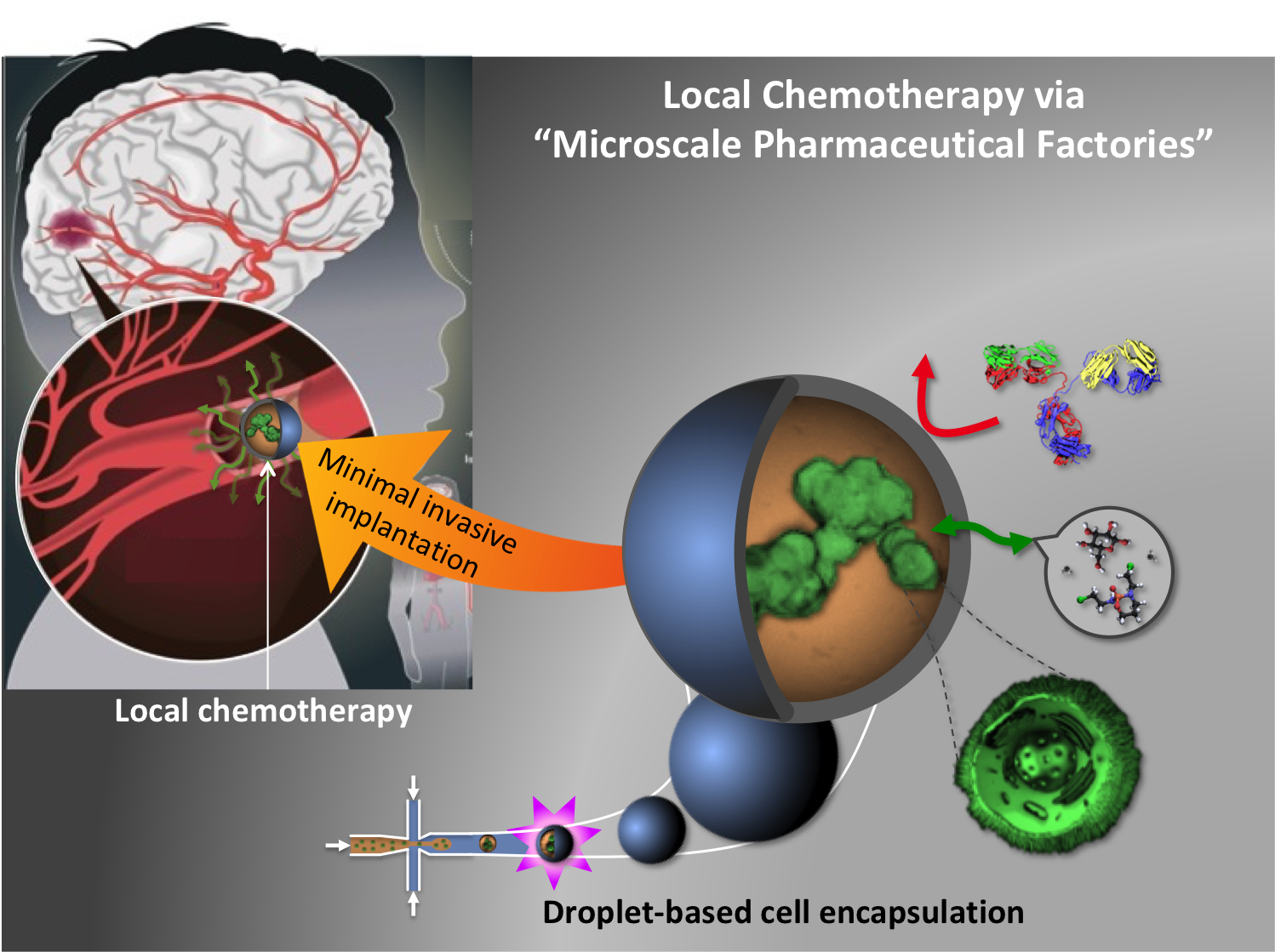
Wouter Metsola van der Wijngaart is a Professor in Micro and Nanosystems at KTH Royal Institute of Technology. His research focuses on microfluidic and lab-on-a-chip systems, micro/nanostructured soft matter, biosensors, and biomedical microdevices. He serves as Deputy Head of Department and actively engages in technology commercialization through spin-off companies. Education : M.Sc. in Electrotechnical Engineering (KU Leuven, 1996), Ph.D. in Microsystems (KTH, 2002) Leadership Roles : Deputy Head of Department, Conference Chair (IEEE MEMS 2015), Editorial Board Member (Journal of Micromechanics and Microengineering) Research Highlights His work spans microfluidics for sepsis diagnostics and urinary tract infection testing , programmable matter systems, and biomedical microdevices for pancreatic cancer screening and cell encapsulation . Key technologies include OSTE polymers , superhydrophobic surfaces , and nanophotonic biosensors . Commercialization Easypark - Mobile parking payments Mercene Labs - Off-stoichiometric thiol-ene polymers UTI-lizer - Point-of-care UTI diagnostics Lucky Loop Medical - EUS-FNA cytology brushes Extendo Medical - Endovascular biopsies Academic Leadership He has managed major European projects (H2020 ITN ND4ID, FP7 NOROSENSOR) and contributed to microsystem education through courses like Research Methodology and Scientific Writing and Microsystems Engineering .
Georges Adam serves as an Assistant Professor of Mechanical Engineering at Rose-Hulman Institute of Technology. A Rose-Hulman alumnus (BS in Mechanical Engineering and NanoEngineering, 2017), he earned his PhD in Mechanical Engineering from Purdue University in 2022. His teaching portfolio spans programming, mechatronics, robotics, numerical methods, and control systems. Education: PhD in Mechanical Engineering, Purdue University, 2022 BS in Mechanical Engineering and NanoEngineering, Rose-Hulman Institute of Technology, 2017 Research Interests: Dr. Adam's research centers on microrobotics and micromanipulation for biomedical applications. His work encompasses micro-force sensing, targeted drug delivery systems, and micro/nano 3D printing. He develops innovative microrobotic platforms that integrate vision-based sensing, magnetic actuation, and structural color for identification, enabling precise manipulation at the microscale. Publication Trends: Over the past six years (2018-2024), Adam has published extensively on microrobotic systems, with a clear trajectory toward biomedical applications. His research demonstrates expertise in force-sensing micromanipulation, magnetic microbot design for drug delivery, and the application of 3D/4D printing in microrobotics. Collaborative work with institutions like Purdue University highlights interdisciplinary approaches to solving challenges in microscale robotics.
Wayne G. Brisbane, MD, is an Assistant Professor in the Department of Urology at the University of California, Los Angeles (UCLA), specializing in Urologic Oncology with a primary focus on prostate cancer diagnostics and treatment. He practices clinically at Westwood Urology in Los Angeles and maintains hospital affiliations across UCLA Health's major facilities including Ronald Reagan UCLA Medical Center and UCLA Santa Monica Medical Center. His educational background includes: MD from Loma Linda University School of Medicine (2013) BA from Seattle Pacific University (2008) Urology Residency at the University of Washington School of Medicine (2019) General Surgery Internship at the University of Washington School of Medicine (2014) Urologic Oncology Fellowship at UCLA (2021) Dr. Brisbane's research centers on optimizing prostate cancer imaging for risk stratification and treatment guidance, with particular expertise in Micro-Ultrasound, MRI, and PSMA PET technologies. His clinical work emphasizes image-guided biopsy, robotic prostate surgery, and focal therapy techniques designed to maximize cancer cure rates while minimizing treatment side effects through personalized patient care. Analysis of his recent publications reveals a consistent research trajectory advancing prostate cancer diagnostics through multimodal imaging integration. Key themes include developing precision biopsy protocols, creating risk assessment tools combining clinical and imaging data, and refining minimally invasive ablation methods for targeted cancer treatment. His scientific recognition includes: Prostate Cancer Foundation - Young Investigator Award As an active clinician-researcher, Dr. Brisbane participates in multiple prostate cancer clinical trials including the Micro-US Registry and MMUVE Prostate Cancer study, though specific grant funding and mentoring activities aren't detailed in available materials. He collaborates within UCLA's Cancer Molecular Imaging, Nanotechnology and Theranostics group and contributes to AI-driven prostate cancer research initiatives, recently highlighted in UCLA Health's 2025 coverage of innovations in prostate cancer care and artificial intelligence applications.
Professor Erhard An-He Kinzelbach serves as Professor of Design and Construction at the Department of Architecture, Hochschule Bochum. He leads interdisciplinary research initiatives including the DFG-funded CoBotCraftLab for human-robot collaboration in construction with Professors Daniel Schilberg and Sven Pfeiffer. Academic leadership spans architectural design, sustainable construction methods, and digital fabrication Oversees diverse student projects from urban reanimation in Berlin to rural infrastructure in Uganda Organizes academic discourse through Winter/Summer Talks lecture series exploring material practice and climate-responsive architecture His research interests prominently feature human-robot collaborative manufacturing, New European Bauhaus principles, and sustainable material cycles. The DFG CoBotCraftLab represents his innovative approach to enabling simultaneous human-robot construction through scaled cobot systems for precise prototyping. His work bridges traditional craftsmanship with digital fabrication, particularly evident in projects like the Think Rural coffee processing station in Uganda and the Liesenbrücken Berlin-Wedding reanimation. Professor Kinzelbach's academic supervision covers architectural typologies ranging from micro-hotels on New York's High Line to EU delegations in post-Brexit London. His students regularly achieve recognition in competitions like the Baumeister Student Competition, with projects addressing contemporary challenges in housing, journalism spaces, and community living. Supervised award-winning thesis projects including Kyrylo Sobolyev's Hauptpreis-winning work Mentored students selected for national workshops as among Germany's top 10 graduating works His department actively engages with global architectural discourse through international collaborations, notably the joint studio with Tongji University Shanghai exploring future living concepts. The Winter/Summer Talks series under his curation connects students with leading practitioners from firms like Snøhetta, OMA, and LETH & GORI, focusing on transformative architectural practices for climate resilience.
Preston C. Sprenkle, MD, is an Associate Professor of Urology at Yale School of Medicine, specializing in urologic cancers, particularly prostate cancer. He leads the Urology Research Fellowship and holds roles at the VA Connecticut Healthcare System, including Division Chief of Urology. His research focuses on improving prostate cancer diagnosis and treatment through advanced imaging (e.g., MRI fusion biopsy) and focal therapy to minimize patient morbidity. He chairs the NCCN Prostate Cancer Early Detection Guidelines Committee and co-chairs the Cancer Liaison Committee at the VA. Education: MD from Columbia University (2004), BA from Stanford University (1998). Residencies and fellowships include New York Presbyterian Hospital and Memorial Sloan Kettering Cancer Center. Research interests include ablation techniques (e.g., cryoablation, irreversible electroporation), genomic profiling, and machine learning in prostate cancer diagnosis. He leads clinical trials such as the CAPTAIN trial comparing TULSA ablation to radical prostatectomy. Key awards include multiple Mentor Appreciation Awards and recognition for early career contributions. His work emphasizes personalized treatment plans and reducing treatment side effects. Grants and funding support his research on MRI technologies and prostate cancer management. He collaborates with institutions like the National Surgery Office and the National Comprehensive Cancer Network. Labs/Teams: Active in Yale’s Prostate & Urologic Cancers Program and Robotic Surgery initiatives. His team focuses on translational research and clinical innovation.
Joaquín Rodríguez-López is a Professor in the Department of Chemistry at the University of Illinois, with additional appointments at the Materials Research Lab and as a Theme Lead at the Beckman Institute for Advanced Science and Technology. His research group combines interests in electroanalytical chemistry and energy materials, developing chemically-sensitive methods for studying ionic and electronic reactivity at electrode/electrolyte interfaces, highly-localized surface features, and individual particles relevant to energy storage, electrocatalysis, sensors, and environmental electrochemistry. Dr. Rodríguez-López completed his undergraduate studies at Tecnológico de Monterrey (2005), earned his Ph.D. from the University of Texas at Austin under Prof. Allen J. Bard (2010), and conducted postdoctoral research with Prof. Hector D. Abruña at Cornell University (2012). His research focuses on characterizing heterogeneous electrode materials to advance electrochemical energy technologies and sensing, pioneering methods of analysis at the nano- and micro-scale to understand how electrode structure, shape, size, and chemical intermediates impact performance in batteries, electrocatalysts, and photoelectrocatalysts. His analytical research employs novel electrochemical and chemical probes for quantifying the impact of surface chemical and structural heterogeneities on reaction kinetics under relevant reacting conditions ( in situ and operando schemes), pushing the boundaries of state-of-the-art electrochemical analysis in challenging environments. On the materials side, his group explores how nano-scale interactions can control electrode reactivity, advancing redox flow batteries based on size-exclusion and investigating graphene ultra-thin electrodes for energy storage applications. Recent work has established automated, robotic systems for high-throughput electrochemical characterization. Analysis of his recent publications reveals strong trends in scanning electrochemical microscopy, automated electrochemistry, and energy storage applications, with particular emphasis on redox flow batteries, graphene electrodes, electrocatalysis, and reactive oxygen species detection. His work increasingly integrates automation, computational methods, and Bayesian optimization into electrochemical analysis, creating a distinctive research profile at the intersection of analytical chemistry and materials science for energy applications. 2024 University Scholar by the University of Illinois System 2023 School of Chemical Sciences Faculty Teaching Award 2022 The Analytical Scientist Top 40 Under 40 Power List 2021 Zhaowu Tian Prize for Energy Electrochemistry 2021 IAspire Leadership Academy Fellow 2020 Arthur F. Findeis Award for Achievements by a Young Analytical Scientist 2018 Science News SN 10: Scientists to Watch 2017 Scialog Fellow 2017 Royce W. Murray Young Investigator Award 2016 ECS-Toyota Young Investigator Fellowship 2016 Sloan Research Fellow Dr. Rodríguez-López has been consistently listed as a Teacher Ranked Excellent by Students for multiple courses including Chem 524-Electrochemical methods, Chem 420-Instrumental Characterization, and Chem 588-Physical Methods for Materials Chemistry across multiple years (2016, 2021-2024). His research group has secured significant funding from organizations including the Joint Center for Energy Research Storage (JCESR), Society of Analytical Chemists of Pittsburgh (SACP), Energy Materials Center at Cornell, and the American Chemical Society Division of Analytical Chemistry. The group has established the Electrolab, an open-source, modular platform for automated characterization of redox-active electrolytes. The Rodríguez-López group operates at the cutting edge of electrochemical research, with facilities for electrochemical, spectroscopic, chemomechanical, and clean-room fabrication methods. They value creativity, diversity, and innovative approaches to electrochemical reactivity, maintaining a dynamic environment that generates original concepts in electrochemistry while developing the careers of aspiring scientists. Their work spans fundamental electrochemical mechanisms to practical applications in energy storage, environmental monitoring, and sustainable synthesis.
Dr. Sfakiotakis Michael is an Associate Professor at the Department of Electrical and Computer Engineering of the Aristotle University of Thessaloniki. He serves as Director of the Institutionalized Interdepartmental Laboratory of Control Systems and Robotics (ESER) and the Interdepartmental Postgraduate Program 'Advanced Production Systems, Automation and Robotics' under the School of Engineering. His research focuses on robotic systems modeling, medical micro-robotics, real-time embedded control, precision agriculture, and robotic manipulation. Education: Bachelor's in Electrical Engineering, Aristotle University of Thessaloniki (1995) MSc in Communications, Control and DSP, University of Strathclyde, UK (1996) PhD in Biomimetic Robotic Systems, Heriot-Watt University, UK (2000) His research portfolio includes over 65 peer-reviewed publications with an h-index of 17 (Google Scholar), and he has participated in numerous funded projects. His work spans multidisciplinary applications from aquatic robotics to agricultural automation. Labs/Teams: Director of ESER Lab, leading projects in control systems and robotics innovation.
Yin Zhang is a Professor at Zhejiang University's College of Computer Science and Technology, specializing in computer vision, remote sensing, and machine learning. With over 300 publications spanning from 1992 to 2025, their research has evolved from foundational work to cutting-edge applications in multimodal analysis and AI-driven imaging systems. Research interests focus on computer vision with particular expertise in object detection, image fusion, and remote sensing applications. Their work bridges theoretical advancements with practical implementations across medical imaging, autonomous systems, and geospatial analysis. Recent publications demonstrate innovative approaches to multimodal data integration, including diffusion models and knowledge distillation techniques for enhanced image understanding. Publication trends show increasing specialization in remote sensing applications since 2019, with significant contributions to vehicle detection, land use classification, and maritime surveillance. The research portfolio demonstrates consistent methodological innovation while addressing real-world challenges in areas ranging from agricultural monitoring to conflict analysis. As a research supervisor, Yin Zhang has mentored numerous students including Zian Ning, Xiaoyu Zhang, and Shiyu Zhao, with collaborative projects frequently appearing in top-tier venues like IEEE Transactions and CVPR. Their work demonstrates strong interdisciplinary connections between computer science, electrical engineering, and domain-specific applications.
Dr. Yong Shi is Associate Professor in Mechanical Engineering at Stevens Institute of Technology, researching MEMS/NEMS, energy harvesting, and micro-robotics. His work focuses on nanoscale electromechanical systems for biomedical and aerospace applications, including stroke therapy devices and chip-scale spacecraft. He directs advanced nanofabrication techniques and thermal actuation systems. Research domains include: Nanostructured piezoelectric materials Micro-deployable structures for space Surgical device force modeling Recent innovations feature electrothermal microrobotic sails for orbital maneuvering, SMA-based helical actuators, and vascular contact models for neurointervention. As ASME Micro Nanosystem Technical Committee chair, he advances microsystem design methodologies while developing educational simulations for robotic navigation.