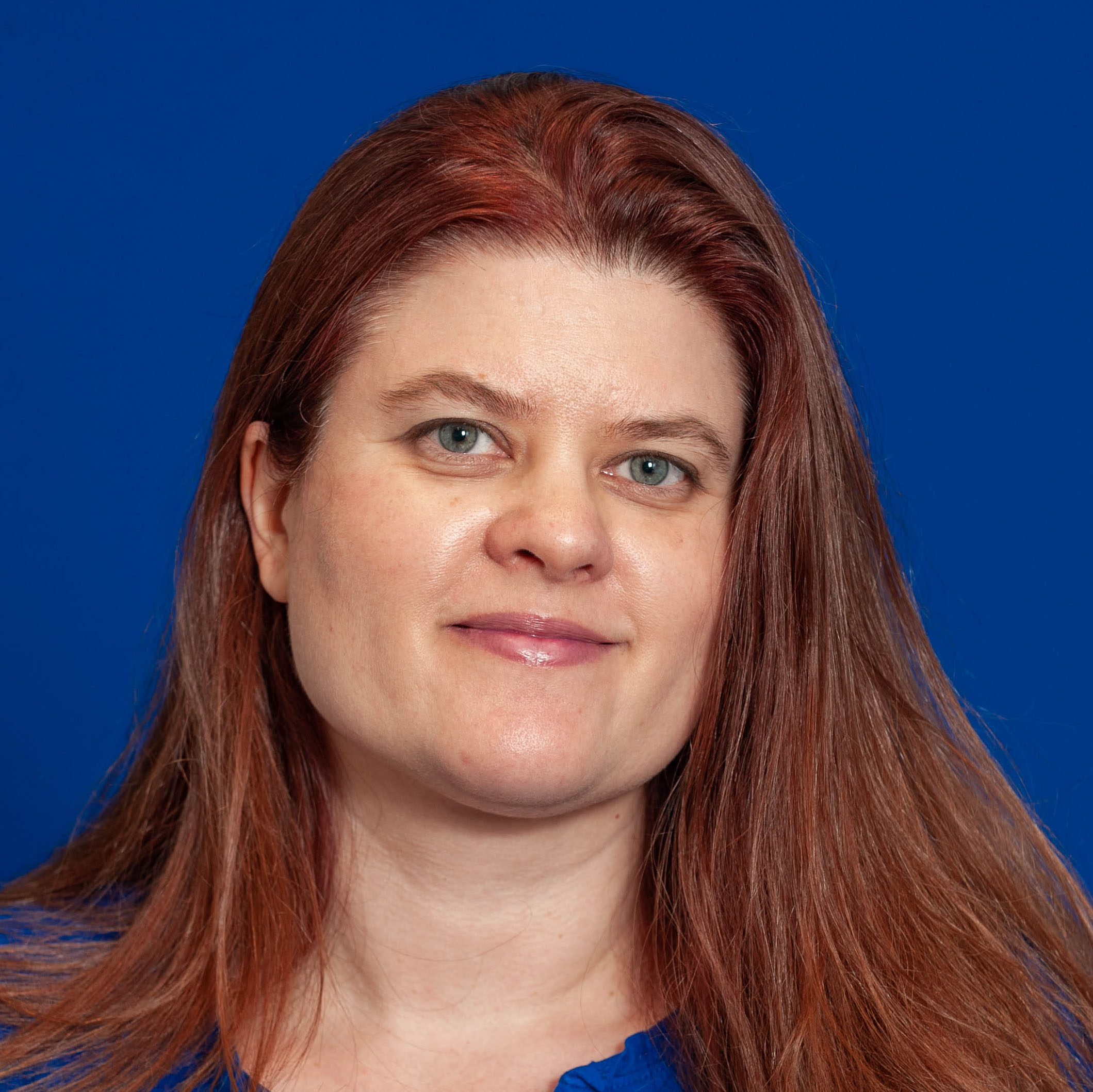
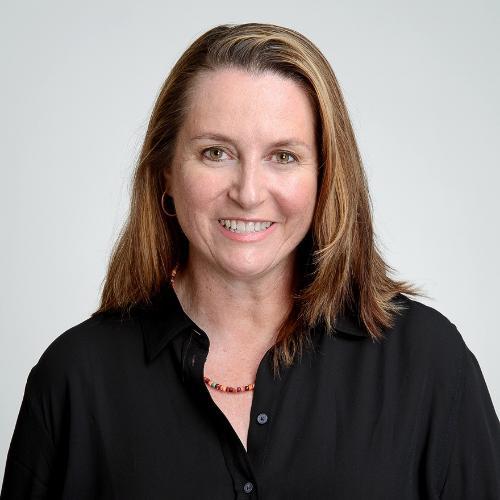
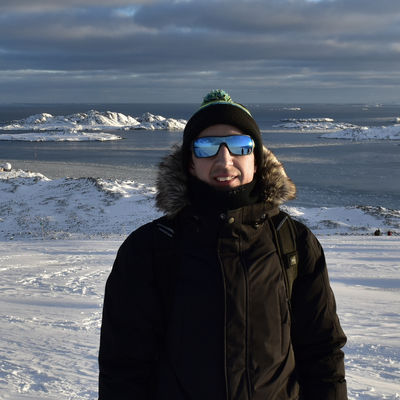
P. Dreux Chappell is an Associate Professor at the University of South Florida College of Marine Science , specializing in interdisciplinary research at the intersection of phytoplankton physiology and ocean chemistry . He is affiliated with the BIOME Lab , where he conducts cutting-edge research using molecular tools and biogeochemical analyses. Education : BA in Biology, PhD in Chemical Oceanography Chappell's research focuses on Marine Microbial Ecology and Trace Metal Biogeochemistry , particularly how nutrient forms (iron, phosphorus, nitrogen) influence phytoplankton community composition and biogeochemical modeling . His work spans coastal and open ocean environments , from the Pole to Pole , with emphasis on nutrient limitation and quantitative molecular techniques . The 15 most recent articles highlight trends in Nitrogen Fixation , Trace Metal Cycling , and phytoplankton community dynamics , often leveraging Radium isotopes , dual nitrate isotopes , and metatranscriptomics to study nutrient sources, microbial interactions, and oceanographic processes across diverse regions like the West Florida Shelf , Mid-Atlantic Bight , and Arctic Ocean . Email : dreux@usf.edu
Bent Petersen serves as a Senior Researcher at the Section for Hologenomics within the Globe Institute at the University of Copenhagen. With over 13 years of professional experience in Bioinformatics, he is a key member of the Computational Biodiscovery group where he applies machine learning techniques to projects focused on deciphering the medicinal potential of the Rainforest. His primary expertise lies in genomics and metagenomics with extensive work involving Next Generation Sequencing data analysis. His educational background includes: PhD in Bioinformatics from the Technical University of Denmark (DTU), with dissertation on "Prediction of protein structural features by use of artificial neural networks" (2011) Master's degree in Biotechnology from DTU, with thesis on "Prediction of local structural elements by use of artificial neural networks" (2007) Petersen's research interests span multiple cutting-edge fields including bioinformatics, genomics, metagenomics, machine learning applications in biology, and the study of host-microbiota interactions. His work bridges computational approaches with biological discovery, particularly in areas related to rainforest biology, phage therapy, and agricultural microbiome research. He actively collaborates with scientific groups worldwide to expand research portfolios in NGS, phage biology, rainforest biology, supercomputing, and machine learning applications. With 76 research outputs including journal articles, letters, and preprints, Petersen's publication record shows a strong focus on genomic analyses across diverse biological systems - from African hunting dogs and Galápagos plants to agricultural systems and microbial communities. His recent work demonstrates particular interest in host-microbiota interactions, phage therapy applications, and the genomic basis of plant domestication and adaptation. Petersen has significant teaching experience, having previously served as Head of Studies at DTU. He is recognized for his excellent educational skills and has conducted international mobile workshops in NGS, metagenomics, and bioinformatics across Brazil, China, Colombia, Egypt, India, Malaysia, and the Faroe Islands. His external positions include Adjunct Lecturer and Deputy Director at the Asian Institute of Medicine, Science and Technology, as well as Editorial Board Member for Scientific Reports since 2017. He is actively involved in research collaborations worldwide and serves as a member of the Chairmanship of the Biological Corps for external examiners (Censorkorpset) since 2019. His ORCID identifier is 0000-0002-2472-8317, and his research has been referenced across multiple platforms including news outlets, social media, and academic readership services.
Flemming Ekelund is an Associate Professor in the Department of Biology at the University of Copenhagen, specializing in Terrestrial Ecology. His research focuses on the complex relationships between organisms and ecosystem functioning, with particular emphasis on soil ecosystems and microbial communities. Dr. Ekelund's primary research interests include plant-microbiome interactions in modern and ancient barley, interactions between soil microorganisms and plants, the effects of recycling bio-ash from power-plants to forests and fields, and the diversity and activity of heterotrophic protozoa in soil. His work addresses the fundamental challenge of bridging organism-focused ecology with system-functioning ecology, recognizing that a single teaspoon of soil typically contains over 10,000 different species, most unknown to science. His recent publications demonstrate a strong focus on microbial community dynamics, soil ecology, and plant-microbe interactions. The research spans molecular techniques like DNA metabarcoding and RNA sequencing to field studies examining the impacts of agricultural practices, heavy metals, and soil amendments. His work often employs next-generation sequencing to describe molecular identities of whole communities and manipulates diversity in laboratory ecosystems to examine how different diversities affect ecosystem function. Dr. Ekelund actively collaborates internationally, with research output showing connections across multiple countries. His laboratory, the Plant Microbiome research group, maintains an active interest in recruiting MSc students for various research projects. The research group employs diverse methodologies including laboratory ecosystem manipulation, next-generation sequencing, and occasionally describes new species when encountering forms unknown to science.
Lasse Riemann is a Professor in Marine Molecular Microbiology at the Department of Biology, University of Copenhagen. He leads research in marine microbial ecology, focusing on factors regulating bacterial community composition in the ocean. His current work particularly addresses the ecological role of heterotrophic $$N_2$$-fixing bacterioplankton and bacterial diversity and population dynamics. Education: PhD in Biology, University of Copenhagen (2002) Master in Biology, University of Copenhagen (1998) Riemann's research applies molecular and microbiological tools to understand marine ecosystems. His lab combines standard microbiology techniques with state-of-the-art molecular methodologies including PCR, Real-Time PCR, amplicon sequencing, metagenomics, and metatranscriptomics. His work involves both field studies and controlled experiments to investigate microbial processes in marine environments. A key focus is understanding how microbial communities respond to environmental changes and their role in biogeochemical cycles. Analysis of Riemann's recent publications (2024-2025) reveals a strong focus on nitrogen fixation processes across diverse marine environments, from coastal ecosystems to the Arctic Ocean. His research spans multiple subfields including microbial ecology, biogeochemical cycling, climate change impacts, and physiological adaptations of marine microorganisms. A recurring theme is the investigation of heterotrophic $$N_2$$ fixation and its role in marine nutrient cycles, with particular attention to how environmental factors influence these processes. Scientific Awards: Sapere aude Research Leader award from the Danish Council for Independent Research (2012-2015, 650,000 €) Steno Young Investigator Award from the Danish Agency for Science, Technology and Innovation (2011-2015, 715,000 €) Post Doc stipend from the Villum Kann Rasmussen Foundation (2002-2003, 61,000 €) Riemann has supervised numerous PhD students and postdoctoral researchers, with several ongoing projects. He has secured significant research funding as Principal Investigator (PI) for multiple large grants from the Independent Research Fund Denmark and as Co-PI for EU-funded projects. His research group has received continuous funding totaling over 2 million euros in the last decade, supporting both fundamental research and applied studies with environmental relevance. Riemann currently serves as Chief Editor of the Specialty Aquatic Microbiology in Frontiers in Microbiology and previously served as Head of the Marine Biological Section at the University of Copenhagen (2015-2020). His research group at the Center for Volatile Interactions investigates marine microbial processes using advanced molecular techniques, with particular focus on how microbial communities interact with their environment and contribute to ecosystem functioning.
Cuncong Zhong, Ph.D. , is an Assistant Professor in the Department of Electrical Engineering and Computer Science at the University of Kansas , where he leads the Zhong Lab in computational biology and bioinformatics. His research focuses on developing accurate and efficient computational methods to tackle biological challenges, with emphasis on non-coding RNA structure and function, metagenomics, cancer genomics, and precision medicine. Education: Ph.D. in Computer Science, University of Central Florida M.S. in Computer Science, University of Central Florida B.S. in Computer Science and Biotechnology, Huazhong University of Science and Technology Research Interests: Dr. Zhong's research spans several key areas in computational biology: Computational Biology & Bioinformatics: Developing algorithms and data structures for biological data analysis Non-coding RNA: Investigating RNA structural motifs and their functional implications Metagenomics: Creating peptide-centric analysis tools for microbial community studies Cancer Genomics: Analyzing NGS data to identify cancer-related genetic variations Precision Medicine: Applying computational approaches to personalized medicine Scientific Awards: Best Paper Award - IEEE ICCABS 2012 (cover page story) Outstanding Thesis Award - University of Central Florida 2013 Traveling Fellowships - ISBRA 2015, IEEE ICCABS 2012 Teaching & Mentorship: Dr. Zhong teaches EECS730: Introduction to Bioinformatics , covering topics from sequence alignment to RNA structure prediction. His lab actively recruits motivated students with backgrounds in algorithms, programming, or biology. The lab's website explicitly mentions seeking new students to join their computational biology research efforts. Research Lab & Collaborations: The Zhong Lab at the University of Kansas focuses on developing computational tools for biological discovery. They collaborate with experimental biologists to understand fundamental life processes, particularly in areas of RNA biology and microbiome research. The lab has developed several software packages including GRASP, GRASPx, and RNAMotifScanX for various bioinformatics applications.
Cody Sheik is an Associate Professor in the Department of Biology at the University of Minnesota Duluth , affiliated with the Swenson College of Science and Engineering. His research integrates microbial ecology, genomics, and geochemistry to study aquatic environments, with a focus on microbe-water-rock interactions and carbon/nitrogen/sulfur cycling. Research Highlights : Subsurface microbiome biogeography (Deep Carbon Observatory projects) Sulfur cycling in Lake Superior sediments and hot springs Harmful algal bloom dynamics and microbial interactomes Iron mine and hydrothermal plume microbial ecology Teaching : General Microbiology (BIOL 3502) Bioinformatics for Biologists (BIOL 4201/5201) Geobiology: Slime Through Time (GEOL 4095/5095) Current Students : Emily Hyde (M.S., Integrated Biosciences) Jennifer Knack (Ph.D., Integrated Biosciences) Kaela Natwora (M.S., Integrated Biosciences)
Marie Flamand is a research group leader in the Structural Virology Laboratory at the Institut Pasteur in Paris. Her work focuses on understanding the pathogenesis of arboviruses such as dengue, Zika, and Rift Valley fever viruses, with a particular emphasis on the role of accessory proteins like NS1 and NSm in viral virulence and immune modulation. Institution: Institut Pasteur Research Unit: Structural Virology Lab Research Focus: Arboviruses, Viral Pathogenesis, NS1 Protein Function Her research has led to major advances in dengue diagnostics, including the development of a gold-standard NS1 antigen detection kit. Her team discovered that secreted NS1 forms pro-inflammatory complexes with HDL, contributing to severe dengue manifestations. She leads the ongoing project Viral toxins , studying the biological effects of dengue NS1. The recent publications reflect a strong focus on flavivirus biology, structural interactions, host immune responses, and emerging viral threats. The work spans molecular virology, structural biology, immunopathology, and translational diagnostics, with increasing attention to systemic inflammation and host-lipoprotein interactions during infection. Key Publications in: EMBO Reports, Journal of Virology, Clinical Infectious Diseases, Emerging Microbes & Infections Recent Trends: NS1-HDL complex formation, cytokine storm mechanisms, viral diagnostics, host genetic factors in infection Marie Flamand has not received any explicitly mentioned scientific awards in the provided text. However, her sustained leadership and high-impact publications indicate significant recognition in the field of virology. She has supervised or collaborated on multiple research projects and publications but no specific students are listed. She has been involved in collaborative research across disciplines, including structural biology, immunology, and emerging infectious diseases. There is no mention of external grant funding in the provided texts, but her active projects suggest ongoing support. Her research is conducted within the Structural Virology Lab at the Institut Pasteur, a leading institution in infectious disease research. This lab provides a collaborative environment integrating structural, biochemical, and cellular approaches to study virus-host interactions.
Dr. Ameet Pinto is an Associate Professor and Carlton S. Wilder Early-Career Professor at the School of Civil and Environmental Engineering , Georgia Tech. His work focuses on microbial ecology of engineered water systems, integrating molecular tools and computational biology to enhance drinking water safety and wastewater treatment sustainability. B.Chem.Eng, Institute of Chemical Technology, Mumbai (2003) M.S. in Civil Engineering, University of Alaska Fairbanks (2005) Ph.D. in Civil Engineering, Virginia Tech (2009) Research interests span drinking water microbiome , comammox/anammox bacterial interactions , metagenomics , and machine learning applications in water quality monitoring. Recent articles highlight innovations in ARTiMiS flow imaging microscopy , microalgal nutrient recovery , and post-disaster water management . Scientific recognition includes: NSF CAREER Award (2018) Paul L Busch Award (2019) IWA MEWE Mid-Career Award (2023) IWA Fellow (2024) Dr. Pinto leads the Pinto Lab , advancing microbial management frameworks for infrastructure and public health, with grants from NSF and DOE . The lab emphasizes translating microbial ecology insights into engineered water system solutions.
Marc Chevrette is an Assistant Professor at the University of Wisconsin-Madison conducting interdisciplinary research at the nexus of microbial genomics, evolutionary biology, and natural product discovery. His work integrates computational and experimental approaches to decipher secondary metabolism in microbial communities with applications in antibiotic development and microbiome engineering. Dr. Chevrette's educational background includes: PhD in Genetics from the University of Wisconsin-Madison MSc in Genetics from the University of Wisconsin-Madison MSc in Biotechnology (Bioengineering) from Harvard University Extension BSc in Molecular Biology & Bioinformatics from Rensselaer Polytechnic Institute The Chevrette Lab investigates secondary metabolism across evolutionary, ecological, and synthetic systems. Core research areas encompass genome mining of biosynthetic gene clusters (BGCs), evolutionary dynamics of biosynthetic enzymes, microbiome-derived natural products from host-associated systems (amphibian skin, insect exoskeleton, rhizosphere) and soil bacteria, and genetic regulation of metabolite production in synthetic communities using metatranscriptomics and metametabolomics. The lab develops computational tools for BGC prediction and characterization while exploring enzyme specificity and promiscuity. Recent publications (2023-2025) reveal dominant themes in methodological innovation for genome mining (antiSMASH 8.0, GATOR-GC), biosynthetic gene cluster curation (MIBiG 4.0), and machine learning applications for enzyme specificity prediction. Research spans natural product discovery from Actinobacteria and host-associated microbiomes, evolutionary analysis of biosynthetic pathways, and experimental validation of microbial community interactions. Key interdisciplinary connections include computational biology, microbial ecology, and drug discovery. The Chevrette Lab maintains active collaborations with the Tiny Earth initiative for soil bacteria research and participates in interdisciplinary networks focused on natural product discovery. The lab's integrative approach combines computational genomics, evolutionary analysis, and experimental microbiology to explore the ecological and biomedical significance of microbial secondary metabolism.
Thomas Sicheritz-Pontén is a Professor at the Section for Hologenomics within the Globe Institute at the University of Copenhagen. His research focuses on hologenomics, phage therapy, and microbial genomics, with numerous publications in high-impact journals including Nature Reviews Methods Primers and Cell. His research interests span several key areas in modern genomics and microbiology: Development and application of phage therapy for bacterial infections Genomic analysis of bacteriophages and their taxonomy Hologenomic approaches to understanding host-microbe interactions Metagenomics and metatranscriptomics of environmental and clinical samples Bioinformatics tools for genomic analysis Addressing antimicrobial resistance through alternative therapies Recent research outputs demonstrate a strong focus on phage therapy applications, particularly in agricultural and veterinary contexts, as well as methodological advancements in phage genomics and taxonomy. His work bridges computational biology with experimental approaches to address antimicrobial resistance challenges through publications like 'Optimizing phage therapy for Salmonella Pullorum' and 'taxMyPhage: Automated Taxonomy of dsDNA Phage Genomes.' His scientific contributions have gained significant attention, with publications referenced across multiple platforms: Picked up by 7 news outlets Blogged about and posted by 10+ X (Twitter) users Appearing on 2 Facebook pages Reddited by researchers Referenced by over 50 Bluesky users Read by hundreds of researchers on Mendeley As lead or co-author on 58 research outputs including 46 journal articles, 7 editorials, and 3 reviews, Professor Sicheritz-Pontén maintains an active research program that combines computational genomics with practical applications of phage therapy.
Yukgehnaish Kumarasan serves as a Guest Researcher at the Section for Hologenomics within the Globe Institute, Faculty of Health and Medical Sciences, University of Copenhagen. His work centers on microbial genomics and metatranscriptomics in agricultural soil ecosystems, particularly paddy field environments. His primary research domains include Microbiology, Genomics, and Metatranscriptomics, with specialized focus on Soil Microbiology, Plant-Microbe Interactions, and Bacteriophage Research. Current investigations target molecular techniques for soil microbiome analysis, bacterial genome characterization, and phage genomics to advance sustainable agricultural practices. Publication analysis reveals consistent application of genomic methodologies to soil-plant-microbe systems, emphasizing RNA extraction optimization, bacterial genome sequencing, and bacteriophage characterization. This work bridges environmental microbiology, agricultural science, and genomic technology development. As part of the Section for Hologenomics, he contributes to interdisciplinary research on host-microbiome interactions across ecological contexts, leveraging the institute's collaborative framework for hologenomics—the integrated study of host-associated microbial communities and their collective genomes.
Adam Labadorf is an Assistant Professor at Boston University Chobanian & Avedisian School of Medicine in the Department of Neurology . He received his PhD in Bioinformatics from Boston University, MS in Bioinformatics from Colorado State University, and BS in Biology from Dickinson College. Director of Graduate Studies for BU Bioinformatics Masters Program Director of Bioinformatics for VA PTSD Brain Bank Member of BU Alzheimer's Disease Research Center Member of BU CTE Center His research focuses on genomic and transcriptomic mechanisms of neurodegeneration , applying bioinformatics and machine learning to study Huntington's, Parkinson's, and Chronic Traumatic Encephalopathy (CTE) . He specializes in post-mortem human brain tissue analysis and cerebrospinal fluid transcriptomics , with methodological expertise in metatranscriptomics spanning applications from Caribbean coral ecology to central nervous system-microbiome interactions . Recent publications highlight his work on tau haplotype risks in CTE , transposable element RNAs in neurodegeneration , and APOER2 splicing in Alzheimer's disease . His research has been supported by NIH/National Institute on Aging (2024-2029) and multiple Department of Veterans Administration grants. He leads interdisciplinary collaborations with institutions including Boston University Alzheimer's Disease Research Center , VA Boston Healthcare System , and Boston Medical Center , while maintaining active roles in BMC Med Genomics and PLoS Genet editorial boards.
Jamie S. Foster is a Full Professor in the Department of Microbiology and Cell Science at the University of Florida, with a concurrent appointment in the Genetics and Genomes Graduate Program. She also serves as Assistant Director of the Astraeus Space Institute. Her career spans roles at Purdue University and NASA Ames Research Center, with notable positions including Postdoctoral Fellowships at NIH and NASA. Education: B.S. Zoology, University of Massachusetts Amherst (1992) M.S. Biological Sciences, University of Southern California (1996) Ph.D. Zoology, University of Hawaiʻi (2000) Research Focus: Dr. Foster specializes in astrobiology, microbial ecology, and space biology. Key areas include symbiotic interactions in microgravity, stromatolite microbial diversity, and microbialite formation. Her work has contributed to understanding microbial behavior in space and their ecological significance on Earth. Recent Trends in Articles: Her recent publications emphasize space biology advancements, microbial responses to microgravity, and metagenomic studies of extremophile ecosystems. Notable topics include payload development for lunar missions, immune cell behavior in symbioses, and microbialite genomic analysis. Awards: 2021 President's Award, American Society of Gravitational and Space Research 2020 Orr-Reynolds Service Award, ASGSR Advising & Grants: Dr. Foster mentors graduate students like Joseph Emhof and Rachel Ivester. Her lab focuses on biomanufacturing in space, microbialite ecosystems, and stromatolite metabolism. Research has leveraged NASA-funded spaceflight experiments, including missions STS-134 and SpaceX CRS-22. Labs/Teams: The Foster Lab investigates microbial adaptations to environmental extremes, with projects spanning symbiosis under space conditions and the geochemical processes of modern microbialites.
Dr. Kimberly Kanapeckas Metris is Senior Lecturer in Genetics and Biochemistry at Clemson University's College of Science. She researches atmospheric microbiomes and airborne disease ecology using metagenomics and metatranscriptomics. Her lab develops instrumentation for aircraft-based atmospheric surveys to study bioaerosol transport and environmental nucleic acids. Her work connects atmospheric biology with environmental health and air quality assessment.
Jean-David Grattepanche is an Assistant Professor of Research in the Department of Biology at Temple University's College of Science and Technology. His research investigates microbial eukaryotes in marine ecosystems, particularly focusing on plankton food web interactions in polar environments. Using integrative approaches combining microscopy, molecular tools (amplicon sequencing, transcriptomics), and bioinformatics, he examines diversity patterns and trophic relationships within microbial communities. Research Focus: Mixotrophic impacts in Antarctic ecosystems Spatiotemporal dynamics of protist communities Prey-predator interactions in planktonic food webs Molecular ecology of ciliates and testate amoebae Bioinformatic pipelines for microbial phylogenomics Current projects with the Sanders Lab investigate how mixotrophy influences polar marine ecosystems, with field studies conducted in Antarctica.