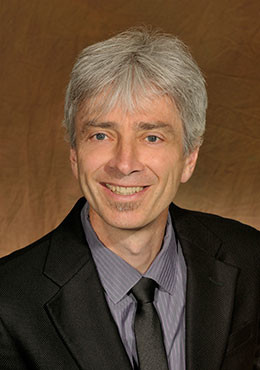
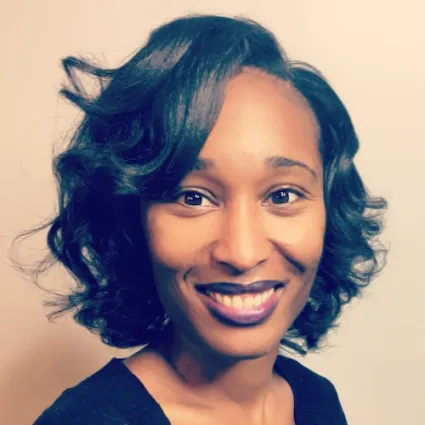
Dr. Klaus Valentin is a biologist at the Alfred Wegener Institute (AWI), specializing in Polar Biological Oceanography. His research focuses on algal genomics, functional and evolutionary genomics, and adaptation to polar life. He leads projects such as the Strategy Fund Project Melosira arctica (as Principal Investigator) and the EU Biodiversa Project MARFOR. He also co-leads initiatives like the DFG Project on Fragilariopsis kerguelensis microevolution and the Global Ocean Metatranscriptome Project Sea of Change. His work integrates genomic analyses with environmental adaptation studies, particularly in polar and marine ecosystems. Responsibilities include managing interdisciplinary projects, overseeing genomic data repositories (EPIC and PANGAEA), and advancing understanding of algal biodiversity and stress responses. His research spans from molecular mechanisms underlying adaptation to large-scale ecological implications of climate change.
Allison Imrie is an Associate Professor at the University of Western Australia (UWA), based in the School of Biomedical Sciences, Department of Microbiology and Immunology. Her research focuses on virology, anti-viral immunity, and mosquito-borne diseases such as dengue, Zika, Ross River virus, and leptospirosis. She has collaborated extensively in the Asia Pacific region, investigating neglected tropical diseases and novel virus discovery. Education: PhD in Virology and Immunology from the University of New South Wales (1998), specializing in HIV transmission and immune responses. Research Interests : Molecular epidemiology, virus-specific cellular immunity, and the immunopathogenesis of viral diseases. Her work contributes to UN Sustainable Development Goals related to global health and disease control. Awards : Excellence in Research Supervision (2019, 2020) and Excellence in Teaching (2015). Grants and Projects : Includes studies on immune responses to SARS-CoV-2, mosquito-borne virus discovery, and viral molecular epidemiology. Notable funding sources include the Department of Health (WA) and Department of Jobs, Tourism, Science, and Innovation. Activities : Public lectures on post-pandemic vaccine strategies and consultancy for WHO on AIDS prevention in the Western Pacific region. She also contributed to a Pacific Regional Report for the Department of Foreign Affairs and Trade. Labs & Teams : Collaborates with Australian and U.S. teams on virus discovery and molecular studies, leveraging UWA’s physical containment level 3 facilities.
Johanna Rinta-Kanto is a University Lecturer in Materials Science and Environmental Engineering at the University of Helsinki. She holds a PhD from The University of Tennessee, Knoxville (2007) and was appointed as a Docent in Microbial Ecology at the University of Helsinki in 2013. Her research focuses on microbial community dynamics, biogas production, microbial electrosynthesis, and environmental biotechnology, with applications in sustainable waste management and renewable energy systems. Key projects include optimizing bioelectrochemical systems for carbon utilization and studying microbial responses to environmental stressors like hypoxia and temperature shifts. She has contributed to over 30 peer-reviewed publications and serves as a reviewer for journals such as Environmental Microbiology and Scientific Reports . Her work bridges engineering and microbiology, addressing global challenges in sustainability through innovations like microbial electrosynthesis for carboxylate production and anaerobic digestion of lipid-rich wastewater. Ongoing research explores microbial community assembly in granular biofilms and the ecological roles of archaea in boreal forest ecosystems.
Dr. Silvia Salgar Chaparro is a Research Fellow at Curtin University's Curtin Corrosion Centre within the School of Minerals, Energy and Chemical Engineering, Faculty of Science and Engineering. Her research focuses on microbiologically influenced corrosion (MIC), microbial biofilm dynamics, and microbial communities in oilfield and marine environments. Her work integrates molecular biology techniques with materials science to understand corrosion mechanisms. Key areas include analyzing microbial communities using genomic and transcriptomic approaches, evaluating corrosion under deposits, and developing mitigation strategies. She has contributed to understanding Shewanella species' roles in corrosion and optimizing DNA extraction methods from challenging samples like iron incrustations. Dr. Salgar Chaparro's recent studies explore synergistic effects of magnetite and microorganisms on steel corrosion, biocide effectiveness under varying nutrient conditions, and hydrogen storage-related microbial interactions. Her research has been published in journals like Corrosion Science , Frontiers in Microbiology , and Scientific Reports . She holds an ORCID (0000-0002-7437-9725) and is active on LinkedIn and Google Scholar. Her work addresses critical challenges in energy infrastructure protection and sustainable materials development.
Pierre Amato is a Researcher (CNRS CRCN) at the Institut de Chimie de Clermont-Ferrand, Université Clermont Auvergne (UCA), with a HDR in Atmospheric Microbiology. He leads research on microbial biodiversity and activity in the atmosphere, including aerosols, clouds, and precipitation. His work focuses on understanding microbial survival, metabolism, and interactions with atmospheric processes like cloud chemistry and bioprecipitation. He has coordinated major projects such as the ANR METACLOUD (2019-2023) and edited influential works like Microbiology of Aerosols (Wiley, 2017). Research interests include microbial structural and functional diversity, environmental drivers of activity, and methodological advancements in air sampling and omics techniques. He serves as an Associate Editor for Frontiers in Microbiology and Aerobiologia , and chairs the CNRS EC2CO MICROBIOME evaluation committee. Ongoing projects involve cloud water chemistry, antibiotic resistance gene dispersal, and atmospheric microbiome dynamics. Key contributions include demonstrating cloud environments as 'oases' for microbial activity, quantifying biological ice nucleation, and developing high-throughput sampling methods. His lab's interdisciplinary approach integrates molecular profiling, enzymatic assays, and computational tools to study airborne microorganisms' ecological roles and atmospheric impacts.
Hermine Billard is a researcher at Clermont Auvergne University, affiliated with the Laboratoire Microorganismes : Génome et Environnement (LMGE). Her work spans environmental microbiology with a focus on freshwater ecosystems, bacterioplankton dynamics, and the recently discovered Aster-Like Nanoparticles (ALNs) in aquatic environments. She has maintained an active research profile from 2009 through 2025, with publications appearing in journals such as Microorganisms, Scientific Reports, and Frontiers in Microbiology. Her research interests include microbial ecology in freshwater systems, carbon cycling dynamics, nanoparticle interactions in aquatic environments, and earlier work on breast cancer and obesity interactions. Billard's research demonstrates a shift from biomedical research toward environmental microbiology around 2018-2019, while maintaining connections between microbial processes and broader ecological implications. Analysis of her recent publications (2022-2025) reveals a strong focus on freshwater ecosystem dynamics, particularly studying bacterioplankton responses to top-down controls, the ecological significance of Aster-Like Nanoparticles, and the functional diversity of microbial communities in meromictic lakes. Her work often employs interdisciplinary approaches combining field studies, molecular techniques, and ecological modeling. Billard collaborates extensively with researchers at Clermont Auvergne University and other French institutions, particularly with colleagues in the LMGE laboratory. Her research appears to be supported by French national research programs, though specific grant information isn't detailed in the available publications.
Ivan Wawrzyniak is a CNRS Research Engineer at the Microorganisms Laboratory: Genome and Environment (LMGE) at Université Clermont Auvergne. He specializes in parasitology, genomics, and molecular biology, with a focus on microsporidian parasites and their interactions with host organisms. His work bridges computational biology and experimental approaches to understand parasite genomics and pathogenesis. Dr. Wawrzyniak completed his PhD in 2012 at Université Blaise Pascal - Clermont-Ferrand II with a thesis titled "Genomics and post-genomics of the intestinal parasite Blastocystis sp. subtype 7. Evaluation of its pathogenic power," which focused on understanding the genomic features and virulence factors of this intestinal parasite. His research has evolved from Blastocystis studies to specialized work on microsporidian parasites, particularly Anncaliia algerae. His research interests span several interconnected fields in microbiology and genomics. He has made significant contributions to understanding microsporidian parasites through genome sequencing and annotation. His work combines computational approaches with experimental validation to identify virulence factors and understand host-parasite interactions. Dr. Wawrzyniak has developed specialized bioinformatics tools like MicroAnnot for accurate genome annotation of microsporidia, addressing unique challenges posed by their highly reduced genomes. His recent work also extends to microbial ecology and microbiome analysis. Analysis of Dr. Wawrzyniak's publication history reveals a strong trajectory in parasite genomics with increasing methodological sophistication. His work demonstrates consistent expertise in microsporidian biology while expanding into related areas like honey bee microbiome research and freshwater microbial ecology. The integration of computational and experimental approaches remains a hallmark of his research portfolio. Dr. Wawrzyniak teaches Cell Biology, Biochemistry, and Molecular Biology, contributing to the education of future scientists. His laboratory work focuses on the Host-Parasite Interactions Team within the LMGE, where he applies both wet-lab and computational techniques to address fundamental questions in parasitology and microbial genomics.
Walter Koltun, MD is the Peter and Marshia Carlino Chair in Inflammatory Bowel Disease within the Department of Surgery, Division of Colon and Rectal Surgery at Penn State Cancer Institute. With an h-index of 42 and over 5,977 citations, he has established himself as a leading researcher in gastrointestinal diseases and surgical treatments. His research focuses primarily on Inflammatory Bowel Disease (IBD), Crohn's Disease, Ulcerative Colitis, Diverticulitis, and Ileal Pouch-anal Anastomosis procedures. His work spans clinical research, surgical innovations, and molecular investigations into gastrointestinal pathologies. His recent publications demonstrate continued active research in colorectal surgery, IBD management, and the molecular mechanisms underlying gastrointestinal diseases. Koltun has led multiple significant research projects, including the creation of an Inflammatory Bowel Disease Registry and studies on the vestibulosympathetic reflex. His current research output shows consistent contributions to the field, with numerous publications in 2024-2025 addressing critical questions in colorectal surgery and IBD treatment. His work contributes to UN Sustainable Development Goals related to good health and well-being, particularly in advancing treatments for chronic inflammatory conditions. Dr. Koltun maintains active collaborations across multiple institutions, as evidenced by his extensive co-authorship network and participation in multidisciplinary research projects focused on improving outcomes for patients with complex gastrointestinal conditions.
James McDonald is an Honorary Professor in the School of Environmental and Natural Sciences at Bangor University, where he leads research in microbial ecology, microbiome analysis, and environmental genomics. His work spans tree health (notably Acute Oak Decline), wastewater pathogen surveillance, and biomass-degrading microbial communities. He has held previous positions as Professor of Environmental Genomics and Senior Lecturer at the same institution. PhD in Microbial Ecology, University of Liverpool BSc in Microbiology with Industrial Experience, University of Manchester His research integrates molecular techniques such as genomics, metagenomics, metatranscriptomics, and metaproteomics to study microbial communities in environmental systems. Key interests include the oak microbiome in health and disease, anaerobic biomass degradation, and engineered microbiomes for biotechnology. He actively supervises postgraduate researchers and welcomes inquiries on these topics. The recent publications reflect a strong focus on environmental microbiology, with themes including wastewater virology (especially SARS-CoV-2 monitoring), forest pathology, microbial diversity in extreme environments, and methodological advances in microbiome profiling. His team frequently employs high-throughput 'omics' technologies and culture-based methods. Adoption of viral environmental surveillance tools to protect public health during the COVID-19 pandemic [REF2021] Professor McDonald has led or contributed to numerous funded research projects, including FUTURE OAK, SYNBIOGAS, and BACSTOP, often in collaboration with government and industrial partners. His work has been instrumental in applying ecological and evolutionary theory to microbiome dynamics. He has also contributed to the development of protocols for pathogen detection in environmental samples and has published in top journals such as Nature , ISME Journal , and Environmental Microbiology . He is affiliated with research initiatives focused on sustainable development and environmental protection, and his lab maintains an active research presence with data shared via platforms like ZENODO.
Dr. John Parkinson is a computational biologist and Senior Scientist at the Hospital for Sick Children, with cross-appointments in the Departments of Biochemistry and Molecular Genetics at the University of Toronto. His research integrates computational systems biology and comparative genomics to study parasites, pathogens, and microbiomes, focusing on their evolutionary strategies and host interactions. Roles: Research Professor, Computational Biologist, Senior Scientist Collaborations: Works with clinicians, parasitologists, immunologists, and bioinformaticians Platforms: Utilizes SciNet (University of Toronto's HPC) His research spans three main areas: (1) computational and experimental analysis of parasite genomes, (2) microbiome dynamics in diseases like cystic fibrosis and IBD, and (3) evolutionary innovations in pathogens. Techniques include metagenomics, network biology, and constraint-based metabolic modeling. Key trends across his publications include cross-species genomic comparisons , metabolic pathway elucidation in parasites, and functional interrogation of microbiomes through metatranscriptomics. Collaborative work on apicomplexan parasites (Toxoplasma, Plasmodium) highlights evolutionary strategies for host persistence. Scientific Awards CIHR New Investigator (2006-2011) Ministry of Research and Innovation - Early Researchers Award (2007-2012) NATO Postdoctoral Fellowship (1995-1996) Wellcome Trust Mathematical Biology Fellowship (1991-1995) Trainees in the Parkinson Lab acquire expertise in machine learning , metagenomics , and bioinformatics pipelines , supported by access to high-performance computing and wet-lab facilities for Toxoplasma proteomics. The lab maintains active collaborations with clinicians and international sequencing consortia.
Dr. Richard Tennant is a researcher in the Department of Geography at the University of Exeter, specializing in microbial diversity across natural and industrial environments. His work integrates advanced techniques like Illumina and Oxford Nanopore sequencing to analyze microbial communities in contexts ranging from paleoenvironmental lake sediments to agricultural soils and anaerobic digestion systems. Dr. Tennant holds a Ph.D. in Biological Sciences (2015) and M.Sc. in Biocatalysis (2008) from the University of Exeter, alongside a B.Sc. in Forensic Science from Nottingham Trent University (2007). He contributes to research networks including Microbes and Society @Exeter and Heritage @Exeter . His research interests span microbial interactions, environmental genomics, and the application of sequencing technologies to ecological and industrial challenges. Work focuses on topics like soil metagenomics, pollutant degradation, and the impact of urbanization on air quality using sediment archives. Notable projects include investigations into bacterial dormancy mechanisms, antibiotic-resistant persister cells, and palaeogenomic analysis of microalgae for biofuel potential. His work bridges environmental science, microbiology, and computational biology to address both fundamental and applied questions.
Dr. Frank Loeffler is a Professor and the Goodrich Chair of Excellence in the Department of Civil and Environmental Engineering at the University of Tennessee, Knoxville, with a joint appointment in the Department of Biosystems Engineering and Soil Science. His research integrates microbiology, biochemistry, and environmental engineering to study biogeochemical processes related to contaminant degradation and bioremediation. Education: BS in Biology and Agricultural Sciences, University of Hohenheim, Germany, 1986 MS in Microbiology and Biochemistry, University of Hohenheim, Germany, 1990 PhD in Technical Biochemistry/Microbiology, University of Harburg/Hohenheim, 1994 Postdoctoral Training in Microbial Ecology, Michigan State University, 1994–1999 Dr. Loeffler’s research focuses on environmental microbiology , particularly the microbial degradation of chlorinated solvents via organohalide respiration. His lab employs a systems biology approach combining cultivation-based techniques with genetic, biochemical, meta-omics, and computational methodologies to understand microbial communities in soil, sediment, and water environments. Key research themes include bioremediation of anthropogenic contaminants, molecular biological tools for monitoring, natural organohalogens, and the cultivation of novel microorganisms. The publication trends reflect a strong focus on microbial ecology, biodegradation mechanisms, and environmental applications. His work bridges fundamental science with practical solutions for contaminated site cleanup and has substantial public relevance. Articles emphasize systems-level understanding, methodological integration, and field implementation. Scientific Awards and Recognitions: Fellow, American Academy of Microbiology (2016) ESTCP Project-of-the-Year Award for Environmental Restoration (2015) ASM Divisions N, Q, R Lecturer (2015) Shimizu Visiting Professorship, Stanford (2009) ITRC Bioremediation Team of the Year (2008) SERDP Cleanup Project of the Year (2004, 2006) NSF CAREER Award (2001) Feodor Lynen Research Fellowship (1994) Dr. Loeffler has secured significant research funding from programs such as SERDP and ESTCP, indicating strong support for his work in environmental restoration. He actively mentors students and postdocs, fostering the next generation of environmental scientists and engineers. His lab collaborates with remediation practitioners to ensure rapid translation of findings into real-world applications. The Löffler Lab is a multidisciplinary research group equipped with advanced facilities for microbial cultivation, molecular analysis, and computational modeling. It serves as a hub for innovation in environmental microbiology and bioremediation, contributing to both scientific advancement and environmental protection.
Lesley-Ann Giddings is an Associate Professor of Chemistry at Smith College , where she leads research on natural products biochemistry and microbial secondary metabolites in extreme environments. Her work bridges ecological studies with enzymology to discover bioactive agents and characterize biosynthetic pathways. Education: Ph.D. from MIT, B.A. from Smith College Research Interests: She focuses on bioprospecting in acid rock drainage and Antarctica, enzymology of pharmacophores , siderophore biosynthesis , and diversity in STEM . Her lab employs culture-based methods, next-gen sequencing, and biochemical techniques. Publications highlight trends in microbial natural product discovery , environmental genomics , and inclusive academic practices . Recent works include affordable mass spectrometry tools, Antarctic microbiology, and DEI frameworks in scientific conferences. Students she has mentored include Riko Mukoyama, Jacob MC Shaffer, Matthew Brockley, and Kang Woo Kim. Her scientific community engagement spans diversity initiatives and educational innovation.
Martino Adamo is a Research Fellow at the Department of Life Sciences and Systems Biology, University of Turin, specializing in plant diversity and conservation. His work spans molecular systematics, population genetics, and ecological modeling of Alpine and Mediterranean endemic species. Research Focus: Alpine plant conservation, fungal interactions, and genetic diversity studies Teaching: Botanica ambientale e applicata all'ambiente montano (SAF0393), PhD Toolbox for data analysis Current research explores microbial ecology, particularly orchid mycorrhizas and soil fungal diversity. His publications address funding biases in conservation and the genetic erosion of Western Alpine rye landraces. Martino contributes to metabarcoding studies on environmental DNA/RNA differences and participates in interdisciplinary collaborations across Europe.
Sabrina Haque is a Research Fellow at Macquarie University's School of Natural Sciences. She specializes in studying host-environment interactions in invertebrates, particularly focusing on microbial communities across diverse ecosystems. Her work integrates molecular ecology with environmental data at landscape scales. PhD in Environmental Microbiology, Macquarie University MRes in Microbiology, The University of New South Wales BSc (Honours) in Microbiology, North South University Haque's research spans food microbiology, marine ecology, pollination systems, and virology. She employs advanced techniques like metagenomics, metabarcoding, and bioinformatics to explore microbial dynamics in invasive species like honeybees and bumblebees, as well as Antarctic ecosystems. Recent publications highlight her expertise in landscape-scale microbiome analysis, including studies on bumblebee gut microbiota interactions with pollen diversity and environmental factors, and metagenomic analysis of Antarctic lakes. Her research emphasizes interdisciplinary collaboration and integrative ecological approaches.