Dr Dominic McCafferty is a Senior Lecturer in Physiology, Ageing & Welfare at the University of Glasgow, based at the Scottish Centre for Ecology and the Natural Environment. He holds academic roles including Editor-in-Chief of the Journal of Thermal Biology and previously Ibis . His research focuses on thermal adaptation, behavioral thermoregulation, and urban wildlife ecology, particularly using thermal imaging techniques. He has a Ph.D. and BSc in Ecological Science from the University of Edinburgh (1989–1993 and 1985–1989). His work spans physiological studies in mammals, birds, and marine species, emphasizing conservation applications. Notable projects include habitat suitability modeling for urban water voles and thermal physiology studies in elephant seals. His educational background includes advanced studies in ecological science, complemented by post-doctoral research at institutions like the British Antarctic Survey (1993–1998). He has contributed to over 99 publications, advancing methodologies in non-invasive wildlife monitoring and ecological field studies. His editorial roles reflect expertise in thermal biology and avian science. McCafferty has led projects on carrion dynamics, stress physiology, and behavioral adaptations in diverse species, with a focus on applying findings to conservation challenges. Labs/Teams: Scottish Centre for Ecology and the Natural Environment (SCENE), part of the broader University of Glasgow's ecological research network. Collaborations include the Muséum National d’Histoire Naturelle in France and the National Trust for Scotland.
Robert Fletcher is a Researcher at the University of Cambridge, affiliated with the Department of Zoology and the C-CLEAR Doctoral Training Partnership . His work focuses on applied ecology and conservation science, utilizing landscape and population ecology to address biodiversity challenges globally. Research Areas : Conservation biology, population ecology, landscape ecology, environmental informatics Collaborations : Partners in North America, Europe, Africa, and Southeast Asia Key Themes : Species extinction prevention, landscape conservation prioritization, and rapid biodiversity data delivery Email : rf497@cam.ac.uk Fletcher's interdisciplinary approach integrates fieldwork (e.g., Everglades endangered species, African elephants) with advanced modeling of habitat loss, fragmentation, invasive species, and climate change impacts. His recent work emphasizes: Drivers of species decline and recovery strategies Landscape management and restoration techniques Interdisciplinary collaborations with engineers, social scientists, and computer scientists His publications span topics like savanna ecosystem dynamics, community science applications, and conservation forecasting, reflecting a commitment to actionable science for global biodiversity preservation.
Professor Eric Morgan at Queen's University Belfast leads parasitology research in the School of Biological Sciences , focusing on climate-driven epidemiology of parasitic infections in animals. His work integrates predictive modeling, parasite transmission dynamics at the wild-domestic interface, and sustainable livestock health solutions. Veterinary parasitology and climate change impact Anthelmintic resistance mitigation strategies AI-enhanced diagnostic systems for animal health Current research students include Anthony George, who investigates Combining alternative approaches for helminth control in grazing livestock . Public engagement initiatives like the BUG Consortium and Poo Patrol translate findings into practical parasite management. His recent publications in 2025 address topics like flood reactors, zoonotic toxocariasis, and precision agriculture tools for parasite risk assessment.
Professor Matthew James Keeling is a distinguished academic at the University of Warwick, where he serves as Director of the Zeeman Institute for Systems Biology & Infectious Disease Epidemiology Research (SBIDER). He holds a professorship in the Department of Mathematics within the School of Science, specializing in mathematical modeling of infectious disease dynamics. His work bridges theoretical mathematics with practical public health applications, making significant contributions to epidemic prediction and control strategies. Professor Keeling's educational background includes a B.A. in Mathematics (1991), Master in Mathematics (1992), and PhD in Mathematical Modelling (1995). His career progression at Warwick shows steady advancement from Lecturer (2002) to Reader (2005) and finally to Professor (2007), supported by prestigious fellowships including the Royal Society University Research Fellowship (1998-2006) and Wellcome Trust Fellowship (1995-1998). His research focuses on mathematical models for infectious disease transmission, with particular expertise in network-based approaches to understanding how diseases spread through populations. Keeling has applied his modeling expertise to numerous outbreaks including the 2001 Foot-and-Mouth Outbreak, 2009 Swine flu pandemic, and most notably the COVID-19 pandemic. His work spans both human and animal diseases, covering pathogens such as influenza, measles, HPV, and various livestock infections. Analysis of Professor Keeling's publications reveals a strong emphasis on network theory applied to epidemiology, with significant contributions to understanding cattle movement networks, human social contact patterns, and spatial disease dynamics. His work consistently bridges theoretical mathematics with practical disease control applications, demonstrating how mathematical models can inform real-world policy decisions regarding vaccination strategies and outbreak control measures. Scientific Awards and Recognitions: Royal Society University Research Fellowship (1998-2006) Wellcome Trust Fellowship (1995-1998) Professor Keeling has been actively involved in advising government agencies during major disease outbreaks, including providing critical modeling input during the COVID-19 pandemic. His work on HPV vaccination cost-effectiveness directly influenced policy decisions regarding gender-neutral vaccination programs. He maintains an active research group focused on developing novel mathematical approaches to infectious disease modeling, with particular interest in household transmission dynamics and the impact of network structure on disease spread. The Zeeman Institute (SBIDER), which he directs, serves as a hub for interdisciplinary research connecting mathematical sciences with biological and medical applications.
Dr Neil Reid is a Senior Lecturer in Conservation Biology at the School of Biological Sciences, Queen's University Belfast. His research spans policy-relevant conservation strategies, tropical and farmland ecology, invasive species dynamics, and statistical advancements in biodiversity monitoring. Research Focus : Agri-environment schemes, bushmeat hunting impacts, invasive species ecology, and AI applications in ecological analysis. Students : Supervised PhD projects on topics including Natterjack toad breeding, bovine tuberculosis transmission, and carbon flux in grasslands. Recent publications analyze: 2025: Badger-cattle interactions and invasive shrew records in Northern Ireland 2024: Golden eagle reintroduction challenges and hedgerow biodiversity impacts 2023: Wildfire effects on ecosystems and landscape genetics in amphibians Scientific Recognition Fellow of the Higher Education Academy Committee Member, Copeland Bird Observatory His work informs public policy through media engagements with BBC and The Guardian, emphasizing conservation science communication.
Mikhail Gelfand is a Full Professor and Director of the Center for Molecular and Cellular Biology at Skolkovo Institute of Science and Technology (Skoltech), where he also serves as Vice President for Biomedical Research. His distinguished career spans multiple prestigious institutions including Lomonosov Moscow State University and the Higher School of Economics. His educational background includes: 1985: MSc in mathematics (functional analysis) 1993: PhD in physics-mathematics (biophysics) 1998: DSc in biology (molecular biology) 2007: full professor (bioinformatics) Professor Gelfand's research focuses on molecular evolution, comparative genomics, systems biology, and metagenomics. His work examines eukaryotic processes including alternative splicing, mRNA editing, and chromatin structure, as well as bacterial genome evolution and transcription regulation. His lab combines data on three-dimensional chromatin structure, epigenetic states, and gene expression to obtain an integrated view of genome functioning across diverse organisms from humans to amoebae. One major research direction focuses on the evolution of transcript splicing and editing, while comparative analysis of bacterial genomes yields functional annotations of novel enzymes, transporters, and transcription factors. His recent publications demonstrate a strong focus on RNA editing in cephalopods, bacterial genome analysis, and computational approaches to understanding chromatin structure. The work spans molecular biology, evolutionary biology, and bioinformatics, with particular emphasis on how RNA editing contributes to adaptation and molecular evolution across metazoans. His research shows how edited adenines are more frequently substituted with guanine in evolution than their unedited counterparts, suggesting RNA editing may enhance adaptation. His notable awards include: The President of Russian Federation's Award for Young Doctors of Science (2000) The "Best Scientist of the Russian Academy of Sciences" award (2004) A. A. Baev Prize in Genomics and Genoinformatics (2007) Member of Academia Europaea (2010) As Director of the Center for Molecular and Cellular Biology, Professor Gelfand leads a research group that combines computational and experimental approaches to study genome function and evolution. His lab's work has significant implications for understanding molecular mechanisms of evolution and adaptation across diverse biological systems, from bacteria to complex eukaryotes. His research on metagenomics extends to practical applications in areas including coral disease, aphids, and oil wells.
Axel Moehrenschlager is an Adjunct Professor in the Department of Biological Sciences at the University of Calgary's Faculty of Science. He concurrently serves as Director of Conservation & Science at the Calgary Zoological Society and holds adjunct roles at Clemson University (Adjunct Associate Professor) and New Zealand's University of Canterbury (Erskine Fellow). His expertise spans conservation translocations, species reintroduction, and community-based conservation, with a focus on leveraging science for global biodiversity preservation. Moehrenschlager earned a B.Sc. from the University of Alberta (1993) and a D.Phil. in Zoology from Oxford University (2001). He chairs the IUCN's Conservation Translocation Specialist Group, driving policy integration of the IUCN Reintroduction Guidelines. He advises the UN Equator Prize and the St. Andrews Prize for the Environment, emphasizing sustainable conservation practices. His research integrates ecological, social, and policy dimensions, addressing challenges like sylvatic plague in prairie dogs, amphibian reintroductions, and swift fox genetics. Publications highlight innovative methodologies in conservation translocations, climate change impacts, and community-led conservation. His work bridges academic research with practical applications, aiming to harmonize biodiversity conservation with human well-being. Moehrenschlager has received the Erskine Fellowship (University of Canterbury) and contributed to over 30 peer-reviewed articles and book chapters. His leadership at the Calgary Zoo's Centre for Conservation Research fosters international collaborations, focusing on Africa and Madagascar. Current projects explore translocation success metrics and the ethical dimensions of conservation actions.
Daniel Rabosky is a Professor in the Department of Ecology and Evolutionary Biology at the University of Michigan, where he also serves as Curator at the Museum of Zoology. His research program spans macroevolution, speciation dynamics, and phylogenetic comparative methods, with particular expertise in Australian reptiles and squamate evolution. Rabosky maintains an active laboratory and is currently seeking new graduate students and postdoctoral fellows to join his research team. Rabosky's research interests focus on macroevolutionary patterns and processes, particularly the connections between microevolutionary dynamics and large-scale biodiversity patterns. His work integrates phylogenetic comparative methods with ecological and morphological data to understand speciation processes, adaptive radiations, and the evolutionary dynamics of reptile communities, especially Australian skinks. He has made significant contributions to methodological developments in evolutionary biology through software tools like BAMM (Bayesian Analysis of Macroevolutionary Mixtures) and BAMMtools for analyzing evolutionary rate heterogeneity across phylogenetic trees. Analysis of Rabosky's recent publication record reveals a strong focus on evolutionary theory, methodological development, and empirical studies of reptile diversification. His work spans theoretical macroevolution, phylogenetic comparative methods, Australian herpetology, and the connections between population-level processes and macroevolutionary patterns. The research demonstrates increasing integration of genomic data with traditional morphological and ecological approaches, reflecting broader trends in evolutionary biology. Rabosky actively mentors graduate students including Matheus Januário and Tristan Schramer, and supervises postdoctoral fellows Michael Harvey, Jonathan Mitchell, Sonal Singhal, and Rudolf von May. His laboratory receives research funding supporting multiple projects in macroevolutionary dynamics, with recent grants likely supporting work on the connections between metapopulation ecology and speciation rates, as evidenced by his 2025 Ecology Letters paper. The Rabosky Lab maintains a strong presence in both theoretical and empirical evolutionary biology, with particular strengths in phylogenetic methods development, squamate reptile evolution, and the interface between micro- and macroevolution. The lab actively collaborates with researchers across institutions and contributes to major initiatives like the openVertebrate project for 3D imaging of museum specimens.
Bernt-Erik Sæther is a Professor in population ecology at the Department of Biology, Norwegian University of Science and Technology (NTNU), and Director of the Centre for Biodiversity Dynamics (CBD), a Norwegian Centre of Excellence (SFF). His research focuses on integrating ecological and evolutionary processes, particularly in population and community dynamics. He has led major field projects on species like the house sparrow and elk, emphasizing stochastic influences on evolutionary change and population resilience. Education and Background: Sæther has held roles including Professor II at NTNU (20% since 1996), Senior Scientific Advisor at the Norwegian Institute for Nature Research (NINA), and researcher positions at the Directorate for Nature Management and Game Research institutes. His academic journey spans over four decades, with a PhD and early research in wildlife ecology. Research Interests: His work bridges population dynamics, climate change impacts, and conservation strategies. Key areas include density dependence, metapopulation dynamics, and eco-evolutionary feedbacks. He investigates how environmental stochasticity and human activities (e.g., harvesting) affect population stability and biodiversity. Awards and Recognition: He has received the Møbius Prize (2013) for outstanding research, an ERC Advanced Grant (2011–2016), and membership in prestigious academies like the Norwegian Academy of Science and Letters. His contributions to conservation science and ecological modeling are globally recognized. Professional Roles: Sæther chairs the Swedish Research Committee in Wildlife Research and serves on steering boards for environmental research initiatives like NORKLIMA and MISTRA. He advocates for sustainable land-use policies and improved biodiversity monitoring in Norway. Publications: Over 200 peer-reviewed articles, including seminal works on metapopulation ecology, climate-driven demographic shifts, and the evolutionary implications of stochastic processes. Recent studies highlight the effects of harvesting on population fluctuations and the role of telomeres in life-history strategies.
Raina Plowright serves as the Rudolf J. and Katharine L. Steffen Professor of Veterinary Medicine at Cornell University's College of Veterinary Medicine, where she leads the Department of Public & Ecosystem Health. She is also a Cornell Atkinson Scholar at the Cornell Atkinson Center for Sustainability. Previously, she was a Professor of Epidemiology at Montana State University (2022-present), Associate Professor (2020-2022), and Assistant Professor (2014-2020) in the same department. Plowright earned her B.V.Sc. Hons I (DVM equivalent) from the University of Sydney in 1997, followed by an M.S. in Epidemiology (2005) and Ph.D. in Ecology (2007) from the University of California, Davis. She completed postdoctoral training as a David H. Smith Fellow in Conservation Research at Pennsylvania State University's Center for Infectious Disease Dynamics (2009-2014). Her research program integrates evolutionary biology, ecology, environmental science, immunology, virology, and social sciences to understand and prevent zoonotic spillover—the critical first step in pandemic emergence. She leads transdisciplinary collaborations focused on WHO-priority pathogens originating in bats, with work spanning from sub-cellular to landscape scales. Her team investigates how land-use change, climate variation, and social vulnerability drive pathogen emergence, identifying practical strategies for prevention. Her Plowright Lab and Bat One Health Research Group conduct field studies, laboratory experiments, and predictive modeling to generate actionable insights for public health strategies. Analysis of her recent publications reveals a consistent focus on understanding the ecological and physiological mechanisms driving viral spillover from bats to other species. Her work increasingly emphasizes practical interventions and policy recommendations for pandemic prevention, moving beyond simply understanding spillover mechanisms to implementing ecological countermeasures. Recent research has particularly examined the role of bat nutrition and metabolism in viral shedding dynamics, the spatial and temporal patterns of viral excretion in reservoir hosts, and the development of comprehensive frameworks for primary pandemic prevention. Elected to the National Academy of Medicine (2023) Elected as Fellow of the American Association for the Advancement of Science (2022) Charles and Nora Wiley Award for Meritorious Research (2022) Rudolph J. and Katharine L. Steffen Professorship (2023) DARPA Young Faculty Award (2016) David H. Smith Fellowship in Conservation Research (2009) Plowright co-chairs the Lancet Commission on Prevention of Viral Spillover and serves on the NSF Advisory Committee for Environmental Research and Education. Her research has received significant funding from organizations including DARPA, NSF, and the Morris Animal Foundation. She leads the Plowright Lab and Bat One Health Research Group, which conduct interdisciplinary research spanning field studies, laboratory experiments, and modeling approaches to understand and prevent zoonotic disease emergence. Her laboratory maintains active collaborations with researchers across multiple institutions and countries, working closely with wildlife managers, public health officials, and communities to develop practical strategies for pandemic prevention. The lab's approach emphasizes the integration of ecological knowledge with public health practice through the One Health framework.
Hernan Eduardo Morales Villegas is an Associate Professor at the Section for Hologenomics within the Globe Institute of the University of Copenhagen, holding dual affiliations with the Faculty of Science and Faculty of Health and Medical Sciences. His research bridges evolutionary biology and conservation science through genomic approaches to biodiversity crises. Dr. Morales specializes in genomic erosion—the loss of genetic diversity during population collapse—and its implications for extinction risk and species recovery. Leading the Evolutionary and Conservation Genomics Group, he integrates paleogenomics, evolutionary modeling, and quantitative analyses to study endangered species, museum specimens, and simulated evolutionary dynamics. His work spans adaptation mechanisms, speciation processes, and conservation genetics, with emphasis on how anthropogenic pressures alter genomic landscapes across taxa. Recent publications (2019-2025) reveal a cohesive research trajectory applying genomic tools to urgent conservation challenges. Studies on the kākāpō, woolly mammoth, and Iberian wolf demonstrate how genetic load, adaptive introgression, and habitat fragmentation influence species resilience. His work increasingly focuses on predictive modeling of genomic erosion dynamics, with methodologies evolving from single-species analyses toward cross-taxon comparative frameworks that inform conservation prioritization. As director of the Evolutionary and Conservation Genomics Group, Morales fosters international collaborations evidenced by multi-institutional publications in high-impact journals. His research attracts significant scientific attention, with studies covered by hundreds of news outlets and cited extensively in policy discussions, highlighting the translational impact of genomic insights for biodiversity conservation in the Anthropocene.
Jose Marin Jarrin is an Associate Professor in the Department of Fisheries Biology at Cal Poly Humboldt's College of Natural Resources. Originally from Ecuador, he holds a B.Sc. in Biology from the University of Guayaquil (2002), an M.Sc. in Marine Biology from the Oregon Institute of Marine Biology (2007), and a Ph.D. in Fisheries Science from Oregon State University (2012). Before joining Cal Poly Humboldt, he served as a Senior Fisheries Ecologist at the Charles Darwin Foundation (2016-2018), a Prometeo Research Fellow at Escuela Superior Politecnica del Litoral in Ecuador (2015-2016), and completed postdoctoral research at Central Michigan University (2013-2015). Dr. Marin Jarrin's research focuses on high-use and data-limited fisheries species, with particular emphasis on providing vital early and adult life history data for fishes and crustaceans. His work examines impacts from local fishery pressures and climate change, primarily through the lens of tropical Eastern Pacific ecosystems, especially the Galapagos Islands, and temperate systems along the California coast. He leads the Marine Fisheries Ecology Lab and has developed innovative approaches to studying sandy beach surf zones as critical habitats for juvenile fish species. His research spans multiple methodologies including otolith analysis, population dynamics, trophic ecology, and collaborative fisheries management approaches. Analysis of Dr. Marin Jarrin's recent publications reveals a strong focus on Galapagos Island fisheries, with significant attention to species life history parameters, impacts of climate variability, and marine protected area effectiveness. His work bridges temperate and tropical systems, connecting research in Northern California with Ecuadorian and Galapagos waters. A notable trend is the increasing emphasis on community-based and collaborative research approaches, particularly with tribal communities along the North Coast of California and artisanal fishers in Ecuador. His publications demonstrate expertise in both field ecology and advanced analytical techniques for fisheries assessment. Dr. Marin Jarrin actively mentors graduate students, with several recent theses focusing on surf zone ecology, fisheries management, and species life history. His teaching portfolio includes courses in Ichthyology, Fisheries Science Communication, US and World Fisheries, Advanced Ichthyology (with specialization in Sharks and Rays), Marine Fish Ecology, and Techniques in Fisheries Biology. His research program has secured funding for projects including the Sandy Beach Surf Zone MPA project and the Northern California Tribal Fisheries Collaborative, demonstrating his commitment to applied fisheries science that directly informs management decisions.
Rachel J. Whitaker is the Harry E. Preble Professor in Liberal Arts and Sciences at the University of Illinois at Urbana-Champaign, affiliated with the Department of Microbiology in the College of Liberal Arts & Sciences . She leads the Whitaker Lab , studying microbial evolution, archaeal biology, and viral symbiosis. Her work focuses on CRISPR-Cas systems, microbial ecology, and infectious disease dynamics. Education: B.A. in Biology and Science in Society, Wesleyan University (1993) Ph.D. in Microbiology, University of California, Berkeley (2004) Postdoctoral Research in Geomicrobiology, UC Berkeley (2006) Research Interests: Whitaker’s team investigates archaeal genome evolution, viral-microbe interactions, and the role of CRISPR-Cas immunity in microbial ecosystems. Key areas include: Archaeal cell biology and physiology Phage-driven evolutionary dynamics in Pseudomonas aeruginosa One Health approaches to infectious disease Sulfolobus islandicus as a model organism Awards & Honors: Allen Distinguished Investigator Award (2017) University Scholar Award (2020) American Academy of Microbiology Fellow Co-Director, Microbial Diversity Course at Marine Biological Lab Advising & Grants: Whitaker oversees the Whitaker Lab and collaborates on initiatives like the Infection Genomics for One Health Theme at the Carl R. Woese Institute for Genomic Biology. Her work is funded by grants such as the Gordon and Betty Moore Foundation and NIH. Labs & Teams: Research is conducted in the Whitaker Lab , focusing on experimental evolution, genomics, and molecular biology. Partnerships include the Carl R. Woese Institute and the Marine Biological Lab.
Dr. David Eggleston is an Alumni Distinguished Undergraduate Professor and Director of the Center for Marine Sciences and Technology (CMAST) at NC State University. He leads the Marine Ecology and Conservation program, focusing on fisheries ecology, habitat restoration, and deep-sea biology. His research integrates field observations, modeling, and molecular tools to address ecological theory and sustainable resource management. Eggleston holds affiliations with the Department of Marine, Earth & Atmospheric Sciences and serves on national/international advisory boards. His academic roles include teaching courses like Introduction to Oceanography and Marine Benthic Ecology . Eggleston’s research spans tropical to temperate marine systems, emphasizing interdisciplinary approaches linking biology, physics, and economics. Awards include NSF’s Early Career Award and recognition in teaching/outreach. Current students focus on topics like oyster reef acoustics, coral reef soundscapes, and blue crab habitat dynamics. Eggleston’s lab emphasizes graduate mentorship, fostering future leaders in academia and resource management. Outreach initiatives include Ecological Synergism and educational tools like The Blue Crab in NC . Collaborative projects involve NOAA, The Nature Conservancy, and international marine organizations.
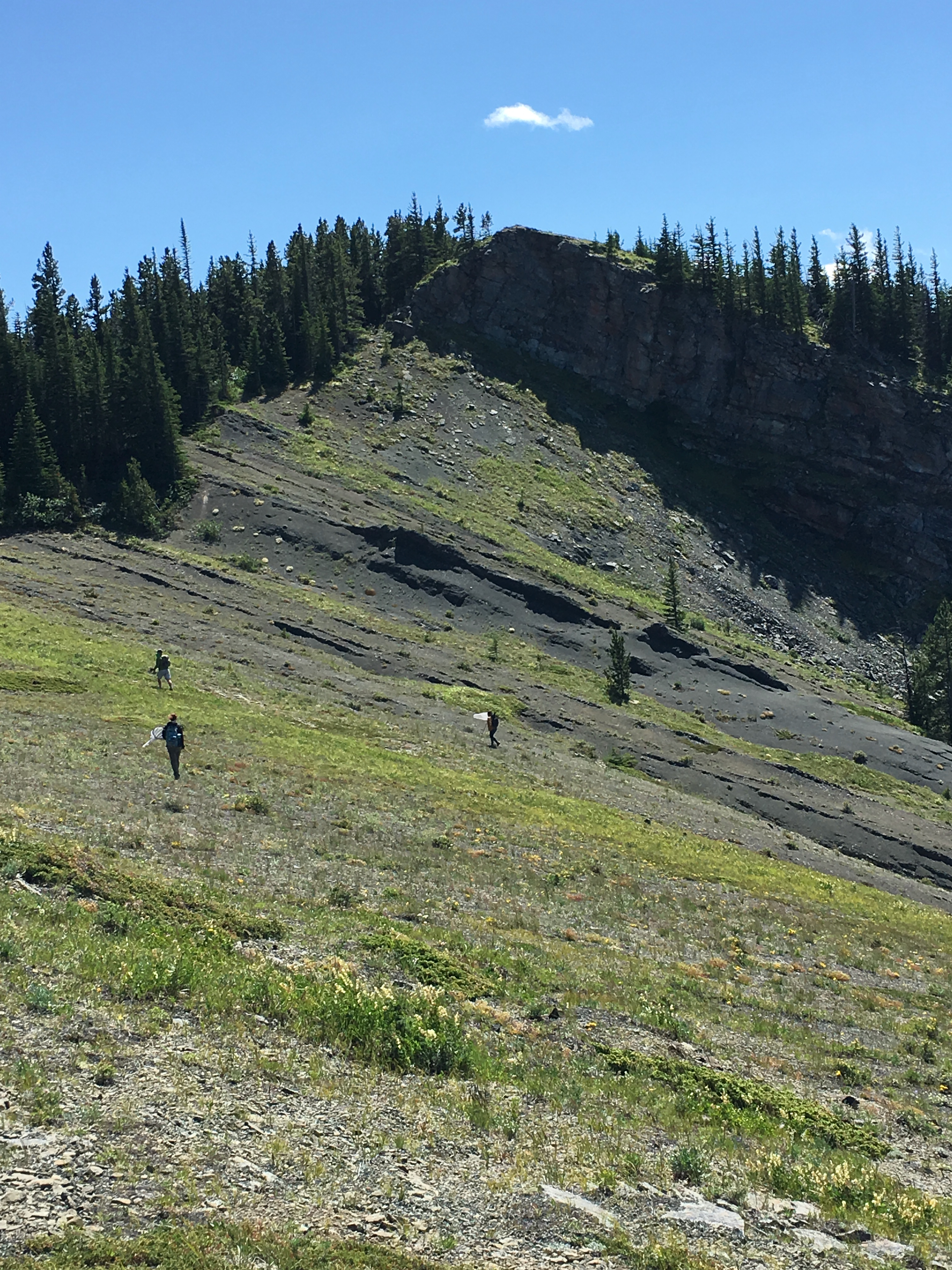
Dr. Nusha Keyghobadi is a Professor in the Department of Biology at Western University, specializing in population genetics, conservation biology, and landscape ecology. Her research examines how landscape modification and climate change impact genetic diversity and spatial structure of populations, with a focus on butterflies and other insects. She leads a lab investigating alpine ecosystems, endangered species reintroduction (e.g., mottled duskywing), and the genetic resilience of populations under extreme weather conditions. Dr. Keyghobadi teaches courses in molecular ecology and environmental biology, and collaborates globally on conservation genetics projects. Her lab includes current students Aaya Aboulnaga, Laura Bax, and Evan Bennett, among others. Education details are not explicitly stated, but her extensive research history indicates advanced training in ecology. Her work integrates field studies, molecular techniques, and spatial analysis to address applied conservation challenges. She has supervised over 30 students, many of whom have advanced to postdoctoral positions or professional roles in conservation, medicine, and policy. Her lab's current projects include: 1) studying Rocky Mountain Apollo butterflies to assess climate impacts on alpine populations; 2) monitoring genetic diversity in reintroduced mottled duskywing populations; and 3) exploring edge effects and dispersal in fragmented landscapes. Collaborations span institutions like the Carolinian Canada Coalition and the Queensland Institute of Medical Research. Lab alumni have pursued diverse careers, including conservation biology, medical research, and policy roles. Dr. Keyghobadi emphasizes interdisciplinary training and ethical scientific practice.