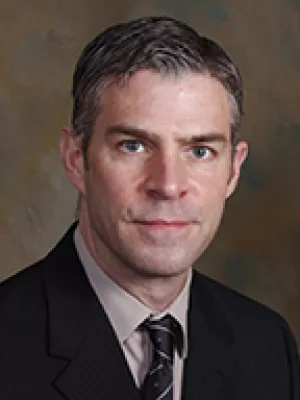
University Medical Center Hamburg-EppendorfGermany
Stefan Kluge is a Professor at the Department of Intensive Care within the University Medical Center Hamburg-Eppendorf . With over 150 publications in 2025-2024 alone, his work focuses on critical care medicine, sepsis, ARDS, and cardiogenic shock. His recent research explores ARDS impact on liver cirrhosis outcomes Hyperoxia effects in traumatic brain injury Biomarkers for cardiogenic shock prognosis Novel retrograde limb perfusion techniques during ECPR Dual-energy CT for body composition analysis He contributes extensively to German national guidelines for nosocomial pneumonia and participates in multi-center critical care trials. Stefan Kluge's collaborations span neuro-intensive care , cardiovascular research , and infection/immunity domains. His work integrates machine learning applications and medical informatics to improve ICU decision-making.
University Medical Center Hamburg-EppendorfGermany
Martin Gosau is a Professor at the Clinic and Polyclinic for Oral and Maxillofacial Surgery within the Medical Faculty of the University Medical Center Hamburg-Eppendorf (UKE). His research focuses on Oral Surgery , Maxillofacial Surgery , and Regenerative Medicine , with a strong emphasis on Dental Implants , Head and Neck Cancer , and Oral Pathology . University: University Medical Center Hamburg-Eppendorf School: Medical Faculty Department: Oral and Maxillofacial Surgery Academic Rank: Professor His recent work explores: Oral Health in Genetic Disorders (e.g., hypophosphatasia) Advanced Surgical Techniques (e.g., nanosecond lasers, fluorescence angiography) Biomaterials and Tissue Engineering (e.g., silk fibroin membranes, extracellular vesicles) Cancer Prognostics (e.g., DCBLD1 overexpression in HNSCC) Key trends in his 15 most recent articles include applications of machine learning in oral diagnostics, stem cell research for bone regeneration, and biomaterials in reconstructive surgery. He frequently collaborates with Ralf Smeets and Thomas Vollkommer , with publications spanning Frontiers in Immunology , Oral Surgery , and Scientific Reports .
Marjo Yliperttula is a Professor at the Department of Pharmaceutical Biosciences, Faculty of Pharmacy, University of Helsinki. She serves as a supervisor in the Doctoral Programmes in Biomedicine, Drug Research, and Materials Research and Nanosciences, with expertise in biomaterials and pharmaceutical technology. Her research focuses on nanofibrillated cellulose (NFC) hydrogels for wound healing and drug delivery, extracellular vesicle (EV) engineering for therapeutic applications, and freeze-drying technologies for biomaterial preservation. Key contributions include NFC-based wound dressings that enhance platelet-rich plasma release (2024), Raman spectroscopy methods for monitoring freeze-drying-induced mutarotation (2024), and tandem chromatography techniques for high-purity EV isolation (2023). Her work bridges pharmaceutical sciences with regenerative medicine, emphasizing translational applications in chronic wound treatment and targeted drug delivery. Recent publications (2022-2025) reveal three dominant trends: (1) Optimization of NFC hydrogels for controlled drug release and tissue regeneration, (2) Advanced characterization of EV phenotypes under hypoxic conditions for improved therapeutic efficacy, and (3) Development of analytical methods (Raman spectroscopy, chromatography) to address manufacturing challenges in biopharmaceuticals. These themes reflect her group's commitment to solving critical problems in biomaterial stability, EV-based delivery, and precision wound care. Professor Yliperttula has supervised 10 doctoral theses, including recent work on NFC for skin substitutes (Elle Koivunotko), freeze-drying of hydrogels (Arto Merivaara), and mesenchymal stromal cells for wound healing (Jasmi Snirvi). She currently leads the Academy of Finland-funded GeneCellNa project (2024-2026) on gene/cell/nanotherapy for chronic diseases and a Finnish Red Cross project (2023-2024) on NFC for blood products, with cumulative project funding spanning 18 initiatives since 2005. She heads the Biopharmaceuticals Group within the Drug Research Program, fostering collaborations across pharmaceutical biosciences, materials science, and clinical medicine to advance next-generation therapeutic platforms.
Steff Lewis is a Professor of Medical Statistics at the University of Edinburgh , affiliated with the Usher Institute within the College of Medicine and Veterinary Medicine . She leads the statistics group at the Edinburgh Clinical Trials Unit and holds roles in the Deanery of Molecular, Genetic and Population Health Sciences . Her expertise spans meta-analysis, randomized trial design, and clinical trial governance, with involvement in Cochrane Collaboration and UK Clinical Research Collaboration initiatives. Education: MSc and PhD in Medical Statistics. Research Interests: Focuses on methodological advancements in clinical trial reporting (e.g., CONSORT and SPIRIT guidelines), cardiovascular outcomes (e.g., SCOT-HEART trial), stroke prevention (ASPIRING trial), and ethical data management. She actively contributes to international standards for trial protocols, anonymization practices, and statistical validation. Recent Contributions: Over 200 peer-reviewed articles and 37 ongoing projects, including leadership in trials assessing antiplatelet therapies, Paget’s disease interventions, and pediatric asthma treatments. Collaborates globally on guidelines for randomized trials and data-sharing protocols. Grants & Teams: Principal or co-investigator on projects funded by NIHR, BHF, and ESRC, including trials on iron therapy in critical care (INTACT-2) and cannabinoid treatments for endometriosis pain (ENDO-CAN). Leads multidisciplinary teams integrating statistical rigor with clinical innovation. Labs/Teams: Embedded within the Edinburgh Clinical Trials Unit and the Centre for Population Health Sciences , fostering collaborative research across molecular, genetic, and public health domains.
Professor Lars E. Eriksson is a Registered Nurse with a PhD in Nursing and an MSc in Chemistry, currently serving as a part-time Professor in Nursing at the School of Health and Medical Sciences, City St George's, University of London, and as a full Professor in Nursing at Karolinska Institutet, Stockholm, Sweden, where he leads the Lars E. Eriksson Research Group. His academic journey began with a UC in Nursing in 1985, followed by over a decade of clinical work in hematology, immunology, and HIV care in Stockholm, before transitioning into research and academia. His research is centered on biobehavioral and translational nursing, particularly focusing on health and quality of life among individuals with chronic conditions such as HIV, cancer, and long-term infections. Key areas include disease-related stigma, symptom research, patient-reported outcomes, and biomarker development. He is Principal Investigator for a lung cancer biomarker project funded by the Swedish Research Council and the Swedish PI for the H2020 Magnet4Europe project on mental health in healthcare workplaces. His recent publications show a strong trend in using mixed methods to explore end-of-life communication, death literacy, sexual and reproductive health after cancer, and stigma in chronic illness. He frequently employs patient-reported outcomes, online focus groups, and web-based interventions, often in collaboration with international partners. His work bridges clinical practice, nursing science, and public health. Scientific Awards and Memberships: British HIV Association (BHIVA) National HIV Nurses Association (NHIVNA) Swedish Society of Nursing Swedish Society of Medicine Swedish Society of Medical Microbiology Lars Eriksson has advised numerous PhD and Master’s students, primarily on topics related to quality of life, stigma, and chronic illness. He teaches postgraduate modules including MSc Dissertation, Advanced Practice Dissertation, and Sexual and Reproductive Health. He is affiliated with the Centre for Health Services Research and the Centre for Public Health Research at City St George's.
Grant E. O'Keefe, M.D., M.P.H., serves as Professor of Surgery at the University of Washington School of Medicine and holds adjunct appointments in Neurological Surgery, Orthopedics and Sports Medicine. Based at Harborview Medical Center in Seattle, he provides surgical and intensive care services for emergency and complex gastrointestinal conditions, emphasizing patient-centered decision-making in critical scenarios. His educational background includes: Medical Doctorate (M.D.) from University of Alberta Faculty of Medicine (1988) Master of Public Health (M.P.H.) from University of Washington General Surgery Residency at University of Alberta Faculty of Medicine General Surgery Fellowship at University of Washington Internship at Memorial University of Newfoundland Dr. O'Keefe's research focuses on trauma outcomes, critical care metabolism, and genetic determinants of sepsis recovery. He investigates nutritional interventions in critically ill patients, ventilator-associated complications, and biomarkers for predicting mortality in trauma cases. His work frequently employs metabolomics and genetic association studies to understand individual variations in treatment response. Analysis of his 2013-2018 publications reveals consistent emphasis on critical care and trauma, with studies examining respiratory failure duration, nutritional support efficacy, and genetic polymorphisms affecting sepsis outcomes. His research often utilizes large collaborative datasets from the NIH-funded Inflammation and Host Response to Injury program, highlighting translational approaches to improve trauma resuscitation and ICU management. Professional recognition includes: Fellow of the American College of Surgeons Board-certified in Surgery and Surgical Critical Care by the American Board of Surgery, Dr. O'Keefe has contributed significantly to the Inflammation and Host Response to Injury Collaborative Research Program, developing standard operating procedures for trauma nutrition and venous thromboembolism prophylaxis. While specific grant amounts aren't detailed, this multi-institutional NIH initiative represents substantial research funding. He mentors surgical trainees within UW's residency programs, though individual advisees aren't listed in available records. At Harborview Medical Center, Dr. O'Keefe operates within the General Surgery Clinic and surgical ICU, collaborating with multidisciplinary teams including trauma surgeons, critical care specialists, and nutrition support services. His clinical practice integrates research insights into trauma resuscitation protocols and complex abdominal surgery, with patient reviews highlighting both efficient communication and occasional concerns about bedside manner.
Lloyd D. Petty, DO, MPH, is a Clinical Assistant Professor in the Department of Internal Medicine at the University of Utah School of Medicine. He specializes in Endocrinology, Diabetes & Metabolism, providing clinical care while contributing to academic research. Education: D.O. and M.P.H. from Nova Southeastern University College of Osteopathic Medicine; B.S. in Physiology from University of Arizona Training: Chief Residency at University of New Mexico School of Medicine; Fellowship in Endocrinology at University of Utah School of Medicine His research focuses on endocrine disorders, particularly diabetes, osteoporosis, and thyroid diseases. Recent publications explore hormonal-gastrointestinal interactions, bone health in oncology patients, and minimally invasive endocrine procedures. Key publications span bone metabolism in chronic lymphocytic leukemia (2024), adrenal gland ablation techniques (2022), and endocrine-gastrointestinal case studies (2017-2023). The work demonstrates expertise in clinical endocrinology applications.
Frida Hållenius is an Associate Professor and Senior Lecturer in Molecular Nutrition at the Division of Food and Pharma, Faculty of Engineering (LTH), Lund University. She is a key member of the LTH Profile Area: Food and Bio and leads or actively participates in multiple research projects exploring the role of diet and gut microbiota in human health. Associate Professor in Molecular Nutrition Senior Lecturer, Division of Food and Pharma Faculty of Engineering (LTH), Lund University Principal Investigator, Gut Microbiome Laboratory (GML) Active researcher in 3 ongoing projects, including NeuroFood and ScanOats Her research is centered on host-microbiota interactions, particularly how dietary components, probiotics, and polyphenols influence gut health, inflammation, metabolic diseases, and neuroinflammation. Her work bridges nutrition, microbiology, and neuroscience, with a strong focus on preventive strategies for lifestyle-related diseases such as obesity, diabetes, and Alzheimer’s disease. She employs both animal models (e.g., C57BL/6, Apoe-/- mice) and human-relevant in vitro systems to study dietary interventions. The recent trends in her publications highlight a strong focus on the gut-brain axis, the impact of Nordic berries and legumes on microbiota and metabolic health, and the use of advanced models like 3D intestinal tissue. Her work often involves interdisciplinary collaboration and contributes to multiple UN Sustainable Development Goals, particularly those related to good health and well-being. Scientific Awards: No specific awards mentioned in the provided text. She has supervised several junior researchers and students, including research students and assistants, and is actively involved in grant-funded research projects from FORMAS and private foundations. She leads the Gut Microbiome Laboratory (GML), a collaborative research environment focused on understanding how diet shapes the gut microbiome and influences disease pathways. Her leadership in projects like NeuroFood and those targeting Alzheimer’s disease underscores her commitment to translational nutritional science.
Guojun Chen is an Assistant Professor at the Department of Biomedical Engineering and a member of the Rosalind & Morris Goodman Cancer Institute (GCI) at McGill University . His research focuses on engineering intelligent biomaterials for precision medicine , with emphasis on non-viral genome editing , cold atmospheric plasma (CAP) therapy , and biomaterials-mediated immunotherapy . The lab operates in a multidisciplinary environment , integrating principles from materials science , chemistry , biology , and health sciences . Education : Ph.D. from University of Wisconsin-Madison (2017), Postdoc at UCLA (2020) Research Themes : Genome Editing Delivery : Designing non-viral vectors for efficient CRISPR/Cas9 delivery in vivo. CAP-mediated Immunotherapy : Developing portable cold plasma devices to synergize with immune checkpoint blockade and study CAP’s immunological mechanisms. Biomaterials-based Immunotherapy : Reprogramming tumor microenvironments using bioresponsive materials to enhance immune responses. Publication Trends : Recent work spans responsive nanomaterials , genomic editing systems , and plasma oncology , with a focus on cancer immunotherapy , diabetes diagnostics , and bioinspired medical devices . Scientific Awards : Canada Research Chair (2024, 2025) McGill's President's Prize for Emerging Researchers (2025) FRQS Chercheurs-boursiers (2022) Chinese Association for Biomaterials Young Investigator Award (2022) NSERC Discovery Grant (2021) Advising & Grants : Supervises 14 current graduate and undergraduate students. Secured $5M+ in funding from CIHR , NSERC , CCS , and CFI , including multi-institutional collaborations with Dr. Morag Park , Dr. Réjean Lapointe , and Dr. Ian Watson .
Lieuwke Kranenburg is an Assistant Professor at the Faculty of Veterinary Medicine , Utrecht University , specializing in Equine Internal Medicine . She provides patient care at the University Equine Clinic and teaches Master's courses in equine digestion , infectious diseases , and skin problems . Research Focus: Equine internal medicine, digestive diseases, infectious pathogens, metabolic disorders Professional Certifications: EBVS® European Veterinary Specialist in Equine Internal Medicine International Collaboration: Trained Chinese veterinarians at Heilan Equestrian Centre Publications highlight her work on equine gastric disease management, diagnostic imaging, infectious disease epidemiology, and metabolic research. She contributes to equine clinical research through peer-reviewed journals and conference abstracts. Professional Involvement: Former board member of the Equine Medicine Group and current GGP representative for FEEVA, maintaining professional networks and advancing equine veterinary practice.
Angelica Lindén Hirschberg is a Professor of Obstetrics and Gynecology (specializing in reproductive medicine) at Karolinska Institutet and a Senior Consultant in gynecological endocrinology at Karolinska University Hospital. She holds dual roles in academic leadership and clinical practice, focusing on disorders of reproductive function, endocrine-metabolic dysfunction, and hormonal conditions in women. Her affiliations include the Department of Women’s and Children’s Health, Reproductive Endocrinology and Metabolism Research Group, and the Division for Neonatology, Obstetrics, Gynaecology, and Reproductive Health. Education and Career: MD (Karolinska Institutet, 1984) PhD (Karolinska Institutet, 1989) Professor in Obstetrics and Gynecology (2007) Board member of international societies (ISGE, EMAS) Research Focus: Her translational research spans PCOS, obesity-related reproductive dysfunction, premature ovarian insufficiency, and disorders of sex development. Projects include hormonal impacts on athletic performance, immune therapy for ovarian dysfunction, and endometrial cell biology. Collaborations involve national/international networks and clinical trials (e.g., PROBES trial). Publications: Recent work emphasizes PCOS pathophysiology, menopausal health, and hormonal interventions in athletes. Key trends include single-cell profiling of endometrium, immunomodulatory therapies for POI, and non-hormonal treatments for vasomotor symptoms. Awards: King’s Seraphim Medal (2018) 2016 Grand Prize in Sport Science Appointed Royal Gynecologist (2009) Teaching and Mentorship: Coordinates courses on reproductive endocrinology, supervises PhD students (e.g., Esin Ylmaz), and chairs the PhD Study Director at her department. Authored over 25 book chapters on women’s health and sports medicine. Grants and Labs: Secured Swedish Research Council funding for POI trials. Her lab integrates experimental (Bioclinicum) and clinical (Women’s Health Research Unit) research.
John Z. Ayanian serves as the Alice Hamilton Distinguished University Professor of Medicine and Healthcare Policy at the University of Michigan, holding joint appointments as Professor of Internal Medicine in the Medical School, Professor of Health Management and Policy in the School of Public Health, and Professor of Public Policy in the Gerald R Ford School of Public Policy. As inaugural Director of the Institute for Healthcare Policy and Innovation (IHPI), he leads a consortium of 700 faculty members across 15 schools and maintains clinical practice as a general internist at Michigan Medicine. His academic foundation includes a Bachelor of Arts in history and political science from Duke University (1982), medical degree from Harvard Medical School (1987), and master's in public policy from Harvard Kennedy School (1987), followed by residency and fellowship at Brigham and Women’s Hospital and post-doctoral training in health services research at Harvard School of Public Health. Dr. Ayanian's research program investigates health equity, access to care, and quality of care with particular attention to social determinants including race/ethnicity, gender, socioeconomic status, and insurance coverage. His work critically examines Medicaid expansion impacts, Medicare Advantage disparities, and policy responses to health inequities, often utilizing large-scale claims databases and cross-institutional collaborations. Current projects include the federally-authorized evaluation of Michigan's Medicaid expansion program serving over 700,000 adults. Analysis of his 15 most recent publications (2025) reveals three dominant research thrusts: (1) Medicare Advantage vs Traditional Medicare comparisons across diverse clinical conditions, (2) Medicaid policy evaluation including unwinding impacts and expansion effects, and (3) innovative measurement of health equity through new indices and AI applications. His work consistently emphasizes methodological rigor in health services research while maintaining strong policy relevance. His scientific honors include: Election to the National Academy of Medicine Master status in the American College of Physicians John Eisenberg National Award for Career Achievement in Research Distinguished Investigator Award from AcademyHealth Election to Alpha Omega Alpha and Association of American Physicians Dr. Ayanian leads the federally-funded Healthy Michigan Plan evaluation team of 15 faculty members and serves as founding Editor-in-Chief of JAMA Health Forum, previously holding editorial positions at the New England Journal of Medicine. His research receives substantial federal support focused on health policy evaluation, with particular emphasis on vulnerable populations. He actively mentors students and junior faculty across multiple disciplines. As Director of IHPI, he fosters interdisciplinary collaboration across 15 schools at the University of Michigan. His leadership extends to center memberships in AI and Digital Health Innovation, Caswell Diabetes Institute, and Center for Global Health Equity, where he promotes data-driven solutions to health disparities through cross-campus partnerships and innovative research methodologies.
Professor Emanuele (Manuel) Trucco is the NRP Chair of Computational Vision in the Department of Computing, School of Science and Engineering, at the University of Dundee. He holds additional roles as an Honorary Clinical Researcher at NHS Tayside and formerly served as an Adjunct Professor at the Chinese Academy of Sciences from 2018 to 2021. He earned his MSc and PhD in Electronic Engineering from the University of Genoa, Italy, in 1984 and 1990, respectively. His research focuses on medical image and data analysis, particularly in retinal imaging, using machine and deep learning techniques. He is co-director of VAMPIRE, a major international initiative in retinal image analysis, which supports biomarker studies in cardiovascular disease, diabetes, dementia, and neurodegenerative disorders. His recent work includes AI-driven tools for predicting dementia from brain scans and cardiovascular risk from retinal images. The latest publications reflect strong trends in applying deep learning to retinal and brain imaging for early disease detection, with themes centered on AI in healthcare, precision medicine, and non-invasive diagnostics. FRSA (Fellow of the Royal Society of Arts) FIAPR (Fellow of the International Association for Pattern Recognition) Professor Trucco has led and co-led significant research projects funded by EPSRC, NIHR, and EU programs. He has supervised PhD students through industry-sponsored studentships (e.g., OPTOS, NIDEK, Toshiba) and collaborated with institutions such as the Universities of Edinburgh and Liverpool. His research is supported by extensive industrial partnerships including Canon Medical, Epipole plc, and NIDEK. He is a key member of the UK Biobank Eye and Vision Consortium and co-director of the VAMPIRE initiative, a collaborative effort between the Universities of Dundee and Edinburgh focused on retinal image analysis. His work also involves participation in major research networks such as the Academic Health Science Partnership in Tayside.
University of California, San FranciscoUnited States
Dr. Stanley J. Rogers is a Professor in the Department of Surgery at the University of California, San Francisco (UCSF), School of Medicine. He holds the Ruth M. Dunn Endowed Chair in Minimally Invasive Surgery and the His Majesty King Bhumibol Adulyadej, Rama IX Distinguished Professorship of Global Surgery. He serves as Interim Division Chief of General Surgery and directs the Bariatric Surgery Center, Liver Tumor Ablation Program, and Minimally Invasive Surgery Program. He is also a staff and trauma surgeon at Zuckerberg San Francisco General Hospital and Trauma Center, where he leads videoendoscopic surgery. University: University of California, San Francisco School: School of Medicine Department: Department of Surgery Role: Professor, Interim Division Chief, Director Email: stan.rogers@ucsf.edu Dr. Rogers' research and clinical expertise focus on minimally invasive and bariatric surgical techniques, particularly laparoscopic surgery, sleeve gastrectomy, gastric bypass, and liver tumor ablation. His work explores the metabolic and skeletal consequences of bariatric procedures, with a strong emphasis on calcium metabolism, bone health, and gut microbiome changes. He has contributed extensively to understanding complications and outcomes in gastrointestinal and metabolic surgery. His recent publications show a consistent trend in studying the long-term metabolic and skeletal impacts of bariatric surgery, particularly comparing sleeve gastrectomy and gastric bypass. Key themes include bone mineral density changes, calcium absorption, hormonal regulation (e.g., PYY), and the role of the gut microbiome. Many studies involve collaborations with endocrinologists and metabolic researchers, reflecting a multidisciplinary approach to surgical outcomes. Scientific Awards and Honors: Honorary Fellow, Royal College of Surgeons (2016) His Majesty King Bhumibol Adulyadej Rama IX Distinguished Professor of Global Surgery, UCSF (2012) Ruth M. Dunn Endowed Chair in Minimally Invasive Surgery, UCSF (2011) Fellow, American College of Surgeons (1995) Dr. Rogers has supervised numerous residents and fellows and is actively involved in clinical training. He has served as Principal Investigator and Co-Investigator on multiple NIH-funded grants, including studies on calcium absorption, sleeve gastrectomy effects, and anti-reflux surgery. His work has significant implications for improving postoperative care and long-term outcomes in bariatric patients. He is affiliated with several key programs at UCSF, including the Bariatric Surgery Center, the Liver Tumor Ablation Program, the Minimally Invasive Surgery Program, the Comprehensive Cancer Center, and the Institute for Global Health Sciences. His leadership extends to clinical trials on endoscopic techniques and bariatric revision surgery.
Dominic Furniss serves as Professor of Plastic and Reconstructive Surgery at the University of Oxford's Nuffield Department of Orthopaedics, Rheumatology and Musculoskeletal Sciences (NDORMS), concurrently holding an Honorary Consultant Plastic Surgeon position. His clinical expertise centers on hand surgery and supermicrosurgery for lymphoedema treatment. His educational background includes undergraduate medical studies at Trinity College, Cambridge (Junior and Senior Scholar, first-class degree in genetic pathology) followed by clinical training at Oxford University Clinical School. He completed basic surgical training in London before returning to Oxford's Plastic Surgery Department in 2003. Professor Furniss leads pioneering research into genetic and non-genetic causes of hand conditions through multiple initiatives including the Furniss Group, Centre for OA Pathogenesis, and Hand Research Group. His work spans molecular genetics of Dupuytren's disease, carpal tunnel syndrome epidemiology, and kidney stone disease mechanisms. Recent investigations extend to AI applications in health data through the PHAIR study and causal inference methods in genetic epidemiology. Analysis of his 2024-2025 publications reveals a strategic shift toward large-scale epidemiological studies of hand injuries, interdisciplinary genetic research, and AI integration in surgical practice. These works bridge orthopaedics, genetics, and medical informatics with significant real-world clinical implications. His major scientific recognitions include: Pushpa Chopra Award Plenary Prize of the MRS Wellcome Trust Intermediate Fellowship (first awarded to a plastic surgeon) Professor Furniss has secured substantial research funding including the NIHR Clinical Lectureship (2007) and Wellcome Trust Fellowship (2012). He directs multiple research streams: RAMBOH-1 studies, Molecular Genetics of Carpal Tunnel Syndrome project, and HAWAII initiative. His team actively investigates public perceptions of health data sharing for AI through the PHAIR study while advancing supermicrosurgical techniques for lymphoedema. He maintains active leadership in the Athena SWAN gender equality initiative as a Self-assessment team member, demonstrating commitment to inclusive academic culture.