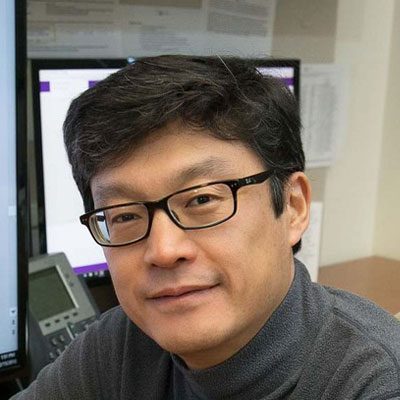
Atsushi Nakano is a Professor in the Department of Molecular, Cell and Developmental Biology and the Department of Medicine at the University of California, Los Angeles (UCLA). His research focuses on understanding the interplay between cardiovascular development and hematopoiesis, particularly the role of metabolic pathways in heart formation and endocardial-derived cell lineages. He investigates how environmental and genetic factors influence cardiac morphogenesis and disease mechanisms, employing cutting-edge techniques like lineage tracing and metabolic profiling. Affiliations: UCLA College of Letters and Science; David Geffen School of Medicine Grants: Principal Investigator for NIH R01 grants on metabolic regulation of heart formation (2019–2023), hemogenic endocardium contributions (2016–2020), and others. His work bridges embryology and clinical cardiology, with recent emphasis on fetal metabolism in diabetic pregnancies and novel models of atrial fibrillation. Nakano collaborates with interdisciplinary teams on projects involving stem cell differentiation, computational biology, and translational medicine.
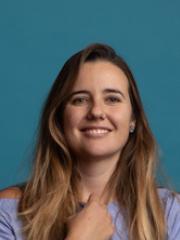
Dr. Larisa Labzin is an ARC Future Fellow at the Institute for Molecular Bioscience (IMB), University of Queensland. Her research focuses on innate immune sensing of viral infections and inflammatory responses. She holds a PhD from the University of Bonn and conducted postdoctoral research at the MRC Laboratory of Molecular Biology (Cambridge, UK). Her work spans viral pathogenesis, cytokine signaling, and SARS-CoV-2 biology. Key achievements include discovering novel anti-inflammatory pathways and mechanisms of antibody-dependent enhancement. Research Interests: Innate immunity, viral sensing, inflammasome activation, cytokine networks, and pandemic-related inflammation. Current projects investigate how macrophages detect viral threats and regulate immune responses to influenza and SARS-CoV-2. Articles highlight her contributions to understanding post-acute SARS-CoV-2 sequelae, ACE2-dependent viral replication in macrophages, and hyaluronic acid’s role in vascular diseases. Awards include the NHMRC CJ Martin Fellowship and ARC Future Fellowship.
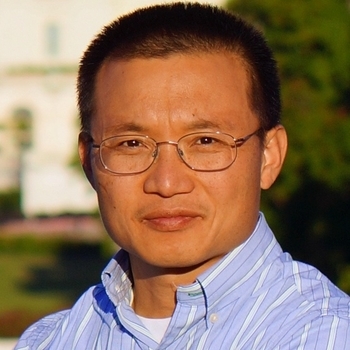
Zhong Wang is a Professor in the Department of Cardiac Surgery at the University of Michigan Medical School. His research focuses on epigenetic regulation in heart disease, repair, and regeneration, with a particular emphasis on histone acetylation, fibroblast reprogramming, and bioengineering strategies for cardiac cell therapy. He is located at the NCRC, Building 26, Ann Arbor, Michigan. Email: zhongw@med.umich.edu Research Areas: Biomaterials, Drug Delivery, Functional Imaging, Tissue Engineering The Wang laboratory investigates three key directions: (1) cross-talk between histone acetylation and acetyl-CoA metabolism in heart repair; (2) epigenetic mechanisms for fibroblast-to-cardiomyocyte reprogramming; and (3) bioengineering approaches combining cell therapy with biomaterials. His recent work spans AI-driven drug discovery, chromatin remodeling, and metabolic reprogramming for cardiovascular applications. Scientific efforts under his leadership address critical challenges in donor heart preservation, ischemic injury, and regenerative therapies. The lab employs advanced techniques including condensation analysis, multi-omics integration, and scaffold design for tissue engineering.
Eric A Sobie is a Professor in the Department of Pharmacological Sciences at the Icahn School of Medicine at Mount Sinai. His research focuses on integrating mathematical modeling and experimental techniques to understand cardiac dysfunction and arrhythmias. He leads the Sobie Laboratory, which investigates calcium signaling, electrophysiology, and systems biology approaches to study heart failure and drug-induced arrhythmias. He holds a BSE from Duke University, a PhD from Johns Hopkins University School of Medicine, and completed postdoctoral training at the University of Maryland. Dr. Sobie has received the Dr. Harold and Golden Lamport Research Award and leads NIH-funded projects on cardiac calcium dynamics and multi-scale modeling. His lab combines experimental data with computational simulations to advance translational cardiology research. Education: BSE, Duke University PhD, The Johns Hopkins University School of Medicine Postdoctoral Fellowship, University of Maryland Research Highlights: Mechanisms of arrhythmia initiation via calcium and voltage dynamics Computational models predicting drug-induced cardiac toxicity Systems biology approaches to multi-scale heart function simulations Grants & Awards: NIH R01 HL076230: Investigating calcium instability in cardiac myocytes American Heart Association 10GRNT4170020: Drug-induced arrhythmia variability NIH P50 GM071558-01: Multi-investigator systems biology center Awards: Dr. Harold and Golden Lamport Research Award (2008) Labs & Teams: The Sobie Lab collaborates with experimentalists and computational scientists to develop predictive models of cardiac physiology. Current projects include studying cell-to-cell heterogeneity in ion channels and developing cell-specific models of stem-cell derived cardiomyocytes.
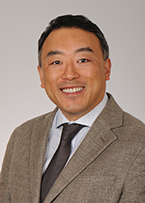
Martin H Kang, PhD, is an Assistant Professor in the Department of Pediatrics at the Medical University of South Carolina's College of Medicine. His research laboratory focuses on developing novel gene therapies for inherited pediatric respiratory diseases, with particular emphasis on surfactant deficiencies. The lab employs preclinical animal models to explore adeno-associated virus (AAV)-mediated gene delivery strategies, immune response modulation, and neonatal lung-targeted therapies. Education & Training: B.M.L.Sc. - University of British Columbia (1998) M.Sc. in Pathology - Queen’s University (2003) Ph.D. in Medical Genetics - University of British Columbia (2013) Postdoctoral Associate - Duke University (2016) Postdoctoral Fellow - Ottawa Hospital Research Institute (2021) Research Focus: Dr. Kang's work bridges molecular genetics and translational medicine, targeting unmet needs in pediatric pulmonology. Primary interests include: 1) Overcoming immune barriers to AAV redosing for sustained gene therapy, 2) Developing promoterless gene editing platforms for surfactant protein deficiencies, 3) Engineering lung-tropic AAV vectors, and 4) Exploring stem cell applications for neonatal lung repair. The lab maintains active collaborations with institutions worldwide to advance respiratory gene therapeutics. Publication Trends: His recent work (2020-2025) demonstrates a focused trajectory in AAV vector optimization for pulmonary applications, with innovations in immune evasion strategies and gene editing platforms. Earlier research (2005-2018) established foundational expertise in cholesterol metabolism regulation, cardiac reprogramming, and stem cell biology, with consistent emphasis on translational pathway discovery. Mentorship & Collaboration: Dr. Kang prioritizes training students and postdoctoral fellows in gene therapy techniques and maintains collaborative networks across North America and Europe. His team works within the Darby Children’s Research Institute at MUSC, utilizing state-of-the-art facilities for molecular biology and animal studies.
Eric N. Olson is the founding Chair of the Department of Molecular Biology at the University of Texas Southwestern Medical Center and holds distinguished chairs in Stem Cell Research and Cardiac Birth Defects. His research focuses on muscle development, gene editing, and translational therapies for cardiovascular and muscular diseases. He pioneered CRISPR-based approaches to correct Duchenne Muscular Dystrophy (DMD) mutations and founded biotech companies to advance clinical applications. Olson is a member of the U.S. National Academy of Sciences, National Academy of Medicine, and American Academy of Arts and Sciences. He received the Eugene Braunwald Mentorship Award and has trained numerous students/postdocs who now lead cardiovascular research globally. His lab explores mechanisms of muscle regeneration, transcriptional regulation, and CRISPR-based therapies, with a focus on translating discoveries to clinical settings. Key projects include gene editing therapies for DMD, myocardial regeneration via reprogramming, and understanding the PD-1/PD-L1 pathway’s role in neonatal heart repair. His work bridges basic science and medicine, with contributions to understanding mitochondrial dysfunction, micropeptide biology, and cardiomyocyte metabolism. Olson serves on advisory boards for the Howard Hughes Medical Institute and leads the Hamon Center for Regenerative Science and Medicine. His lab’s future directions include optimizing CRISPR delivery systems, studying nuclear envelope proteins in muscle integrity, and exploring metabolic pathways in cardiac development.
Gustavo W. Leone, PhD, is a Professor in the Department of Pathology & Laboratory Medicine at the Medical College of Wisconsin (MCW). He serves as Director of the MCW Cancer Center and Senior Associate Dean of Cancer Research. His academic journey includes a PhD in Virology from the University of Calgary (1994), a BS in Biochemistry (1988), and postdoctoral training at Duke University Medical Center (1994–1998). Prior to MCW, he led the NCI-designated Hollings Cancer Center at the Medical University of South Carolina (2017–2020). Dr. Leone’s research focuses on Rb/E2F and PTEN signaling pathways in cancer development, particularly in endometrial, liver, pancreatic, and breast cancers. His work integrates genetic models (e.g., mice, worms) to study cell cycle control, endoreduplication, and tumor microenvironment dynamics. Key contributions include seminal findings on Cyclin-Dependent Kinases’ role in cell cycle regulation and mechanisms of reovirus entry into host cells. His recent publications span topics like epigenetic regulation in tamoxifen-resistant breast cancer, pancreatic tumor microenvironment immunosuppression, and fibroblast origins in cancer progression. Collaborations emphasize community engagement, such as culturally tailored cancer education campaigns. No scientific awards are explicitly listed in the provided text, but his leadership roles highlight institutional recognition. Dr. Leone advises a research group but no specific student names are documented here. His professional roles include multidisciplinary leadership in cancer research and clinical translation. His work bridges basic science and translational oncology, with a focus on stromal cell biology and therapeutic targets.
Professor Andriana Margariti is a globally recognized leader in vascular biology and regenerative medicine at Queen's University Belfast's School of Medicine, Dentistry and Biomedical Sciences. She serves as Director of the iPSC facilities within the Wellcome-Wolfson Institute for Experimental Medicine (WWIEM), where she leads one of the UK's most advanced induced pluripotent stem cell programmes. Appointed Lecturer in 2013, she progressed to Senior Lecturer in 2017 and Professor in Vascular and Regenerative Medicine in 2020. Her laboratory generates human iPSCs differentiated into endothelial cells, smooth muscle cells, cardiomyocytes, and other cell types for disease modeling and therapy development. Her research focuses on stem cell biology , endothelial cell function , direct cell reprogramming , chromatin remodelling , and translational cardiovascular science . Key areas include vascular reprogramming, diabetic vascular complications, RNA binding proteins (particularly QKI family), and epigenetic mechanisms in disease. She pioneered the generation of fully functional human blood vessels from diabetic patient-derived iPSCs using single-cell RNA sequencing to reveal diabetic vascular dysfunction mechanisms. Professor Margariti's publication trends show consistent output in vascular organoid technology (2022-2025), with increasing integration of AI and digital twin technologies. Her work spans vascular biology , diabetes complications , organoid engineering , and epigenetic therapeutics , with strong translational focus toward clinical applications in regenerative medicine. PAPANIKOLAOU Prize from Hellenic Medical Society for outstanding medical research contribution Scientific Research Award from King's College London Inclusion in Ulster Transport Museum's Museum of Innovation (2022) BBSRC NEW INVESTIGATOR AWARD (2014) First Contact Initiative Grant from European Society of Cardiology (2013) Numerous student awards including ISSCR attendance grants and best presentation prizes She supervises 12 PhD students and numerous MSc/MSci students, with current projects spanning patient-specific iPSC models of vascular disease, next-generation vascularized organoids, direct reprogramming for vascular regeneration, in vivo cell-based therapeutics, and AI-enhanced digital twins. Her lab has secured major grants including BBSRC New Investigator Award and multiple BHF-funded projects. Professor Margariti collaborates globally with institutions including Harvard Medical School, UCSF, and King's College London, and serves on editorial boards for Circulation Research and other high-impact journals. Her laboratory maintains advanced iPSC facilities generating vascularized cardiac tissues and disease-specific organoids, with current research focusing on diabetic retinopathy models, next-generation vascularized cardiac organoids, and AI-integrated digital twin technology for personalized clinical applications.
Jie Zhang is a Chinese Lecturer at the University of Pennsylvania's School of Arts & Sciences, specifically within the Department of East Asian Languages and Civilizations. Their academic focus lies in Chinese language education, East Asian studies, and cultural anthropology, contributing to the university's programs in area studies and comparative literature. Research interests revolve around language pedagogy and cultural analysis, reflecting the department's emphasis on interdisciplinary approaches to East Asian civilizations. While no specific awards or grants are listed, their academic output spans foundational studies in language instruction and cultural studies. Recent publications (2019-2024) demonstrate expertise in molecular mechanisms of cardiac development, including studies on gene regulation, epigenetic modifications, and cardiomyocyte maturation. These works highlight collaborations in cardiovascular biology and stem cell research, though no affiliated labs or teams are explicitly mentioned.
Dr. Heinrich Flaswinkel is a researcher affiliated with the Ludwig-Maximilians-Universität München, specifically within the Human Biology and BioImaging research group focused on monoclonal antibodies. His work spans immunology, molecular biology, and virology, with contributions to understanding mechanisms in cancer immunotherapy, viral interactions, and cardiac cell biology. He has been involved in developing transgenic mouse models and studying genetic mutations affecting immune function. Research interests include antibody engineering for targeted therapies, Notch signaling in regeneration, and metabolic pathways in immune cells. His studies on SARS-CoV-2 and Epstein-Barr virus highlight expertise in viral-host interactions. Flaswinkel has published extensively since the 1990s, contributing to foundational knowledge in B-cell receptor signaling and genetic mutagenesis approaches. No scientific awards are explicitly listed, though his long-term contributions to immunology and molecular biology are evident. He collaborates with groups like the Monoclonal Antibodies team at LMU and participates in interdisciplinary projects such as the CALM initiative. His work often combines experimental biology with translational applications, such as improving cardiac cell adhesion and investigating insulin regulation in pancreatic cells.
Yaser Atlasi is a Senior Lecturer at Queen's University Belfast's School of Medicine, Dentistry and Biomedical Sciences, affiliated with the Patrick G Johnston Centre for Cancer Research. His research focuses on epigenetic regulation in health and disease, particularly using embryonic stem cells and organoids to explore parallels between embryonic, adult, and cancer stem cells. He employs advanced genomic and proteomic techniques combined with computational biology to address societal health challenges. Key research interests include epigenetic mechanisms, stem cell differentiation, cancer biology, and drug resistance. He leads projects funded by Queen’s Catalyst and other grants, investigating topics like USP7-PRC1.6 regulation in cancer, enhancer SNPs in breast cancer, and drug-resistant lymphomas. His lab (www.atlasilab.com) emphasizes translational research, bridging basic science and clinical applications. Atlasi has received awards including the EMBO Travel Award (2023), Queen’s CATALYST award (2021), and Young Investigator Award (2016). He actively participates in academic activities, including invited talks at the Crick Institute and joint BSDB/Genetics Society conferences. His research spans collaborations in the UK and internationally, addressing stem cell plasticity, epigenetic pathways, and therapeutic targets in cancer. Atlasi supervises doctoral students and contributes to editorial activities, peer review, and academic outreach. His work intersects multiple disciplines, including computational biology, drug development, and regenerative medicine, reflecting his commitment to interdisciplinary approaches in science.
Dr. Nicholas Rattray is an Associate Professor and Reader at the University of Strathclyde’s Strathclyde Institute Of Pharmacy And Biomedical Sciences. His research focuses on metabolic changes across the human life course, particularly energy metabolism, biomarker detection, and clinical applications in pregnancy, frailty, aging, and cancer. He leads projects funded by EPSRC and NHS Lanarkshire, including the DTP 2224 PhD Studentship and frailty-focused studies. His lab specializes in metabolomics, mass spectrometry-based pipelines, and cellular models to study metabolic pathways and their role in disease. Collaborations span international institutions, with recent work addressing sex differences in cancer metabolism and biomarker validation for aging. Dr. Rattray supervises students like Mohammad Almawazini and utilizes advanced equipment such as the Genius SQ Nitrogen Generator and LCMS-2050 for high-throughput analysis. Research Interests: - Investigating metabolic dynamics in aging and disease - Development of analytical tools for biomarker discovery - Metabolomics applications in oncology and geriatrics Grants & Projects: - DTP 2224 Research Studentship (EPSRC) - Frailty (eFI JARSS NHS Monies) (NHS Lanarkshire) Key Contributions: - Over 105 publications, including peer-reviewed articles on senescence, diabetes, and cancer metabolism - Pioneering work on spatial lipidomics and protein corona analysis in nanomedicine
Dr. Anne-Marie Galow is a Research Fellow at the Research Institute for Farm Animal Biology (FBN) in Dummerstorf, Germany, where she conducts cutting-edge research within the Institute of Genome Biology and the Working Group Endocrinology of Farm Animals. Her work bridges regenerative medicine and functional genomics, focusing on stem cell applications for cardiovascular regeneration and aging mechanisms. Her academic foundation includes: Diploma in Human Biology from the University of Greifswald (2008-2013) Doctorate (Dr. rer. nat.) in Biophysics from the University of Rostock (2014-2017) Graduate Academy fellowship at the University of Rostock (2015-2017) Galow's research centers on regenerative and individualized medicine, with specialized expertise in adult stem cell populations and functional genome analysis. Her investigations into cardiomyocyte maturation, epigenetic aging clocks, and single-cell sequencing methodologies aim to develop novel therapeutic strategies for heart disease and age-related degeneration, emphasizing translational applications from farm animal models to human medicine. Analysis of her 15 most recent publications reveals dominant themes in stem cell-driven cardiac regeneration, single-cell genomics, and aging epigenetics. Her work consistently integrates advanced sequencing techniques with functional studies, particularly examining mitochondrial RNA biases, macrophage-cardiomyocyte interactions, and hormone-mediated tissue maturation across diverse models from mice to porcine systems. As an active member of the Endocrinology of Farm Animals working group, Galow contributes to FBN's mission through collaborative projects investigating stem cell characteristics in agricultural species, with potential cross-species applications for human regenerative therapies and longevity research.
Elena Martínez Fraiz is a Group Leader at the Institute for Bioengineering of Catalonia (IBEC) under their Tenure Track scheme. Her research focuses on developing biomimetic systems for cell engineering, utilizing advanced biofabrication technologies like bioprinting and organoids to create physiologically relevant in vitro models. Institution: Institute for Bioengineering of Catalonia (IBEC) Research Lines: 3D intestinal epithelium, engineered cardiac tissue, tumor metastasis modeling, organoid-based assays Her work addresses the limitations of traditional 2D cell culture ('flat biology') by creating complex 3D models that better replicate in vivo conditions. This approach aligns with global efforts to reduce animal testing while improving translational research in regenerative medicine and disease modeling. Key methodologies include: Bioprinting with PEGDA hydrogels Organoid culture and differentiation Light sheet microscopy for tissue analysis Surface micropatterning for biochemical gradients Cardiac tissue engineering models Tumor microenvironment-on-chip Her publications demonstrate technical expertise in microfabrication, cellular engineering, and interdisciplinary collaborations across biomedical research, materials science, and optical sensing technologies.
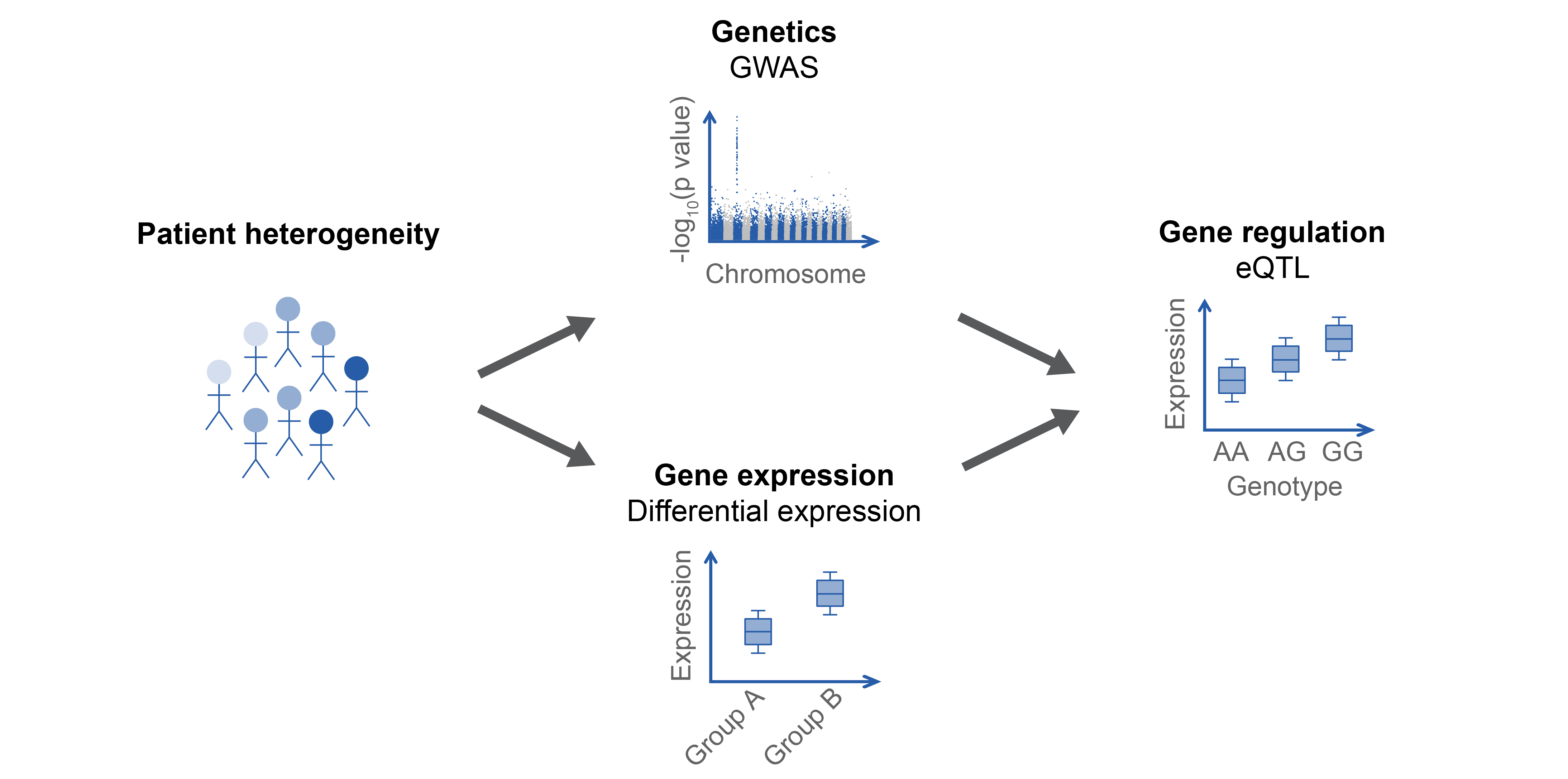
Dr. Emma Davenport is a Group Leader at the Wellcome Sanger Institute within the Human Genetics Programme, where she leads the Davenport Group focused on Functional Genomics of Variation in Disease Response. She joined the Sanger Institute in October 2018 after completing postdoctoral research at Harvard Medical School in Professor Soumya Raychaudhuri's lab at Brigham and Women's Hospital and the Broad Institute. Her research integrates functional genomics and clinical data to understand how genetics contributes to patient-to-patient heterogeneity in disease severity and treatment response. Dr. Davenport's primary research interests focus on diseases involving systemic inflammation such as sepsis and systemic lupus erythematosus (SLE). Her work employs sophisticated analytical methods to analyze functional genomics data from hundreds of patient cohorts, integrating this with clinical information. She specializes in transcriptomic profiling to stratify patients and understand individual responses to infections and autoimmune conditions. Her group investigates expression quantitative trait locus (eQTL) interactions to uncover how environmental factors modulate genetic regulatory effects on gene expression. Analysis of Dr. Davenport's publication record reveals a strong focus on patient stratification through transcriptomic signatures, particularly in sepsis where her group identified the Sepsis Response Signature (SRS) endotypes. Her research spans multiple areas including host-pathogen interactions, drug response variability, and single-cell eQTL mapping in autoimmune diseases. Recent work has expanded into multi-omics approaches, integrating genomic, transcriptomic, and proteomic data to understand the molecular basis of disease heterogeneity. Dr. Davenport has successfully mentored numerous PhD students and postdoctoral fellows who have contributed significantly to her research program. Her group collaborates extensively with clinical partners through initiatives like the Genomics Advances in Sepsis (GAinS) study and the Bioresource for Adult Infectious Diseases (BioAID), applying genomic approaches to improve diagnosis and treatment of infectious diseases.