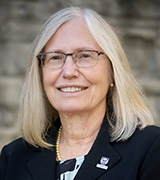
Dr. Jorge Moreno is an Assistant Professor of Medicine at Yale School of Medicine and practices at Yale Internal Medicine Associates . Fluent in Spanish, he specializes in obesity medicine and internal medicine , focusing on culturally competent care for Latinx populations. BA in Biological Sciences, Columbia University (2006) MD from University of Rochester School of Medicine (2011) Residency in Primary Care at Yale New Haven (2014) His clinical interests include: Obesity treatment and management Weight-related metabolic conditions Primary care for diverse populations Culturally sensitive medical approaches Recent research trends show engagement with: Novel pharmacotherapies for weight loss Metabolic liver disease epidemiology Transdermal delivery systems for obesity treatment Environmental health impacts on respiratory function Awards: Primary Care Award (2014) - Yale School of Medicine National Hispanic Medical Association Resident Leadership Program (2012) Dr. Moreno emphasizes holistic patient relationships and has contributed to media discussions about obesity treatment strategies and their societal impacts.
Professor Daniel Gibbs is a faculty member at the University of Birmingham, leading the School of Biosciences as a Professor of Molecular Plant Science. He holds roles including Plant Science and Food Security Theme Lead and Deputy Head of Research in the school. His research focuses on plant response mechanisms to environmental stresses, particularly through targeted protein degradation pathways. Gibbs earned his PhD, MSc, and BSc in Biological Sciences (Genetics) from the University of Birmingham, followed by postdoctoral research at the University of Nottingham. He has held prestigious fellowships and established his independent research group in 2013, advancing to full professorship in 2020. Research Interests: Gibbs' lab investigates how plants use protein degradation (e.g., N-degron pathways) to regulate growth, development, epigenomes, and stress tolerance (e.g., flooding). Key areas include oxygen/nitric oxide signaling, chromatin modifications, and meiotic recombination. His work integrates genetic, biochemical, and cell biology approaches, aiming to identify targets for improving crop resilience. Grants & Awards: Gibbs has secured grants from BBSRC, ERC, and others. Notable awards include the 2019 SEB President’s Medal and the 2013 ISPA Outstanding Scientist Award. He chairs BBSRC Strategy Groups and serves as a journal editor and committee member. Education & Teaching: Teaches plant science modules, supervises undergraduate and graduate students, and mentors through programs like findaphd.com. His lab actively engages in training future scientists through hands-on research and academic mentorship.
Dr. Dave Clarke is an Adjunct Professor in the Department of Biomedical Physiology and Kinesiology at Simon Fraser University, leading the Clarke Laboratory for Quantitative Exercise Biology . His research focuses on Exercise-responsive cell signaling , Sports analytics using wearable sensors , Evidence-based exercise programming , and Clinical exercise physiology . The lab integrates mathematical modeling, clinical insights, and biomechanical approaches to address questions in athletic performance, metabolic disorders, and wearable technology applications. Dr. Clarke collaborates with institutions such as TRIUMF and the BC Cancer Research Centre. Publications highlight his work in critical power modeling , AMP-activated protein kinase dynamics , and mitochondrial disease treatments . His lab emphasizes interdisciplinary training, offering mentorship in experimental design, data analysis, and translational research. The Clarke Lab is affiliated with SFU’s Faculty of Health Sciences and maintains active outreach programs for public health education. Notable projects include developing hydraulic models for recovery kinetics prediction and validating chloride test strips for sodium excretion analysis. The lab’s work has been featured in journals like Frontiers in Sports and Active Living and Orphanet Journal of Rare Diseases . For real-time updates, follow the lab on Facebook .
Dr. Fadi Gabriel Akar is a Professor of Medicine (Cardiovascular Medicine) and Biomedical Engineering at Yale University School of Medicine. He holds affiliations with the Cardiovascular Medicine Department, the Yale Cardiovascular Research Center, and the Molecular Medicine Program. His primary appointment is as a Professor in the Department of Medicine, specializing in cardiovascular research and translational medicine. Dr. Akar’s research focuses on unraveling mechanisms promoting arrhythmias in structural heart diseases and developing gene-based therapies to prevent malignant arrhythmias. His lab investigates mitochondrial dysfunction, metabolic signaling, and mechano-electrical feedback in arrhythmogenesis, with a translational pipeline from target identification to pre-clinical testing in large animal models. Key areas include arrhythmias in heart failure, myocardial infarction, obesity, diabetes, atrial fibrillation, and pulmonary hypertension. Notable achievements include his role as Chairman of the AHA Cardiac Electrophysiology Fellowships Committee (2022). His work bridges basic science and clinical applications, emphasizing mechanism-based therapies over traditional antiarrhythmic approaches. Collaborations include studies on AMPK deletion models, mitochondrial network remodeling, and resolvin D1’s role in post-MI atrial remodeling. Publications highlight contributions to understanding arrhythmia mechanisms in metabolic diseases, mitochondrial dysfunction, and translational therapies. His research is supported by NIH grants and industry partnerships, focusing on advancing diagnostics and treatments for electrical cardiac disorders.
Kenichi Yokoyama serves as Associate Professor of Biochemistry (2019-Present), Associate Professor of Chemistry (2022-Present), and Associate Professor of Cell Biology (2022-Present) at Duke University. His primary appointment resides in the Department of Biochemistry within the Basic Science Departments, with secondary appointments in the Department of Chemistry under Trinity College of Arts & Sciences and the Department of Cell Biology. Dr. Yokoyama's research focuses on biosynthesis and mechanisms of action of naturally occurring bioactive molecules, particularly antifungals and antibiotics. His lab investigates biosynthetic enzymes and bacterial/fungal producers of bioactive metabolites to discover novel compounds with applications in research and medicine. His specific interests include free-radical mediated enzyme catalysis (metallo-enzymology), cofactor biosynthesis in humans and pathogenic bacteria, natural product biosynthesis and genome mining, and fungal cell wall biosynthesis with antifungal mode of action. His recent publications reveal a strong trend toward ribosomally synthesized and post-translationally modified peptide (RiPP) antibiotics like dynobactins and darobactins that target Gram-negative bacterial outer membranes. His work bridges organic chemistry, biochemistry, molecular biology, and spectroscopy with emphasis on functional and mechanistic characterization of enzymes, small molecule characterization, bacterial/fungal genetics, synthetic organic chemistry, and advanced spectroscopic techniques including NMR, EPR, and fluorescence microscopy. Scientific Awards: ACS Pfizer Award in Enzyme Chemistry (2019) - Recognizing fundamental research in enzyme chemistry by scientists under forty years of age Dr. Yokoyama maintains active grant funding from multiple NIH institutes (NIAID, NIGMS), NSF, and the American Heart Association, totaling over $10 million in current funding. His grants focus on molecular mycology, chitin synthesis inhibition, cell and molecular biology training, peptide antibiotic discovery, and advanced spectroscopy equipment. His lab also mentors students through various NIH-funded training programs including the Tri-Institutional Molecular Mycology and Pathogenesis Training Program and the Cell and Molecular Biology Training Program. The Yokoyama Lab operates at the intersection of enzymology and natural products research, maintaining strong collaborations across Duke's research ecosystem with particular emphasis on translating basic enzymatic discoveries into novel therapeutics for infectious diseases.
James D. Pennington is an Instructional Associate Professor and Coordinator of the Texas A&M Chemistry Road Show at Texas A&M University's Department of Chemistry. His role emphasizes undergraduate teaching excellence, as reflected in his numerous awards. He holds a Ph.D. from the University of Michigan. Research Focus: Organic chemistry with emphasis on biosynthetic pathways, natural product synthesis, and medicinal applications. Notable projects include studies on taxadiene/taxol biosynthesis models and apoptolidin derivatives. Awards Highlights: 2023 University Professorship in Undergraduate Teaching Excellence 2022 APT Teaching Excellence Award 2015 University-Level Teaching Award Outreach: Leads the Chemistry Road Show program, promoting chemistry education through demonstrations and public engagement.
Dr. Jonathan Swann is a Professor of Biomolecular Medicine at the University of Southampton's Faculty of Medicine, School of Human Development and Health. He leads a metabolomics-focused research program investigating gene-environment interactions in health and disease. His work spans two main themes: (1) Gut microbiota's role in host health/disease, including gut-brain axis communication, microbiome-cancer interactions, and microbial metabolism; (2) Early-life environmental influences on development, particularly in global health contexts. He supervises multiple PhD students and collaborates with institutions like Imperial College London and Karolinska Institute. Research affiliations: Institute for Life Sciences, Nutrition, Endocrinology and Metabolism, and 8 other interdisciplinary groups Funding: BBSRC, MRC, Wellcome Trust, NIH, Gates Foundation Recent studies explore microbiota's impact on neurological disorders, malnutrition consequences in children, and metabolic biomarkers in pancreatic cancer. His 2024 Nature Communications paper revealed circadian bile acid rhythms in humans, while 2025 cancer biomarker work advances early detection methods. External roles include editorial board positions for Microbiome and Frontiers in Endocrinology , plus expert advisory roles with the British Society of Gastroenterology.
Michael B. Yaffe is the David H. Koch Professor of Science and Professor of Biology and Biological Engineering at MIT, where he has been a faculty member since 2000. He serves as Director of the MIT Center for Precision Cancer Medicine and the KI Clinical Investigator Program. Clinically, he is an attending surgeon and intensivist at Beth Israel Deaconess Medical Center, specializing in injury and surgical oncology. Education: MD-PhD from Case Western Reserve University Training: Residency at University Hospitals of Cleveland; Fellowship at Harvard-Longwood Critical Care Program Dr. Yaffe's research focuses on protein kinase signaling pathways activated by DNA damage, cell injury, and inflammation. His work explores how these pathways regulate cancer behavior and treatment response through integrated experimental and computational approaches, with translational applications in systems pharmacology and precision medicine. His 15 most recent publications span DNA damage responses, mitotic stress, immunogenic cell injury, kinase signaling atlases, and reproducibility in science. Key trends include targeting pathway crosstalk for therapeutic synergy, leveraging R-loops in DNA repair-deficient tumors, and understanding immune activation post-chemotherapy. Scientific Awards: HHMI Physician-Scientist Fellowship Burroughs-Wellcome Fund Award MacVicar Faculty Fellow (2021) Association of American Physicians (2021) American Surgical Association membership Dr. Yaffe advises trainees in scientific career development and leads the Yaffe Lab at MIT, which pioneers novel technologies like peptide libraries and multiplex kinase reporters. His work bridges benchtop experiments with clinical applications in chemotherapy, radiation, and surgery, while also addressing inflammation-cancer connections.
Jenni Harvey is a Professor (Teaching and Research) of Cellular Neuroscience at the University of Dundee. She holds leadership roles in neuroscience education, supervising undergraduate and postgraduate students in Pharmacology/Neuroscience programs. Her research focuses on neuronal synaptic mechanisms, particularly the role of leptin in synaptic plasticity and neurodegenerative diseases like Alzheimer’s. Education: BSc Honours in Pharmacology (University of Edinburgh, 1990), PhD in Neuroscience (University of Birmingham, 1993). Postdoctoral training at the Universities of Birmingham and Aberdeen before establishing her lab at Dundee in 2001. Research Interests : Leptin’s effects on synaptic function, hormonal regulation of synaptic plasticity, Alzheimer’s disease mechanisms, and neuroprotective strategies. Utilizes electrophysiology, transgenic mouse models, and confocal microscopy. Recent Work Trends : Over 77 publications, recent focus on leptin-based therapies for synaptic dysfunction, GPER1 signaling in AMPA receptors, and tau protein regulation. Key findings include leptin’s role in preventing amyloid-driven neuronal degeneration and cognitive enhancement. Awards : Wellcome Trust Fellowships (1999, 2005). Active in public engagement, including Alzheimer’s Society Volunteer Network and Women in Science initiatives. Grants/Projects : 15 active or completed projects, recent topics include leptin mimetics for neurodegenerative diseases and GPER1’s neuroprotective actions. Supervised 9 research projects including MSc/PhD students. Labs/Teams : Leads a research group studying leptin’s molecular mechanisms in the brain, collaborating on UN SDG-related neuroscience research.
John Iacomini is a Professor at Tufts University School of Medicine , affiliated with the Department of Immunology and cross-appointed in Genetics, Molecular and Cellular Biology, and other biomedical programs. He has taught courses like Intro to Immunology and Advanced Cellular Immunology since 2011. Doctor of Philosophy , Tufts University (1991) Bachelor of Science , Syracuse University (1986) His research focuses on adaptive immune responses , immunological tolerance , and the role of microRNAs in T cell activation and tissue injury responses . Recent work explores how hyperlipidemia and dietary factors influence organ transplant rejection and immune regulation. His publications since 2015 highlight studies on Treg dysfunction , Th17 cell pathogenicity , microRNA-mRNA interactions in nephrotoxicity, and hormonal modulation of T cells. These studies often intersect transplant immunology and metabolic-immune crosstalk . Scientific Awards NIH Grant: Post-transcriptional regulation of gene expression by microRNAs (2021-2026) NIH Grant: Microbial disruption of dendritic cell function (2018-2023) NIH Grant: Hyperlipidemia effects on immune memory (2018-2020) NIH Grant: Diet-induced transplant rejection (2015-2020) American Heart Association Grant: Hyperlipidemia in cardiac rejection (2014) As a mentor, he has advised graduate students like Christopher Benway and contributed to training programs. His laboratory remains active in uncovering mechanisms of immune tolerance , microRNA regulation , and metabolic influences on transplant outcomes .
Mads Kaern is an Associate Professor in the Department of Cellular and Molecular Medicine, specializing in synthetic biology, gene regulation, and systems biology. His research integrates computational modeling with experimental approaches to understand cellular processes and design genetic circuits for biomedical applications. Key areas of focus include epistasis analysis, gene expression variability, and the development of educational programs in BIOSTEM. Research interests span molecular mechanisms of gene regulation, synthetic biology applications, and quantitative analysis of genetic interactions. His work emphasizes interdisciplinary methods combining genomics, bioinformatics, and engineering principles to address complex biological questions. Publications highlight contributions to understanding cellular heterogeneity, improving DNA assembly techniques, and advancing therapeutic strategies through synthetic biology. Educational efforts include initiatives like iGEM-inspired programs to enhance undergraduate research and skill development in biotechnology.
M. Karen Campbell, PhD is a Professor at Western University's Department of Epidemiology and Biostatistics within the Schulich Medicine & Dentistry faculty. She holds cross-appointments in Paediatrics and Obstetrics & Gynaecology, and is a Scientist at Children’s Health Research Institute. Her work focuses on prenatal influences on child health, childhood obesity, maternal mental health, and global women’s health. Education includes a BSc (Honours) in Biophysics, MESc in Biomedical Engineering, and PhD in Epidemiology & Biostatistics. Research emphasizes life-course health pathways, with attention to both biological and social determinants. Recent work examines rural-urban disparities in obesity among women in Nigeria, double burden malnutrition in low-income countries, and the interplay between maternal anxiety and pregnancy outcomes. Her studies often utilize large-scale datasets and spatial analysis techniques. Over 50 peer-reviewed publications since 2014 demonstrate expertise in epidemiological methods applied to maternal-child health issues. Active in mentoring over 20 graduate students and postdoctoral fellows.
Jun J. Yang, PhD, is a Professor and Vice-Chair in the Department of Pharmacy and Pharmaceutical Sciences at St. Jude Children’s Research Hospital. He holds an Endowed Chair in Pharmacogenomics and is affiliated with the Comprehensive Cancer Center and St. Jude Graduate School of Biomedical Sciences. His research focuses on understanding the genetic basis of inter-patient variability in anticancer drug responses, particularly in pediatric leukemia. Key areas include pharmacogenomics of anti-leukemia drug toxicities, genomics of drug sensitivity/resistance, and leveraging genetic insights to develop precision therapies. Dr. Yang earned his PhD from Purdue University and has been continuously funded by the NIH since 2011. He leads the Yang Lab, which employs genomic and systems pharmacology approaches to decode leukemia heterogeneity. Notable achievements include identifying genetic polymorphisms in NUDT15 that predict thiopurine toxicity, leading to FDA label changes, and discovering biomarkers for drug response in T-cell ALL. He has received prestigious awards, including the 2024 Mentor of the Year from St. Jude and the 2023 Waun Ki Hong Award. His work emphasizes global collaborations, particularly in studying diverse pediatric leukemia cohorts. Current projects include developing biomarker-informed clinical trials, understanding chemotherapy-induced liver toxicity mechanisms, and identifying genetic risk factors for leukemia susceptibility. Education: PhD, Purdue University (2006) Affiliations: Hematological Malignancies Program, St. Jude Postdoctoral Leadership Council Grants: NIH, V Foundation
Dr Sean Tomlinson is an ARC Grant-Funded Researcher (A) in the Department of Ecology and Evolutionary Biology at the University of Adelaide. His work focuses on integrating physiological and ecological principles to address challenges in conservation biology, restoration ecology, and biodiversity management. Key research areas include seed germination dynamics, animal metabolic responses to environmental stressors, and the application of physiological tools to inform conservation strategies. His research employs interdisciplinary approaches, combining field studies, experimental laboratory work, and computational modeling to understand ecological processes at multiple scales. Notable contributions include studies on the impacts of climate change on plant and animal physiology, the reconstruction of historical ecological dynamics, and the development of frameworks for effective ecological restoration. Recent work emphasizes the importance of physiological data in guiding translocation programs for threatened species, optimizing seed-banking strategies for degraded landscapes, and bridging gaps between theoretical models and applied conservation practices. Dr Tomlinson collaborates extensively with government agencies, NGOs, and international research networks to ensure his work informs policy and on-ground management decisions. His publications highlight innovative methodologies such as LiDAR-based habitat analysis for endangered species, high-resolution niche modeling informed by edaphic factors, and quasi-mechanistic spatial models for insect energetics. Ongoing projects explore the interplay of temperature, moisture, and bioclimatic factors in shaping species' distributions and resilience to anthropogenic pressures.
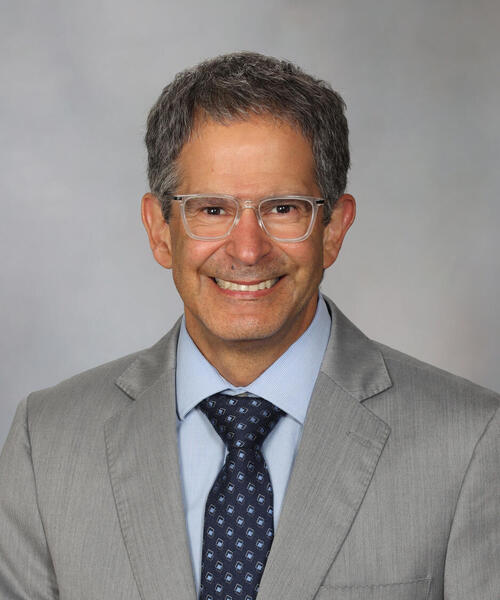
Carlos B. Mantilla, M.D., Ph.D., is a Professor in the Department of Anesthesiology and Perioperative Medicine and the Department of Physiology & Biomedical Engineering at Mayo Clinic College of Medicine and Science, Rochester, Minnesota. He holds a joint appointment in both departments and serves as Director of the Biomedical Engineering and Physiology graduate program at Mayo Graduate School since 2013. His research is centered on the neural and muscular control of breathing, with a focus on spinal cord injury, aging, and neuromuscular disorders. Ph.D. in Molecular Neuroscience, Mayo Graduate School, Mayo Clinic College of Medicine M.D., Colegio Mayor de Nuestra Senora del Rosario Residency and Fellowship in Anesthesiology, Mayo School of Graduate Medical Education Dr. Mantilla’s research investigates the mechanisms of respiratory motor recovery after spinal cord injury, the impact of aging on diaphragm function, and the role of growth factors in neuromuscular health. His lab employs advanced techniques such as 3-D confocal imaging, single-cell transcriptional analysis, electrophysiology, and whole-body plethysmography. His work has been published extensively in high-impact journals and is supported by NIH and other foundations. His recent publications highlight trends in respiratory neuroplasticity, autophagy in motor neurons, diaphragm function in aging, and recovery mechanisms post-injury. These studies integrate molecular, cellular, and systems-level approaches to understand breathing control and develop therapies for respiratory impairment. Scientific awards and honors include: Anthony DiMarco Lectureship Award, Academy of Spinal Cord Injury Professionals (2021) Medal Ministerio de Defense Nacional, Colombia (2013) Multiple Teaching Awards (2008, 2004) Distinguished Resident Clinician (1997) Dr. Mantilla actively mentors graduate students through his leadership in the Biomedical Engineering and Physiology program and has been a co-investigator or principal investigator on multiple NIH-funded grants. He serves as Associate Editor for Physiology and Frontiers in Respiratory Physiology . He is also involved in editorial roles and scientific advisory committees, contributing to the broader academic and clinical research community. His research is conducted within the Cell and Regenerative Physiology program at Mayo Clinic, collaborating closely with Dr. Gary C. Sieck. The lab focuses on regenerative approaches to restore respiratory function and is part of Mayo Clinic’s broader research infrastructure in anesthesiology, physiology, and biomedical engineering.