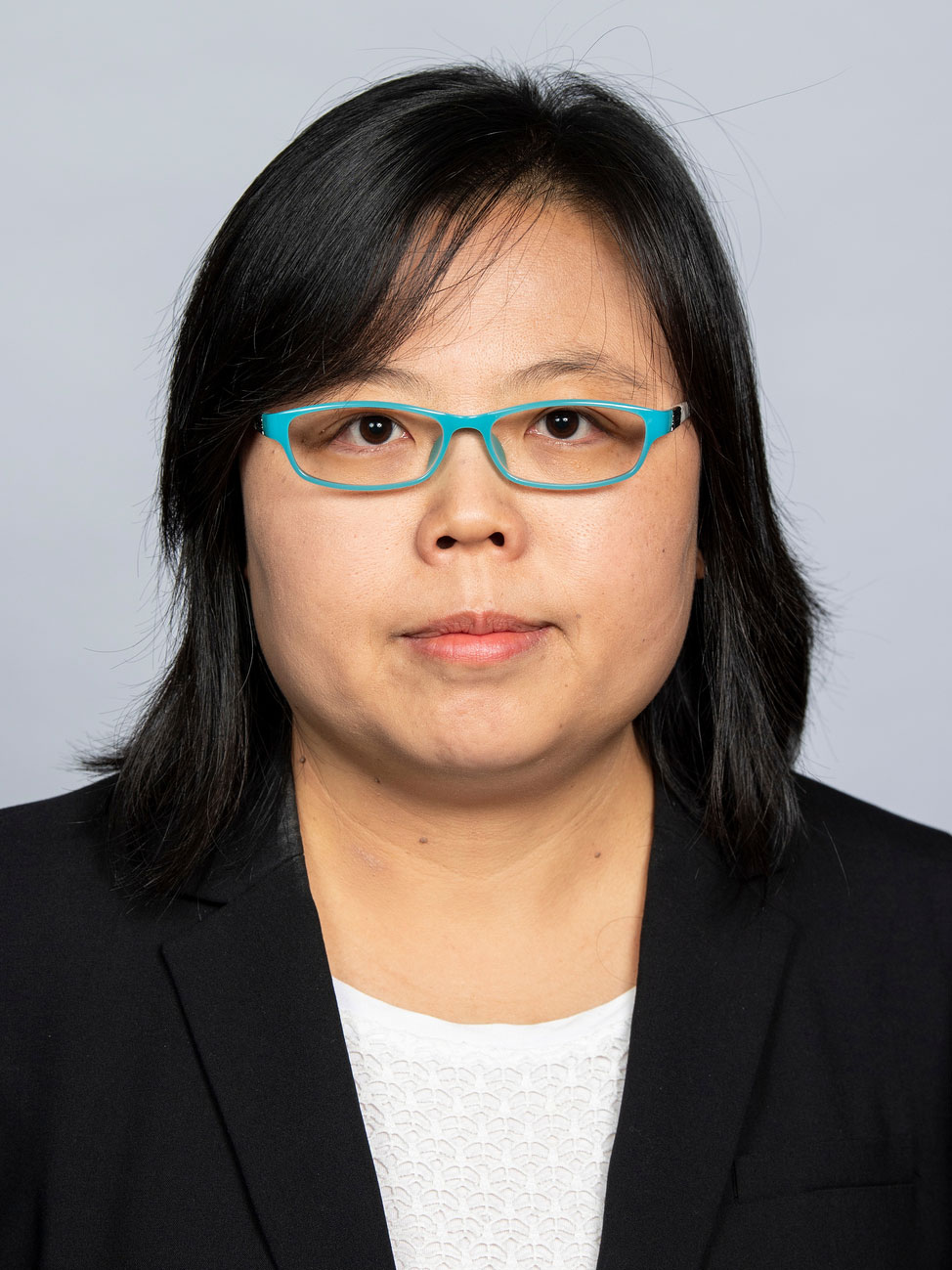
Meltem ACAR GÜVENDİR is an Associate Professor in the Department of Educational Sciences at Trakya University's Faculty of Education. She holds a PhD in Measurement and Evaluation in Education from Ankara University (2013) and has conducted postdoctoral research at the University of California, Los Angeles (UCLA). Her research focuses on large-scale educational assessment, including analyses of PISA, TIMSS, and OBBS datasets using hierarchical linear modeling. She specializes in value-added assessment, meta-analyses of study abroad impacts, and psychometric evaluation of educational policies. Academic roles include serving as Head of the Measurement and Evaluation Commission (since 2018) and Deputy Head of the Department of Educational Sciences (2016–2018). She co-edits the International Journal of Assessment Tools in Education and has contributed to over 60 peer-reviewed articles and book chapters. Her work explores student achievement predictors, test anxiety measurement, and international student integration. Key projects include a TÜBİTAK-funded study on scale development processes and participation in the EU-funded CA19103 initiative addressing LGBTI+ inequalities. She has supervised numerous research projects and delivered keynotes on educational measurement methodologies.
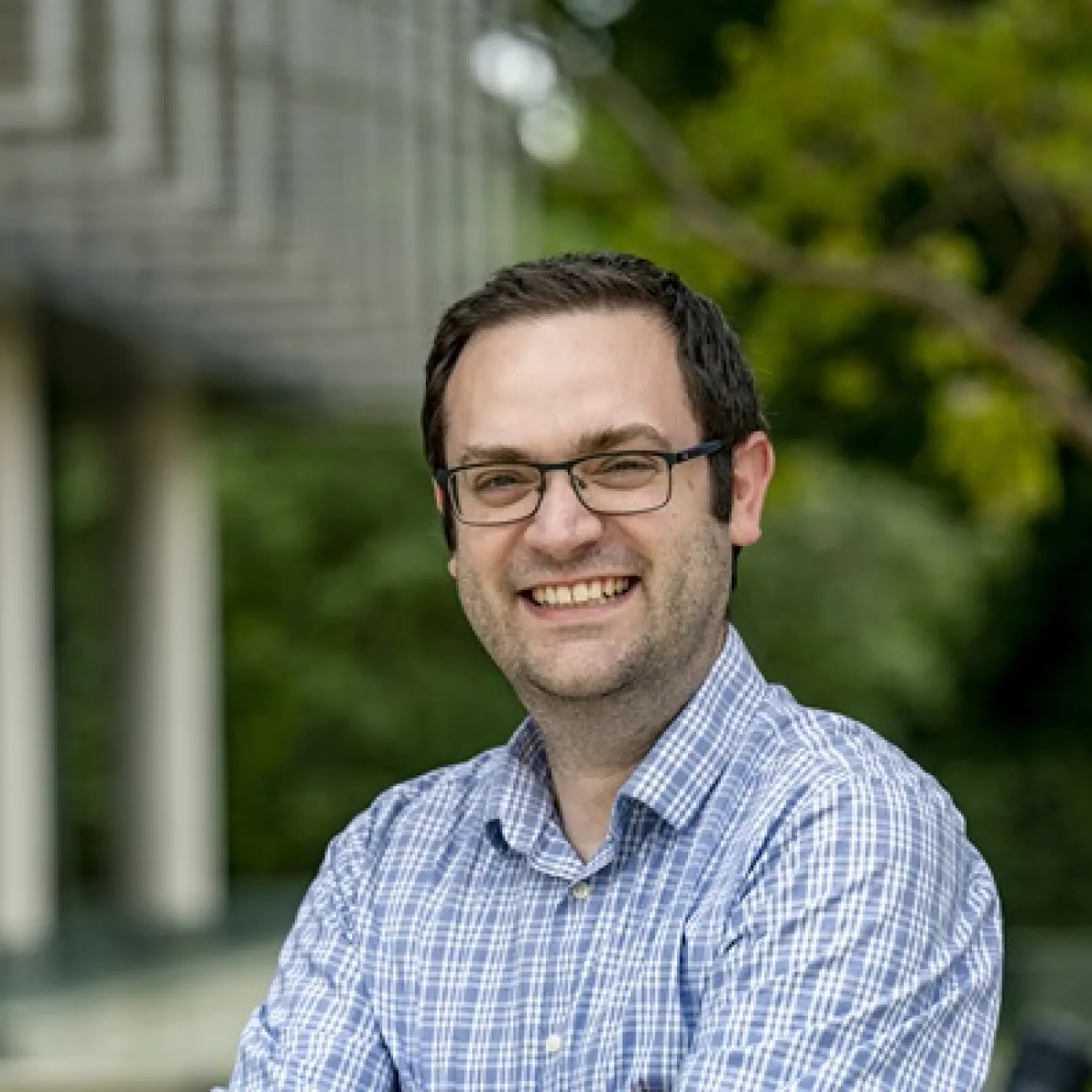
Bronson Hui is an Assistant Professor of Second Language Acquisition at the University of Maryland, College Park, within the School of Languages, Literatures, and Cultures (SLLC). He is also a member of the Maryland Language Science Center. His research focuses on applied psycholinguistics, particularly second language acquisition in instructed contexts, multi-modal input, vocabulary learning, and open science practices. Hui holds a Ph.D. in Second Language Studies from Michigan State University, an M.S. in Applied Linguistics from the University of Oxford, and dual B.A./B.Ed. degrees in English Language and Education from the University of Hong Kong. Education: Ph.D., Second Language Studies, Michigan State University M.S., Applied Linguistics and Second Language Acquisition, University of Oxford B.A. & B.Ed., English Language and Linguistics / Language Education, University of Hong Kong His research interests include experimental methods in SLA, quantitative analysis, and the use of AI tools in meta-research. He has published in journals like Studies in Second Language Acquisition , Language Learning , and Applied Psycholinguistics . Hui serves on the editorial boards of TESOL Quarterly and Studies in Second Language Acquisition . He teaches courses such as Second Language Research Methodologies , Psycholinguistics , and Vocabulary Acquisition in Instructional Contexts . Hui actively advises graduate students in empirical studies, dissertation research, and grant proposals. His work emphasizes open science practices, including pre-registration, data sharing, and reproducible analyses. Hui has developed workshops on R programming for applied linguists, emphasizing ethical data practices and open-source tools. He collaborates internationally on projects like the ASReview tutorial for meta-research and has contributed to book projects on quantitative methods in applied linguistics.
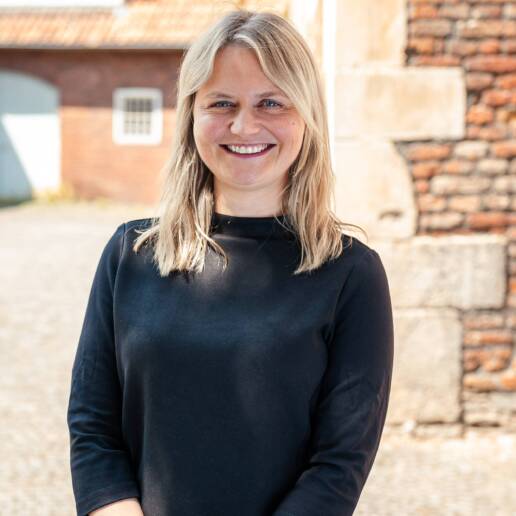
Dr. Vera Békés is an Associate Professor of Clinical Psychology at the Ferkauf Graduate School of Psychology, Yeshiva University, and co-director of its Psychodynamic Track. She holds degrees from Eötvös Lóránd University (MA), University of Pécs (PhD), and completed postdoctoral research at McGill University and the Université du Québec à Montréal. Her expertise lies in psychotherapy process, therapeutic relationships, PTSD, resilience, and intergenerational trauma. She teaches courses on psychodynamic therapy, transgenerational trauma, and qualitative research methods. Research & Grants: Principal Investigator for grants addressing teletherapy during the pandemic (China American Psychoanalytic Association, 2020-2021), pandemic-related psychological distress (Marcus Foundation, 2020-2022), and Holocaust trauma's multigenerational impact (Claims Conference, 2020-2021). Lab research focuses on teletherapy efficacy, trauma transmission, and therapeutic alliance (visit bekeslab.wordpress.com ). Awards: Fellow of the American Psychoanalytic Association (2019-2020). Teaching & Affiliations: Courses include Self Psychology, Qualitative Research, Multicultural Issues, and Advanced Research. Previous roles include clinical supervisor at Université Laval and researcher at McGill University’s Psychiatry Department. Clinical experience in psychiatric wards (Jewish General Hospital, Kútvölgyi Hospital) and private practice.
Yaning Li is an Associate Professor at Northeastern University's Department of Mechanical and Industrial Engineering, part of the College of Engineering. Her research focuses on mechanics of materials, bio-inspired engineering, additive manufacturing, and mechanical metamaterials. She holds a PhD from the University of Michigan and dual MS degrees from the same institution. Education: PhD (2007), University of Michigan; Dual MS (2006), University of Michigan Affiliations: Mechanics, Biomimetics, and 3D Printing Research Lab; American Physical Society (APS), Society of Naval Architects and Marine Engineers (SNAME) Her research explores bio-inspired materials, energy absorption mechanisms, and advanced manufacturing techniques. Key projects include developing auxetic metamaterials and bio-inspired sutural designs. Grants & Awards: NSF CAREER Award (2016), AFOSR SFFP Fellowship (2013), IUTAM Travel Award Recent Recognition: 2023/2024 Stanford Top 2% Cited Scientists Advises a diverse group of students and postdocs, including current PhD candidates Lin Gu and Yunzheng Yang. Her lab focuses on experimental and computational studies of novel materials, with applications in engineering and biomedicine. Labs/Teams: Mechanics, Biomimetics, and 3D Printing Research Lab Patents: 3D auxetic composite structures, bio-inspired metamaterials
Dr. David Toal is an Associate Professor at the University of Southampton, specializing in the application of machine learning techniques to aerospace system design optimization. His research focuses on automated geometry creation, prediction of simulation outputs, and fundamental machine learning advancements. He is affiliated with the Computational Engineering and Design Group and the Institute for Life Sciences. His teaching interests include engineering design methods, optimization, reliability, and CAD integration. He supervises multiple PhD students in areas such as aerodynamic geometry generation and structural design automation. Dr. Toal has led projects funded by the European Union and EPSRC, including E-Break (FP7) and equipment grants for advanced computational tools. His work emphasizes multidisciplinary collaboration, leveraging CAD systems and deep learning for applications in advanced aerial mobility and turbine optimization. Recent publications highlight advancements in Kriging models, adversarial auto-encoders, and semantic segmentation for engineering design. Dr. Toal's research bridges computational methods with practical aerospace challenges, aiming to accelerate design processes through data-driven and AI-enhanced approaches.
Dr. Emily Lowthian is a Lecturer in Education and Childhood Studies at Swansea University’s School of Social Sciences, Department of Education and Childhood Studies. She specializes in research addressing educational outcomes, child welfare, and public health policy with a focus on vulnerable populations. Her work integrates large-scale data linkage methodologies to analyze sociodemographic trends, special educational needs identification, and health behaviors among children and adolescents. Key research areas include the impacts of special needs identification on academic progression, vaccination uptake patterns during the pandemic, and the interplay between maternal mental health and child development. She contributes to policy discussions through the UK Young Academy, a network of early-career researchers addressing societal challenges. Dr. Lowthian’s interdisciplinary approach spans epidemiology, education policy, and social inequality studies, with publications in high-impact journals such as the International Journal of Population Data Science. Her recent projects include longitudinal analyses of Wales’ administrative health and education data, exploring ethnicity dynamics, child wellbeing trajectories, and the effects of EU tobacco regulations on youth behavior. Collaborations with national health organizations and policymakers ensure her research informs practical interventions in child welfare and public health systems.
Dr. Ciara Padden is a Senior Lecturer in Learning Disability and Director of Studies for the MSc in Applied Behaviour Analysis and MSc in Positive Behaviour Support at the University of Kent's Tizard Centre (School of Social Sciences). She holds a BCBA-D certification and is a Higher Education Academy Fellow. Her research focuses on evidence-based behavioral interventions for individuals with intellectual/developmental disabilities, caregiver support, and organizational behavior change contexts. Education: BA Psychology (University College Dublin), PhD Applied Behaviour Analysis (National University of Ireland, Galway). Professional qualifications include a Postgraduate Certificate in Higher Education. Research Interests: Skills teaching methodologies, adolescent/adult disability support systems, precision teaching frameworks, and procedural fidelity in behavioral interventions. Her work emphasizes practical applications for improving quality of life through structured behavioral programs and staff training. Publications span 20+ peer-reviewed articles on topics like caregiver stress biomarkers, intervention fidelity, and mathematical skill acquisition for neurodivergent learners. She has contributed to systematic reviews evaluating vocational skills interventions and repetitive behavior treatments in autism. Professional Roles: Consultancy Manager at the Tizard Centre, external examiner for University of South Wales psychology programs, UK-Society for Behavior Analysis board member, and trustee for Positive Behaviour Support for Learning. Active in credentialing initiatives and international research networks like SF-DDARIN. Supervision: Advises PhD/MSc students researching behavioral approaches for disabilities. Consultancy focuses on staff training and behavioral support implementation in clinical settings. Labs/Teams: Central role in Tizard Centre's disability-focused research teams, contributing to both academic output and applied consultancy projects across the UK.
Summary of Eilis Hennessy Eilis Hennessy is a Professor in the School of Psychology at University College Dublin (UCD). She holds an Orcid identifier (0000-0002-5826-6667) and is affiliated with the Newman Building in UCD's Belfield campus. Her primary research focuses on mental health stigma in children and adolescents, particularly those with chronic health conditions. She has also served in significant administrative roles, including Vice Principal for Teaching and Learning in the College of Social Sciences and Law (2014–2018), Director of the Masters in Psychological Science (2011–2018), and Head of the School of Psychology (2009–2012). Eilis holds a BA and PhD from UCD. Her professional activities include membership in organizations like the Association for Child Psychology and Psychiatry and the British Psychological Society. She has contributed to interdisciplinary initiatives such as the UCD CHilD Research Centre, focusing on children's rights and health. Her teaching interests emphasize fostering transferrable skills and collaborative learning, with roles like module coordinator for courses on Lifespan Developmental Psychology and Youth Mental Health. Her research has explored stigma reduction interventions, mental health literacy in schools, and the impact of the pandemic on youth mental health. Grants include funding for projects on stigma, ethics in mental health, and interdisciplinary child research. Notable publications address topics like social media stigma, self-harm interventions, and barriers to vegetable intake in disadvantaged adolescents. Eilis has been recognized for her work through roles on committees like the Expert Advisory Group on the Early Years Strategy and the Child Development and Education Expert Panel of the National Longitudinal Study of Children in Ireland. Her contributions span academic leadership, policy impact, and community engagement.
Frank Wijen is an Associate Professor in the Department of Strategic Management and Entrepreneurship at Rotterdam School of Management, Erasmus University Rotterdam. He earned his PhD in Management from Tilburg University, where he previously served as a Senior Researcher. His academic work focuses on institutional dynamics, globalization, sustainability, and organizational behavior, with a particular interest in Chinese management and environmental governance. His research interests include institutional processes, power and influence, organizational learning, corporate and national environmental management, and the interplay between globalization and sustainability. These themes are reflected in his publications across leading journals such as Academy of Management Review , Strategic Management Journal , Journal of Management , and Regulation & Governance . His recent work explores the effectiveness of sustainability standards, ownership identity in Chinese business groups, and the societal impact of foreign direct investment. The trajectory of his research output shows a strong focus on institutional theory, sustainability governance, and strategic responses to environmental and societal challenges. He has contributed significantly to understanding how organizations navigate complex regulatory environments and how national contexts—especially China—influence corporate practices. His editorial roles in top journals such as Organization Studies , Academy of Management Review , and Strategic Organization reflect his standing in the academic community. Editorial Board, Organization Studies (2008–Present) Editorial Board, Strategic Organization (2016–Present) Editorial Board, Academy of Management Review (2009–2017) Frank Wijen has also been involved in academic public engagement, notably co-developing an online course titled Driving Business Towards The SDGs , which reflects his commitment to translating research into practical impact. He has supervised four academic works, indicating active mentorship. There is no mention of awards or grants in the provided text, but his extensive publication record and editorial contributions underscore his scholarly influence. He is affiliated with research networks focusing on Chinese social sciences, environmental policy, corporate social responsibility, and sustainable development, as evidenced by his collaborative work and citation patterns.
Prof. Dr. Julia Backmann is a Full Professor and Chair of Transformation of the World of Work at the University of Münster, where she also serves as Co-Director of the Research Center for Business Transformation in Times of Radical Change. Previously, she held positions as Assistant Professor at University College Dublin (2019–2022) and Ludwig Maximilian University of Munich (2014–2018). Her academic journey includes a habilitation (2021) on 'Leadership and Collaboration in Challenging Contexts' and a PhD summa cum laude (2014) from WHU – Otto Beisheim School of Management. Prior to academia, she worked as a consultant at Accenture. Her research focuses on collaboration, leadership resilience, organizational transformation, and the impact of emerging technologies like AI and virtual reality on work structures. Current projects include exploring the four-day workweek in Germany and adaptive strategies for companies in disruptive environments. Her work has been published in top journals such as the Academy of Management Journal and Organization Science . Teaching-wise, she designs MBA programs in Management & Innovation, Sports Management, and Nonprofit Governance, emphasizing interactive learning and critical thinking. Awards include Best Paper Awards, the 2021 Teaching Award, and recognition on UCD’s Dean’s List. Her research trends highlight themes like team boundary management, stress resilience in leadership, and the dynamics of technology adoption in healthcare. She investigates how organizational changes interact to create systemic challenges, and how cultural gaps affect multinational team performance. Awards include multiple Best Paper Awards, the 2021 Teaching Award, and inclusion in the Dean’s List at University College Dublin. Her work bridges academic theory with practical business transformation, addressing modern workplace challenges through interdisciplinary methods.
Jennifer J. Blackhurst is an Adjunct Professor in the Department of Business Analytics at the Tippie College of Business, University of Iowa. She has held several key academic and administrative roles, including Professor in Business Analytics (2021–2025), Associate Dean for Graduate Professional Programs (2020–2025), and the Leonard A. Hadley Chair/Professor in Business Analytics (2019–2024). Her career reflects deep engagement in supply chain research, academic leadership, and editorial contributions to top journals. Her research focuses on supply chain risk and disruption management, supplier assessment and selection, supply chain coordination, and innovation. She explores how organizations can build resilience through strategic adaptation, network design, and behavioral competencies. Her work integrates complex systems theory, empirical analysis, and data-driven modeling to address real-world supply chain challenges. The recent publications highlight a strong trend in understanding supply chain resilience through network science, agent-based modeling, and systemic risk frameworks. Her research spans both technical and human dimensions, examining not only structural vulnerabilities but also organizational behaviors and knowledge-based competencies that influence risk mitigation. Key themes include disruption propagation, robustness measurement, and the dual role of innovation in both enhancing performance and potentially increasing vulnerability. Scientific Awards and Honors: Best Paper Award - Transportation Journal and APICS, 2018 Outstanding Associate Editor - Decision Sciences Journal, 2017 MBA Business Analytics Professor of the Year - Tippie College of Business, 2017 Outstanding Associate Editor - Decision Sciences Journal, 2013 Emerging Leaders Academy - Iowa State University, 2013 - 2014 Citations of Excellence Award - Emerald Management Reviews, 2011 Jennifer Blackhurst has played a significant role in academic service through editorial and review activities, serving as Senior Editor for the Journal of Business Logistics and on the editorial boards of several leading journals including IEEE Transactions on Engineering Management , Decision Sciences Journal , and Journal of Operations Management . While no formal advising or grant information is listed, her leadership roles and extensive publication record suggest active mentorship and research supervision. She is a member of the Council for Supply Chain Management Professionals and the Decision Sciences Institute, further demonstrating her national engagement in the field.
Dr. Laura Oakley is an Associate Professor and Co-Programme Director for the Distance Learning Epidemiology programme at the London School of Hygiene and Tropical Medicine (LSHTM), within the Department of Non-communicable Disease Epidemiology in the Faculty of Epidemiology and Population Health. She also holds an affiliated researcher position at the Centre for Fertility and Health (CeFH) at the Norwegian Institute of Public Health in Oslo, Norway, facilitating international collaborations on perinatal epidemiology using Scandinavian registry data. Dr. Oakley's educational background includes: Undergraduate degree in Sociology from the London School of Economics MSc in Epidemiology from LSHTM PhD from LSHTM focusing on determinants of infertility in women Prior research experience at the Centre for Research in Primary Community Care, University of Hertfordshire Research position at the National Perinatal Epidemiology Unit, University of Oxford (2009-2014) As an epidemiologist specializing in maternal, reproductive, and child health, Dr. Oakley's research spans the epidemiology of infertility, pregnancy complications, perinatal outcomes, effects of in-utero exposures, and infant feeding practices. Her work emphasizes health inequalities and socioeconomic determinants of breastfeeding across diverse global settings. Methodologically, she combines interventional and observational approaches, leveraging large-scale registry data from high-income countries while conducting research in low- and middle-income contexts. Her affiliation with CeFH provides access to exceptional Scandinavian registry linkages that support her perinatal epidemiology research. Dr. Oakley's publication record reveals a strong focus on the intersection of infectious disease (particularly COVID-19) with pregnancy outcomes, reflected in her leadership of the Nordforsk-funded SCOPE projects. She also maintains significant contributions to reproductive health through the British National Surveys of Sexual Attitudes and Lifestyles (Natsal), and leads epidemiological research on sickle cell disease in pregnancy. Her work on breastfeeding patterns across sub-Saharan Africa demonstrates her commitment to understanding long-term health and educational outcomes. Dr. Oakley serves as Co-Programme Director for the Epidemiology by Distance Learning programme at LSHTM, teaching multiple modules including Fundamentals of Epidemiology, Basic Epidemiology, Foundations of Reproductive Health, and Research, Design and Analysis. She provides academic guidance as a personal tutor for MSc Reproductive and Sexual Health Research and MSc Epidemiology students, while supervising research projects. Her grant portfolio includes the Research Council of Norway-funded program on assisted conception and cancer risk, the NIHR-funded TAPS2 feasibility trial on sickle cell disease in pregnancy, and the MRC-funded GUIDES trial on gestational diabetes in Uganda and India. Through her international collaborations with institutions across Norway, Sweden, Denmark, Canada, Uganda, and India, Dr. Oakley maintains a global research perspective that bridges academic epidemiology with practical applications for improving maternal and child health worldwide. Her work on the socioeconomic determinants of breastfeeding and pregnancy outcomes in women with sickle cell disease addresses critical health disparities in maternal care.
Mubashir Sultan is a Predoctoral Fellow at the Max Planck Institute for Human Development in the Adaptive Rationality Research Team , where he focuses on the psychology of misinformation, social media behavior, and decision-making mechanisms. He combines computational modeling with empirical studies to analyze how individuals process and propagate information online. Education: PhD (ongoing), Max Planck Institute for Human Development (2021–present) M.Sc. in Brain and Cognitive Sciences, University of Amsterdam (2019–2021) M.Sc. in Cultural Psychology, University of Amsterdam (2017–2019) B.A. in Psychology and English Literature, Trinity College Dublin (2012–2016) His research bridges social psychology and computational behavioral science , examining how demographic factors , partisan biases , and cognitive limitations shape misinformation susceptibility. Recent work demonstrates that time pressure impairs misinformation detection while highlighting the role of myside bias in social media sharing. Current publications reveal trends in online misinformation interventions , digital trace data analysis , and social information processing . His methodological toolkit spans experimental designs , meta-analyses , and computational modeling of decision-making under uncertainty. As part of the Adaptive Rationality team, Sultan contributes to interdisciplinary projects exploring adaptive behavior in digital environments , collaborating with researchers in psychology, computer science, and behavioral economics.
Mutian Niu serves as an Assistant Professor at the Department of Environmental Systems Science, ETH Zurich, where he leads the Professorship for Animal Nutrition. His research addresses critical sustainability challenges in livestock production through innovative approaches to methane mitigation and precision animal nutrition. His primary research domains include Animal Nutrition , Dairy Science , and Methane Mitigation , with specific expertise in feed additives (3-nitrooxypropanol, microalgae), rumen fermentation dynamics, and physiological responses in dairy cattle. He integrates computational methods including machine learning for respiratory monitoring and video-based behavioral analysis, bridging animal science with environmental sustainability. Analysis of his recent publications reveals a strong interdisciplinary trajectory focused on practical methane reduction solutions. Key trends include methodological advancements in methane measurement validation, meta-analyses of feed additive efficacy, and emerging applications of computer vision for non-invasive health monitoring in dairy operations. His work consistently emphasizes environmental impact reduction while maintaining production efficiency in ruminant systems.
Bipin Rajendran is a Professor of Intelligent Computing Systems at King's College London, based in the Department of Engineering within the Faculty of Natural, Mathematical & Engineering Sciences. He directs the King's Laboratory for Intelligent Computing and co-leads the Centre for Intelligent Information Processing (CIIPS). Previously, he held positions at IBM Research and academic institutions in the U.S. and India. His research focuses on algorithms, devices, and systems for intelligent computing, emphasizing neuromorphic computing, memristive devices, and hardware-software co-design. Education: B.Tech, IIT Kharagpur (2000) M.S. and Ph.D., Electrical Engineering, Stanford University (2003, 2006) Research Interests: Rajendran's work spans hardware-software co-design, novel materials for neuromorphic systems, event-driven computing algorithms, and energy-efficient AI hardware. His contributions include foundational research on memristive devices for spiking neural networks and phase-change memory-based learning systems. Grants & Awards: He has received funding from EPSRC, NSF, European Commission, and industry partners like Intel and IBM. Notable awards include the IBM Faculty Award (2019) and election to the U.S. National Academy of Inventors (2019). Labs & Initiatives: Leads the King's Laboratory for Intelligent Computing and collaborates on projects like NeuroComm (6G neuromorphic comms) and SGAI (green AI systems). His work bridges nanoscale devices with AI algorithms for sustainable computing.