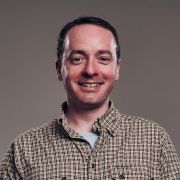
Ramsay TaylorView profile
Visiting Professor
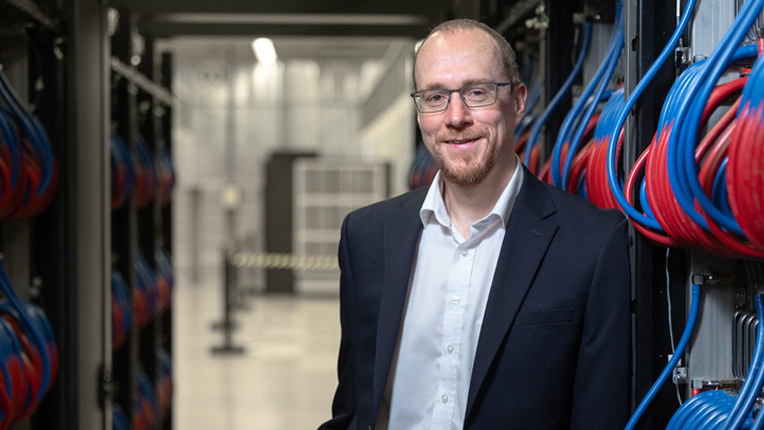
Dr. Ramsay Taylor is a Visiting Professor at the University of Sheffield's School of Computer Science, with dual affiliation to the Multidisciplinary Engineering Education (MEE) department. His research bridges theoretical computer science with practical engineering applications, focusing on formal verification of software systems. Dr. Taylor earned his BSc (Hons) in Computer Science from the University of Kent at Canterbury and completed his PhD in Computer Science at the University of Sheffield. Prior to academia, he worked at the Defence Science and Technology Laboratory (DSTL) in the Safety Critical Systems team, focusing on military aircraft systems and critical software across various domains. His research centers on formal methods for software verification, with particular expertise in distributed systems using Erlang. Dr. Taylor specializes in reverse engineering system models through grammar inference techniques and developing extended finite state machine representations. A distinctive aspect of his work involves verifying software that interacts directly with electronic or physical systems - an area often excluded from traditional formal verification approaches due to hardware dependencies. His involvement with the Diamond SMART building project provides practical applications for exploring these software-physical system interactions. Dr. Taylor has developed several significant open-source tools including Smother for MC/DC analysis of Erlang code, mu2 for mutation testing, and Synapse as an interface between testing tools and model inference systems. These tools demonstrate his commitment to bridging theoretical formal methods with practical software development needs. Member of the Verification and Testing research group at University of Sheffield Key contributor to the PROWESS project applying Property Based Testing to Erlang systems Active developer of StateChum system for grammar inference and model learning His teaching experience spans software engineering and electronic engineering across multiple engineering disciplines. The evolution of his work from early research on Z formalism (2008) through to recent automated verification frameworks (2022) demonstrates sustained contribution to advancing software verification techniques.