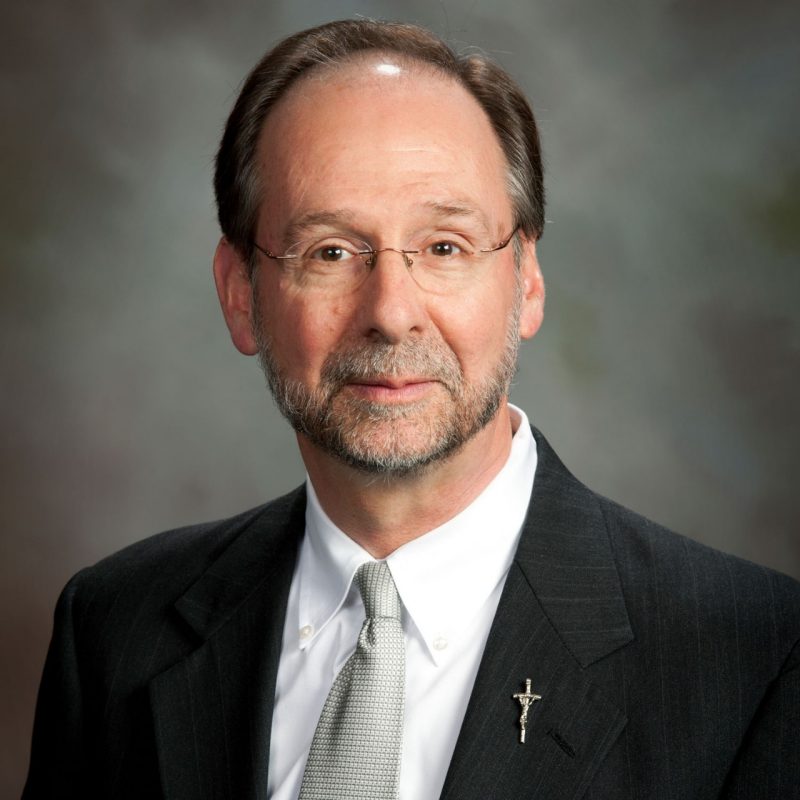
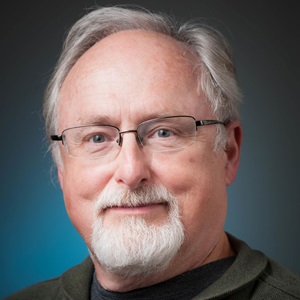
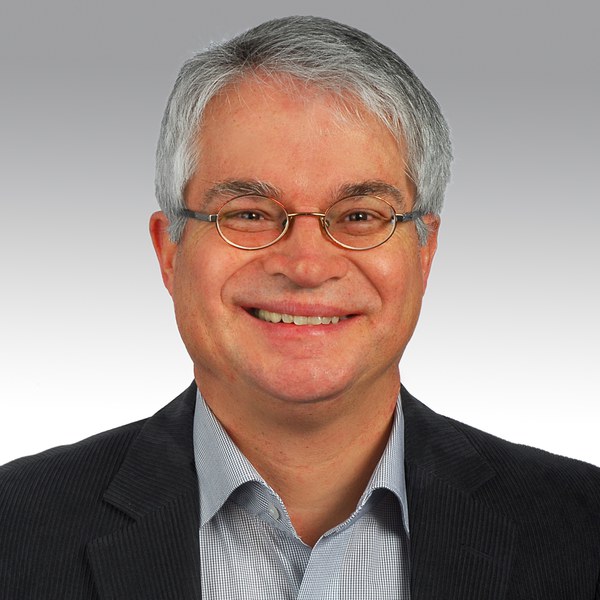
Tianbai Xiao is a Researcher at the Karlsruhe Institute of Technology (KIT) within the Department of Mathematics and Steinbuch Centre for Computing. His work spans mesoscopic science , uncertainty quantification , and scientific machine learning , focusing on multi-scale, multi-physics problems in flow transport. His research in kinetic theory addresses nonlinear partial differential equations, hyperbolic conservation laws, and the unified modeling of continuum/rarefied flows. He develops high-performance numerical algorithms like the Unified Gas-Kinetic Scheme (UGKS) and Kinetic.jl (a finite volume toolbox for scientific computing). Current projects include mesoscopic science , stochastic data science , and physics-informed neural networks . He contributes to open-source tools including FluxReconstruction.jl for advection-diffusion methods and Langevin.jl for stochastic kinetic modeling. Publications cover Journal of Computational Physics , Engineering Fracture Mechanics , and Entropy , with preprints on arXiv in 2025 addressing force-driven flows and hybrid peridynamics. Teaching activities include the Introduction to Kinetic Theory lecture at KIT, and mentoring in the CAMMP (Computational and Mathematical Modeling Program) to develop problem-solving skills through real-world modeling tasks. He advocates for problem-based learning where students translate non-mathematical problems into mathematical language.
Peter Virnau is a researcher in the Department of Physics at Johannes Gutenberg University Mainz, with a habilitation in Theoretical Physics (2016) and a PhD in Physics (2003). He has held positions such as Akademischer Direktor (2022-present) and Akademischer Oberrat (2013-2022). Education: Habilitation (2016), PhD (2003), Master of Science (1999) Research Focus: Theoretical studies on skyrmions, polymers, and topological phenomena in soft and biological matter. His work spans computational physics, including molecular dynamics simulations of polymer knotting and skyrmion lattice behavior. He has developed coarse-grained models for DNA and studied phase transitions in active systems. Recent publications highlight applications of skyrmion dynamics in computing, topological effects in polymer melts, and DNA knotting under confinement. His research combines computational methods with experimental data analysis. Scientific Awards: Walter Kalkhof-Rose Memorial Award (2007) DFG Postdoctoral Fellowship (2004-2006) Overseas Scholarship, Rupert Karls University Heidelberg (1998-1999)
Dr. Lev Kaplan is Professor of Physics at Tulane University's School of Science and Engineering, serving as Engineering Physics Advisor. His research explores quantum chaos, nanostructure transport, and wave statistics through analytical and computational methods. Primary research investigates quantum signatures in chaotic systems, Casimir effects in nanostructures, and rogue wave formation. Recent work focuses on quantum information applications in optical networks and Bose-Einstein condensate manipulation. Awarded Weiss Presidential Fellowship for teaching excellence. Teaches graduate courses in quantum field theory and computational physics.
Erik Santiso is an Associate Professor & University Faculty Scholar at NC State University's Department of Chemical and Biomolecular Engineering, part of the College of Engineering. His research group focuses on computational discovery of advanced materials and chemicals using molecular modeling, metaheuristic sampling, and machine learning. Key applications include catalyst design, biomimetic polymers, green surfactants for CO₂/water systems, and polymeric materials with exceptional mechanical properties. The group also explores oxygen conductors for chemical looping combustion and microprocessor manufacturing through simulations. His work bridges theoretical and applied chemistry, emphasizing predictive tools like the DESPASITO package for SAFT EOS parametrization. Santiso has received the Sigma Xi Young Faculty Research Award, recognizing his contributions to computational materials science. The Santiso Research Group collaborates across disciplines to tackle challenges in energy, environment, and biomedical engineering. Lab/Team: Santiso Research Group Key Projects: Crystal nucleation modeling, peptoid structure prediction, CO₂ sequestration, and drug delivery systems Publications emphasize interdisciplinary approaches, with over 50 peer-reviewed articles since 2016. His research often integrates quantum chemistry, atomistic simulations, and mesoscopic methods to accelerate material discovery.
Mihai Horoi is a Professor in the Department of Physics at Central Michigan University, under the College of Science & Technology. He holds a Ph.D. in Physics and an M.S. in Computer Science, and has over 20 years of experience in research and teaching in theoretical nuclear physics and high-performance computing. Department: Department of Physics School: College of Science & Technology University: Central Michigan University Office: Dow 212 Email: horoi@cmich.edu His educational background includes a Ph.D. in Physics from the Institute of Atomic Physics, Bucharest (1990), an M.S. in Computer Science from Michigan State University (1997), and B.S./M.S. in Physics from the University of Bucharest (1979). Ph.D., Physics, Institute of Atomic Physics, Romania, 1990 M.S., Computer Science, Michigan State University, USA, 1997 M.S. and B.S., Physics, University of Bucharest, Romania, 1979 Dr. Horoi's research focuses on nuclear structure, quantum many-body systems, and computational methods. He specializes in large-scale shell model calculations, neutrinoless double-beta decay, shape coexistence in nuclei and clusters, and the development of high-performance computing algorithms. His work integrates physics and computer science to solve complex quantum problems. His recent publications reveal a strong focus on nuclear matrix elements for double-beta decay, center-of-mass corrections in nuclear models, coupled-cluster methods for heavy nuclei, and optimization algorithms for atomic cluster geometry. The research spans theoretical nuclear physics, computational physics, and materials science, reflecting interdisciplinary expertise in quantum systems and high-performance computing. Dr. Horoi has secured external funding from the National Science Foundation and the Department of Energy Office of Science. He has developed the CMichSM code for nuclear structure calculations and has extensive experience in software and hardware evaluation for scientific computing environments. Creator of CMichSM high-performance nuclear structure code Expertise in parallel processing and advanced networks Proven record in grant writing and research funding He has presented invited talks at international conferences such as "Neutrinos and Dark Matter 2015" in Finland and workshops at Michigan State University's NSCL/FRIB, highlighting his active engagement in the global nuclear physics community.
Raffaela Cabriolu is an Associate Professor in the Department of Physics at the Norwegian University of Science and Technology (NTNU). Her research focuses on computational and theoretical physics, materials science, and molecular dynamics simulations, with applications in colloidal systems, nanoporous materials, and soft matter physics. Her research interests include: Light propagation in colloidal particle systems Structural transitions in calcium carbonate Interfacial phenomena in ionic liquids Diffusion mechanisms in nanoporous materials Phase transitions under pressure Statistical mechanics of complex systems Recent work highlights trends in computational modeling, nanomaterials, and fluid dynamics. She has contributed to educational advancements in molecular simulation pedagogy and participated in outreach initiatives like the 2023 CSCS interview exploring nanobubble dynamics. Her teaching portfolio includes courses in electricity and magnetism (FY1003), numerical physics (TFY4235), and advanced numerical physics (FY8904).
Ludovic Autin, PhD is an Institute Investigator in the Department of Integrative Structural and Computational Biology at The Scripps Research Institute. His research bridges scientific visualization with artistic illustration to enhance understanding of complex biological systems. He leads development of software frameworks including cellPACK, mesoscope, ePMV, and cellPAINT/VR for multiscale molecular modeling. Education: PhD in Structural Biology from Paris 5 University (2002-2005), focusing on blood coagulation protein complexes. Professional experience spans roles from Assistant Lecturer (2005-2007) to Senior Staff Scientist (2015-2024), with key contributions to molecular docking methods and cellular environment modeling. Research emphasizes induced-fit molecular recognition, viral assembly mechanisms, DNA structure dynamics, and cellular crowding phenomena. Software innovations like cellPACK enable real-time modeling of crowded cellular environments, while mesoscope provides web-based integration of molecular data. Notable achievements include the first whole Mycoplasma cell structural model (2022) and collaborative work on HIV virion modeling. Active in computational tools development for both scientific research and educational outreach.
Michael von Spakovsky is the Robert E. Hord Jr. Professor in the Department of Mechanical Engineering at Virginia Tech's College of Engineering, where he also serves as Director of the Center for Energy Systems Research (CESR). His work bridges theoretical and applied mechanics, with deep engagement in energy system modeling, optimization, and sustainability. His research interests include: Non-equilibrium and equilibrium thermodynamics Steepest-Entropy-Ascent Quantum Thermodynamics (SEAQT) Exergy analysis, thermoeconomics, and exergo-environomics Heat, mass, and charge transport Kinetic theory and the Boltzmann equation Numerical modeling across macroscopic (finite element/difference), mesoscopic (Lattice Boltzmann), and atomistic scales His publications, available via Google Scholar, reflect a strong trend in fundamental thermodynamic theory applied to complex energy systems, particularly in modeling non-reactive and reactive phenomena across spatial and temporal scales. Much of his recent work integrates uncertainty, sustainability, and resilience into system design and control. Notable awards and honors include: ASME James Harry Potter Gold Medal (2014) ASME Edward F. Obert Award (2012) ASME Fellow (since 2001) ASME AESD Lifetime Achievement Award Multiple ASME Best Paper and Best Student Paper Awards (2000–2012) Elected member of Sigma Xi and Tau Beta Pi Dr. von Spakovsky has advised numerous students and led significant research grants through the Center for Energy Systems Research, which conducts multidisciplinary analytical, numerical, and experimental research in energy systems for transportation, stationary, and portable applications. He has also taught undergraduate and graduate courses and delivered short courses globally on topics such as fuel cells and hybrid electric vehicles. He is affiliated with the Center for Energy Systems Research, a hub for innovation in energy science and technology, collaborating with industry, government, and academic partners worldwide.
Nima Dadashzadeh is a Lecturer in Transport and Business Analytics at Huddersfield Business School, University of Huddersfield, UK. He is actively engaged in research, supervision, and academic leadership, serving as Secretary and executive committee member of the Universities Transport Study Group (UTSG). He is currently the principal investigator of a UKRI-funded project on travel behaviour during weather-related disruptions in West Yorkshire. PhD, Istanbul Technical University (2019) His research focuses on sustainable, accessible, and inclusive transport systems. Key areas include transport and travel behaviour modelling, Mobility-as-a-Service (MaaS), shared and autonomous vehicles, public transport, demand responsive transit, and traffic safety analysis, with particular attention to vulnerable groups and developing countries. He employs statistical and econometric models, discrete choice modelling, and both quantitative and qualitative methods to evaluate attitudes toward emerging transport systems and policy impacts. His recent publications (2022–2025) demonstrate a strong trend in evaluating equity, inclusivity, and resilience in modern transport systems. Topics include MaaS inclusivity, travel behaviour during crises (pandemic, weather disruptions), cyclist and young driver safety, and adoption of e-scooters in developing countries. His work frequently appears in journals such as Transport Policy and International Journal of Environmental Research and Public Health , reflecting interdisciplinary engagement with policy and public health. Nima Dadashzadeh is involved in several research projects funded by UKRI, EPSRC, DfT, Research England, and UUKi. He has also contributed to EU COST Action and Interreg projects (MUSE, EN-IN) and local transport initiatives in Slovenia and Turkey. His collaborative network spans the UK and internationally, addressing global challenges in transport decarbonisation and resilience. He is actively involved in academic dissemination through oral presentations and conference organisation, including speaking at and organising the 56th UTSG Conference in 2024. His research has received media attention, including coverage on policy recommendations regarding car taxation and infrastructure funding. Principal Investigator, "Modelling Travel Behaviours During Weather-related Disruptions in West Yorkshire" (UKRI DARe Hub, EPSRC/DfT) Former Postdoctoral Research Fellow, University of Portsmouth (DfT-funded MaaS project) PI and Co-PI on projects funded by Research England and Universities UK International (UUKi) Management Committee Member, EU COST Action CA16222 (2020–2022) Researcher in EU Interreg projects MUSE and EN-IN He is part of research labs and teams focused on transport resilience and decarbonisation, collaborating with institutions across the UK and Europe. His work contributes to UN Sustainable Development Goals related to sustainable cities, clean energy, and reduced inequalities.
Sauro Succi is a Researcher and Research Director at the Istituto dei Sistemi Complessi (CNR, Rome, Italy), concurrently serving as a Research Associate at Harvard University's Physics Department. He holds a visiting fellowship at the Freiburg Institute for Advanced Studies (FRIAS) within the School of Soft Matter Research. His expertise spans computational modeling of complex systems, with emphasis on fluid dynamics across scales—from quantum flows to biopolymer translocation and nanoscale phenomena. Education: BSc in Nuclear Engineering from the University of Bologna, PhD in Plasma Physics from École Polytechnique Fédérale de Lausanne (1987). He has held visiting positions at institutions including Yale, University of Paris, and Queen Mary College London. Research focuses on lattice Boltzmann methods, multiscale simulations, and soft matter physics. Key projects include modeling biological nanopore translocation, carbon nanotube gas flows, and micro-emulsion rheology. His work bridges mesoscopic theory with practical applications in biophysics and nanotechnology. Scientific recognition includes Fellow of the American Physical Society, Alexander von Humboldt Award, and Killam Award. His 200+ publications include seminal works on lattice Boltzmann equations and multiscale fluid dynamics.
Dr. Ke Gao is an Associate Professor in the Department of Earth and Space Sciences at Southern University of Science and Technology (SUSTech) in Shenzhen, China. He joined SUSTech in 2019 after completing postdoctoral research at Los Alamos National Laboratory in the United States. Dr. Gao holds a Ph.D. in Rock Mechanics from the University of Toronto, which he obtained in 2017. His educational background includes: 2021–present: Associate Professor, Department of Earth and Space Sciences, Southern University of Science and Technology 2019–2020: Assistant Professor, Department of Earth and Space Sciences, Southern University of Science and Technology 2017–2019: Post Doc, Solid Earth Geophysics, Los Alamos National Laboratory, USA 2012–2017: Ph.D., Rock Mechanics and Rock Engineering, University of Toronto, Canada Dr. Gao's research primarily focuses on rock mechanics and fault mechanics, with particular emphasis on the development of multiphysics coupling models based on the combined finite-discrete element method (FDEM). His work investigates rock fracturing mechanisms, hydraulic fracturing, and the stick-slip characteristics in sheared granular faults. He has made significant contributions to tensor-based statistical methods for characterizing stress variability and heterogeneity in fractured rock masses. His research bridges computational mechanics with earthquake physics, creating innovative approaches to understanding fundamental geological processes. Analysis of Dr. Gao's recent publications reveals a strong focus on computational geomechanics and earthquake physics. His work consistently applies and advances the combined finite-discrete element method (FDEM) to solve complex rock mechanics problems. There's a clear progression from fundamental method development to applications in earthquake source mechanics and hydraulic fracturing. The integration of machine learning techniques with traditional computational methods represents an emerging trend in his recent work, particularly for predicting slip behavior in granular fault systems. Dr. Gao has received several notable recognitions: Best Paper Award at the 7th International Symposium on In Situ Rock Stress (2016) National Overseas High-level Talent Program (Youth) (2020) Shenzhen 'Peacock Plan' B Talents (2021) Dr. Gao serves as principal investigator for multiple research projects funded by prestigious organizations including the National Natural Science Foundation of China, Ministry of Science and Technology key research and development projects, Guangdong Province general projects, and Shenzhen City general projects. He actively mentors graduate students and postdoctoral researchers, recruiting candidates with backgrounds in solid geophysics, rock mechanics, geological engineering, computational mechanics, and related disciplines. His research group provides comprehensive training in both theoretical and experimental aspects of rock mechanics and earthquake physics. Dr. Gao is affiliated with several professional organizations including the American Rock Mechanics Association, American Geophysical Union, International Society for Rock Mechanics, Canadian Geotechnical Society, Society of American Seismology, and ASCE Engineering Mechanics Institute, reflecting the interdisciplinary nature of his work spanning rock mechanics, geophysics, and computational engineering.
Dr. Andreas Alvermann is a researcher at the Institute of Physics , University of Greifswald, Germany. His work spans quantum physics, condensed matter theory, and computational methods, with a focus on non-Hermitian systems, Floquet dynamics, and polaronic effects. Develops advanced numerical techniques for eigenvalue problems and quantum transport Investigates symmetry-protected topological phases in photonic systems Applies Chebyshev expansions to quantum impurity problems and disordered systems His research areas include: Non-Hermitian quantum mechanics Topological materials and edge states Quantum-classical crossover phenomena Optomechanical stability and chaos Electron-phonon coupling in polarons Stochastic Green's function methods Recent publication trends emphasize non-Hermitian topological phases (2021-2020), Floquet system engineering (2019-2020), and quantum transport in nanostructures (2015-2010). His collaborations with H. Fehske and G. Wellein highlight interdisciplinary computational physics efforts.
Robert Heckendorn, Ph.D., is an Associate Professor in the Department of Computer Science at the University of Idaho, part of the College of Engineering. His research interests span machine learning, evolutionary computation, robotics, optimization algorithms, computational biology, and transportation systems. He holds a Ph.D. and has contributed extensively to interdisciplinary areas such as autonomous systems, traffic simulation, and bio-inspired algorithms. His work often bridges theoretical foundations with practical applications, including developing high-fidelity traffic modeling tools, optimizing manufacturing processes, and advancing robotic control strategies. Notable contributions include neuroevolution techniques for crowd behavior prediction and fuzzy logic-based crowd management systems. He also explores evolutionary algorithms in biological fitness landscapes and disaster management scenarios. He has authored over 50 publications since 1997, focusing on algorithmic efficiency, population diversity in evolutionary systems, and multi-agent coordination. His research has implications for smart cities, healthcare, and autonomous vehicle technologies. Despite no listed awards here, his prolific output underscores his impactful contributions to computer science and engineering. As an educator, he contributes to curriculum development in computational thinking and web-based learning systems (e.g., vTutor platform). His lab likely focuses on real-world problem-solving through computational methods, though specific lab names aren’t mentioned. Collaborations with industry and interdisciplinary teams are implied through his research topics like connected-vehicle systems and cancer modeling via cellular automata.
Bradley L. Nilsson is a Professor of Chemistry and Director of the Materials Science Program at the University of Rochester's School of Arts & Sciences. He holds a PhD from the University of Wisconsin, Madison (2003). His research focuses on peptide self-assembly, particularly the study of amyloid peptides and their applications in functional materials,生物医药, and energy. Key projects include developing peptide-based hydrogels for tissue engineering, anti-HIV microbicides, and supramolecular materials derived from phenylalanine derivatives. His work also explores the noncovalent interactions driving self-assembly and their biomedical applications. Research interests span peptide self-assembly mechanisms, amyloid-inspired materials, and applications in drug delivery and nanotechnology. Notable contributions include the development of cyclic amphipathic peptides for siRNA delivery and the design of amyloid-mimetic hydrogels. His recent studies investigate quantum dot biomimetics for neuroinflammation research and the role of sequence patterns in peptide assembly. No scientific awards are explicitly listed in the provided text. His research has been supported by collaborative grants focusing on multi-component peptide nanofibrils and supramolecular materials. He leads the Materials Science Program, fostering interdisciplinary research in biomaterials and nanotechnology.
Prof. Dr. Gerhard Naegele is a senior researcher at the Institute for Biological Information Processes (IBI) within the Research Center Jülich GmbH . His primary role is in the Biomacromolecular Systems and Processes (IBI-4) department, focusing on theoretical and computational studies of biological soft matter. His research emphasizes colloidal systems, protein dynamics, and phase behavior in quasi-two-dimensional environments. Key research areas include: Structure and dynamics of charged colloids, microgels, and protein solutions Competitive interactions in dispersions and their impact on clustering and phase transitions Modeling ultrafiltration processes and membrane technologies Computational methods such as mode-coupling theory and multiparticle collision dynamics His work bridges theoretical physics, chemistry, and biophysics, with applications in biomaterials, drug delivery, and industrial filtration. Recent studies explore stimuli-responsive microgels and the rheological properties of soft matter systems. Notable contributions include: Development of advanced simulation frameworks for complex fluids Analysis of cross-flow filtration efficiency under varying conditions Experimental-theoretical collaborations on protein aggregation and colloidal stability His laboratory is part of the broader Helmholtz Association, emphasizing interdisciplinary research in energy, health, and materials science.