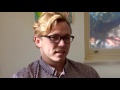
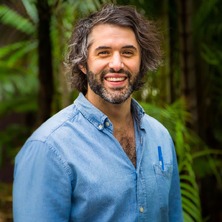
Associate Professor Anna Eriksson is an international leader in comparative penology and criminal justice reform at Monash University's Department of Criminology. She holds roles as Convenor of the Criminology program and previously led the Bachelor of Criminology degree. Her work bridges empirical research with interdisciplinary theory, focusing on Nordic penal exceptionalism, neurodisabilities in criminal justice systems, and veterans' transitions between military and correctional environments. Research highlights include a 2012 DECRA Fellowship exploring 'othering' in Australian and Norwegian prisons, and an ARC Discovery Grant (2021–2026) on social infrastructure in prisons. Collaborations span Canada, the UK, and Germany, addressing prison staff dynamics and neurodisability policy. She co-edited Neurodisability and the Criminal Justice System (Edward Elgar, 2021) and advises the Open Door network on veteran integration. Key awards include the 2009 New Scholar Award and a 2013 High Commendation for her book Contrasts in Punishment . Her media engagement includes podcasts and expert commentary on youth detention design and prison reform. Research Themes: Nordic penal systems, restorative justice, veterans in criminal justice, arts-based interventions. Grants: ARC DECRA (2012), SSHRC Insight (2020), ARC Discovery (2021). Publications: Over 50 articles/chapters, including works on prison staff interactions, neurodisability policy, and cross-cultural penology.
Amy Mullens is a Professor at the School of Psychology and Wellbeing , University of Southern Queensland. She serves as Research Theme Leader for Health Equity at the Centre for Health Research (CHR) and contributes to the Institute for Resilient Regions (IRR). Her work focuses on vulnerable communities , with emphasis on sexual health/HIV , diabetes , COPD , substance use , and health behavior change . Education : BA (St Catherine), MSc (North Dakota SU), PhD (QUT). She is a Fellow of the Australian Psychological Society with Clinical and Health Psychology Endorsements . Her research spans public health , gender studies , and clinical psychology , particularly transgender health , health equity , and social determinants of health . Recent work includes STI/HIV risk modeling , prison health interventions , and LGBTQIA+ mental health . Key scientific awards include: Fellow, Australian Psychological Society Clinical Psychology Endorsement Health Psychology Endorsement Accredited Supervisor (STAP) She supervises doctoral and masters students in areas like transgender incarceration , STI prevention , and health equity . Industry affiliations include clinical credentialed work with West Moreton Health Service , membership in Australasian Society of Behavioural Medicine , and advocacy through Sexual Health Society Queensland .
Glen Bates is a Professor in the School of Health Sciences at Swinburne University of Technology , Australia. His research focuses on trauma, mental health, and psychological well-being, with a particular emphasis on social anxiety, complex PTSD, self-compassion, and resilience. He has a strong publication record and actively supervises PhD students across diverse topics in clinical and health psychology. His research interests span several interconnected domains: Clinical and health psychology, especially trauma-related disorders and mood disorders Social and personality psychology, focusing on stigma, resilience, and identity Applied and developmental psychology, including educational and workplace mental health Digital mental health interventions and telehealth applications Mechanisms of therapy such as emotion regulation, mindfulness, and nonattachment His recent publications reveal a consistent focus on understanding psychological mechanisms in anxiety, trauma, and resilience. The articles show strong use of advanced statistical methods (meta-analysis, structural equation modelling) and qualitative approaches (thematic analysis, phenomenological inquiry). Key themes include the measurement and treatment of complex PTSD, the role of self-compassion and emotion regulation in social anxiety, resilience among marginalized populations, and the impact of societal challenges like the pandemic and food insecurity on mental health. Scientific contributions include: Over 100 publications including high-impact journal articles Systematic reviews and meta-analyses advancing methodological rigor in trauma and anxiety research Development and validation of digital interventions for mental health Exploration of novel constructs such as nonattachment and their role in psychological development He has supervised numerous Doctoral (PhD) candidates, with projects covering areas such as EMDR therapy, digital mental health, intergenerational trauma, HIV resilience, and workplace stress. His grant funding includes projects on monitoring anxiety and depression nationally and on raising teacher status through social innovation. He leads a research program that bridges clinical psychology with public health and educational innovation. He is actively involved in research teams and collaborations, particularly in projects related to trauma, mental health interventions, and social innovation in education. His work often involves interdisciplinary collaboration across psychology, public health, and digital technology.
Dr. Chelsea Litchfield is an Associate Professor in Human Movement and Associate Head of School (Staff Supervision and Development) at Charles Sturt University’s School of Exercise Science, Sport and Health. Her research focuses on sport-media intersections, with particular emphasis on gender, (online/social/ traditional) media representations, and inclusion for marginalized groups including women, Indigenous people, and LGBTQI+ communities in sports. PhD in Sport Sociology from Victoria University Honours in Human Movement (Class 1) Bachelor of Applied Science in Physical Education Dr. Litchfield’s work examines how critical feminism and post-feminist theories can interrogate gendered dynamics in sports media, athlete experiences, and leadership roles. She has established collaborations with Australian universities and Bournemouth University (UK), and her research spans topics such as: Gender inequality in sports media coverage Social media abuse targeting athletes Safe spaces for LGBTQI+ athletes Indigenous participation in sports Intersectionality in sport leadership Media framing of performance-enhancing drugs Her publications from 2025–2023 reveal a thematic focus on Australian sports culture through critical lenses like media analysis, feminist theory, and social inclusion. Recent articles include studies on Holden’s influence on motorsport, gendered barriers in regional golf, and inclusive physical activity policies for rural communities. Dr. Litchfield actively mentors students as Honours Coordinator and chairs the Research Management Committee. She collaborates with institutions like Victoria University and Bournemouth University, and participates in networks such as: Australian Sociological Association (TASA) Sport Thematic Group International Sociology of Sport Association (ISSA) Charles Sturt’s Social Equality Intersectionality & Inclusion Research Group Her teaching includes courses on: Sport and media relationships Sport ethics Indigenous identity in sports Research methods in exercise science Dr. Litchfield’s research output demonstrates a commitment to addressing systemic inequities in sports through interdisciplinary approaches combining sociology, media studies, and public health.
Andrea McCloughen is an Associate Professor in Mental Health Nursing and Director Academic Education at the Susan Wakil School of Nursing and Midwifery, University of Sydney. She holds a PhD from University of Western Sydney and is a respected researcher and clinician in mental health nursing, with expertise in Open Dialogue, emotion regulation, and healthcare education. Her leadership roles include Director Postgraduate Advanced Studies and Coordinator of Mental Health Nursing programs. She is a Fellow of the Australian College of Mental Health Nurses and Senior Fellow of Advance HE. Education: PhD (UWS), MN (Mental Health) (UWS), BN (UWS) Certifications: Credentialled Mental Health Nurse, Open Dialogue Therapist, Mental Health First Aid Instructor Research focuses on Open Dialogue practices, mental health service innovations, and healthcare student education. Key projects include implementing Open Dialogue in schools and mental health systems, and examining physical health management in mental health populations. Teaching contributions span undergraduate and postgraduate nursing programs, emphasizing recovery-oriented care and advanced practice roles. She has led multiple educational grants totaling over $100k, including innovations in clinical debrief models and cooperative learning with mental health consumers. Awarded over a dozen honors including the Makers and Shapers Award (2023) and multiple Best Paper awards. Supervised 12+ HDR students, with active projects on emergency nursing protocols and Open Dialogue impacts. Collaborates internationally, particularly with Danish researchers on physical health in schizophrenia.
Brin Grenyer OAM is Senior Professor of Psychology at the University of Wollongong and Director of the Project Air Strategy for Personality Disorders, in partnership with NSW Health. He is an internationally recognised leader in the science and treatment of personality disorders and serves as President-Elect of the International Society for the Study of Personality Disorders (ISSPD) with a term spanning President-Elect (2022-23), President (2024-25), and Past President (2026-2027). Professor Grenyer maintains active clinical practice through the Northfields Psychology Clinic and consults widely on patient care issues across NSW, Australia, and internationally. Professor Grenyer's research program focuses on the psychotherapy treatment of chronic and complex psychological problems, with particular emphasis on personality disorders (especially Borderline Personality Disorder), self-harm, suicidal ideation, chronic depression, aggression and violence, early attachment relationships, and substance dependence. His methodological approach integrates quantitative clinical measures, biomedical assessments, psychotherapy process research, qualitative lived experience narratives, and longitudinal studies to develop comprehensive understanding of complex mental health conditions. Analysis of Professor Grenyer's recent publications reveals a sophisticated evolution in his research focus, with increasing attention to dimensional assessment frameworks like ICD-11, gender differences in personality pathology, digital interventions (particularly the Air Therapy program), telehealth delivery of psychotherapy, and implementation science approaches to integrate evidence-based treatments into healthcare systems. His work demonstrates a consistent commitment to bridging research evidence with clinical practice while incorporating lived experience perspectives. Professor Grenyer's scientific contributions have been recognized through significant awards: Medal of the Order of Australia (OAM) for service to psychology (2021) College of Clinical Psychologists Ian M Campbell Memorial Prize (2020) World top 1% (top 0.21%) of experts in Borderline Personality Disorder (2011-2021) Professor Grenyer has supervised numerous doctoral and master's students across a wide spectrum of topics related to personality disorders, self-harm, and psychotherapy processes. His research program has secured over 50 grants totaling more than $18 million in funding from diverse sources including NHMRC, university strategic funds, and health organizations. Major projects include the Air Therapy initiative, Project Air Strategy for Personality Disorders, and studies on lived experience perspectives in mental health services. Professor Grenyer directs the Project Air Strategy for Personality Disorders and maintains clinical involvement through the Northfields Psychology Clinic. His work uniquely integrates academic research, clinical practice, professional leadership (including his role as Foundation Chair of the Psychology Board of Australia from 2009-2018), and healthcare system implementation to advance the field of personality disorders treatment.
David Armstrong is Associate Professor in Inclusive and Specialist Education at La Trobe University's School of Education, internationally recognized for advancing educational inclusion and ethically sound disability education. As a trusted advisor to Australian federal/state governments, disability advocacy organizations, and international human-rights bodies, he leads translational research addressing complex educational challenges. His educational background includes a PhD in Inclusive Educational Curriculum from De Montfort University (1994-1998), MEd Psychology with British Psychological Society accreditation from University of Manchester (2005-2006), and PG Diploma in Specialist Teaching from London South Bank University (1999-2000). Research focuses on transnational educational equity with core areas: Disability Inclusion, Evidence-Based Teaching, Mental Health Literacy, Behaviour in Schools, Dyslexia/ADHD, and Multidisciplinary Teams Key funded projects: Occupational Violence reduction in schools, Suspension reduction for disabled students, Culturally responsive First Nations education, NDIS reform leveraging school impacts, and International school attendance analysis Served as expert witness and scoping consultant for Australia's Disability Royal Commission (2020-2023) Regular media commentator for SBS and ABC on disability inclusion and educational policy Lead author of Educational Trends Exposed (2022) analyzing global educational trends His 15 most recent publications reveal strong emphasis on policy-practice translation, with recurring themes in disability rights, suspension reduction, and wicked problems theory applied to educational behavior challenges. Research spans Australian, UK, and Asia-Pacific contexts with significant policy impact including Disability Royal Commission contributions. Current leadership includes the Momentum Schools Extension Project (2025-2027) funded by Helen Macpherson Smith Trust, focusing on inclusive educational models. His work consistently bridges academic research with frontline educational practice through partnerships with schools, regulators, and disability organizations.
Sarah Liddle is a Lecturer and Psychology Research Fellow at Monash University's School of Psychological Sciences, affiliated with the Turner Institute for Brain & Mental Health. She holds a PhD in Clinical Psychology (2022) and a Bachelor of Psychology (Honours Class 1) from the University of Wollongong (2014). Her research focuses on adolescent mental health, suicide prevention, and sport-based interventions. She teaches in postgraduate clinical psychology programs and coordinates Master of Clinical Psychology placements. Key projects include developing the 'Help Out a Mate' sports intervention for adolescent males, evaluating suicide prevention training for aged care workers, and co-designing mental health literacy programs for journalists. She has served as an editorial board member for PLoS ONE and peer reviewer for journals like Behaviour Research and Therapy. Her work addresses UN SDGs related to mental health and education, emphasizing context-specific interventions and improving psychology student competencies. Current supervisory roles include mentoring one Master's and two PhD students in mental health/sport-related research.
Kathleen Riach is an Adjunct Professor (Research) in the Department of Management at Monash Business School, Monash University. She is actively engaged in research on ageing at work, gender, identity, and workplace inclusion, with a recent focus on menopause and leadership equity in healthcare. She collaborates widely across institutions and sectors and is involved in PhD supervision. Research Interests: Ageing and employment Gender and career trajectories Workplace menopause support Organizational equality and diversity Emotions, sexuality, and the body at work Qualitative and arts-based methodologies Her research explores how marginalized aspects of identity shape workplace experiences. She has led major projects on advancing women in healthcare leadership and supplier diversity, often using interdisciplinary and innovative methods. Recent Publication Trends: Her recent work centers on menopause in the workplace, gender equity in healthcare leadership, and ageing in professional contexts. Her publications appear in top journals such as Organization Studies , Human Relations , and JAMA Network Open , reflecting interdisciplinary impact across management, sociology, and public health. Scientific Awards: Monash Business School Dean's Award for Research Excellence (2016) Advising and Grants: She is accepting PhD students and has been a Chief Investigator on multiple competitive grants, including NHMRC-funded projects. Notable projects include Advancing Women in Healthcare Leadership and Menopause Information Pack for Organizations (MIPO) , which translates research into practical workplace resources. Labs and Teams: She collaborates with interdisciplinary teams at Monash University, the University of Melbourne, and healthcare institutions. She co-leads initiatives like MIPO, which aims to embed menopause support in organizational practice through open-access resources.
Suzanne McLaren is a Professor of Psychology at Charles Sturt University, focusing on aging well, rural and regional mental health, and LGBTQ+ psychosocial well-being. She contributes to the Ageing Well Research Group , Resilience Across the Lifespan Research Group , and Psychosocial Well-being of Rural and Regional Australians Research Group . Her research explores: Self-compassion and trauma responses in healthcare workers Psychosocial determinants of suicide risk in marginalized populations Telehealth accessibility for aging Australians during crises Belonging and mental health disparities in rural LGBTQ+ communities Recent work includes evaluating suicide prevention programs, relocation stress interventions in aged care, and analyzing how internalized stigma impacts depression across gender/sexual identities. She supervises HDR students and co-led projects on paramedic mental health. Key activities include: Chairing research integrity committees until 2024 Developing academic content creation initiatives Advising on ethical research frameworks
S. Alexander Haslam is a Professor of Social and Organizational Psychology and Laureate Fellow at the University of Queensland's School of Psychology, where he maintains an active research program with over 300 peer-reviewed articles and 15 authored or edited books. He currently serves as Associate Editor of The Leadership Quarterly and previously held the Chief Editor role for the European Journal of Social Psychology . His work bridges academia and real-world application through interventions like Groups 4 Health and More Than Sport, targeting mental health via social identity principles. Haslam's research centers on social identity theory and group processes across organizational, health, and social contexts. He examines how shared identities influence leadership, mental health outcomes, and collective resilience, with key applications in workplace stress, athletic performance, retirement transitions, and emergency response interoperability. His social identity model of leadership challenges traditional views by emphasizing group-based influence, while interventions such as social identity mapping directly address loneliness through community identification. The 2025 articles reveal three dominant trends: (1) mental health applications in high-stress occupations (construction, emergency services), (2) identity leadership in sports across cultures, and (3) organizational identity in crisis scenarios. Methodologically, they feature randomized controlled trials, longitudinal designs, and cross-national collaborations—particularly in Japan and Europe—validating the social identity approach for loneliness reduction, team performance, and ethical behavior. Common threads include psychological safety, group membership multiplicity, and intervention scalability. Scientific awards include Distinguished Contribution to Psychological Science from both the Australian Psychological Society and British Psychological Society, plus his 2022 appointment as a Member of the Order of Australia for 'significant service to higher education, particularly psychology, through research and mentoring.' While specific grant details are absent, his work is embedded in major collaborative projects like the Global Identity Leadership Development Project and pandemic response studies. He mentors researchers globally, with his leadership evident in large-scale cross-cultural teams (e.g., 25+ co-authors on Capitol attack analysis). Policy impact is demonstrated through advisory roles in social prescribing and mental health frameworks. Haslam co-leads the Groups 4 Health intervention team and develops tools including the Identity Leadership Inventory–Youth (ILI-Y) and Visual Identity Leadership Scale (VILS). His research group collaborates across sports, clinical, and emergency domains, with ongoing projects on psychedelic therapy, retirement transitions, and AI-human interaction. The BBC Prison Study remains a foundational reference for his organizational identity work.
Associate Professor James N. Kirby is a Clinical Psychologist and Co-Director of the Compassionate Mind Research Group at the School of Psychology, University of Queensland. He holds affiliate positions at the Parenting and Family Support Centre, Early Cognitive Development Centre, and Centre for Health Outcomes, Innovation and Clinical Education (CHOICE), all within the Faculty of Health, Medicine and Behavioural Sciences. Additionally, he maintains a Visiting Fellowship at the Center for Compassion and Altruism Research and Education at Stanford University and is an Honorary Member of the Compassionate Mind Foundation UK. Dr. Kirby earned his Bachelor (Honours) of Psychological Science and Doctor of Philosophy from the University of Queensland. His expertise spans clinical psychology with a specialization in compassion research and interventions. Dr. Kirby's research focuses on compassion and its applications in mental health. His work examines factors that facilitate and inhibit compassionate responding, with particular attention to how compassion-focused interventions help address self-criticism and shame underlying depression and anxiety disorders. His research spans multiple domains including parenting, athlete well-being, mental health in the performing arts, and compassion in healthcare settings. He investigates compassion from multiple angles: as a transdiagnostic treatment target, its neurophysiological correlates, its relationship to social rank and attachment, and its application in diverse populations including autistic adults and fathers. His recent publications reveal a strong emphasis on practical compassion-focused interventions across diverse contexts. There's a clear trend toward examining compassion's physiological correlates (particularly heart rate variability), its application in specific populations (autistic adults, athletes, performing artists), and its role in addressing specific mental health challenges like weight stigma in lipoedema. His work increasingly incorporates digital assessment tools and examines compassion in everyday life through experience sampling methods. The research demonstrates how compassion functions as a cross-cutting therapeutic mechanism applicable across multiple mental health conditions. Associate Editor, Mindfulness journal Associate Editor, Psychology & Psychotherapy: Theory, Research & Practice Author of Choose Compassion (2022) Co-editor of Making an Impact on Mental Health (2020) Co-author of Essentials of Compassion Focused Therapy: A Practice Manual for Clinicians (2024) Dr. Kirby is actively involved in research supervision, currently overseeing multiple PhD candidates across diverse projects related to compassion. His current supervision includes research on deepening self-compassion, online compassion skills training, compassion in healthcare, gender and sexuality perspectives on body image, and compassion-based interventions for caregivers of children born preterm. He has successfully supervised several PhD students to completion, with research focusing on social and affective impacts of attachment, compassion-focused therapy for body weight shame, neurophysiological correlates of compassion, and compassion in parenting contexts. His grants portfolio includes projects funded by Australian Red Cross Lifeblood, Anglicare Southern Queensland, Metro North Hospital and Health Service, and YoungCare Ltd. As Co-Director of the Compassionate Mind Research Group, Dr. Kirby leads a multidisciplinary team dedicated to advancing the science and application of compassion. His current research examines compassion in blood donation, the justice system, traumatic pregnancy, and compassionate decision-making, demonstrating the breadth and impact of his work across multiple domains of human experience.
Dr Helen Parker is a Research Fellow in the Discipline of Exercise & Sport Science, School of Health Sciences, at the University of Sydney. Her work bridges nutrition, exercise science, and women's health. She holds a PhD (2015) and a Graduate Certificate in Educational Studies (2019), and is a Fellow of the Higher Education Academy. Her research explores body composition, omega-3 supplementation, gamified mobile apps for cardiac rehabilitation, and weight stigma in young women. Research trends from her 15 most recent publications (2025–2015) span cardiometabolic health, digital health interventions, obesity management, and behavioral nutrition. Key projects include the MyHeartMate gamification app and the everyBODY study targeting weight stigma. Scientific awards: Heart Foundation Vanguard Grant Rotary Mental Health Australia Funding Australia Nutrition Trust Fund Scholarship Multiple Higher Education and Research Society Awards She teaches in the Bachelor of Applied Science (Exercise & Sport Science, Exercise Physiology) and guest lectures across Physiotherapy, Nursing, and Nutrition programs. Active in professional societies including the Nutrition Society of Australia and Australian Cardiac Rehabilitation Association .
Xochitl De la Piedad Garcia is an Associate Professor of Psychology affiliated with the School of Behavioural and Health Sciences within the Faculty of Health Sciences. Her research focuses on LGBTQ+ mental health, weight stigma, eating disorders, and cyberbullying, with a strong emphasis on systematic reviews and meta-analytic approaches. She has contributed extensively to understanding the impacts of identity salience, discrimination, and stigma across diverse populations. Recent work highlights her leadership in addressing weight stigma through collaborative public health initiatives and advancing measurement tools like the Identity Salience Questionnaire (ISQ). Her interdisciplinary research bridges clinical psychology, public health, and social psychology. Key research interests include: LGBTQ+ identity dynamics and mental health resilience Psychosocial correlates of weight stigma in healthcare and community settings Eating disorder treatments and predictors of bariatric surgery outcomes Cyberbullying prevention and its psychosocial impacts on adolescents Her work has been published in high-impact journals such as Psychological Bulletin , Obesity Reviews , and Journal of Sex Research . Collaborations span international teams addressing stigma reduction and improving mental health interventions.
Associate Professor Loyola McLean holds positions at the University of Sydney's Brain & Mind Research Institute and Sydney Medical School. She is a Consultation-Liaison Psychiatrist, Psychotherapist, and Psychotherapy Educator with affiliations including Royal North Shore Hospital and the Sydney West Psychiatry Training Network. Her research focuses on trauma-informed care, integrative body-mind medicine, and attachment theory applied to mental health and chronic illness. Key interests include psychotherapy efficacy, stress system disorders, and medical education innovations. Education: PhD in biomedical research (depression-cardiovascular disease link) Grants: Includes studies on psychiatry trainee well-being and trauma interventions for burn survivors Current Projects: EMDR therapy for burn injury survivors, trauma-informed care in sexual assault services, and neurobiological aspects of functional neurological disorders Research spans 20+ years with over 100 publications. Her work bridges clinical practice and neuroscience, emphasizing interdisciplinary approaches to complex trauma and chronic illness recovery. She collaborates on RCTs evaluating therapies like EMDR and conversational model interventions. Teaching focuses on psychotherapy education, attachment theory, and research methodologies. She supervises students exploring topics like conversational model applications in psychiatry and functional neurological disorders.