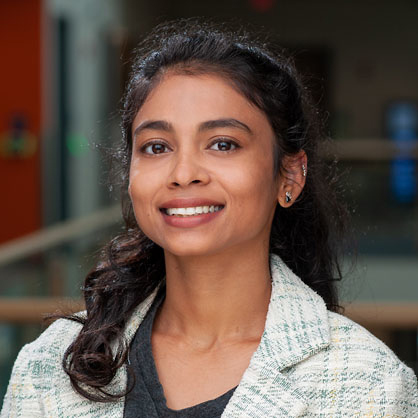
Dr. Avner Ofrath is a Researcher in Modern and Contemporary History at the University of Bremen , specializing in citizenship and public spheres in the Middle East and North Africa. His work bridges colonial history, Mediterranean studies, and urban dynamics. Academic Rank: Researcher Department: Department of Social Sciences Research Focus: He explores the colonial origins of French citizenship in Algeria, resistance to political terminology by local populations, and the dissolution of Mediterranean urban spaces as political arenas in Jerusalem under late Ottoman and British colonial rule. His work integrates multilingual sources (French, Arabic, Judeo-Arabic) and transnational perspectives. Articles & Trends: His publications analyze legal exclusion in colonial contexts, postcolonial Mediterranean identities, and ethical challenges in archival research. Notably, he connects historical migration patterns to modern urban conflicts and critiques Eurocentrism in global history. Grants: Funded by the Mellon Foundation Gerda Henkel Stiftung Society for the Study of French History His work emphasizes interdisciplinary methodologies and decolonial historical frameworks.
Bridget Whearty serves as an Associate Professor in the English, General Literature and Rhetoric department at Binghamton University, where she also holds affiliation with the Center for Medieval and Renaissance Studies. Her academic work spans multiple disciplinary boundaries, connecting literary studies, medieval scholarship, and digital humanities with critical perspectives on information and archival practices. Whearty earned her PhD from Stanford University and completed her BA at the University of Montana. Her educational background informs her interdisciplinary approach that bridges traditional literary scholarship with contemporary digital methodologies and critical theory. Her research interests focus on queer and trans perspectives in medieval literature and material culture, with particular attention to how digital technologies reshape our understanding of medieval manuscripts. She explores how digital humanities projects engage with issues of labor, representation, and erasure in both historical and contemporary contexts. Her work critically examines the intersections between medieval book production, modern digital scholarship, and the politics of archival representation. Whearty's publications reveal a consistent thread connecting medieval manuscript studies with contemporary digital practices, particularly examining how digital projects handle issues of labor, representation, and accessibility. Her work demonstrates how medieval studies can inform contemporary digital humanities practices while simultaneously using digital methodologies to uncover new perspectives on medieval texts and material culture. Her notable awards include the 2023 John Grace Memorial Book Historian in Residence at the University of British Columbia, the 2022 Harpur College Faculty Research Grant, and the 2020 New Chaucer Society Early Career Essay Prize. Additional recognition includes the University of Glasgow Library Visiting Research Fellowship and multiple internal Binghamton University research awards. Whearty has been actively involved in grant-funded research initiatives, particularly through her role as co-Principal Investigator of 'Always Here: a Queer+Trans Global Medieval Sourcebook,' an emerging digital project and open educational resource. Her community engagement includes participation in the Center for Civic Engagement's Community Engaged Teaching Fellows Program. She is the creator of the influential Caswell Test (#CaswellTest), which challenges humanities scholars to engage more rigorously with the work of archivists and librarians when writing about 'the archive.' This framework has gained recognition for addressing critical gaps in how scholars conceptualize archival labor and representation.
Dr Joanne Yoo is a Senior Lecturer in the School of Education within the Faculty of Arts and Social Sciences at the University of Technology Sydney (UTS). She specializes in teacher education with expertise in writing pedagogy, academic literacy, and qualitative research methodologies. Her academic profile demonstrates extensive engagement with pre-service teacher education across primary and secondary programs at UTS, where she has worked intensively in quality teacher education development. Joanne began her career teaching English and ESL to secondary students in South Korea, where she first explored autoethnography and narrative inquiry methodologies. Her educational background in teaching English and ESL formed the foundation for her current research trajectory focused on writing as inquiry and embodied practices in academic contexts. Her research centers on writing as inquiry and embodied practices in academic work, investigating how creative, poetic, and sensory-rich writing approaches can transform research and teaching. She challenges conventional academic writing norms by advocating for methodologies that bridge personal and professional knowledge through lived experience. Her book Evocative Qualitative Inquiry Writing and Research Through Embodiment and the Poetic (2022) provides a comprehensive framework for understanding writing as an aesthetic and embodied practice in academic research. Analysis of her publication record reveals consistent exploration of feminist research methodologies , time and temporality in academia , and the relationship between embodiment and knowledge production . Her work often examines the tensions between institutional demands and authentic academic practice, particularly how writing can serve as a transformative tool for both teachers and researchers navigating contemporary academic pressures. Joanne actively supervises Masters Research and PhD students and has secured significant research funding including 'A day in a life' of a child in Australia and Korea (2019-2026), the Claremont PBL project (2016-2017), and research on the Implementation of the New English K-10 Syllabus (2015-2017). Her collaborative work extends through the UTS Hub School partnership with Sydney primary schools, demonstrating her commitment to bridging theory and practice in teacher education with attention to how creative writing approaches enhance both teacher development and student learning outcomes.
Dr. Christina Haag is a postdoctoral researcher at the Institute for Implementation Science in Health Care , affiliated with the Faculty of Medicine at the University of Zurich . She leads interdisciplinary projects at the intersection of mental health, digital health, and computational linguistics, focusing on chronic illnesses like multiple sclerosis (MS). Her work leverages free text, sensor data, and advanced analysis techniques such as hierarchical modeling and natural language processing (NLP). Doctorate from the Institute of Psychology, University of Zurich Research experience at the MRC Cognition & Brain Sciences Unit, University of Cambridge Her research explores: Daily-life mental and physical health indicators in MS Development of NLP methods for text classification and topic modeling Digital biomarker creation using wearable sensor data Mindfulness interventions for affective executive control Implementation of remote monitoring tools in healthcare Her recent publications highlight trends in applying NLP and machine learning to unstructured health data, analyzing MS activity patterns, and refining interdisciplinary research methodologies. She contributes to DSI communities including AI & Law , Health , and Ethics , and collaborates on projects like BarKA-MS and DSI-Approach . She is a core member of the UZH Digital & Mobile Health Group , working under Prof. Viktor von Wyl.
Sana Bilgrami serves as a Lecturer in the School of Arts and Creative Industries at Edinburgh Napier University, where she teaches introductory and advanced documentary film practice to undergraduate students. An award-winning Pakistani-born filmmaker, her creative and research work interrogates cross-cultural identity through innovative techniques including 8mm film, archival materials, and intimate voice-over narration. She actively bridges academic research with creative practice through international collaborations spanning Scotland and Pakistan. Bilgrami's research centers on the cinematic representation of South Asian women in Scottish cinema, the use of personal voice in documentary filmmaking, and the interplay between historical archives and geographical spaces. Her practice-based approach explores portrait films, essay films, and fiction-documentary crossovers to examine diasporic identity formation. This work consistently addresses themes of cultural heritage, migration, and memory through both scholarly analysis and creative outputs. Recent publications (2020-2024) reveal a cohesive trajectory examining representation politics through interdisciplinary lenses combining film studies, gender theory, and postcolonial critique. Her outputs demonstrate methodological innovation through autoethnographic film practice, collaborative curation, and archival experimentation, with particular emphasis on South Asian diasporic experiences in Scotland. This body of work consistently bridges theoretical frameworks with tangible creative outcomes across film and visual arts. Scientific Awards: Shortlisted for BAFTA Scotland Award (Tree Fellers, 2004) Shortlisted for Satyajit Ray Award (Across the Waters, 2004) Award at Scottish Students on Screen (Under My Skin, 2001) Shortlisted for Saltire Grierson award (Under My Skin, 2001) Best Documentary at Chichester Film Festival (Under My Skin, 2001) Bilgrami has secured significant research funding including a £7010 grant from the Royal Society of Edinburgh (2021-2024) for her project on South Asian women in Scottish cinema, a Creative Scotland development grant for her feature documentary 'The Album', and a 'Connect and Collaborate' grant from the British Council and Creative Scotland for the 'Ecologies of Displacement' international artist residency. While she teaches undergraduate film students, no formal graduate advisees are documented in her current profile. She collaborates extensively through Edinburgh Napier University's Centre for Creative Practice Research and Centre for Child & Family Law and Policy, while maintaining active partnerships with Koel Gallery (Pakistan), Summerhall (Edinburgh), and Art in Healthcare. Her international projects like 'Landscape of Memory' and 'Ecologies of Displacement' demonstrate sustained commitment to building transnational artistic networks focused on displacement, memory, and cultural exchange between South Asian and Scottish communities.
Gwynn Morris is a Professor of Psychology and Department Chair for Psychology & Social Work at Meredith College. She joined the faculty in 2008 and specializes in lifespan development and memory studies, particularly focusing on autobiographical memory retention and childhood amnesia. Her research explores emotional influences on memory narratives in older adults and predictors of early memory persistence. Education: Ph.D. in Psychology, North Carolina State University M.S. in Psychology, North Carolina State University B.S. in Biology, University of North Carolina at Chapel Hill Her research interests center on developmental psychology, cognitive processes in memory, and intergenerational connections. Notable projects include examining language acquisition’s role in childhood memory retention and fall-risk reduction in older adults through community-engaged learning. Grants & Collaborations: Co-PI on $13,000 CIC Intergenerational Connections Grant for home safety modifications and in-home exercise programs targeting socially isolated older adults. She actively presents at conferences such as the American Psychological Association and Eastern Psychological Association, focusing on teaching methodologies, academic self-efficacy, and intergenerational resilience strategies.
Dr. Terrah Foster Akard is a Professor of Nursing and Medicine at Vanderbilt University, where she holds appointments in the School of Nursing and serves as Associate Dean for Academic Affairs in the Graduate School. Her academic credentials include a Bachelor of Science from Jacksonville State University, a Master of Science in Nursing from Vanderbilt University, and a PhD in Nursing Science from Vanderbilt University. Her research program focuses on developing innovative psychosocial interventions for pediatric palliative care populations, with emphasis on: Legacy-making activities to improve quality of life Grief processing and continuing bonds in bereaved families Web-based recruitment and intervention delivery methods Novel approaches like animal-assisted interactions and digital storytelling She leads significant federally-funded projects including: NIH/NINR R01 on legacy interventions in pediatric palliative care (2014-2019) Rita & Alex Hillman Foundation grant for nurse-led storytelling interventions (2021) American Cancer Society funding for web-based pediatric oncology research Publication analysis reveals consistent focus on improving psychosocial outcomes through: Qualitative and mixed-methods exploration of family experiences with serious illness; Development and validation of digital health interventions; Investigation of pandemic impacts on vulnerable pediatric populations; Innovative methodologies for palliative care research involving children. Honors include: Fellowship in the American Academy of Nursing (FAAN) Robert Wood Johnson Foundation Nurse Faculty Scholar Award Professional service includes leadership roles in: Palliative Care Research Cooperative Hospice and Palliative Nurses Association Scientific Committee American Cancer Society Peer Review Committees
Wilhelmina Mulders is an Associate Professor at the University of Western Australia (UWA), based in the School of Human Sciences. She holds dual roles in teaching and research, coordinating neuroscience programs and the Master of Clinical Audiology. Her research focuses on auditory neuroscience, particularly brain plasticity linked to hearing loss, tinnitus, and cochlear implant fibrosis. She has secured over $3.5 million in grants since 2001 from organizations like the NHMRC and Telethon Trust. Education: PhD in Neuroanatomy (Nijmegen, 1997), followed by a postdoc in hippocampal anatomy. Joined UWA’s Auditory Lab in 1997, becoming a tenured faculty member in 2015. Research Interests: Explores auditory system dynamics, including how hearing loss impacts cognition and tinnitus. Techniques include electrophysiology, behavioral studies, and gene/protein expression analysis. Recent work addresses cochlear implant fibrosis and pediatric hearing assessment tools. Awards: School of Human Sciences Research Mentorship Award (2022) Channel 7 Telethon Grants (2021, 2022) Teaching & Grants: Coordinates multiple courses (e.g., NEUR5011, PHYL5501) and leads 15 active grants, including projects on auditory processing interventions and pediatric audiology equipment. Labs & Teams: Active in the Auditory Laboratory at UWA, collaborating on projects like silk-based tympanic membrane repair and auditory cued exercise for children.
William M. (Bil) Clemons, Jr. is the Arthur and Marian Hanisch Memorial Professor of Biochemistry at the California Institute of Technology (Caltech), affiliated with the Division of Chemistry and Chemical Engineering. He has held this position since 2007, following roles as Assistant Professor of Chemistry at Caltech (2005-2007) and earlier academic appointments. His research focuses on membrane protein structure, protein synthesis and translocation, and structural biology techniques such as X-ray crystallography. Education: B.S. from Virginia Polytechnic Institute and State University (1995), Ph.D. from the University of Utah (2000). Research Interests: The Clemons Lab investigates molecular mechanisms of protein transport across membranes, post-translational modifications like glycosylation, and challenges in membrane protein overexpression. Current projects include the Sec/Tat membrane translocation pathways, eukaryotic glycosylation processes, and the Get3 chaperone system for tail-anchored proteins. Techniques employed include X-ray crystallography, biochemistry, mass spectrometry, and electron microscopy. Publications reflect a blend of experimental structural biology and discussions on equity in science, including studies on phage antibiotics, DPAGT1 inhibitors, and the experiences of Black scientists in biophysics. His work bridges fundamental biological mechanisms with translational applications in drug design. Teaching and Mentorship: Prof. Clemons instructs courses like Ch/Bi 110 (Biochemistry) and contributes to advanced seminars (BMB/Ch 202, BMB/Bi/Ch 173). His lab emphasizes training diverse early-career scientists in structural biology, believing inclusivity drives scientific innovation.
Nina Dronkers is an Adjunct Professor in the Department of Neurology at the University of California, Davis, and a Visiting Scientist in the Department of Psychology at UC Berkeley. Her academic career spans over four decades, with expertise in cognitive neuroscience, aphasia, and neurodegenerative disorders. She has held roles as Director of the Center for Aphasia and Related Disorders at the VA Northern California Health Care System and served as President of the Academy of Aphasia and the Society for the Neurobiology of Language. Dr. Dronkers earned her A.B. in Linguistics, M.A. in Educational Psychology, and Ph.D. in Neuropsychology, all from UC Berkeley. Her research focuses on brain-language relationships, including cerebral localization of language functions using advanced neuroimaging techniques. She pioneered studies on aphasia recovery, the neural basis of speech production, and the role of white matter pathways in language disorders. Her work bridges clinical and experimental neuropsychology, with over 100 peer-reviewed publications. Notable contributions include the discovery of the insula’s role in articulation and the re-examination of historical cases like Leborgne (Broca’s Patient) using modern MRI. She has led numerous NIH- and VA-funded grants, mentored dozens of students and fellows, and received prestigious awards such as the VA Research Career Scientist Award and Contra Costa County’s 'Woman of the Year.' Dr. Dronkers has advised over 30 graduate students and postdoctoral fellows, contributing to their success in neuropsychology and neurology. Her labs and collaborations span institutions like UC San Diego, UCSF, and the Max Planck Institute, advancing interdisciplinary research in neurodegenerative diseases and language rehabilitation.
Grant Kien, PhD, is a Professor and Program Director of the MA in Communication at California State University, East Bay's Department of Communication. His research focuses on digital culture, postmodernism, media studies, and actor-network theory, with a particular emphasis on memes, cancel culture, and the intersection of technology with everyday life. He authored Communicating with Memes: Consequences in Post-Truth Civilization and has published widely on topics such as epistemology, transgression, and global networks. Kien’s work often employs qualitative methods and ethnographic approaches to analyze how technology shapes sociocultural dynamics. His articles span themes like the post-truth era, power structures in virtual environments, and the legacy of political figures through an ANT lens. Notably, he explores how digital platforms transform communication, privacy, and identity. Despite his prolific output, no scientific awards are mentioned in the provided texts. As a program director, Kien oversees the MA in Communication curriculum, reflecting his commitment to advancing interdisciplinary scholarship in communication studies. While no advising records or grants are detailed here, his academic role suggests active involvement in graduate education and possibly research initiatives. The Department of Communication at CSUEB is part of the university’s broader commitment to innovative, technology-driven academic programs.
Saul Kassin is a **Distinguished Professor of Psychology** at John Jay College of Criminal Justice, CUNY. As a **Professor Emeritus at Williams College**, he pioneered research on false confessions since the 1980s. He has held leadership roles in the Psychology-and-Law Division of the APA and authored its influential White Paper on false confessions. His work focuses on interrogations, forensic confirmation bias, jury decision-making, and wrongful conviction prevention. **Education**: - Ph.D. in Personality & Social Psychology, University of Connecticut (1978) - Postdoctoral fellowships at University of Kansas, Federal Judicial Center, Stanford University - B.S. in Psychology, Brooklyn College (1974) **Research Interests**: Kassin explores how innocent people confess, the psychological mechanisms behind false confessions, and the systemic flaws in criminal justice systems. He examines police interrogation tactics, juror biases, and the contamination of evidence by confessions. His work emphasizes practical reforms, such as video recording interrogations and curbing forensic bias. **Awards & Recognition**: Recipient of lifetime achievement awards from APA, APS, AP-LS, EAPL, and iiiRG. His contributions are highlighted in media like Ken Burns’ The Central Park Five and his 2022 book Duped . **Grants & Consultancy**: Consulted on high-profile cases and policy reforms. Advocates for transparency in legal processes and has authored textbooks like Social Psychology (12th ed., 2024). **Teams & Labs**: Leads a research group at John Jay conducting experiments on interrogation dynamics, forensic science bias, and legal decision-making.
Peter Oakley is a Professor of Material Culture at the Royal College of Art's School of Arts & Humanities, where he also serves as Co-Lead of the Material Engagements Research Cluster. His academic work bridges anthropology, creative practice, science and technology studies, and industrial heritage through ethnographic, experiential, and object-based research methodologies. Education PhD in Anthropology, University College London (2013) Peter Oakley specializes in the anthropology of materials and making, with particular expertise in sustainability across the crafts and applied arts. His research focuses on two main interconnected areas: the social, environmental, and ecological consequences of metal extraction, refining, and assaying throughout history, and the development of sustainable practices within contemporary craft communities. He employs ethnographic, experiential, and object-focused methodologies to examine material culture from multiple perspectives. Analysis of Professor Oakley's recent publications reveals a consistent focus on the intersection of material culture, sustainability, and ethical practices. His work spans historical examinations of mining heritage and contemporary investigations into ethical gold certification programs, with a particular emphasis on the social and environmental impacts of material extraction and use. There is a clear trajectory toward increasingly applied research addressing current sustainability challenges in the creative industries. Research Leadership and Funding UK Principal Investigator for "Toxic Heritage: Socio-natural Landscapes of Extraction and Pollution in the Harz and Cornwall" (AHRC-DFG funded, 2025-2028) Principal Investigator for "Embedding Carbon Literacy in the Applied Arts" (RCA Impact Development Scheme, 2023-2025) Principal Investigator for multiple AHRC-funded projects including "Carbon Measurement Tools in the Creative Industries" (2022-2023) Principal Investigator for international projects in Thailand, Kazakhstan, and other regions focusing on sustainable craft practices Professor Oakley actively supervises PhD candidates, currently advising Enitan Bankole-Race and Yu Lun Eve Lin, with previous successful completion of Wuthigrai Siriphon's doctoral work. His supervision focuses on material culture approaches to creative disciplines and traditional manual skills. Beyond direct supervision, he has led numerous research teams and secured funding from the Arts and Humanities Research Council, Global Challenges Research Fund, and Special Priorities Fund to support sustainability initiatives across the creative industries. As Co-Lead of the Material Engagements Research Cluster at the RCA, Professor Oakley collaborates with researchers across disciplines to advance understanding of material practices and sustainable approaches in the creative sector. His work connects academic research with practical applications through partnerships with craft communities in the UK and internationally, particularly in Thailand, Scotland, and Germany.
Dr. Shivanjali Khare is an Assistant Professor in the Computer Science department at the University of New Haven, affiliated with the Tagliatela College of Engineering. She leads the SARI (Security and ARtificial Intelligence) Research Lab and teaches courses in Artificial Intelligence and Data Mining. Her research focuses on enhancing cybersecurity through hybrid cryptography, IoT data security, machine learning, and wireless sensor technologies to empower user protection in the digital age. Education: Ph.D. and M.S. in Computer Science from the University of Louisiana at Lafayette (2021 and 2016, respectively). Research Interests: IoT Data Security Hybrid Cryptography Systems Wireless Sensor Networks Big Data Sharing Mechanisms AI-Driven Cybersecurity Solutions Publications highlight contributions in IoT security protocols, cryptographic algorithm optimization, and machine learning applications. Notable work includes energy-efficient secure IoT drone systems (ESIoD) and ensemble learning for anomaly detection in smart homes. Recent outreach includes conducting cybersecurity seminars for senior citizens through the New Haven Free Public Library, demonstrating her commitment to societal impact and public education.
Aixin Hou serves as Professor and Shell Professor in Oceanography/Wetland Studies within the Department of Environmental Sciences at Louisiana State University, specializing in microbial ecology, biogeochemistry, and water quality dynamics in coastal and wetland ecosystems. Her work addresses critical environmental challenges including oil spill impacts, hurricane-related contamination, and climate change effects on vulnerable habitats. Her academic credentials include: B.S.Sc. Microbiology, Peking University, China, 1989 Ph.D. Microbiology, Chinese Academy of Sciences/Ghent University, Belgium, 1997 Dr. Hou's research integrates field studies and laboratory analyses to investigate microbial community responses to anthropogenic disturbances. Key areas include hydrocarbon degradation in oil-impacted marshes, greenhouse gas fluxes from peatlands under freeze-thaw cycles, and nutrient cycling in reclaimed coastal zones. Her methodologies combine molecular techniques with ecosystem-scale observations to assess recovery trajectories and resilience mechanisms. Her publication record demonstrates sustained focus on Deepwater Horizon spill consequences, revealing multi-year recovery patterns in Gulf Coast salt marsh biota and sediment chemistry. Parallel work in Northeast China examines climate feedback loops through methane emissions from thawing permafrost wetlands, while studies in the Yellow River Delta explore invasive species adaptation under combined hydrological and salinity stress. Her distinguished honors comprise: Tiger Athletic Foundation Teaching Award, Louisiana State University (2015) The Rana Athar Memorial Lectureship, Florida A&M University (2015) Pearson Sustainable Solutions Award (2009) Tiger Athletic Foundation Teaching Award, Louisiana State University (2009) Phi Kappa Phi Non-tenured Faculty Award (2006) Eco-Frontier Fellowship, Japanese Environmental Agency (1998, 1999) DIAO Distinguished Research Award, Chinese Academy of Sciences (1996, 1997) NOVO Excellent Graduate Award (1996) While specific grant details and advisee information are not documented in available materials, her extensive collaborative publications indicate active research funding and mentorship across international institutions. Dr. Hou directs field investigations spanning the Gulf of Mexico, Yellow River Delta, and Northeast China peatlands, employing teams that bridge microbiology, biogeochemistry, and remote sensing to advance wetland conservation science.