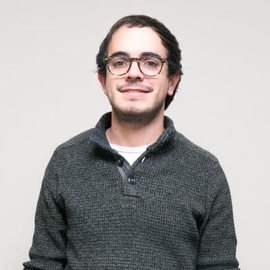
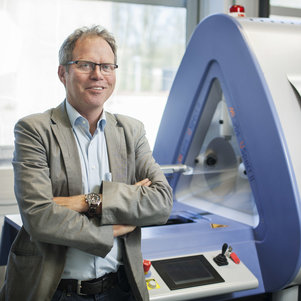
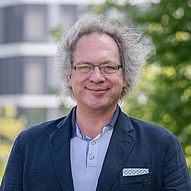
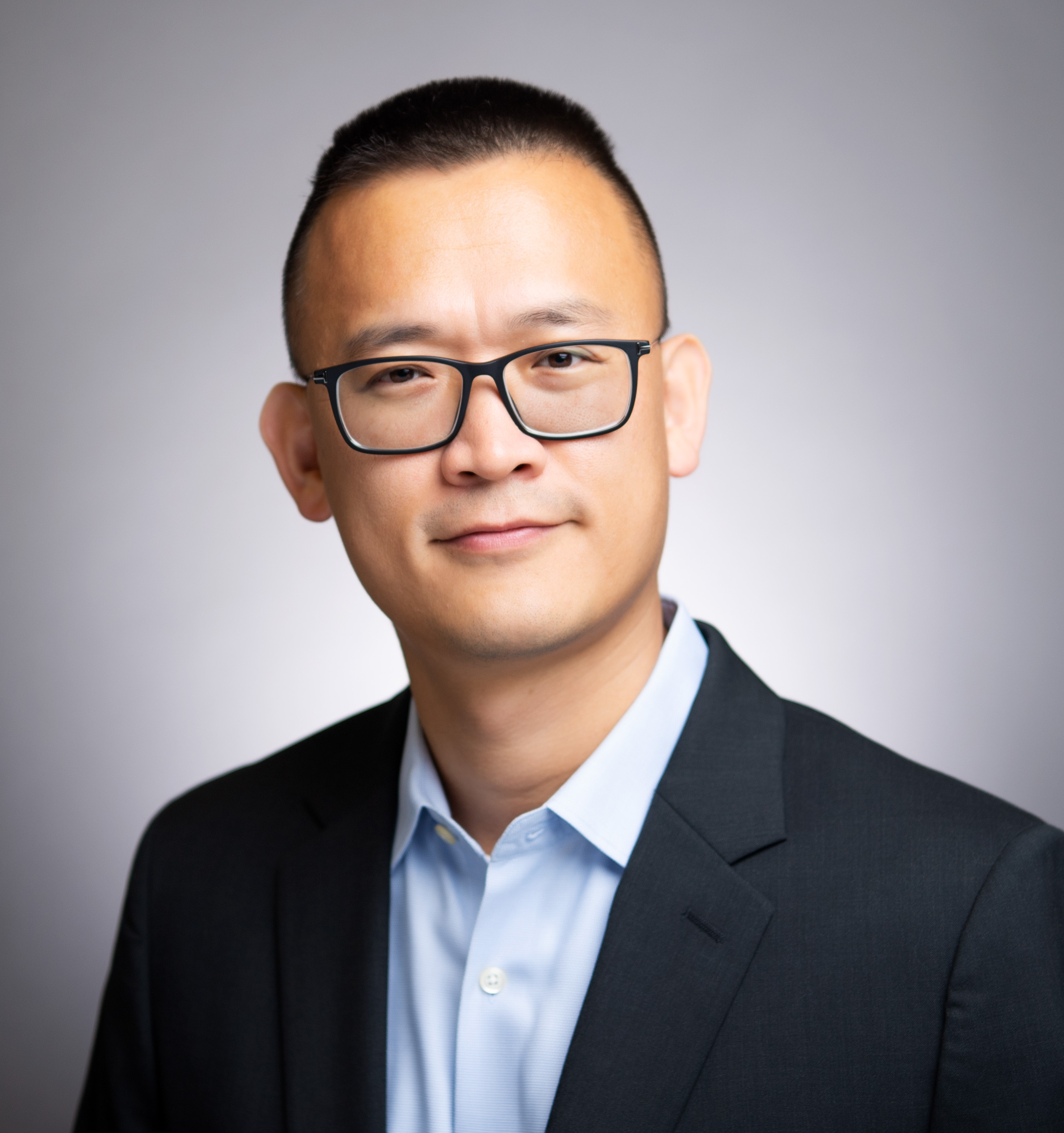
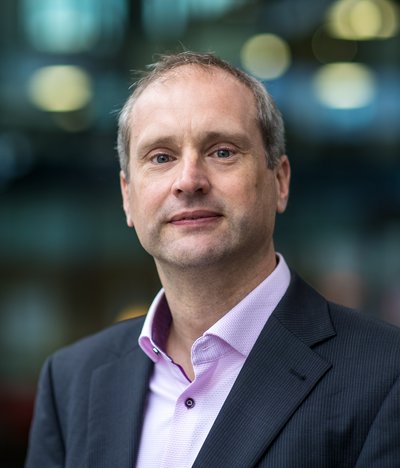
Andrea Santilli is a Research Scientist at Nous Research and holds a PhD in Computer Science from GLADIA at Sapienza University of Rome. His research focuses on large language models (LLMs), robustness, reliability, and multimodal learning. He previously worked at Apple MLR, Hugging Face’s BigScience, and Pi School. He earned his MSc and BSc in Computer Science from Tor Vergata University and Sapienza. Education: PhD in Computer Science, Sapienza University of Rome (2024) MSc in Computer Science, University of Roma Tor Vergata (2020) BSc in Computer Science, University of Roma Tor Vergata (2018) Research Interests: Santilli’s work spans LLM robustness , mechanistic interpretability , multimodal neural databases , and instruction-tuning . He introduced Parallel Jacobi Decoding and contributed to projects like BLOOM, Camoscio, and Fauno. His research bridges syntax-aware NLP, privacy-preserving LLMs, and cross-modal alignment. Publications: His work includes advancements in 3D-text latent space alignment (CVPR 2025), evolutionary merging (ICML 2025), and efficient decoding (ACL 2023). Over 15+ peer-reviewed papers span venues like ACL, CVPR, and ICLR. Awards: Received the Emanuele Pianta Award for his MSc thesis on continual language learning with syntax-based episodic memory. Grants & Projects: Winner of ‘Machine Learning Algorithms for Translation’ grant (2022), developing Parallel Decoding Co-PI for ‘Multimodal AI for 3D Analysis’ (2021) with Ecole Polytechnique Labs & Teams: Active in GLADIA (Sapienza), Apple MLR, and Hugging Face’s BigScience initiative. Core contributor to open-source projects like PromptSource and BLOOM.
Michael Rosenzweig, M.D., M.S., serves as Associate Professor and Chief of the Division of Multiple Myeloma in the Department of Hematology & Hematopoietic Cell Transplantation at City of Hope. A board-certified hematologist-oncologist, he directs the amyloidosis program and specializes in plasma cell disorders including multiple myeloma, AL amyloidosis, Waldenstrom macroglobulinemia, and POEMS syndrome. His educational background includes: B.A. in Psychology from Emory University (1989-1993) M.S. in Physiology and Biophysics (1993-1994) M.D. from University of Arizona College of Medicine (1997-2001) Internal Medicine Residency and Hematology/Oncology Fellowship at Boston Medical Center (2001-2009) Bone Marrow Transplantation Fellowship at Memorial Sloan Kettering Cancer Center (2009-2011) Dr. Rosenzweig's research focuses on novel therapeutic strategies for plasma cell disorders, with particular emphasis on smoldering myeloma intervention and amyloidosis treatment optimization. He actively investigates drug repurposing (leflunomide), monoclonal antibodies (daratumumab), and CAR-T therapies targeting CS1 for light chain amyloidosis. His clinical work involves multidisciplinary collaboration with cardiology, nephrology, and neurology for comprehensive amyloidosis management. His publication record demonstrates consistent focus on translational and clinical research in plasma cell malignancies, with recent work spanning from preclinical CAR-T studies to phase I/II trials of novel combinations for relapsed/refractory disease. Key themes include treatment sequencing, biomarker development, and addressing rare amyloid subtypes. Scientific recognition includes: 2021 IDEA Grant for AL amyloidosis detection 2020 Pfizer grant for TTR amyloidosis management (Co-PI) 2018 Steven Gordon Innovation Grant 2015 David Seldin Research Grant 2013 ASBMT Clinical Research Scholar As an educator, Dr. Rosenzweig mentors hematology-oncology fellows and leads clinical trials through industry partnerships and investigator-initiated grants. His current research portfolio emphasizes diagnostic pathway optimization and therapeutic strategies for precursor conditions. He practices at Duarte Cancer Center with active involvement in the plasma cell disease team and hematopoietic cell transplantation program.
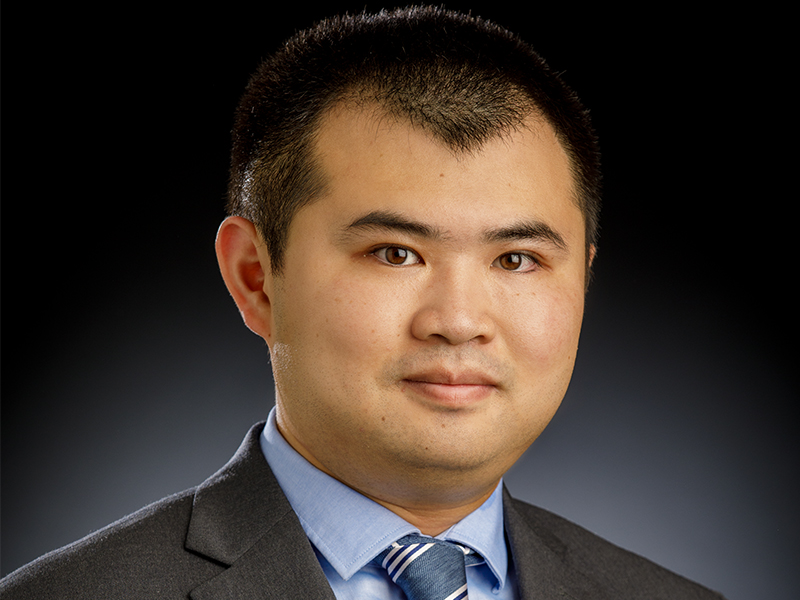
Dr. Chenang Liu is an Associate Professor in the Department of Industrial Engineering & Management at Oklahoma State University's College of Engineering, Architecture and Technology (CEAT). Their research focuses on smart manufacturing systems, real-time quality monitoring, and machine learning applications in manufacturing and healthcare. Ph.D., Industrial and Systems Engineering, Virginia Tech, 2019 M.S., Statistics, Virginia Tech, 2017 B.S., Mathematics (Statistics track), Zhejiang University, China, 2014 B.S., Environmental and Resource Sciences, Zhejiang University, China, 2014 Research Interests: Dr. Liu develops advanced sensing and data analytics methodologies for smart manufacturing, statistical frameworks for real-time quality control, and mathematical models integrating machine learning with healthcare applications. Their work bridges industrial engineering principles with cutting-edge data science techniques. Publication Trends: Recent articles demonstrate expertise in diabetic retinopathy prediction via interpretable AI, supply chain coordination mechanisms, EHR analytics for disease progression modeling, and combinatorial optimization algorithms. Key themes include healthcare data science, resilient manufacturing systems, and stochastic resource allocation. Scientific Recognition: Featured Article in ISE Magazine, IISE, 2019 Gilbreth Memorial Fellowship, IISE, 2018-2019 Best Poster Award, INFORMS Annual Meeting, 2018 Best Student Paper Finalist, IISE Annual Conference, 2018 Best Paper Awards at INFORMS (2017) and IISE (2017)
Julie Legrand is an Assistant Professor in the Mechanical Engineering department at Eindhoven University of Technology , affiliated with the Group Van de Molengraft. Her work focuses on soft robotics , self-healing materials , and medical robotics applications . She designs actuators and sensors for adaptive robotic systems, emphasizing resilience through self-healing mechanisms and embodied intelligence. She teaches courses including Control of a Flexible Robot System , Haptics and Soft Robotics , and Robot-Arm , reflecting her expertise in both theoretical and applied robotics. Her research spans actuator design , material science integration , and minimally invasive surgical robotics , with notable contributions to self-healing actuator validation and continuum robot end-effectors for surgical applications. Legrand collaborates internationally on topics like shape memory alloys and anisotropic materials , and her work has been featured in media for breakthroughs in self-healing polymer limitations in soft robots. She actively contributes to the Medical Robotics research theme at TU/e, advancing interdisciplinary approaches to robotic systems in healthcare.
Professor John D. Kubiatowicz is a faculty member at the University of California at Berkeley in the Department of Electrical Engineering and Computer Sciences since 1998. He holds a PhD in Electrical Engineering and Computer Science (minor in Physics) from MIT (1998), an M.S. in EECS (1993), and a double B.S. in Electrical Engineering and Physics (1987) from MIT. His research interests span Quantum Computing Architectures Distributed Systems and Storage Network Security and Peer-to-Peer Protocols Introspective and Manycore Operating Systems Edge and Fog Computing Hardware-Assisted Security He has pioneered systems like OceanStore , a global-scale distributed file system, and Tessellation , a manycore OS with continuous adaptation. The scientific awards he has received include Presidential Early Career Award (PECASE, 2000) Scientific American 50 (2002) Diane S. McEntyre Teaching Award (2003) IEEE ICRA Best Paper (2025) George M. Sprowls Award for MIT PhD thesis (1998) Okawa Research Grant (1998) Best Paper at International Conference on Supercomputing (1993) His recent publications focus on Quantum Circuit Design and Optimization Edge/Fog Computing Architectures Secure Runtime Systems Distributed Garbage Collection Manycore OS Innovations Hardware-Assisted Security Mechanisms He leads the Quantum Architecture Research Center and co-founded the SWARM Lab at Berkeley, advancing a vision of self-adapting, secure systems from the chip level to internet scale.
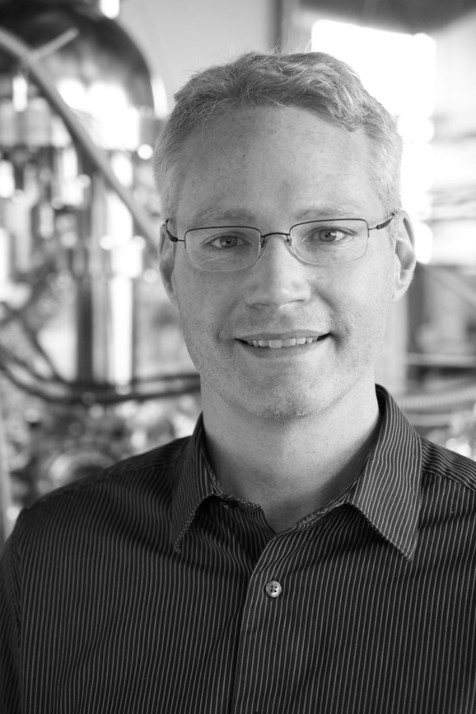
Prof. Ian D. Sharp is a Professor and Head of the Functional Semiconductors and Catalysts Group at the Walter Schottky Institute, Technical University of Munich (TUM). His research focuses on synthesizing and characterizing semiconductors and catalysts for renewable energy applications, particularly solar fuel production and photocatalytic systems. He leads a multidisciplinary team investigating material interfaces, charge carrier dynamics, and advanced deposition techniques like atomic layer deposition (ALD) and molecular beam epitaxy (MBE). Research Interests: His work centers on developing materials for efficient photochemical conversion, including nitride/oxynitride thin films, nanostructured catalysts, and heterostructured materials. Key areas include optimizing semiconductor interfaces for water splitting, enhancing charge collection efficiency, and studying defect properties using advanced spectroscopic and microscopic tools. Publications: Recent work emphasizes stable photoelectrodes, chiral perovskite heterostructures, and functional nanoarchitectures. His group's contributions span energy materials, nanotechnology, and sustainable chemistry, with a focus on bridging fundamental science and practical applications. Awards: ERC Consolidator Grant (2019) Grants: Active funding for solar fuels research and materials engineering. Advising: Mentors ~20 PhD and Master's students in experimental and theoretical projects. Labs/Teams: Oversees state-of-the-art facilities for thin film deposition, characterization (e.g., in situ spectroscopy), and nanofabrication. Collaborates with institutions like EPFL, National Taiwan University, and Lawrence Berkeley National Lab.
Prof. Freek J. Beekman is a Full Professor and head of the Biomedical Imaging section within the Department of Radiation Science & Technology at Delft University of Technology (TU Delft), Faculty of Applied Sciences. He is a leading figure in biomedical imaging, with extensive contributions to nuclear imaging technologies, including SPECT, PET, and CT. His research spans detector development, image reconstruction algorithms, hybrid photonic imaging, and the application of artificial intelligence in medical imaging. Research Interests: His work focuses on advancing imaging modalities through innovations in hardware (e.g., multi-pinhole collimators) and software (e.g., deep learning for attenuation correction). He has pioneered ultra-high-resolution imaging systems, particularly for preclinical and clinical SPECT, and has developed integrated platforms like U-SPECT-BioFluo. His recent research explores glymphatic delivery of nanoparticles, infection imaging, and AI-driven reconstruction techniques, reflecting a strong translational focus. Publication Trends: His most recent publications (2021–2023) emphasize deep learning in SPECT, multi-isotope imaging, high-resolution ex vivo systems, and applications in neuroimaging and oncology. The articles demonstrate a consistent focus on improving image quality, resolution, and clinical utility through physics-informed and AI-enhanced methods. Scientific Awards: NWO Physics Valorization Prize Innovation of the Year Award by the World Molecular Imaging Society (2015, 2018) Edward Hoffman Memorial Award (2017) Bruce Hasegawa Memorial Award (2021) FOM Valorization Award (2013) TU Delft Entrepreneurial Award (2010) Advising and Grants: While specific student names are not listed, his leadership in large collaborative projects and supervision of numerous publications suggests active mentoring. He has secured significant funding through national and international grants, evidenced by his invention of over 20 patent families and successful technology transfer. His founding and leadership of MILabs BV (sold to Rigaku) highlights his impact on commercialization and industry-academia collaboration. Labs and Teams: He leads the Biomedical Imaging research group at TU Delft, which develops cutting-edge imaging systems such as VECTor (SPECT-PET) and EXIRAD-HE. His teams have produced technologies used globally in academic and pharmaceutical research, contributing to tracer development and therapeutic innovation.
Laura Collins is an Associate Professor in the Department of Education at Concordia University, specializing in applied linguistics. Her research focuses on input processing in second language acquisition, pedagogical grammar, and cross-linguistic influence among bilingual speakers. She has extensive international teaching experience across diverse age groups and serves as the 2nd VP of the American Association for Applied Linguistics and Chair of the IRIS digital repository advisory board. PhD in Humanities, Concordia University MEd in Second Language Teaching, University of Ottawa BEd in Second Language Teaching, University of Toronto BA in History, York University Collins' current projects examine the use of speech technologies to extend second language classrooms and document longitudinal grammatical development in school programs. Funded by SSHRC Insight Grants, her work bridges cognitive approaches with practical pedagogical applications. Recent publications highlight trends in classroom input optimization, frequency-based phonological learning, and intensive language program efficacy, with subfields spanning morpheme perception, vocabulary distribution, and task-based interaction dynamics. Her academic leadership includes editorial roles in The Modern Language Journal and contributions to major handbooks. She teaches courses ranging from classroom-based SLA research to pedagogical grammar, emphasizing practical applications of theoretical insights.
Prof. Dr. Heiner Rindermann is a Professor of Educational and Developmental Psychology at Chemnitz University of Technology (TUC). Affiliated with TUC's Institute of Psychology under the Behavioural and Social Sciences school, his work bridges educational practices and cognitive development. Academic Timeline: 1988-1993 Heidelberg RA, 1994-1999 LMU Munich RA, 1999-2007 Otto-von-Guericke-University Magdeburg RA, 2001 University of Graz visiting professor, 2003-2004 University of Kassel interim, 2004-2006 Saarland University interim, 2006-2007 Paderborn University interim, 2008-2010 University of Graz Professor, 2010-present TUC Professor. Educational Background: 1972-1985 Baden-Württemberg schools, 1986-1995 University of Heidelberg (PhD 1995), 2005 Landau habilitation. Research Interests focus on cognitive competence development , cross-cultural comparisons , intelligence-societal development links , kindergarten quality assessments , and international comparative studies . His work examines psychometric vs. Piagetian frameworks, emotional competence, and educational program evaluation. Academic Contributions include the William-Stern-Preis (2007) , APS Fellowship (2010) , and Mexican National Award of Giftedness (2016) . He serves on editorial boards for journals like Zeitschrift für Pädagogische Psychologie and Intelligence , and reviews for over 40 journals and institutions. Projects include BMBF-funded SoKonBe (external educational consultation using socio-cognitive conflicts) and international collaborations like the Study of Latin American Intelligence with Earl Hunt and Jelte Wicherts. His publications span books including Cognitive Capitalism (Cambridge University Press, 2018) and chapters in encyclopedias.
Aravind Machiry is an Assistant Professor at Purdue University's Electrical and Computer Engineering Department and a founding member of the Purdue Systems and Software Security (PurS3) Lab . His research focuses on system security, particularly vulnerability detection, prevention, and secure system development using static/dynamic program analysis, fuzzing, type systems, and machine learning. Designing practical solutions for software and embedded system security Recipient of NSF CAREER and Amazon Research awards Active participant in SPLASH 2025 as OOPSLA Review Committee member His recent work includes automated vulnerability detection in embedded software, spatial memory safety enhancements, and security analysis of GitHub workflows. He has received recognition for his research through multiple distinguished paper awards and industry funding. Selected scientific awards include NSF CAREER Award (2024) Amazon Research Award (2022) Test of Time Award at FSE 2023 for DynoDroid Distinguished Paper Award at OOPSLA 2022 for 3c Qualcomm Innovation Fellowship (2025) His research team has developed frameworks like ARGUS for taint analysis of CI/CD workflows and FuzzUEr for UEFI interface fuzzing, discovering hundreds of critical vulnerabilities in open-source projects and thousands of command injection flaws in GitHub repositories.
Christian Wolff is a University Professor and Chair of Media Informatics at the Institute for Information and Media, Language and Culture at the University of Regensburg. Since April 2022, he has served as the founding Dean of the Faculty of Computer Science and Data Science, while maintaining secondary membership in the Faculty of Languages, Literature and Cultural Studies (SLK). His academic career spans over three decades with significant contributions to multiple disciplines at the intersection of computer science and humanities. Wolff's research interests center around multimedia and multimodal information systems, electronic publishing, and text technology, particularly text mining. His work bridges computer science with digital humanities, legal informatics, and social media analysis. Recent publications demonstrate a strong focus on large language models, sentiment analysis applications across various domains, legal technology innovations, and virtual reality research for cognitive studies. His interdisciplinary approach has produced significant contributions in both technical and humanities domains. His recent publication trends reveal a strategic shift toward applied AI research, particularly in legal technology (LegalTech), social media analysis, and sentiment analysis using large language models. The publications show increasing collaboration across disciplines, connecting computer science with law, political science, literature, and psychology. His work on the digital basis document for legal proceedings represents a major practical application of his research in the German justice system. East Bavarian Cultural Prize Doctoral Award of the University of Regensburg Wolff has led numerous interdisciplinary research projects connecting computer science with humanities and legal studies. His leadership extends to institutional roles including Dean of Research, Vice Dean, and Dean of Faculty positions. He has been instrumental in establishing the new Faculty of Computer Science and Data Science at the University of Regensburg, demonstrating significant impact on institutional development and research infrastructure. Wolff directs research initiatives focused on text technology, digital humanities, and legal informatics. His work with the INDIGO - Internet and Digitization Eastern Bavaria initiative and the TRIO project demonstrates commitment to regional technology transfer and innovation. The interdisciplinary nature of his research groups connects computer scientists with legal scholars, linguists, and social scientists to address complex digital transformation challenges.
Dr. Hui Lu is an Assistant Professor in the Department of Computer Science and Engineering at The University of Texas at Arlington (UTA), where he has been serving since September 2023. Prior to joining UTA, he was an Assistant Professor at SUNY Binghamton from 2017 to 2023. His academic journey includes a Ph.D. in Computer Science from Purdue University (2017), and Master’s and Bachelor’s degrees in Electronic Engineering from Shanghai Jiao Tong University. Ph.D., Computer Science, Purdue University, 2017 M.S., Electronic Engineering, Shanghai Jiao Tong University, 2009 B.S., Electronic Engineering, Shanghai Jiao Tong University, 2006 Dr. Lu's research centers on systems software with a focus on operating systems, virtualization, cloud computing, file and storage systems, and computer networks. His work emphasizes performance optimization and security in cloud-native environments. He has collaborated with leading industrial research labs including HPE Labs, IBM Research, Microsoft Research, AT&T Labs, and NEC Labs. His recent publications span top-tier venues such as OSDI, SOSP, USENIX ATC, and VLDB. The article trends reflect a strong emphasis on secure container technologies, memory tiering, packet processing optimization in virtualized networks, and efficient cloud storage systems. His work increasingly integrates hardware-aware optimizations and lightweight security mechanisms. NSF CAREER Award (2023) UT System Rising STARs Award (2023) Summer Faculty Fellowship, Air Force Research Lab (2019) Dr. Lu has successfully advised multiple Ph.D. students, including Jiaxin Lei, who is now an Assistant Professor at Kean University. His research is supported by major grants from the National Science Foundation (NSF) and the Air Force Research Lab (AFRL), focusing on secure containers, non-volatile memory management, and cloud-native virtualization. He has served as Principal Investigator (PI) on multiple funded projects, demonstrating strong leadership in research and innovation. He is actively involved in teaching core courses such as Operating Systems and advanced topics in systems and architecture. He mentors a growing group of Ph.D. students and welcomes motivated individuals to join his research group.
Frank Willems is a Full Professor of Systems and Control Technology and Chair of Integrated Powertrain Control at Eindhoven University of Technology (TU/e), holding a part-time position realized with support from TNO. He is affiliated with the Control Systems Technology group within the Department of Mechanical Engineering, and also contributes to EIRES and EAISI research initiatives. Dr. Willems obtained his MSc (1995) and PhD (2000) in Mechanical Engineering from Eindhoven University of Technology (TU/e). His academic journey continued with a position at TNO Automotive, where he currently serves as a principal scientist in powertrain control. Professor Willems' research focuses on developing optimal and robust control methods for automotive powertrain systems. His work addresses the critical challenge of integrating energy and emission management strategies at the powertrain system level, which is essential as traditional methods become infeasible due to increasingly strict environmental regulations. Key research areas include control-oriented modeling of internal combustion engines, cylinder pressure-based combustion control, and integrated energy and emission management. His research aims to minimize development time and costs through model-based control methods, with the ultimate goal of achieving auto-calibration where powertrain energy efficiency is optimized online using smart sensors and route information. Dr. Willems serves as an Associate Editor for Control Engineering Practice and is an active member of the IFAC Technical Committee Automotive Control. He has participated in numerous international program committees for conferences including the IFAC Conference on 'Engine and Powertrain Control, Simulation and Modeling (E-CoSM)', IFAC Symposium 'Advances in Automotive Control (AAC)', and 'Symposium for Combustion Control (SCC)'. His research has been supported by organizations including the Dutch Technology Foundation (STW) and DENSO Japan. At TU/e, Professor Willems teaches courses on 'Optimal control and reinforcement learning' and 'Advanced control for future heavy-duty powertrains.' His research group, part of the Control Systems Technology group, focuses on developing self-learning powertrain control systems to address the complexity and diversity of future ultra-clean and efficient vehicles.
Arto Anttila is an Associate Professor in the Department of Linguistics at Stanford University and holds an Adjunct Professor (dosentti) position in General Linguistics at the University of Helsinki. His research spans multiple linguistic subfields with particular focus on the interfaces between phonology, syntax, and prosody. Dr. Anttila's research interests include phonology, morphology, syntax, metrics, and language variation. His work often explores how phonological constraints interact with syntactic structures and how variation manifests across different linguistic domains. He has made significant contributions to Optimality Theory, MaxEnt grammar, and probabilistic approaches to phonology. His recent publications demonstrate a strong focus on metrical patterns, stress systems, syllable structure, and the relationship between prosody and syntax. Anttila frequently collaborates with researchers like Giorgio Magri, Adams Bodomo, and Ryan Heuser, examining phenomena across diverse languages including English, Finnish, and Dagaare (an African language). Anttila has developed several computational tools for linguistic research, including CoGeTo (Convex Geometry Tools for constraint-based phonology), MetricalTree (for English phrasal stress prediction), Prosodic (for automatic metrical scansion), T-Order Generator, and OTOrder. These tools reflect his interest in the mathematical and computational aspects of linguistic theory.
Kelly Bijanki is an Associate Professor of Neurosurgery, Director of Intracranial Monitoring Research, and holds joint appointments in Psychiatry and Neuroscience at Baylor College of Medicine. Her work bridges clinical neurosurgery and neuroscience, focusing on understanding the neural basis of affective disorders and developing neuromodulation therapies. She directs the Translational Neuromodulation Lab, where she leverages stereotactic electroencephalography (sEEG) to study deep brain structures critical to emotional functioning. Dr. Bijanki's research explores the electrophysiological, neurobiological, and behavioral correlates of neuromodulation of affective neural circuits. Her lab primarily works with patients undergoing intracranial monitoring for epilepsy or depression, using this unique platform to conduct in-vivo studies of neural correlates to affective function. Her work has identified novel stimulation-based strategies for evoking positive affect and anxiolysis, including the discovery that stimulation to the cingulum bundle evokes changes in anxiolysis, mirth, and euphoria, which was featured as a cover article in the Journal of Clinical Investigation and highlighted in the NIH Director's Blog. Analysis of her recent publications reveals a consistent focus on mapping neural circuits involved in emotion processing, particularly using stereo-EEG informed deep brain stimulation approaches. Her work spans multiple psychiatric conditions including depression, obsessive-compulsive disorder, and anxiety disorders, with a strong emphasis on translating electrophysiological findings into therapeutic applications. The integration of computational approaches, particularly machine learning for decoding neural activity related to mood states, represents a growing trend in her research program. Her scientific achievements include: United States Patent (US:11,241,575) for a novel stimulation-based strategy for evoking positive affect and anxiolysis Journal of Clinical Investigation cover article (March 2019) on cingulum stimulation enhancing positive affect NIH Director's Blog feature highlighting her groundbreaking work Multiple NIH grants including R01, R21, and K01 awards Dr. Bijanki mentors a diverse team including graduate students, postdoctoral fellows, and undergraduate researchers. Her research program is generously funded by multiple NIH grants (R01-MH127006, R01-MH130597, K01MH116364, R21NS104953, UH3NS103549), as well as support from the ARCO Foundation, Caroline Wiess Law Fund, American Foundation for Suicide Prevention, and NARSAD. She maintains strong collaborations with researchers at institutions including UTSW, Iowa, Duke, UCLA, Brown, UPenn, and WashU. The Translational Neuromodulation Lab operates at the intersection of clinical neurosurgery, neuroscience, and engineering, utilizing stereo-EEG as a research platform to study deep brain structures involved in emotional processing. The lab employs multiple methodologies including advanced surgical neuroimaging, affective electrophysiology, autonomic surveillance, facial motor analysis, and pulse-evoked potentials to comprehensively characterize mood-relevant neural circuits. Their current flagship project involves using explainable artificial intelligence to map the relationship between mood and intracranial neural activity, with the goal of developing naturalistic patterns of intracranial stimulation for therapeutic applications.