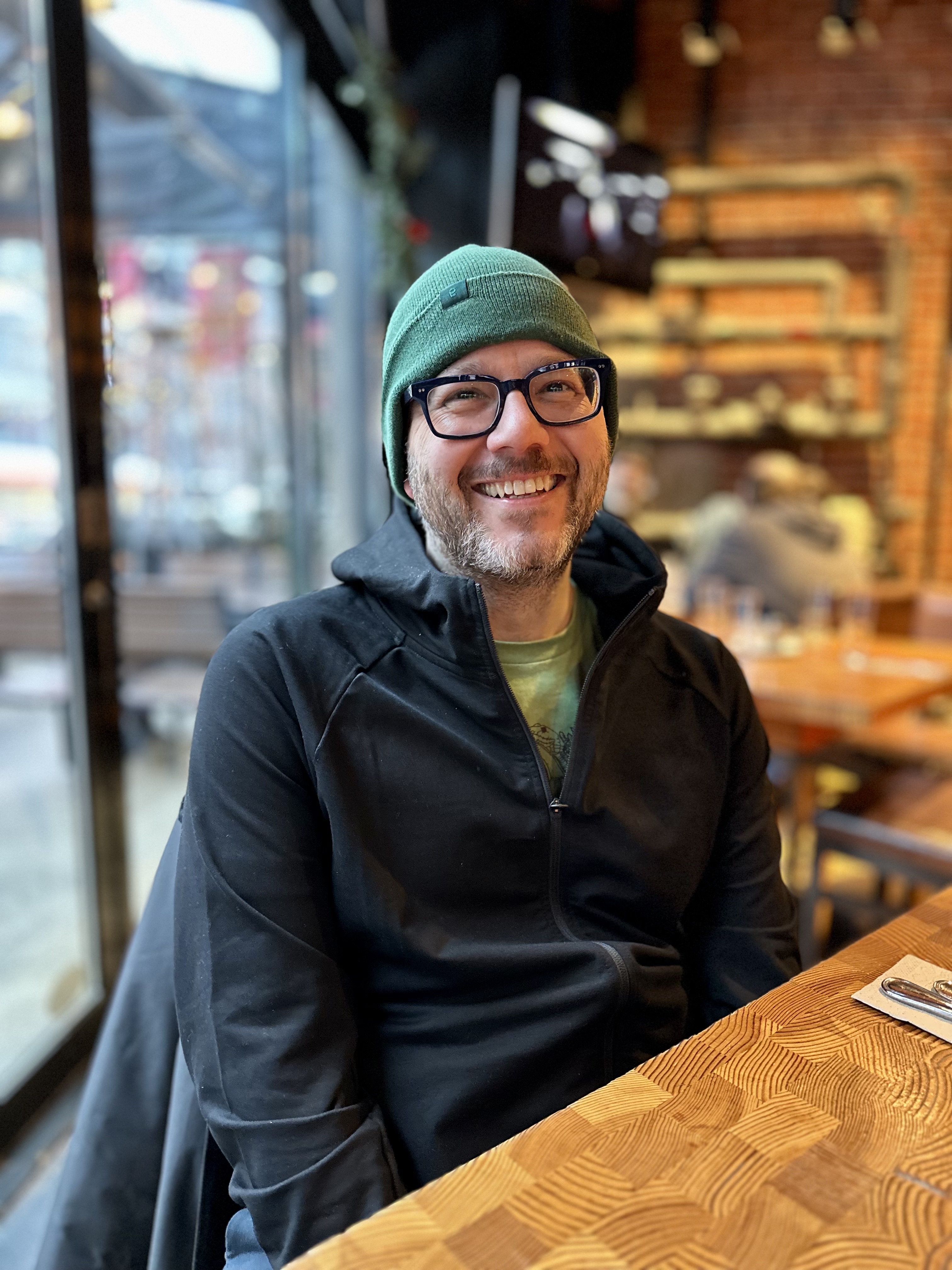
Luis HernanView profile
Lecturer
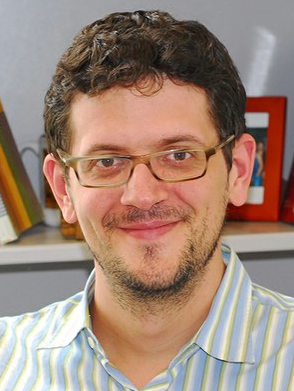
Dr. Luis Hernan serves as Lecturer in Spatial Narratives at the University of Sheffield's School of Architecture and Landscape, concurrently holding leadership positions as Deputy Director of Postgraduate Research and Lead of the PhD by Design programme. He co-edits the open-access journal field: and contributes to institutional initiatives including the SSoA Feminist Library and curriculum decolonization efforts, demonstrating deep integration within the university's academic ecosystem. Education: PhD in Architecture, Newcastle University MSc in Architecture, Newcastle University BA in Architecture, Mexico (institution unspecified) His research investigates narrative as fundamental to architectural and urban experience, critically examining how stories shape spatial understanding through Latin American literary traditions. Key trajectories include utopian domesticities in smart technologies, Mexico-US border spatial politics through science fiction tropes, and deindustrialization narratives in Northern England. His transdisciplinary methodology uniquely fuses critical theory with creative practice in photography, poetry, and ficto-critical writing. Publication analysis reveals consistent thematic evolution from digital spatial atmospheres (2012-2016) toward decolonial border studies and Empire critiques (2018-2023), with increasing emphasis on anti-racist praxis and climate-responsive urbanism. Collaborative patterns show sustained partnerships with Ramirez-Figueroa on border technologies and Cheatle on anti-racist architecture, while solo works develop his monograph on Silicon Valley's spatial narratives. Scientific Awards: No awards documented in source materials Advising focuses on doctoral research in narrative architecture, decolonial theory, and speculative futures, though specific supervisees aren't named. Grant history isn't detailed, but collaborative publications indicate participation in bio-materialism projects (e.g., bacteria-based soil engineering) and digital humanities initiatives. He contributes to the Spaces, Culture and Politics Research Group and has collaborated on living systems projects involving bacterial hygromorphs and protocell research, suggesting engagement with interdisciplinary labs exploring biological computation and responsive materials at the architecture-technology interface.