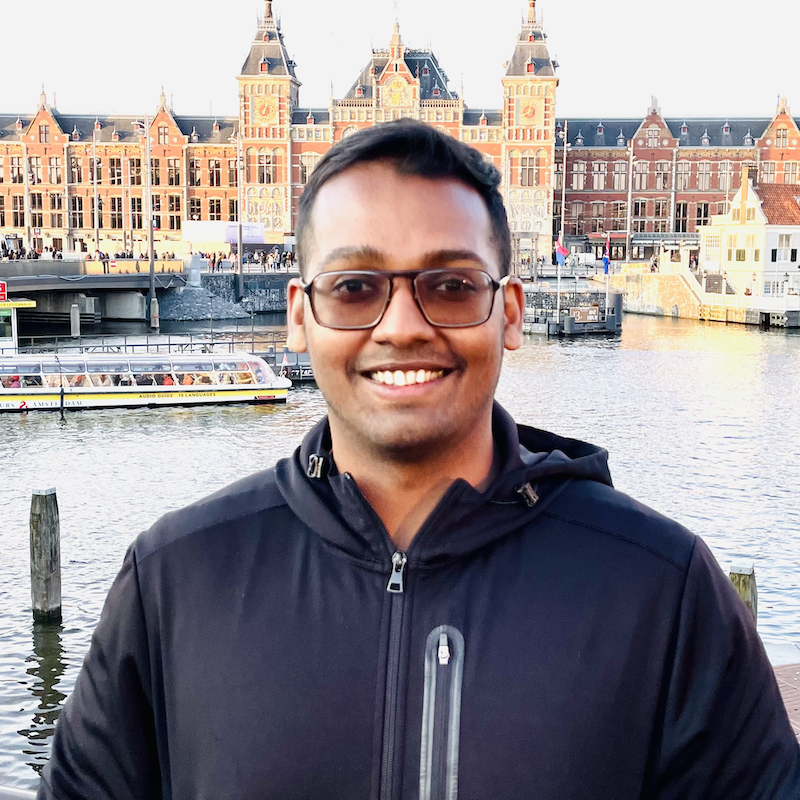
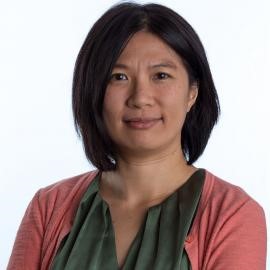
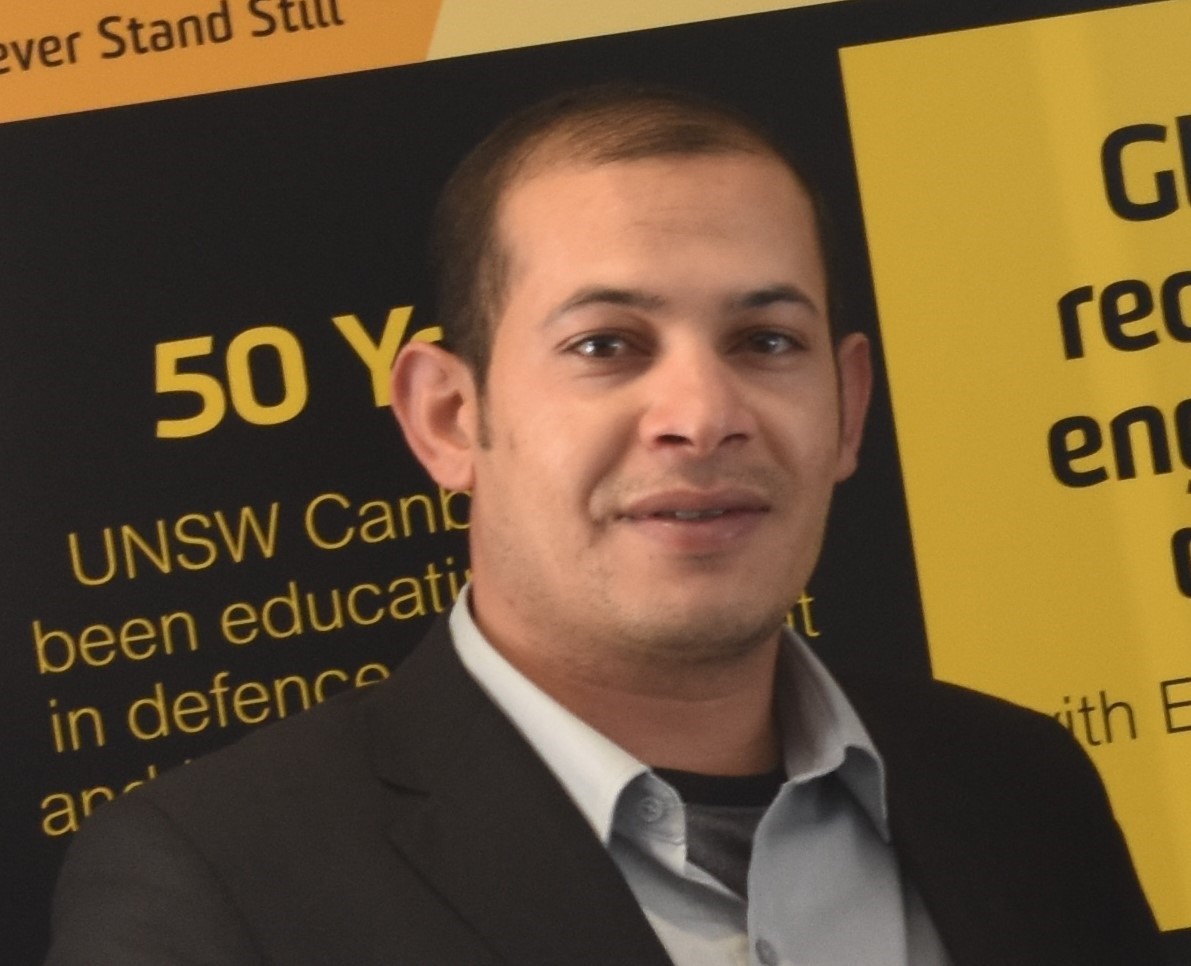
Bo Wu is an Associate Professor in the Department of Computer Science at Colorado School of Mines. His research focuses on compilers and programming systems, particularly program optimizations for heterogeneous computing and emerging architectures, with applications in machine learning and graph processing. He joined Mines in 2014 after earning a Ph.D. from The College of William and Mary and earlier degrees from Central South University in China. Education : B.S. in Computational Science and Technology (Central South University, 2005) M.S. in Computer Science (Central South University, 2008) Ph.D. in Computer Science (The College of William and Mary, 2014) Research Interests : Wu's work emphasizes enhancing data locality in heterogeneous systems, GPU scheduling, and optimizing applications for emerging architectures. His contributions include frameworks like GraphZero for efficient graph mining and FLEP for GPU preemption. Awards & Grants : NSF SPX Award (2018) NSF CAREER Award (2018) Supercomputing Best Paper Award (2015) Multiple NSF grants for GPU-related research Advising & Grants : Wu has led several NSF-funded projects and actively participates in conference program committees (e.g., PPoPP, SC, ICS). His research spans compiler optimizations, parallel computing, and high-performance systems. Labs & Teams : While specific labs aren’t named, his work involves collaborations on GPU-based systems, graph processing frameworks, and compiler toolchains.
Susan Herbst is a Professor of Political Science and President Emeritus at the University of Connecticut. She previously served as the 15th President of UConn (2010–2019), returning to the faculty afterward. Her academic career includes roles as Executive Vice Chancellor of the University System of Georgia, Provost at the University at Albany (SUNY), and Dean of the College of Liberal Arts at Temple University. She holds a B.A. in Political Science from Duke University (1984) and a Ph.D. in Communication Theory from USC’s Annenberg School (1989). Her research focuses on public opinion, media, and American politics, with five authored books and numerous articles. She co-edits the University of Chicago Press’s Studies in American Politics series. Notable works include A Troubled Birth: The 1930s and American Public Opinion (2021) and President in the Maelstrom: FDR as Public Opinion Theorist (2021). Her scholarship bridges historical analysis with contemporary democratic theory, emphasizing media’s role in shaping public discourse. Herbst teaches at UConn’s Stamford campus, focusing on political communication and leadership. Her career reflects deep engagement with academic governance, institutional leadership, and scholarly contributions to understanding public opinion dynamics in American democracy.
Ryan Thibodeau is a Professor at St. John Fisher University and a New York State licensed psychologist with Apple Teacher certification. His research examines the history of psychiatry and mental illness stigma, with publications spanning PTSD, schizophrenia, depression, and autism stigma. Recent work explores continuum beliefs, social distance, and intervention efficacy. Community involvement includes the Mount Hope Cemetery unnamed deceased memorial project and sensory-friendly space development. His publication portfolio demonstrates extensive focus on mental health stigma mechanisms across military/civilian contexts, celebrity influences, and parent-associated stigma. Methodologies include laboratory experiments, correlational studies, and implicit/explicit measures spanning psychophysiology and social cognition.
Dr. Babak Taheri is a Full Professor at Texas A&M University's Department of Hospitality, Hotel Management & Tourism, affiliated with the College of Agriculture & Life Sciences. He holds an Honorary Professorship in Marketing at the University of Aberdeen and has held visiting professor roles at institutions like the University of Sassari and the University of Central Florida. His expertise spans consumer engagement, sustainability, and mixed-method research in tourism and hospitality. Education: BSc Industrial Engineering (Azad University), MSc Information Systems (Glasgow Caledonian University), PhD in Marketing (University of Strathclyde) with a focus on tourism. Additional credentials include a PhDip in Research Methods and MRes in Management Science. Research focuses on consumer behavior, co-creation value, CSR, and climate change impacts. He has published over 150 papers and serves as Associate Editor for The Service Industries Journal and International Journal of Contemporary Hospitality Management . Awards include Fellow of The Higher Education Academy and multiple Best Reviewer accolades. Leadership includes roles at Durham University, Strathclyde, and others. He secured grants exceeding $3M from Horizon 2020 and Innovate UK. Teaching spans BSc to PhD levels, emphasizing experiential learning. Media contributions include articles in The Conversation and The Irish Times. Grants & Leadership: Academic leadership in research and teaching, with grants focused on innovation and resilience in hospitality sectors.
Kalaichelvi Saravanamuttu is an Associate Dean in the Faculty of Science and a Professor in the Department of Chemistry and Chemical Biology at McMaster University. Her research focuses on optochemical self-organization in soft materials, nonlinear optics, and photonics, with applications in light capture, waveguide architectures, and all-optical computing. She holds a PhD in Chemistry from McGill University (2001) and conducted postdoctoral research at the University of Oxford (2001-2003). Her work combines polymer chemistry, photochemistry, and optical physics to develop functional materials like photoresponsive hydrogels and waveguide-encoded lattices. Key research themes include light-induced structural changes in soft matter, dynamic optical systems, and bio-inspired optical devices. Teaching includes courses on equity in science (SCIENCE 2AR3/4AR6) and advanced materials (CHEM 4W03). She has received funding from NSERC, the Canadian Foundation for Innovation, and the US Army Research Office. Her research group collaborates widely, with recent studies exploring electroactive hydrogels and switchable self-trapped light beams.
Xueguang Zhou is the Kwoh-Ting Li Professor in Economic Development and Professor of Sociology at Stanford University, with a joint appointment as a Senior Fellow at the Freeman Spogli Institute for International Studies (FSI). He also serves as Director of Graduate Admissions and Director of Graduate Studies in Sociology. His research focuses on institutional changes in contemporary Chinese society, particularly the Chinese bureaucracy, governance, and state-society relationships. Zhou holds a Ph.D. in Sociology from Stanford University (1991). His work includes studies on bureaucratic state evolution, rural governance, and the dynamics of China's administrative systems. Notable contributions include The Institutional Logic of Governance in China (2017) and The Dynamics of Rules (2000). Awards include the Distinguished Scholarly Contribution Award from the International Association for Chinese Management Research (2014) and a Spencer Fellowship (1993-1994). Zhou has taught at Duke University and Cornell University and is a guest professor at Peking University, Tsinghua University, and the People’s University of China. His research spans sociological analysis of organizations, social inequality, and governance models in China, with a focus on bureaucratic behavior, policy implementation, and institutional logics.
Véronique Michaud is an Associate Professor at the École Polytechnique Fédérale de Lausanne (EPFL), affiliated with the Laboratory for Processing of Advanced Composites (LPAC) within the School of Engineering (STI). Her research focuses on polymer composite processing, adaptive composites (e.g., shape memory alloys, self-healing mechanisms), and material science. She also contributes to teaching in Materials Science and Engineering, including courses like 'Materials: From Chemistry to Properties' and 'Composite Materials Processing.' Her academic roles include Associate Professorships in SMX, EDMX, and EDAM teaching units, and she serves as a PhD program committee member for the Doctoral Program in Advanced Manufacturing. She has advised numerous PhD students, including Michele Bonacina, Pierre-Alexandre Boschert, and Jean-Baptiste Desbrest, among others. Research highlights include sustainable composite material development, defect mitigation in composites, and advanced manufacturing techniques. Her work often addresses challenges in aerospace and renewable energy applications, emphasizing sustainability and material innovation.
Bryan Kian Hsiang Low serves as Associate Professor in the Department of Computer Science at the National University of Singapore's School of Computing, while simultaneously holding leadership positions as Director of AI Research at AI Singapore and Deputy Director of the NUS AI Institute. His academic journey includes a B.Sc. (2001) and M.Sc. (2002) in Computer Science from NUS, followed by a Ph.D. in Electrical & Computer Engineering from Carnegie Mellon University (2009). His research spans probabilistic machine learning, multi-agent systems, and trustworthy AI, with particular focus on Bayesian optimization , federated learning , and data-efficient methodologies . The Low Lab develops frameworks for collaborative AI, automated machine learning, and AI applications in scientific domains through the Group of Learning and Optimization Working in AI (GLOW.AI), which maintains a multi-disciplinary approach bridging computer science, mathematics, and engineering disciplines. Analysis of his recent publications reveals a consistent emphasis on data valuation , privacy-preserving collaborative learning , and robust optimization techniques , with increasing integration of large language models into his research framework. His work demonstrates strong theoretical foundations coupled with practical applications in computational sustainability and robotics. Andrew P. Sage Best Transactions Paper Award (2006) NUS Overseas Graduate Scholarship (2004-2009) Faculty Teaching Excellence Award (2017-2018) IEEE RAS Distinguished Lecturer (2019) World Economic Forum Global Future Councils Fellow (2016-2018) Dr. Low actively mentors PhD students including Rachael Sim, Quoc Phong Nguyen, and Zhongxiang Dai, while leading major initiatives like the AI Phenome Platform for plant breeding optimization. His research group GLOW.AI operates at the intersection of theory and practice, with strong industry engagement through AI Singapore. Current projects focus on scalable AI systems for scientific discovery and developing frameworks for equitable collaborative machine learning with robust privacy guarantees.
Brandon Weissbourd is an Assistant Professor in the Biology department at the Massachusetts Institute of Technology (MIT) and holds a joint appointment as an Investigator at the Picower Institute for Learning and Memory. He joined MIT in 2023 after completing a postdoctoral fellowship in the lab of David Anderson at the California Institute of Technology (Caltech). Prior to that, he earned his PhD in Biology from Stanford University in 2016 under the mentorship of Liqun Luo, and a BA in Human Evolutionary Biology from Harvard University in 2009. His research interests encompass systems neuroscience, evolutionary biology, and molecular biology. He uses jellyfish models, such as Clytia hemisphaerica, to study the evolution and functional mechanisms of nervous systems. His work combines computational techniques like single-cell RNA-seq and advanced microscopy with traditional genetic and anatomical approaches to dissect neural circuits and their roles in behaviors like feeding and social interaction. Additionally, he has explored serotonin and noradrenaline systems in mammals, focusing on their heterogeneity and functional connectivity. Recent publications emphasize the utility of non-traditional model organisms for evolutionary studies and underscore his expertise in computational methods for neurobiological analysis. Earlier work includes groundbreaking studies on the dorsal raphe serotonin system and basal forebrain circuits governing sleep-wake cycles. No scientific awards or honors have been explicitly mentioned in the provided text. Weissbourd’s academic trajectory reflects a strong emphasis on interdisciplinary research, merging evolutionary, molecular, and systems-level perspectives to understand neural systems across species. His advising record is not detailed here, though he has been affiliated with prestigious research labs during his training. Current affiliations include the MIT Biology department and the Picower Institute, where he likely contributes to collaborative projects in systems and evolutionary neuroscience. Weissbourd’s work is grounded in experimental models such as Clytia medusa and mouse brain studies, enabling him to investigate both ancient nervous system architectures and modern mammalian neural pathways. His lab’s focus on functional genomics and circuit mapping positions him at the forefront of studies on neural diversity and evolutionary innovation.
Tathagata Srimani is an Assistant Professor in the Department of Electrical and Computer Engineering at Carnegie Mellon University (CMU), affiliated with the College of Engineering. He previously served as a Postdoctoral Scholar in Electrical Engineering at Stanford University. His academic journey includes a Ph.D. and S.M. in EECS from MIT (2022 and 2018 respectively) and a B.Tech. in E&ECE from IIT Kharagpur (2016). Research Focus: Srimani’s work centers on nanoelectronics and transformative NanoSystems. Key areas include: Carbon nanotube field-effect transistors (CNFETs) and their monolithic 3D integration with silicon Ultra-dense 3D integration of logic and memory to address the 'memory wall' in AI/ML Technology-architecture co-design frameworks for energy-efficient computing Key Achievements: Developed first silicon fab-compatible CNFET processes (TNANO ’18, Nature ’19) Enabled CNFET RISC-V microprocessor and monolithic 3D integration with Analog Devices/SkyWater Recipient of MIT Presidential Fellowship (2016) and Morris Joseph Levin Award (2018) Teaching & Outreach: Teaches semiconductor devices and hardware design, including hands-on 'Hacker Fab' courses. Leads the NEXUS Research Group exploring heterogeneous nanomaterials (e.g., magnetic and oxide semiconductors) and thermal/power management in 3D systems. Future Directions: Expanding into probabilistic computing hardware, co-design frameworks for application-specific systems, and scaling 3D NanoSystem technologies for industrial adoption.
Emily Cooper is an Associate Professor of Optometry & Vision Science at the Herbert Wertheim School of Optometry & Vision Science, University of California, Berkeley. She serves as the Chair of the Vision Science PhD Program and is a co-Director of the Center for Innovation in Vision & Optics. Additionally, she is a member of the Helen Wills Neuroscience Institute and a Visiting Faculty Researcher at Google. Dr. Cooper's research focuses on 3D vision, perceptual graphics, AR/VR, computational neuroscience, visual encoding, and display system design. Her work investigates how the visual system processes information to create our perception of the 3D world, with applications in computer graphics, virtual reality, and assistive technologies for people with low vision. Analysis of Dr. Cooper's recent publications (2023-2025) reveals a strong focus on the intersection of vision science and emerging technologies, particularly in augmented reality and assistive vision systems. Her work spans fundamental research on visual perception mechanisms to applied research developing practical technologies for low vision rehabilitation. A significant portion of her recent work addresses visual discomfort in XR displays, perceptual guidelines for AR/VR systems, and innovative approaches to assistive vision technologies that enhance mobility and independence for visually impaired individuals. Dr. Cooper leads an active research laboratory at UC Berkeley's 391 Minor Hall, where she mentors students and collaborators in vision science research. Her lab investigates both basic questions about how vision works and translational questions about improving visual technologies. She has developed perceptual guidelines for optimizing field of view in stereoscopic augmented reality displays and created assistive technologies such as an augmented reality sign-reading assistant for users with reduced vision. Dr. Cooper is also involved in professional activities including co-organizing the Computational Neuroscience: Vision summer course at Cold Spring Harbor Laboratory and working with Community Resources For Science to promote science education.
Professor Anke Ehlers is a leading academic in experimental psychopathology at the University of Oxford, affiliated with Wolfson College. As Co-Director of the Oxford Centre for Anxiety Disorders and Trauma (OxCADAT), her work focuses on anxiety disorders and PTSD, emphasizing cognitive mechanisms and evidence-based treatments. Her research has led to the development of a widely adopted cognitive therapy for PTSD, endorsed by NICE and international guidelines. Her academic credentials include a Dipl-Psych, PhD, and habilitation. She holds prestigious awards such as the APA's Distinguished Scientific Contributions Award (2014) and the ISTSS Lifetime Achievement Award (2022). She is a Supernumerary Fellow of Wolfson College and a Fellow of multiple academies, including the British Academy and the Academy of Medical Sciences. Recent research explores efficient PTSD treatment delivery, psychological mechanisms of therapy, and complex PTSD. Key studies include randomized controlled trials of online therapy for youth PTSD and blended trauma-focused CBT. Her work bridges clinical practice and neuroscience, investigating brain network dynamics in PTSD recovery. Research Groups: Anxiety and Trauma (OxCADAT) Awards: Includes Wilhelm Wundt-William James Award and multiple fellowship recognitions. Her contributions span clinical innovation, dissemination of evidence-based therapies, and foundational research on trauma’s psychological impact. Ongoing projects aim to optimize treatment accessibility and understand dissociative experiences in psychosis.
Hsiao-Wen Liao is an **Assistant Professor of Psychology** in the **Adult Development and Aging program** at the **Georgia Institute of Technology**. She holds a Ph.D. in Developmental Psychology from the University of Florida (2017) and completed postdoctoral training at Stanford University’s Center on Longevity. Her research focuses on **autobiographical memory**, **episodic future thinking**, and **meaningful aging**, leveraging **VR and NLP methods** to explore how life experiences shape adult development. She investigates how memory processes interact with sociocultural contexts to foster resilience and continuity across the lifespan. **Research Interests**: Autobiographical memory functions, cognitive aging, intergenerational connectivity, and the role of technology (VR/NLP) in memory reconstruction. Current projects examine VR applications for recollection enhancement and NLP analysis of life narratives. **Awards & Grants**: ISSI Mini Research Grant (2024), College of Sciences Travel Grant (2025), APS Travel Assistance (2025), and ImmerseGT Hackathon Best Use of Omniverse Track (2023). **Lab Members**: Supervises graduate students (DaEun Kim, Sarah Kim, Liam Hart) and collaborates with interdisciplinary teams in HCI and machine learning. Undergraduate assistants focus on neuroscience and psychology interfaces. **Lab Activities**: Janus Lab emphasizes mixed-methods approaches, combining qualitative content analysis with experimental designs. Recent projects address aging well, resilience, and technology-mediated memory interventions.
Dr. Nour Moustafa is an Associate Professor and ARC DECRA Fellow at the School of Systems & Computing (SysCom) , University of New South Wales (UNSW) Canberra , Australia. He leads the Intelligent Security Group and focuses on developing AI/ML-driven cybersecurity frameworks for smart systems. Educated at Helwan University (BSc/MSc in Information Systems) and UNSW (PhD in Cybersecurity). Research Interests include intrusion detection, threat intelligence, privacy preservation, digital forensics, and cyber resilience, with methodologies spanning statistical analysis , machine learning , and deep learning applied to IoT , Edge/Cloud , and Industrial IoT environments. His work emphasizes federated learning for privacy preservation, blockchain for secure AI, and digital twins for network self-healing. Notable contributions include the TON-IoT , Bot-IoT , and UNSW-NB15 datasets for cybersecurity evaluation. Scientific Awards : 2020 Spitfire Memorial Defence Fellowship ACM Distinguished Speaker IEEE Senior Member He has served as guest associate editor for IEEE Transactions journals and held leadership roles in conferences like IEEE TrustCom . His research bridges academia and industry, with over 75 publications in top-tier venues.
Dr. Yu Zhong is an Assistant Professor in the Department of Materials Science and Engineering at Cornell University's College of Engineering, where he leads the Yu Zhong Group. His research laboratory focuses on the design and synthesis of novel soft materials and nanomaterials for applications in electronics, energy, healthcare, and sustainability. As a principal investigator, he oversees a dynamic research team comprising postdoctoral associates, graduate students, and undergraduate researchers working on cutting-edge materials science projects. Dr. Zhong received his educational training at prestigious institutions, earning his B.S. in Chemistry from the University of Science and Technology of China (USTC) in 2011, followed by a Ph.D. in Chemistry from Columbia University in 2017 under the supervision of Prof. Colin Nuckolls. His doctoral research centered on designing contorted molecules for electronic and energy applications including organic solar cells, photodetectors, and gas sensors. He then conducted postdoctoral research at the University of Chicago in Prof. Jiwoong Park's group, where he worked on the design and synthesis of 2D polymers for ultrathin electronic circuits and energy conversion. Dr. Zhong's research program spans three primary directions: (1) the bottom-up synthesis of ultrathin nanoporous membranes using techniques like laminar assembly polymerization (LAP) for applications in water desalination, nanofiltration, and gas separation; (2) the study of transport behaviors in hybrid organic-inorganic 2D heterostructures created through layer-by-layer assembly for use in optical, electronic, and thermal management devices; and (3) the development of mixed ionic-electronic materials for bio-inspired and bioelectronic devices. His group employs advanced synthesis methods including organic/polymer synthesis, supramolecular and reticular chemistry, and 2D materials characterization to explore novel scientific phenomena and technological applications. An analysis of Dr. Zhong's recent publications reveals a strong focus on the synthesis and characterization of 2D polymers and organic-inorganic hybrid materials. His work bridges fundamental materials science with practical applications in energy conversion, electronics, and separation technologies. A notable trend is his development of innovative synthesis techniques like laminar assembly polymerization that enable precise control over material structure at the molecular level, leading to breakthroughs in areas such as lithium-ion transport, osmotic power generation, and ultra-narrowband photodetection. Dr. Zhong's scientific achievements have been recognized with several prestigious awards: Pegram Award for Meritorious Graduate Research, Columbia University (2016) Camille and Henry Dreyfus Postdoctoral Fellowship, Dreyfus Foundation (2016) Arun Guthikonda Memorial Fellowship, Columbia University (2015) Jack Miller Award for Excellence in Teaching, Columbia University (2014) As an advisor, Dr. Zhong mentors a diverse group of researchers including postdoctoral associate Qiyi Fang, multiple Ph.D. students (Yuhe Zhang, Kaushik Chivukula, William Xie), M.S. students, and undergraduate researchers. His group has secured funding for research on soft and nanomaterials, with projects spanning organic electronics, 2D materials synthesis, and biomimetic membranes. Dr. Zhong actively seeks motivated graduate students and postdoctoral fellows to join his research team, emphasizing the importance of interdisciplinary collaboration in advancing materials science. The Yu Zhong Group operates state-of-the-art laboratories in Bard Hall at Cornell University, equipped for organic synthesis, materials characterization, and device fabrication. The research team works collaboratively across disciplines, partnering with experts in physics, chemistry, and engineering to tackle complex challenges in materials science. Current projects focus on developing novel synthesis methodologies and exploring structure-property relationships in soft materials to enable next-generation electronic, energy, and healthcare technologies.