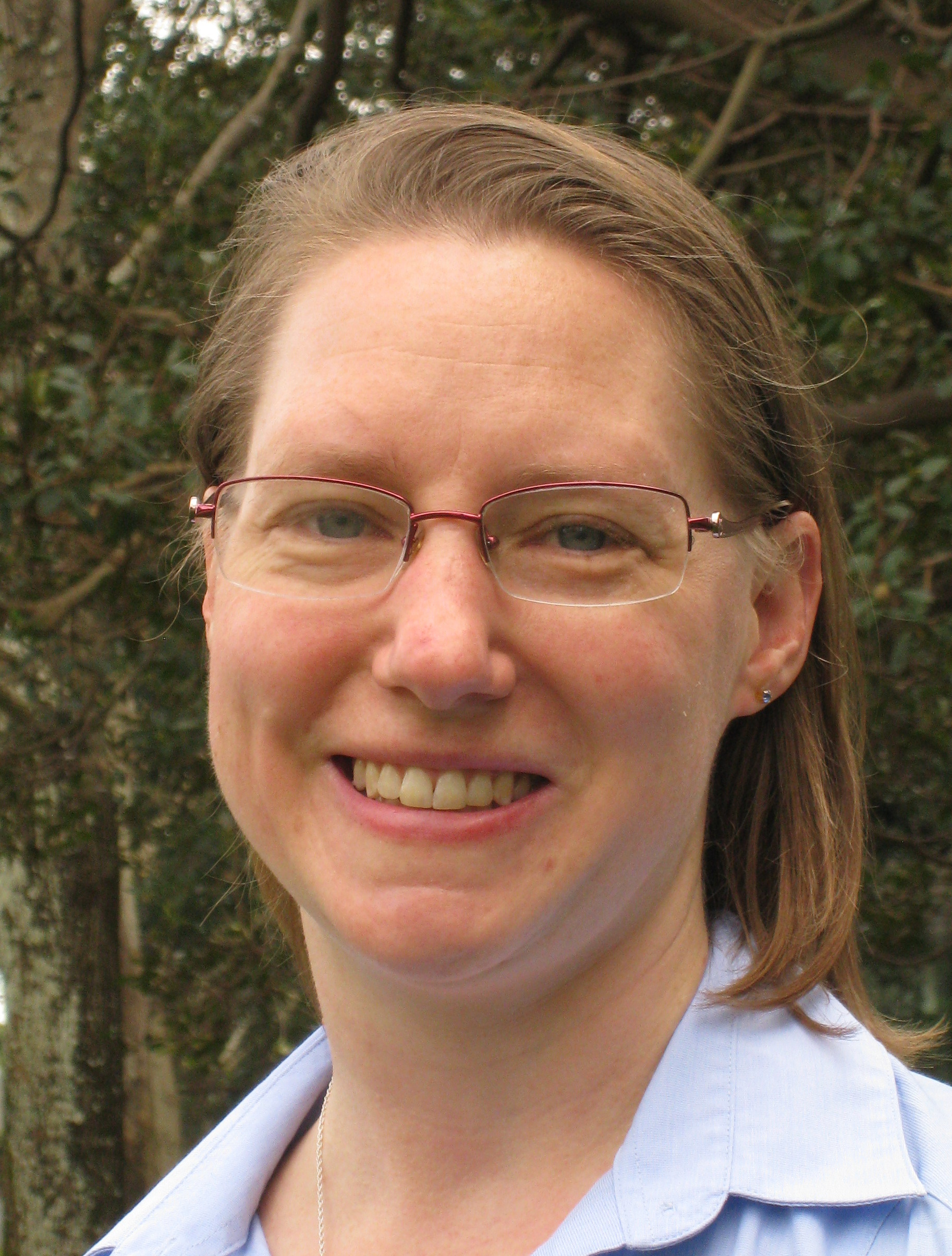
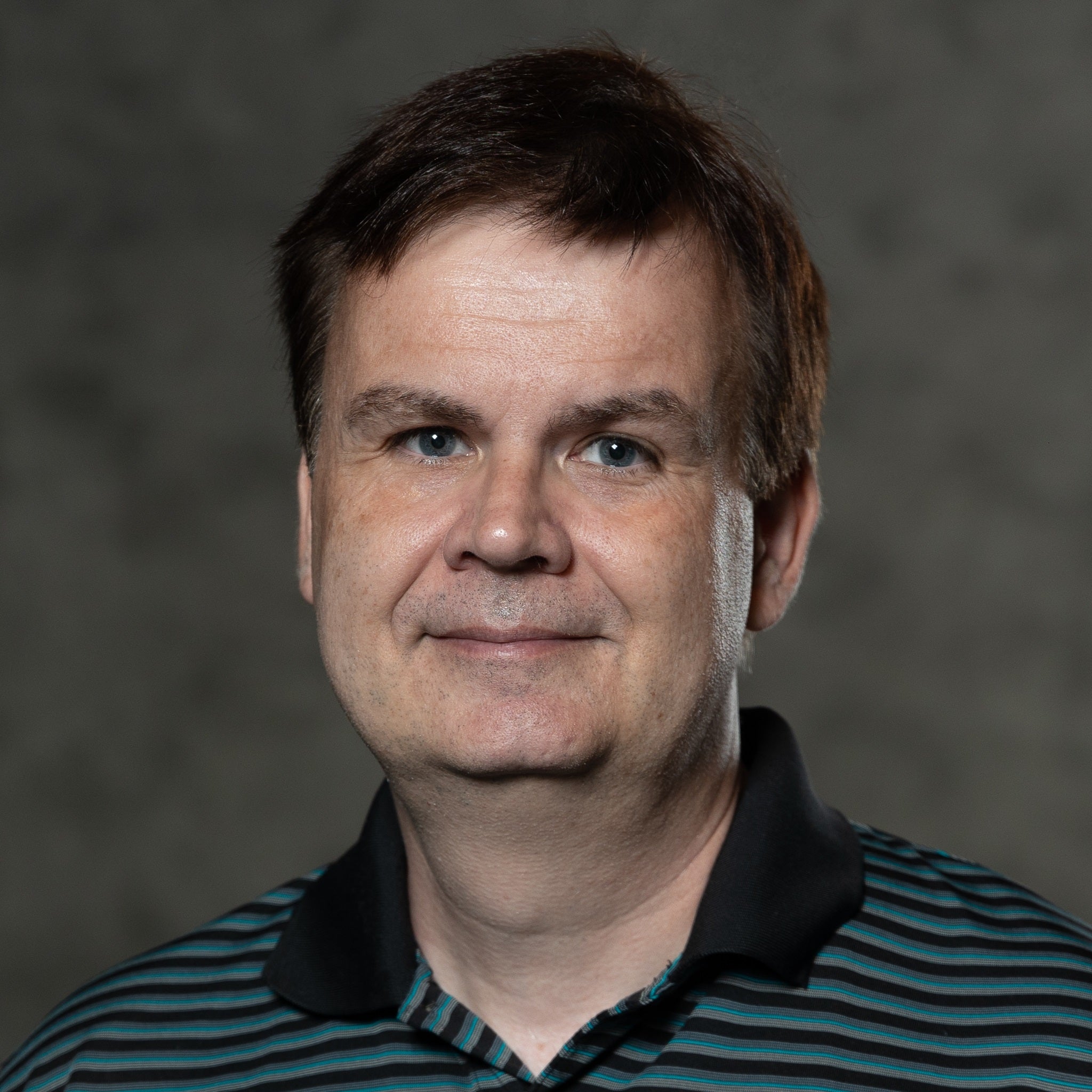
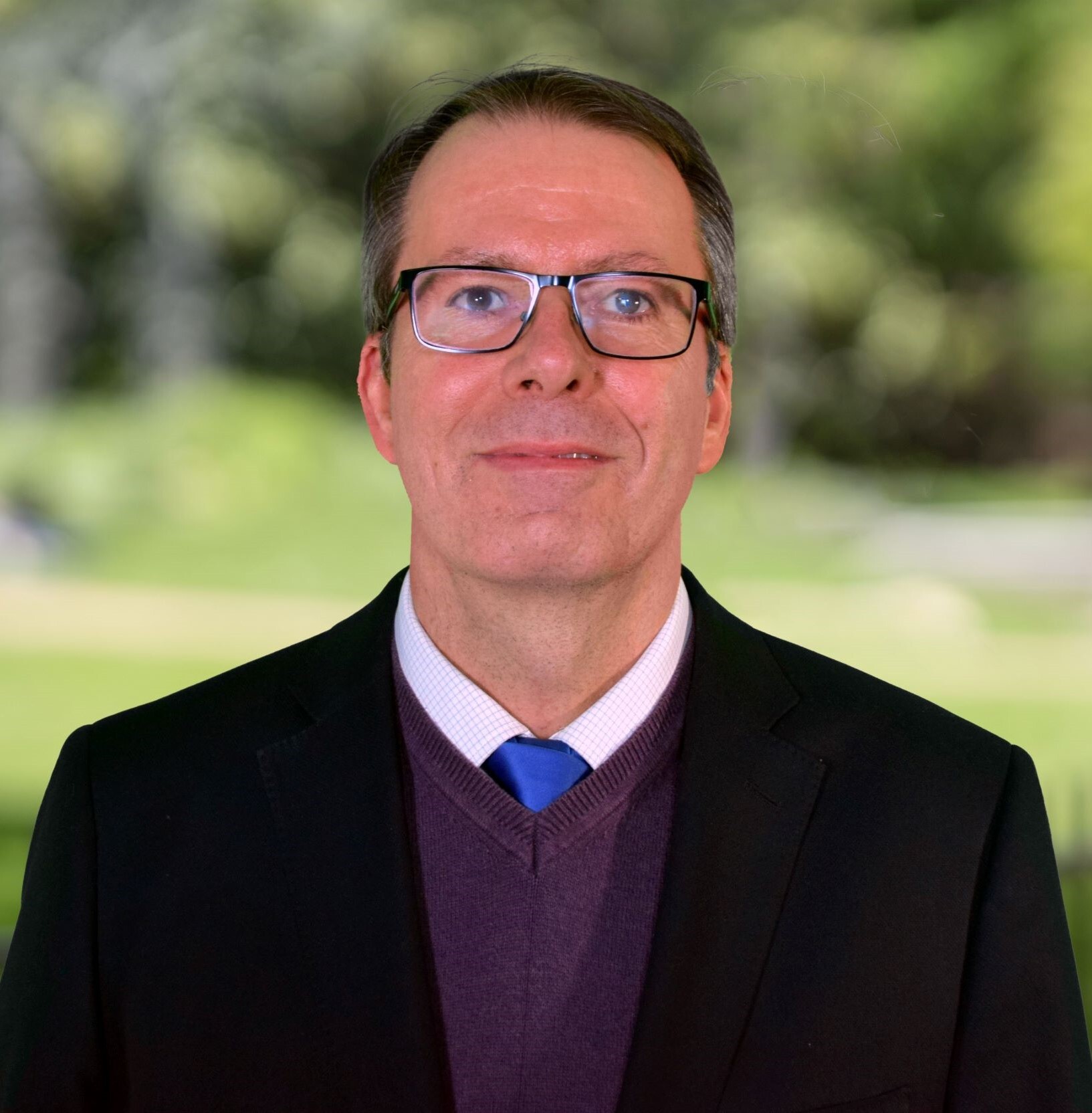
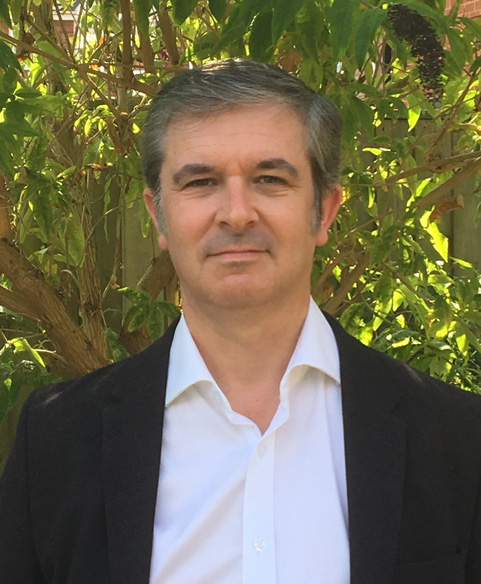
Associate Professor Judy Hart is a materials scientist at the School of Materials Science & Engineering, UNSW Sydney , specializing in the development of semiconducting materials for renewable energy applications. Her work integrates computational (DFT) and experimental approaches to understand composition-property relationships in systems like solid solutions , heterostructures , and doped materials for photocatalysis and solar cells . She leads projects funded by ARC Discovery and Linkage grants , including work on photo-electro-catalysis systems and stabilizing ceramic materials . Education: PhD in Materials Engineering (Monash University, 2007), BEng (Materials) (Monash, 2002) Professional Experience: Senior Lecturer (UNSW, 2017–), Lecturer (UNSW, 2013–2017), University of Bristol (2007–2012) Research Interests Her research focuses on designing materials for renewable energy , particularly photoelectrochemical water splitting and organic oxidation reactions . Key areas include Density Functional Theory (DFT) , defect engineering , band gap tuning , and nanostructured materials . She investigates ferroelectric polarization effects , metal oxide heterostructures , and stability of battery components , with applications in hydrogen production , CO2 conversion , and advanced battery materials . Scientific Awards Ramsay Memorial Fellowship (University of Bristol, 2007–2009) Teaching Contributions She is co-author of the 1st Australian & New Zealand edition of "Materials Science and Engineering: An Introduction" , and teaches courses on computational materials science , corrosion-resistant surfaces , mechanical behavior of metals , and materials design .
Ronald Hedden is a Professor of Practice in the Department of Chemical and Biological Engineering at Rensselaer Polytechnic Institute (RPI), where he focuses on innovations in undergraduate education and polymer science. Previously, he served as an Associate Professor at Texas Tech University (2009–2017). His current research emphasizes Virtual Reality (VR) integration into chemical engineering education, including the development of a Virtual Chemical Plant (VCP) simulation to provide safe, cost-effective access to process equipment. His research interests span chemical engineering, polymer science, soft materials, and nanomaterials. Notable projects include applying VR for teaching process safety and dynamics, as well as exploring nanocomposite materials and membrane technologies. He also investigates polymer rheology and structure-property relationships using advanced characterization techniques like NMR and SANS. Hedden teaches both core chemical engineering courses and interdisciplinary engineering subjects. His work bridges academic research and practical applications, with contributions to biofuel refining, asphalt modification, and nanoparticle incorporation in polymers. While no specific awards are listed, his extensive publication record highlights impactful contributions to materials science and educational technology. His advisory work involves student projects on VR simulations and materials engineering. He collaborates on initiatives like the VCP platform, aimed at advancing safety training and process control education. Hedden’s career reflects a commitment to both cutting-edge research and transformative pedagogy in engineering education.
Dr. Beata Gorczyca is a Professor in the Department of Civil Engineering at the University of Manitoba, affiliated with the Price Faculty of Engineering. Her research focuses on potable water treatment, with expertise in solid/liquid separation, chlorine disinfection by-products control, and fractal analysis of materials. She leads a research group collaborating with Canadian water utilities like Portage la Prairie and Pembina Valley Water Co-op. Education: PhD in Chemical Engineering (2000, University of Toronto), M.Sc. in Civil Engineering (1992, University of Toronto), B.Sc. in Geological Engineering (1986, AGH University, Poland). Active roles: Member of the Particle Specialist Group at the International Water Association, keynote speaker at conferences. Research interests include water purification processes, membrane filtration, and bioremediation. Her work addresses challenges in high-DOC and high-hardness water treatment, with contributions to nanofiltration fouling mechanisms and microbial remediation solutions. She has supervised numerous graduate students and is involved in advancing water treatment technologies through interdisciplinary collaborations.
Dr. Sajjad Bigham is an Associate Professor in the Department of Mechanical and Aerospace Engineering at North Carolina State University and serves as an Adjunct Associate Professor at Michigan Technological University. He holds a PhD in Mechanical Engineering from the University of Florida and directs the Energy-X Lab (Energy eXploration Laboratory), which focuses on high-impact research in energy science and technology. His research interests encompass: Advanced thermal management solutions including microscale heat transfer, boiling/condensation phenomena, and interfacial transport Energy-efficient systems for HVAC&R, desalination, and clean water production Development of micro/nano-engineered materials and devices for energy conversion/storage Sorption-based gas management and multiphase systems under extreme conditions Recent publications demonstrate strong focus on thermal management innovations (45%), sustainable energy systems (30%), and advanced materials applications (25%). Dominant themes include heat transfer enhancement techniques, energy-efficient appliance design, desalination technologies, and microscale phase-change phenomena, with increasing emphasis on additive manufacturing approaches. Dr. Bigham leads the Energy-X Lab research group, which tackles high-risk, high-reward problems across four thrust areas: Terrestrial and space life support systems Advanced thermal management Clean energy production Clean water supply The lab's mission is to improve energy efficiency, reliability, and economy across defense, environmental, and energy sectors.
João F. Mano is a Full Professor at the Department of Chemistry, University of Aveiro, and Director of the Doctoral Program on Biotechnology. He leads the COMPASS Research Group and serves as Vice-Director at CICECO - Aveiro Institute of Materials. His academic appointments include Invited Professor at University of Lorraine (France), Visiting Professor at KAIST (South Korea), and Adjunct Professor at Ajou University (South Korea). Education: PhD in Chemistry (1996, Technical University of Lisbon); D.Sc. in Tissue Engineering, Regenerative Medicine and Stem Cells (2012, University of Minho) Research Interests focus on Biomaterials for Regenerative Medicine , integrating Nanotechnology , Microtechnology , and Biofabrication . His group develops Bioinspired Materials using polymer chemistry, Decellularized Extracellular Matrix , and 3D Bioprinting to engineer Cell Microenvironments for therapeutic applications. Recent Publications highlight advancements in Human-Derived Hydrogels , Photopolymerizable Scaffolds , Magneto-Responsive Biomaterials , and Programmable Bioinks . Trends show emphasis on Organ-on-a-Chip integration, Smart Living Materials , and Green Bioprinting methodologies. Scientific Awards include: European Research Council Advanced Grants (2015, 2020) Fellow at IUPAC, European Academy of Sciences, and American Institute of Medical and Biological Engineering ERC Proof of Concept Grants Doctor Honoris Causa from University of Lorraine and Utrecht UNESCO Chair on Biomaterials George Winter Award (European Society for Biomaterials) Supervisions & Collaborations encompass 74+ MSc, 26+ PhD students, and 40+ postdocs. He co-founded METATISSUE and CELLULARIS Biomodels , and serves as Editor-in-Chief of Materials Today Bio .
G. Kane Jennings is a Professor of Chemical and Biomolecular Engineering at Vanderbilt University's School of Engineering, where he also serves as Director of Graduate Recruiting. His research focuses on molecular design of smart surfaces and biohybrid materials for applications in solar energy conversion, responsive coatings, and nanoscale lubrication. He leads the Jennings Lab, training students in bioinspired materials science. Jennings holds a Ph.D. from MIT and specializes in self-assembly techniques and surface-initiated polymerizations. Education: Ph.D., Chemical Engineering, Massachusetts Institute of Technology M.S., Chemical Engineering, Massachusetts Institute of Technology B.S., Chemical Engineering, Auburn University Research Interests: Jennings develops adaptive materials such as anionic chameleon coatings, biohybrid solar systems using Photosystem I proteins, and high-throughput membrane fabrication via spin coating-ROP integration. His group explores nanoscale defect detection in 3D-printed materials and corrosion-resistant surface treatments. Lab Innovations: Highlights include the mMSIP micromolding technique for customizable superhydrophobic coatings and the scROMP method enabling rapid polymer film synthesis. Collaborations with civil engineering and chemistry departments advance energy-minimizing surfaces and bioelectrochemical systems. Awards: No explicit awards listed, though his work has been funded through interdisciplinary initiatives at Vanderbilt's VINSE and Process Innovation Center.
Gavin Craig is Senior Lecturer in the Department of Pure and Applied Chemistry at the University of Strathclyde, where he leads an independent research programme on porous molecules, mechanochemistry and materials fabrication. He joined Strathclyde in 2019 as Chancellor’s Fellow, was promoted to Senior Lecturer in 2023, and currently supervises two post-docs and a PhD student while accepting new doctoral researchers. Education & Career: PhD Inorganic Chemistry, University of Barcelona, 2013 – spin-crossover materials Post-doc University of Glasgow 2013-2016 – high-pressure crystallography & molecular magnetism JSPS Fellow & Assistant Professor, Kyoto University 2016-2019 – porous molecules for gas storage Research Interests: His group combines coordination chemistry and supramolecular design to create metal–organic cages and polyhedra that act as selective gas sponges or stimuli-responsive gels. Using mechanochemistry, 3-D electron diffraction and high-pressure crystallography he interrogates how self-assembly and external stimuli modulate porosity, with direct relevance to CO₂ capture, carbon-monoxide delivery and membrane technologies. Funding & Impact: Craig is Principal Investigator on two active Leverhulme Trust grants (£500k+) investigating cooperative gas uptake in adaptable cages and sustainable porous membranes. Work contributes to UN SDGs on Affordable & Clean Energy and Climate Action. Awards & Recognition: Strathclyde Medal – Team Award 2022 Advising & Collaboration: He has successfully graduated one PhD student (Dr Beatriz Doñagueda) and one PDRA (Dr Valentyna Slyusarchuk) and currently mentors Dr Emma Regincos Marti (PDRA), Dr Matthew Snelgrove (PDRA) and Megan Wilkinson (PhD). He maintains active international collaborations across UK, Spain, Japan and Italy evidenced by 58 publications and 20 invited seminars/examinations.
Neil Champness is the Norman Haworth Professor of Chemistry at the University of Birmingham. He holds a prestigious academic position following roles at the University of Nottingham, including Professor of Chemical Nanoscience (2004-2020). His research focuses on supramolecular chemistry, crystal engineering, and metal-organic frameworks (MOFs). Champness leads a group pioneering studies on molecular self-assembly, surface chemistry, and functional materials. Education & Career - Began academic career with Teaching Fellowships at the University of Nottingham (1995) and Southampton (1994). - Became Lecturer in Inorganic Chemistry at Nottingham (1998), progressing to Reader (2003) and full Professor (2004). - Currently heads the Champness Group at Birmingham, established in 2021. Research Interests Champness’s work spans: - Design of porous materials (MOFs, HOFs) for gas storage and catalysis. - Surface self-assembly of 2D supramolecular frameworks. - Photoresponsive materials and molecular rotaxanes. - Chemical synthesis under constrained conditions. His group emphasizes interdisciplinary approaches, linking chemistry with materials science and nanotechnology. Awards & Recognition 2019: Elected Fellow of the European Academy of Sciences 2020: EPSRC Established Career Fellowship 2016: Royal Society of Chemistry Surfaces & Interfaces Award 2011: Thomson Reuters Highly Cited Researcher 2006: Corday-Morgan Medal (Royal Society of Chemistry) Advisory Roles & Grants - Editorial roles include Chem, Crystals, and CrystEngComm. - Served on Royal Society panels, Irish Research Council, and IUPAC. - Secured major grants from EPSRC and Royal Society. Labs & Collaborations His Birmingham group collaborates globally, with visiting professorships in Japan, Australia, and Brazil. Research is supported by advanced facilities in crystallography and surface chemistry.
Dr. Mercedes Taylor is an Assistant Professor in the Department of Chemistry and Biochemistry at the University of Maryland, College Park. She holds the Nathan Drake Faculty Fellowship. Previously, she was a Jill Hruby Fellow in National Security Science and Engineering at Sandia National Labs (2018–2021) and a Post-Baccalaureate Intramural Research Training Awardee at the NIH (2011–2013). She earned her Ph.D. in Chemistry from UC Berkeley (2018) and a B.A. in Chemistry from Amherst College (2011). Her research focuses on synthesizing novel materials like supramolecular cages, covalent organic frameworks, and porous polymers for applications in water purification and critical metal capture. Her lab emphasizes controlling material structure to achieve selectivity for target molecules and enhance aqueous stability. Key projects include ion separations, environmental remediation, and energy storage solutions. Dr. Taylor’s work has been recognized through awards such as the 2024 Doctoral New Investigator Award (ACS), 2023 DOE Separation Science Core Award, and the 2023 Moore Inventor Fellowship. She mentors a dynamic research group, including graduate students and post-baccalaureate researchers, and actively engages in interdisciplinary collaborations. Her lab is part of the Taylor Group at UMD, which develops advanced materials for ion capture and water treatment. Alumni of her group include researchers at Sandia National Labs and academic institutions, contributing to both industry and academia.
Alois Jungbauer is a full Professor and Head of the Institute of Biochemical Engineering at the University of Natural Resources and Life Sciences Vienna (BOKU), within the Department für Biotechnologie und Lebensmittelwissenschaften. He is a leading expert in bioprocess engineering, with a focus on downstream processing, continuous manufacturing, and sustainable biopharmaceutical production. Doctorate, University of Natural Resources and Life Sciences Vienna Habilitation, 1991 His research interests center on advanced purification technologies for biologics, including monoclonal antibodies, viral vectors, virus-like particles (VLPs), and gene therapy products. He is a pioneer in continuous integrated biomanufacturing, real-time process monitoring, and the development of platform processes for non-mAb proteins. His work integrates computational modeling, digital twins, and process intensification to improve efficiency and reduce environmental impact. He has made significant contributions to affinity chromatography, membrane adsorbers, and non-chromatographic separation methods. Recent publications highlight trends in continuous downstream processing, water conservation, in-situ buffer preparation, and the purification of complex biomolecules like secretory IgA and VLPs. His work spans both fundamental biophysical studies and industrial applications, reflecting a strong industry-academia interface. His scientific awards include: ISMR Thermo Fischer Award for Affinity Technologies (2011) Bia Separations Award (2000) Fulbright Award, Austrian-American Fulbright Commission (1996) Award of Japanese Society for Promotion of Science (1994) Golden Award 93 Professor Jungbauer actively supervises university theses and leads a dynamic research group. He has delivered numerous lectures and keynotes worldwide, indicating active engagement in knowledge transfer. His research is supported by ongoing projects and collaborations, with a strong emphasis on environmental and economic modeling of bioprocesses. He is affiliated with the Institute of Biochemical Engineering at BOKU, a hub for innovation in bioprocessing and industrial biotechnology.
Mohan Qin is an Assistant Professor in the Department of Civil and Environmental Engineering at the University of Wisconsin–Madison. Her research focuses on developing novel approaches for resource recovery from waste streams and the concentration and detection of microplastics in the Great Lakes. Dr. Qin received her educational degrees as follows: Ph.D. in Civil Engineering from Virginia Tech (2017) M.S. in Environmental Engineering from Peking University (2013) B.S. in Environmental Engineering from Shandong University (2010) Her primary research areas include: Bioelectrochemical systems for resource recovery from wastewater Environmental biotechnology for sustainable wastewater treatment Electrochemical processes for desalination and water treatment Membrane-based technology for selective ion removal Her work particularly emphasizes ammonia recovery from manure and wastewater, and the detection of microplastics in freshwater systems, contributing to sustainable water management and resource conservation. Analysis of Dr. Qin's recent publications (2022-2025) reveals a strong focus on ammonia recovery using membrane and electrochemical systems, with increasing attention to microplastics detection in lake water. Her work spans from fundamental transport mechanisms to practical applications in dairy manure treatment and Great Lakes monitoring, often integrating novel sensor technologies and renewable energy sources. Dr. Qin has received numerous awards, including: 2024 IWA Membrane Technology Specialist Group (MTSG) Rising Star Award 2024 University of Wisconsin-Madison Hilldale Undergraduate/Faculty Research Fellowship 2023 UW-Madison Media Fellow and Sustainability Fellow 2022 UW-Madison Madison Teaching and Learning Excellence (MTLE) Fellow Multiple awards during her graduate studies at Virginia Tech Dr. Qin actively mentors students through thesis and independent study courses (CIV ENGR 890, 990, 699) and has been awarded the Hilldale Fellowship for undergraduate research collaboration. Her research is supported by several fellowships including the UW-Madison Sustainability Fellow and Media Fellow, which likely fund her innovative work in resource recovery and microplastics detection. She leads a research group at UW-Madison focused on environmental biotechnology and electrochemical systems, collaborating with institutions like Yale University (where she completed her postdoc) and contributing to journals as an associate editor for Desalination and Water Treatment and on the early career editorial board of ACS ES&T Engineering.
David Warsinger is an Assistant Professor of Mechanical Engineering at Purdue University's College of Engineering, located in West Lafayette, IN. He holds a Ph.D. from MIT and degrees from Cornell University. His research focuses on thermofluids, nanotechnology, and membrane science applied to water treatment, energy systems, and sustainable technologies. Key areas include desalination innovation, the water-food-energy nexus, and HVAC efficiency. He leads the Warsinger Lab, which develops advanced membrane materials, dehumidification systems, and renewable energy integration for desalination. Education: Ph.D., Mechanical Engineering (MIT), M.Eng. and B.S. (Cornell University). Awards include the MIT Outstanding UROP Mentor (2015), UCOWR Dissertation Award (2016), and Purdue's Early Career Teaching Award (2025). His lab collaborates on grants from DOE, NSF, and industry, with recent focus on batch reverse osmosis, solar desalination, and membrane-based HVAC systems. Research emphasizes high-impact applications like atmospheric water harvesting, photocatalytic air purification, and CO₂ removal for space exploration. The lab's capabilities include membrane testing, multiphysics modeling, and partnerships with ARUP for sustainable building design. Current projects include NSF-funded ReNEW initiatives and innovations in wave-powered desalination. Awards include over $4M in grants, including a 2025 $75k Showalter Grant and a 2022 DOE $2.4M award. His lab publishes in top journals and presents at ASME, NAMS, and international conferences. Undergraduate and graduate training emphasizes diversity and entrepreneurship, with alumni securing roles at top universities and companies like SpaceX.
Wenjing (Angela) Zhang is a Professor and Head of Section for Water Technology and Processes at the Technical University of Denmark (DTU), Department of Environmental and Resource Engineering. She leads research on membrane technologies, nanofiber materials, and sustainable water treatment processes. Her research focuses on: Advanced membrane design for wastewater treatment and resource recovery Electrospinning and nanofiber applications in energy/environmental tech Photocatalytic plastic upcycling and microplastic degradation Green hydrogen production through innovative membrane systems Professor Zhang's publications demonstrate strong emphasis on material innovation for environmental solutions, particularly in membrane technology (nanofiber composites), electrocatalysis, and sustainable plastic waste management. Recent works show increasing focus on industrial wastewater applications and plastic upcycling. She has received scientific recognition including: Honorary Professorship in China (2018) As primary supervisor for multiple PhD projects, she mentors students in: Nanostructured membranes for hydrogen production Decentralized wastewater treatment systems Biocatalytic membranes for microplastic degradation Plastic upcycling photocatalysts She leads major funded projects including 'Sustainable Industrial Laundry Wastewater Treatment' and 'Nanostructured membrane design for Green Hydrogen Production'. She directs research within the Water Technology & Processes section, collaborating with DTU Microbes Initiative and international partners on sustainable water solutions.
Dr. Yu Zhong is an Assistant Professor in the Department of Materials Science and Engineering at Cornell University's College of Engineering, where he leads the Yu Zhong Group. His research laboratory focuses on the design and synthesis of novel soft materials and nanomaterials for applications in electronics, energy, healthcare, and sustainability. As a principal investigator, he oversees a dynamic research team comprising postdoctoral associates, graduate students, and undergraduate researchers working on cutting-edge materials science projects. Dr. Zhong received his educational training at prestigious institutions, earning his B.S. in Chemistry from the University of Science and Technology of China (USTC) in 2011, followed by a Ph.D. in Chemistry from Columbia University in 2017 under the supervision of Prof. Colin Nuckolls. His doctoral research centered on designing contorted molecules for electronic and energy applications including organic solar cells, photodetectors, and gas sensors. He then conducted postdoctoral research at the University of Chicago in Prof. Jiwoong Park's group, where he worked on the design and synthesis of 2D polymers for ultrathin electronic circuits and energy conversion. Dr. Zhong's research program spans three primary directions: (1) the bottom-up synthesis of ultrathin nanoporous membranes using techniques like laminar assembly polymerization (LAP) for applications in water desalination, nanofiltration, and gas separation; (2) the study of transport behaviors in hybrid organic-inorganic 2D heterostructures created through layer-by-layer assembly for use in optical, electronic, and thermal management devices; and (3) the development of mixed ionic-electronic materials for bio-inspired and bioelectronic devices. His group employs advanced synthesis methods including organic/polymer synthesis, supramolecular and reticular chemistry, and 2D materials characterization to explore novel scientific phenomena and technological applications. An analysis of Dr. Zhong's recent publications reveals a strong focus on the synthesis and characterization of 2D polymers and organic-inorganic hybrid materials. His work bridges fundamental materials science with practical applications in energy conversion, electronics, and separation technologies. A notable trend is his development of innovative synthesis techniques like laminar assembly polymerization that enable precise control over material structure at the molecular level, leading to breakthroughs in areas such as lithium-ion transport, osmotic power generation, and ultra-narrowband photodetection. Dr. Zhong's scientific achievements have been recognized with several prestigious awards: Pegram Award for Meritorious Graduate Research, Columbia University (2016) Camille and Henry Dreyfus Postdoctoral Fellowship, Dreyfus Foundation (2016) Arun Guthikonda Memorial Fellowship, Columbia University (2015) Jack Miller Award for Excellence in Teaching, Columbia University (2014) As an advisor, Dr. Zhong mentors a diverse group of researchers including postdoctoral associate Qiyi Fang, multiple Ph.D. students (Yuhe Zhang, Kaushik Chivukula, William Xie), M.S. students, and undergraduate researchers. His group has secured funding for research on soft and nanomaterials, with projects spanning organic electronics, 2D materials synthesis, and biomimetic membranes. Dr. Zhong actively seeks motivated graduate students and postdoctoral fellows to join his research team, emphasizing the importance of interdisciplinary collaboration in advancing materials science. The Yu Zhong Group operates state-of-the-art laboratories in Bard Hall at Cornell University, equipped for organic synthesis, materials characterization, and device fabrication. The research team works collaboratively across disciplines, partnering with experts in physics, chemistry, and engineering to tackle complex challenges in materials science. Current projects focus on developing novel synthesis methodologies and exploring structure-property relationships in soft materials to enable next-generation electronic, energy, and healthcare technologies.
J. Ilja Siepmann is a Distinguished McKnight University Professor and Distinguished University Teaching Professor at the University of Minnesota's Department of Chemistry, with affiliations spanning Chemical Engineering, Materials Science, and Data Science. His research integrates molecular simulations, force field development, and machine learning to study adsorption phenomena, phase equilibria, polymer chemistry, and nanoporous materials. Education: Undergraduate: University of Freiburg, Germany (1983-1987) Graduate: University of Cambridge, UK (PhD, 1988-1991) Post-doctoral: IBM Zurich Research Lab, Koninklijke/Shell Lab, and University of Pennsylvania (1991-1994) Research interests focus on chemical theory, materials genomics, and environmental chemistry, with emphasis on energy-efficient separations, nanostructured materials, and sustainable chemical processes. Computational methods like Monte Carlo algorithms and machine learning underpin his investigations into fluid interfaces, nucleation, and catalytic systems. Recent publications emphasize adsorption thermodynamics, molecular simulations of complex fluids, data-driven materials discovery, and polymer self-assembly. Trends include integration of machine learning with molecular modeling, nanoporous materials for clean energy, and phase behavior of refrigerants. Awards: Distinguished McKnight University Professor Distinguished University Teaching Professor Advises graduate and undergraduate researchers in computational chemistry projects. Leads the Siepmann Group at Kolthoff Hall, part of the Chemical Theory Center and Nanoporous Materials Genome Center. Research funded through MURI and industry partnerships.