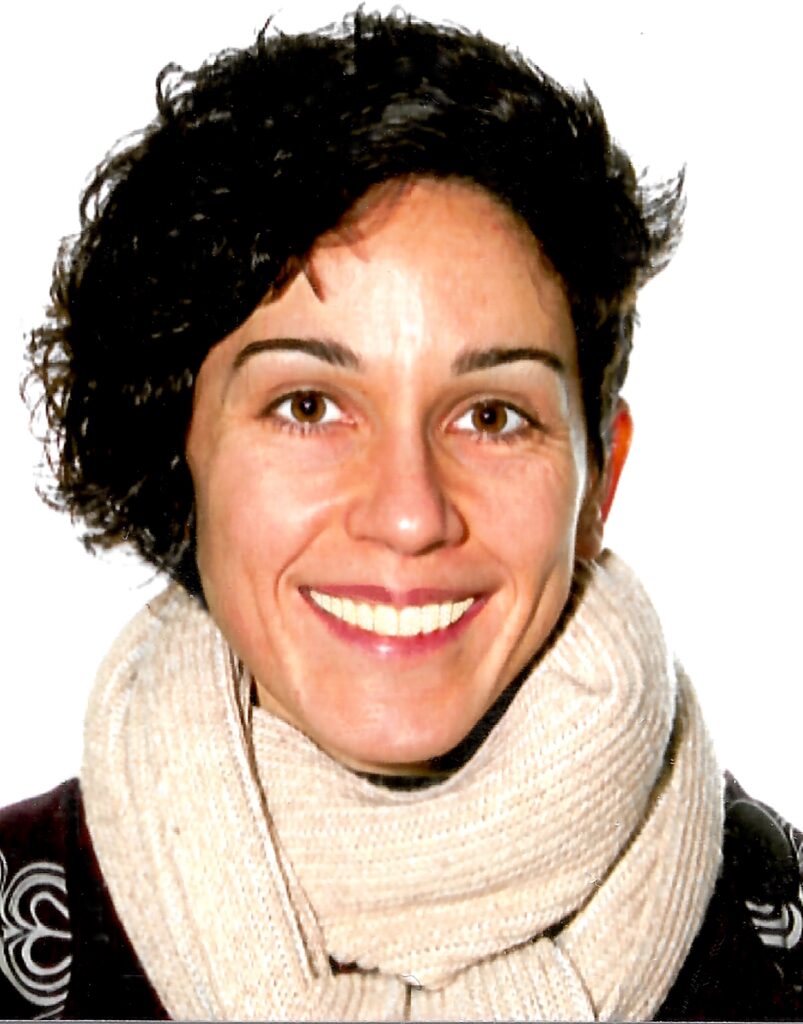
Dr. Limor Raviv is a Lecturer at the University of Glasgow's School of Psychology & Neuroscience and Group Leader of the LEADS Group at the Max Planck Institute for Psycholinguistics. Her research focuses on language evolution, cultural evolution, and cognitive pressures shaping linguistic diversity. She employs behavioral paradigms and computational models to explore communicative and cognitive factors influencing language structure. Affiliations: University of Glasgow (Lecturer), Max Planck Institute for Psycholinguistics (Group Leader) Education: BSc in Mathematics & Cognitive Science (Hebrew University), MSc in Cognitive Science (Hebrew University), PhD in Psycholinguistics (MPI Nijmegen) Research interests include animal cognition, child development, AI, and open science. She leads the LEADS Group, advancing studies on self-domestication and language evolution through interdisciplinary methods. Her work bridges cognitive science, linguistics, and robotics, with publications in Nature Communications , Proceedings of the National Academy of Sciences , and others.
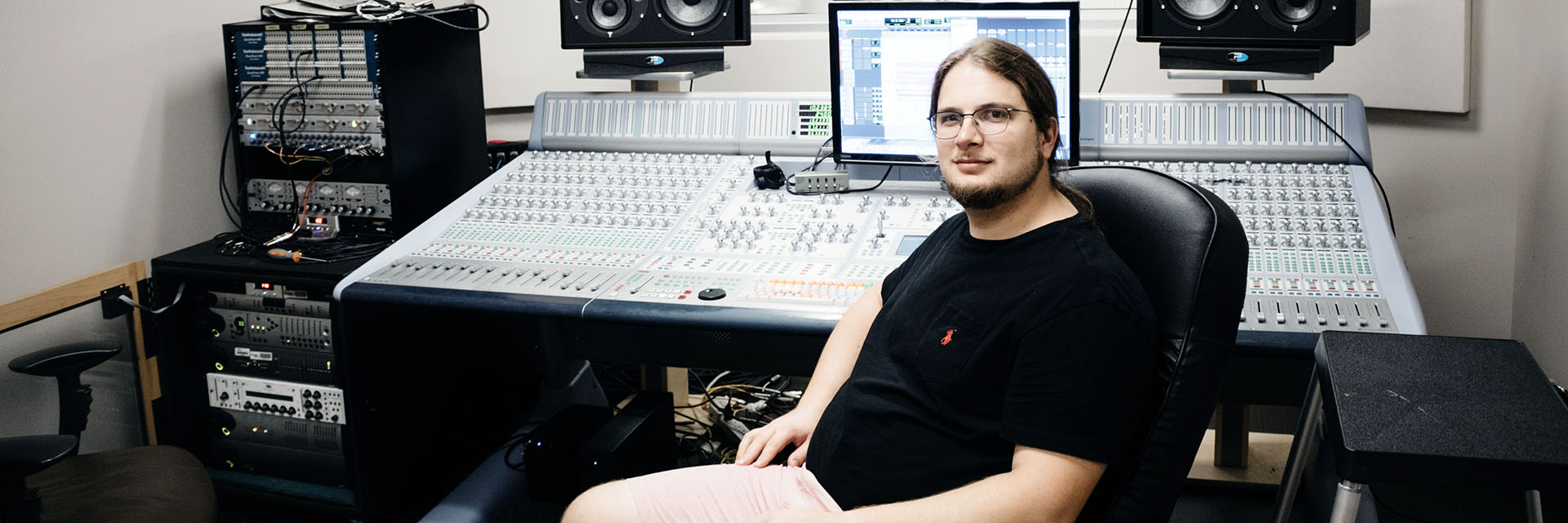
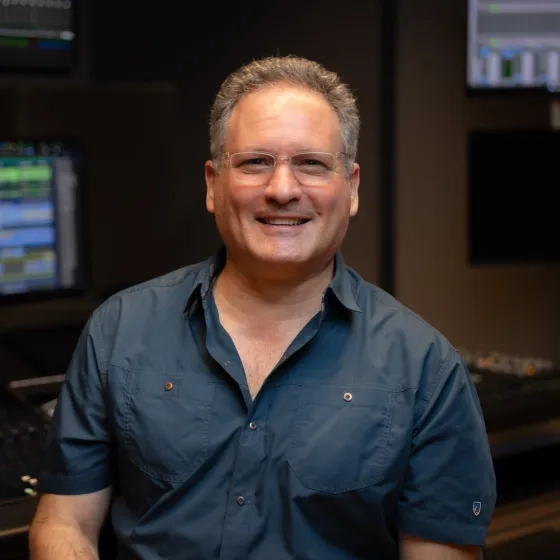
Nat Condit-Schultz is a Lecturer and Director of Graduate Programs in the School of Music at Georgia Institute of Technology's College of Design. His research focuses on computational musicology, music cognition, and popular music studies, with expertise in statistical modeling of musical structure. He leads the Computational and Cognitive Musicology Lab (CCMLab) and teaches courses in research methodology, music psychology, and music production. Education BA Music, University of California Santa Cruz (2012) MA Music Composition, University of California Santa Cruz (2012) PhD Music Theory, Ohio State University (2016) Research Interests Nat explores rhythm and tonality in popular music, the role of language and lyrics in music perception, and hip-hop music theory. His work bridges humanities and sciences, with presentations at conferences like Society of Music Theory and International Conference on Music Information Retrieval. He develops tools like the humdrumR R-package for musicological analysis. Performance and Composition As a guitarist and composer, Nat specializes in complex rhythms, polyrhythms, and tempo spirals. His compositions blend common-practice, popular, and world music traditions, including works like Shepard (exploring tempo spirals) and Faux-Java Blues (Gamelan-rock fusion). He directs rock/pop bands and collaborates with ensembles like the Morehouse Afro Pop ensemble. Advising and Labs Nat advises students in the CCMLab, where recent advisees have presented at national conferences. He co-directs the lab alongside Claire Arthur, contributing to initiatives like the CoCoPops music corpus. His work also includes collaborations with the Center for Music Technology at Georgia Tech.
Virginia Penhune, PhD, is a Professor in the Department of Psychology at Concordia University. Her research focuses on the neural basis of motor skill learning, emphasizing brain plasticity, musical expertise, and auditory-motor integration. She uses structural and functional neuroimaging techniques to study the cerebellum, striatum, and motor cortical areas in diverse populations including children, older adults, and musically trained individuals. She is a founding member of the Montreal Laboratory for Brain, Music and Sound (BRAMS) and part of the NSERC-funded training grant in Auditory Cognitive Neuroscience. She also holds affiliations with the Quebec Bio-imaging Network, Centre for Research in Human Development, and multiple interdisciplinary research centers at Concordia. Her recent work examines how musical training influences motor learning pathways and explores age-related changes in brain structure-function relationships. Key findings include grey-matter correlates between dance/music expertise and the role of dorsal premotor cortex in auditory-motor tasks. Penhune has contributed to over 50 peer-reviewed publications, with recent studies appearing in NeuroImage, Brain Research, and Frontiers in Psychology. Her research has been supported by grants from NSERC, FRQ, and other national funding bodies.
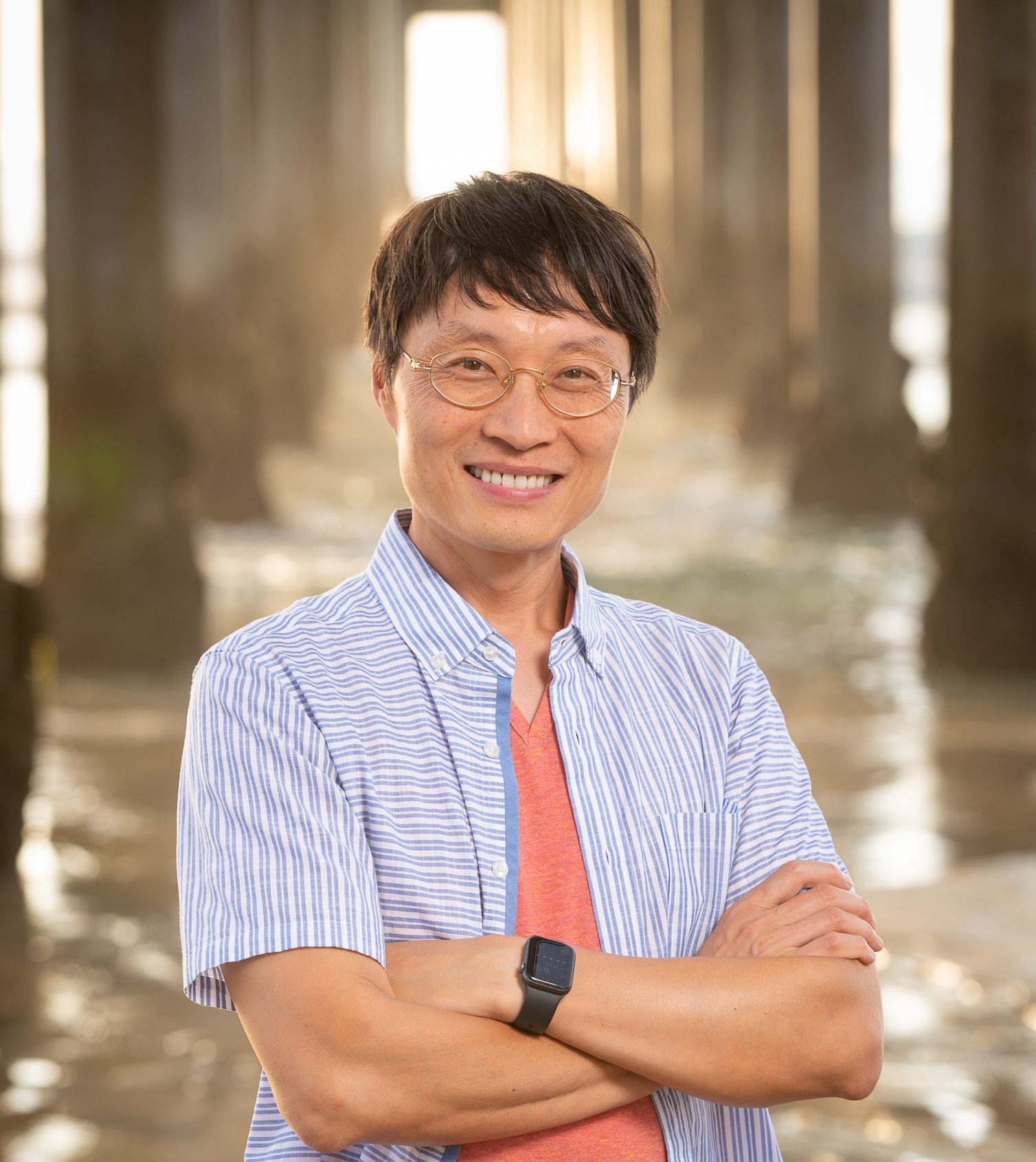
Lei Liang is the Chancellor's Distinguished Professor of Music at the University of California, San Diego, within the Herbert Wertheim School of Music and Performing Arts. He is a leading figure in contemporary classical music, known for his profound integration of Eastern and Western traditions and his commitment to addressing social and environmental themes through composition. Lei Liang studied at the New England Conservatory (B.M., M.M.) and Harvard University (Ph.D.), where he worked with Sir Harrison Birtwistle, Robert Cogan, Chaya Czernowin, and Mario Davidovsky. He is a Young Global Leader of the World Economic Forum and a fellow of the Harvard Society of Fellows and the Paul & Daisy Soros Fellowships. His research and artistic practice span composition, sound art, cultural heritage preservation, and music technology . He explores the intersection of science and art through projects like sonifying coral reefs and using multimedia to reimagine cultural traditions. His work often engages with environmental awareness, human rights, and cross-cultural dialogue. His recent and upcoming compositions—including A Thousand Mountains, A Million Streams , Cuatro Corridos , and Inaudible Ocean —demonstrate a consistent trend toward interdisciplinary collaboration, narrative depth, and sonic innovation. These works blend orchestral, chamber, and solo forms with improvisation, electronics, and visual elements. Lei Liang has received numerous accolades, including: Grawemeyer Award for Music Composition (2021) Guggenheim Fellowship Rome Prize (2011) Pulitzer Prize Finalist (2015) American Academy of Arts and Letters Music Award (2021) Creative Capital Award He has been commissioned by the New York Philharmonic, Fromm Foundation, NEA, and many leading ensembles. He has edited ten scholarly books and published over fifty articles. Since 2023, he leads Lei Lab at UCSD’s Qualcomm Institute, where he collaborates with engineers, geologists, oceanographers, and software developers. The lab supports research into 'creative listening' and the educational potential of sound.
Thera Marie Crane is an Academy Research Fellow at the Department of Languages, Faculty of Humanities, University of Helsinki. She serves as a supervisor in the Doctoral Program in Linguistics and is affiliated with the African and Middle Eastern languages division and the Institute of Sustainability Science (HELSUS). Her research focuses on the semantics and pragmatics of underdescribed Bantu languages, with particular interest in expressions of tense, aspect, and modality. Her educational background includes: PhD in Linguistics from University of California, Berkeley (2011) MA in Linguistics from University of California, Berkeley (2007) Dr. Crane's research primarily centers on the semantics and pragmatics of underdescribed Bantu languages, both within particular languages and as typological and contact phenomena. She has particular interest in expressions of tense, aspect, and modality. As a field linguist, she has conducted fieldwork in Namibia, Zambia, and South Africa, and has worked extensively with African linguists and speakers of African and other minority languages. Her dissertation focused on the temporal and extra-temporal functions of tense and aspect marking in Totela, a Bantu language of Zambia. Her recent publication record shows significant activity in Bantu linguistics, with a strong emphasis on Southern Bantu languages like Totela, isiNdebele, isiZulu, and related languages. Her work spans descriptive linguistics, semantic analysis, and language documentation, with increasing focus on multilingualism and language contact phenomena in recent years. The publications demonstrate methodological diversity, including fieldwork-based analyses, comparative studies, and dataset creation for linguistic research. Her notable recognitions include: Academy Research Fellow position funded by the Academy of Finland Editor-in-Chief of the Nordic Journal of African Studies (since 2022) Dr. Crane serves as a supervisor in the Doctoral Program in Linguistics at the University of Helsinki and has acted as an opponent for doctoral defenses. She leads major research projects funded by the Academy of Finland, including her current project "Accommodating Linguistic Diversity in Conversation: Modal Expressions and Multilingualism in South Africa" running through 2026. Her collaborative network extends across Finland, South Africa, and international institutions, reflecting her commitment to interdisciplinary and cross-cultural linguistic research. Her research activities maintain strong connections between the University of Helsinki and field sites in Southern Africa, where she conducts linguistic documentation and analysis of endangered languages. She collaborates with researchers across the Nordic countries and internationally on projects related to Bantu linguistics, language documentation, and multilingualism.
Luma Da Silva Miranda é uma Lecturer na Eötvös Loránd University (ELTE) , atuando no Department of Portuguese Language and Literature . Suas pesquisas focam na prosódia do português brasileiro , explorando a percepção auditiva e visual de atos de fala, entonação de perguntas e exclamações, e aquisição de sons por falantes não nativos. Ela também participa de projetos de divulgação cultural brasileira na Hungria. Formação Acadêmica: Doutorado em Lingüística (Português, Audiovisual Prosody) pela Universidade Federal do Rio de Janeiro (2015-2019) Mestrado em Lingüística (Português, Prosódia Experimental) pela Universidade Federal do Rio de Janeiro (2013-2015) Graduação em Português e Línguas Inglesas pela Universidade Federal do Rio de Janeiro (2008-2011) Principais Áreas de Pesquisa: Prosódia Multimodal Entonação em L2 Percepção Auditivo-Visual Consoantes Laterais em PLE Modelagem Estatística de Contornos Prosódicos Premiações e Bolsas: Bolsa de Doutorado CAPES (2016) Bolsa NOTA 10 FAPERJ (2014) Bolsa CNPq de Mestrado (2013) Diploma de Dignidade Acadêmica (UFRJ, 2012) Apoio Universitário de Excelência (ELTE, 2024) Colaborações: Laboratório de Fonética Acústica (UFRJ) ResearchGate Network com 67 citacoes Grupo de Neurofonética NYTK
Dr. Liberty Hamilton is an Assistant Professor at the University of Texas at Austin, holding joint appointments in the Department of Communication Sciences and Disorders (Moody College of Communication) and the Department of Neurology (Dell Medical School). She earned her Ph.D. in Neuroscience from the University of California, Berkeley. Her research focuses on understanding how the brain processes speech sounds, particularly during development and in clinical populations with epilepsy. Using invasive electrophysiological techniques (ECoG/sEEG) and noninvasive EEG, her lab studies speech perception, production, and neural plasticity in children and adults. Key research themes include: 1) Mapping neural representations of speech in the auditory cortex; 2) Investigating speech processing changes during development; 3) Developing clinical interventions for communication disorders. Collaborations involve Dell Children’s Comprehensive Epilepsy Center and Texas Children’s Hospital. Her work has been funded by NIH, Department of Defense, and the Coleman Fung Foundation. Notable awards include the Ellen A. Wartella Distinguished Research Award (2023) and Kavli Fellowship (2022). She mentors a multidisciplinary team of graduate students and postdocs, with current projects on auditory attention, speech decoding models, and neuroplasticity interventions. Publications emphasize naturalistic stimuli analysis, EEG/ECoG encoding models, and clinical translation of neuroscientific findings. Her lab is relocating to UC Berkeley in 2025 but continues active research at UT Austin until then.
Isabelle Peretz is a Full Professor in the Department of Psychology at the University of Montreal and a leading researcher in the neurocognition of music. She co-directs the BRAMS laboratory (International Laboratory for Brain, Music, and Sound Research), a world-renowned center studying the biological foundations of music processing. Her work focuses on understanding how the brain processes music, including studies on congenital amusia (tone deafness), emotional responses to music, and the neural mechanisms underlying musical perception and production. Education: Ph.D. in Experimental Psychology, Université Libre de Bruxelles (1984) Research Interests: Her research spans cognitive neuropsychology, musical cognition, and neuroimaging. Key areas include: Neural correlates of musical disorders (e.g., amusia) Emotional processing through music and voice Music's role in memory, language, and rehabilitation Genetic and developmental factors in musical ability Recent Article Trends: Recent work emphasizes interdisciplinary approaches, combining behavioral experiments with neuroimaging (fMRI, EEG), and explores music's impact on health (e.g., pain reduction, aphasia rehabilitation) and social integration (e.g., immigrant choir studies). Awards: 2022: Lifetime Achievement Award, Society for Music Perception and Cognition 2020: Prix du Québec and Woman of Distinction Award 2018: Officer of the National Order of Quebec 2011: Neuronal Plasticity Prize (IPSEN Foundation) Advising & Grants: Peretz has supervised over 100 students and secured funding from major agencies (NSERC, CIHR, FRQNT). Her projects include studies on beat deafness, genetic influences on musicality, and music's role in aging populations. Labs & Teams: Co-founder of BRAMS and affiliated with CRBLM (Centre for Research on Brain, Language, and Music). Her work bridges psychology, neuroscience, and clinical practice.
Ana Clemente is a postdoctoral researcher at the Max Planck Institute for Empirical Aesthetics (Germany) and McGill University (Canada), specializing in cognitive neuropsychology and auditory cognitive neuroscience. She holds a Ph.D. in Human Evolution and Cognition from the University of the Balearic Islands (Spain) and an M.Mus. in Solo Performance from the Robert Schumann Hochschule Düsseldorf (Germany). Her research focuses on creativity, aesthetic sensitivity, multisensory integration, and the neuroscientific basis of evaluative judgment. Key academic roles include a Margarita Salas Postdoctoral Fellowship (2022–23) and a La Caixa INPhINIT Doctoral Fellowship (2017–21). She has held teaching positions at music conservatories in Spain, including roles as Head of Department and Erasmus Program Coordinator. Her work spans high-impact journals like Psychology of Aesthetics, Creativity, and the Arts and Emotion , with a focus on audiovisual aesthetics, perceptual mediation of liking, and curvature effects in visual perception. She received the Frank X. Barron Award (2022) for her doctoral thesis on aesthetic sensitivity. Active in interdisciplinary research, Ana has collaborated with institutions like KTH Stockholm and Queen Mary University of London. Her current projects explore hedonic evaluation of multisensory objects and the biocultural evolution of aesthetic preferences.
Dr. Christine A. Knoop is a Senior Research Fellow at the Max Planck Institute for Empirical Aesthetics in Frankfurt am Main, Germany. With a focus on empirical approaches to literary and linguistic phenomena, her work bridges cognitive science, neuroscience, and aesthetics. PhD in Literary Studies (University College London, 2009) Magister Artium in German and French Literature/Theatre Studies (LMU Munich, 2004) Mobility grant from the Bavarian-French University Center (2001–2002) Her research explores the cognitive and affective implications of elegance , prose rhythm , and the neural substrates of parallelistic diction (e.g., alliteration, meter, anaphora). She investigates how linguistic features like rhyme, metaphor, and musicality in language influence aesthetic experiences. Recent publications analyze prosodic phrasing in spoken prose, melodic properties in poems/songs, and neural responses to grammaticality in literary contexts. Her empirical methods span EEG experiments, behavioral studies, and computational modeling. Heisenberg Fellow (2020–present) Postdoctoral grant from the 'Languages of Emotion' cluster (2012–2013) Graduate School Scholarship (UCL, 2004–2007) Knoop co-edited Cumaná 1799 (2013) and authored monographs on Kafka (2018) and Kundera (2011). She contributes to understanding metaphor processing , rhyme perception , and the phenomenology of aesthetic experience .
Prof. Dr. Wolfgang Auhagen holds the chair for Systematic Musicology at Martin-Luther-University Halle-Wittenberg. His academic career spans professorships at Humboldt University Berlin and leadership roles such as Vice-Rector for Strategic Development. Auhagen specializes in music psychology (tonality perception, temporal experience), music acoustics (instrument timbre), and music aesthetics (tonality symbolism). He has served as president of the Society for Music Research and leads the Klangdatenbank sound database project. Education: Studied Musicology, Art History & Philosophy at Göttingen (1973–1982). PhD 1983 on tonal characteristics in compositions. Habilitation 1992 on auditory tonality determination. Extensive visiting roles including Mozarteum Salzburg and Cologne University. Research Focus: Explores perception of musical structures, conductor's expressive shaping, instrument sound production, and historical tempo interpretations. Active in interdisciplinary aesthetics debates through events like the Max Planck Institute's IDEA lectures.
Daniel Pressnitzer is a CNRS Director of Research and Deputy Manager of the Laboratoire des Systèmes Perceptifs (LSP) at École normale supérieure in Paris. He leads the Audition team within LSP, conducting research at the intersection of auditory perception, cognitive neuroscience, and psychophysics. His work spans from fundamental auditory mechanisms to applied research in hearing impairment and audio processing. Pressnitzer's research focuses on experimental studies of audition, integrating multiple levels of analysis from acoustic signals to non-verbal auditory cognition. His work employs diverse methodological tools including psychophysics, modeling, and physiology. A central hypothesis driving his research is the existence of 'mid-level audition' processes critical to real-world listening that can be systematically tested through psychophysical methods. Current projects investigate auditory memory, perceptual bistability, multi-modal comparisons, music perception, and natural sound recognition. Analysis of Pressnitzer's recent publications reveals a strong emphasis on auditory memory mechanisms, cross-modal perception, and the neural correlates of conscious processing. His work increasingly incorporates machine learning approaches to analyze complex auditory phenomena while maintaining rigorous psychophysical methodologies. Notable recent contributions include discoveries about sleep deprivation detection through voice analysis and the relationship between auditory perception and conscious processing. Fyssen Fellowship Wellcome Trust Postdoctoral Fellowship Pressnitzer teaches in several prestigious programs including the masters of cognitive sciences from École Normale Supérieure, EHESS, and Universités Paris 5, where he coordinates the Auditory Perception course. He also teaches in the ATIAM and IMA masters programs. As the leader of the Audition team at LSP since 2008, he co-manages the Neuroscience track of the Cogmaster, recruiting students annually. His laboratory investigates fundamental auditory processes with potential applications in hearing impairment and audio processing technologies.
Matt Levine is a Professor of Technology and Applied Composition at the San Francisco Conservatory of Music (SFCM), where he also contributes to Professional Development programs. He holds a BFA from the California Institute of the Arts (1992) and a Sound Healing certificate from the California Institute for Integral Studies (2017). His research focuses on composing for video games, film, and immersive soundscapes, blending cutting-edge technology with traditional instruments and healing modalities. Key projects include scores for Uncharted 3 , The Last of Us , and Counter-Strike: Global Offensive , as well as meditation albums like Circadian and Strange Attractors . Notable awards include the Gang Award for Best Handheld Audio (Uncharted: Golden Abyss, 2016). Levine advises three highlighted students: Daria Novoliantceva, Molly Monahan, and Kris Grant. His work is supported by grants from SFCM, evident in the MASTERMINDS II soundtrack project (2024). Levine’s lab, Uncle Vector’s Audio Lab LLC, collaborates with Sony Interactive Entertainment and SFFilm. He also leads the Pickpocket Ensemble and develops sound-healing apps integrating technology with wellness practices.
Dr. Suzanne Hall serves as Associate Professor of Music Education at Temple University's Boyer College of Music and Dance, where she teaches general music and music education introduction courses. With extensive K-5 teaching experience in Florida and Tennessee, she previously coordinated Augusta University's music education program and taught at the University of Central Florida. Her academic credentials include: PhD from University of Memphis MEd from University of Central Florida BME from University of Central Florida Dr. Hall's research pioneers the integration of music with language arts, focusing on pre-service teacher development and comprehensive musicianship. She examines how storybooks enhance music experiences while advancing literacy skills, with recent work emphasizing diversity and inclusion strategies. Her scholarship bridges cognitive theory with practical classroom applications across early childhood through K-12 settings. Analysis of her 2012-2020 publications reveals consistent exploration of music-literacy intersections, evolving toward stronger emphasis on cultural diversity after 2016. Her work demonstrates systematic progression from foundational parallel analysis to actionable diversity frameworks, featuring practical strategies like picture book sequencing and culturally responsive repertoire selection. Dr. Hall actively contributes to professional communities as advisory board member for the International Journal of Education and the Arts and committee member for the College Music Society's Cultural Inclusion initiative. She has delivered nationwide professional development workshops on music-literacy integration for school districts including Boston Public Schools and Philadelphia School District. Her research program includes curriculum development projects such as the language arts-integrated music curriculum commissioned by a Memphis charter school, with current work focusing on overcoming diversity barriers in music education through culturally responsive texts and inclusive pedagogical models.
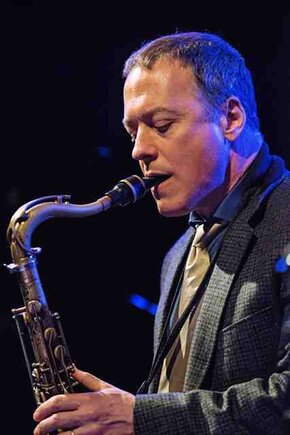
Univ.-Prof. Andrew L. Middleton serves as Professor at the Music and Arts Private University of Vienna's Faculty of Music since 2006, specializing in jazz composition, saxophone performance, and music education. His institutional affiliation encompasses both artistic creation and pedagogical leadership within the Jazz Department. His research interests focus on jazz composition and improvisation , exploring innovative approaches to melodic development, ensemble interaction, and cross-cultural synthesis. Middleton's work bridges European classical traditions with contemporary jazz practices, emphasizing pedagogical frameworks that develop both technical mastery and creative expression in improvisers. His scholarly contributions include systematic methods for melodic construction and harmonic reinterpretation that have influenced jazz education internationally. Artistic output trends reveal consistent exploration of original composition across ensemble formats from quartet to big band, with increasing emphasis on cross-cultural dialogue in later works. His creative trajectory demonstrates deepening integration of European classical structures with jazz improvisation, particularly evident in post-2000 recordings like Reinventing the World featuring Kenny Wheeler and Water and Sky . Major Awards : Prize of the 'Ambassador of Jazz' (2018), Federal Chancellery Film Composition Funding (2014), NEA Performance Grant (1996), Down Beat Magazine Outstanding Jazz Soloist (1987) Grants : Chamber Music America New Works Grant (2004), NYFA fiscal sponsorship (2006-2009), Fund for US Artists at International Festivals (1992-2004) As artistic director of the Poysdorf Jazz & Wine Summer Workshop (2000-2009) and Jazzinty International Workshop (2009-2015), Middleton developed comprehensive training programs across 20+ countries. His global clinic network included Erasmus residencies at Sibelius Academy, Royal Conservatoire Glasgow, and Malmoe Academy, focusing on saxophone pedagogy and ensemble leadership. Middleton's educational impact spans university programs, high school workshops, and professional development across Europe and the Americas. His creative laboratory operated through international collaborations including the Andy Middleton Group, European Quartet, and partnerships with Maria Schneider, Lionel Hampton, and Randy Brecker. Performance contexts ranged from jazz clubs and concert halls to major festivals across five continents, often integrating educational components within professional performance settings.