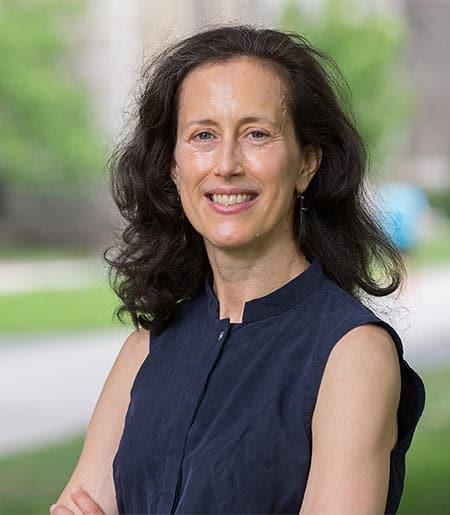
Valerie Hansen is the Stanley Woodward Professor of History at Yale University's Department of History. She specializes in Chinese history to 1600, the Silk Road, and global medieval connectivity. Her research bridges legal, religious, and economic dimensions of pre-modern societies. Hansen’s work includes groundbreaking books such as The Year 1000 (2020), redefining globalization’s origins, and The Silk Road: A New History (2012), integrating archaeological and textual sources. She led the Luce Foundation-funded Silk Road Project (1995–1998), unifying Turfan artifacts. Her articles span legal pluralism in Silk Road cities, Liao dynasty material culture, and Viking exploration’s global impacts. Awards include American Academy of Arts and Sciences Fellowship (2021) and Collège de France lectureship (2019). Hansen collaborates internationally, editing volumes on textiles as money and Song-Yuan studies. Her research emphasizes interdisciplinary methods, blending history with archaeology and art.
Hsueh-man Shen is the Director of Masters Studies and Ehrenkranz Associate Professor in World Art at New York University’s Institute of Fine Arts. She holds a D.Phil. from Oxford University in Archaeology, an M.A. in Art History from National Taiwan University, and an LL.B. in Law from the same institution. Her research focuses on medieval Chinese art and archaeology, particularly how cross-cultural exchanges shaped artistic practices through translation, replication, and hybridization. She has curated major exhibitions such as Gilded Splendor: Treasures of China’s Liao Empire (2006) and contributed to the Cave Temples of Dunhuang project (2016), emphasizing Silk Road cultural networks. Her current book project explores maritime activities’ impact on Buddhist art during the 10th–14th centuries. Shen’s work bridges art history, archaeology, and material culture studies, addressing topics like relic deposits, shipwrecks, and cross-cultural curatorial practices. She has held prestigious fellowships, including the Leiden University Hulsewé-Waznieski Professorship (2019) and a Wissenschaftskolleg zu Berlin residency (2008–2009). Education: D.Phil., Archaeology, University of Oxford M.A., Art History, National Taiwan University LL.B., Law, National Taiwan University Her research interests include Buddhist art’s transformation across dynasties, the role of replication in devotion, and maritime trade’s influence on cultural boundaries. She teaches courses such as Colors in the Visual Culture of Medieval China and Shipwrecks and the ‘Other’ Silk Road , integrating theoretical and material perspectives. Shen’s awards reflect her global academic contributions, including the EURIAS Senior Fellowship (2018–2019) and Progress 100 Visiting Professorship at Kyushu University (2017). Her publications span exhibition catalogues, monographs like Authentic Replicas: Buddhist Art in Medieval China (2019), and peer-reviewed articles analyzing Silk Road networks, Liao dynasty funerary practices, and cross-cultural material exchanges.
Robert Sharf is the D.H. Chen Distinguished Professor of Buddhist Studies in the Department of East Asian Languages and Cultures at the University of California, Berkeley . He also serves as Chair of the Numata Center for Buddhist Studies and Head Graduate Advisor for the Group in Buddhist Studies . With a PhD in Buddhist Studies from the University of Michigan (1995), he previously taught at McMaster University (1989-1995) and the University of Michigan (1995-2003). Research Interests: Medieval Chinese Buddhism (especially Chan) Japanese Buddhism Buddhist Art and Archaeology Ritual Studies Buddhist Modernism Philosophical Paradoxes Methodology in Religious Studies Critical Buddhist Discourse Publications & Collaborations: Author of Coming to Terms with Chinese Buddhism: A Reading of the Treasure Store Treatise (2002) Co-editor of Living Images: Japanese Buddhist Icons in Context (2001) Co-author of What Can’t Be Said: Contradiction and Paradox in East Asian Thought (2021) Co-author of How to Lose Yourself: An Ancient Guide to Letting Go (2025) Editor of Chinese translations of his works: Xiafu Chanxue zixuan ji and Xiafu Mijiao Yanjiu zixuan ji (2022) Academic Leadership: Director of the Group in Buddhist Studies Director of Religious Studies Chair of the Center for Buddhist Studies
Xin Wen is an Associate Professor of Premodern Chinese History and History at Princeton University, holding dual appointments in the Department of East Asian Studies and the Department of History. He serves as the Director of Undergraduate Studies and is affiliated with the Humanities Council and Behrman Faculty Fellows. His research focuses on medieval China and Inner Asia, particularly the Silk Road’s diplomatic networks and urban/cultural transformations in Chang’an. He earned a B.A. from the University of Science and Technology of China (USTC), an M.A. in Pre-modern Chinese History (Tang dynasty) from Peking University, and an M.A. and Ph.D. in Inner Asian and Altaic Studies from Harvard University. Xin Wen’s work bridges historical analysis with archaeological evidence, using multilingual Dunhuang documents and excavated texts to explore trans-Eurasian connections. His first book, The King’s Road: Diplomacy and the Remaking of the Silk Road , reinterprets the Silk Road as a diplomatic rather than commercial network. His second book project examines Chang’an’s post-Tang urban decline and cultural revival, funded by the American Council of Learned Societies. Collaborations include a study of Zoumalou’s third-century administrative documents with Brian Lander and Ling Wenchao. His research interests emphasize diplomatic history, Silk Road studies, urban transformation, and the interplay between memory and place. He actively publishes in journals like T’oung Pao and Journal of Silk Road Art and Archaeology , and his Chinese articles appear in leading journals such as Lishi yanjiu and Beijing daxue xuebao . Awards include the American Historical Association Prize for his first book. Grants and Funding: ACLS fellowship for his second book project. Labs/Teams: Collaborates with international scholars on Zoumalou documents and contributes to Brill’s publication efforts.
Eric Greene is an Associate Professor in the Department of Religious Studies at Yale University, specializing in medieval Chinese Buddhism. He has held academic positions since 2015, including Director of Graduate Studies at the Council on East Asian Studies. His research focuses on the transmission of Indian Buddhism to China, Chan/Zen Buddhism, and Buddhist meditation practices. He earned his Ph.D. in Buddhist Studies from UC Berkeley in 2012, with additional research at Kyoto University. Greene's work bridges historical analysis and textual criticism, particularly in early Chinese Buddhist texts such as the Vimalakīrti Sutra commentaries and meditation manuals. His publications include Chan Before Chan (2021) and The Secrets of Buddhist Meditation (2021), exploring meditation’s role in Chinese Buddhist identity and ritual. He has delivered invited lectures globally, addressing topics like Buddhist image worship, repentance practices, and comparative visions of meditation in medieval China and 19th-century psychology. Greene’s current research examines early Chinese Buddhist translation and commentary practices (150–350 CE), emphasizing how textual interpretation shaped Buddhist sinicization. His affiliations include the Yale Buddhist Studies Initiative and the Department of East Asian Languages and Literatures.
Yecheng (Kent) Cao is an Assistant Professor of Art and Archaeology at Duke Kunshan University and Duke University. He holds a Ph.D. from Princeton University (2019) in Chinese art and archaeology, an M.St. in Archaeology from the University of Oxford, and degrees in Archaeology and Anthropology from University College London and the London School of Economics and Political Science. His research focuses on the intersection of art, technology, and transregional exchange in early Chinese societies. Research interests include the development of bronze industries in the Yangtze River region during the Shang-Zhou periods and the revival of bronze archaism in Song China and Kamakura Japan. His first monograph examines how indigenous bronze practices emerged from interactions with northern Chinese influences, rethinking Chinese state formation through frontier perspectives. He has received grants and fellowships from the Henry Luce Foundation, Getty Research Institute, ACLS, and the Smithsonian. Current projects explore medieval East Asian antiquarianism and ritual aesthetics. His teaching emphasizes global perspectives in art history and material culture analysis.
Eugene Wang is the Abby Aldrich Rockefeller Professor of Asian Art at Harvard University and Founding Director of Harvard FAS CAMLab. He specializes in Buddhist visual culture, medieval Chinese art, and contemporary Chinese art and cinema. His research explores intersections of art with cognitive science, ecology, and technology, particularly through CAMLab’s projects like Digital Gandhara and Shadow Cave. Wang earned recognition for Shaping the Lotus Sutra (2005), which received Japan’s Sakamoto Nichijin Award. His work bridges historical art analysis with modern interdisciplinary approaches, including motion capture for Dunhuang dance and quantum network simulations. He serves as art history editor for the Encyclopedia of Buddhism and has held a Guggenheim Fellowship (2005). Key Awards: Guggenheim Fellowship (2005), Sakamoto Nichijin Academic Award (2005) Labs/Teams: Harvard FAS CAMLab (Cognition-Aesthetics-Mindscape Lab) Grants/Projects: Digital Gandhara (Afghanistan/Pakistan Buddhist site mapping), Shadow Cave (cognitive Buddhist cave studies) Wang’s focus on biocentric art and cognitive frameworks redefines art historical methodologies. His recent work integrates sensorial media with spiritual experience, reflecting his commitment to pushing interdisciplinary boundaries.
Miranda Brown is a Professor of Chinese Studies in the Department of Asian Languages and Cultures at the University of Michigan, holding dual appointments as the Yi-tsi Mei Feuerwerker Collegiate Professor and Arthur F. Thurnau Professor. She has been affiliated with the university since 2002, currently serving as Director of the Honors Program in the College of Letters, Sciences, and Arts. Her research bridges cultural history with culinary and medical traditions in early China, focusing on foodways, mourning rituals, and historical texts. Education details are not explicitly stated in the provided texts, but her academic trajectory is evident through her extensive publications and roles. Her research interests center on the intersection of food, medicine, and culture, particularly in pre-modern China. Notable projects include a forthcoming book on pre-20th-century dairy history in China and co-authorship of A Brief History of Chinese Civilization (2012). She teaches courses such as ASIAN 258: Food and Drink of Asia and mentors graduate students through advanced seminars like ASIAN 535: History of Chinese Science. Her recent articles (2019–2022) explore topics like Mr. Song's Cheeses in Ming-Qing China, transnational food translation challenges, and cultural narratives around Chinese diets during the COVID-19 pandemic. Awards and grants are not explicitly listed, but her dual professorships reflect institutional recognition. She actively collaborates with students and maintains an engaged social media presence (@Dong_Muda) documenting culinary explorations in China.
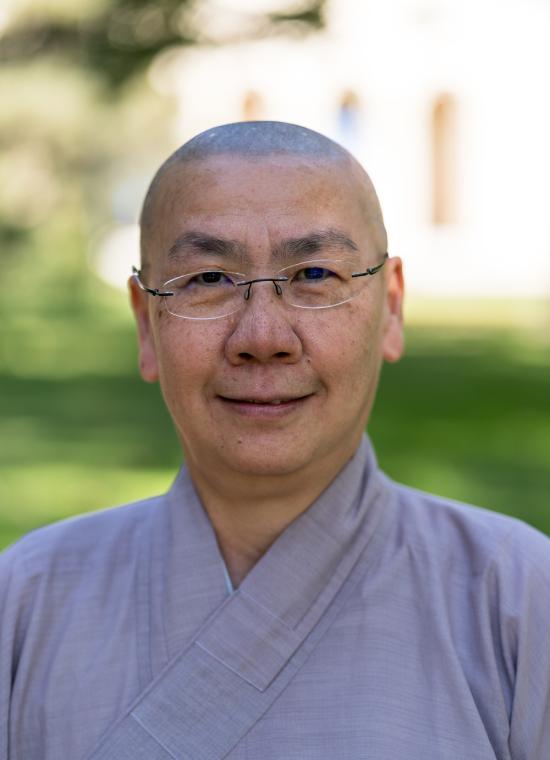
Zhiru Ng is a Professor in the Department of Religious Studies at Pomona College, where she has been a faculty member since 2000. Her research and teaching focus on Chinese Buddhist history, art, and religious practices, particularly the cult of Dizang (Jizo) Bodhisattva and the interplay between texts and images in Buddhist traditions. Her academic background includes a Ph.D. from the University of Arizona, an M.A. from the University of Michigan, Ann Arbor, and a B.A. from the National University of Singapore. Ph.D., University of Arizona M.A., University of Michigan, Ann Arbor B.A., National University of Singapore Dr. Ng's research interests span Chinese Buddhist history, Buddhist art, Dizang Bodhisattva, cross-cultural Buddhist interactions, and modern Taiwanese Buddhism. She explores how Buddhist doctrines are materialized in art and ritual, and how religious diversity is navigated in Chinese intellectual history. Her work bridges textual analysis with visual and material culture, offering deep insights into the lived dimensions of East Asian Buddhism. The trend in her scholarly publications reflects a sustained engagement with medieval Chinese Buddhist cults, scriptural authority, healing practices, and the visual representation of doctrine. Her articles and book chapters examine the evolution of savior bodhisattvas, the integration of Indian Buddhist traditions in China, and the dynamics of religious diversity. She frequently contributes to major academic presses and journals in Buddhist and Asian studies. Her scientific awards and honors include: Outstanding Global Bhikṣunī Award, Taiwan (2016) Outstanding Women in Buddhism Award, Bangkok (2010) Visiting Research Fellow, University of Heidelberg (2012) Senior Fellow, Harvard University Center for the Study of World Religions (2003–04) Chiang Ching-kuo Foundation Scholar Grant (2008–09) Graves Award for Excellence in Teaching (2004–05) Dr. Ng has advised various academic projects and secured research grants from foundations such as the Chiang Ching-kuo Foundation and Harvard’s Center for the Study of World Religions. While no formal lab or research team is mentioned, her collaborative work with institutions like the Kuroda Institute and participation in international research projects indicate active scholarly networks. She teaches courses on East Asian religions, the Lotus Sutra, death and afterlife, and the life of the Buddha through art and text.
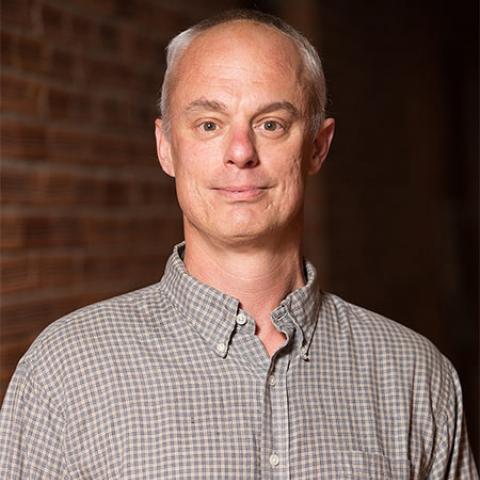
Daniel Boucher is an Associate Professor of Asian Studies at Cornell University's College of Arts and Sciences, specializing in Buddhist studies with a focus on the early development of Mahayana Buddhist movements in India and their transmission to China during the first few centuries CE. Ph.D. in East Asian Literature, University of Pennsylvania (1996) MA in Religious Studies, Indiana University (1989) BA in Religious Studies and Philosophy, Indiana University (1986) His research encompasses Buddhist Middle Indo-Aryan languages, particularly Gandhari Prakrit's role in early Buddhist transmission, and explores translation as a religious genre. He also investigates art historical, epigraphical, and archaeological sources for studying religion, alongside methodological and theoretical frameworks in religious studies. Boucher's publications reflect a multidisciplinary approach to early Mahayana Buddhism, analyzing textual transmission, cultural exchange along Silk Road, and the interplay between language and religious practice. Key themes include manuscript preservation, linguistic adaptation, and the evolution of Buddhist rituals. Selden Memorial Translation Prize He teaches courses on Asian religions and Mahayana Buddhism at Cornell, contributing to academic programs in Asian Studies and Religious Studies.
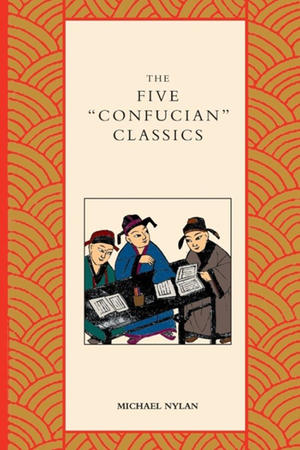
Michael Nylan is the Jane K. Sather Chair in History at the University of California, Berkeley, where he holds the rank of Professor in the Department of History. His research focuses on Early China (475 BCE–220 CE), with emphasis on sociopolitical contexts, aesthetic theories, material culture, cosmological beliefs, and gender history. He is renowned for interdisciplinary work bridging history, philosophy, and archaeology, particularly through comparative studies of classical civilizations like Rome and Han China. Education includes a PhD from Princeton University (1976–81), MA from SUNY Buffalo (1970–73), and BA from UC Berkeley (1968–70). He has conducted additional training at Cambridge University (Oriental Studies) and Beijing's Institute of Archaeology. Current research projects include studies on the 'Four Fathers of History' (Herodotus, Thucydides, Sima Qian, Ban Gu), sociopolitical conditions of classical learning in the Han dynasties, and the 'politics of the common good' in early China. His recent publications include Chang'an 26 BCE: An Augustan Age in China? (2015) and The Chinese Pleasure Book (2018), alongside translations of classical texts like Yang Xiong's Fayan and Sun Tzu's Art of War . His scholarly contributions span over 100 articles and books, addressing topics such as Han legal systems, aesthetic values in calligraphy, and the interplay between religion and governance. He has edited volumes on topics ranging from the Wu Family Shrines to the legacy of Nathan Sivin, showcasing his role as a leading figure in Sinological research.
Michelle McCoy is an Assistant Professor in the Department of History of Art and Architecture at the University of Pittsburgh’s Kenneth P. Dietrich School of Arts and Sciences. Her research focuses on Chinese and Inner Asian art, emphasizing transcultural exchange, religion, and science. She holds a PhD from the University of California, Berkeley, and has held fellowships at institutions including the Max Planck Institute and the Dunhuang Academy. Her teaching includes courses on Silk Road material culture, eco-critique in art history, and public exhibitions. Recent projects explore astrology’s role in pre-modern art and the Dunhuang Buddhist grottoes. She collaborates with global research groups like the Max Planck Institute’s ‘Visualization and Material Culture of the Heavens’ and the ERC-funded ‘Global Horizons in Premodern Art.’ Education: PhD, University of California, Berkeley MA, University of California, Davis BFA, Pratt Institute Her awards include the Ittleson Fellowship and Fulbright–IIE Fellowship. She advises two graduate students and has organized exhibitions at the University Art Gallery. Current research integrates art history with environmental and feminist critiques.
Ina Asim is an Associate Professor at the University of Oregon's College of Arts and Sciences, with affiliations in Asian Studies, Food Studies, History, and Medieval Studies. She holds an office in 317 McKenzie Hall and her research focuses on Chinese history, cultural practices, and interdisciplinary studies. Her work explores topics such as sartorial regulations in the Ming Dynasty, Song Dynasty land contracts, and Tang Dynasty tomb culture. She also studies gender roles in early 20th-century reform movements and political legitimation strategies in medieval China. Recent research includes projects on urban life in late Ming Nanjing and the cultural legacy of the Silk Road. Her publications span historical analysis, biographical studies, and archaeological investigations, reflecting a deep engagement with material culture and social norms.
Dr. Jeffrey Moser is Associate Professor of History of Art and Architecture specializing in Chinese art and archaeology. His research examines material/conceptual processes of historical representation, particularly in medieval Chinese artistic/scholarly practices. His monograph Nominal Things: Bronzes in the Making of Medieval China (Chicago, 2023) won the Bei Shan Tang Prize, analyzing how 11th-century bronze rediscovery transformed medieval epistemologies. Current projects include: Moral Depths: Making Antiquity in a Medieval Chinese Cemetery examining Lü Dalin's family cemetery International collaboration cataloging grave goods from the Lü Dalin site Dr. Moser has received fellowships from Center for Advanced Study in Visual Arts, Bard Graduate Center, and ACLS. He teaches courses on Asian arts, Chinese landscape painting, and art historiography.
TJ Hinrichs serves as Associate Professor in the Department of History at Cornell University's College of Arts and Sciences, with cross-affiliations in the Medieval Studies Program, Religious Studies Program, and Science and Technology Studies. Her research centers on Song Dynasty China (960-1279 CE), examining medical, political, and cultural transformations through projects like her forthcoming monograph Shamans, Witchcraft, and Quarantine: The Medical Transformation of Governance and Southern Customs in Mid-Imperial China (Harvard East Asia Series). Hinrichs investigates connections between intimate human experiences (illness, personal transformation), communal practices (medical training, religious rites), and macro-historical shifts (civil service examinations, commercialization, urbanization). Her teaching spans China's classical to modern periods through courses including Medicine and Healing in China , Daoist Traditions , and East Asian Martial Arts , often comparing Chinese and Japanese contexts. Analysis of her publications reveals consistent focus on medicine's role in Song governance through material culture (tomb murals), textual production (stone inscriptions), and epidemic responses. Her work bridges political authority, medical knowledge systems, and social reform, demonstrating how healthcare became instrumental in state-building during China's medieval period. Scientific Awards: No awards, fellowships, or medals were mentioned in the source text. Advising and Grants: The provided materials contain no information about graduate students advised, research grants, or sponsored projects. Labs and Teams: Hinrichs co-organizes the Cornell Classical Chinese Colloquium (CCCC) with Professor Suyoung Son, a weekly reading group analyzing classical Chinese texts from earliest times to the 20th century. The colloquium welcomes participants of all experience levels for collaborative translation and historical discussion, meeting Fridays 3:30-5:30 PM with texts distributed onsite.