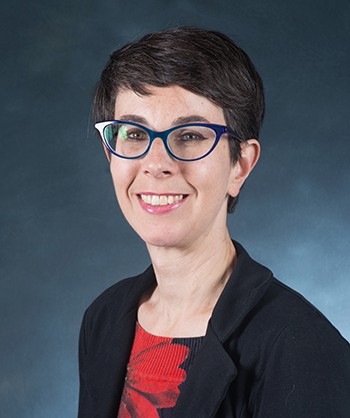
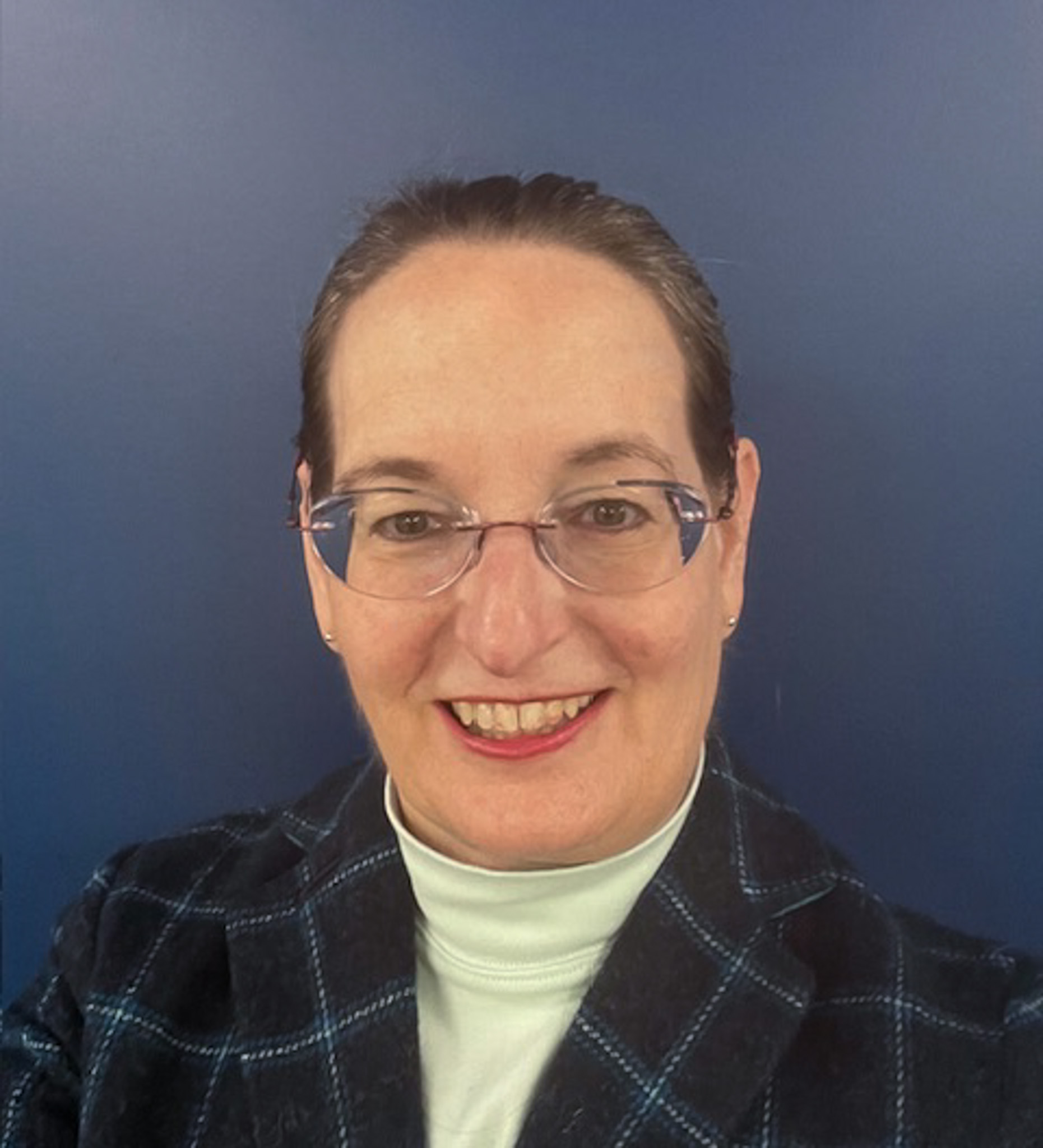
Claire Bubb is an Assistant Professor of Classical Literature and Science at New York University's Institute for the Study of the Ancient World (ISAW). She holds a Ph.D. in Classical Philology from Harvard University and an A.B. in Classics from Brown University. Her research focuses on medicine, biological sciences, and their intersection with Greco-Roman literature and law. Notable works include Dissection in Classical Antiquity (2022), which received major awards, and co-edited Medicine and the Law under the Roman Empire (2023). Her work examines topics like dietetics, ancient dissection practices, and the cultural contexts of medical knowledge. She co-curated ISAW's digital exhibition The Empire’s Physician (2020/21) and is preparing a book on diet and digestion in classical thought. Recent talks address Galen’s aesthetics, medical experimentation subjects, and Aristotle’s biological writings. Teaching includes graduate seminars on Galen, Hippocrates, Aristotle’s zoology, and ancient science’s social contexts. She regularly instructs NYU’s core curriculum course The Body in the Ancient Mediterranean .
Jeremy Simmons is an Assistant Professor of History and the College at the University of Chicago. His research focuses on the interconnected ancient world, spanning from Iberia to India, with an emphasis on material culture, economic history, and cultural geography. He holds a Ph.D. in Classical Studies from Columbia University (2020) and a B.A. in Classics and Near Eastern Studies from UC Berkeley. His forthcoming monograph, Sea of Treasures: A Cultural History of Ancient Indian Ocean Trade (Princeton UP, 2025), examines the social and cultural impacts of Indian Ocean trade in antiquity. Recent projects explore oceanic history frameworks and material historical methodologies. Simmons has held prestigious fellowships at the American Academy in Rome, Harvard’s Center for Hellenic Studies, and the Institute for Advanced Study in Princeton. He teaches courses on Afro-Eurasian connectivity and comparative approaches to ancient worldviews. His research bridges Greco-Roman, Near Eastern, and Indian subcontinent studies, with a focus on numismatics and maritime commerce.
University of North Carolina at Chapel HillUnited States
Zlatko Plese is a Professor of Ancient Mediterranean religions (focusing on the Greco-Roman world, early Christianity, and late antiquity) at the University of North Carolina at Chapel Hill. He also held an appointment as Adjunct Professor at the University of Bern's Institute of New Testament Studies from 2018-2021. His academic career spans institutions in both Croatia and the United States, including Yale University and Wesleyan University. His educational background includes: Ph.D. in Classics, Yale University, 1996 Ph.D. in Philology, Philosophy, and Theology, University of Zagreb, 1996 M.Phil. in Classics, Yale University, 1990 M.A. in Classics, University of Zagreb, 1989 B.A. in Classics, University of Zagreb, 1985 Zlatko Plese specializes in the intersection of ancient religious traditions, with particular focus on Early Christianity and Classical Culture , Gnosticism and Hermetism , Ancient Rhetoric and Hermeneutics , Plutarch and Middle Platonism , and Coptic Language and Literature . His research examines how ancient religious and philosophical traditions interacted, transformed, and influenced one another across cultural boundaries. He has made significant contributions to understanding the narrative structures of Gnostic literature, particularly through his work on the Apocryphon of John, and has explored the connections between ancient philosophy and religious thought in the Greco-Roman world. His scholarly output reveals consistent engagement with the intellectual history of late antiquity, particularly examining how Gnostic and Hermetic traditions engaged with Platonic philosophy. A significant portion of his work focuses on the Nag Hammadi library texts and their interpretation, with special attention to narrative structure and cosmological concepts. His research demonstrates how ancient religious thinkers creatively adapted and transformed philosophical concepts from Greek tradition within new religious frameworks. Dr. Plese has served on numerous thesis and dissertation committees across multiple disciplines including Religious Studies, Classics, and German Language and Literature at both UNC and Duke University. His teaching portfolio at UNC includes courses on Coptic language and literature, history of early Christianity, Gnosticism, ancient conceptions of death and afterlife, Hellenistic rhetoric and philosophy in early Christianity, and myth, science, and philosophy in the ancient world. He is also one of the editors of the Discourses of Apa Shenoute, an important Coptic writer who provides valuable insights into fourth/fifth century Egyptian monasticism.
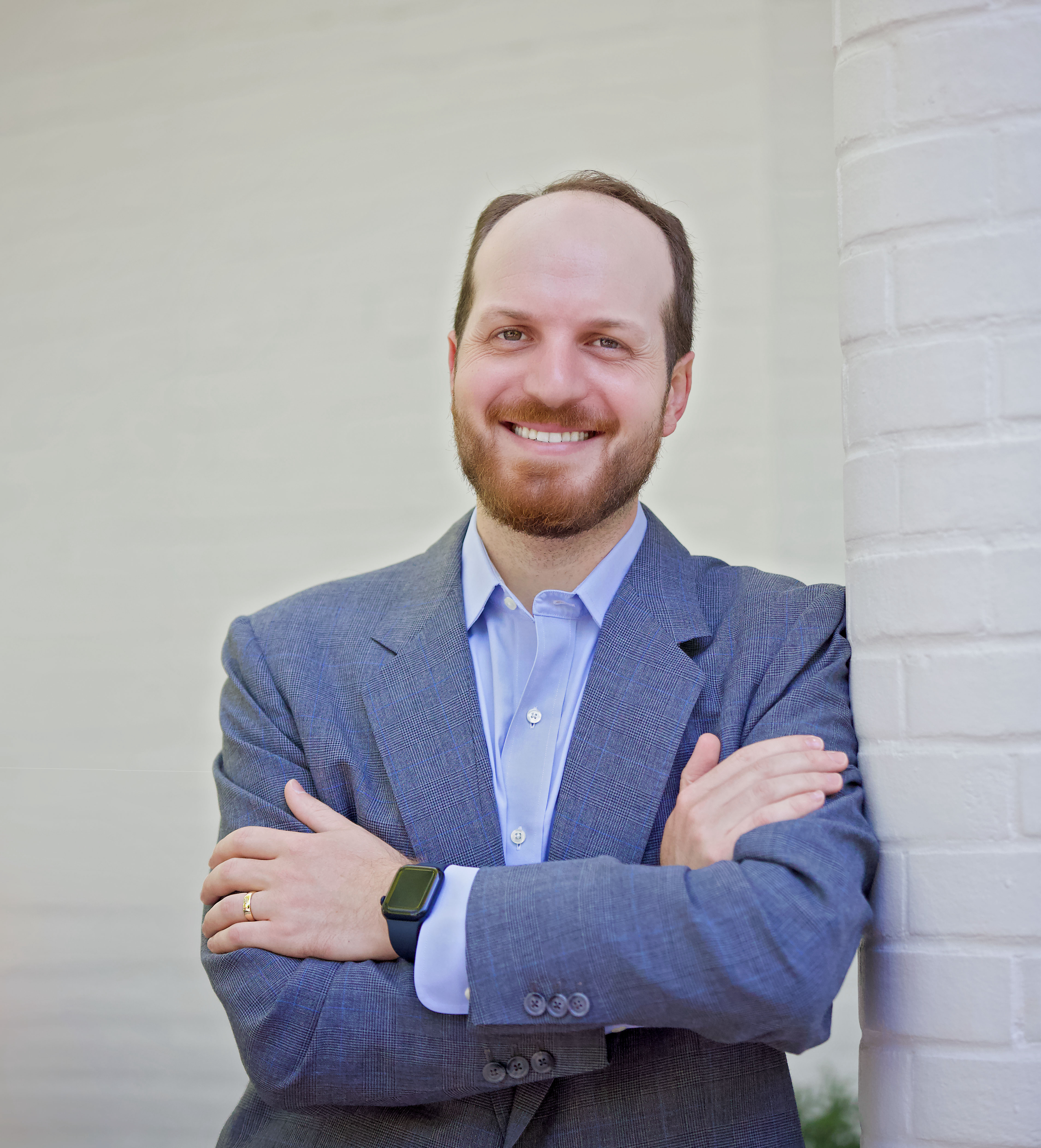
Ian Moyer is an Associate Professor of History at the University of Michigan, affiliated with the Center for Middle Eastern and North African Studies (CMENAS) and multiple interdepartmental programs, including Greek and Roman History, Anthropology and History, and Classical Art and Archaeology. His research focuses on cross-cultural interactions between ancient Greeks and Egyptians, with a particular emphasis on Ptolemaic Egypt and the historiography of cultural encounters. Moyer holds a Ph.D. from the University of Chicago and has held teaching positions at Pomona College and membership at the Institute for Advanced Study in Princeton. His work explores themes such as ethnicity, religion, and agency in ancient Mediterranean contexts, drawing on methodologies from historical anthropology and cultural studies. Notable publications include *Egypt and the Limits of Hellenism* (Cambridge University Press, 2011), which challenges colonial narratives of cultural interaction. Current research examines transcultural political practices in Ptolemaic Egypt and the agency of indigenous elites. Moyer’s interdisciplinary approach bridges history, classics, and Egyptology, with recent projects addressing Greco-Egyptian religious syncretism, magical practices, and the materiality of cultural exchange. He has collaborated on edited volumes such as *Cultures of Resistance in the Hellenistic East* and *Classicisms in the Black Atlantic*, expanding discussions on resistance and classical reception in global contexts. His affiliations include the Interdepartmental Program in Ancient History and the Doctoral Program in Anthropology and History at the University of Michigan, reflecting his commitment to collaborative, cross-disciplinary scholarship.
Aileen Das is a Professor of Classical Studies at the University of Michigan, with affiliate appointments in History, Middle East Studies, and Judaic Studies. She specializes in the intellectual history of Greco-Roman and medieval Islamicate medicine and philosophy, with a particular focus on Galen of Pergamum and the transmission of Greek philosophical knowledge into Arabic. Her research explores how ancient and medieval authors articulated categories of knowledge such as 'medicine,' 'philosophy,' and 'science,' with particular attention to how disciplinary boundaries were drawn and policed in contests for epistemic authority. She is particularly interested in Galen's engagement with Plato's Timaeus as a means of expanding medicine's boundaries to encompass not only the body but also the soul and cosmos. Das's work analyzes the reception of Greek philosophical knowledge in the medieval Islamicate world, examining how thinkers like Ibn Sīnā (Avicenna), Maimonides, and Ibn Rushd (Averroes) engaged with and critiqued Galen's medical approach to philosophical questions. Her research also considers the Greco/Syriac-Arabic translation movement and how translators adapted Greek sources for monotheistic audiences. Winner of the SCS 2021 Charles J. Goodwin Award of Merit Author of Galen and the Arabic Reception of Plato's Timaeus (Cambridge University Press, 2020) Book translated into Arabic in 2022 Recipient of multiple research grants supporting her work on Greco-Arabic studies Das actively supervises graduate students interested in the history of medicine, science, and technology from the classical to medieval period. She is currently working on a second monograph titled Greek Science and Semitic Secularisms: Greco-Arabic Studies in the 20th Century , which offers an intellectual biography of modern Greco-Arabic Studies through the lens of self-orientalism.
Maria Gerolemou is a Visiting Assistant Professor of Classics at Johns Hopkins University's Krieger School of Arts and Sciences. She holds a PhD in Classics from Ludwig Maximilian University of Munich and specializes in ancient Greek drama, Wunderkultur, and ancient science/technology. Her research bridges gender studies, material culture, and technological history. Education: PhD in Classics (Ludwig Maximilian University of Munich), undergraduate studies in Classics (Athens/Munich). Research interests include: gender representations in tragedy, cultural perceptions of miracles, ancient technological innovations, and intersections between body, medicine, and technology in Greco-Roman contexts. She explores how ancient societies conceptualized automation, animation, and mechanical systems, along with their symbolic and gendered dimensions. Publications: Authored two monographs and edited/co-edited five volumes. Notable works include Technical Automation in Classical Antiquity (2023), Body Technologies in the Greco-Roman World (2024), and collections on miracles, mirrors, and animation technologies. Her work analyzes artifacts like mirrors, medical instruments, and mechanical devices to reconstruct ancient knowledge systems. Advising/Grants: No specific grants or advising details mentioned. Her editorial work spans collaborative volumes addressing interdisciplinary themes in antiquity. Labs/Teams: Currently no lab affiliations noted in provided texts.
Lynn Rose is a Professor in the Department of Social Sciences at the American University of Iraq, Sulaimani (AUIS), where she has worked since 2016. She holds a Ph.D. and B.A. from the University of Minnesota-Minneapolis and specializes in disability studies, gender studies, and premodern humanities. Education: Ph.D., University of Minnesota-Minneapolis B.A., University of Minnesota-Minneapolis Her research focuses on disability in the Greco-Roman world, often intersecting with gender studies, law, and non-Western societies. She has published extensively on topics like intellectual disability in Homeric texts, psychiatric disability in Galenic medicine, and social stigma in ancient Greece. Dr. Rose's scientific awards include the CASE (Carnegie) Professor of the Year for Missouri, the Fulbright Scholar designation, and the Mary Switzer Distinguished Fellowship. She has contributed to the Encyclopedia of Disability and served on its International Advisory Board, while also publishing in journals like the American Historical Review and Disability Studies Quarterly . Her publications reveal trends in interdisciplinary disability studies, blending ancient history, classics, and medical theory. Notable subfields include femslash narratives, the Oedipus myth, Galenic medicine, and the intersection of disability with colonialism, law, and warfare.
M. A. Mujeeb Khan is an Assistant Professor in the Department of World Languages and Cultures at the University of Utah, appointed since 1 July 2020. He also holds affiliate appointments with the Asia Center (since 15 Sep 2020) Middle East Center (since 15 Sep 2020) Center for Health, Ethics, Arts, & Humanities (since 15 Sep 2023) at the same university. Dr. Khan’s educational background is exceptionally international: he earned a B.S. in Physics (with minors in Japanese and Biology) from Stony Brook University (2005), an A.M. in Regional Studies—East Asia from Harvard University (2008), an M.S. in History and Philosophy of Science from the University of Tokyo (2012), and a Ph.D. in Asian and Middle Eastern Studies from the University of Cambridge (2016). His research explores cross-cultural transmission of scientific and medical knowledge between the Islamicate world and East Asia, focusing on how Greco-Roman and Sino-Korean traditions were received, translated, and transformed in medieval Islamic and Japanese contexts. Key figures in his work include physicians and scholars such as Abū Bakr al-Rāzī, Ibn Sīnā, and Tanba no Yasuyori. More recent projects extend to nineteenth-century modernist thinkers like Muhammad Abduh and Fukuzawa Yukichi, as well as Japanese perceptions of Islam and the Yuan Dynasty medical text Hui Hui Yao Fang . Across his publications, a clear trend emerges: meticulous textual analysis combined with comparative cross-cultural perspectives on medicine, philosophy, and intellectual history. His writings address translation beyond language , the popularization of philosophical knowledge through poetry , and the negotiation of tradition within specific cultural moments, highlighting the roles of orthopraxy and textual agency. Dr. Khan has been honored with Suntory Foundation Fellowship (2019) Aziz Atiya Comparative Research Award (2021) for his outstanding contributions to comparative research in the humanities. His teaching philosophy centers on critical engagement and self-reflection . Courses such as Asian Medicine , Reading Manga , Cultural Moments in Japan , and Visions of Islam encourage students to question assumptions and deepen linguistic and cultural competencies by situating traditions within their socio-historical contexts. At Utah, Dr. Khan is an active member of interdisciplinary centers that foster dialogue across Asia, the Middle East, and medical humanities, reflecting his commitment to collaborative scholarship and integrative pedagogy.
Brandon McDonald is an Assistant Professor in the Department of Classical Studies and History at Tufts University's School of Arts and Sciences, holding the Rumsey Family Assistant Professorship in Interdisciplinary Studies with a secondary appointment in Environmental Studies. His educational background includes: Doctor of Philosophy, Oxford University, 2021 Master of Philosophy, Oxford University, 2017 Bachelor of Arts, Columbia University, 2015 McDonald's research centers on human-environment interaction in the ancient Mediterranean, with specialized focus on climatic change and infectious disease impacts on Graeco-Roman societies. His work bridges environmental history, Roman archaeology (particularly Eastern Mediterranean), economic systems, and ancient urban development through interdisciplinary methodologies. His 2021-2025 publications reveal consistent exploration of pandemic-climate-economy intersections in antiquity, featuring the Justinianic/Antonine plagues and Roman environmental stressors. These studies integrate archaeological field data with historical analysis to demonstrate how disease vectors and climate shifts triggered societal transformations across the Mediterranean world. As Co-PI of the Küçükçekmece Lagoon excavation (Istanbul), McDonald leads fieldwork in Turkey, Italy, Egypt, and Greenland's ice core teams, supported by grants enabling transnational research collaboration on ancient environmental crises. He currently develops the monograph 'Pestilence in Antiquity: The Expansion of Infectious Disease in the Greco-Roman Mediterranean' while teaching courses spanning ancient ecology, disease history, Roman urbanism, and archaeological economics.
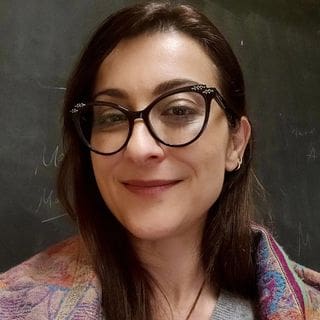
Kendra Eshleman is an Associate Professor of Classical Studies at Boston College, affiliated with the Morrissey College of Arts and Sciences. She holds a Ph.D. and specializes in Roman history with a focus on the Second Sophistic movement and early Christianity. Her research examines how identity formation among intellectuals in the Roman Empire (1st–3rd centuries CE) was shaped by social networks and affiliations. Teaching includes advanced Latin/Greek seminars on Tacitus, Apuleius, Cicero, Livy, and Herodotus, as well as courses on Roman history, law, medicine, and religion. Her 2012 book The Social World of Intellectuals in the Roman Empire explores how belonging influenced identity among philosophers, sophists, and Christians. Her publications span topics like ancient biography (e.g., Oxford Handbook of Ancient Biography ), cultural geography ( Journeys in the Roman East ), and interdisciplinary studies of medicine/legal practices under Rome. She co-edits the Culture, Religion and Politics in the Greco-Roman World series (Mohr Siebeck).
Beth M. Sheppard is a tenured full professor at the Ingram Library of the University of West Georgia, specializing in Library Science and Biblical Studies with a focus on the Roman context of the Fourth Gospel. She manages the university's Institutional Repository, secured through a Gladys Delmas Krieble Foundation grant. Currently pursuing a Masters of Legal Studies in Intellectual Property, her work bridges academic librarianship and biblical scholarship. PhD holder with interdisciplinary teaching expertise in library instruction, world religions, and Greco-Roman studies Advocate for technology integration, open access publishing, and grant-funded initiatives Author of over 30 scholarly works spanning theological librarianship, New Testament analysis, and library management Research emphases include: (1) Roman cultural influences on Johannine literature, (2) library automation challenges, (3) metrics for measuring scholarly impact in religious studies, and (4) optimizing library workforce productivity. Recent publications explore intersections between biblical exegesis and modern technology, as well as grant lifecycle management in academic contexts. Her teaching portfolio includes core library literacy courses (LIBR-2100) and interdisciplinary studies such as 'Medicine & Health-Greco-Roman' (XIDS-2002). Active in professional organizations, she has written extensively about RFID security systems in libraries and the future of theological librarianship in the digital age.
Bronwen L. Wickkiser serves as the Solomon Bluhm Professor of Ancient History at Hunter College, City University of New York, within the Department of Classical and Oriental Studies. She specializes in Greek and Roman medicine, Greek religion, Augustan culture, and classical reception studies. Education PhD in Classics from the University of Texas at Austin Her research focuses on interdisciplinary approaches to ancient history, particularly the intersection of medical practices and religious traditions in the Greco-Roman world, as well as the cultural and political dynamics of the Augustan era and its modern interpretations. Scientific Awards Solomon Bluhm Professor of Ancient History Contact: 68th Street West 1427A, (212) 772-4960
MUJEEB KHAN is an Assistant Professor in the Department of World Languages and Cultures at the University of Utah , with affiliations to the Asia Center, Middle East Center, and Center for Health, Ethics, Arts, & Humanities. He earned a BS in Physics (2005) from Stony Brook University, an MA in Regional Studies - East Asia (2008) from Harvard, an MS in History and Philosophy of Science (2012) from the University of Tokyo, and a PhD in Asian and Middle Eastern Studies (2016) from Cambridge. His training spans multiple educational systems in Japan, China, and the Islamic world. Research Interests focus on cross-cultural knowledge transmission between the Islamicate world and East Asia, particularly examining: Greco-Roman scientific reception in Islamic and Japanese traditions Comparative analysis of medical texts like Ibn Sīnā's Poem on Medicine and Tanba no Yasuyori's Ishinpō Intersectionality in premodern traditions Modern reinterpretations of historical knowledge systems Yuan Dynasty cross-cultural exchanges Scientific Awards : Aziz Atiya Comparative Research Award (2021) Suntory Fellowship (2019) Teaching emphasizes critical engagement through courses like 'Asian Medicine' (2024), 'Cultural Moments in Japan' (2024), and 'Reading Manga' (2025), which challenge students to reflect on cultural assumptions and develop linguistic competencies. His pedagogical approach combines historical analysis with modern contextualization.