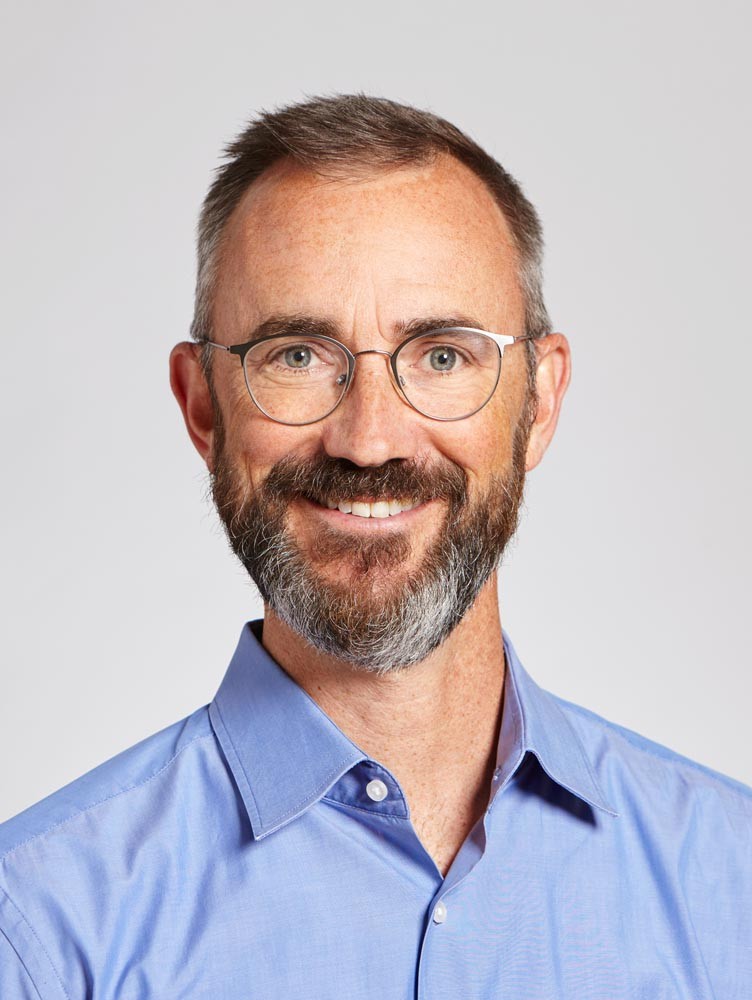
Prof. Knut Drescher is an Associate Professor at the Biozentrum, University of Basel , leading a research group focused on bacterial biofilms , swarming , and microbial multicellularity . Previously, he served as a Professor of Biophysics and Max Planck Research Group Leader at Philipps-Universität Marburg (2015-2021) and conducted postdoctoral research at Princeton University. Research Interests: Physical and biological mechanisms of biofilm formation Cell-cell interactions in microbial communities Antibiotic resistance in biofilms Hydrodynamics of bacterial swarms Evolution of cooperation in multispecies biofilms Development of bioimaging software (BiofilmQ, BacStalk) Scientific Awards: 2023: SNSF Consolidator Grant 2019: Heinz Maier-Leibnitz Prize (DFG), VAAM Research Prize, IUPAP Young Scientist Prize 2016: ERC Starting Grant Advising & Grants: Advises PhD and Master's students in microbiology, biophysics, and bioinformatics Secured major grants from ERC , HFSP , and DFG
Swiss Federal Institute of Technology in LausanneSwitzerland
Peyman Karami is a Postdoctoral Researcher at the Laboratory of Biomechanical Orthopedics (LBO) within École Polytechnique Fédérale de Lausanne (EPFL)'s College of Engineering . Research focuses on adhesive hydrogels for cartilage repair and orthopedic applications Investigates biomimetic stimuli (hydrostatic pressure, temperature) in chondrocyte homeostasis Develops ligin-based multifunctional hydrogels for sustainable biomedical applications Expertise in mechanobiology and thermomechanical regulation of tissue-engineered constructs Scientific Contributions: Leads 15+ publications on hydrogel technologies for cartilage regeneration, thermomechanical stimulation effects, and lignin functionalization, including breakthrough work in NIR-light photocuring , malacic trachea repair , and biomimetic temperature gradients . Current Research Trends: Prioritizes injectable adhesive hydrogels , noninvasive tissue repair , and multi-functional biomaterials that couple mechanical and biochemical cues for enhanced regeneration.
Prof. Dr. Roderick Lim is an Associate Professor at the Biozentrum, University of Basel , where he leads a research group since 2014. His work bridges biophysics, nanotechnology, and molecular biology , focusing on the nuclear pore complex (NPC) and mechanobiology of cells . He develops biomimetic systems for selective molecular transport and ARTIDIS , a nanomechanical tissue diagnostic platform commercialized for breast cancer prognosis . Education : BSc (UNC Chapel Hill), PhD (NUS/IMRE Singapore), Postdoc (Swiss Nanoscience Institute) Positions : Argovia Professor (2014–present), Tenure Track Asst. Prof. (2009–2013), Postdoc (2004–2008) His research on NPC transport selectivity reveals how karyopherins modulate the FG Nup barrier via multivalent interactions, with implications for viral entry and Alzheimer’s disease . His ARTIDIS platform uses atomic force microscopy to detect cancer via tissue softness, linking hypoxia to metastasis . Recent 2025 publications explore bacterial nanoharpoon defense mechanisms and DNA origami-based NPC mimics . Scientific Awards : Pierre-Gilles de Gennes Prize (2008), A*STAR Fellowship (2004) Collaborations : NCCR Molecular Systems Engineering, NanoTera, KTI He mentors PhD students in institutions across Switzerland, Singapore, Sweden, and the UK , with alumni working on polymersome delivery, mechanotransduction, and pathogen transport . His lab pioneered high-speed atomic force microscopy for real-time NPC dynamics and plasmonic nanopores for synthetic biology applications.
Dr. Sung Sik Lee serves as a Lecturer in the Department of Materials at ETH Zurich, Switzerland. Affiliated with ScopeM (Scientific Center for Optical and Electron Microscopy), he develops microfluidic platforms for real-time cellular analysis at the HPM C 52.2 facility (Otto-Stern-Weg 3, Zürich). His research bridges engineering and biology to investigate cellular responses to mechanical and chemical stimuli. His primary research domains include: Microfluidics : Design of microfabricated devices for cell stretching, particle separation, and dynamic stimulation Cellular Aging : Mechanisms of chromosome loss and nuclear pore complex reorganization in yeast models Nanotoxicology : Impact of nanoplastics on macrophage inflammation and intestinal barrier integrity Advanced Imaging : Application of holotomography and Raman spectroscopy for label-free cellular analysis His work consistently targets translational applications in disease modeling and diagnostics. Analysis of his 50+ publications reveals strong interdisciplinary integration, particularly the convergence of machine learning with microscopy (e.g., automated vacuole quantification in yeast) and the development of open-access resources like MicrobioRaman. Recent trends emphasize nanoparticle-cell interactions and microfluidic solutions for inflammatory conditions including IBD and acute kidney injury. Dr. Lee actively contributes to ScopeM's mission of advancing microscopy techniques, maintaining collaborations across ETH Zurich's research ecosystem. His laboratory focuses on microfluidic device fabrication, cellular mechanotransduction studies, and biophysical characterization of particles and cells, with ongoing projects extending through 2025.
Swiss Federal Institute of Technology in LausanneSwitzerland
Sangwoo Kim is a Tenure Track Assistant Professor at the Swiss Federal Institute of Technology Lausanne (EPFL) in the Institute of Mechanical Engineering. He leads the Mechanics of Soft and Biological Matter Laboratory (MESOBIO), focusing on the interplay between mechanics, physics, and biology in living systems. His research spans soft matter physics, developmental biology, and mechanical engineering. 2023–Present: Tenure Track Assistant Professor, EPFL School of Engineering Postdoctoral Fellow, UC Santa Barbara Mechanical Engineering Ph.D. in Theoretical and Applied Mechanics, University of Illinois at Urbana-Champaign Kim’s research investigates fundamental properties of biological and soft materials, including: Tissue morphogenesis and embryonic development Mechanical behavior of amorphous and active matter Non-equilibrium dynamics in cellular systems Phase transitions in biological tissues Stress and osmotic pressure quantification His recent publications reveal a focus on: Biological jamming and fluidization Zebrafish axis elongation mechanics Energy landscapes of cellular matter Active matter modeling Statistical mechanics of soft materials Developmental force transmission Kim supervises PhD students and teaches courses in structural mechanics at EPFL, emphasizing problem-solving in engineering design.
Margherita Bernero is a Research Fellow at the Institute of Biomechanics, ETH Zürich, where she pursues her PhD under the supervision of Prof. Dr. Ralph Müller and Prof. Dr. Xiao-Hua Qin. Previously, she completed her BSc in Biology and MSc in Biomedical Engineering at ETH Zürich, focusing on bone biomechanics. PhD Student, ETH Zürich (2022–present) BSc in Biology, ETH Zürich (2019) MSc in Biomedical Engineering, ETH Zürich (2021) Her research spans bone tissue engineering, bioprinting, and mechanobiology, emphasizing hydrogel scaffold design, cell-material interactions, and mineralization processes. She explores how matrix properties influence osteocyte behavior and integrates photosynthetic living materials for sustainable applications. Margherita’s publications (2021–2025) focus on bioprinting technologies, hydrogel fabrication, and immunomodulatory nanoscale systems. Notably, she has advanced volumetric bioprinting and mineralizing hydrogels for bone regeneration. ETH ALIVE doctoral fellow Her work aligns with the Laboratory for Bone Biomechanics, contributing to interdisciplinary research at the intersection of biomedical engineering and materials science.
Mark Tibbitt is an Associate Professor in the Department of Mechanical and Process Engineering at ETH Zürich, where he also serves as Deputy Head of the Department. His research focuses on macromolecular engineering , integrating chemical engineering, synthetic chemistry, and biology to design responsive soft materials for biomedical applications. Key areas include drug delivery, regenerative medicine, and biomaterials with tunable mechanical properties. Education: B.A. in Integrated Science and Mathematics, Northwestern University Ph.D. in Chemical Engineering, University of Colorado Boulder NIH Postdoctoral Fellow, MIT (2013–2017) Research Interests: His lab develops user-programmable materials to study biological processes and solve clinical challenges. Current projects explore stimuli-responsive hydrogels, ex situ organ perfusion, and biomaterials for tissue engineering. The Macromolecular Engineering Laboratory emphasizes interdisciplinary collaboration across engineering, chemistry, and medicine. Labs/Teams: He leads the Macromolecular Engineering Laboratory at ETH Zürich, dedicated to advancing dynamic biomaterials and their clinical translation.
Prof. G.V. Shivashankar is a Full Professor of Mechano-Genomics at ETH Zurich and holds a joint appointment at the Paul Scherrer Institute (PSI), Switzerland. He previously served as Deputy Director of the Mechanobiology Institute (MBI) at the National University of Singapore (NUS), where he also held the IFOM-NUS Chair Professorship. His research focuses on nuclear mechanics, genome regulation, and cancer diagnostics, integrating optical imaging, machine learning, and functional genomics. Educated at The Rockefeller University (PhD, 1994–1999) and with postdoctoral training at NEC Research Institute, he has led groundbreaking studies on nuclear mechanogenomics and mechano-driven cell fate transitions. Awards include the Birla Science Prize (2006), Swarnajayanthi Fellowship (2007), and EMBO membership (2019). His work bridges disciplines, exploring how mechanical forces influence nuclear architecture and gene regulation. He leads the Laboratory of Multiscale Bioimaging at PSI, collaborating with IFOM in Milan. Current projects include developing nuclear biomechanical markers for early cancer diagnosis and AI-driven analysis of chromatin dynamics. Grants include support from the Mechanobiology Institute, Ministry of Education (Singapore), and the IFOM-MBI Joint Lab. Notable achievements include detecting chemoresistant cancer cells via chromatin biomarkers and reprogramming fibroblasts for tissue regeneration. His lab actively mentors students and collaborates globally on mechanobiology applications in health and disease.
Jess G. Snedeker is a Professor at the University of Zurich , leading the Laboratory for Orthopaedic Biomechanics and contributing to the Institute for Biomechanics at ETH Zurich. Embedded within University Hospital Balgrist , the lab bridges mechanical and biological research in tendon disease, implant design, and musculoskeletal repair. Research Focus: Extracellular matrix mechanics, tendon homeostasis, multi-scale imaging, and translational orthopaedic innovations. Clinical Impact: Develops novel implants and collaborates with orthopaedic surgeons to commercialize medical devices for shoulder, ankle, hand, and knee repair. Scientific Contributions: Over 70 peer-reviewed publications, with recent work on IGF-1/PDGF-BB synergy, bioprinting, and AI-driven histologic analysis. Awards inferred from lab's prominence in biomechanical science.
Professor Stephen Ferguson is a faculty member at ETH Zurich's Department of Health Sciences and Technology (D-HEST), affiliated with the Institute for Biomechanics. His research program focuses on advancing cartilage tissue engineering solutions for osteoarthritis, a condition affecting over 32.5 million adults in the United States. Institution: ETH Zurich School: Department of Health Sciences and Technology Department: Institute for Biomechanics Academic Rank: Professor Professor Ferguson's research centers on developing innovative biomaterial scaffolds that mimic native cartilage structure and function. His laboratory investigates advanced fabrication techniques including solution electrospinning (SES) and melt electrowriting (MEW) to create precisely engineered fibrous architectures. Current work addresses critical limitations in the field such as poor cell infiltration in conventional scaffolds, hydrophobic polymer surfaces, and mechanical mismatch with native tissue. Development of dual-nozzle electrospinning with sacrificial materials to enhance scaffold porosity Adaptation of open-source tools for customized melt electrowriting of cartilage scaffolds Surface modification strategies including NaOH treatment to improve cell compatibility Multiscale scaffold design combining fibrous and hydrogel components Optimization of novel triblock copolymers for improved mechanical and biological properties While specific awards are not documented in the available information, Professor Ferguson's research contributes significantly to addressing the global challenge of osteoarthritis treatment where current clinical approaches fail to fully restore native cartilage function. Professor Ferguson's research group provides structured mentoring through semester projects, internships, and master's theses. The laboratory collaborates with researchers including Elisa Bissacco and Alessio Amicone on scaffold fabrication, characterization, and biological evaluation. Current projects emphasize translating engineering principles into biologically relevant solutions for musculoskeletal disorders. The Tissue Mechanobiology laboratory under Professor Ferguson's leadership maintains comprehensive capabilities in advanced biomaterials research, including electrospinning, melt electrowriting, material characterization, and biological assessment, positioning the group at the forefront of cartilage tissue engineering innovation.
Prof. Simon Pot is affiliated with the University of Zurich as a faculty member in the Ophthalmology Section of the Vetsuisse Faculty. His research focuses on veterinary ophthalmology, mechanobiology of corneal wound healing, and translational studies in ocular imaging and fibrosis. Research Interests: His work explores the tensional homeostasis between cells and extracellular matrix (ECM) in corneal fibrosis, antimicrobial susceptibility in ocular infections, and advanced imaging technologies like Optical Coherence Tomography (OCT) for clinical applications. Technical Expertise: Includes GLP-based experimental ophthalmology, ocular anatomy, cell/tissue culture, and immunohistochemical techniques.
Professor Alfredo Franco-Obregón is a Research Associate Professor at the National University of Singapore (NUS), with multiple appointments across the Yong Loo Lin School of Medicine. He holds positions in the Department of Surgery and the Department of Physiology, and is affiliated with the Institute for Health Innovation & Technology, the Healthy Longevity Translational Research Programme, the NUS Centre for Cancer Research, and the Nanomedicine Translational Research Programme. He leads the Biolonic Currents Electromagnetic Pulsing Systems (BICEPS) Laboratory, which focuses on developing non-invasive electromagnetic technologies to enhance muscle function and systemic health, particularly for aging populations and those with mobility limitations. Dr. Franco-Obregón's research centers on understanding how biophysical forces, particularly mechanical and electromagnetic stimuli, translate into tissue regeneration and survival. His work specifically investigates the role of Transient Receptor Potential (TRP) channels, particularly TRPC1, in skeletal muscle development and how magnetic fields can activate mitochondrial respiration through a process he terms "Magnetic Mitohormesis." This research has significant implications for metabolic health, cancer therapy, and aging interventions. His laboratory has demonstrated that brief (10-minute) weekly exposure to low-energy pulsed electromagnetic fields (PEMFs) can enhance muscle development, improve metabolic efficiency, and even produce anticancer effects through the activation of muscle secretome responses. His recent publication record demonstrates a strong focus on translating these findings into clinical applications, with numerous randomized controlled trials examining the effects of PEMF therapy on conditions including knee osteoarthritis, Achilles tendinopathy, metabolic disorders, and breast cancer. His research bridges fundamental cellular mechanisms with practical clinical applications, showing how magnetic field exposure can serve as a non-invasive exercise mimetic for populations unable to engage in physical activity. 2020: Innovation of the Year Product Winner by the Ageing Asia World Ageing Festival (for QuantumTx) 2015: Wong Hock Boon Society Best Mentor Award (NUS) 2008: Goldenen Eule (The Golden Owl Excellence in Teaching Award) (ETH) 1990: Martin Luther King Mentorship Award (UCSF) Dr. Franco-Obregón is actively engaged in mentoring students and collaborating on international research projects. He has established the BICEPS Laboratory as a hub for interdisciplinary research, bringing together engineers, clinicians, and basic scientists. His work has led to the founding of QuantumTx Pte. Ltd., a NUS spin-off company developing magnetic therapeutic devices, and he is currently conducting human clinical trials in Singapore, China, Southeast Asia, and the US to evaluate the efficacy of his magnetic therapeutic platforms. The BICEPS Laboratory operates at the intersection of engineering and clinical medicine, with a mission to develop non-invasive technologies that enhance muscle function and bioenergetics. The lab's research has significant potential to transform clinical practice, particularly in preventative medicine and rehabilitation. Dr. Franco-Obregón is also working to establish international collaborations, including potential student exchange programs between ETH/UZH and NUS, to further advance this field of research.
Swiss Federal Institute of Technology in LausanneSwitzerland
Dominique Pioletti is a Full Professor at École Polytechnique Fédérale de Lausanne (EPFL), holding multiple positions across the institution. He serves as Director of the Laboratory of Biomechanical Orthopedics (LBO) within the School of Engineering, and has additional appointments in the Institute of Bioengineering (IBI-STI), the School of Engineering Mechanical Engineering (STI-SGM), the Doctoral Program in Bioengineering (EDBB-ENS), and the Institute of Materials (IGM). His office is located at MED 3 2626, Station 9, 1015 Lausanne, Switzerland. Dr. Pioletti received his Master in Physics from EPFL in 1992 and continued at the same institution to earn his PhD in biomechanics in 1997, where he developed original constitutive laws accounting for viscoelasticity in large deformations. Following his doctoral studies, he spent two years as a post-doctoral fellow at UCSD (University of California, San Diego), gaining expertise in cell and molecular biology, particularly in gene expression of bone cells in contact with orthopedic implants. In April 2006, he was appointed Assistant Professor tenure-track at EPFL and became director of the Laboratory of Biomechanical Orthopedics. He was promoted to Associate Professor in 2013 and subsequently to Full Professor. His research focuses on orthopedic biomechanics, tissue engineering, and mechano-biology, with specific interests in biomechanics and tissue engineering of musculoskeletal tissues, mechano-transduction in bone, and development of orthopedic implants as drug delivery systems. The Laboratory of Biomechanical Orthopedics (LBO) under his direction is dedicated to advancing techniques and technology for patient care in the musculoskeletal system through fundamental research, applied research, and teaching. Analysis of his recent publications reveals a strong emphasis on hydrogel-based biomaterials for cartilage repair, with significant work on temperature effects in cartilage engineering, adhesive hydrogels, and mechanical properties of biomaterials. His research increasingly incorporates computational approaches including AI and deep learning for biomechanical modeling and prediction. There is also a consistent focus on understanding the relationship between mechanical stimuli and biological responses in musculoskeletal tissues. Professor Pioletti has supervised numerous doctoral students throughout his career, with current PhD candidates including Bouchez Mi-Lane Elodie, Mohammadi Ramin, Nottegar Alexander Arthur, Raja Sruthi, Reitzel Antoine, and Turgut Deniz Cemre. His past students form an extensive list spanning multiple cohorts, reflecting his long-standing commitment to academic mentorship. The Laboratory of Biomechanical Orthopedics (LBO) serves as the primary research hub for Professor Pioletti's work, focusing on the advancement of techniques and technology for patient care in the musculoskeletal system. The lab's mission encompasses fundamental research, applied research, and teaching, with current work emphasizing biomechanical considerations in orthopedic applications. The lab website (https://lbo.epfl.ch/) provides additional details about ongoing projects and team members.
Jess Gerrit Snedeker serves as Full Professor of Orthopedic Biomechanics at ETH Zurich (Department of Health Sciences and Technology) and University of Zurich since March 2022. He concurrently holds positions as Vice Chair of Research in the Department of Orthopedics at University of Zurich and Chief Scientific Officer at Balgrist Campus. His academic career at ETH Zurich progressed from Assistant Professor (2006) to Associate Professor (2008) before his promotion to Full Professor in 2022. His educational background includes: Ph.D. in Mechanical Engineering from ETH Zurich (2004) M.Sc. in Bioengineering from Pennsylvania State University (2000) B.Sc. in Mechanical Engineering from Lehigh University (1995) Prof. Snedeker's research centers on tendon disease mechanisms and healing , cell-biomaterial micro-interactions , and clinical biomechanics for orthopedic implants . His laboratory employs multidisciplinary approaches spanning molecular biology, computational modeling, and in vivo studies to investigate how mechanical forces regulate tendon homeostasis and how biomaterial properties influence cellular responses. Current work emphasizes mechanotransduction pathways involving SPARC and PIEZO1 proteins, and the role of advanced glycation in tendon aging. Analysis of his 2009-2021 publications reveals evolving focus from fundamental tendon biomechanics (collagen mechanics, viscoelasticity) toward integrated mechanobiological models linking molecular pathways to tissue function. Recent work increasingly incorporates genetic factors and in vivo human performance metrics, demonstrating translational impact from molecular mechanisms to clinical outcomes in tendon disorders. The Orthopedic Biomechanics Laboratory under his leadership operates as a collaborative hub between ETH Zurich, University Hospital Balgrist, and University of Zurich. The team combines engineering expertise with clinical orthopedics to develop novel diagnostic methods and implant technologies, currently investigating polycaprolactone-based tendon scaffolds and microtissue models for scar prevention.
University of Applied Sciences and Arts LucerneSwitzerland
Prof. Fabian Ille is a Professor and Head of the Competence Center for Bioscience and Medical Engineering at Lucerne School of Engineering and Architecture (HSLU). He leads interdisciplinary research in biomedical engineering, space biology, and regenerative medicine. His academic background includes a Master's in Cell Biology from Heidelberg University and a PhD in Neuronal Stem Cell Biology from ETH Zurich, followed by postdoctoral work in the Space Biology Group. He combines clinical, computational, and engineering approaches to address challenges in musculoskeletal disorders and fertility treatments. Education: PhD in Neuronal Stem Cell Biology, ETH Zurich (Neuroscience Center Zurich) Master's in Cell Biology, University of Heidelberg Research Focus: Intervertebral disc and joint repair mechanisms under microgravity conditions Development of medical software solutions (CDSS, SaMD) for musculoskeletal and reproductive disorders Biomedical applications of microgravity research including space bioreactors and tissue engineering Data-driven approaches in fertility treatments and clinical decision support systems Key Projects: Space Bioreactor Development SORTHOdisc: Stem cell sorting technology for disc therapy PAEON Virtual Hospital System COSMOS Data Cockpit for personalized medicine Technical Contributions: Medical device testing methodologies (e.g., phacoemulsification instruments) Multi-omics analysis frameworks for space biology experiments AI-driven ERP data mining for service shop optimization Laboratory Infrastructure: Leads the Institute of Medical Engineering with specialized facilities for cell culture under microgravity simulation, electrophysiology labs, and biomedical software development hubs.