Christina Bakker is an Assistant Professor and SDSU Extension Meat Science Specialist at the Department of Animal Science, South Dakota State University. Her research focuses on meat science, beef production, and carcass characteristics, with an emphasis on improving meat quality, understanding livestock nutrition impacts, and optimizing post-harvest handling techniques. Her work spans topics such as maternal energy effects on beef calf performance, finishing systems for bison and cattle, and the application of technologies like camera grading for carcass assessment. She also engages in agricultural outreach programs to educate youth about livestock management and beef industry practices. Bakker’s recent studies explore the influence of feed additives (e.g., oregano-based oils), transport conditions, and carcass weight on meat tenderness and sensory attributes. She collaborates with industry partners to enhance carcass quality and economic returns through evidence-based practices.
Tassos Koidis is a Lecturer in the School of Biological Sciences at Queen's University Belfast, affiliated with the Institute for Global Food Security. He is actively engaged in research, teaching, and public outreach, with a focus on food chemistry and authenticity. His work integrates advanced analytical techniques with chemometrics to ensure food safety and integrity. Research Interests: His research spans food authenticity, adulteration detection, and the application of multivariate statistical methods and spectroscopic techniques in food analysis. Key areas include olive oil quality, plant-based milk alternatives, and meat color stability. He develops cutting-edge analytical methods to understand the chemical and physical properties of foods, particularly in relation to bioactivity and structural integrity. The recent publications highlight a strong trend in food safety, with emphasis on detecting adulterants in honey, edible oils, and plant-based products using DNA barcoding, mass spectrometry, and infrared spectroscopy. His work increasingly integrates chemometrics and non-destructive testing to support sensory evaluation and quality control. Teaching Contribution Award (SOBS/FQSN course), 2019 Top Cited Article - Wiley - European Journal of Lipid Science and Technology, 19 Mar 2025 Tassos Koidis has supervised PhD students and is currently accepting new PhD candidates. He has been involved in significant research grants, including the FOODINTEGRITY and ASSET projects, and currently serves as Co-Investigator in the 'Facilitating Innovations for Resilient Livestock Farming Systems' project. His editorial roles include service on the boards of Food Chemistry and Food and Humanity . He is also active in public engagement, having contributed to BBC and safefood media initiatives on food authenticity and preservation. He is a member of professional networks and collaborates internationally, particularly in chemometrics and food safety. His participation in workshops, conferences, and advisory panels underscores his role in translating research into policy and industry practice.
Assoc. Prof. Ana Kaić serves as an Associate Professor in the Department of Animal Science and Technology at the University of Zagreb Faculty of Agriculture, specializing in meat science within the Division for Animal Sciences. Her academic journey includes a PhD (2008-2013) and Ms (2001-2007) from the same institution, with doctoral research focused on physicochemical properties of Lika Pramenka lamb meat. PhD: University of Zagreb Faculty of Agriculture (2008-2013) Ms: University of Zagreb Faculty of Agriculture (2001-2007) Her research centers on meat quality traits, meat processing, sensory analysis, and food safety , with particular expertise in lamb/mutton composition, horsemeat characteristics, and alternative meat preservation methods. Current investigations include hemp supplementation in poultry feed and genomic approaches to equine meat production, addressing critical industry challenges in sustainability and safety. Analysis of her 15 most recent publications (2024-2025) reveals dominant trends in alternative preservatives for meat (nitrite substitutes), species-specific meat quality (equine, porcine, ovine), and genomic applications for improving production traits. Key subfields include polycyclic aromatic hydrocarbon mitigation in traditional hams, stress-syndrome management in pigs, and cross-species texture analysis. Coordinator: Mesne odlike hrvatskih pasmina ovaca (MZOS, 2007-2013) Coordinator: Karakterizacija genotipa i fenotipa domaćih životinja (University of Zagreb, 2014-2017) Coordinator: Procjena uzgojnih vrijednosti za svojstva kakvoće mesa (University of Zagreb, 2014) As a dedicated educator, she teaches 12+ courses including Meat Technology, Sensory Analysis of Meat Products, and Mediterranean Animal Husbandry, while actively contributing to industry standards through her membership in the Sensory Analyst Association Gustus since 2011. Her work bridges academic research with practical meat industry applications, emphasizing food safety and quality optimization.
Hüseyin ÇAYAN is a Lecturer in the Department of Animal Science at the Faculty of Agriculture, Kırşehir Ahi Evran University, where he has been working since 2019. Previously, he served as a Research Assistant at the same institution from 2012 to 2019. Education: PhD in Animal Science, Kırşehir Ahi Evran University, Institute of Science (2013-2018) Master's Degree in Animal Science, Ondokuz Mayıs University, Institute of Science (2009-2013) Associate Degree in Veterinary Medicine, Anadolu University, Open Education Faculty (2008-2010) BSc in Agricultural Engineering, Ondokuz Mayıs University, Faculty of Agriculture (2005-2009) Hüseyin ÇAYAN's research primarily focuses on Animal Feeding , with particular emphasis on poultry nutrition. His work explores the effects of various feed additives, medicinal plants, and alternative feed sources on animal performance, gut health, and product quality. He has conducted extensive research on Japanese quails, broiler chickens, and laying hens, investigating how dietary interventions affect growth, intestinal morphology, and meat or egg quality characteristics. His research also extends to dairy science, examining the impact of feed supplements on milk production and quality in goats. His publication record shows a strong trend toward investigating natural feed additives as alternatives to antibiotics in poultry production, with a focus on medicinal plants like thyme, oregano, and fenugreek. His work often examines both performance metrics and physiological impacts, providing comprehensive insights into how feed composition affects animal health and product quality. Hüseyin ÇAYAN has successfully supervised multiple Master's students and has been involved in 23 scientific projects, with recent work focusing on functional egg production, smart greenhouse automation for medicinal plant cultivation, and the effects of various feed additives on poultry performance and meat quality. His research group appears to collaborate extensively with colleagues at Kırşehir Ahi Evran University and Ondokuz Mayıs University, particularly with Dr. İsa Coşkun, Dr. Ahmet Şahin, and Dr. Güray Erener, reflecting a strong interdisciplinary approach to animal nutrition research.
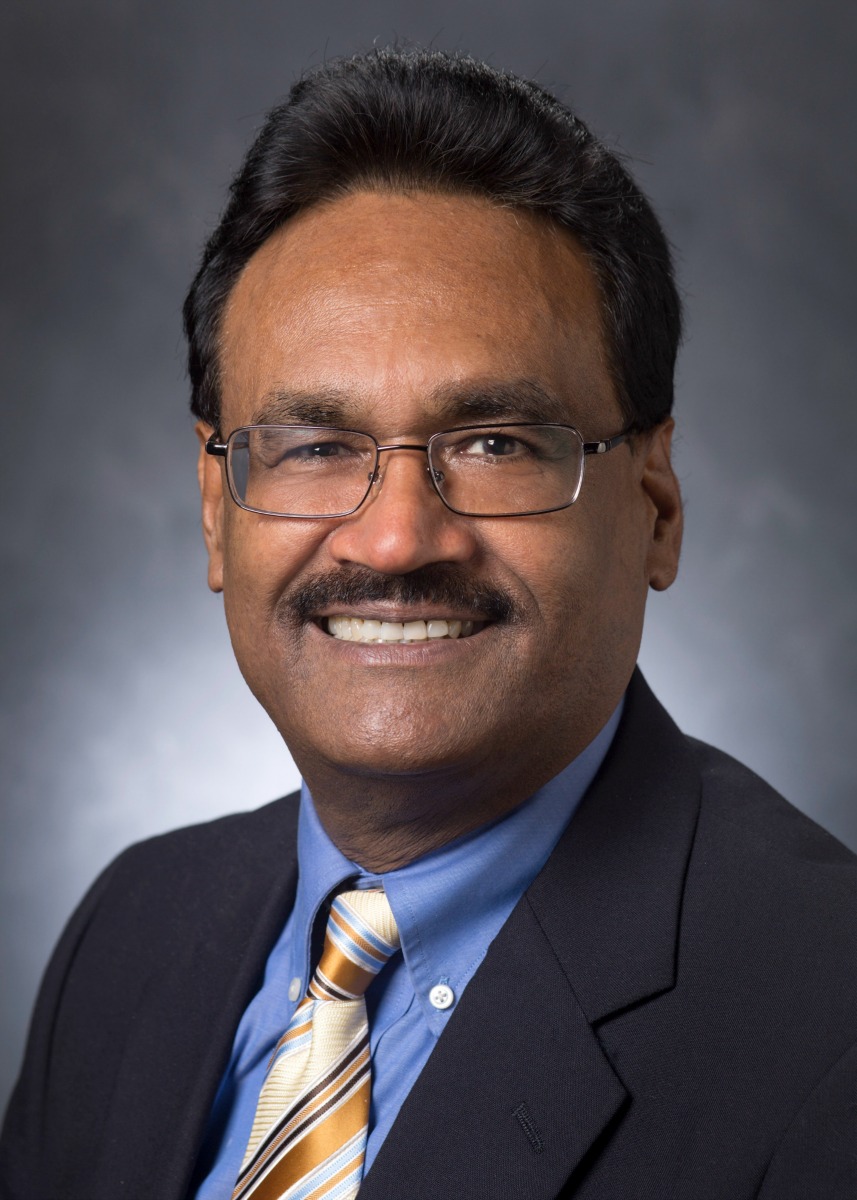
Dr. Ranjith Ramanathan is a Professor in the Department of Animal and Food Sciences at Oklahoma State University, holding the Leo & Kathy Noltensmeyer Endowed Research Chair. He earned his Ph.D. in Animal Science from the University of Connecticut (2012), and his Bachelor's in Veterinary and Animal Science from Kerala Agricultural University, India (2004). With over 13 years of faculty experience, he specializes in meat science, focusing on meat quality, myoglobin biochemistry, and mitochondrial function. He has secured $7.3M in research grants and published 101 peer-reviewed articles. His research addresses meat discoloration mechanisms, applying metabolomics and AI techniques. He has mentored 19 graduate students and 54 committee roles, alongside training 32 undergraduates. Teaching includes four food science courses: Fundamentals of Food Science, Food Chemistry, Analysis of Food Products, and Advanced Food Chemistry. He is recognized for teaching excellence by multiple institutions. Key achievements include: Development of novel tools for meat color analysis (e.g., electrochemical and spectroscopic methods) Advances in understanding dark-cutting beef metabolism and mitochondrial roles Strategies to mitigate meat waste via improved packaging and storage Scientific awards include honors from the American Society of Animal Science, American Meat Science Association, and NACTA. His work emphasizes sustainable food systems and reducing post-harvest losses.
Dr. Rakesh K. Singh is a Professor in the Department of Food Science & Technology at the University of Georgia, part of the College of Agricultural and Environmental Sciences (CAES). His research focuses on value-added food processing using advanced technologies such as UV irradiation, high-pressure processing (HTST), atmospheric cold plasma, and radio frequency (RF) heating. Key projects include aflatoxin decontamination in peanuts, pathogen inactivation in dairy and juices, and optimization of food powder pasteurization. He teaches courses such as Food Science Internship (FDST 3910/8910) and Multidisciplinary Topics in Foods (FDST7020E). His work bridges food safety, engineering, and biochemical analysis, with recent publications emphasizing novel decontamination methods and material science applications in food processing. Research interests span food safety innovations, thermal and non-thermal processing technologies, and the physicochemical properties of food matrices. Notable studies include RF-assisted milk powder pasteurization, cold plasma modification of dairy proteins, and UV/H₂O₂ detoxification systems. His contributions address challenges in food preservation, microbial control, and quality enhancement across diverse products like meats, juices, and spice powders. Publications highlight interdisciplinary approaches, combining engineering principles with biochemical insights. Recent trends in his work include optimization of RF heating uniformity, evaluation of novel antimicrobial coatings, and mechanistic studies of food toxin interactions. His research has implications for both industrial food processing and academic advancements in food safety methodologies.
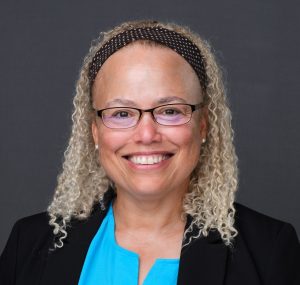
Casey M. Owens is the Novus International Professor of Poultry Science at the Center of Excellence for Poultry Science , University of Arkansas. She joined the faculty in 2000 and was promoted to Associate Professor with Tenure in 2006. Owens also holds an Adjunct Associate Professor appointment in the Department of Food Science. Education: Ph.D., Food Science and Technology, Texas A&M University, 1999 M.S., Food Science and Technology, Texas A&M University, 1996 B.S., Poultry Science, Texas A&M University, 1994 Her research focuses on preslaughter environmental conditions and processing techniques affecting poultry muscle metabolism and meat quality . Key areas include pale, soft exudative (PSE) meat , woody breast myopathy , and postmortem electrical stimulation . She has developed the Meullenet-Owens Razor Shear (MORS) method for meat tenderness evaluation. Recent publications highlight her work on instrumental texture analysis, myopathy mitigation , and nutritional interventions for improving meat quality. Owens teaches POSC 4314 Egg & Meat Technology and POSC 5413/4413 Value Added Muscle Foods , emphasizing muscle ultrastructure , protein functionality , and processed meat development .
Professor Roman Buckow is a Professor of Practice in Food Engineering at The University of Sydney's Centre for Advanced Food Enginomics and School of Chemical and Biomolecular Engineering. He holds a PhD in Food Process Engineering from Berlin University of Technology (Germany) and a Diploma in Brewing Engineering. His career includes leadership roles at CSIRO, where he pioneered food processing innovations for industries like meat, dairy, and legumes. He has led major collaborations with global partners and co-led CSIRO’s strategic program on precision health foods. Research focuses include high-pressure processing, sustainable food systems, and plant-based product development. He has authored over 100 publications and received awards such as the 2020 CSIRO Entrepreneurship Award, IFT Nonthermal Processing Division honors, and multiple 'Highly Cited Paper' recognitions. His work bridges academia and industry, emphasizing commercialization of novel technologies. Education: PhD (Food Process Engineering, TU Berlin), MSc (Engineering/Brewing) Leadership: Former Head of CSIRO Food Transformation Group (2014–2019); CSIRO Strategic Science Programs Affiliations: President of Australian Food Engineering Association (2014–2017), IFT Nonthermal Processing Division Chair (2012–2015) Publications span food safety, enzymology, and processing innovations. Key projects include HPP applications in meat tenderization, plant protein emulsions, and sodium-reduced meat alternatives. His work on high-pressure sterilization and enzymatic hydrolysis has advanced functional food development. Grants include CSIRO's Julius Career Award ($150k) and strategic funding for precision health foods. Current interests include nutrition engineering and consumer behavior change through food technology.
Shai Barbut is a researcher specializing in food science and poultry meat systems. His work focuses on carcass imaging, protein integration in meat systems, and aroma compound formation in meat products. He collaborates on interdisciplinary projects involving genetics, material science, and food chemistry. Barbut supervises PhD candidates in areas such as meat quality, Tibetan pork flavor analysis, and extruded casing development. Research Interests: Cooking loss mechanisms, plant protein integration in meat, poultry genetics, aroma chemistry, and food texture analysis. Collaborations: Involves projects with institutions studying hybrid meat systems, Tibetan pork processing, and environmental impacts on meat casings. His recent publications (2024-2025) address turkey carcass imaging, soy protein effects on meat texture, and aroma compound dynamics under cooking methods. Projects include meat quality authentication and environmental adaptations in extruded casings.
Şükrü KURT is a Professor of Food Engineering at Adıyaman University's Faculty of Engineering. He holds a Ph.D. from Yüzüncü Yıl University and has been affiliated with Adıyaman University since 2007, progressing from Assistant Professor (2007) to Associate Professor (2012) and Professor (2018). His expertise includes Meat Science and Technology, Emulsion Technology, and Food Engineering. Education: Bachelor’s: Food Engineering, Gaziantep University (1988–1995) Master’s: Food Engineering, Yüzüncü Yıl University (1999–2002) Ph.D.: Food Science and Technology, Yüzüncü Yıl University (2002–2006) Research Focus: His work centers on meat quality optimization, emulsion systems in food products, and traditional food preservation methods. Key areas include the use of natural additives (e.g., onion skin, olive leaf extracts) to improve meat product stability and safety, as well as biogenic amine formation in fermented sausages. Publications: Over 40 peer-reviewed articles focus on meat processing technologies, food safety innovations, and traditional food systems. Recent work addresses the application of plant-based additives and optimization of emulsion properties in meat products. Grants & Expertise: Has led projects on food packaging solutions and sustainable food technologies. His international collaborations include studies on meat emulsions and fermented sausage quality. Labs/Teams: Leads food engineering research teams focusing on meat science and traditional food systems at Adıyaman University’s Food Engineering Department.
Dr. Thomas Kodger is an Associate Professor at Wageningen University & Research, leading the Physical Chemistry and Soft Matter laboratory. His research focuses on interdisciplinary material science, emphasizing applicable soft matter physics with a focus on sustainable biobased adhesives, photonic colorants, self-healing polymers, and nanomaterials for renewable energy. He joined WUR in 2017 and has collaborated on projects such as marine adhesive composites for ecological restoration and pest-resistant plant coatings. His work bridges fundamental and applied science, addressing environmental and agricultural challenges. Education & Teaching: He oversees MSc programs including internships and research practices in Physical Chemistry and Soft Matter, as well as courses on material design and research methods in soft matter. Research Interests: Kodger’s lab explores biobased materials, colloidal systems, and photonic structures. Key projects include developing biodegradable whitening agents as sustainable alternatives to titanium dioxide and creating adhesive solutions using plant-derived oils to combat pest insects. He also investigates the mechanical properties of meat analogues and 3D-printable polymer networks. Recent Grants: New NWO XS grant (2025): Seacrete project for oyster restoration MSCA ETN JDN Grant (2025): Sustainable agricultural materials Labs & Teams: His research group operates within the Physical Chemistry and Soft Matter subdivision, focusing on advanced characterization techniques like microfluidics and real-time imaging of material dynamics. Collaborations span institutions including Leiden University and industry partners.
Daniela Magalhães is a researcher at the Centre for Biotechnology and Fine Chemistry (CBQF) and affiliated with the Escola Superior de Biotecnologia (ESB-UCP) at Universidade Católica Portuguesa since 2020. Her work focuses on Food Science within Agrarian Sciences, emphasizing the valorization of citrus by-products and sustainable food innovation. BSc in Biotechnology (2016) MSc in Food Safety (2019) with ERASMUS+ internship at LABERCA, France Her research involves microbiology analysis, chemical characterization (UHPLC-ToF-MS, LC-HRMS), bioactivity evaluation (antioxidant, antimicrobial), and addressing food waste through circular economy principles. She contributes to European projects like Medismart, developing functional ingredients from Mediterranean citrus by-products. Recent publications highlight expertise in: Functional food formulation Food waste valorization Phytochemical characterization Antioxidant/microbial activity assays Scientific accolades include: 2nd place at 'Circular Economy: Make It Happen' conference (2024) Editor's Choice awards for citrus and pigment studies (2024) Daniela actively participates in conferences, organized international events, and applies analytical techniques like HPLC and GC-MS to agri-food challenges.
Hong Jae-hee is Associate Professor in the Department of Food and Nutrition at the College of Human Ecology, Seoul National University . Since September 2017 she has led the Sensory Science Laboratory, focusing on measurement and interpretation of sensory characteristics and consumer responses to foods. Education: Bachelor of Science in Food and Nutrition, Ewha Womans University (1990–1994) Master of Science in Food and Nutrition, Ewha Womans University (1994–1996) Doctor of Philosophy, Virginia Polytechnic Institute and State University (2003–2006) Research Interests Her research centers on Food Sensory Science , integrating psychophysics, consumer psychology, and cross-cultural studies to understand how intrinsic and extrinsic factors shape perception and preference. She investigates color, taste, aroma, flavor, and texture attributes alongside hedonic and emotional responses. A major theme is the acceptance of ethnic foods —particularly Korean traditional foods—among international consumers, examining how information, culture, and repeated exposure influence liking. Another focus is sweetness perception , evaluating natural alternative sweeteners such as xylobiose and phyllodulcin for their sensory quality and application potential. Publication Trends Across the last 15 publications (2016–2020), her work reveals three clear trajectories: (1) cross-cultural consumer studies comparing Korean, Chinese, Japanese, Malaysian, and American acceptance of kimchi, bulgogi, and other ethnic foods; (2) sensory characterization of novel or functional ingredients such as xylobiose, phyllodulcin, and low-sodium formulations; and (3) methodological advancement via flash profiling, ideal profiling, and CATA techniques to capture consumer language and ideal sensory representations. Leadership & Service Academic Director, Korean Society of Food Culture Director, Korean Society for Dietary Life Education Chair, Sensory Evaluation Committee, Korean Society of Food Science and Technology Editorial Board Member, Korean Society of East Asian Dietary Life Editorial Board Member, English Journal of the Korean Society of Food Science and Technology Research Funding & Industry Collaboration Since 2013 she has secured continuous funding as Principal Investigator or Co-Investigator from the Ministry of Agriculture, Food and Rural Affairs , National Research Foundation of Korea , and industry partners including LG Electronics and Dongseong Food. Projects total more than ₩3.5 billion and cover optimization of natural sweeteners, halal Korean food development, premium ramen sensory profiling, and gluten-free flour evaluation. Laboratory & Team She directs the Sensory Science Laboratory in Building 222, Room 511, College of Human Ecology. The lab is equipped for descriptive sensory analysis, consumer testing booths, and data analysis suites. Graduate students and research staff collaborate on national and international projects, with regular participation in Pangborn and SenseAsia symposia.
Denise I. Skonberg is a Professor of Food Science at the University of Maine's School of Food and Agriculture, located in Orono, ME. She earned her Ph.D. in 1997 from the University of Washington. Her research focuses on enhancing economic and environmental sustainability in the food industry, particularly through seafood sector innovations. Key projects include developing value-added products from invasive species like green crabs, seaweed, and crustacean by-products, as well as advancing minimal processing methods like sous vide and high-pressure processing for seafood safety and quality. She leads the Seafood Lab (https://umaine.edu/seafoodlab/) and teaches courses such as Food Product Development and Food Biotechnology. Her teaching portfolio includes FSN 396 Field Experience, FSN 425 Contemporary Issues in the Food Industry, and FSN 520 Food Product Development. Research emphases include microbial contamination mitigation, biodegradable packaging materials, and consumer acceptance of novel food products. Recent publications (2020–2023) address topics ranging from fermentation-based condiment production to antioxidant-modified packaging systems. Dr. Skonberg collaborates extensively with industry partners, producing extension bulletins like the 2020 High-Pressure Processing Guide for seafood. Her work aligns with global sustainability goals by addressing food waste reduction and valorization of underutilized marine resources.
Maria Oruna-Concha is an Associate Professor at the University of Reading's School of Chemistry, Food and Pharmacy. She serves as Programme Director for the BSc Food Science and Technology with Bioprocessing program and teaches modules like Food Chemistry and Perception (FB3FCP) and New Product Development (FB3NPD). Her research focuses on flavor formation, umami/kokumi taste mechanisms, phytochemical analysis, and functional ingredient recovery from waste streams using advanced analytical techniques (CE, GC-MS, LC-MS). She leads major projects including the EU-funded 'UMTaste' initiative exploring umami's role in reducing salt in meat alternatives and the Innovate UK-funded development of ingredients from fruit waste. Her research portfolio includes over 60 peer-reviewed articles spanning food chemistry, flavor science, and sustainable processing. Notable projects include studying acrylamide reduction in foods, camel milk protein analysis, and valorization of by-products like corn cobs and cocoa bean proteomes. She has received multiple teaching awards including the 2024 RUSU Excellence Award and 2024 Celebrating Success Award for leadership. Professional roles include Co-Chair of the SCI Food Group and membership in the RIPEN and INFORM hubs. Oruna-Concha holds a PhD in Food and Nutrition from the University of Santiago de Compostela and a Postgraduate Certificate in Academic Practice. She has supervised numerous PhD projects through platforms like FoodBioSystems DTP and collaborates globally with institutions in Nigeria, Kenya, and Spain. Her work bridges fundamental research with industry applications, emphasizing food sustainability and health benefits.