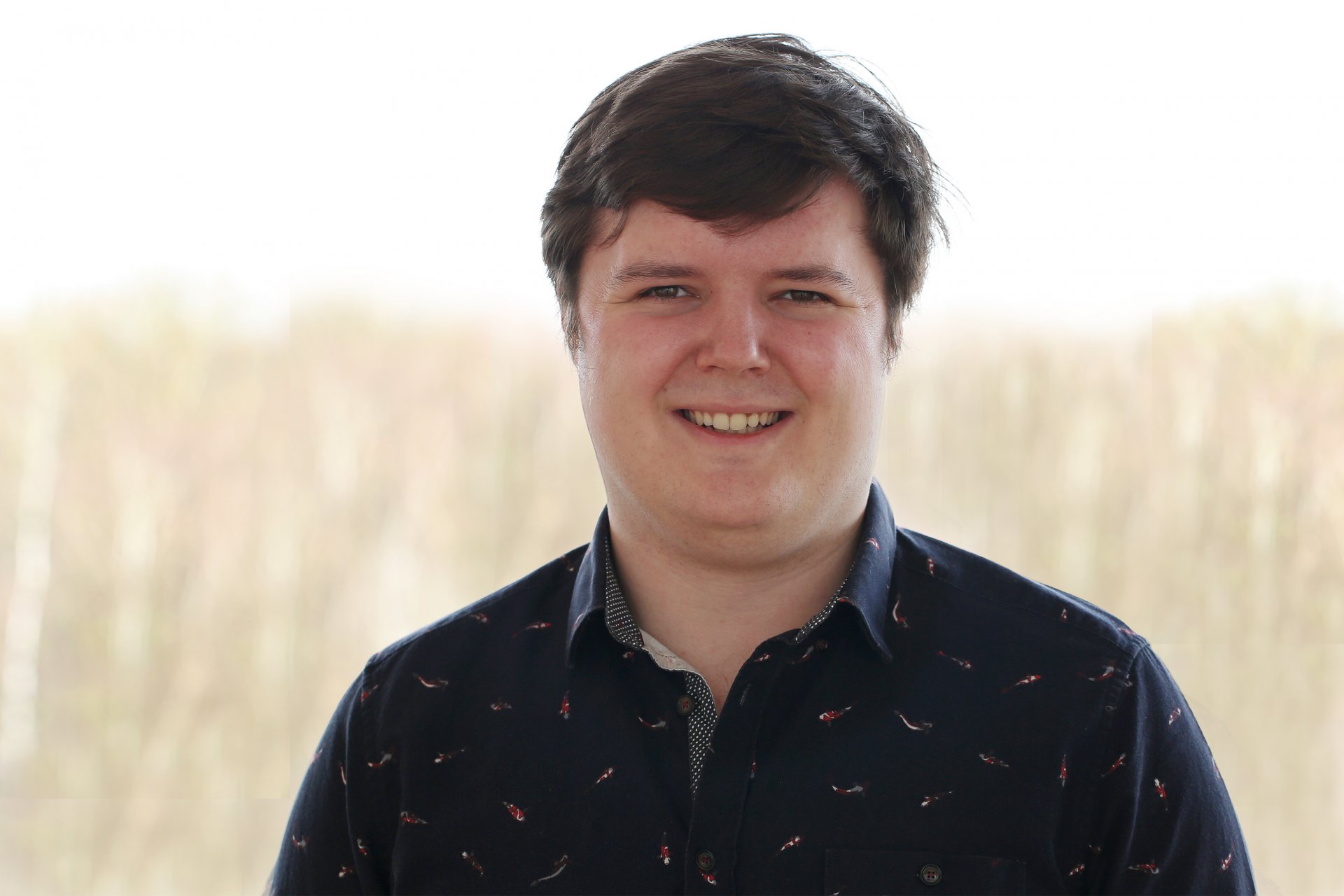
Paul K. NewtonView profile
Professor
Paul K. Newton is a Professor at the University of Southern California's Viterbi School of Engineering, leading a research group focused on mathematical oncology. His work integrates evolutionary game theory, stochastic modeling, and optimal control theory to investigate tumor ecosystem dynamics, cellular competition, and metastatic progression. He collaborates extensively with cancer centers to translate mathematical insights into therapeutic strategies. His primary research interests center on exploiting tumor evolution as a therapeutic target, particularly through evolutionary game theory models of cancer-immune interactions. He investigates how cellular heterogeneity drives clonal competition, the emergence of drug resistance, and metastatic spread. His group develops nonlinear adaptive control methods to design multidrug chemotherapy schedules that steer tumor ecosystems toward favorable evolutionary outcomes, while leveraging entropy metrics to quantify metastatic predictability. Dr. Newton's publication record reveals a consistent focus on mathematical frameworks for cancer progression, with recent work emphasizing machine learning applications for brain metastasis patterns, Bernstein polynomial approximations for evolutionary games, and synchronization of immunotherapy schedules. His research bridges theoretical mathematics with clinical oncology, prioritizing models that incorporate longitudinal patient data and stochastic fluctuations. AAAS Fellow (2020) He actively mentors PhD students across engineering and physics disciplines, including Kristina Stuckey (Mechanical Engineering) and Saeedeh Mahmoodifar (Physics), who have received awards for metastasis research. His group collaborates with the Ellison Institute for Transformative Medicine and participates in national initiatives like the Moffitt Cancer Center's High School Internship Program. While specific grant details aren't provided, his research is supported through NIH, NSF, and Simons Foundation opportunities mentioned in his outreach materials. The Newton Lab develops computational frameworks for forecasting metastatic progression using Markov chain models and entropy-based metrics, with applications for optimizing immuno-chemotherapy scheduling. His team maintains strong connections to the Integrated Mathematical Oncology Department at Moffitt Cancer Center and the Max Planck Institute for Evolutionary Biology.