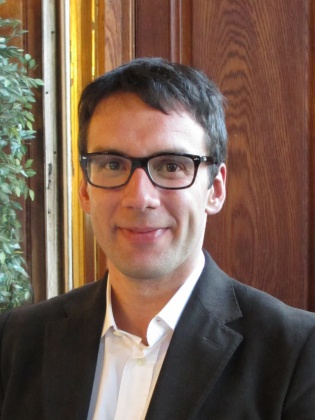
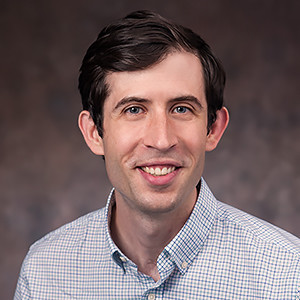
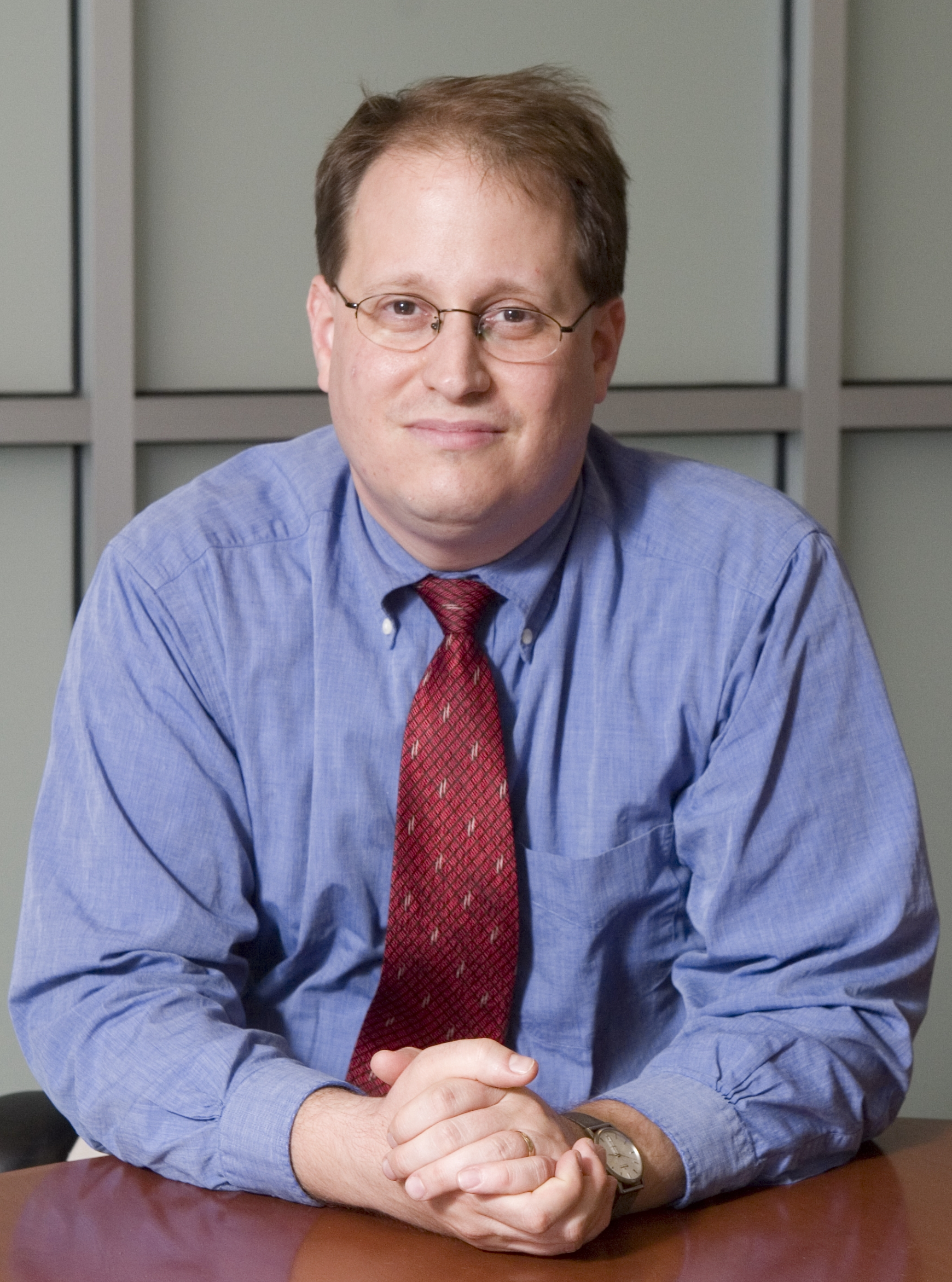
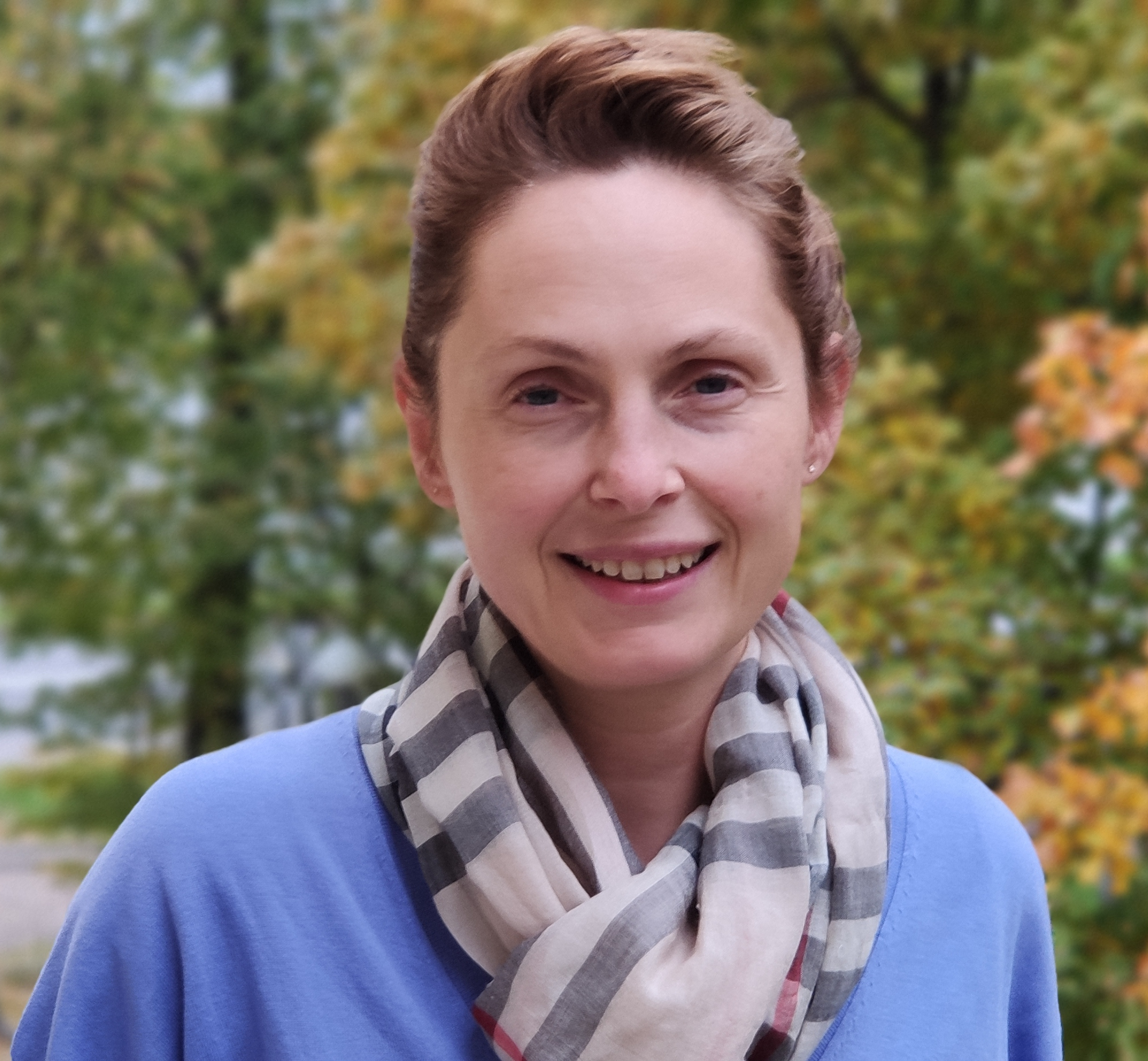
Martin T. Wells is the Charles A. Alexander Professor of Statistical Sciences at Cornell University, with joint appointments in the Department of Statistical Science, Department of Biological Statistics and Computational Biology, Department of Social Statistics, and as Professor of Clinical Epidemiology and Health Services Research at Weill Medical School. He serves as Editor-in-Chief of the ASA-SIAM Book Series and Co-Editor of the Journal of Empirical Legal Studies. Cornell University, Ithaca, NY Weill Cornell Medical College Research Interests span applied and theoretical statistics, Bayesian methods, biostatistics, clinical epidemiology, and computational biology. His work bridges disciplines like finance, legal studies, and health services research. Article Trends highlight advancements in Bayesian modeling, quantum cognition machine learning, tensor analysis, and misclassification correction, with applications in genomics, finance, and public health. Fellow of the American Statistical Association Fellow of the Royal Statistical Society Contributions include developing statistical software (e.g., rTensor), methodological innovations in clinical trials, and empirical legal studies on civil rights and the death penalty.
University of Illinois Urbana-ChampaignUnited States
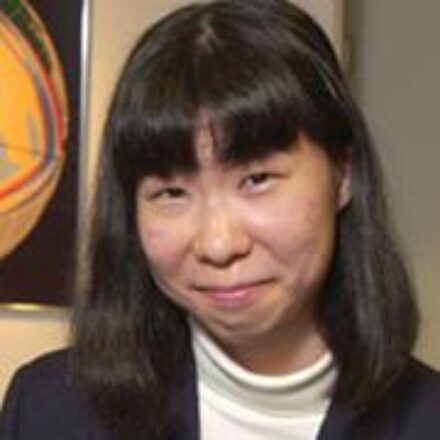
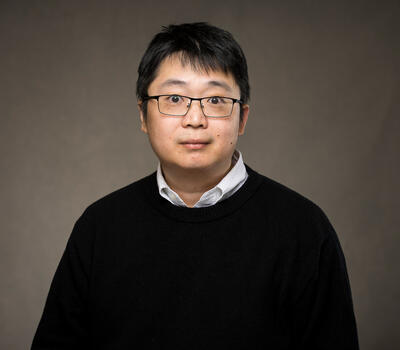
Lili Zheng is an Assistant Professor in the Department of Statistics at the University of Illinois. Her research focuses on statistical methodology, machine learning, and high-dimensional data analysis with applications in neuroscience and network science. Key areas of expertise include graphical models, stochastic processes, and algorithmic optimization. She collaborates extensively on projects involving functional connectivity analysis, neuronal data imputation, and interpretable machine learning frameworks. Her work bridges statistical theory and computational practice, addressing challenges in model inference, feature importance assessment, and low-rank tensor completion. Notable contributions include techniques for distribution-free inference, spectral clustering in patchwork learning, and Gaussian process parameter estimation using mini-batch stochastic gradient descent. Dr. Zheng's research emphasizes interdisciplinary applications, particularly in neuroimaging (calcium imaging, functional connectivity) and multi-modal data integration. She actively explores statistical challenges in big data contexts, emphasizing robust methodologies for real-world datasets.
University of Illinois Urbana-ChampaignUnited States
Bryan K. Clark is an Associate Professor in the Department of Physics at the University of Illinois, with his office located in the Engineering Sciences Building. He leads the Clark Research Group, which works at the intersection of quantum information, condensed matter physics, machine learning, and computing. Clark's research spans four main areas: Quantum Computing , where his group develops quantum algorithms and collaborates with experimentalists on superconducting qubit systems; Quantum Many-Body Physics , where he applies computational methods to understand emergent behavior in strongly correlated systems; Algorithms for the Quantum Many-Body Problem , where his group has pioneered techniques like Neural Network Backflow (NNBF) that represent state-of-the-art accuracy for simulating fermions and frustrated magnetism; and Machine Learning for Experiment , where his group develops techniques to analyze experimental data like scanning transmission electron microscopy images. His publication record demonstrates consistent innovation in bridging theoretical quantum information science with practical applications. Recent work focuses on neural network approaches to quantum simulation, quantum error correction/mitigation, and novel qubit architectures like the Floquet Fluxonium Molecule. His research shows a clear trajectory from fundamental questions about the quantum-classical boundary to practical implementations in quantum hardware. Clark actively mentors graduate students, with recent thesis defenses by Faisal Alam, Matt Thibodeau, Chad Germany, James Allen, and Abid. His group has secured significant funding from the NSF and IBM's IIDAI institute to support research in quantum computing and machine learning applications for nano-photonics manufacturing and error mitigation. The Clark Research Group maintains strong connections with experimental teams, particularly in superconducting qubit development and materials characterization. They've developed computational tools like QOSY (Quantum Operators from SYmmetry) that are publicly available on GitHub and have gained recognition in the quantum information community.
Daniele Venturi is a Professor of Applied Mathematics at the University of California, Santa Cruz, where he has been faculty since 2015, rising from Assistant Professor to full Professor by 2021. Previously, he was a Research Assistant Professor at Brown University from 2010-2015. His academic journey began at the University of Bologna, where he earned both his combined B.S./Sc.M. in Mechanical Engineering (2002) and Ph.D. in Applied Physics with a focus on thermo-fluid dynamics (2006). University of Bologna: B.S./Sc.M. Mechanical Engineering (2002), Ph.D. Applied Physics (2006) Brown University: Research Assistant Professor (2010-2015) UC Santa Cruz: Assistant to Associate to Full Professor (2015-present) Professor Venturi's research spans multiple cutting-edge areas in computational mathematics. His primary interests include stochastic modeling and uncertainty quantification, numerical tensor methods for high-dimensional PDEs, data-driven modeling approaches, approximation of functional-differential equations, and theoretical/computational fluid dynamics. His work bridges theoretical mathematical frameworks with practical computational implementations, particularly focusing on overcoming the curse of dimensionality in complex systems. His recent research has been heavily focused on hierarchical tensor methods for solving high-dimensional partial differential equations. The analysis of his publication record reveals a strong emphasis on developing computational frameworks that address high-dimensional challenges in uncertainty quantification and model reduction. His work frequently intersects machine learning techniques with traditional numerical methods, particularly in developing physics-informed neural networks and multifidelity modeling approaches. A consistent theme across his publications is the development of mathematical frameworks that maintain computational tractability while preserving physical fidelity in complex systems. Professor Venturi has secured substantial research funding from major agencies including the Air Force Office of Scientific Research (AFOSR), Department of Energy (DoE), National Science Foundation (NSF), Army Research Office (ARO), and Defense Advanced Research Projects Agency (DARPA). His most significant current grant is a 2024-2029 AFOSR MURI award totaling $7.5M as co-PI for 'Tensor Network for simulating kinetic systems.' 2024-2029: AFOSR MURI, $7.5M (co-PI) 2023-2027: DoE, $3.8M (co-PI) 2023-2026: AFOSR, $2.5M (co-PI) 2020-2025: NSF TRIPODS, $2.3M (co-PI) At UC Santa Cruz, Venturi teaches a range of courses including Fundamentals of Uncertainty Quantification, Applied Dynamical Systems, Nonlinear Dynamical Systems, and Numerical Methods for Differential Equations. His teaching spans both undergraduate and graduate levels, reflecting his expertise across theoretical and computational mathematics. His lecture notes for these courses are publicly available and demonstrate his commitment to pedagogical excellence in complex mathematical subjects.
Miaki Ishii is a Professor of Earth and Planetary Sciences at Harvard University, affiliated with the Department of Earth and Planetary Sciences. She leads the Harvard Seismology Group and has held academic roles at Harvard since 2006, progressing from Assistant to Associate Professor and then Full Professor. Education: Ph.D. in Geophysics (2003), Harvard University Hon.B.Sc. in Physics (1998), University of Toronto Research Interests: Ishii specializes in seismic imaging of Earth's internal structure, including the mantle and core. Her work focuses on earthquake mechanisms, signal processing, and theoretical seismology. She uses seismic data to study rupture dynamics, subduction zone processes, and free oscillations of the Earth. Key Contributions: Notable projects include analyzing the 2011 Tohoku-Oki earthquake rupture, developing the DigitSeis software for analog seismogram digitization, and studying inner core anisotropy using normal mode splitting. Her research integrates high-performance computing and waveform inversion techniques. Awards: James B. Macelwane Medal (2009) Kavli Fellow (2012) Charles F. Richter Award (2008) Alice Wilson Award (2004) Labs/Teams: Directs the Harvard Seismology Group, collaborating internationally on seismic networks like Hi-net and USArray. Her work bridges computational seismology with observational geophysics.
Dr. Michael Gallaugher is an Assistant Professor of Statistical Science at Baylor University. He holds a Ph.D., M.S., and B.S. in Statistics from McMaster University. His research focuses on clustering and classification methodologies, particularly in matrix/tensor variate data, mixed-type data, clickstream analysis, and outlier detection. He has been recognized with prestigious awards including the Vanier Canada Graduate Scholarship and the Banting Postdoctoral Fellowship. Education: Ph.D., Statistics, McMaster University (2020) M.S., Statistics, McMaster University (2017) B.S., Statistics, McMaster University (2015) Research Interests: Dr. Gallaugher's work emphasizes advanced clustering techniques for complex data structures, including high-dimensional datasets, clickstream behavior analysis, and skewed distribution modeling. His contributions span statistical methodology development and applications in fields like bioinformatics and sports science. His recent work explores hidden Markov models for time series and robust co-clustering algorithms. Publications Trends: His publications reflect a strong focus on matrix-variate distributions, skewed data modeling, and algorithmic innovation in clustering. Recent work (2022-2025) highlights advancements in contaminated normal mixtures, co-clustering for high-dimensional data, and spatial regression models. Awards: Vanier Canada Graduate Scholarship Banting Postdoctoral Fellowship Advising & Grants: While no advisees are listed, his research has been supported by grants from the Natural Sciences and Engineering Research Council of Canada. He contributes to statistical consulting services at Baylor and collaborates internationally on methodological projects. Labs & Teams: He is affiliated with Baylor's Department of Statistical Science and collaborates with research groups focused on machine learning and statistical computing.
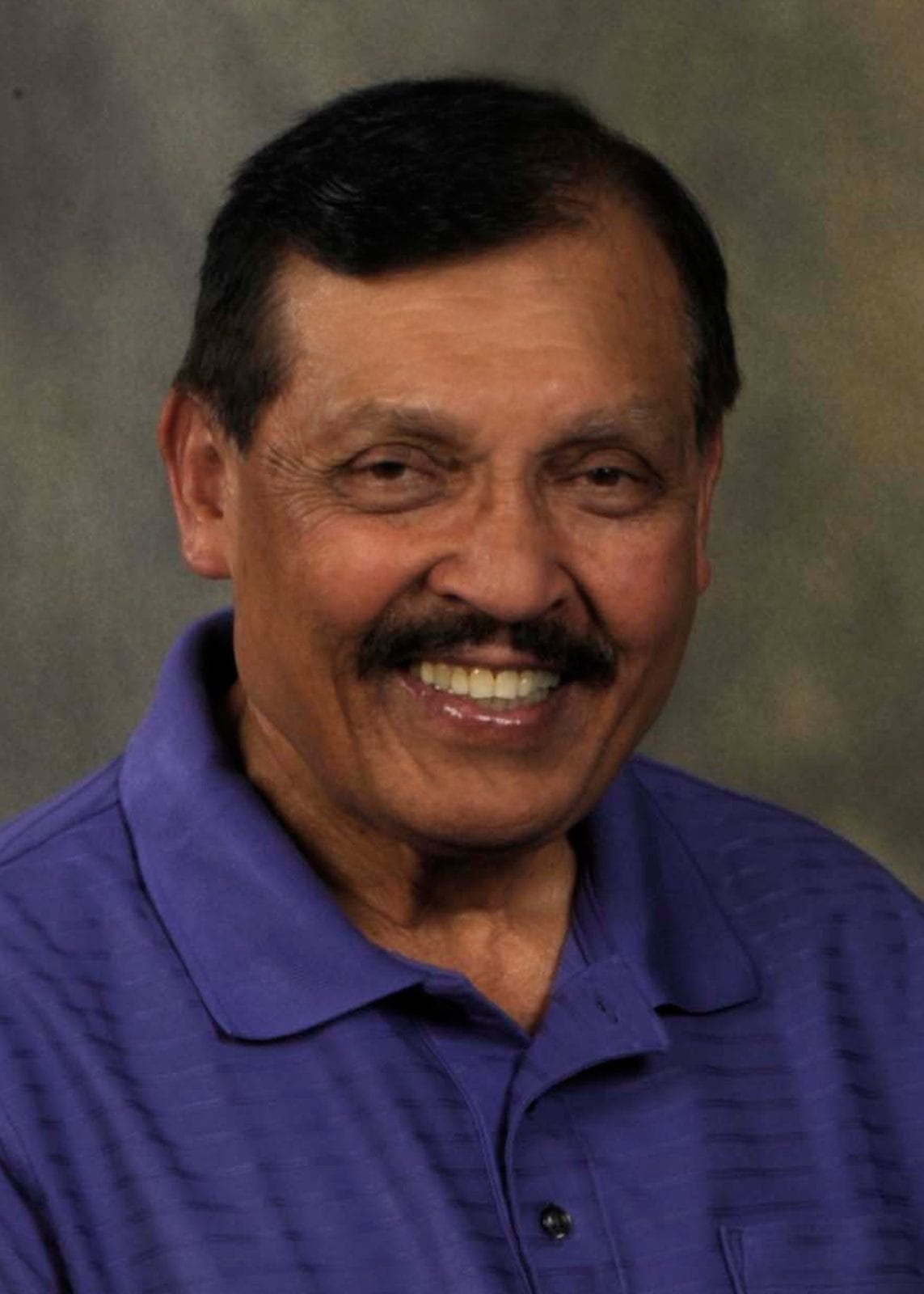
Ram Mohapatra is a Professor in the Department of Mathematics at the University of Central Florida (UCF), part of the College of Sciences. His research interests span mathematical analysis, operator theory, variational inequalities, approximation theory, cybersecurity, and fluid dynamics. He has published extensively on topics including inverse scattering problems, generalized inverses, and optimal control theory. His work often intersects with applications in engineering and data science. Recent research focuses on operator theory applications, tensor decompositions, and mathematical modeling of physical systems. He has contributed to advancements in frame theory, numerical radius studies, and cybersecurity methodologies. His academic activities include teaching undergraduate and graduate courses in mathematics, such as MAC 1105C and MAC 2311C, and maintaining active collaborations in interdisciplinary research areas. Professional contributions include over 150 peer-reviewed articles and editorial roles in mathematics journals. While no explicit awards are listed in the provided texts, his prolific publication record underscores his scholarly impact in applied and theoretical mathematics.
David Gerard is an Associate Professor of Statistics at American University (2024–present) and previously served as an Assistant Professor there from 2018 to 2024. He holds a PhD in Statistics from the University of Washington (2015), an MS in Statistics from The Ohio State University (2012), and dual BS degrees in Mathematics and Molecular Genetics from The Ohio State University (2010). His research focuses on statistical methods for polyploid genetics, including segregation distortion analysis, equilibrium testing, and Bayesian approaches for random mating. He has contributed to genotyping methods for polyploids and RNA-seq data analysis, with specific attention to addressing genotype uncertainty and batch effects. His work emphasizes reproducibility, linking code with data via Makefile-driven pipelines. Gerard has developed multiple R packages such as segtest , ldsep , and updog , and maintains an active GitHub presence.
Joaquín Goñi is an Assistant Professor in the departments of Industrial Engineering and Biomedical Engineering at Purdue University. His research bridges biomedical engineering, neuroscience, and computational methods to study brain structure-function coupling, functional connectomes, and their applications to neuropsychiatric and neurodegenerative disorders. Ph.D. in Sciences from University of Navarra, Spain (2008) Postdoctoral fellowship at Functional Neuroimaging Laboratory, Center for Applied Medical Research, Spain Research Associate at Indiana University (2011-2014) Associate Research Scientist and Adjunct Assistant Research Professor at Indiana University School of Medicine His research interests span functional neuroimaging , brain connectivity analysis , and cognitive neuroscience , with a focus on machine learning techniques applied to neuroimaging data . Recent methodological work includes Tucker tensor decomposition , persistence homology , and penalized regression approaches to study Alzheimer's disease and alcohol use disorder . His publications highlight trends in topological data analysis , connectome fingerprinting , and phenotypic trait mapping through dynamic functional connectivity modeling. Dr. Goñi has contributed to multimodal neuroimaging techniques, including bimodal EEG-fMRI decomposition and MEG-theta alpha dynamics analysis. His work at the Center for Neuroimaging and Indiana Alzheimer Disease Center underscores his expertise in neurodegenerative disease research. Current affiliations include the Functional Neuroimaging Laboratory and Human Connectome Project collaborations.
Eric Miller is a Professor of Electrical and Computer Engineering at Tufts University's School of Engineering. He also holds adjunct professorships in Computer Science, Biomedical Engineering, and Mathematics. His academic roles include serving as Chair of the Electrical and Computer Engineering department and leading the Lab for Imaging Science Research (LaISR). Miller earned his SB, SM, and PhD in Electrical Engineering from MIT (1990–1994). His research focuses on signal and image processing, particularly inverse problems, tomographic imaging, and applications in medical imaging, environmental monitoring, and security screening. He has pioneered methods like the parametric level-sets (PaLEnTIR) for reconstruction and shape-based inversion algorithms. His work integrates physics-based modeling with computational techniques, addressing challenges in subsurface sensing, biomedical diagnostics, and materials science. Miller is a Fellow of IEEE and a member of honor societies like Tau Beta Pi and Phi Beta Kappa. Over 489 publications reflect his contributions to imaging science, with recent advancements in AI-driven pedestrian behavior analysis and X-ray anomaly detection.
Gilad Lerman is a Professor at the School of Mathematics, University of Minnesota, and serves as Director of the Data Science Lab at both the Minnesota Center for Industrial Mathematics (MCIM) and Institute for Mathematics and its Applications (IMA). His office is located at 533 Vincent Hall, 206 Church Street SE, Minneapolis, MN 55455. Research Focus: Dr. Lerman specializes in computational harmonic analysis, high-dimensional data analysis, statistical learning, and machine learning. His work includes robust optimization techniques, non-convex modeling, and applications in computer vision and bioinformatics. Key methodologies involve geometric data analysis, variational methods, and spectral techniques for large-scale datasets. Publications: His recent works demonstrate consistent focus on robust machine learning, including subspace recovery, Riemannian data assimilation, graph neural networks, and applications in geophysics/computer vision. Theoretical rigor combines with practical implementations across domains. Student Advising & Grants: He has supervised 16+ PhD dissertations and 3 MSc theses, with graduates now in academia and industry (Google, NVIDIA, Mayo Clinic). Current research is supported by NSF and NGA funding. Laboratory Leadership: Directs the IMA Data Science Lab, focusing on industrial mathematics collaborations and developing algorithms for real-world data challenges.
Rosemary Renaut is a Professor and Associate Director for Faculty Development at the School of Mathematical and Statistical Sciences, Arizona State University. Her research focuses on computational algorithms for solving inverse problems in medical and geophysical applications, emphasizing regularization techniques and numerical linear algebra. She holds a Ph.D. in Applied Mathematics from the University of Cambridge (1985). Education: Ph.D. in Applied Mathematics, University of Cambridge, UK (1985) Research Interests: Dr. Renaut specializes in developing algorithms for solving ill-posed inverse problems, particularly in medical imaging (e.g., PET, MRI) and geophysics (e.g., gravity/magnetic data inversion). Her work addresses challenges like data noise, model ill-posedness, and parameter regularization. She has contributed to methods like total variation regularization, χ²-based parameter estimation, and iterative solvers (e.g., LSQR). Articles Trends: Recent publications (2020–2025) emphasize large-scale inversion techniques, sparsity-driven reconstruction, and efficient regularization parameter estimation. Key applications include geophysical exploration (e.g., iron oxide deposits, kimberlites) and medical imaging (e.g., EEG source localization). Her work often combines numerical methods with domain-specific challenges, such as joint inversion of multimodal geophysical data. Awards: SIAM Fellow (2022) Technische Universitaet Muenchen Ambassador (2013) J.T. Knight Prize in Mathematics (1982) Grants & Service: Dr. Renaut has led numerous grants (e.g., NSF, DOD) on inverse problems and computational methods. She serves on editorial boards (BIT, SIAM News) and has held roles like Program Director at the NSF. Her service also includes mentoring junior faculty and advancing computational biosciences education. Labs/Teams: Collaborates with interdisciplinary teams in geophysics (e.g., gravity/magnetic data inversion) and biomedical imaging (e.g., PET parametric imaging). Active in conferences like International Conference on Spectral and High Order Methods.
Dennis DeTurck is the Robert A. Fox Leadership Professor in the School of Arts and Sciences and a Professor of Mathematics at the University of Pennsylvania. He holds dual roles in leadership and academic excellence within the mathematics department. His research focuses on Partial Differential Equations and Differential Geometry, with significant contributions to geometric analysis, topology, and their applications in mathematical physics. DeTurck collaborates extensively with researchers like Herman Gluck, exploring topics such as contactomorphism groups, helicity in magnetic fields, and knot theory. His work bridges pure mathematics with applications in fluid dynamics and plasma physics. He co-authored a textbook on numerical analysis using Maple, emphasizing pedagogical innovation. He also leads initiatives like the Middle School Math Problem of the Day, promoting mathematics education. His articles span advanced theoretical work, including studies on Hopf fibrations, geometric flows, and topological invariants. These contributions reflect his expertise in differential geometry, algebraic topology, and geometric analysis. His research often integrates interdisciplinary methods, addressing problems in both abstract mathematics and applied sciences.
Olga Klopp is a Professor of Statistics at ESSEC Business School and a member of the CREST Statistics Department. Her research focuses on nonparametric estimation, high-dimensional inference and sparsity, network models, and matrix completion. She has made significant contributions to statistical theory in low-rank modeling and missing data problems, with applications to networks, epidemiology, and machine learning. Nonparametric Estimation and High-Dimensional Inference : Key areas in her work, including theoretical guarantees and adaptive methods. Network Models and Graphons : Addressing dynamic networks, change-point detection, and graphon games with missing links. Matrix Completion : Pioneering work on robust and collective matrix completion with low-rank constraints. Her recent publications highlight advancements in tensor decomposition, topic modeling via projections, and sparse network estimation. She advises PhD students in statistics and network analysis.
Xiao Fu is an Associate Professor in the Department of Electrical Engineering and Computer Science at Oregon State University's College of Engineering. He holds a B.S. (2005) and M.S. (2010) in Communications and Information Engineering and Signal and Information Systems from the University of Electronic Science and Technology of China (UESTC), and a Ph.D. (2014) in Electronic Engineering from The Chinese University of Hong Kong (CUHK). His research focuses on machine learning, signal processing, and optimization, with applications in nonlinear factor analysis, unsupervised learning, and deep neural networks for signal processing tasks. He has received notable awards including the 2022 NSF CAREER Award and the 2024 OSU Promising Scholar Award. His work emphasizes developing robust algorithms for factor analysis (e.g., tensor and matrix factorization), large-scale optimization in data mining, and deep learning techniques for hyperspectral imaging, radio map estimation, and crowd-sourced label analysis. Key research groups affiliated with him include Data Science and Engineering, Artificial Intelligence and Robotics, and Communications and Signal Processing. His recent projects include advancing unsupervised machine learning to reduce reliance on labeled data in AI systems and exploring applications in environmental sensing and medical imaging. Xiao Fu's publications span topics like radio map estimation via latent-domain denoisers, noisy label learning with crowd wisdom, and identifiability in nonlinear mixture models. His research bridges theoretical advancements in optimization and practical applications in wireless communication, ecological networks, and biomedical imaging. Current efforts aim to enhance unsupervised deep representation learning and develop scalable algorithms for high-dimensional data analysis. Awards: NSF CAREER Award (2022), OSU Promising Scholar Award (2024) Grants: NSF-funded CAREER Award project on nonlinear factor analysis tools Labs/Teams: Affiliated with interdisciplinary teams in signal processing, AI, and ecological systems modeling