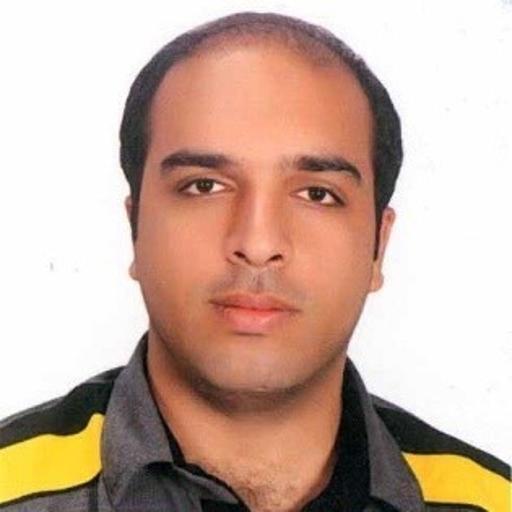
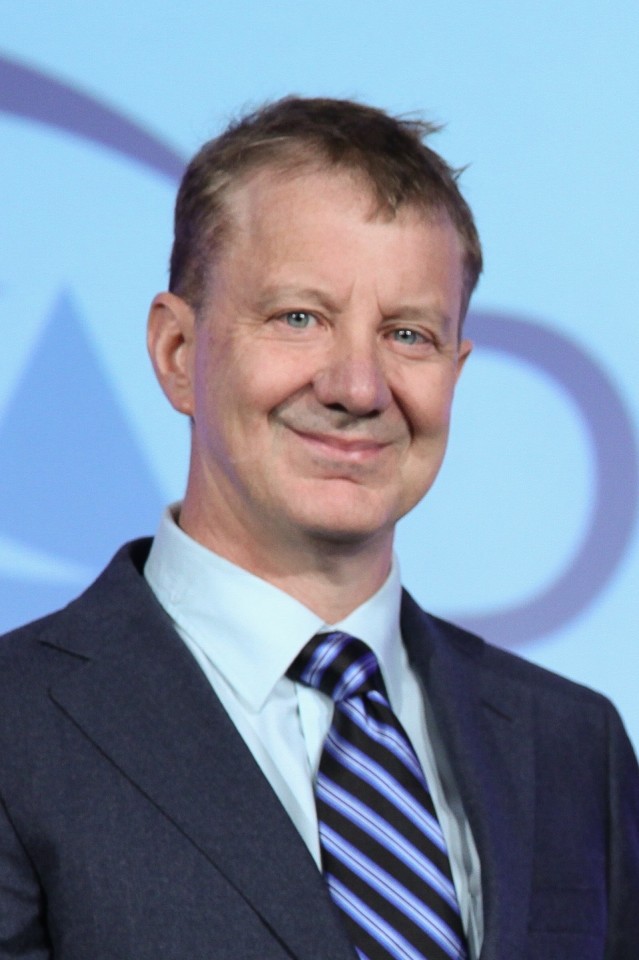
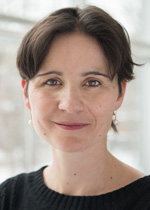
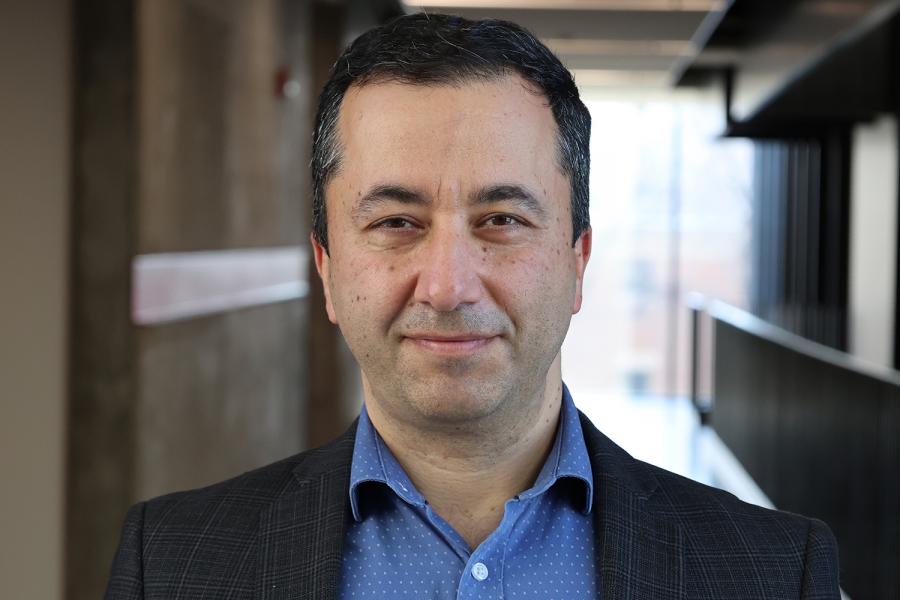
Mohsen Ghafouri is an Associate Professor at the Concordia Institute for Information Systems Engineering (Concordia University). His research focuses on cybersecurity, smart grids, and cyber-physical systems with emphasis on securing energy infrastructure against cyber-attacks. Key areas include detection and mitigation of false data injection attacks, grid resilience against load-altering threats, and secure transactive energy markets. Research interests include wide-area monitoring systems (WAMS), microgrid control, and integration of renewable energy sources. He has developed frameworks for real-time anomaly detection in power systems, blockchain-based security solutions, and machine learning approaches for cyber threat identification. His work addresses vulnerabilities in smart grid components like IEC 61850 substations and EV ecosystems. Recent publications (2024-2025) highlight advancements in securing FACTS controllers, EV charging systems, and distributed energy resources. He has proposed novel mitigation strategies using reinforcement learning, graph neural networks, and federated learning. No scientific awards or grant details are provided in the source text. No advising relationships or lab affiliations are explicitly stated.
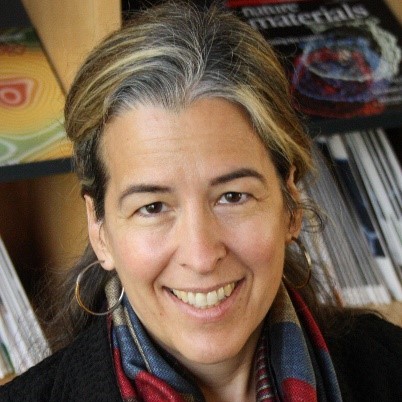
Christopher M. Overall is a Full Professor at the University of British Columbia in the Faculty of Dentistry, Department of Oral Biological and Medical Sciences . He is also a Principal Scientist at the Centre for Blood Research and holds associate memberships in UBC's Biochemistry & Molecular Biology , Obstetrics and Gynecology , and Bioinformatics Graduate Program departments. As a Canada Research Chair Laureate , he pioneered the field of degradomics to study proteases in vivo. B.D.S., University of Adelaide Ph.D., University of Toronto Postdoctoral Fellowship, UBC (with Nobel Laureate Michael Smith) Dr. Overall’s research focuses on protease proteomics and systems biology , particularly degradomics to analyze protease substrates in diseases like COVID-19 and immunodeficiency . His work on matrix metalloproteinases has revealed new therapeutic strategies for inflammatory diseases and cancer . His 15 most recent articles (2015–2008) demonstrate expertise in TAILS proteomics , protein terminomics , and protease network analysis with applications in arthritis , antiviral immunity , and precision medicine . Scientific Awards 2022 Helmut Holzer Award 2018 Royal Society of Canada Fellow 2014 Tony Pawson Canadian Proteomics Award 2013 IADR Distinguished Scientist Award Dr. Overall has mentored 61 trainees , including 9 full professors with department chairs, and received the UBC John McNeill Mentorship Award (2023). He leads the HUPO Chromosome-centric Human Proteome Project and consults for Genentech and Novartis .
Arrvindh Shriraman is an Associate Professor and Program Director of Software Systems at Simon Fraser University's School of Computing Science in Surrey. His research focuses on energy-efficient software, multicore memory systems, and optimizing hardware/software interfaces for parallel programming. He holds a Ph.D. (2010) and M.S. (2006) in Computer Science from the University of Rochester, and a B.Eng. (2004) from the University of Madras. He teaches courses on parallel programming and energy-conscious software design. His research interests include synchronization mechanisms for domain-specific architectures, cache optimization, and FPGA-based acceleration. He has contributed to frameworks like Mu-grind for HLS-generated RTL instrumentation and TAPAS for parallel accelerator generation. Notable projects include RANGE-BLOCKS for synchronization in domain-specific systems and TapeFlow for gradient computation in neural networks. His work emphasizes real-time verification of autonomous systems and safety-critical trajectory planning for underwater vehicles. Shriraman collaborates closely with the Tangent Lab, exploring cutting-edge solutions in hardware-software co-design and embedded systems. His teaching and research bridge theoretical computer science with applied engineering challenges, addressing scalability, efficiency, and safety in modern computing systems.
Jimmy Huang is a Full Professor and Tier 1 York Research Chair in Big Data Analytics at the School of Information Technology, York University. His research focuses on information retrieval, AI, NLP, and big data analytics in healthcare and web systems. He has published 360+ papers in top venues like SIGIR and ACL, and leads grants totaling $4M+. Huang chairs IEEE's Technical Community on Intelligent Informatics and serves on numerous conference committees. Education: PhD in Information Science (City, University of London), M.Eng and B.Eng in Computer Science Roles: Chair of IEEE TCII, General Chair of SIGIR 2020 and CIKM 2008 Research interests span task-oriented IR, conversational search, healthcare analytics, and graph-based models. His work on hypergraph collaborative filtering (SIGIR 2022) was named a top influential paper. Current projects include NSERC Discovery Grants ($384K) and ADERSIM CREATE ($1.65M). Award highlights include Fellowships from ACM, IEEE, and Canadian Academy of Engineering. Supervised over 90 students, currently mentoring 12 PhD/MSc candidates and 3 postdocs. Active in surgical safety checklist research and medical data analytics. Labs include the IRLab focused on IR and NLP innovations. Major grants include ORF-RE ($3.5M), NSERC CREATE, and multiple CRD partnerships with industry.
Aurélie Labbe is a Full Professor in the Department of Decision Sciences at HEC Montréal, holding the prestigious FRQ-IVADO Chair in Data Science. Appointed as Co-Scientific Director – Academic Partnerships at IVADO in October 2023, she plays a key leadership role in establishing connections between IVADO and partner universities. Her academic journey includes a PhD in Statistics from the University of Waterloo, a Master's degree in Statistics from the University of Montreal, and dual Bachelor's degrees in Applied Mathematics and Social Sciences from Paris-Dauphine University and Pure Mathematics from Versailles-St Quentin University. Her research spans multiple interdisciplinary domains with a focus on developing advanced statistical and machine learning methodologies for big data analysis. Labbe's work bridges theoretical statistics with practical applications across diverse fields including genomics, neuroscience, transportation systems, and health informatics. She has made significant contributions to kernel methods, matrix factorization techniques, random forest applications, and spatiotemporal data analysis, with publications appearing in top journals across multiple disciplines. Analyzing her recent publications reveals a clear trend toward methodological innovation applied to complex real-world problems. Her work demonstrates expertise in handling high-dimensional data from diverse sources including neuroimaging, transportation networks, and genomic studies. The interdisciplinary nature of her research connects statistical theory with applications in healthcare, transportation safety, and biological sciences, reflecting her ability to develop methods that address domain-specific challenges while advancing statistical methodology. Holder of the FRQ-IVADO Chair in Data Science Member of the Center for Mathematical Research Training Professor Labbe actively mentors the next generation of data scientists, supervising numerous doctoral and master's students. Her supervision portfolio includes 1 doctoral thesis (2023), 4 master's theses (2022-2024), and 32 supervised projects spanning 2019-2025. Her students' work covers diverse applications including transportation safety, healthcare analytics, financial modeling, and environmental analysis. Through her leadership of the FRQ-IVADO Chair in Data Science, she coordinates research activities that integrate mathematical, statistical, and computer science expertise with domain knowledge from various data-generating fields. As Co-Scientific Director at IVADO, Professor Labbe leads efforts to establish connections with faculties and departments across five partner universities, integrating them into IVADO's research and knowledge transfer activities. Her leadership role positions her at the forefront of advancing data science research and applications in Quebec's academic ecosystem.
Anubhav Pratap-Singh is an Associate Professor in the Food, Nutrition and Health department within the Faculty of Land and Food Systems at the University of British Columbia, where he holds the Food and Beverage Innovation Professorship. He leads the UBC Food Process Engineering Laboratory and his research spans environmental and natural resources economics, food chemistry (including fermentation), and natural resource management. His primary research interests focus on agri-food transformation, cold plasma food engineering, food processing, functional foods, heat transfer, high pressure mass transfer, novel non-thermal processing, nutraceuticals, pasteurization, and pulsed light sterilization. Dr. Pratap-Singh's work addresses fundamental questions about the impact of food processing on food quality, how technology can maximize desirable effects while minimizing deleterious ones to feed the growing global population, and how to ensure food safety and nutrition for all socioeconomic groups. His research program is organized around three main pillars: developing novel processing technologies for food preservation, developing technologies for food fortification, and modeling the human GI tract to understand the interaction between food processing and human health. He has made significant contributions to sonic mixing technology for thermal processing and pulsed UV light processing for food surface decontamination, with particular expertise in processing of liquid particulate matter. Dr. Pratap-Singh has received numerous prestigious awards throughout his career, including the Banting Fellowship (2016) and Green College Leading Scholar award (2017). His work has been recognized with the Young Entrepreneur Award (2009), IFTPS Graduate Scholar designation (2014), and Gold Medal from the Institute for Thermal Processing Specialists (2014), among other fellowships and honors. He is affiliated with the BioProducts Institute and Materials and Manufacturing Research Institute at UBC, and supervises graduate students in Food Science (MSc and PhD programs). His laboratory focuses on interdisciplinary research that addresses critical challenges in food science, with implications for feeding the projected 10 billion people by 2050 while countering negative public perceptions around processed foods.
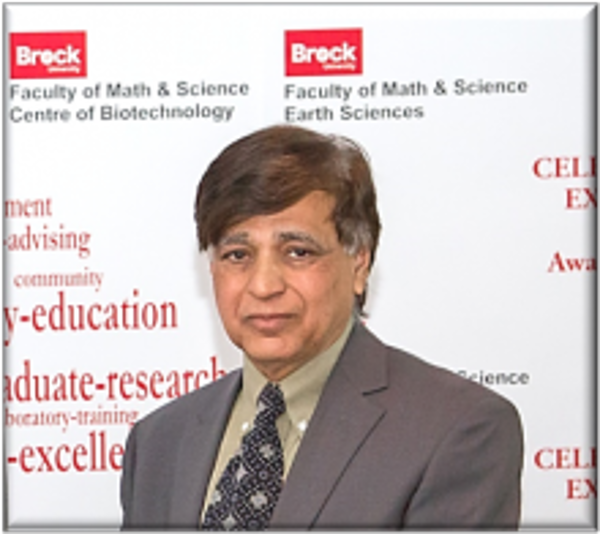
Syed Ejaz Ahmed is a distinguished Professor of Mathematics and Statistics at Brock University , with a career spanning multiple institutions including the University of Windsor, University of Regina, and University of Western Ontario. He serves as a Review Editor for Technometrics and holds editorial roles for several journals. PhD, Carleton University MSc, University of Guelph MSc in Statistics, University of Karachi BSc (Honors), University of Karachi His research focuses on big data analytics , statistical machine learning , and shrinkage estimation , with applications in healthcare, economics, and environmental science. He has organized international workshops on high-dimensional data analysis since 2011. Recent scientific contributions highlight advanced methods for high-dimensional regression, censored data analysis, and predictive modeling. His work has received international recognition through awards and fellowships. Fellow, American Statistical Association Fellow, Royal Statistical Society Elected Member, International Statistical Institute NSERC Discovery Grant (2017-2022) ISOSS Gold Medal A dedicated educator, he has supervised numerous PhD/MSc students and postdoctoral fellows. Currently, he leads the Centre for Business Analytics at Brock and collaborates with institutions worldwide through honorary professorships and visiting roles.
Dajana Vuckovic, PhD, is a full Professor and Concordia University Research Chair in the Department of Chemistry and Biochemistry at Concordia University's School of Health. She directs the Centre for Biological Applications of Mass Spectrometry (CBAMS) and leads an active research group. Her education includes a PhD from the University of Waterloo and an NSERC Postdoctoral Fellowship at the University of Toronto. Dr. Vuckovic's research focuses on cutting-edge analytical chemistry methodologies with emphasis on: Advanced mass spectrometry techniques for metabolomics and lipidomics Innovative sample preparation approaches for complex biological matrices Biomarker discovery and validation for cardiovascular health and inflammation Development of standardized protocols for untargeted analysis Applications in nutrition and neurological research Her extensive publication record demonstrates a consistent focus on analytical method development, particularly in LC-MS based metabolomics and lipidomics. Recent works emphasize QA/QC standardization, tissue analysis advancements, and novel applications in neuroscience and cardiovascular research. Awards & Honors: PetroCanada Young Innovator Award As Director of CBAMS, she oversees interdisciplinary research in biological mass spectrometry. She actively contributes to professional organizations including the Metabolomics Association of North America (Board Member), Metabolomics Innovation Centre, and Metabolomics Quality Assurance and Quality Control Consortium (mQACC).
Asif Ali Zaman is an Associate Professor in the Department of Mathematics at the University of Toronto's Faculty of Arts and Science. He specializes in analytic and probabilistic number theory, with applications to algebraic structures and arithmetic statistics. His work intersects prime distribution, zeros of L-functions, Chebotarev density theorem, random multiplicative functions, and binary quadratic forms, extending to elliptic curves, modular forms, and mass equidistribution. PhD in Mathematics (2017), University of Toronto NSERC Postdoctoral Scholar (2017–2019), Stanford University MSc in Mathematics (2012), University of British Columbia BSc in Mathematics (2010), Simon Fraser University His research leverages log-free zero density estimates, Deuring-Heilbronn phenomenon, and Artin's holomorphy conjecture to derive bounds for primes, ℓ-torsion class groups, and equidistribution on modular surfaces. Recent publications (2025–2022) focus on Tauberian theorems, multiplicative chaos, and large sieve inequalities. Grants include sponsored research on L-functions (2022–2027) and computational projects (2025). He supervises Masters and PhD students in number theory and teaches multivariable calculus and cryptology courses.
Dr. Dima Alhadidi is an Associate Professor in the School of Computer Science at the University of Windsor. His research focuses on Cybersecurity, Data Privacy, Machine Learning, and their applications in Health Informatics, Cloud Computing, and Smart Grids. He holds a PhD in Computer Science and Software Engineering from Concordia University (2010). His research interests include secure federated learning frameworks, privacy-preserving techniques for genomic and health data, and adversarial machine learning defenses. Notable contributions include Trustformer (2025), secure aggregation methods in federated learning, and hybrid malware classification using deep learning. Recent work emphasizes mitigating membership inference attacks and developing privacy-preserving analytics for distributed systems. Dr. Alhadidi actively advises graduate students on topics like social network clustering (NICASN 2022) and federated learning security. No scientific awards are explicitly listed. His research spans theoretical frameworks (e.g., λ_AOP calculus) to applied systems in smart grids and healthcare informatics.
Chen Xu is an Associate Professor in the Department of Mathematics and Statistics at the University of Ottawa. He holds an M.A. from York University and a PhD from the University of British Columbia. His research focuses on sparse modeling, statistical learning, and big data processing, with an emphasis on both theoretical and computational advancements. Dr. Xu is affiliated with the Faculty of Science and contributes to editorial roles for journals such as the Journal of the American Statistical Association and Electronic Journal of Statistics. Education: M.A., York University PhD, University of British Columbia Research interests include feature selection, regularization methods, kernel methods, and high-dimensional regression. His work addresses computational challenges in big data, proposing efficient algorithms for tasks like singular value decomposition, clustering, and distributed feature screening. Recent publications highlight advancements in multiview PCA, low-tubal-rank tensor recovery, and model-free regression techniques. Publications span prestigious journals like the Journal of the American Statistical Association and IEEE Transactions series, focusing on statistical methodology, machine learning applications, and scalable computational solutions for complex data problems. Editorial Service: Associate Editor, Journal of American Statistical Association-T&M (2023–present) Associate Editor, Electronic Journal of Statistics (2023–present) Former Associate Editor, The Canadian Journal of Statistics (2019–2021) His research groups are Statistics and Biostatistics, and Data Science, Machine Learning, and Artificial Intelligence. He has no listed awards but maintains active editorial and academic collaborations in computational statistics and machine learning.
Sylvie Morin is a Full Professor in the Department of Chemistry at York University, affiliated with the Faculty of Science. She holds a Canada Research Chair in Surface and Interfacial Electrochemistry and has been recognized with awards such as the Premier’s Research Excellence Award (2004) and the Petro-Canada Young Innovator Award (2000). Her research focuses on electrochemical systems, nanomaterials, and energy storage solutions, particularly exploring electrodeposition techniques and nanostructured coatings for catalytic applications. Dr. Morin’s educational background includes a Ph.D. in Chemistry from the University of Ottawa (1996), an M.Sc. from the University of Guelph (1991), and a B.Sc. in Honours Chemistry from Université de Sherbrooke (1988). She has held academic positions at York University since 1999, including roles as Associate Dean and Interim Director of One WATER. Her research group collaborates on projects involving hydrogen production via water electrolysis and the development of sustainable electrocatalysts. Her research interests span scanning tunneling microscopy (STM), electrochemistry of transition metal oxides, and functionalized surfaces for biomedical analysis. Key projects include investigating nanostructured materials for energy conversion and corrosion-resistant coatings from deep eutectic solvents. Dr. Morin has supervised numerous graduate students and postdoctoral researchers, contributing to the training of high-quality human resources in materials science and electrochemistry. Scientific awards include: Canada Research Chair (2001–2010) York University’s Petro-Canada Young Innovator Award (2000) Alexander von Humboldt Research Fellowship (Germany, 1996–1999) Her research has been funded through grants supporting interdisciplinary work in electrochemistry, materials science, and sustainable energy technologies. Collaborations include studies on vaccine adjuvants and viral genome organization, demonstrating her cross-cutting scientific contributions. Dr. Morin’s lab focuses on advancing low-dimensional material systems, with ongoing projects exploring novel electrodeposition methods and the structural-properties relationships in nanomaterials.
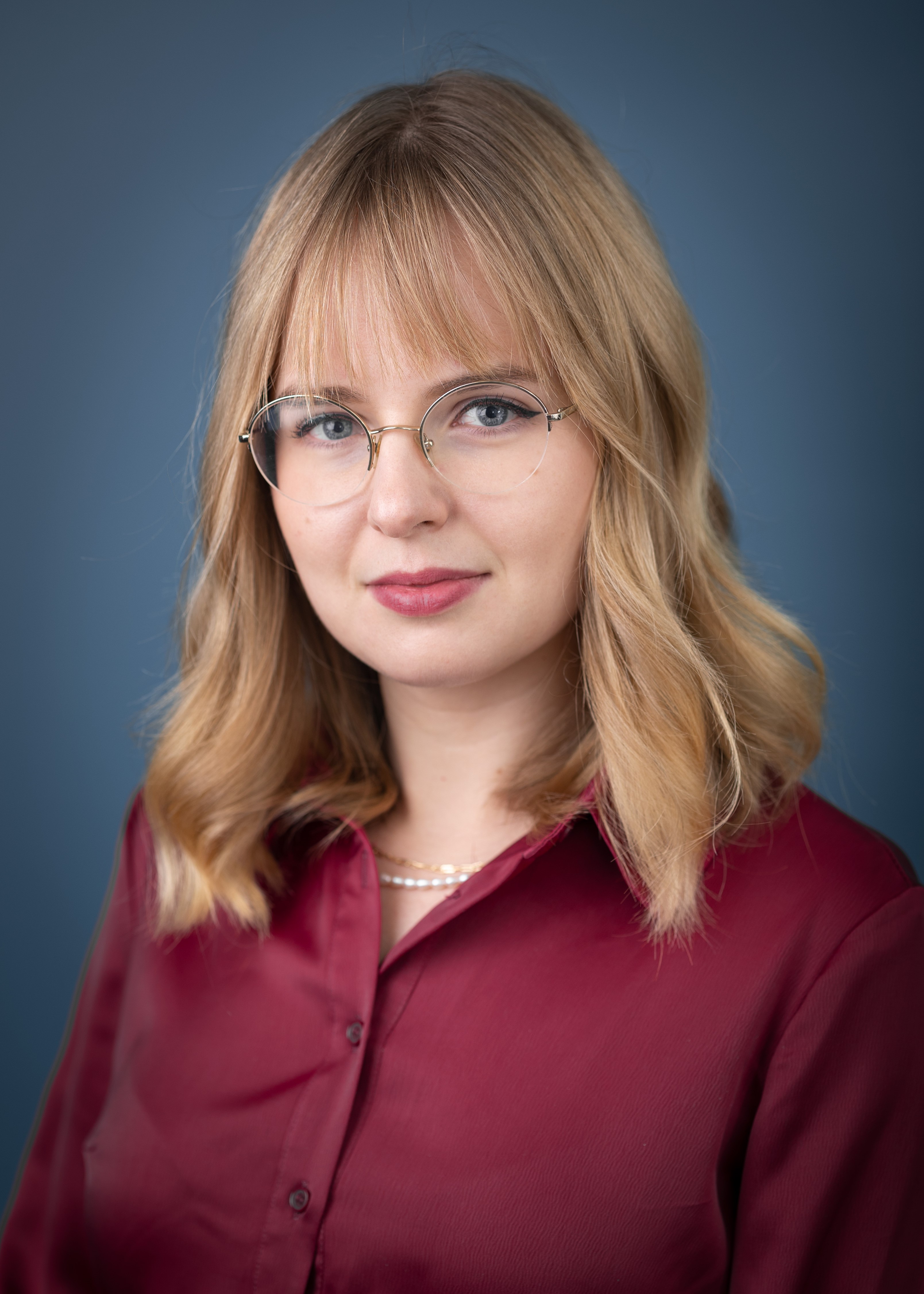
Elena Tuzhilina is an Assistant Professor in the Department of Statistical Sciences at the University of Toronto, specializing in machine learning, applied statistics, and computational biology. Her research focuses on statistical tools for chromatin 3D spatial structure reconstruction and analyzing emotional disorders' impact on brain function. Ph.D. in Statistics from Stanford University Specialist's degree from Moscow State University Two-year Data Science program at Yandex School Her research spans high-dimensional data analysis , dimension reduction , and statistical modeling in biological contexts. She has developed novel algorithms for chromatin conformation reconstruction and pandemic trajectory modeling. Recent publications focus on canonical correlation analysis , low-rank matrix approximation , and 3D genome architecture , with applications in computational biology and neuroscience. Dorothy Shoichet Women Faculty in Science Award JSM Student Travel Award Outstanding Teaching Assistance at Stanford Stanford Teaching Assistant Award Elena supervises PhD students and postdoctoral fellows across disciplines including statistical sciences, biochemistry, and applied mathematics. She has secured multiple grants including a NSERC Discovery Grant and University of Toronto Accelerator Grant .
Babak Mehran is an Associate Professor in the Department of Civil Engineering at the University of Manitoba (Price Faculty of Engineering). He holds a PhD in Civil Engineering from Nagoya University (2009). His research focuses on transportation network resilience, big data analytics, and AI-driven solutions for traffic management. He leads the Urban Mobility and Transportation Informatics Group (UMTIG), collaborating with government and industry on applied transportation research. Key research areas include autonomous vehicle integration, cold-region traffic vulnerability, and optimization of public transit systems. Dr. Mehran has advised graduate students on topics like traffic safety, sensor placement, and semi-flexible transit design. His work bridges theoretical models (e.g., reinforcement learning algorithms) with real-world applications such as winter road maintenance strategies and transit demand analysis. Recent publications emphasize AI-driven traffic prediction, climate adaptation for infrastructure resilience, and safety metrics for truck operations in harsh environments. He collaborates internationally on transportation policy and has contributed to methodologies for evaluating congestion relief strategies using travel time reliability analysis. Lab: Urban Mobility and Transportation Informatics Group (UMTIG) Key Partners: Government agencies, transportation industries, academic collaborators Current Focus: Autonomous shared mobility, cold-climate traffic systems, data fusion for traffic monitoring
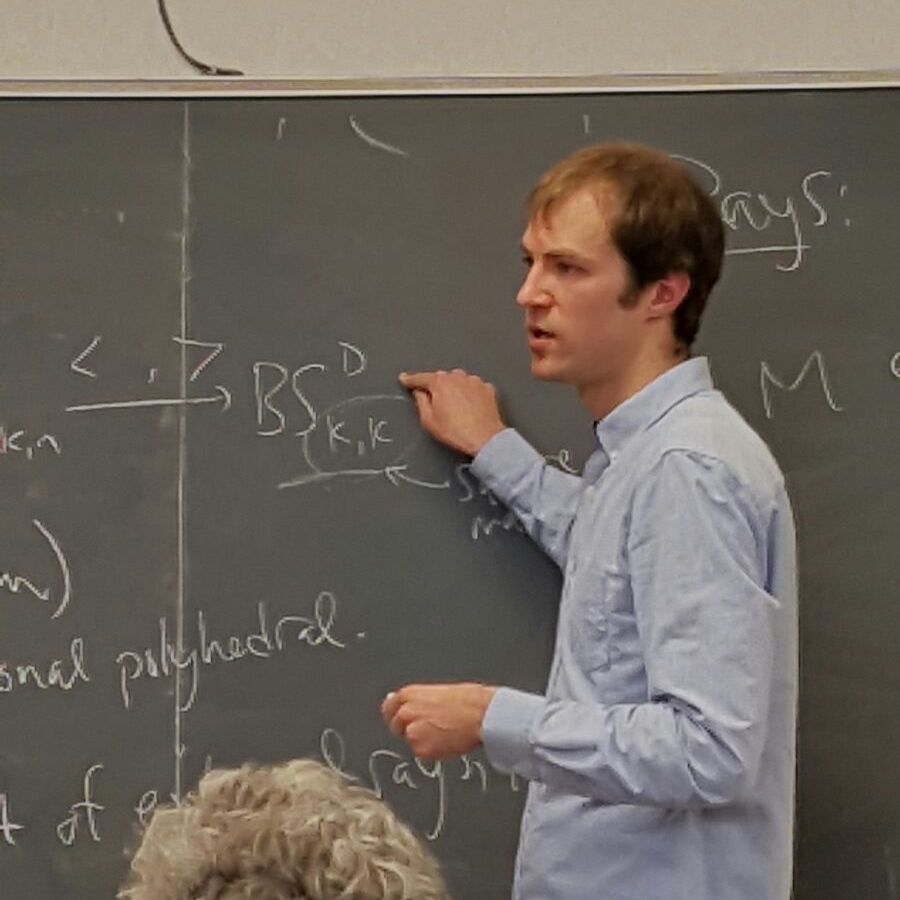
Jake Levinson is an Assistant Professor in the Department of Mathematics and Statistics at Université de Montréal. His research focuses on algebraic geometry and algebraic combinatorics, with particular interests in moduli spaces, Schubert calculus, toric varieties, and equivariant free resolutions. He previously held positions at Simon Fraser University (2020–2023), the University of Washington (2017–2020), and completed a postdoctoral fellowship at LaCIM (UQAM). His Ph.D. from the University of Michigan (2017) was advised by David Speyer. Research Interests: - Algebraic Geometry: Moduli spaces, Schubert calculus, toric varieties, homological algebra. - Algebraic Combinatorics: Crystal graphs, Young tableaux, representation theory, combinatorial aspects of algebraic geometry. - Recent work includes studies on Schubert curves, Springer fibers, and applications of algebraic methods to problems in combinatorics and theoretical computer science. Teaching: - Taught MAT 6620 (Algebraic Geometry: Schemes) at Université de Montréal (Winter 2024). - Previously taught courses on intersection theory, representation theory, and Lean formal proof systems. Key Contributions: - Developed combinatorial models for Schubert curves using crystals and tableaux. - Contributed to Boij-Söderberg theory for Grassmannians and studies of class groups in algebraic geometry. - Collaborated on projects linking algebraic geometry to neural networks and random matrix theory.