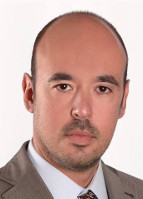
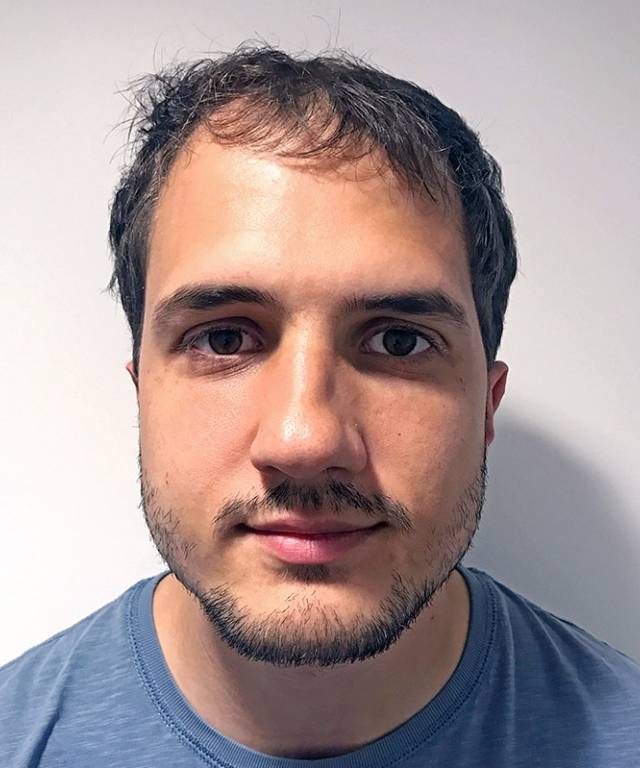
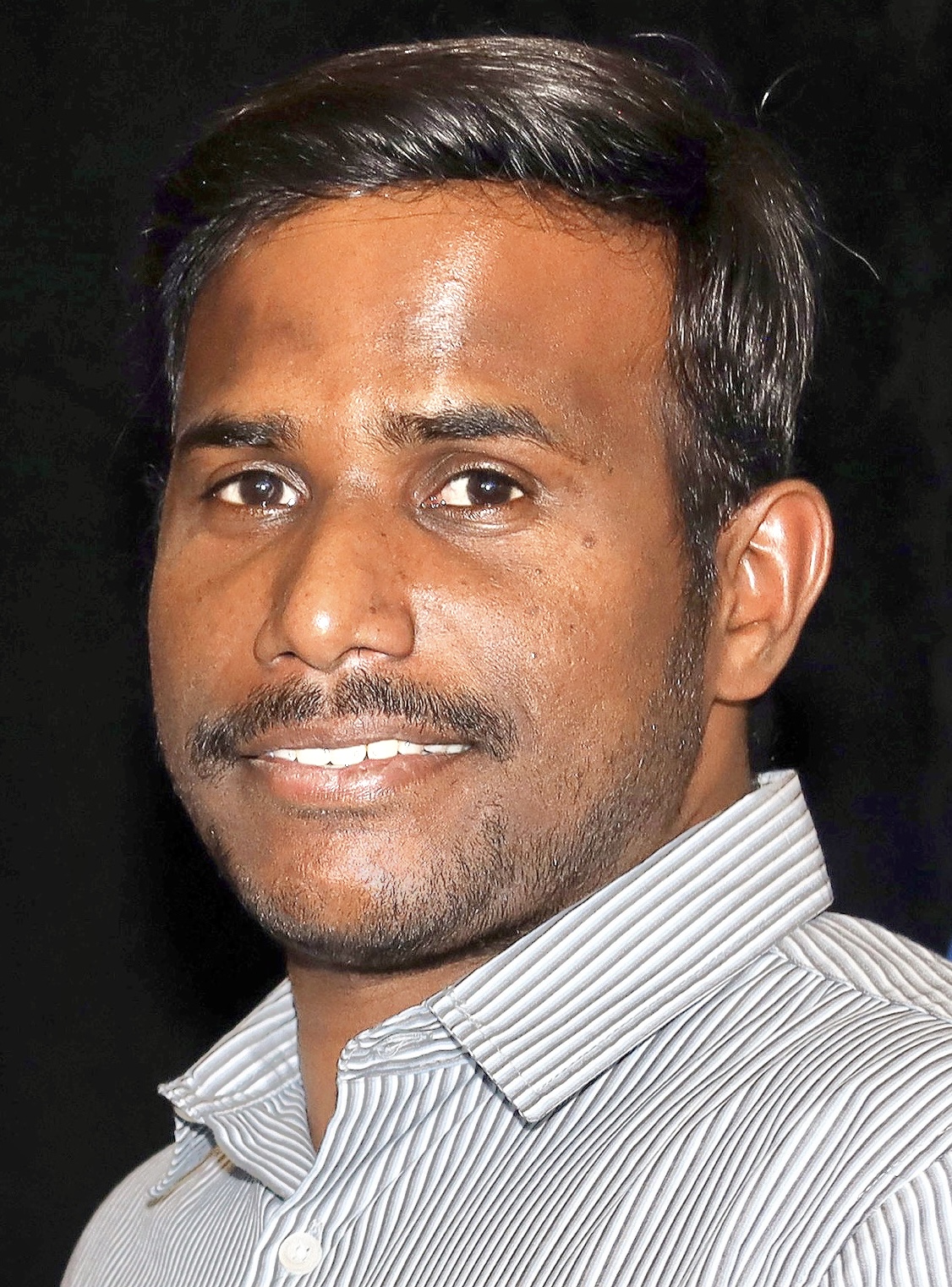
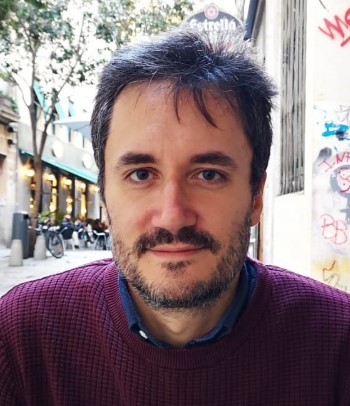
Ala Trusina is an Associate Professor at the Niels Bohr Institute , University of Copenhagen , specializing in Biocomplexity and Biophysics . Her research integrates coarse-grained modeling to study complex biological systems. Key Research Areas Stress Response Systems (diabetes, aging, cancer, inflammation) Stem Cell Differentiation (cell fate coordination, reversibility of states) Complex Systems (species coexistence, epidemics, CRISPR-phage interactions) Methodologies Theoretical: Agent-based modeling, in-silico simulations Experimental: Quantitative single-cell imaging, RNA/protein profiling Collaborations Joshua Brickman (ES cells), Anne Grapin-Botton (pancreas), Feroz Papa (diabetes), Else Kai Hoffman (p53 dynamics) Thomas Mandrup-Poulsen (inflammation), Savas Tay (spatio-temporal regulation) Teaching Physics of Molecular Diseases Numerical Methods in Physics
Professor Michael Breakspear is an internationally recognized leader in computational neuroscience, brain imaging, and translational neurotechnology at the University of Newcastle's School of Psychological Sciences. His research bridges complex systems theory, mathematical modeling, and clinical neuroscience to advance understanding of brain dynamics in health and disease through interdisciplinary collaboration across mathematics, physics, neuroimaging, psychiatry, and artificial intelligence. Professor Breakspear holds a Doctor of Philosophy from the University of Sydney, along with multiple undergraduate degrees including a Bachelor of Medicine and Bachelor of Surgery. His academic journey includes professorial appointments at the University of Sydney (School of Physics), University of Queensland (School of Psychiatry), and University of Western Sydney (School of Psychiatry), where he progressed from Post-doctoral Research Fellow to Associate Professor. Current: Professor, University of Newcastle, School of Psychological Sciences 2017-present: Principal Research Fellow, National Health & Medical Research Council 2017-present: Senior Scientist and Head, QIMR Berghofer Medical Research Institute 2012-2017: Professor (adjunct), University of Sydney, School of Physics 2011-present: Professor (adjunct), University of Queensland, School of Psychiatry 2007-2012: Associate Professor, University of Western Sydney, School of Psychiatry Professor Breakspear's research program integrates expertise across mathematics, physics, neuroimaging, psychiatry, and artificial intelligence. His core expertise includes computational neuroscience (modeling brain dynamics using nonlinear systems theory), neuroimaging and connectomics (pioneering methods to analyze brain networks), brain disorders and mental health (applying computational models to disorders like schizophrenia and bipolar disorder), and neurotechnology and AI (developing machine learning techniques for imaging biomarkers). His recent publications demonstrate a strong focus on brain dynamics, neuroimaging techniques, and applications to psychiatric and neurological disorders. His work spans theoretical frameworks to clinical applications, with particular emphasis on understanding the neural basis of mood disorders, Alzheimer's disease, and psychosis, employing advanced computational approaches to uncover fundamental principles of brain organization and dysfunction. Senior Researcher Award (2017) Principal Research Fellow, National Health & Medical Research Council (2017-present) Professor Breakspear actively collaborates with clinical researchers, engineers, and technology developers to translate theoretical frameworks into practical diagnostic and therapeutic innovations. He provides leadership in training programs at the nexus of neuroscience, mathematics, and data science, fostering the next generation of interdisciplinary researchers through mentorship and collaborative projects that bridge theoretical and clinical domains.
R. Edwin Garcia serves as an Assistant Professor in the Department of Materials Engineering within Purdue University's College of Engineering, appointed as new faculty in 2005. His academic background includes: Bachelor of Science in Physics from the University of Mexico (1996) Master of Science in Materials Science and Engineering from MIT (2000) Doctor of Philosophy in Materials Science from MIT (2002) Minor in Applied Mathematics from MIT Dr. Garcia's research focuses on theoretical and computational frameworks for microstructurally complex materials. He develops public-domain codes and analytical tools that transform micrographic images into engineered material properties and macroscopic responses. His work emphasizes optimizing multifunctional materials through fundamental processing-structure-property relationships, utilizing scientific visualization techniques to enhance performance and reliability in technologically critical applications. No information about scientific awards was provided in the source text. While previously affiliated with NIST's Center for Theoretical and Computational Materials Science, Dr. Garcia's current Purdue-based research prioritizes making computational methodologies accessible to the global scientific community. Details regarding graduate student advising and grant funding were not specified in the available documentation.
Vikaas Sohal, MD, PhD is a Professor in the Department of Psychiatry at the University of California, San Francisco (UCSF) School of Medicine and a member of the UCSF Weill Institute for Neurosciences. He directs a neuroscience laboratory investigating the brain circuits underlying fundamental aspects of cognition and emotion, with particular focus on gamma oscillations in normal cognition and schizophrenia, as well as how rhythmic brain activity encodes emotional states. Dr. Sohal is also a board-certified psychiatrist who supervises residents in the Early Psychosis (PATH) clinic. Dr. Sohal earned his A.B. and S.M. in Applied Mathematics from Harvard University in 1997, followed by an M.A.St. in Mathematics from the University of Cambridge in 1998. He completed his M.D./Ph.D. in Neuroscience at Stanford University in 2005, where he also completed his residency in adult psychiatry. During his residency, he conducted postdoctoral research with Dr. Karl Deisseroth, performing some of the first experiments using optogenetics to study information processing in brain circuits. Dr. Sohal's research has focused on neural circuit mechanisms underlying cognitive and emotional processes, with particular emphasis on gamma oscillations, prefrontal-hippocampal interactions, and the role of specific interneuron subtypes in information processing. His laboratory has made significant contributions to understanding how parvalbumin interneurons generate gamma oscillations that organize prefrontal networks to promote behavioral adaptation. His recent work has explored the circuit basis of emotional states, pain-related aversion, and neuropsychiatric disorders. His publication record shows a consistent trajectory of high-impact research, with recent publications spanning topics from psilocybin effects to thalamocortical organoids for neuropsychiatric disorder modeling. His work demonstrates a progression from fundamental circuit mechanisms to translational applications for psychiatric disorders, particularly focusing on schizophrenia and emotional processing abnormalities. Dr. Sohal has secured continuous NIH funding as Principal Investigator since 2009, including multiple R01 grants, an R56, DP2, R00, and K99 awards, demonstrating sustained research productivity and significance. His research program represents a sophisticated integration of molecular, cellular, circuit, and behavioral approaches to understand and potentially treat neuropsychiatric disorders.
Peter Kazanzides is a Research Professor in the Department of Computer Science at the Whiting School of Engineering, Johns Hopkins University, where he joined the faculty in 2002. His research focuses on robotics, medical robotics, augmented reality, and computer-assisted interventions with primary applications in computer-integrated surgery. His educational background includes multiple degrees from Brown University: ScB (1983) in Electrical Engineering AB (1983) in Computer Science ScM (1985) in Electrical Engineering ScM (1987) in Applied Mathematics PhD (1988) in Electrical Engineering Kazanzides is a member of the Robotics, Vision, and Graphics research group and directs the Sensing, Manipulation, and Real-Time Systems (SMARTS) laboratory. His work spans surgical robotics, mixed reality, and systems engineering, with emphasis on computer-assisted surgery in extreme environments including minimally invasive surgery, microsurgery, and space teleoperation. The SMARTS lab develops real-time sensing systems, augmented/mixed reality interfaces using head-mounted displays, high-performance motor control, and sensor fusion technologies, with strong focus on system integration and open-source platforms like the da Vinci Research Kit (dVRK). Analysis of his recent publications (2024-2025) reveals dominant trends in surgical robotics autonomy, augmented reality navigation, force estimation, and digital twin technologies. Key themes include AI-driven task automation, haptic feedback enhancement, real-time instrument segmentation, and simulation environments for surgical training, primarily leveraging the da Vinci Research Kit framework. As director of the SMARTS lab within the Laboratory for Computational Sensing and Robotics (LCSR), Kazanzides leads a collaborative ecosystem including the Computer Integrated Interventional Systems (CIIS) Lab, Advanced Medical Instrumentation and Robotics (AMIRO) Lab, Dynamical Systems and Controls Lab (DSCL), Computer Aided Medical Procedures (CAMP) Lab, Medical UltraSound Imaging & Intervention Collaboration (MUSiiC) Lab, and Photoacoustic & ULtrasonic Systems Engineering (PULSE) Lab. His lab maintains responsibility for the development and support of the open-source da Vinci Research Kit, a critical resource for surgical robotics research worldwide.
Stavros Vologiannidis serves as an Assistant Professor in the Department of Informatics, Computer and Telecommunications Engineering at the International University of Greece. His academic career spans both teaching and research in control theory, robotics, and machine learning applications. Previously, he was associated with the Mathematics Department at Aristotle University of Thessaloniki where he completed his education and conducted postdoctoral research. Education: B.Sc. in Mathematics from Aristotle University of Thessaloniki (1997) Ph.D. in Control Theory from Aristotle University of Thessaloniki (2005) with dissertation titled 'ALGEBRAIC-POLYONYMICAL COMPUTING METHODS IN CONTROL THEORY' Dr. Vologiannidis' research focuses on Classical and Intelligent Control Theory, Robotics, and Machine Learning, with particular expertise in polynomial matrices and automatic control systems. His work bridges theoretical mathematics with practical engineering applications, especially in educational robotics and industrial control systems. He has developed several educational platforms including EUROPA, a ROS-based educational robot for teaching sensor integration and data acquisition. His publication record shows a clear evolution from theoretical control systems research toward applied machine learning and educational technology. Recent work demonstrates increasing focus on practical applications of AI in education, urban feature recognition, industrial monitoring, and robotics education across multiple educational levels from middle school through university. His research combines mathematical rigor with real-world implementation. Scientific Recognition: Excellence Scholarship in the 'Excellence Scholarships 2010' program of the Research Committee Total citations exceeding 250 with Scopus H-index of 9 Dr. Vologiannidis has secured numerous research grants and led multiple projects including 'Rapid Earthquake Damage Assessment Consortium – REDACt', 'Predictive Maintenance 4.0', and 'Development of computational methods for optimization of eigenvalue assignment problems'. He has collaborated extensively with institutions across Europe including UTIA Foundation in Prague and has participated in EU-funded projects like GALENOS and GN4-1 GÉANT Research and Education Networking. His laboratory work centers around the EUROPA educational robotics platform and the StreetScouting urban feature detection system, both of which integrate hardware, software, and educational applications. These projects demonstrate his commitment to translating theoretical research into practical educational and industrial tools.
Dr. D. Grant Allen is a Professor and Frank Dottori Chair in Pulp and Paper Engineering at the University of Toronto's Department of Chemical Engineering and Applied Chemistry (Faculty of Applied Science and Engineering). He serves as Principal Investigator at the Bioprocess Engineering Lab and BioZone research center. His education includes a B.A.Sc. and M.A.Sc. from the University of Toronto, and a Ph.D. from the University of Waterloo. Dr. Allen's research focuses on environmental bioprocess engineering , with emphasis on: Microalgae cultivation for biofuels/chemicals using CO₂ and wastewater Advanced biological wastewater treatment and toxicity reduction Biosolids dewatering using novel bioflocculants and enzymatic methods Bioconversion of waste streams into value-added products Biofilm/floc microbiology and process optimization His publications demonstrate strong interdisciplinary trends in sustainable waste valorization, algal biotechnology, and advanced sludge treatment techniques, with consistent focus on industrial applications in pulp/paper and wastewater sectors. Awards & Honors: Sustained Excellence in Teaching Award (2022) Professor Diran Basmadjian Teacher of the Year Award Fellow: Chemical Institute of Canada, AAAS, Canadian Academy of Engineering, Engineering Institute of Canada LeSuer Memorial Award for Technical Excellence He currently advises graduate students and leads collaborative projects with industry/government partners. As Principal Investigator at BioZone, he coordinates interdisciplinary teams developing bioscience solutions for sustainability. Current projects include photocatalytic wastewater pretreatment and microfluidic carbon capture systems.
Lihi Zelnik-Manor is a Professor at the Faculty of Electrical and Computer Engineering at the Technion - Israel Institute of Technology . Her research focuses on digitizing the sense of touch, integrating Haptics , Robotics , and Computer Vision to create digital representations of physical properties and develop haptic feedback devices for virtual interactions. Executive Vice President for Innovation and Industry Relations (2023-2026) Vice Dean for Graduate Studies (2022-2023) General Chair: CVPR’21, ECCV’22 Her work spans Neural Architecture Search (NAS) , 3D Reconstruction , and Image Processing , with recent publications on haptic devices (2025), diffusion models (2025), and soft-tissue simulation (2024). She actively contributes to academic leadership through roles in top conferences and community initiatives like the Schmidt Postdoctoral Award steering committee.
Rebecca Feldman is an Assistant Professor in Medical Physics and Physics at the Irving K. Barber Faculty of Science, University of British Columbia Okanagan. Her research integrates MR physics, engineering, and medical research to advance MRI pulse sequences and hardware for clinical translation, particularly in neurological disorders. University: University of British Columbia Okanagan Academic Rank: Assistant Professor PhD: University of Western Ontario Research Interests: Dr. Feldman specializes in technical innovation in MRI (accelerated imaging, spectroscopic imaging, non-proton imaging) and translational research applying MRI to neurological disease detection, characterization, and treatment. Her work leverages ultra-high-field (7T) MRI for enhanced resolution of brain structures like hippocampal subfields and perivascular spaces. Publications: Recent work includes advancements in self-supervised medical imaging backbones (MedMAE), segmentation of venous structures in epilepsy, automated MRI pulse design via neural networks, and clinical applications of 7T MRI in neurosurgical planning and psychiatric disorders like major depressive disorder. Teaching: Currently teaches courses in physics, including physics of waves.
Tobias Ritschel is a Professor of Computer Graphics at University College London . His research spans advanced rendering techniques, perceptual modeling, and data-driven graphics, with a focus on bridging physical accuracy and artistic flexibility in visual computing. Key research themes include: Interactive Global Illumination : Real-time simulation of complex lighting effects on GPUs Perceptual Graphics : Human vision-driven rendering and display optimization Non-physical Graphics : Beyond-photorealistic techniques for artistic expression Data-driven Graphics : Leveraging large datasets for novel rendering and modeling approaches His recent work emphasizes neural rendering , differentiable graphics , and X-ray tomography , with applications in 3D reconstruction , NeRF manipulation , and holographic imaging . Notable scientific achievements include the Eurographics Young Researcher Award 2014 and Eurographics Thesis Award 2011 . He has advised multiple PhD students including Philipp Henzler (EG PhD Award 2024) and Thomas Leimkühler (Otto Hahn Medal 2019), while actively contributing to conference leadership as co-chair for EGSR 2024 and Pacific Graphics 2024 . His team collaborates on X-ray reconstruction with Pablo Villanueva-Perez and works on 3D perception with Anthony Steed.
Sean Hanna is a Professor of Design Computing at The Bartlett School of Architecture , University College London , and a member of the UCL Space Syntax Laboratory . His interdisciplinary work bridges architecture, computational modeling, and machine learning.
Dr Andrew Elliott is a Senior Lecturer in the School of Statistics at the University of Glasgow. His research bridges Statistics , Computational Statistics , and Machine Learning & AI , with applications in Social & Urban Studies and Imaging, Image Processing & Image Analysis . Education: Not explicitly detailed in the text. Dr Elliott's work focuses on modeling in space and time , synthetic data generation , and network analysis . His recent publications explore fairness constraints in AI , agent swarms , and temporal network modeling , reflecting interdisciplinary applications in urban analytics and environmental science. His publications from 2014–2024 span network science , machine learning , image analysis , and geospatial studies . Key trends include privacy auditing , counterfactual explanations , and deep learning for network time series . Dr Elliott supervises doctoral students and has advised Zhengduo Zhao and Weiyue Zheng . He actively contributes to research groups in Statistics & Data Analytics and Machine Learning . Notable collaborations include work with Mihai Cucuringu and Gesine Reinert .
Dr. Sirojan Tharmakulasingam serves as a Lecturer and Research and Development Coordinator at the Signals, Information & Machine Intelligence lab within the Faculty of Engineering at the University of New South Wales (UNSW) Sydney. His work bridges theoretical machine learning with practical applications in edge computing and high-performance systems. His research spans multiple cutting-edge domains including machine learning, artificial intelligence, data science, edge computing, and high-performance computing. Dr. Tharmakulasingam specializes in developing next-generation inference models by integrating machine learning, signal processing, mathematical modeling, and computing across diverse data types including images, video, audio, and quantum molecular data. His work has significant implications for scientific computing, telecommunications, and healthcare applications. Analysis of his publication trends reveals a strong focus on practical AI implementations, with increasing emphasis on edge computing solutions, quantum applications, and energy-efficient models. His recent work demonstrates progression from foundational machine learning techniques toward specialized applications in scientific computing and real-time systems. Dr. Tharmakulasingam holds a Doctor of Philosophy from UNSW Sydney and a Bachelor of Science of Engineering from the University of Moratuwa in Sri Lanka. His academic journey reflects a strong foundation in both theoretical and applied engineering principles. As Research and Development Coordinator for the Signals, Information & Machine Intelligence lab, he oversees critical research infrastructure and collaborations. His work location in Room 447 of the EE&T Building (G17) places him at the heart of UNSW's engineering research ecosystem, with access to the Mark Wainwright Analytical Centre's extensive facilities.
Marc Teboulle is a distinguished Professor holding The Eric and Sheila Samson Chair of Optimization in the School of Mathematical Sciences at Tel Aviv University. With a career spanning over three decades, he has established himself as a leading figure in optimization theory and applications. His work bridges theoretical foundations with practical implementations across multiple scientific domains. Professor Teboulle's research focuses on continuous optimization, with particular emphasis on convex optimization, complexity analysis of algorithms, Lagrangian and dual decomposition methods, variational inequalities, and nonconvex nonsmooth large-scale optimization. His work has significant applications in engineering science, machine learning, and finance, demonstrating the interdisciplinary impact of optimization techniques. He has developed novel frameworks for center-based clustering algorithms and contributed to the theoretical understanding of first-order methods beyond traditional Lipschitz gradient continuity assumptions. His publication record shows a clear evolution toward increasingly sophisticated optimization frameworks, with recent work focusing on nonconvex composite optimization, Lagrangian-based methods, and complexity analysis of gradient-based algorithms. The trend indicates growing interest in non-Euclidean geometries for optimization and applications to high-dimensional data problems, reflecting the evolving challenges in modern optimization. As an educator and mentor, Professor Teboulle has supervised numerous PhD and MSc students since 1990, including prominent researchers like Amir Beck, Ron Shefi, and Yoel Drori. His graduate courses include Convex Analysis and Optimization, Advanced Topics in Modern Optimization, Algorithms for Continuous Optimization, and Advanced Seminar in Continuous Optimization. He has been exceptionally active in the academic community, delivering invited lectures at major international conferences from 2003 through 2024 across Asia, Europe, and North America. His book 'Asymptotic Cones and Functions in Optimization and Variational Inequalities' (co-authored with A. Auslender) has become a standard reference in the field, while his edited volume 'Grouping Multidimensional Data: Recent Advances in Clustering' has influenced data science applications.
Dr. Luca Modenese is a Senior Lecturer in Biomechanics at the Graduate School of Biomedical Engineering, University of New South Wales (UNSW). A recipient of the prestigious Scientia Fellowship , his research focuses on computational biomechanics with specialization in musculoskeletal and neuromuscular modeling. He has extensive experience across institutions including Imperial College London, Griffith University, and Sheffield University. Education : Mechanical Engineering (summa cum laude), University of Padua (2008) PhD in Structural Biomechanics, Imperial College London (2013) Research Expertise spans musculoskeletal modeling, neuromuscular simulation, orthopaedic biomechanics, and predictive computational methods. His work integrates patient-specific modeling with finite element analysis and predictive simulations. Recent publications highlight advancements in GAN-based motion data generation , electromyography-informed models , and AI-enhanced biomechanical analysis . Scientific Recognition : Scientia Fellowship (UNSW) Athanasiou ABME Award (2021) Publication of the Year (Australia and New Zealand Society of Biomechanics, 2017) Griffith University Awards (2015) OpenSim Fellows Program (Stanford, 2014) Supervision & Collaboration : Currently supervising PhD students Arnault Caillet and Metin Bicer at Imperial College London as external supervisor. Actively involved in research partnerships with institutions including Imperial College London, Stanford University, and the Menzies Health Institute Queensland.