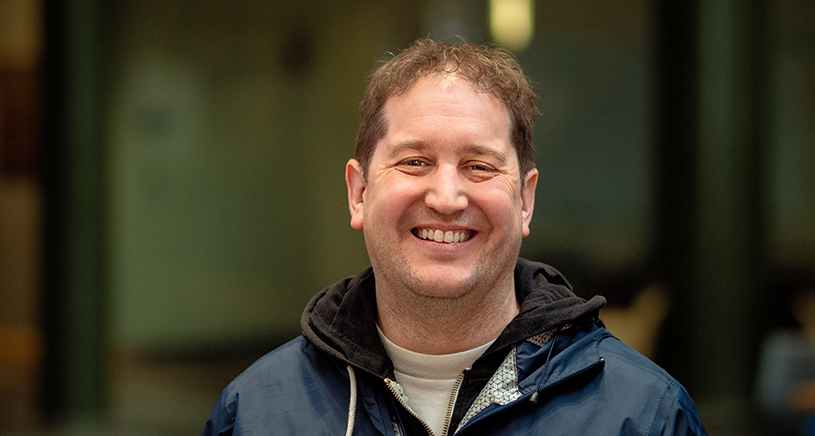
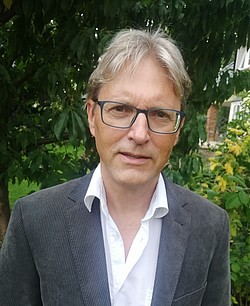
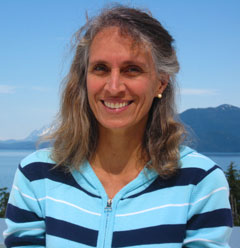
Prof. Dr. Oliver Krüger is a behavioral ecologist and evolutionary biologist at Bielefeld University 's Faculty of Biology , where he leads the Department of Animal Behaviour since 2013. His research spans avian and marine mammal systems, focusing on life history strategies, parasite-host interactions, and environmental adaptation. Education: Biology studies at Bielefeld University (1994-1996) MSc in Oxford (1996-1997) PhD at Bielefeld University with Fritz Trillmich and Jan Lindström (1998-2000) Research Themes: Behavioral ecology, evolutionary biology, and population dynamics across tropical and temperate ecosystems. Key projects include NC³ (Niche Choice/Construction) and studies on Galápagos sea lions, common buzzards, and pinniped species. Scientific Leadership: Spokesperson, SFB TRR 212 "NC³" (2018-2025) Advisory Board member: German Ornithologists Union, IUCN SSC pinniped group, German Primate Centre Peer review roles: Humboldt Foundation, DFG, HFSP, NSF Awards: Leopoldina Prize (2001) Niko Tinbergen Award (2008) DFG Heisenberg Professorship (2010-2015)
Anssi Laurila is a Professor in the Department of Ecology and Genetics, specializing in Animal Ecology at Uppsala University, Sweden. His research integrates evolutionary biology and ecology to explore the mechanisms underlying phenotypic and genetic variation in natural populations, particularly amphibians. His primary research interests include phenotypic plasticity , local adaptation , maternal effects , life-history evolution , and genomic responses to environmental gradients such as latitude, temperature, acidity, and predation. He investigates how populations adapt to heterogeneous environments through both plastic and genetic mechanisms, often using comparative studies across latitudinal clines and contrasting habitats. His work frequently focuses on amphibians like Rana temporaria , Rana arvalis , and Bufo bufo , as well as other ectotherms including freshwater snails and fish. The trends in his recent publications (2020–2025) show a strong emphasis on genomic and transcriptomic analyses of adaptation, host-pathogen interactions (especially with Batrachochytrium dendrobatidis ), immunogenetics (MHC diversity), conservation genetics of edge populations, and acclimation physiology . His studies often combine field observations with controlled experiments and molecular techniques, contributing to understanding evolutionary responses to climate change and anthropogenic stressors. No scientific awards are explicitly mentioned in the provided text. Dr. Laurila actively collaborates with researchers across Europe and supervises or co-supervises numerous studies, as evidenced by his consistent presence as a senior or corresponding author. While specific grant details are not listed, his extensive publication record in high-impact journals suggests sustained funding for research in evolutionary ecology and conservation. His work has implications for biodiversity conservation, particularly in the context of climate change and emerging infectious diseases. He is involved in research on amphibian microbiomes, thermal adaptation in geothermal systems, and the genetic basis of adaptive traits. His team explores how environmental stressors shape phenotypic and genetic variation, with a focus on understanding the limits and costs of plasticity and adaptation.
Dr. Dave Bridges is an Associate Professor in the Department of Nutritional Sciences at the University of Michigan School of Public Health . Trained as a molecular biologist and biochemist, his research focuses on the regulation of macronutrient metabolism with emphasis on obesity, diabetes, and cardiovascular disease. The Bridges Lab employs Drosophila , mouse, and human clinical models to investigate nutrient sensing pathways like mTORC1, glucocorticoid signaling, and precision nutrition approaches. Education: PhD, University of Calgary (2005) BS, University of Calgary (2000) Research areas include nutrient signaling pathways , stress-hormone interactions , and precision nutrition through ketogenic diet studies. Collaborations with Dr. Brigid Gregg examine breastmilk lipid variability and maternal health impacts. Recent work explores Bayesian statistical approaches for nutritional research, advocating for brms package implementation. Contact: Email: davebrid@umich.edu Phone: 734-764-1266 Address: 1415 Washington Heights, Ann Arbor, MI 48109
Dr. Aleona Swegen is an ARC DECRA Fellow at the School of Environmental and Life Sciences, University of Newcastle, Australia. A veterinarian and research fellow specializing in animal fertility, she applies cutting-edge reproductive biology techniques to benefit both endangered species and livestock. Her work focuses on developing novel approaches to preserve fertility, particularly through proteomic and molecular analyses of reproductive processes. Bachelor of Veterinary Science, University of Sydney (2010) PhD in Reproductive Science, University of Newcastle, Australia (completed under Laureate Professor John Aitken) Dr. Swegen's research spans multiple interconnected areas of reproductive biology. Her primary focus is on equine reproduction, particularly stallion sperm biology and fertility. She investigates how environmental factors like heat stress impact male fertility and offspring health. Her work also extends to endangered species conservation, notably her contributions to the Rhino Fertility Project aimed at rescuing the Northern White Rhino from extinction. Through proteomic, lipidomic, and molecular approaches, she explores embryo-maternal interactions, sperm metabolism, and novel fertility preservation techniques. Analysis of Dr. Swegen's recent publications reveals a strong emphasis on applying advanced 'omics technologies to reproductive challenges. Her work consistently bridges basic science with practical applications in both livestock breeding and endangered species conservation. A notable trend is her exploration of how environmental stressors, particularly heat stress, affect reproductive outcomes across species. Her research demonstrates increasing integration of multi-omics approaches (proteomics, lipidomics) to identify biomarkers and develop diagnostic tools for fertility assessment. ARC DECRA Fellowship (2022-2024) for research on heat stress effects on male fertility Dr. Swegen actively supervises multiple PhD and Masters students, focusing on topics related to equine reproduction, heat stress effects, and fertility preservation. She has secured significant research funding, including multiple ARC grants and AgriFutures Australia projects totaling over $3 million. Her current projects include 'Early pregnancy in the mare: mechanisms of immune recognition and novel assays for pregnancy testing' and 'Pioneering reproductive biotechnology innovations for equine breeding,' reflecting her dual focus on fundamental research and practical applications. As part of the Priority Research Centre for Reproductive Science at the University of Newcastle, Dr. Swegen collaborates with interdisciplinary teams working on reproductive challenges across species. Her work connects with conservation efforts globally, particularly through collaborations with institutions like the Smithsonian Conservation Biology Institute and the University of Oxford's Rhino Fertility Project.
Nicole Tillquist is a Postdoctoral Research Associate at the University of Connecticut in the Department of Animal Sciences. She earned her BS (2018), MS (2020), and PhD (2023) in Animal Sciences from Colorado State University and the University of Connecticut, respectively. She works in Dr. Kristen Govoni’s lab, focusing on the impacts of maternal nutrition on fetal development and offspring health in ruminant species. Education: PhD in Animal Sciences, University of Connecticut (2023) MS in Animal Sciences, Colorado State University (2020) BS in Animal Sciences, Colorado State University (2018) Her research spans nutrient restriction effects on fetal small intestine development, mineral metabolism in ruminants, and how poor maternal diet impacts offspring growth, feed efficiency, and organ function. She investigates these mechanisms using sheep models to identify pathways like hormonal dysregulation, oxidative stress, and epigenetic modifications. Her recent work includes multigenerational studies on mitochondrial function and transgenerational effects of maternal nutrition on offspring immune status, glucose tolerance, and microbiome dynamics. She has presented award-winning talks on metabolic programming in sheep and antioxidant interventions in equine health. Scientific Awards: Awardee Talk: Poor Maternal Nutrition Impacts Metabolic Factors and Glucose Tolerance in Sheep Offspring (2022) Awardee Talk: Astaxanthin Supplementation Reduces Oxidative Stress in Polo Ponies (2022) Her work in Dr. Govoni’s lab integrates ruminant nutrition with developmental biology to address how maternal dietary choices program lifelong health in livestock species.
Dr. Laura Parfrey is an Associate Professor in the Departments of Botany and Zoology at the University of British Columbia (UBC), Faculty of Science. She is affiliated with the Biodiversity Research Centre, where her research focuses on microbial ecology of eukaryotic microbes (protists) and their interactions with bacteria in marine and mammalian ecosystems. Her research spans two primary areas: (1) the gut microbiome of mammals, investigating the consequences of microbial diversity loss and (2) coastal ecosystems in British Columbia, studying microbial colonization of marine hosts (e.g., invertebrates, seaweed) and their impact on host and ecosystem health. The Parfrey Lab employs experimental and descriptive approaches to understand microbial community dynamics under environmental stressors like salinity changes and anthropogenic impacts. Key research trends in her articles include microbial responses to abiotic stress, disease dynamics in kelp/seagrass, and the interplay between prenatal alcohol exposure and immune/gut microbiota changes. Her work bridges marine and terrestrial microbiology, emphasizing ecological and evolutionary processes. Dr. Parfrey’s lab actively collaborates on projects such as the AFRIBIOTA initiative, addressing gut microbiome and health outcomes in African populations. While no awards are explicitly listed, her contributions to microbial diversity research are recognized through high-profile collaborations and publications. Advising and grants: No formal student advisees are listed, but the lab participates in training programs via the Biodiversity Research Centre. Grant details are not provided in the text. Labs/teams: The Parfrey Lab is based in the Department of Botany, UBC, and contributes to interdisciplinary projects at the Biodiversity Research Centre.
Kerry Empey is an Associate Professor in the Department of Pharmacy and Therapeutics at the University of Pittsburgh School of Pharmacy. She serves as the Associate Dean of Graduate & Postdoctoral Programs and holds secondary appointments in the Department of Immunology, Center for Vaccine Research, and Clinical and Translational Science Institute (CTSI) in the School of Medicine. Her research focuses on optimizing vaccines and therapies for vulnerable populations, particularly infants and pregnant women, targeting respiratory syncytial virus (RSV) and other pulmonary pathogens. She directs the Certificate in Clinical Translational Science for health sciences graduate students. Education: PharmD from University of Rhode Island; PhD in Clinical Pharmaceutical Sciences from University of Kentucky; completed PGY1/PGY2 residencies in Pharmacy Practice and Infectious Diseases at University of Kentucky. Research Interests: Immune response modulation, vaccine adjuvant development, age-dependent immunity, pharmacokinetics/pharmacodynamics of monoclonal antibodies, and translational research in pediatric and maternal immunization strategies. Her work emphasizes vaccine safety and efficacy in infants, maternal immunization's protective effects, and understanding cytokine-mediated viral clearance mechanisms. Recent publications highlight advancements in RSV vaccine formulations, maternal immunization strategies, and immune mechanisms driving post-viral bacterial infections. Collaborative studies with vaccine experts and nanotechnology teams explore novel delivery systems for optimal immune responses.
Adrienne M. Antonson is an Assistant Professor in the Department of Animal Sciences at the University of Illinois Urbana-Champaign, affiliated with the College of Liberal Arts & Sciences Neuroscience Program. She leads the Antonson Developmental Neuroimmunology Lab, focusing on immunology, microbiology, and developmental neuroscience. Education: PhD in Immunophysiology and Behavior (University of Illinois Urbana-Champaign, 2018), Postdoctoral Fellow at Ohio State University (2018-2021) Affiliations: Microbial Systems Initiative, Carl R. Woese Institute for Genomic Biology (Environmental Impact on Reproductive Health Theme), Interdisciplinary Environmental Toxicology Program Her research investigates how prenatal maternal immune activation—via viral infections or stress—alters fetal microglial function and neurodevelopmental outcomes. Using translational animal models, she examines inflammatory pathways linking maternal insults to behavioral abnormalities and mental health disorders in offspring. Recent publications reveal critical insights into influenza A virus impacts on maternal-fetal immunity, epigenetic disruptions in hypothalamic development, and microbiome-mediated neuroinflammatory mechanisms. Her work emphasizes the maternal-fetal interface as a key regulator of neurodevelopmental trajectories. Contact: aantnsn2@illinois.edu , Edward R. Madigan Laboratory, 1201 W Gregory Drive, Urbana, IL 61801
Prof. Dr. Volker Stefanski is a University Professor (W3) at the University of Hohenheim's Faculty of Agricultural Sciences, leading the Department of Behavioral Physiology of Livestock. He holds a Dr. rer. nat. from Bielefeld University (1991) and has held roles including Postdoc at UCLA (1993-1995), Research Associate and Privatdozent at the University of Bayreuth (1995-2005), and Head of Immunology at the Leibniz Institute for Zoo and Wildlife Research (2006-2009). His research focuses on stress biology, immunology, and animal physiology, particularly in livestock like pigs and laboratory models. Key areas include hormonal stress responses, immune system dynamics, and the interplay between social stress and health outcomes in animals. His work spans from molecular mechanisms (e.g., catecholamine effects on Salmonella) to applied studies on housing conditions and immunological practices in agriculture. Selected projects explore diurnal rhythms in pig immunity, microbiome shifts due to diets, and maternal stress impacts on offspring. His research emphasizes translational applications for improving animal welfare and disease resistance in farming systems. He contributes to interdisciplinary collaborations, integrating physiology, immunology, and behavioral studies.
Dr. Patricia C. Lopes is an Associate Professor at Schmid College of Science and Technology, Chapman University. Her research focuses on animal social behavior, disease transmission, and neuroendocrinology, integrating molecular, physiological, and social dynamics. She employs RFID tracking and behavioral sensors in field and lab experiments to study sickness behaviors and their evolutionary implications. Education: Ph.D. from University of California, Berkeley. Labs: Runs the Lopes Lab, investigating social decision-making networks and infection responses in wild house mice ( Mus musculus domesticus ). Research Highlights: Challenges the kin protection hypothesis for sickness behaviors through experiments on wild and lab mice. Demonstrates that social isolation alters neural transcriptomes and affects disease spread dynamics. Explores maternal physiological responses to infection risks and integrates ecoimmunology with disease ecology frameworks. Key Collaborations: Works with institutions like ETH Zurich, University of Bern, and University of Zurich. Collaborates with experts in behavioral ecology (Barbara König), neurogenomics (Suzy C. P. Renn), and disease dynamics (Greg Albery).
Shannon Atkinson is a Professor in the College of Fisheries and Ocean Sciences at the University of Alaska, specializing in marine mammal physiology with a focus on stress responses, reproductive biology, and environmental impacts. Based in Juneau, Alaska, her research integrates field studies and laboratory analyses to understand how marine species adapt to ecological challenges. Education: Ph.D. in Animal Science from Murdoch University (1985) M.S. in Animal Science from University of Hawaii at Manoa (1981) B.S. in Animal Science from University of Hawaii (1978) Research Focus: Dr. Atkinson investigates physiological adaptations of marine mammals to climate change, contaminants, and anthropogenic stressors. Her work emphasizes endocrine mechanisms, reproductive health, and nutritional physiology across species including sea otters, harbor seals, and Steller sea lions. She develops non-invasive monitoring techniques for stress and pregnancy detection in remote Alaskan ecosystems, contributing to conservation strategies for vulnerable populations. Publication Trends: Her recent publications reveal consistent emphasis on stress physiology and environmental interactions, with increasing focus on field-based endocrine monitoring and contaminant impacts. Articles span marine mammalogy, comparative physiology, and conservation biology, highlighting interdisciplinary approaches to understanding species resilience in changing oceans. Scientific Awards: No major scientific awards were documented in the provided information. Advising and Grants: Dr. Atkinson mentors graduate students including Courtney Pegus, Janessa Esquible, Jessie Hoffman, and Annette Jarosz. Her funded research projects address Pacific walrus reproductive dynamics, whale stress/pregnancy detection, salmon endocrinology, groundfish recruitment, Cook Inlet beluga monitoring, pinniped stress responses, and marine mammal reproductive biology. Professional Engagement: She actively contributes to conservation through the Steller's Eider Recovery Team (2003-present), Society for Marine Mammalogy (1991-present), and Spectacled Eider Recovery Team (2003-present), while maintaining affiliations with zoological associations and research societies across Alaska.
Dale DeNardo is a Professor in the School of Life Sciences at Arizona State University (ASU) and the Attending Veterinarian and Director of the Department of Animal Care & Technologies. He holds affiliations with the Center for Biodiversity Outcomes, Water Institute, Global Drylands Center, and Global Education Office. His research focuses on environmental physiology, particularly organism-environment interactions, water limitation effects, and climate change impacts. He studies how physiological, behavioral, and environmental factors enable survival in extreme environments like deserts. Education: Ph.D. in Integrative Biology, University of California-Berkeley (1994) D.V.M. in Zoological Medicine, University of California-Davis (1988) B.S. in Zoology, University of California-Davis (1984) Research Interests: DeNardo investigates physiological adaptations to water scarcity, ecotourism impacts on wildlife, genomic analysis of desert tortoises, and trade-offs in parental care. He uses field and lab experiments to explore how organisms manage limited resources and cope with environmental challenges. Publications: His work spans over 100 publications, including studies on dehydration effects in reptiles, maternal-offspring conflicts, and genomic conservation of desert tortoises. Recent focus areas include immune responses to environmental stressors and urban heat mitigation strategies for lizard populations. Awards/Grants: While specific awards are not listed, his extensive research and outreach activities highlight recognition in reptilian physiology and conservation. He collaborates on NSF-funded projects studying microbiome impacts and desert tortoise genomics. Labs/Teams: He leads a lab with undergraduate researchers and collaborates on global initiatives like the Desert Tortoise Genome Project. His team integrates fieldwork, genomics, and behavioral ecology to address ecological and conservation challenges.
Imre Janszky is a Professor at the Department of Community Medicine and Nursing, Faculty of Medicine and Health Sciences, Norwegian University of Science and Technology (NTNU). His research focuses on cardiovascular epidemiology, public health, and the interplay between mental health and cardiac outcomes. He leads studies on atrial fibrillation risk factors, including lifestyle, environmental stressors, and life events such as bereavement. Key contributions include analyses of the HUNT study cohort, examining associations between invasive medical procedures and cardiovascular events. His work emphasizes methodological rigor in causal inference and global health trends. Recent articles explore the impact of prenatal stress on heart failure, insomnia on atrial fibrillation, and the role of reproductive lifespan in cardiovascular risks. He collaborates internationally on projects addressing obesity and underweight trends, as well as pandemic-related health outcomes like the link between tonsillectomy and COVID-19 risk. His research bridges epidemiology with clinical practice, informing policies on chronic disease prevention and healthcare system preparedness. Dr. Janszky has advised numerous population-based studies and contributes to global health initiatives through collaborative networks. His lab focuses on longitudinal health tracking, with particular attention to developmental origins of disease and intergenerational health effects.
Dr. Alison Murray serves as an Associate Professor in the Department of Anthropology within the Faculty of Social Sciences at the University of Victoria. Currently on leave, she maintains her office in Cornett Building, Room B211, and can be contacted via amacintosh@uvic.ca or 250-721-7056. Her academic credentials include a PhD from the University of Cambridge. Her research program centers on biological anthropology with specific expertise in functional anatomy, skeletal biology, life history, metabolism, healthy aging, and evolutionary biomechanics. She investigates how life history trajectories and physical activity influence bone composition across human lifecycles and shape age-related disease risks, while also examining skeletal variation's impact on hominin locomotor biomechanics. This dual focus bridges evolutionary theory with contemporary health applications. Analysis of her 10 publications from 2017-2024 reveals consistent methodological rigor in studying skeletal adaptation, with recurring themes including sex-specific athletic performance, prehistoric activity patterns, and biomechanical responses to environmental stressors. Her work spans diverse populations from Neolithic Central European farmers to modern ultra-endurance athletes, demonstrating interdisciplinary integration of anthropology, physiology, and evolutionary biology. Dr. Murray teaches foundational anthropology courses including Biological Anthropology (ANTH 250), Human Osteology (ANTH 352), Evolutionary Biology of Contemporary Health (ANTH 357), Biology of Human Skeletal Variability (ANTH 358), and Evolutionary Anthropology (ANTH 456/552E), reflecting her commitment to translating research into pedagogy.
Catherine Field is a Professor in the Department of Agricultural, Food and Nutritional Science at the University of Alberta, affiliated with the Faculty of Agricultural, Life & Environmental Sciences. She holds a PhD from the University of Alberta and is a Fellow of the Canadian Academy of Health Sciences (FCAHS) and a Canada Research Chair (CRC) Tier 1 in Human Nutrition and Metabolism. Her primary research focuses on nutritional immunology, particularly the impact of lipids like docosahexaenoic acid (DHA) and arachidonic acid (ARA) on immune system development, cancer therapy, and maternal-infant health. Key educational background includes her PhD in Nutrition from the University of Alberta. Her work spans clinical and preclinical studies, including investigations into DHA's role in enhancing cancer treatments, maternal nutritional status during pregnancy, and the prevention of allergies through early-life dietary interventions. She leads the Alberta Pregnancy Outcomes and Nutrition (APrON) cohort study, examining maternal and infant nutrition's long-term effects. Research interests include lipid metabolism, nutritional programming of immunity, and the interplay between diet and cancer. Awards include the prestigious CRC Tier 1 Chair, recognizing her leadership in human nutrition research. Her lab is located in the Li Ka Shing Centre for Health Research Innovation. Publications highlight her contributions to understanding DHA's effects on breast cancer cells, immune tolerance in allergy models, and maternal vitamin D and iron status during pregnancy. Collaborations include studies on fiber interventions in pediatric populations and the gut microbiome's role in health outcomes.