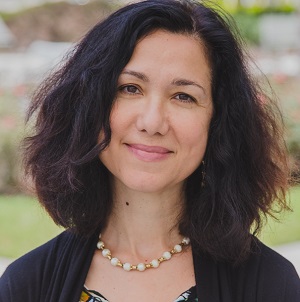
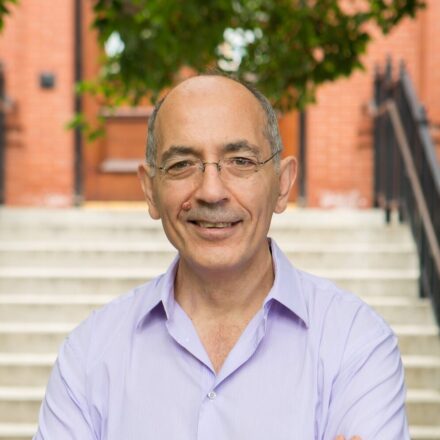
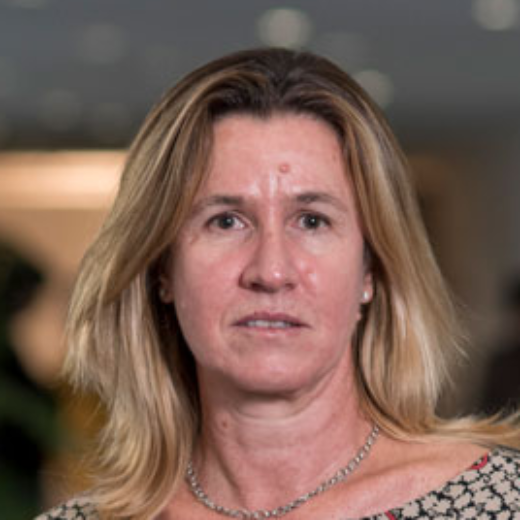
Stephanie Medden is an Assistant Professor in English and Media Studies at Bentley University. She holds a Ph.D. from the University of Massachusetts Amherst, an M.Sc. from the London School of Economics, and a B.A. from George Washington University. Her research focuses on race, ethnocultural identity, Latin American diasporas, and activism in post-Brexit Britain. Education B.A., George Washington University M.Sc., London School of Economics Ph.D., University of Massachusetts Amherst Her teaching interests include Communication Theory, Effective Speaking, Intercultural Communication, and Mass Communication. Her scholarly work examines transnational identities, gentrification, and the impact of global events like Brexit and the pandemic on marginalized communities and academic labor. Recent publications analyze the #MeToo and #BlackLivesMatter movements in the context of anti-woke discourse, pandemic-induced changes in caregiving roles, and Latin American activism in post-Brexit Britain. She serves on multiple university committees, including the Faculty Evaluation Procedures Committee, Pedagogy Committee, and Faculty Senate, and was a member of the Writing and Communication Committee since 2019.
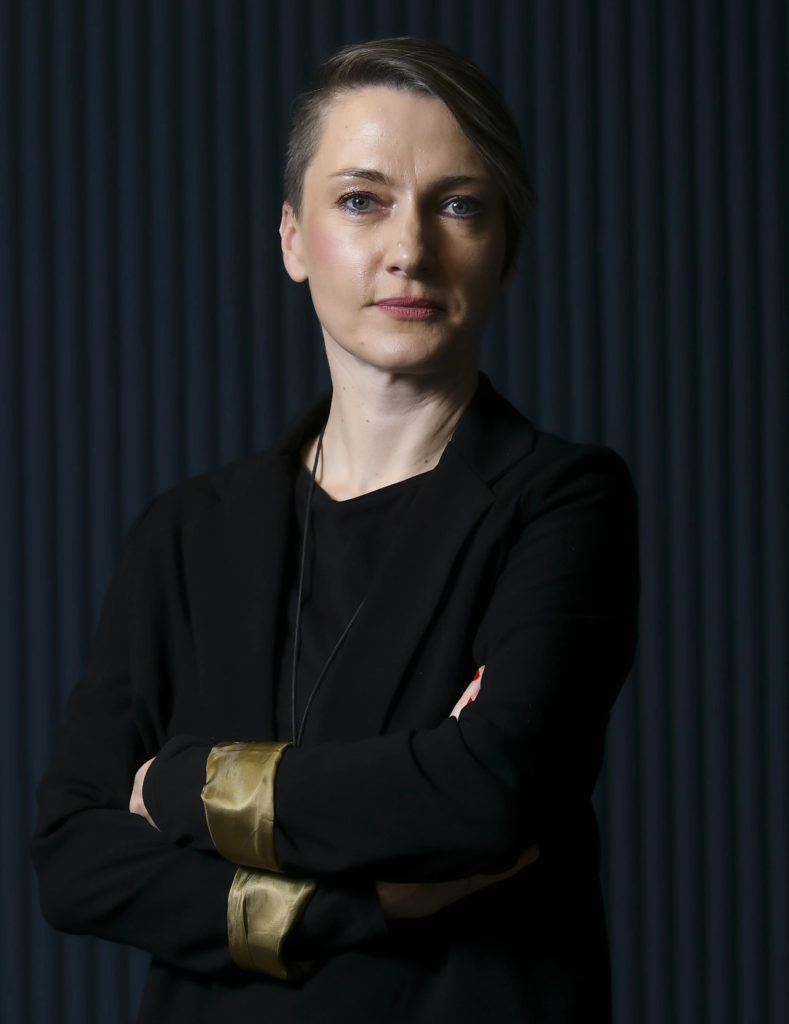
Aleksandra Krstić is a full professor at the Faculty of Political Science, University of Belgrade, where she teaches courses including Political Journalism , Visual Representation of Politics , and Media and Journalism in a Global Context . She serves as Vice-Dean for Research Activities and leads the Center for Media and Media Research. PhD in Culture and Media (2015) from University of Belgrade Master's and BA in Journalism from Faculty of Political Science Her research examines media representation of EU institutions , authoritarian communication , digital journalism ethics , and migrant portrayal in Serbian media . Recent work analyzes visual security narratives , presidential communication strategies , and opinion dynamics in social media . Scientific awards include the Đoko Vlajković Foundation Award (2018) and multiple European integration media awards. She leads international projects like DepolarisingEU (COST Action 22165) and Strengthening Local Media in Serbia (US Alumni Grant). Krstić collaborates with institutions including International Organization for Migration (IOM) and European Commission, and serves on editorial boards for Journal of Regional Security and Political Perspectives .
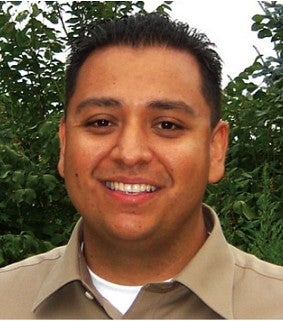
Gerard Francisco Sandoval is a Professor in the School of Planning, Public Policy and Management at the University of Oregon, where he also serves as Associate Director of the Center for Latino/a and Latin American Studies. He actively contributes to Oregon's public policy landscape as a Commissioner on the Land Conservation and Development Commission (term 2019-2023) and as a councilmember on the State's Housing Stability Council. Dr. Sandoval's educational background includes: PhD in City and Regional Planning, University of California, Berkeley (2007) MCP in City and Regional Planning, University of California, Berkeley (2002) BS in Community and Regional Development, University of California, Davis (2000) His scholarly research focuses on the intersection of city planning, immigration, and sustainable neighborhood revitalization. Sandoval employs detailed narrative case studies to explore ethnic identity, equity, and bioregionalism, with particular attention to how planning can achieve equitable outcomes through environmental ethics, affordable housing access, inclusive land-use policies, and transparent public participation mechanisms. His work often centers on immigrant communities, examining gentrification, displacement, infrastructure, and the socio-economic implications of development in marginalized neighborhoods. Born in Guatemala, Sandoval's personal connection to immigration issues stems from his family's experience leaving Guatemala during its civil war. Analysis of Sandoval's publications reveals a consistent focus on urban equity, with particular emphasis on how immigrant communities navigate and shape urban spaces. His research trajectory shows an evolution from studying transnational networks of undocumented workers to broader examinations of racial equity in planning, gentrification, and sustainable neighborhood revitalization. The geographic scope of his work spans from specific case studies in places like MacArthur Park in Los Angeles and Postville, Iowa, to theoretical explorations of planning ethics and practices across the Galápagos Islands and Oregon's forest communities. Dr. Sandoval's significant contributions to the field have been recognized with several prestigious awards: Chester Rapkin Award (2014) for best planning article Paul Davidoff Book Award honorable mention (2013) Barclay Gibbs Jones Award for best dissertation in planning (2009) Rev. Dr. Martin Luther King Jr. Award from the University of Oregon for promoting diversity, social justice, and equity As an academic leader, Sandoval serves as the Dean's Fellow for Diversity at the College of Design and leads the college's Diversity and Inclusion Committee. His public service extends beyond academia through his appointments to state commissions where he applies his expertise to address Oregon's housing and land use challenges. His research has attracted media attention, with coverage in Newsweek, Los Angeles Times, and Oregon Quarterly. Sandoval's work bridges academic research with practical planning applications, particularly in the context of immigrant integration and sustainable community development. Dr. Sandoval maintains active research connections with communities in Oregon, Guatemala, and the Galápagos Islands, where he studies bioregional revitalization. His current research examines equitable planning outcomes achieved through integrating environmental ethics, providing access to affordable housing, supporting inclusive land-use policies, recognizing generative economic development, and designing transparent public participation mechanisms to revitalize urban cities and rural towns.
Golfo Alexopoulos is a Professor and Director of the USF Institute for Russian, European and Eurasian Studies at the University of South Florida's School of Interdisciplinary Global Studies. She holds a Ph.D. from the University of Chicago and an M.A. from Yale University. Her research focuses on Soviet and Russian authoritarianism, Stalinist systems, political violence, and human rights, with a particular emphasis on disinformation and medical exploitation in the Stalinist Gulag. A key work is Illness and Inhumanity in Stalin’s Gulag (2017), examining prisoner dehumanization through archival health records. Teaching spans contemporary Russian politics, comparative authoritarianism, and the Soviet Union. She integrates multimedia and personal experiences, including slides from her time in the USSR during Gorbachev, Yeltsin, and Putin eras. Her advising has supported students entering academia, diplomacy, and international law. Her research also explores Stalin’s disenfranchisement policies and Soviet citizenship through petitions discovered in Siberian archives. Current work links 20th-century Soviet authoritarianism to modern Russian disinformation strategies. She directs the USF Institute for Russian, European and Eurasian Studies, fostering interdisciplinary scholarship on global political systems.
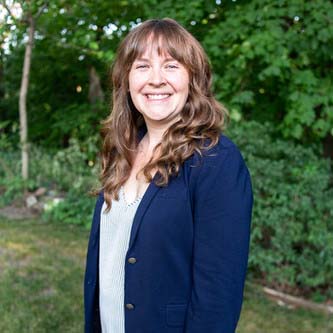
Meghan Kelly is an assistant professor in the Department of Geography and the Environment at Syracuse University, where she works at the intersection of cartography, feminist theory, and digital storytelling. Previously a doctoral student and instructor at the University of Wisconsin-Madison, she has also taught at Durham University. Her academic career bridges rigorous scholarly research with professional mapmaking for major publications including the Chicago Tribune, Washington Post, Rolling Stone Magazine, and Science Magazine. Kelly's research centers on the role of power in spatial data, map design, and mapping processes, with particular focus on how alternative perspectives can expand conventional cartographic tools. Her recent work examines satellite data usage through a Black feminist lens, while earlier projects investigated Syrian refugee border crossings using feminist methodologies. She approaches cartography as both science and critical practice, consistently challenging traditional representations of space and power. Her publication history shows a clear trajectory from doctoral research on Syrian refugee experiences toward leadership in feminist geographical practice, with increasing emphasis on collaborative, community-engaged mapping approaches. Kelly's work demonstrates how cartography can serve as a tool for social justice when informed by critical theory and diverse perspectives. University-wide Teaching Fellow Award for classroom innovation (2018) Runner up in Map Book and Atlas Category (2015 WLIA) Student Dynamic Map Award Winner (Group) NACIS Runner-Up, David Woodward Award CaGIS Outstanding Thesis Award (2016) Kelly has developed innovative teaching materials across the cartography curriculum, from introductory GIS courses to advanced web cartography. Her teaching philosophy integrates feminist pedagogies with critical approaches to mapping, emphasizing both technical skills and ethical considerations in spatial representation. She has created comprehensive course materials for Geography 170 (Our Digital Globe), Geography 370 (Introduction to Cartography), and Geography 572 (Graphic Design in Cartography), with particular focus on bridging theory and practice in map design. Her collaborative projects, including the Eritrean Human Trafficking Project and Collectively Mapping Borders initiative, demonstrate her commitment to participatory approaches that center marginalized voices in cartographic production. These projects often involve community engagement and alternative visualization techniques to represent complex spatial experiences that conventional maps might overlook.
Per Daniel Sävborg is a Professor of Scandinavian Studies at the University of Tartu's Faculty of Arts and Humanities, affiliated with the Institute of Foreign Languages and Cultures. He holds a Doctor's Degree from the University of Stockholm (1997), specializing in Old Norse literature and philology. His career includes roles as Head of Office and Programme Director in Tartu's foreign languages departments, alongside research positions at Uppsala University and the University of Iceland. Sävborg's research focuses on Old Norse literature, medieval Scandinavian folklore, Icelandic sagas, and Eddic poetry. He has led major projects such as 'Formulae in Icelandic Saga Literature' (2019-2022) and 'Viking Dynasties: Royal Families of Lejre and Uppsala' (2018-2019). His publications span book chapters, edited volumes, and articles in journals like Religionsvidenskabeligt Tidsskrift and Ethnologia Scandinavica . Notable works include analyses of Old Norse mythological themes, interdisciplinary Viking Age studies, and editorial contributions to sagas and epic poetry. Sävborg advises numerous doctoral and master’s students on topics ranging from medieval Nordic narratives to folklore. His work bridges literary, historical, and archaeological perspectives, emphasizing cultural memory and textual evolution.
Jerry X. Mitrovica is the Frank B. Baird, Jr. Professor of Science at Harvard University, leading the Mitrovica Group. His research focuses on Earth’s geodynamic response to environmental changes, with a central theme of sea-level variability across timescales. He holds a Ph.D. from the University of Toronto, where he previously served as the J. Tuzo Wilson Professor in Physics and directed the Canadian Institute for Advanced Research’s Earth Systems Evolution Program. His work integrates theoretical, numerical, and observational approaches to study ice sheet dynamics, mantle structure, and geodetic signals of climate change. Key research areas include modern ice sheet collapse impacts, glacial isostatic adjustment, and the interplay between Earth’s rotation and ice mass redistribution. Mitrovica’s group emphasizes interdisciplinary collaboration, with members from geophysics, mathematics, archaeology, and the humanities. Notable awards include the Arthur L. Day Medal, W.S Jardetsky Medal, and A.E.H. Love Medal. His lab has pioneered methods to infer Antarctic mantle viscosity from GPS data and reconcile paleo-sea-level records with dynamic topography corrections. Current projects include probing mantle structure via sea-level measurements and investigating human migration routes via sea-level fingerprints. Academic advising includes Natasha Valencic (Ph.D. student). The group actively advocates for diversity in academia and integrates activism into its mission, supporting graduate unions and marginalized communities in science.
Dr Jonathan Cave serves as Associate Professor (Reader) in the Department of Economics at the University of Warwick, with additional affiliation at The Alan Turing Institute. His career spans applied game theory, regulatory economics, and health policy, informed by extensive government advisory roles including the UK Regulatory Policy Committee (2015-2024). His educational background includes: BSc in Chemistry & Economics from Yale University (1969-1973) MA in Economics from University of Cambridge (1974-1975) PhD in Economics from Stanford University (1975-1979) Cave's research integrates economic theory with real-world policy challenges, particularly in digital health systems and AI governance. Recent work analyzes patient experience data through NLP techniques, remote healthcare delivery in low-resource settings, and transatlantic ICT policy frameworks. His scholarship bridges theoretical game theory with practical applications in health economics, emphasizing ethical data usage during crises like the COVID-19 pandemic. He maintains strong industry connections through GNKS Consulting, applying academic insights to regulatory practice. Trends in his 2020-2024 publications reveal three dominant strands: 1) Methodological innovations in health data analysis using corpus linguistics; 2) Implementation science for telemedicine in African healthcare systems; 3) Policy frameworks for EU-US digital collaboration. These intersect with Sustainable Development Goals 3 (Health), 10 (Inequality), 11 (Cities), and 13 (Climate), reflecting his commitment to socially impactful research. His grant portfolio demonstrates sustained funding success, including: UKRI's GCRF_NF151 REaCH project (2020-2022) on remote consulting safety in Africa MRC-funded mobile health initiative (2019-2020) for marginalized African communities ESRC grant on livestock disease management (2007-2010) examining epidemiology-economics-politics interfaces Cave collaborates extensively with Professor Frances Griffiths (Warwick) and African researchers on digital health projects, while maintaining advisory capacity for government bodies. His current work focuses on scaling remote consulting solutions validated in the REaCH trials across LMIC urban-rural divides.
Cedric Burrows is an Associate Professor in the Department of English at Arizona State University (ASU), specializing in cultural rhetorics, Black rhetoric, and their interpretations in mainstream culture. Previously, he held the same rank at Marquette University. His research explores the intersection of race, rhetoric, and cultural representation, culminating in his award-winning book Rhetorical Crossover: The Black Presence in White Culture (2020), which examines how Black cultural expressions are received and misinterpreted in white-dominated spaces. He has also received the 2020 Excellence in Diversity and Inclusion Faculty Award from Marquette. Education: Ph.D. in English from the University of Kansas, M.A. in English from Miami University (Ohio), and B.A. in English from Alcorn State University. Research interests include African American Studies, Civil Rights history, and decolonial pedagogical practices. His work challenges systemic inequities in education and media representation, emphasizing the 'Black tax' faced by marginalized communicators in white spaces. His scholarship bridges historical analysis (e.g., Malcolm X and MLK narratives) with contemporary issues like textbook bias and microaggressions in academia. Key contributions include critiques of composition textbooks’ handling of non-white voices and advocacy for inclusive curricula. His teaching focuses on the African American Rhetorical Tradition and Black Freedom Movement studies, described as transformative by colleagues.
Professor Catherine Boyle is a distinguished academic in Latin American Cultural Studies at King's College London, holding the position of Professor of Latin American Cultural Studies and Head of the Department of Languages, Literatures and Cultures since 2022. She earned her PhD in Latin American Studies from the University of Liverpool (1986) and has held academic roles at Strathclyde and King's since 1990. Her research focuses on cultural expressions in socio-historic contexts, particularly Chilean theatre, translation studies, and performance. Boyle is the Principal Investigator of the Out of the Wings project (since 2008), exploring theatre translation and performance. She directs the Centre for Language Acts and Worldmaking under the Global Cultures Institute, emphasizing multilingualism and cultural competency. Boyle has published extensively on topics like pandemic narratives, cultural transmission, and feminist translation. Awards include the Supervisory Excellence Award (2008) and Excellence in Innovation & Impact (2012). Her work bridges academic and creative realms, collaborating with institutions like the Royal Shakespeare Company and leading initiatives such as the Worldmaking in the Time of Covid-19 project. Education: Bachelor of Arts in Modern Foreign Languages, University of Strathclyde (1982) MA and PhD in Latin American Studies, University of Liverpool (1983–1986) Research interests include Chilean theatre under dictatorship, translation methodologies, gender studies, and multilingualism. She supervises doctoral students on topics such as Latin American theatre translation and cultural history. Boyle’s recent work explores pandemic narratives and the role of language in shaping global perspectives. Publications include Multilingual Narratives of a Pandemic: Covid 19 and Worldmaking (2023) and Language Acts and Worldmaking (2022). She leads grants like the AHRC-funded Language Acts and Worldmaking initiative. Boyle is active in public engagement through festivals like the Being Human Festival and collaborates on cultural competency modules. Awards: Excellence in Innovation & Impact Award (2012) Supervisory Excellence Award (2008) Her academic leadership includes roles as Department Head and President of the Association of Hispanists of Great Britain and Ireland (2020–2024). Boyle’s work emphasizes the intersection of cultural transmission, performance, and multilingual advocacy.
Sujith Xavier is a Professor of Law at the University of Windsor's Faculty of Law, specializing in critical race theory, international law, decolonization studies, and human rights. His work focuses on anti-racism, Indigenous rights, and legal frameworks in the Global South. He has been instrumental in founding and leading initiatives like the Transnational Law and Justice Network and co-editing Decolonizing Law: Indigenous, Third World and Settler Perspectives . Research Interests: Xavier's scholarship addresses systemic racism, legal decolonization, and the intersections of law with ethno-racial capitalism. He critiques Western legal universalism and advocates for marginalized communities through TWAIL (Third World Approaches to International Law) frameworks. His work includes studies on Sri Lanka’s transitional justice, Canadian Indigenous rights, and refugee advocacy. Grants & Projects: Xavier has secured grants from the Social Sciences and Humanities Research Council (SSHRC) and the Canadian Foundation for Legal Research. He co-authored a Supreme Court of Canada case reforming judicial review processes and contributed to documentaries on refugee youth experiences in Windsor. Community Engagement: He co-founded the Third World Approaches to International Law Review and collaborates with Indigenous and Global South scholars. Xavier actively participates in public legal education and high-impact litigation addressing systemic inequities.
Gail Super is an Associate Professor in the Sociology department at the University of Toronto (Mississauga campus). Her research focuses on legal and criminological theory, penal systems in postcolonial contexts, vigilantism, and critical bordering studies. She holds a Ph.D. in Law and Society from New York University. Her work bridges empirical research in South Africa with theoretical engagements in critical legal studies. Professor Super’s current SSHRC-funded research examines vigilante violence in Cape Town’s townships and the interplay between state/non-state penal power. She collaborates with the Atikokan Native Friendship Centre on Indigenous youth experiences in Canada’s child welfare system. Her 2013 book Governing through Crime in South Africa critiques racialized punitive policies. Key themes include postcolonial justice tensions, punitive humanism, and spatialized precarity. Publications span British Journal of Criminology , Punishment & Society , and Law & Society Review . Research combines historical analysis with ethnographic fieldwork, addressing how crime categories and punishment practices reflect political authority. Teaching includes criminology and public sociology courses.
Maurizio Ramanzin is a Full Professor at the University of Padova , affiliated with the School of Animal Science and Department of Agronomy, Animals, Food and Natural Resources (DAFNAE) . His research focuses on Agricultural Sustainability , Environmental Impact Assessment , and Precision Livestock Farming . Academic Field : AGR/19 Email : maurizio.ramanzin@unipd.it Address : Agripolis - Viale dell'università, 16 - Legnaro (Padova) – ITALY His work explores the interactions between livestock systems and ecosystem services in mountainous regions, with emphasis on: Grazing Management and biodiversity conservation Life Cycle Assessment (LCA) of dairy and beef systems Climate Change Adaptation in Alpine ungulates Animal Welfare in small-scale farms Technological Tools (GPS, NIRS) for monitoring grazing behavior Key trends in his recent publications include: Quantifying environmental drivers of wolf predation on livestock Developing low-cost biologging systems for dairy cows Analyzing social-ecological trade-offs in mountain agriculture Assessing microbial dynamics in alpine soils
Ilaria Riccioni is an Associate Professor of General Sociology at the Faculty of Education , Free University of Bozen-Bolzano. She earned her PhD in Social Theory and Research from Sapienza University in Rome and has been a tenured academic since 2007. Her work bridges sociological theory with applied research in multicultural contexts. Education: PhD in Social Theory and Research, Sapienza University, Rome. Research Focus: Sociological theory, avant-garde art as critique, multicultural coexistence, and institutional roles in education and social dynamics. Her recent publications analyze theatre's role in mediating social boundaries, art's relationship with capitalist markets, and methodologies for integrating qualitative research with artistic expression. As President of the ISA's Research Committee RC37 (Sociology of the Arts), she leads global discourse on art's sociological implications. Scientific Leadership: President of RC37 (ISA), 2025–. Teaching: Courses include Epistemology of Educational and Social Sciences and Fundamentals of General Sociology. Her empirical studies focus on South Tyrol's trilingual society, examining how artistic practices foster cohesion across cultural divides and redefine public spheres in digital globalization.
Hanna Mattila serves as Visiting Professor at Aalto University's Department of Built Environment and Associate Professor at Aalborg University's Department of Architecture, Design, and Media Technology, leading the Academy of Finland-funded TRANAPLAN research consortium on democratic planning transformations. Her expertise spans planning theory, urban design, land use systems, and regional development with emphasis on Finnish and international contexts. Her research critically examines communicative and agonistic planning theories, strategic policy rationalities, and governance of marginalized regions through interdisciplinary lenses integrating political science, sociology, and ethics. Current work addresses populism's impact on urban processes, sustainable transformation frameworks, and superdiversity challenges in city development, reflecting deep engagement with democratic theory and spatial justice. Recent publications (2022-2025) reveal consistent focus on democratic planning innovations, analyzing legitimacy structures in strategic policy, agonistic practices in peripheral regions, and ethical dimensions of urban transformation. Her scholarship demonstrates strong Finnish contextual grounding while contributing to global debates on deliberative governance, planning theory evolution, and equitable spatial development through high-impact journal articles and book reviews. Hanna Mattila's scientific recognition includes: Aalto University School of Engineering Award for Best Doctoral Dissertation 2017 Vuoden kaupunkikirjoitus 2003 -palkinto from Yhdyskuntasuunnittelun seura and Alue- ja ympäristötutkimuksen seura She directs the Academy of Finland-funded TRANAPLAN consortium exploring democratic planning anatomies while contributing to Aalto's Planning and Transportation research group. Her collaborative publications indicate extensive international partnerships, though specific student advisement details remain unreported in source materials. Active within Aalto's Planning and Transportation research ecosystem, Mattila drives the TRANAPLAN project through cross-institutional collaboration with Finnish and global scholars, evidenced by co-authored works on regional governance, planning theory, and urban transformation frameworks.