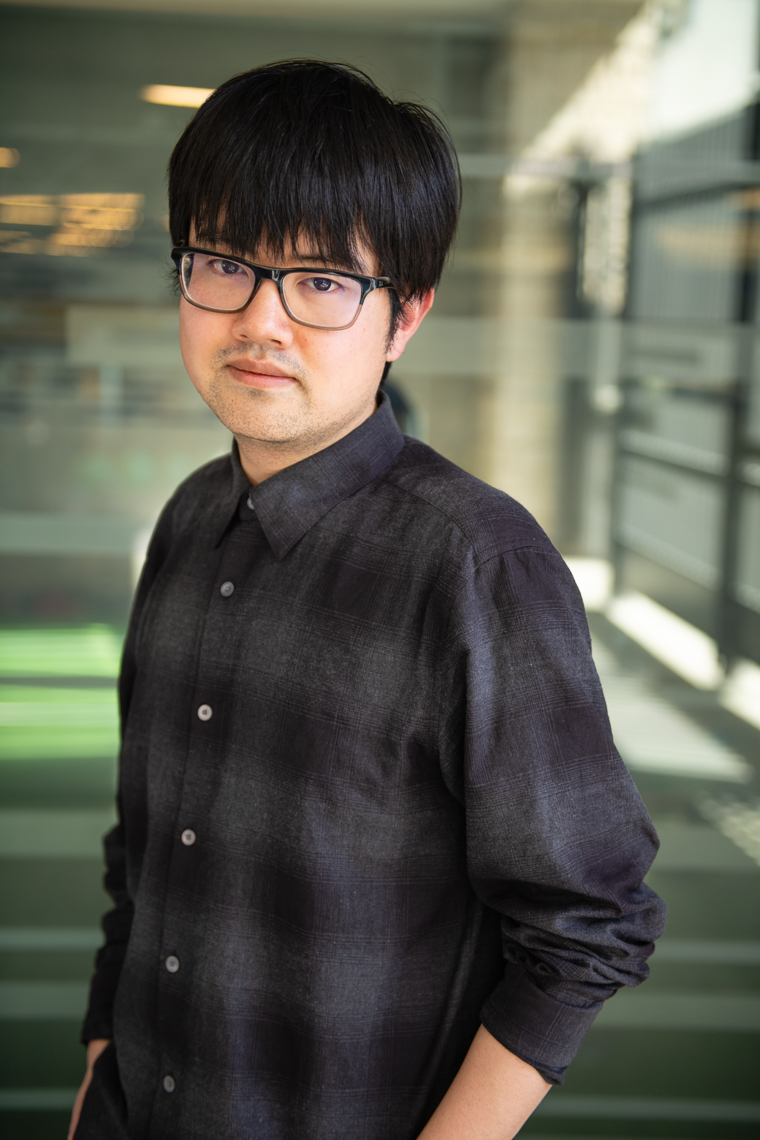
Chen Lian is an Assistant Professor in the Department of Economics at UC Berkeley. Holding a PhD from MIT, their research bridges macroeconomics, behavioral economics, and finance, with a focus on bounded rationality, monetary theory, and macro-finance interactions. Education: PhD in Economics, MIT Chen’s work explores how incomplete information and behavioral biases shape macroeconomic outcomes. Key themes include inflation effects on households, fiscal-monetary policy interactions, and financial stress dynamics. They employ heterogeneous-agent models and analyze how micro-level shocks propagate through the economy. Their publications and working papers address topics like credit cycles, demand shock propagation, and the psychological underpinnings of economic decisions. Papers such as Low Interest Rates and Risk Taking (2019) and Confidence and the Propagation of Demand Shocks (2022) highlight their interdisciplinary approach.
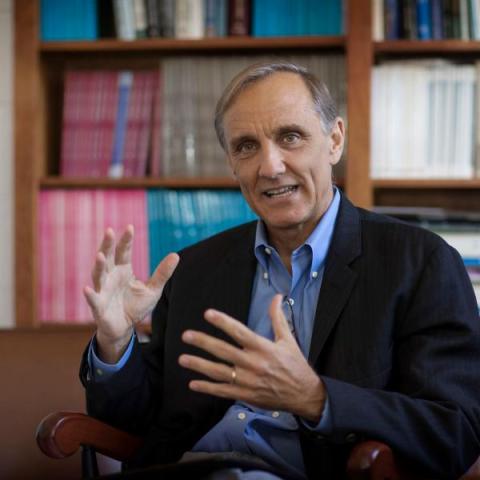
Dr Sue Caton is a Senior Lecturer in the Department of Social Care and Social Work at Manchester Metropolitan University, within the Faculty of Health and Education. Her research focuses on social and health inequalities affecting people with intellectual disabilities, particularly digital inclusion, mental health medication decision-making, and pandemic impacts. She leads projects such as Digital Lifeline (NIHR-funded), Medications and My Mental Health (NIHR RfPB), and co-leads Our Digital Health (NIHR RfSC), emphasizing co-produced methodologies. Research Projects: Digital Lifeline: Evaluating tablet impact on social connections post-pandemic. Medications and My Mental Health: Empowering informed medication decisions for people with learning disabilities. Our Digital Health: Assessing digital health participation barriers. Key Expertise: Qualitative research, health inequalities, inclusive research design, and participatory methodologies. Her work addresses pandemic-related challenges faced by marginalized groups, including access to healthcare and social support. She has supervised four completed PhD students and currently mentors four PhD candidates exploring topics such as digital inclusion, animal-assisted interventions, and familial perspectives in parenting support. Dr Caton has led evaluations for initiatives like the Shared Lives 16+ project and the Us Too project on domestic abuse, demonstrating expertise in policy-informed research. Her contributions include over 50 peer-reviewed articles, focusing on digital participation, mental health, and pandemic resilience among people with intellectual disabilities. Awards: No specific scientific awards mentioned, though her work is funded by prestigious bodies like NIHR and UKRI. Labs/Teams: Collaborates with interdisciplinary teams including Dudley Voices for Choice, Liverpool John Moores University, and the Universities of Dundee, Warwick, and Birmingham City.
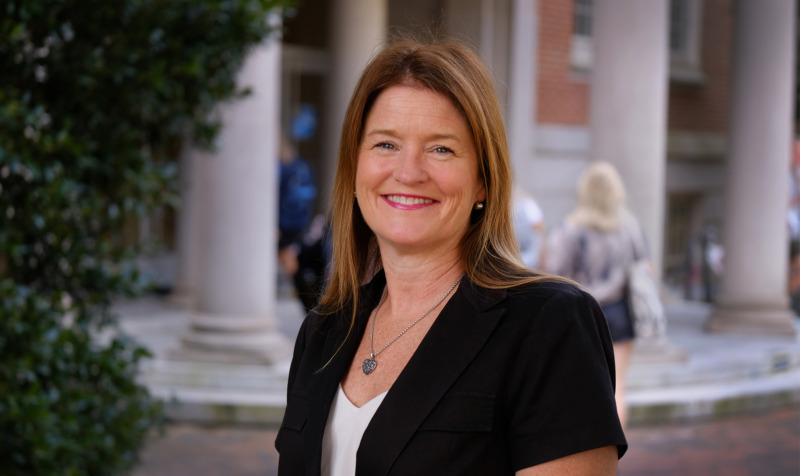
Hannes Zacher is a Professor of Work and Organizational Psychology at Leipzig University's Wilhelm Wundt Institute of Psychology. He previously held academic positions at Queensland University of Technology (Australia) and the University of Groningen (Netherlands). His research focuses on occupational health, proactive employee behavior, aging in the workplace, and sustainable organizational practices. He has been awarded grants from institutions like the German Science Foundation (DFG) and the Volkswagen Foundation. Zacher earned his Ph.D. in Psychology from Justus-Liebig-University Gießen in 2009, following a Diploma (equivalent to B.Sc./M.Sc.) in Psychology from the Technical University of Braunschweig (2000–2006). His research interests include occupational health and well-being, proactive and adaptive employee behavior, aging at work and career development, and environmentally sustainable behavior in organizations. He employs methodologies such as longitudinal surveys, experience sampling, and experiments. Key themes in his work address the interplay between work environments and employee well-being, with a focus on fostering sustainable practices and mitigating age-related challenges in the workplace. Zacher leads projects such as the Centre for Digital Work and studies like 'The Role of Work in the Development of Civilization Diseases.' His publications span topics from green workplace behavior to leadership dynamics during crises. He has no listed scientific awards but has secured significant grant funding for his research. Advising and grant details reflect his commitment to impactful research, though specific student names are not provided. His lab and team efforts emphasize translating psychological insights into organizational practices for sustainability and employee well-being.
Qimin Liu is an Assistant Professor at Boston University, serving as Lab Director of the Quantitative Psychopathology Laboratory. He holds a PhD in Psychological Sciences from Vanderbilt University with specializations in Clinical Science and Quantitative Methods. His research focuses on emotional disturbances across development, statistical methodology development, and health equity with an emphasis on intersectional marginalization. He has expertise in analyzing intensive longitudinal data and has published extensively on topics like irritability, suicidality, and mental health disparities among sexual and gender minority populations. Dr. Liu’s work frequently integrates advanced statistical techniques such as latent variable modeling, network analysis, and machine learning. His recent studies explore the temporal dynamics of affect, the impact of stigma on mental health, and the role of childhood adversity in psychiatric outcomes. Notable contributions include developing methods for analyzing zero-inflated longitudinal data and creating algorithms for digital phenotyping of mood disorders through mobile device usage patterns. His scholarship emphasizes bridging clinical phenomena with rigorous quantitative approaches, addressing gaps in understanding how social determinants and individual differences shape mental health trajectories. He has collaborated on large-scale datasets like the Collaborative Psychiatric Epidemiological Surveys and contributed to interdisciplinary research on public health outcomes among aging sexual minority men. Dr. Liu’s methodological innovations include the DACF framework for ceiling/floor effect data and the lamme package for log-analytic multiplicative effects modeling. He actively publishes in high-impact journals such as Psychological Methods and Journal of Abnormal Psychology , focusing on both empirical findings and statistical best practices.
Dr. Shufang Sun is an Assistant Professor in the Departments of Behavioral and Social Sciences and Psychiatry and Human Behavior at Brown University’s School of Public Health, and Associate Director of the Mindfulness Center. Her work focuses on understanding how stress, trauma, and systemic inequities contribute to health disparities, particularly among marginalized populations like LGBTQ+ individuals, youth, and communities affected by HIV. She develops mindfulness-based, technology-mediated interventions to promote mental health and reduce stigma, with a global focus including China, the Philippines, and Ukraine. Education: PhD in Counseling Psychology from the University of Wisconsin-Madison (2018). Research interests include mindfulness interventions, mHealth (mobile health), global mental health, HIV prevention, minority stress, and stigma reduction. Her work emphasizes community-engaged research and rigorous evidence synthesis through meta-analyses and systematic reviews. Current projects include interventions for displaced Ukrainians, suicide prevention in rural China, and HIV prevention among transgender women in the Philippines. Her interventions address topics like queer resilience, pandemic mental health, and health equity for vulnerable groups. Awards include the APA’s Barbara Smith Early Career Award and Brown University’s Early Career Research Achievement Award. Grants: Principal investigator on NIH-funded projects totaling over $7.5M, including a $3M R24 grant for mindfulness evidence synthesis and a $621K NIMH grant for school-based suicide prevention in China. Labs/Teams: Director of the Mindfulness for Health Equity Lab, collaborating with global researchers on stigma reduction and digital health innovations.
Joseph P. Allen is the Hugh Kelly Professor of Psychology at the University of Virginia, affiliated with the Department of Psychology in the College of Arts & Sciences. He is actively engaged in research on adolescent development and maintains the Adolescence Research Lab. His office is located in 226G Gilmer Hall, and he holds office hours on Mondays and Thursdays from 3:30 to 5 PM. His research centers on adolescent social development, with a focus on peer and family relationships, the development of autonomy and relatedness, and the long-term psychological and physical health outcomes of teenage experiences. He investigates how peer influence, attachment organization, and social conflicts during adolescence predict adult well-being, including mental health, romantic satisfaction, and even biological markers like interleukin-6 and epigenetic aging. The recent publications highlight a longitudinal and interdisciplinary approach, bridging developmental psychology with clinical and health psychology. His work increasingly explores how peer environments can be leveraged for positive intervention, particularly for marginalized youth. Themes across articles include social connection, developmental trajectories, and biopsychosocial outcomes. Joseph P. Allen leads the Adolescence Research Lab, which conducts in-depth studies on teen social interactions and their lifelong impacts. While specific advising details are not listed, his role as a professor and lab head suggests active mentorship of graduate students and researchers.
Matthew Palm is an Assistant Professor in the Department of City and Regional Planning at the University of North Carolina at Chapel Hill, holding the Cities Pardue Fellowship. His research focuses on transportation equity, shift work commuting challenges, and mobility barriers affecting essential workers in 24-hour economies. He examines how transportation systems impact social participation, healthcare access, and economic opportunities while advocating for equitable planning solutions. Recent work explores post-pandemic transit trends, ride-sharing equity, and the intersection of transportation policy with marginalized communities. Palm collaborates with community organizations to co-create evidence-based solutions for mobility challenges. He currently holds a $1.09 billion grant reflecting North Carolina’s renewed interest in rail infrastructure. His research agenda includes three core areas: 1) analyzing how shift workers’ nighttime commuting affects social exclusion and family care logistics, 2) studying transportation affordability’s role in economic participation, and 3) evaluating transportation infrastructure’s dual potential to improve lives while mitigating negative externalities like pollution. He emphasizes participatory approaches to planning and has published extensively on pandemic-era transit usage shifts, accessibility metrics, and housing-transit linkages.
Alicia Orea Giner is a Professor at the Faculty of Economics and Business Sciences of Rey Juan Carlos University, specializing in sustainable tourism and social justice. Her research focuses on Generation Z's sustainable consumption practices in food tourism, AI integration in hospitality, and ethical dimensions of tourism. She co-authored the award-winning article The way we live, the way we travel: generation Z and sustainable consumption in food tourism experiences , recognized with the 2024 Emerald Literati Outstanding Paper Award. Her work bridges sustainability, technology, and cultural studies. Key themes include feminist methodologies in tourism research, transformative travel through ecofeminism, and post-pandemic food tourism trends. She explores AI applications in service robots, wellness tourism's mental health connections, and marginalized communities' roles in culinary tourism. Recent studies address LGBTQ+ tourism challenges, stakeholder participation in World Heritage sites, and ghost tours' cultural narratives. Awards highlight her contributions to sustainability and social justice in tourism. Awards: 2024 Emerald Literati Outstanding Paper Award Research Foci: Food Tourism, AI Ethics, Feminist Tourism Studies, Cultural Heritage Management Labs/Teams: No specific lab mentioned; collaborates across interdisciplinary tourism research networks.
Eileen Klein is an Associate Professor of Social Work and Convener of the BSW Program at Ramapo College of New Jersey's School of Social Science and Human Services. Her work focuses on LGBTQ mental health treatment , community support systems , and policy reform for marginalized populations. Klein has presented extensively at international conferences on topics like cultural competency in social work education and LGBTQ health disparities . Ph.D., M.S., and M.S.W. from New York University and SUNY Buffalo Key research areas: LGBTQ Mental Health, Community Health Disparities, Forensic Social Work Published 15+ works (2013-2021) on topics ranging from polypharmacy to support programs for LGBTQ clients Active in professional development: Delivered presentations at conferences across the U.S. and Italy on topics including integrated treatment and supervision of student interns
Dorothy L. Espelage is the William C. Friday Distinguished Professor of Education at the University of North Carolina at Chapel Hill, affiliated with the School of Education's Applied Developmental Science and Special Education (ADSSE) department. She holds joint appointments in Human Development and Family Science (HDFS) and School Psychology, and leads the Diverse and Resilient Educators Advised through Mentorship (DREAM) initiative. Her research focuses on translating empirical findings into prevention programs targeting bullying, teen dating violence, and school safety. Dr. Espelage advises U.S. Congress on anti-bullying legislation and has secured over $15 million in external funding. Education: Ph.D. in Counseling Psychology (1997), Indiana University M.S. in Clinical Psychology (1993), Radford University B.S. in Psychology (1991), Virginia Commonwealth University Research Interests: Prevention science, social-emotional learning interventions, bullying and cyberbullying prevention, school-based suicide prevention, and addressing violence against educators. Her work emphasizes policy development and community engagement, with a focus on marginalized youth such as LGBTQ+ adolescents and students with disabilities. Key Contributions: Developed evidence-based programs like Sources of Strength and DIAL (Disability Anti-Bullying Training). Authored influential books including Bullying in North American Schools and Handbook of Bullying in Schools . Her recent studies explore racial disparities in bullying-suicidality links and violence against school staff. Awards & Recognition: Lifetime Achievement Award (APA Division 17, 2023) 2023 BRNET-WABF Career Award Invited speaker at White House Bullying Summit (2011) Advising & Grants: Mentor for early-career researchers through the DREAM program. Current grants focus on school climate improvement, anti-bullying teacher training, and mental health equity initiatives. Collaborates with CDC, NIH, and NIJ on dissemination efforts. Labs & Teams: Leads transdisciplinary teams at UNC and previously at University of Illinois Urbana-Champaign (Gutgsell Professorship) and University of Florida. Engaged in global anti-bullying advocacy through organizations like the World Anti-Bullying Forum.
Margaret Robinson is an Associate Professor at Dalhousie University, holding dual appointments in the Department of English and Department of Sociology and Social Anthropology within the Faculty of Arts and Social Sciences. She is a bisexual two-spirit scholar from Eski'kewaq, Nova Scotia, and a member of the Lennox Island First Nation. Her interdisciplinary work bridges Indigenous studies, queer theory, and intersectional feminism, with a focus on decolonizing methodologies and Indigenous oral traditions. Robinson’s research explores representation of Indigenous peoples and sexual/gender minorities in creative works, including fanfiction and popular culture. She holds a Tier 2 Canada Research Chair in Reconciliation, Gender, & Identity (2019-2023) and leads the Mi’kmaw Cultural Research Lab funded by the Canadian Foundation for Innovation (2021-2024). Her education includes a BA from Saint Mary’s University and MA/PhD from the University of Toronto. Key research areas include Indigenous New Wave literature, Mi’kmaw spirituality, and Two-Spirit feminism. Recent grants focus on reconciliation frameworks and LGBTQ2S+ health equity. She has published widely on topics like queer mental health, animal personhood in Mi’kmaw cosmology, and decolonizing pedagogies.
Laia Becares is a Professor of Social Science and Health at King's College London, part of the School of Global Affairs and the Department of Global Health & Social Medicine. She previously held roles at the University of Sussex (2018-2022) and the University of Manchester (2010-2018), where she maintains an Honorary position. She serves as an Editor of Sociology of Health and Illness and on the Academic Reference Group of the NHS Race and Health Observatory. Her work is funded by organizations such as the Nuffield Foundation and the Health Foundation. Laia holds a PhD in Social Epidemiology from University College London (UCL) and a Master's in Public Health from Boston University School of Public Health. Her research employs an interdisciplinary approach, collaborating with sociologists, psychiatrists, geographers, and demographers to understand how discrimination and marginalization perpetuate social and health inequities. Key areas include racism, homophobia/heterosexism, LGBTQ+ inequalities, and the impact of systemic oppression across life stages. She co-developed the Queerantine Study on pandemic impacts on LGBTQ+ communities and leads the ESRC Centre for Society and Mental Health, fostering student mentorship in health inequality topics. Her scientific awards include ESRC/MRC Postdoctoral Research Fellowship (2010-2012), Hallsworth Research Fellowship (2012-2016), and ESRC Future Research Leader Fellowship (2012-2015). Recent work focuses on ethnic healthcare disparities in multimorbidity and longitudinal studies of racism's effects on health outcomes. Ongoing projects include LGBTQ+ policymaking networks and the GHSM Anti Racism Steering Group, addressing structural inequities in academia and healthcare. Laia’s grants include Nuffield Foundation funding for ethnic inequalities in later life and Health Foundation support for healthcare equity studies. She advocates for integrating lived experiences into research design, particularly through the Evidence for Equality National Survey (EVENS). Her lab affiliations include Queer@King’s and the ESRC Centre for Society and Mental Health, emphasizing collaborative, community-driven approaches.
Daniel Schneider is the Malcolm Wiener Professor of Social Policy at the Harvard Kennedy School (HKS) and a Professor of Sociology at Harvard University’s Faculty of Arts and Sciences (FAS). He holds a B.A. in Public Policy from Brown University (2003) and a Ph.D. in Sociology and Social Policy from Princeton University (2012). Prior to his current roles, he was an Assistant Professor of Sociology at UC Berkeley (2012–2020) and a Robert Wood Johnson Foundation Postdoctoral Scholar in Health Policy Research at Berkeley/UCSF. His research focuses on social demography, inequality, and the intersection of work and family life. Key themes include precarious employment, workplace scheduling instability, gender and racial inequities in labor markets, and the effects of policy interventions on worker well-being. As Co-Director of the Shift Project, Schneider leads research on unpredictable work schedules and their impacts on household economic security and health. Recent articles highlight his work on paid sick leave policies, job quality mobility during the “Great Resignation,” and the gender wage gap in the service sector. His research has been supported by grants from NIH/NIA, the Urban Institute, and the Annie E. Casey Foundation, among others. He currently serves as a W.T. Grant Foundation Faculty Research Scholar. Notable contributions include studies on the health consequences of employment shocks during the pandemic, the role of labor market conditions in job mobility, and the relationship between workplace technology and job retention for older workers. Schneider’s work bridges academic research with policy advocacy, emphasizing evidence-based solutions to reduce economic and social inequalities.
James T. Hamilton is the Vice Provost for Undergraduate Education and Hearst Professor of Communication at Stanford University, where he also directs the Stanford Journalism Program. He previously taught at Duke University’s Sanford School of Public Policy and led the De Witt Wallace Center for Media and Democracy. His academic career spans over three decades, with a focus on media economics, investigative journalism, and environmental policy. Hamilton holds a B.A. (summa cum laude) and Ph.D. in Economics from Harvard University. His research explores how markets shape news content, the economics of investigative reporting, and the societal impact of information access. He co-founded the Stanford Computational Journalism Lab and is a Senior Fellow at the Stanford Institute for Economic Policy Research. His work emphasizes computational tools to enhance journalism’s accountability role, including automated fact-checking and data-driven story discovery. Key contributions include groundbreaking books like Democracy's Detectives (2016) and All the News That’s Fit to Sell (2004), which analyze media markets and transparency policies. Scientific Awards: David N Kershaw Award, Goldsmith Book Prize (twice), Frank Luther Mott Research Award (twice), Tankard Book Award Teaching Honors: Allyn Young Prize, Trinity College Distinguished Teaching Award, Susan Tifft Mentoring Award His current research addresses digital inequality, the psychological effects of online financial ads, and algorithmic transparency in journalism. He advises on media innovation through affiliations with the Brown Institute for Media Innovation and the JSK Fellowships Board.
Professor Heejung Chung is Professor of Work and Employment at King’s College London and Director of the King's Global Institute for Women's Leadership. She is based in the HRM & Employment Relations department within King’s Business School. Her research focuses on flexible working, gender and racial inequalities, work-life balance, and comparative labour market policies. Institution: King’s College London School: King’s Business School Department: HRM & Employment Relations Role: Professor and Director Her research interests include human resource management, gender inequalities at work, remote and hybrid working, work-family conflict, division of domestic labour, and advanced quantitative and qualitative methods. She employs large-scale longitudinal datasets and digital diaries to examine how flexible working affects marginalized groups and shapes social policy. The most recent articles reflect a strong trend toward investigating the social implications of remote and hybrid work, particularly focusing on gender and racial equity, flexibility stigma, and policy impacts. Her work increasingly emphasizes intersectionality, national policy contexts, and organizational change. Short-listed for the Rosabeth Moss Kanter Awards for Excellence in Work-Family Research Long-listed for the Cambridge University Press Excellence in Social Policy Research Named in Onalytica’s Top Voices in Future of Work 2023 Named in HR Magazine's 'Most Influential' list Professor Chung has secured over £10 million in research funding as PI or Co-I from ESRC, ERC, Nuffield, NORFACE, and others. She actively supervises PhD students and contributes to editorial boards of journals such as Gender & Society and Work, Employment & Society. She is a member of the executive boards of the European Social Policy Analysis Network and the Work and Family Researchers Network. She leads the King's Global Institute for Women's Leadership, where she promotes research and policy initiatives on gender equality, including the Gender Equality Index UK. Her work has directly influenced the European Commission’s Work-Life Balance Directive and ongoing discussions about the 'Right to Disconnect'.