Sveinung Sandberg is a Professor at the Department of Criminology and Sociology of Law, University of Oslo. His research spans marginalization, illegal drug markets, radicalization, and narrative criminology, combining theoretical frameworks from Bourdieu and narrative analysis. Academic Interests: Marginalisation, Legal & Illegal Drugs, Violence, Radicalization, Bourdieusian Criminology, Narrative Criminology, Latin American Studies, Social Movements Education: PhD from University of Bergen Research Focus includes: Street capital theory in criminology Drug market cultural dynamics Narrative approaches to extremism Latin American criminal trajectories Recent Publications examine pandemic-related crime shifts, gendered drug use patterns, and narrative mechanisms in criminal justice. His 2021-2025 projects Radicalization and Resistance and Crime in Latin America (CRIMLA) involve cross-country life-story analyses. Scientific Awards: Fridtjof Nansen's Award for Young Researchers (2011) The Meltzer Prize for Young Researchers (2010) Editorial Roles include board memberships at Theoretical Criminology , Deviant Behavior , and International Criminal Justice Review . He has conducted fieldwork in Mexico and held visiting positions at institutions including CIDE (Mexico City) and European Monitoring Centre for Drugs and Drug Addiction (Lisbon).
Dr Ulla McKnight is an Assistant Professor in Sociology (Sociology and Criminology) at the University of Sussex, School of Law, Politics and Sociology. Her interdisciplinary research focuses on racialised and gendered health inequalities, particularly in reproductive and sexual health for ethnic minority and migrant women in the UK. Her educational background includes a PhD in Sociology from Goldsmiths, University of London (2016), an MA in Postcolonial Studies (Goldsmiths, 2006), a BFA in Photography (San Francisco Art Institute, 2001), and a Postgraduate Certificate in Learning and Teaching in Higher Education (Goldsmiths, 2018). Dr McKnight’s research lies at the intersection of Science and Technology Studies (STS), Black Feminist Hauntology, and participatory methodologies. She investigates how crises such as antimicrobial resistance (AMR), environmental collapse, and political inequity shape health futures. A key contribution is her conceptualisation of the HIV diaspora , which captures the transnational care experiences of people living with HIV in high-resource settings. Her work critically examines the entanglements of race, infectious disease, and political uncertainty using speculative and sensory methods. Her recent publications and research projects reveal a strong focus on maternal morbidity, speculative futures in sexual health, and the social justice dimensions of AMR. She employs arts-based and collaborative methods to explore the 'unsayable' in healthcare experiences. Nominated for Education Awards 2024 Nominated for Education Awards 2025 Dr McKnight is actively involved in supervising student research and has taught courses such as 'Doing Social Research', 'Health across the Lifecourse', and 'Sociology Research Proposal'. She is a Co-Investigator on the AHRC-funded project 'Reproductive Borders and Bordering Reproduction' and collaborates with the Wellcome Trust-funded project 'Inequalities and Tackling Antimicrobial Resistance in Sexual Health'. She has also secured a grant from the National Institute for Health Research for an arts-based workshop on 'unsayable' experiences. She is actively engaged in academic and public discourse through invited talks, conference presentations, and peer review for journals including Sociology of Health and Illness and Journal of the International AIDS Society .
Dr. Priyanka Singh is a Lecturer in Film Studies at the School of Languages, Cultures and Societies, University of Leeds, within the Faculty of Arts, Humanities and Cultures. Her work centers on Indian cinema and emerging cinematic traditions from South Asia and the Middle East, with a strong interdisciplinary focus on feminism, post-colonialism, psychoanalysis, and subalternity. Her academic background includes a PhD in Film Studies from the University for the Creative Arts (2022) and an MSc in Digital Film Technologies and Production Techniques from the University of Bedfordshire. She is actively engaged in curriculum re-definition initiatives that promote Equality, Diversity, and Inclusion in higher education. Dr. Singh's research explores women's authorship, marginalized narratives, and the psychosocial dimensions of cinema. Her interests span identity politics, decolonisation, documentary ethics, and queer cinema. She employs transdisciplinary methods, integrating Western and Indian feminist theories with psychoanalysis and religious ideologies. Her recent publications and conference presentations reveal a consistent focus on female desire, resistance to patriarchy, and the de-westernization of cinematic genres. She has contributed to discussions on eco-feminism, Dalit women’s representation, and the role of myth in feminist horror. Her forthcoming monograph Female Desire in Contemporary Bollywood (Routledge, 2024) is a significant contribution to the field. Dr. Singh is a member of several academic organizations, including BAFTSS, Visible Evidence, and the British Association for South Asian Studies, where she serves as Council Member and Co-Editor of a special edition of New Cinemas: Journal of Contemporary Films . Supervises undergraduate and postgraduate research projects in areas such as queer cinema, women’s representation, and practice-based video essays Actively involved in organizing international seminars and conferences on cinema and social justice Collaborates with student education leadership to align curriculum development with EDI goals She is affiliated with the Centre for World Cinemas and Digital Cultures and the Leeds Arts and Humanities Research Institute, contributing to a vibrant research community focused on global cinematic practices.
Karen Fowler-Watt is Professor of Journalism and Global Narratives at Bournemouth University, where she directs the Centre for the Study of Conflict, Emotion and Social Justice (CESJ) and leads journalism education research at the Centre for Excellence in Media Practice (CEMP). Her research reimagines journalism practice and education, focusing on marginalised voices, trauma reporting, autobiographical journalism, and conflict coverage. She employs innovative storylistening methodologies in post-conflict settings like Colombia. Her publications examine media literacy, fake news resilience, and the evolution of journalism pedagogy. Her research contributes to UN Sustainable Development Goals including Quality Education, Reduced Inequalities, Peace and Justice, and Global Partnerships.
Nicola Sum is a Senior Lecturer within the School of Education, Culture & Society at Monash University's Faculty of Education. With twenty years of experience in school systems across Victoria, the UK, and international sectors, she brings extensive practical knowledge to her academic role. Her work focuses on Initial Teacher Education (ITE) and postgraduate studies of globalisation in education, drawing from her background as a former school principal who returned to complete doctoral studies on the inter-connected nature of globalisation and educational leadership. Dr. Sum's research interests span multiple critical areas in contemporary education: Educational Leadership in global and local contexts International Education frameworks and implementation Gendered experiences of leadership and social injustice Hope theory as resistance in educational settings Sustainability practices in educational leadership School leadership beyond crises and the 'new normal' Her recent scholarly work demonstrates a clear trajectory examining leadership through the lens of crisis, globalization, and hope. The publications reveal a consistent focus on how educational leaders navigate complex challenges, with particular attention to women's experiences and the role of hope as both psychological resource and political resistance. Her research increasingly incorporates transnational perspectives, examining leadership across different cultural contexts and educational systems. Dr. Sum has received recognition for her contributions to the field: Faculty of Education Emeritus Mentoring Scheme (2020) Finalist for the Politics of Education Association (PEA) Outstanding Dissertation Award (2020) Her advisory and grant activities reflect substantial engagement with educational leadership challenges. She has served as Primary Chief Investigator on seven significant research projects since 2016, including 'Transformative leadership through geopolitical crisis: Stories of women and teams working in marginalised communities' (2023) and 'Reimagining leadership in times of crisis and the new normal' (2020-2021). Her work with Social Ventures Australia demonstrates practical applications of her research to improve education through social networks. Dr. Sum maintains active professional engagement through editorial roles with Review of Education and the International Journal of Educational Management, and as a peer reviewer for Scientific Reports. She regularly presents at international conferences and contributes to academic discourse through blogs on topics like glocalization of school leadership and educational leadership during the pandemic.
Dr. Ashvin Immanuel Devasundaram is a Reader in Global Cinemas at Queen Mary University of London, specializing in World Cinemas with a focus on New Independent Indian Cinema, emerging cinemas from South Asia, the Middle East, Latin America, and Africa. He actively engages in transdisciplinary and intercultural exploration, connecting cinematic representations with themes such as postcolonialism, decolonisation, LGBTQ+ issues, urban violence, and cultural heritage. Current Research: Principal Investigator for the AHRC-funded India-UK project 'Connecting Creative Industries and Cultural Heritage: India-UK Film Festival Federation, Youth Curation and Community Co-creation' (2024-2027). Leadership Roles: Associate Director of the UK Asian Film Festival (UKAFF) and founder of its Edinburgh edition (2016). Key Themes: Intersections of cinema with philosophy, politics, migration, postmodernism, and urban transformations across India, South Africa, Bhutan, Singapore, and Brazil. His work has led to the establishment of an international interdisciplinary research network on global urban violence and its impact on marginalized communities, alongside ongoing editorial roles in academic series and journals. He mentors through the B-MEntor scheme and integrates philosophical themes into his music with the transglobal neo-progressive rock project The Multitude. Scientific Awards: Edinburgh University Literary Award (2012), QMUL Community Engagement Prize (2018).
Maria Gindidis is an Associate Professor at the School of Curriculum, Teaching & Inclusive Education at Monash University . Her work focuses on Teacher Education in marginalized and culturally diverse contexts, contributing to UN Sustainable Development Goals on Quality Education ( SDG 4 ) and Reduced Inequalities ( SDG 10 ). Current roles include Chief Examiner and Coordinator of first and fourth-year core units in the Bachelor of Education with Honours program. State Coordinator of the Bilingual Schools Project Acting Assistant Principal, eastern region secondary school Coordinator of bilingual programs in 15 Victorian schools Research Interests center on Neuroscience and Learning , particularly the bilingual brain, and the intersection of Community Languages with teacher training. Her PhD explored marginalised teachers' lived experiences in community schools using phenomenology. Recent projects examine digital literacy, transmedia storytelling, and equity in teacher coaching. Article Trends include autoethnographic methodologies, critical explorations of cultural conformity in diaspora communities, and integrative approaches to arts and language education during crises. Publications emphasize pedagogical innovation, digital-physical learning intersections, and systemic challenges in community language programs. Scientific Awards : Australian Linguistics Society Michael Clyne Award (2014) Monash Students Association Outstanding Teacher of the Year (2016) Teaching Excellence Award (2019) Grants and Collaborations include a 2019 national parent survey grant on immigrant language maintenance and leadership research in marginalized communities. International collaborations span professional learning programs in Zhejiang, China. Media engagements address language education innovation and aged-care language labs for preschoolers.
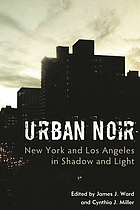
Dr. Eloise Ross is a Lecturer in Film and Television at Swinburne University of Technology, affiliated with the School of Social Sciences, Media, Film and Education. Her academic work spans research, teaching, and supervision in screen and digital media, cultural studies, and music, with a particular focus on gender, diversity, and pedagogy in film education. PhD in Film and Screen Studies (assumed from academic level and publications) Her research interests include film noir, sound design, urban representation in cinema, and inclusivity in screen industries. She has explored the metaphorical dimensions of adolescence in Buffy the Vampire Slayer , the role of silence in Warwick Thornton’s films, and the sonic landscapes of Los Angeles in noir. Her recent work emphasizes creative practice in higher education, particularly through curriculum design that fosters diversity in film programs. Dr. Ross’s publications reveal a strong engagement with both academic and public-facing discourse. Her recent articles examine HyFlex teaching in film education, diversity in Honours programs, and the cultural significance of film commentaries. She frequently contributes to Senses of Cinema and has authored chapters in edited collections such as Urban Noir . Her creative outputs include audio commentaries on classic films, demonstrating her commitment to bridging scholarly analysis with accessible film culture. Diversity and Inclusivity in Creative Practice Research (2025) HyFlex Pedagogy in Film Education (2025) Sound and Silence in Australian Cinema (2023) Gender and Archetypes in Australian Film (2022) Urban Noir and Soundscapes (2017) Dr. Ross is involved in grant-funded research, including the internal Swinburne grant Screen Cultures and Screen Industries Ecosystems , which explores intersections of diversity, AI, and distribution networks. She supervises higher degree research students, including at the Master’s level, with a project on women music video directors. She is available to supervise PhD candidates. She contributes to public film culture through her involvement with the Melbourne Cinémathèque and as a co-host of The Senses of Cinema Podcast , reinforcing her role as a bridge between academic scholarship and public engagement in film.
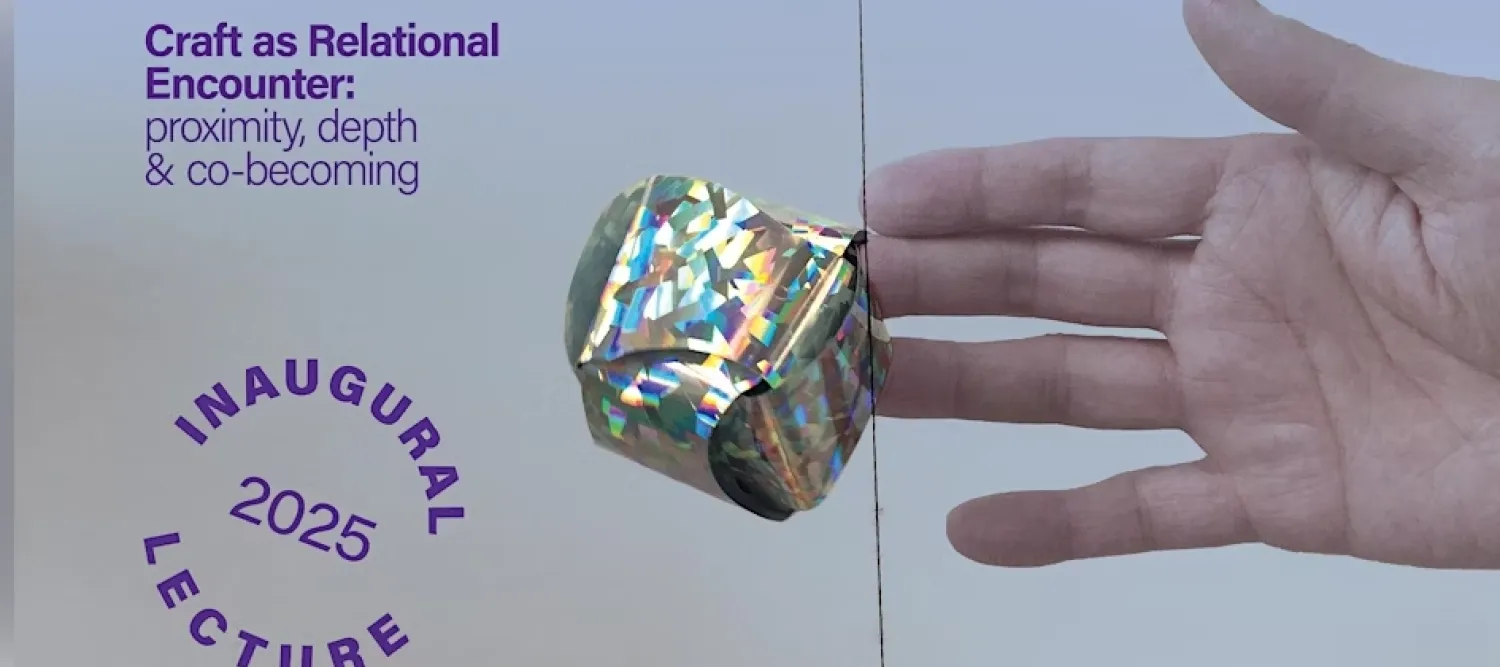
Professor Sarah Kettley is Chair of Material and Design Innovation at Edinburgh College of Art, University of Edinburgh . She leads multidisciplinary teams across social care and health services, championing participatory and co-design methodologies rooted in humanistic psychology. Educated originally in contemporary jewellery and holding a doctorate in computer science, she integrates craft knowledge with wearable technology research, most notably through the ‘ An Internet of Soft Things ’ project that introduces electronic-textile imaginaries to third-sector mental-health communities. Research Interests Craft as Relational Encounter: exploring proximity, depth and co-becoming in design Participatory and co-design methods for marginalised groups (autistic people, visually-impaired researchers, Scottish care workers) Electronic textiles, wearable health technologies and emotional durability Social, cultural and economic value creation in care innovation Recent Publication Trends Between 2023 and 2025 her work focuses on refining and evaluating the Ripple Framework , a generative co-design approach that produces social, cultural and economic value in care settings. Papers cluster around inclusive methodologies, mental-health technology, and craft-led innovation, signalling an integrated vision where material practice, digital technology and care ethics co-evolve. Scientific and Professional Recognition Fellow of the Royal Society of the Arts Founder member, Arcintex international research network Co-chair, RAFT research group, Edinburgh College of Art Research Teams & Networks She co-chairs the RAFT research group at Edinburgh College of Art and is a founding member of the Arcintex network, enabling transnational collaborations in practice-based textile, interaction and health-care research.
Dr. Gregory Stratton is a Senior Lecturer in the School of Global Urban and Social Studies (GUSS) at RMIT University, Melbourne. His research focuses on criminology, law, and digital society, with an emphasis on wrongful convictions, media representation of crime, and the intersection of technology with criminal justice systems. He actively supervises Masters and PhD students in topics such as gendered injustice, police misconduct, and linguistic gatekeeping in legal contexts. Stratton’s work bridges academic and practical domains, including contributions to Psychology, Crime and Law , Journal of Criminology , and Digital Criminology: Crime and Justice in Digital Society . He advocates for systemic reforms in parole policies and the recognition of racial biases in justice systems. His teaching interests include miscarriages of justice, digital criminology, and media’s role in shaping public perceptions of crime. He is open to supervising research on criminal justice reform, wrongful convictions, and technology’s impact on crime investigation. Stratton’s interdisciplinary approach integrates sociology, cultural studies, and legal frameworks to address contemporary challenges in the justice sector.
Professor Emma Mawdsley is a leading scholar in Human Geography at the University of Cambridge, where she contributes to the Geographies of Knowledge Research Group . As a Fellow of Newnham College and Director of the Margaret Anstee Centre for Global Studies , her work bridges academic rigor with practical engagement in global development politics. BA in Geography (St. John’s College, Cambridge, 1989-1992) PhD in Geography (St. John’s College, Cambridge, 1992-1996) Academic trajectory: Lecturer (1996-2003), Senior Lecturer (2009-2014), Reader (2014-2022), Professor (2022-present) Her research interrogates the politics of global development , focusing on South-South Cooperation (especially India-Africa dynamics), financialisation of aid, and the UK’s shifting development agendas. She leads the ESRC-funded project ‘Development Consultants and Contractors’ , analyzing private-sector roles in ‘Aidland’. Recent publications highlight trends in South-South partnerships , innovative finance, and decolonial approaches. Awards include the Leverhulme Research Fellowship and recognition as a Royal Geographical Society medalist. She supervises PhD students on topics like Sino-Indian development cooperation and postcolonial governance. As Director of the Margaret Anstee Centre, she fosters interdisciplinary global studies, connecting academia to policy through initiatives like the India-UK Development Partnership Forum .
Dr Katerina Cerna is an Assistant Professor (Associate Senior Lecturer) at the School of Information Technology, Halmstad University, Sweden. She leads research on participatory and more-than-human design, embedding learning sciences, sustainability and care ethics into technology development. She coordinates work in the REBEL research programme, is Area Leader for Participation in CAISR Health, and drives projects such as PadAI, Grow 2B Well and PAS-SAP. Education: PhD in Education Sciences, University of Gothenburg Research Interests: Her scholarship converges around enabling meaningful participation in design processes, especially for marginalised or vulnerable groups. Current strands include: Mental-health technology co-designed with young adults (PadAI) Embodied and multispecies engagements with plants for urban wellbeing (Grow 2B Well) Care-full participatory design with older adults (ACCESS, Demokit) Proxy-user methods for hard-to-reach populations (PAS-SAP) Publications at a glance: The 2022-2025 corpus reveals an intensifying focus on mental health support systems , multispecies and more-than-human design , and care-centred participatory methods . Qualitative, ethnographic and design-research methodologies dominate, often applied in contexts of ageing, disability, youth mental health and environmental sustainability. Scientific Awards & Fellowships: No specific awards listed; recognition is implicit through sustained funding (REBEL, CAISR Health, ACCESS, PadAI, PAS-SAP, Grow 2B Well). Advising & Grants: Principal investigator/supervisor on PadAI (participatory AI for youth mental health) Area Leader for Participation – CAISR Health Work-package leader – REBEL programme “Re-imagining Future Smart Living” Coordinator – ACCESS (postdoc project on older adults’ digital literacy) Workshop leader – I.N.S.E.C.T. summer camps on multispecies design Labs & Teams: She is embedded in the REBEL collective – an interdisciplinary group of researchers, designers and practitioners re-imagining inclusive futures. She collaborates closely with the CAISR Health research environment and has ongoing partnerships with Chalmers University of Technology, University of Gothenburg, Umeå University, Bergen University and Salzburg University.
Professor Angela Dew is the Discipline Lead for Disability and Inclusion at Deakin University's School of Health and Social Development within the Faculty of Health. With over 40 years of experience in the Australian disability sector and academic work since 2011, she leads the Disability and Inclusion research stream, focusing on participatory and co-designed research involving people with disability and complex support needs, including those from refugee backgrounds. Professor Dew earned her PhD from The University of Sydney in 2011 and completed her Masters (Hons) from the University of Western Sydney in 2005. Her academic journey reflects a deep commitment to disability inclusion and rights-based approaches to research and practice. Her research centers on understanding the lived experiences of people with disability and their families, with particular attention to those from refugee backgrounds, Aboriginal and Torres Strait Islander communities, and rural and regional settings. Professor Dew employs innovative arts-based research methods and maintains a strong human rights framework in all her work. Her research interests span complex support needs, LGBTQI issues in disability, dementia, abuse prevention, and sexuality and relationships. She fundamentally believes that 'all people are entitled to fairness, equity and a good life,' which drives her research and teaching philosophy. Professor Dew's publication record reveals a consistent focus on disability inclusion, with increasing emphasis on intersectional approaches that examine how disability intersects with refugee status, cultural background, and geographic location. Her recent work shows sophisticated methodological approaches, particularly in arts-based methods like body mapping and photovoice, which empower participants to express their experiences in non-traditional ways. As an educator, Professor Dew teaches in the postgraduate Masters of Disability and Inclusion program and contributes to undergraduate units. She actively supervises PhD students working on diverse aspects of disability research, including Phuong Do, Tom Voigt, Jane Adams, Peter Conway, and Simone Rowe, among others. Professor Dew has secured significant research funding from the National Disability Research Partnership, Australian Research Council Discovery, and UNSW Disability Innovation Institute. Her major projects include 'Co-designing Resources to Increase Access to Information and Services' for Syrian and Iraqi people with disability from refugee backgrounds, 'Women marginalised by mental health, disability or refugee status,' and 'Planning for a better life under the National Disability Insurance Scheme' for Aboriginal and Torres Strait Islander people with disability.
Dr. Neil Crawford is a Lecturer in International Politics & Public Policy at the University of Stirling, Scotland. His research focuses on climate/environmental justice, forced migration, urbanism, gender/sexuality, international organizations, and East African politics. He holds a fellowship from the Higher Education Academy and contributes to the Centre for Policy, Conflict and Co-operation Research (CPCCR). Neil’s work emphasizes qualitative methods such as art-based and ethnographic research. His recent publications (2023–2025) explore themes like UNHCR policy dynamics in Nairobi, intersectionality in climate justice, and disaster displacement in Bangladesh. Earlier work includes analyses of urban refugee camps and Scotland’s climate emergency responses. Awards: Fellow of the Higher Education Academy Labs/Groups: Centre for Policy, Conflict and Co-operation Research (CPCCR) His research bridges theoretical and applied perspectives, advocating for decolonial methodologies and equity-focused climate policies. Current projects include visualising urban climate crises and improving data on climate-induced mobility in Zambia.
Professor Anna McNamara is a leading academic and educator at the University of Surrey, serving as Director of Internationalisation at the Guildford School of Acting (GSA), part of the Faculty of Arts, Business and Social Sciences and affiliated with the Surrey Institute of Education. She holds the academic rank of Professor and has previously held key leadership roles including Director of Learning and Teaching and Interim Head of School. Her work spans actor training, inclusive pedagogy, crisis management, and gender equity in the creative industries. PhD in Contemporary Actor Training, University of Surrey MA in Education BA Theatre Studies, Rose Bruford College Diploma in Dance Education (DDE), ISTD Qualified Teacher Status (QTS), University of Gloucestershire Anna’s research focuses on transformative pedagogies in performing arts education, with an emphasis on inclusivity, student voice, and decolonising curricula. She has pioneered initiatives such as the Be the Change digital conference and book series, which bring together global experts to reimagine actor training. Her work integrates playful learning, flipped classrooms, and intimacy coordination into conservatoire education. Her recent publications include edited volumes such as Actor Trainers on Acting: for the Twenty-First Century (Routledge, 2024), Inspire: Learning for Teaching in Higher Education (Nova, 2024), and the groundbreaking The Women Who Shaped UK Actor Training (Routledge, 2024), which centers the contributions of women in UK drama education. Her articles explore themes of lived experience, crisis leadership, and gender empowerment, reflecting a strong interdisciplinary and action-oriented approach. Anna has received numerous accolades for her teaching and leadership, including: National Teaching Fellow (NTF) Principal Fellow of Advance HE (PFHEA) Fellow of the Royal Society of Arts (FRSA) University of Surrey Vice Chancellor’s Award for Teacher of the Year (2017) Finalist, Creative Businesswoman, Great British Businesswoman Awards (2023/24) She actively supervises PhD candidates in theatre and dance, has served on multiple university and faculty committees, and acts as an external examiner for institutions across the UK. Her outreach includes national inclusion projects with Get Into Theatre and The Mousetrap Foundation, supporting underrepresented youth in accessing creative careers. She also chairs a primary school governing board and is involved in LIPA Sixth Form College’s local governance. Anna leads the GSA People’s Network initiative to diversify staff recruitment and has developed mental health training with Mental Health England. She founded the GSA Gillian Lynne Choreography Competition and other student voice initiatives, reinforcing her commitment to student empowerment and institutional change.