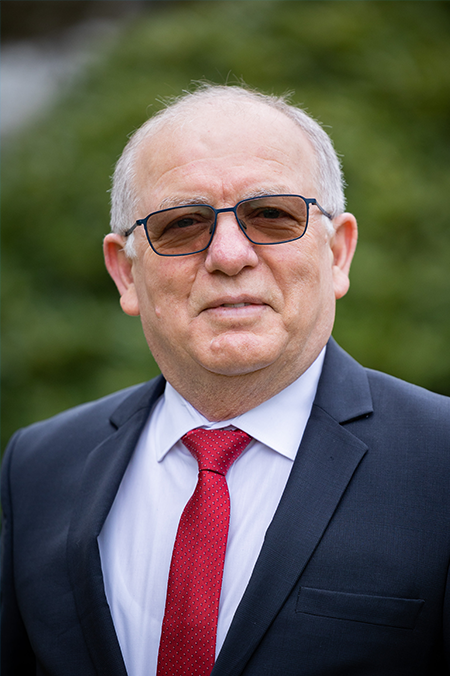
Karel Van Acker is a full professor in the Faculty of Engineering Science at KU Leuven , leading the Sustainable Materials Processing and Recycling (SeMPeR) research group. His work focuses on integrating environmental and economic sustainability assessments, particularly for metallurgical residues and circular economy systems. Head of SeMPeR group Contact person for SeMPeR at Arenberg campus Head of Subdivision 39, Brussels Campus Research areas include: Circular Economy: Monitoring systems, stock-flow models, and business models Sustainability Assessments: Life Cycle Assessment (LCA), techno-economic analysis, carbon footprinting Resource Valorization: Steel slag mineral carbonation, rare earth reduction, biorefinery processes Key article trends: 2025 works emphasize steel slag carbonation for carbon capture, hydrogen storage technologies, and clothing sufficiency as circular economy strategies 2024 research explores car mobility circularity , AI environmental impacts , and policy integration for circular economy monitors Earlier works (2023-2020) address textile recycling , biomass to biofuels , and landfill mining using system dynamics Teaching responsibilities: Sustainable Materials Management (H00R6A) Environmental Impact Analysis (I0V86A) Material Selection & Sustainability (D0X32A) Global Challenges for Sustainable Society (H0O00A)
Fu-Kuo Chang is a Professor in the Department of Aeronautics and Astronautics at Stanford University, with a secondary affiliation in the Bio-X program. His research focuses on multifunctional materials, intelligent structures, and structural health monitoring (SHM), emphasizing applications in aerospace, robotics, and medical devices. He has pioneered work on embedded sensors, self-diagnostic systems, and energy storage composites. Academic Appointments: Professor (Stanford), Editor-in-Chief of International Journal of Structural Health Monitoring (since 2012), and Chair of the International Workshop on Structural Health Monitoring (since 1997). Honors: Multiple lifetime achievement awards in SHM, AIAA and ASME Fellowships, and the NSF Presidential Young Investigator Award (1988). Research interests include bio-inspired sensory materials, autonomous systems (e.g., 'fly-by-feel' vehicles), and multidisciplinary integration of structural mechanics, electrical engineering, and materials science. His recent work addresses challenges in smart skins for robotics, thermoplastic composites, and predictive modeling of material degradation. Publications span structural health monitoring, advanced composites, and robotics, reflecting expertise in both theoretical and applied domains. His lab, the Structures and Composites (SACL) laboratory, drives innovation in smart materials and system integration. Advising: Supervises doctoral and master’s students in aeronautics and materials science. Grants/Contributions: Active in industry and government collaborations, including roles on the US Army Research Laboratories Advisory Board and leadership in SHM industry initiatives.
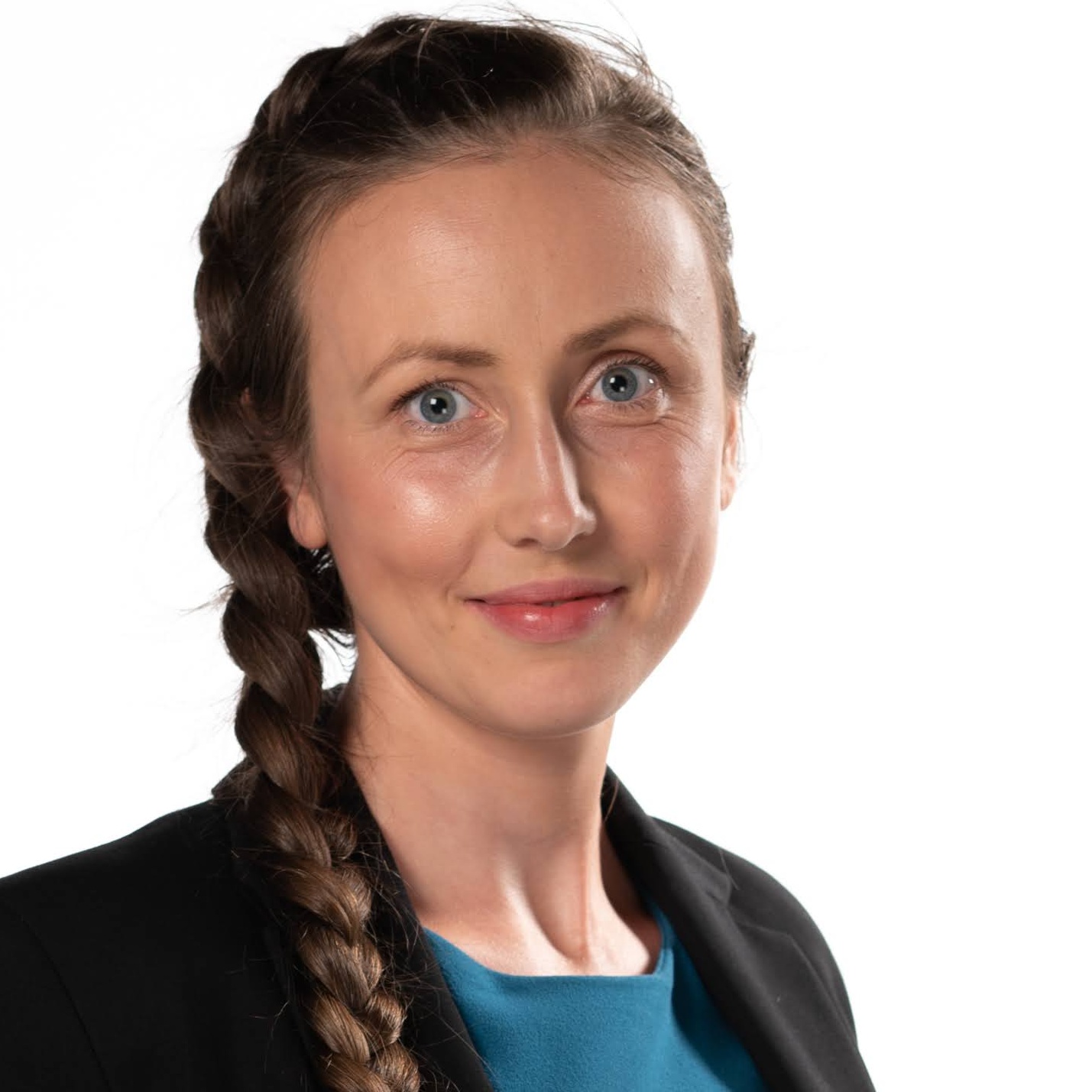
Lori Sisk is an Associate Professor of Teaching in Global Supply Chain Management at the Mike Ilitch School of Business, Wayne State University. She brings over 28 years of industry and consulting experience in supply management to her academic role, where she teaches strategic procurement, operations, and supply chain courses. She also serves as Program Coordinator for the WSU/AIAG Supply Chain Certificate Program, Advisor to student organizations, and member of multiple academic and industry committees. Education: MBA, Bowling Green State University BSBA, Bowling Green State University (Major: Procurement) CPSM, Institute of Supply Management Six Sigma Green Belt Certified, Delphi Corporation Lori's teaching and research focus on applied, experiential learning in supply chain and procurement. Her courses emphasize solving real-world business problems, and she integrates industry challenges into classroom learning. Her research interests include applied decision-making tools for supply chain executives, strategic sourcing, risk management, and lean operations. She is passionate about preparing students for careers in supply chain through hands-on education and mentorship. Her publications reflect a practitioner-oriented approach, covering topics such as crisis recovery, strategic sourcing, and total cost of ownership. The articles show a consistent focus on operational resilience, cost optimization, and strategic procurement across manufacturing and global supply chains. Scientific Awards: Inspirational Teacher of the Year Award, Wayne State University (2019) Service Award, Wayne State University Mike Ilitch School of Business (2020) Teacher of the Year Award, Denver Transportation Club (2018) Leadership District Person of the Year, ISM Public Relations District Person of the Year, ISM Troy Volunteer of the Year Award (nominated, 2020) Lori is deeply involved in academic and industry service. She advises student organizations including the Global Supply Chain Management Association (GSCMA) and Warrior Consulting Group (WCG). She co-leads the Supply Chain Advisory Council and is a member of the AIAG SC Steering Committee. She has delivered over 200 training sessions for professionals at global automotive OEMs and aerospace firms and has presented at international conferences including ISM, APICS, and PMAC. She has also developed and delivered curriculum for the AIAG/WSU Automotive Supply Chain Certificate Program since 2013. Lori leads initiatives that bridge academia and industry, particularly through the WSU/AIAG partnership. She has designed and facilitated workshops for suppliers and corporate teams on JIT, cost reduction, and risk management. Her work enhances workforce development and strengthens industry-academic collaboration in supply chain education.
Professor Mohan Lal Kolhe is a distinguished academic at the University of Agder , serving as a Full Professor in Smart Grid and Renewable Energy within the Faculty of Engineering and Science and the Department of Engineering Sciences . With over three decades of international academic experience, he has held positions at prestigious institutions including University College London, University of Dundee, and Hydrogen Research Institute in Canada. His career spans technical innovation, policy development (e.g., as a member of South Australia’s Renewable Energy Board), and extensive research leadership in sustainable energy systems. Research Leadership : Focus on Smart Grid integration, Electric Vehicles, Hydrogen Energy, Solar/Wind Systems, and Techno-Economic Energy Analysis. Global Recognition : Listed in the top 2% of scientists worldwide (2020-2023) by Stanford University, with 10 publications averaging 200+ citations. Recent publications emphasize advanced optimization techniques for renewable integration, EV charging infrastructure, hydrogen production, and power system stability. His work has secured competitive funding from entities like the Norwegian Research Council and EU programs. Awards and Expert Roles : Top 2% Global Scientist (Stanford, 2020-2023) Highly Cited Researcher (Top 10 publications, 200+ avg. citations) Expert evaluator for European Commission, Royal Society London, EPSRC, and Cyprus Research Foundation He actively contributes to international conferences as keynote speaker and editorial board member, with leadership roles in research groups like Autonomous and Cyber-Physical Systems and Energy Systems .
Yusuf Altintas is a Professor in the Department of Mechanical Engineering at the University of British Columbia's Faculty of Applied Science, holding the NSERC–P&WC-Sandrik Coromant Industrial Research Chair and coordinating the Mechatronics Option. An internationally acclaimed scholar, he is a Fellow of 10 prestigious academies including the National Academy of Engineering (NAE), Royal Society of Canada (RSC), and ASME. His academic credentials include a Ph.D. from McMaster University, an Honorary Doctor of Engineering from the University of Stuttgart, and a Doctor of Technical Sciences from Budapest University of Technology and Economics. Professor Altintas's research pioneers the integration of physics-based modeling and data-driven approaches for machining systems. His work spans virtual high-performance machining simulation, machine tool dynamics, chatter stability prediction, and intelligent process control for CNC systems. Current projects focus on digital twin development for machining processes, spindle health diagnostics, ultrasonic vibration-assisted tooling, and adaptive damping systems for aerospace manufacturing applications. His methodologies bridge theoretical mechanics with industrial implementation in die/mold and aerospace sectors. Analysis of his 2022-2025 publications reveals dominant trends in physics-informed machine learning for spindle fault detection, topology-optimized tool design, and chatter avoidance in thin-walled component machining. Key thematic clusters include digital twin implementation (28% of recent work), dynamics modeling of multi-axis systems (35%), and intelligent monitoring algorithms (22%), with growing emphasis on anisotropic material machining and 3D printing process control. Georg Schlesinger Award (2016) NSERC Strategic Research Network in Virtual Machining Grant (2016) NSERC Synergy Award (2013) ASME Blackall Machine Tool and Gage Award (2013) Special Distinguished Scientist Award from Turkey's Scientific and Technical Research Council (2013) He directs the Manufacturing Automation Laboratory at UBC, leading an international research consortium on virtual machining systems supported by NSERC and industry partners including Sandvik Coromant and Pratt & Whitney Canada. His team develops real-time process monitoring frameworks and physics-based simulation tools that have been adopted in aerospace manufacturing for blade machining and die/mold production. The laboratory maintains advanced testbeds for five-axis machining dynamics, spindle health monitoring, and ultrasonic vibration-assisted tooling, serving as a hub for industry-academic collaboration in next-generation manufacturing technologies.
John N. DuPont is the R.D. Stout Distinguished Professor of Materials Science & Engineering at Lehigh University , where he also serves as Associate Director of the Energy Research Center and holds a joint appointment in the Mechanical Engineering Department. He was a founding Director of the National Science Foundation Manufacturing and Materials Joining Innovation Center, a globally prominent welding research facility. Education: Ph.D., Materials Science and Engineering, Lehigh University M.S., Materials Science and Engineering, Lehigh University B.S., Metallurgical Engineering, Ohio State University Research Interests: Welding Metallurgy Failure Analysis and Product Litigation Laser Engineered Net Shaping Solidification and Alloy Development Energy Science, National Defense, and Large Structures Scientific Awards: ASM Scholar (1990) AWS National Fellowship Award (1995) AWS Harold H. Jennings Award (1996, 2000) AWS William Sparegan Award (1999, 2000, 2008, 2010) National Science Foundation Presidential Early Career Award (PECASE) (2000) Department of Defense Manufacturing Technology Achievement Award (2015) Steel Founders Society of America Thomas E. Barlow Award of Honor (2020) Grants and Professional Activities: Dr. DuPont has raised over $20 million in research funding from agencies such as the National Science Foundation, Office of Naval Research, and Department of Energy. He has conducted 300+ consulting projects in failure analysis and materials testing for corporations, law firms, and the Department of Defense. His academic contributions include teaching courses on Welding Metallurgy, Diffusion and Phase Transformations, and Advanced Solidification.
Professor Hongbo Zhang is a leading academic at Åbo Akademi University , affiliated with the Faculty of Natural Sciences and Engineering and the InFLAMES (Innovation Ecosystem based on the Immune System) flagship program. With over 227 publications and 21 active/completed projects since 2006, his research spans Functional Materials , Drug Delivery , and Clinical Translation . Research Interests: His work focuses on Engineering nanostructures for blood-brain barrier penetration Microfluidics-enabled biomedical devices Antimicrobial resistance solutions Cellulose-based sustainable materials Mitochondrial delivery systems Theranostic hydrogels Scientific Awards: Fellow of the Royal Society of Chemistry (2024) MDPI Pharmaceutics Young Investigator (2020) Chinese Orthopedic Association 1st Prize (2019) Best Oral Drug Formulation (Control Release Society, 2014) 10 Leading Chinese Talents in Europe (2023) Collaborative Network: Actively hosts international researchers and contributes to EU/Nordic-funded projects like NAP4DIVE and Printed Intelligence Infrastructure . His recent publications demonstrate expertise in nanomedicine, biocomposites, and lignin valorization.
James Smith is an Associate Professor and scientific group leader at Norwich Medical School, University of East Anglia, UK, where he leads research in pluripotent stem cells and cardiovascular disease. He is a member of the Metabolic Health and Cardiovascular and Metabolic Health research groups. Education: PhD in Mesenchymal Stem Cells and Extracellular Matrix, University of Birmingham Post-doctoral training in automated manufacture of human pluripotent stem cells, University of Nottingham His research focuses on using CRISPR gene editing and human induced pluripotent stem cells (hiPSCs) to model and investigate cardiovascular diseases. Key areas include the role of snoRNAs in heart development and disease, cardiomyocyte maturation, and inflammatory responses following cardiac interventions. He established his independent research group at UEA in 2019. The recent publications reflect a strong trend in molecular and cellular cardiology, particularly in non-coding RNA biology, extracellular matrix interactions, and stem cell-based disease modeling. His work bridges basic science with clinical implications, especially in hypertrophic cardiomyopathy and post-intervention inflammation. Scientific Funding & Projects: Identifying novel SNORD116 targets and signalling pathways – Foundation for Prader-Willi Research (2025–2026) Do snoRNAs govern genotype-phenotype interactions in hypertrophic cardiomyopathy? – British Heart Foundation (2023–2027) Dupuytren’s Disease: Genetic variants and cellular phenotype – Action Arthritis (2026–2029) Investigating cardiomyocyte communication in hypertrophic cardiomyopathy – Academy of Medical Sciences (2020–2022) He advises graduate students and early-career researchers in his lab, though specific names are not listed. He has secured competitive grants from major funding bodies and maintains an active laboratory focused on translational cardiovascular research. His work contributes to the UN Sustainable Development Goal 3: Good Health and Well-being. He is based at the Bob Champion Research & Education Building and maintains a lab website at https://www.smithlabuea.com/ .
Mark J. Roberts is a Professor of Economics at Pennsylvania State University and a Research Associate at the National Bureau of Economic Research. His work focuses on productivity analysis, industrial organization, and international trade, particularly examining how export market exposure influences firm R&D investment and structural modeling of firm dynamics in oligopolistic markets. Key affiliations: Penn State University, NBER, Penn State Census Bureau Research Data Center His research investigates the causal relationships between exporting activities and R&D investment, showing that exporters experience higher returns on innovation and productivity growth. He has developed structural models to quantify how trade barriers like tariffs reduce long-term R&D payoff for firms in high-tech German manufacturing sectors. Recent methodological contributions include counterfactual simulations using dynamic panel data to analyze institutional determinants of R&D investment in emerging economies. The work highlights corruption, regulatory quality, and political stability as critical factors affecting innovation incentives.
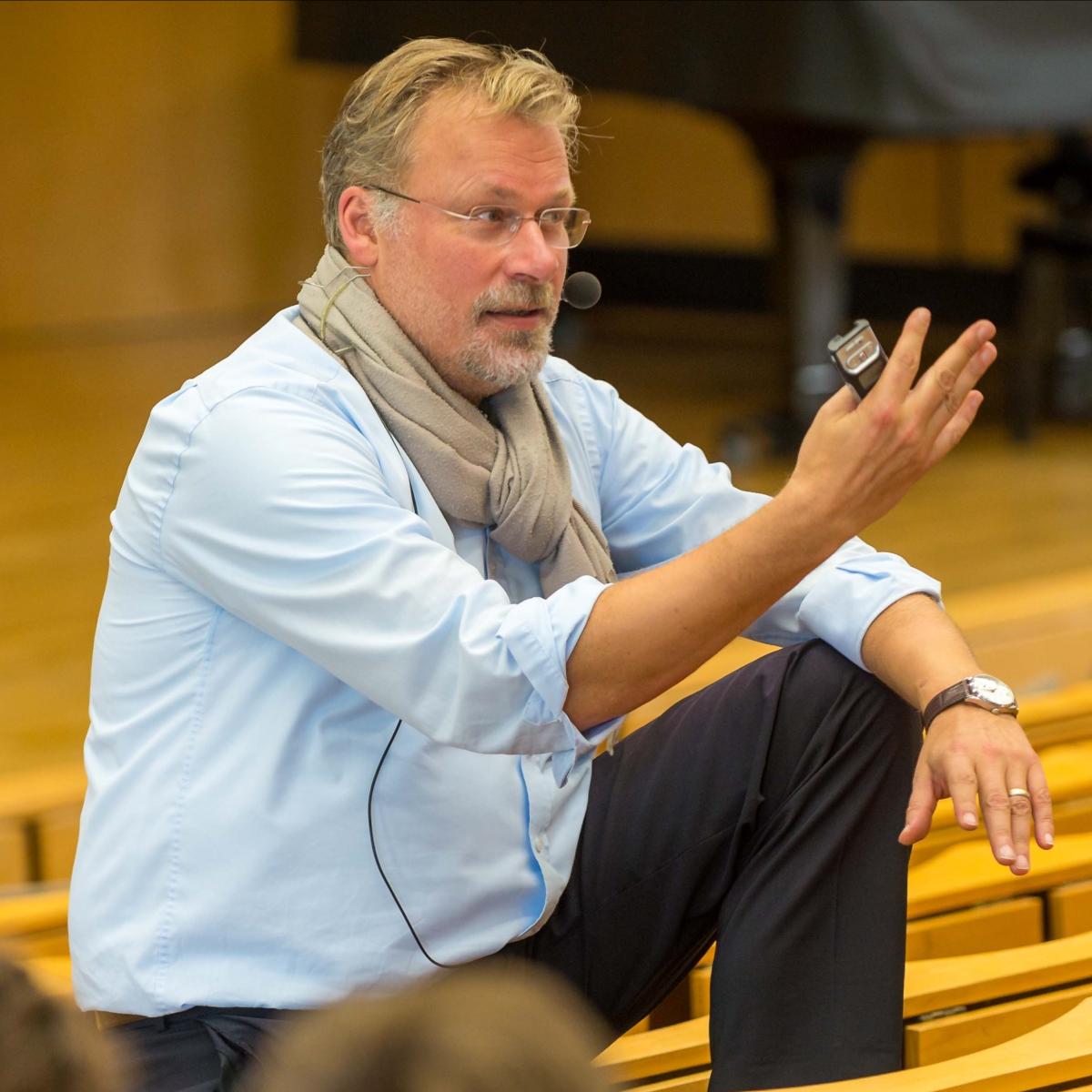
Prof. Michael Weyrich is a faculty member at the Institute of Industrial Automation and Software Engineering (IAS) within the University of Stuttgart , leading the Cluster of Excellence IntCDC . His academic rank is Professor, and he focuses on Industrial Automation , Digital Twins , and Large Language Models (LLMs) for manufacturing and automotive systems. His research explores integrating LLMs into industrial automation for adaptive control, cloud offloading of vehicle functions, and semantic interoperability via Asset Administration Shells . He investigates modular production architectures , connected vehicle systems , and synthetic data generation for autonomous machinery. Recent publications highlight LLM-driven production planning , dynamic sensor calibration , and machine learning for fault detection in electric vehicle powertrains. His work emphasizes real-time data modeling and flexible microservice orchestration .
Dr. Olga Zinovieva is a Lecturer in Mechanical Engineering and Program Coordinator at UNSW Canberra's School of Engineering and Technology. Her research focuses on computational modeling in metal additive manufacturing, particularly on processing-microstructure-property relationships. She has held research positions at the University of Bremen, Russian Academy of Sciences, and Tomsk Polytechnic University, and visiting roles in Australia, Germany, Brazil, and France. Research Interests: Modeling for additive manufacturing Multiscale methods Computational materials science Computational mechanics Microstructure evolution in 3D printing Mechanical behavior under dynamic loading Recent research trends from her publications emphasize predictive modeling of mechanical properties in additively manufactured metals, microstructure simulation, and digital solutions for advanced manufacturing. Her work integrates ICME approaches and high-performance computing to optimize alloy performance and process parameters. Scientific Awards and Grants: ARC Discovery Early Career Researcher Award (2025–2028) NSW DIN Pilot Project (2024–2025) CSIRO ON Prime Performance Bonus (2024) UNSW Start-up Grant (2022–2024) DFG-RFBR Project (2017–2022) Multiple travel and research grants from RFBR, University of Bremen, and Tomsk State University Supervision and Grants: Dr. Zinovieva actively supervises PhD and undergraduate research students in projects related to additive manufacturing modeling. She has secured over 20 grants as a Chief Investigator, including leadership in international collaborations between Germany and Russia. She mentors students through UNSW’s HDR programs and industry-linked research initiatives. Labs and Teams: She leads computational research in metal additive manufacturing at UNSW Canberra, utilizing high-performance computing resources. She collaborates with international teams at the University of Bremen and participates in editorial and advisory roles for journals such as Metals and Journal of Materials Informatics .
Prof. Dr. Michael Höck serves as a University Professor at the TU Bergakademie Freiberg , holding the Chair of Industrial Management/Production Economics, Logistics within the Faculty of Business Administration . His academic career spans over two decades, with affiliations at institutions including Purdue University and GISMA Business School. Current: Chair of Industrial Management (since 2008) Past: Visiting Assistant Professor at Purdue University (2005-2006, 2002) Past: Professor at GISMA Business School (2007) Education : Habilitation in Industrial Management (2005, University of Hamburg) PhD in Business Administration (1997, University of Hamburg, summa cum laude) Research Interests focus on optimizing industrial systems and service operations. His work bridges production economics with logistics, emphasizing flexible manufacturing, service innovation, and operations strategy. Publications reflect interdisciplinary approaches to process optimization and quality management. Contact : Michael.Hoeck@bwl.tu-freiberg.de | Office hours: Wednesdays 17:00-18:00
Raivo Jaaniso is an Associate Professor in Materials Science and Applied Physics at the Institute of Physics, Faculty of Science and Technology, University of Tartu. He has held this position since February 2024, having previously served as an Associate Professor from January 2021 to February 2024. Since June 2015, he has led the Sensor Technology Research Group and Laboratory at the University of Tartu. Dr. Jaaniso earned his Doctor's Degree in 1988 from the Institute of Physics, Estonian Academy of Sciences, with a dissertation titled "Spectrally selective processes of energy transformations in solid solutions of chlorophyll-like molecules," supervised by Jaak Kikas and Rein Avarmaa. His undergraduate studies in physics were completed at the University of Tartu from 1976 to 1981. Dr. Jaaniso's research focuses on graphene, sensor materials, gas sensors, optical spectroscopy, and pulsed laser deposition. His work spans materials science and applied physics, with particular emphasis on developing advanced sensor technologies for environmental monitoring and healthcare applications. He has pioneered research on graphene-based gas sensors, optical sensing materials, and nanomaterials for detection systems. Current projects include early diagnosis of neurodegenerative diseases with electronic nose technology and novel structures for gas microsensor arrays based on 2D materials. His recent publications reveal a strong trend toward graphene-TiO 2 heterostructures for gas detection, black aluminum films for thermal applications, and light-induced gas sensing mechanisms at room temperature. These works demonstrate his interdisciplinary approach combining materials science, optics, and sensor technology to address environmental and health monitoring challenges with practical solutions. University of Tartu Badge of Distinction (2023) Dr. Jaaniso has supervised numerous doctoral and master's students, including Martin Lind, Paniz Vafaei, and Ahmet Burak Baloglu who are currently completing their doctoral research. He has led significant research projects funded by the Estonian Research Council (totaling over €2 million in the past decade), European Commission, and industry partners including Infineon Technologies. His administrative roles include membership in the Graphene Flagship network and the NATO STO Exploratory Team on Novel Two-dimensional Materials for Military Applications. As head of the Sensor Technology Research Group, Dr. Jaaniso leads a multidisciplinary team focused on developing next-generation sensor technologies using 2D materials and advanced nanofabrication techniques. The group maintains active collaborations with international partners including the Czech Academy of Sciences and European research networks.
Magnus A. Rueping is a highly distinguished Professor of Chemistry at King Abdullah University of Science and Technology (KAUST) in Thuwal, Saudi Arabia. With an impressive h-index of 107 and over 35,502 citations from 430 documents, he stands as a leading figure in modern synthetic chemistry. His research group maintains active collaborations with 651 co-authors worldwide, reflecting his significant impact on the chemical sciences community. Professor Rueping's research spans multiple cutting-edge areas in organic chemistry and catalysis. His work primarily focuses on developing novel sustainable methodologies including photoredox catalysis, electrochemical synthesis, and mechanochemistry. He has made significant contributions to the fields of $$\text{C-H}$$ functionalization, late-stage modification of complex molecules, and sustainable chemical transformations. His research group explores the intersection of traditional organic synthesis with emerging technologies to create more efficient and environmentally friendly chemical processes, with particular emphasis on nickel catalysis and metal-organic frameworks. Analysis of Professor Rueping's recent publications (2023-2025) reveals a strong trend toward integrating multiple activation modes in single catalytic systems. His work increasingly combines photochemistry, electrochemistry, and mechanochemistry (particularly resonant acoustic mixing) to develop novel catalytic platforms that minimize waste and energy consumption. A notable research direction involves the application of copper nanoclusters and cerium-based metal-organic frameworks as heterogeneous photocatalysts for challenging organic transformations. His group has also pioneered methods for $$\text{C-Ge}$$ and $$\text{C-S}$$ bond formation with exceptional selectivity. Professor Rueping's research has attracted substantial funding and recognition, as evidenced by his high citation metrics and publication record in top-tier journals including Nature Communications, Journal of the American Chemical Society, and Angewandte Chemie. His work bridges fundamental chemical research with practical applications in pharmaceutical development and sustainable manufacturing. As a dedicated mentor, Professor Rueping has supervised numerous graduate students and postdoctoral researchers who contribute to his diverse research portfolio. His laboratory operates state-of-the-art facilities for advanced organic synthesis, photochemistry, electrochemistry, and materials characterization. Current research directions include developing new methodologies for late-stage functionalization of pharmaceutical compounds, creating sustainable approaches to chemical manufacturing, and engineering novel catalytic materials for energy applications. His group's recent expansion into diagnostic technologies (nanobody-based lateral flow assays) demonstrates the versatility and interdisciplinary nature of his research program.
Torgeir Welo is a Professor at the Department of Mechanical and Industrial Engineering , Norwegian University of Science and Technology (NTNU) . He specializes in metal forming , particularly aluminum alloy structures , with a focus on plastic bending behavior , dimensional stability , and 3D forming technologies . His research also encompasses Lean Product Development , emphasizing knowledge reuse and maximizing customer value in automotive and aerospace applications. Key Research Areas : Metal Forming, Aluminum Processing, Springback Control, Lean Development, Additive Manufacturing, Material Substitution Teaching : Courses on Aluminum Technology , Metal Forming Analysis , and Machine Element Design Publications (15 most recent): Focus on springback monitoring , charge weld evolution , flexible forming , machine learning applications , and circular economy frameworks in metal manufacturing.