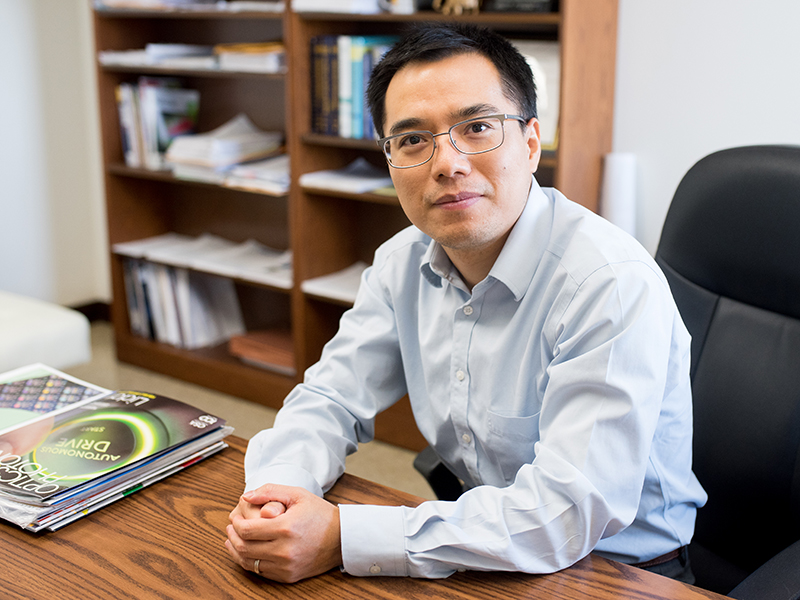
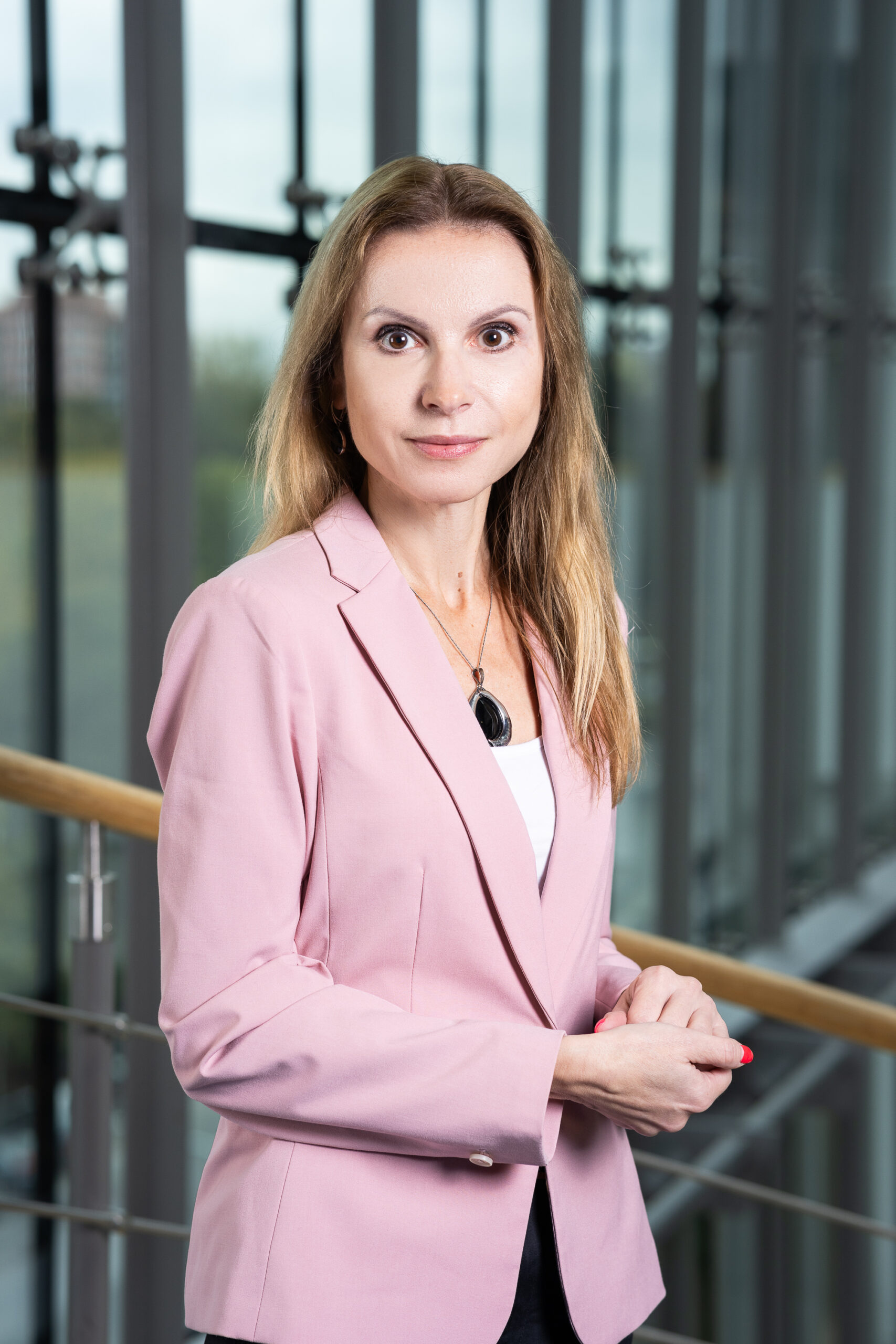
Prof. Valerio Pruneri is an ICREA Professor and Group Leader at the Institute of Photonic Sciences (ICFO), holding the Corning Inc. Chair in Optoelectronics. He leads a research group focused on quantum optics, nanophotonics, and biomedical imaging. His academic background includes a PhD in Laser Physics from the University of Southampton (UK). Research interests span quantum communication technologies, plasmonic sensors, and nanomaterials for optical applications. Recent advancements include work on quantum key distribution systems, graphene-based devices, and super-sensitive phase imaging techniques. Articles highlight innovations in quantum-enhanced imaging, integrated photonic circuits, and hyperbolic metamaterials. His team collaborates on EU projects like NANO-GLASS ITN and FLIGHT, with a strong emphasis on translational research. Over 50 students and researchers are advised, many funded by national and international grants (e.g., Agencia Estatal de Investigación, CELLEX Foundation). Key lab facilities include state-of-the-art cleanrooms and optical characterization tools.
Yuebing Zheng is a Professor of Mechanical Engineering & Materials Science and Engineering at the University of Texas at Austin, holding the Cullen Trust for Higher Education Endowed Professorship. He leads a research group innovating optical nanotechnologies for applications in health, energy, and manufacturing. His work focuses on light-matter interactions, optically active materials, and interdisciplinary training. Key roles include Graduate Advisor for the Materials Science Program and past leadership as Associate/Assistant Professor since 2013. Education: PhD in Engineering Science and Mechanics (2010), Penn State University Postdoctoral Researcher (2010-2013), UCLA (Chemistry and Biochemistry) MSc in Physics (2003), National University of Singapore BSc in Physics (2001), Nankai University Research Interests: Optical manipulation technologies (e.g., optothermal tweezers) Nanophotonics and metamaterials Machine learning for materials discovery Biomedical applications (e.g., cell analysis, chiral sensing) Clean energy systems Recent Article Trends: Focus on AI-driven materials design, optothermal microrobotics, and advanced optical systems for energy and biomedical applications. Key innovations include photonic batteries, graphene moiré systems, and steerable active particle swarms. Awards: 2025 SPIE Fellow 2024 Optica Fellow 2017 NIH New Innovator Award 2014 Beckman Young Investigator Multiple best paper awards (2019–2023) Advising & Grants: Supervised over 20 PhD students/postdocs. Active grants from NIH, NSF, ONR, NASA, and industry partnerships. Current lab focuses on optical manipulation, metamaterials, and AI-integrated nanotechnology. Labs/Teams: Director of the Zheng Research Group, affiliated with the Texas Materials Institute. Collaborates on projects merging nanoscience with machine learning and biomedical engineering.
Madis Talmar is an Assistant Professor of Innovation and Entrepreneurship at Eindhoven University of Technology (TU/e) , affiliated with the Industrial Engineering and Innovation Sciences (ITEM) Group . He holds a Ph.D. from TU/e and a D.Sc. from Aalto University (2018), focusing on organizing innovation in transitioning domains. His teaching includes the Introduction to Technology Entrepreneurship course (425+ students) and the Data Entrepreneurship in Action III at the Jheronimus Academy of Data Science. He has been nominated for the Industria Teaching Award three times (2017–2019). His research centers on innovation ecosystems , open innovation programs , and energy transition dynamics . He pioneered the Ecosystem Pie Model (published in Journal of Business Venturing Design ), a tool for analyzing innovation ecosystems. He supervises 2 PhD students and 1 PDEng, contributing to projects like the SMART-SPACE Interreg initiative . His sectoral expertise spans energy and mobility, with consultancy work for corporations in Spain, Germany, Sweden, and Belgium. Madis has authored over 70 student theses across levels and co-founded three startups. His awards include a nomination for the Best TU/e PhD Dissertation Award (2019) and a Best Paper Award nomination (2019). He also chairs entrepreneurship education initiatives like the 4TU Entrepreneurship Research Network and organizes conferences on topics like regional energy strategy.
Prof. Philipp Reiss is a Professor of Lunar and Planetary Exploration Technologies at the Technical University of Munich (TUM), part of the TUM School of Engineering and Design. His academic journey includes a doctorate in lunar exploration (2018) and postdoctoral leadership of a research group, followed by ESA work on lunar mission instruments. He was appointed to his current role in 2022. Education: Bachelor's/Master's in Aerospace Engineering from Bremen University of Applied Sciences and TUM Doctorate in Lunar Exploration (TUM, 2018) Research Focus: Development of instruments for in-situ resource characterization (e.g., water detection on the Moon) Simulation of heat/mass transport in extraterrestrial environments Technologies for extreme environment exploration Legal and ethical frameworks for space resource utilization Recent Article Trends: Recent work emphasizes lunar water cycle analysis, space resource extraction technologies, and ESA mission instrument development. Key projects include PROSPECT payload design and thermal extraction of volatiles from regolith. Awards and Roles: ERC Grant Awardee (2024), Honorary Fellow at TUM Institute for Advanced Study Principal Investigator at ORIGINS Excellence Cluster (2022–present) Member of ESA’s PROSPECT science team (2019–present) Contributions to UN space resource legal discussions Advising & Grants: Supervises research projects on lunar rover systems and resource utilization. Secured funding through ERC grants and ESA collaborations. Advises on international space policy initiatives. Labs/Teams: Leads the Lunar and Planetary Exploration Professorship group at TUM, collaborating with ESA, JAXA, and the European Lunar Symposium. Active in developing planetary exploration tools like the PROSPECT permittivity sensor and MULE instrumentation.
Waltraud M. Kriven is a Full Professor at the University of Illinois at Urbana-Champaign, holding joint faculty positions in the Materials Research Laboratory and Department of Materials Science and Engineering. She is also an Affiliate Professor in Mechanical Science and Engineering. Her expertise spans phase transformations in inorganic compounds, geopolymers, and ceramic composites. Kriven has pioneered research in low-temperature synthesis of ceramics and developed advanced geopolymer composites with applications in energy, infrastructure, and environmental sustainability. Education: PhD in Solid State Chemistry (University of Adelaide, 1976); B.Sc. (Hons) and Baccalaureate in Physical and Inorganic Chemistry and Biochemistry (University of Adelaide). Research Interests: Geopolymer-derived ceramics, carbothermal reduction processes, amorphous self-healing materials, and sustainable construction materials. Her work emphasizes nanoporous microstructure analysis and tailoring thermal expansion coefficients for advanced applications. Recent studies include neutron shielding geopolymers and environmental durability assessments. Conferences & Leadership: Organizer of over 22 international conferences on geopolymers, including the 2025 International Symposium on Geopolymers and Alkali Activated Materials. Served as Past-Chair of the Engineering Ceramics Division of the American Ceramic Society. Awards: Member of European Union Academy of Sciences (2020), Academician in World Academy of Ceramics (2005), Fellow of American Ceramic Society (1995), and recipient of the Mueller Award (2017) and Brunauer Award (1988, 1991). Industry Impact: Founded Keanetech LLC (2004), a technology transfer company specializing in ceramics and geopolymers. Collaborates with the US Army Corps of Engineers on infrastructure projects. Labs & Teams: Director of the Center for Geopolymer Research and Applications (CeGRA). Her research group develops in situ synchrotron furnaces for high-temperature ceramic studies.
Prof. Katarzyna Piwowar-Sulej is a Professor of Economics in Management and Quality Sciences at Wrocław University of Economics, holding a position in the Department of Labor, Capital and Innovation. She actively contributes to academic governance as a member of the Doctoral School Council and various strategic committees. Her research focuses on sustainable human resource management, leadership, and project management, with a strong emphasis on integrating sustainability into organizational practices. Expertise: Sustainable HR Development, Green HRM, Organizational Innovation Leadership Roles: Director of 'Psychology in Management' postgraduate studies Her academic contributions span over 200 publications in top journals such as Human Resource Management and Journal of Business Ethics . She has secured EU grants and led projects addressing HR challenges in Industry 5.0 and digitalization. Notable achievements include recognition in the World's TOP 2% Scientists 2023 and second place in the 2025 Science Personality of the Year award. Awards: Medal of the National Education Commission, Emerald's Outstanding Paper Award Research trends in her work highlight the intersection of leadership, sustainability, and innovation. Recent studies explore sustainability-focused leadership, green behaviors in SMEs, and neurodiversity management. She bridges academic and business worlds through HR consulting and project management expertise in sectors like finance and manufacturing. Key Projects: Digital HR process optimization, compensation system design, post-merger integration Her teaching legacy includes pioneering postgraduate programs for business trainers and integrating design thinking into academic curricula. She advocates for sustainable HR practices, emphasizing employee development and environmental responsibility.
Aaron Shugar is a Professor and current Bader Chair in Art Conservation at Queen’s University. With a background in archaeometallurgy and conservation science, he specializes in non-destructive analysis techniques for cultural heritage, including X-ray fluorescence (XRF), Raman spectroscopy, and hyperspectral imaging. His work bridges art history, material degradation, and technological innovation. Honours H.B.A. in Anthropology and Law & Society from York University M.S. in Archaeological Materials from the University of Sheffield Ph.D. in Archaeometallurgy from University College London His research focuses on historic artist’s pigments , ancient metallurgy , and technical history of artifacts , with particular interest in degradation pathways and manufacturing processes. Recent publications highlight trends in AI integration with XRF analysis and preservation of modern materials in art conservation. Bader Chair in Art Conservation Mellon Foundation Professor in Conservation Science Aaron co-directed the Archaeometallurgy Laboratory at Lehigh University, served as a guest scientist at NIST, and remains a research associate at the Smithsonian Institution. He actively contributes to TEFAF’s Scientific Vetting Committee and acts as a forensic materials expert for the Court of Arbitration for Art.
Remco M. Dijkman serves as Full Professor in Information Systems at Eindhoven University of Technology (TU/e), chairing the Information Systems group within the Industrial Engineering and Innovation Sciences school. He additionally holds a Full Professor position at EAISI High Tech Systems and acts as research director for high-tech supply chains at the European Supply Chain Forum—a network of over 50 multinational companies. His research centers on Business Process Management with emphasis on data-driven optimization of business processes. His academic background includes both PhD and Master's degrees in Computer Science from the University of Twente. Publications span Information Systems, Computers in Industry, and Transactions on Software Engineering and Methodology, with over 100 papers and service on the editorial board of Information Systems. He has held visiting positions at New York University, Hasso Plattner Institute, IBM Zurich Research Lab, Humboldt-University Berlin, and Queensland University of Technology. Dijkman's research interests focus on detecting, diagnosing, and predicting optimal execution scenarios in business processes, developing mathematical models for quantitative process analysis , and resource assignment optimization . These are primarily applied in transportation logistics and high-tech supply chains, where he investigates data-driven predictions for transport order assignment and supply chain planning. His work bridges artificial intelligence with practical business applications. Recent publications (2024-2025) reveal concentrated efforts in deep reinforcement learning for resource allocation, process pattern discovery, and software library development (GymPN, SimPN). Key trends include predictive process monitoring for healthcare applications, event data enrichment frameworks, and uncertainty handling in logistics planning—demonstrating strong interdisciplinary integration. Scientific recognition includes: Best Demo Award (2019) Best Reviewer Award (2016) Test of Time Award (2019) He has supervised 150 students, including Lotte Vugs who received the Dow Chemical Best OML Master Thesis Award in 2020. Grant leadership spans eight projects: NXTGEN Smart Industry (2023-2030), CollChain (2023-2029), CERTIF-AI (2020-2025), FENIX (2019-2023), and DynaPlex (2021-2024), focusing on digital twins, federated networks, and AI-driven supply chain solutions. Dijkman directs the Information Systems group at TU/e and leads the European Supply Chain Forum's high-tech supply chain research. His work integrates with semiconductor manufacturing and transportation logistics through collaborations with industry partners, while his 2023 invited talks at Technical University of Munich and Humboldt University Berlin highlight his international engagement.
Henrik Myhre Jensen is a Professor at the College of Engineering , Aarhus University, specializing in Mechanics of Materials , Solid Mechanics , and Mechanical Engineering . His research focuses on fracture mechanics, composite materials, and computational modeling of structural behaviors. Research Focus Fracture mechanics in composites and layered materials Computational modeling of kink band propagation Surface wear and coating technologies Ultrasound imaging applications in mechanical systems Notable Contributions Henrik has contributed to understanding crack propagation in cantilever beams, developed numerical methods for simulating delamination in composites, and explored buckling instabilities in solids. His recent work connects machine learning (holomorphic neural networks) to traditional fracture mechanics problems. Key Projects MAGFLY (2017-2021): Magnets for Flywheel Energy Storage InnoVacc (2009): Pressure Testing of Vacuum Chambers Simulation of composite structures (2011-2020): Micro-mechanical modeling
Amrita Basak serves as an Associate Professor in the Department of Mechanical Engineering within the College of Engineering at Pennsylvania State University. Her research focuses on advancing metal additive manufacturing technologies, particularly for gas turbine applications. She maintains her laboratory in 233 Reber Building at University Park, PA. Her primary research interests center on laser-based additive manufacturing processes including Laser Powder Bed Fusion (L-PBF) and Laser Directed Energy Deposition (LDED). Specific expertise spans nickel-based superalloys, melt pool dynamics, microstructure-property relationships, fatigue behavior of additively manufactured components, and AI-driven process optimization. Her work addresses critical challenges in thermal distortion control, surface roughness effects, and high-temperature performance of turbine components. Analysis of her recent publications reveals strong emphasis on integrating machine learning with experimental methods to optimize additive manufacturing processes. Key trends include Gaussian process regression for melt pool modeling, Bayesian optimization for thermal management, reinforcement learning for parameter control, and multi-fidelity modeling approaches. Her research bridges fundamental materials science with practical engineering applications in aerospace and energy sectors. Scientific Awards: NSF CAREER Award (2024) for gas turbine research DARPA Young Faculty Award (2022) for multi-laser additive manufacturing Materials Research Institute Roy Award (2023) Professor Basak actively mentors graduate students including R. Pal, N. Menon, and A. Kushwaha who appear as first authors on multiple publications. Her research is supported by significant grants including NSF CAREER funding, Office of Naval Research grants (2024), and DARPA funding. Current projects include 'On-Demand 3D Printing of Food-Grade Biopolymer-Encapsulated Ferrate(VI) for Individualized and Equitable Access to Drinking Water' and metal additive manufacturing research for gas turbine hot section components.
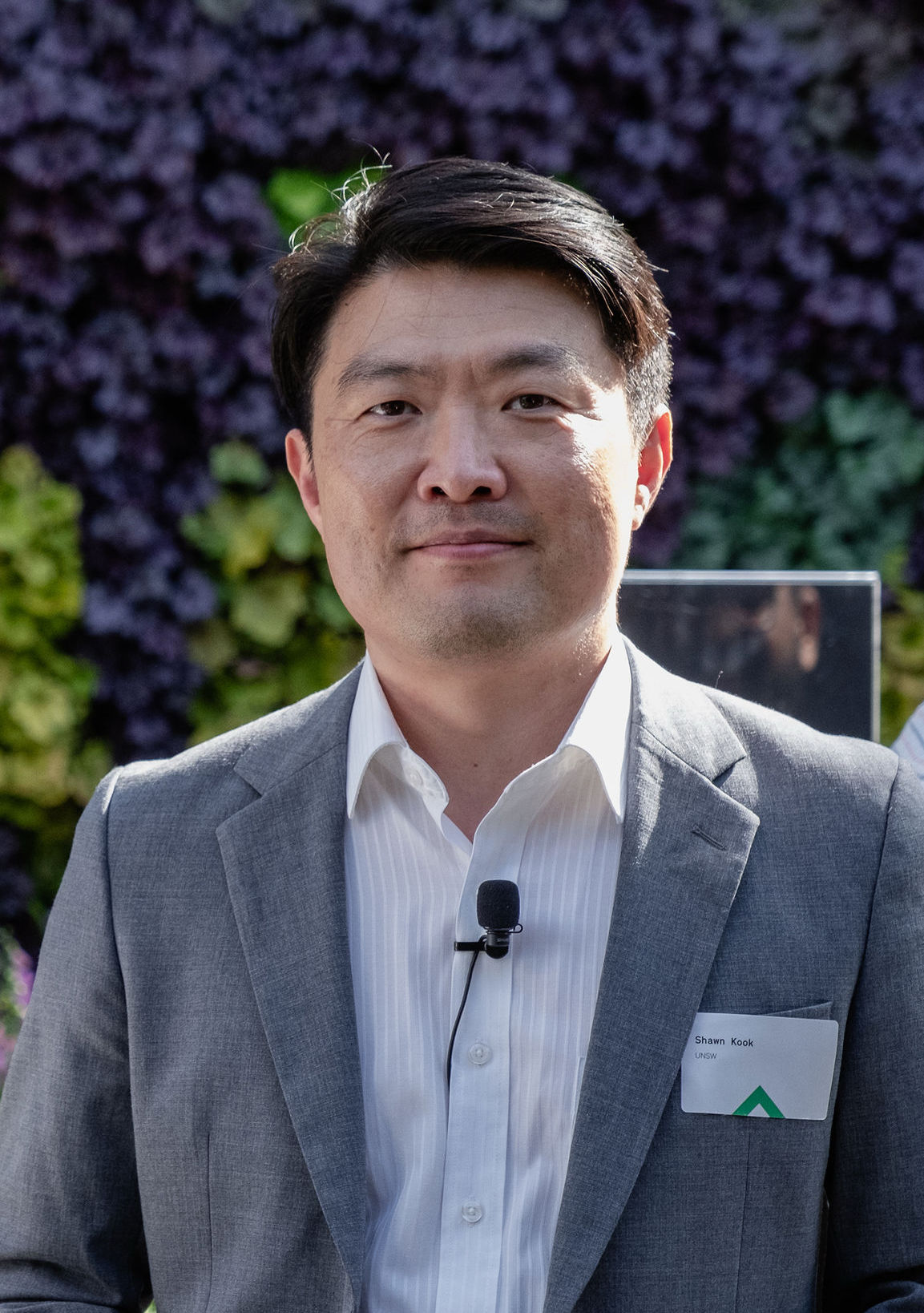
Professor Shawn Kook is a faculty member at the University of New South Wales (UNSW), where he directs the UNSW Engine Research Laboratory and conducts cutting-edge research in engine technologies and sustainable powertrain systems. His work focuses on developing new powertrain technologies for carbon neutral fuel combustion across various applications. His research expertise spans multiple critical areas: Internal Combustion Engines (Petrol/Gasoline, Diesel, Gasoline Compression Ignition, Dual-Fuel) Alternative Fuels (Hydrogen, Ethanol, Biodiesel, Natural Gas, Kerosene, Gas-To-Liquid) Optical Engines and Laser-based Imaging Diagnostics In-cylinder Flow Fields, Turbulence, and Combustion Processes Pollutants Formation (Soot, Particle Morphology, NOx, HC, CO, CO2) Professor Kook's research program investigates new diesel compression-ignition (CI) and petrol spark-ignition (SI) engines developed for high efficiency and low air-polluting emissions, including cooperation with other power generation methods such as gasoline-electric hybrids. His carbon neutral fuel research encompasses hydrogen, ethanol, methanol, jet fuel, biodiesel, and other renewable source fuels. The recent publications show a strong trend toward hydrogen combustion, optical diagnostics of in-cylinder processes, and alternative fuel research with emphasis on emissions reduction. He actively supervises research students focusing on internal combustion engines, CI engines, SI engines, energy & fuels, turbulence, and hydrogen technologies. Professor Kook has also founded DeCarice Pty Ltd, a UNSW spinout company where he serves as co-founder and chief technology officer, demonstrating his commitment to translating research into commercial applications.
Dr. Srishti Banerji is an Assistant Professor in the Department of Civil and Environmental Engineering at Utah State University and Director of the Systems, Materials, and Structural Health (SMASH) Lab. She leads research on advanced construction materials, structural resilience under extreme loads (particularly fire), sustainable infrastructure, and structural health monitoring. Her group focuses on experimental testing, numerical simulations, and developing design solutions for civil infrastructure. Education: PhD in Civil (Structural) Engineering, Michigan State University (2021) MS in Civil (Structural) Engineering, Concordia University (2016) BS in Civil Engineering, National Institute of Technology Silchar (2013) Research Focus: Her work spans: 1) Characterization of high-performance/sustainable materials (e.g., UHPC, recycled glass pozzolan), 2) Structural behavior under fire exposure, 3) Integration of electric charging systems in concrete pavements, 4) Non-destructive testing and structural health monitoring, and 5) Retrofitting techniques for infrastructure strengthening. She employs machine learning, thermo-mechanical modeling, and full-scale experimentation. Publication Trends: Her 13+ journal articles primarily analyze fire resistance of concrete/timber structures, UHPC material properties at high temperatures, sensor-based infrastructure monitoring, and sustainable material development. Recent works increasingly incorporate machine learning and electrification concepts. Awards & Honors: Teacher of the Year (USU, 2025) ASCE ExCEEd Faculty Teaching Fellowship (2023) Top Cited Article Award, Fire and Materials Journal (2023) SHMII-11 Early Career Grant (2022) NSERC Scholarship (2015) Best Conference Paper (SEC 2016) Current Projects & Teams: She leads 5+ funded projects including fire performance of polymer concrete, self-healing concrete for bridges, and Utah-sourced UHPC development. Mentees include 3 PhD students (Abdullah Al Sarfin, Mehrnoosh Nazari, Mahmoud Ali) and alumni working on sustainable materials and additive manufacturing.
Vera Popovich is a researcher in the Department of Mechanical Engineering at Delft University of Technology and a member of Team Vera Popovich. Her work focuses on advanced manufacturing techniques and material behavior analysis. Education: MSc in Engineering (implied PhD) Her research spans additive manufacturing, microstructure engineering, and material degradation mechanisms: Specializes in additive manufacturing processes and their impact on material microstructure. Investigates hydrogen embrittlement in high-strength steels. Pioneers texture control for corrosion resistance in NiTi alloys. Studies fatigue crack propagation in bi-material systems. Recent publications highlight computational modeling of grain structures, interface mechanics in wire-arc additive manufacturing, and advanced characterization techniques for material degradation. She contributes to editorial activities as an editor for Applied Sciences . Scientific Awards: 2012 Poster Prize: X-ray diffraction stress analysis in silicon solar cells She collaborates on projects like the Rhizome initiative (2021-2022) for off-Earth habitat robotics and participates in public engagement, including a 2023 media feature on Delft's 3D-printing lab.
Steven Y. Liang , Regents' Professor at the Georgia Institute of Technology 's Woodruff School of Mechanical Engineering, focuses on precision manufacturing , additive manufacturing , and materials-driven process optimization . His research program bridges materials science and computational mechanics to develop predictive models for advanced manufacturing systems. Ph.D., University of California, Berkeley (1987) M.S., Michigan State University (1984) B.S., National Cheng-Kung University, Taiwan (1980) Dr. Liang's work emphasizes physics-based modeling of thermal-mechanical interactions in machining and additive manufacturing, particularly for Ti6Al4V and Inconel 718 alloys. Recent publications highlight tool wear prediction , laser-assisted micro-milling , and residual stress modeling using machine learning and analytical mechanics. His research has been recognized with the ASME Milton C. Shaw Manufacturing Research Medal (2016) , SME Gold Medal (2021) , and Outstanding Lifetime Service Award of NAMRI/SME (2021) , among others. Funded by federal agencies and aerospace/automotive industries, his work provides scientific foundations for process planning and optimization.
Mario Bourgault is a Full Professor in the Department of Mathematics and Industrial Engineering at École Polytechnique de Montréal. He serves as Head of Graduate Programs in Technology Project Management and holds the Pomerleau Industrial Research Chair in Innovation and Construction Project Governance. His research excellence spans Environment, Economy, and Society, with secondary focus on Industry of the Future and Digital Society, and Sustainable Transport and Infrastructures. Department of Mathematics and Industrial Engineering, École Polytechnique de Montréal Pomerleau Industrial Research Chair in Innovation and Construction Project Governance (Chairholder) Member, The Michael D. Penner Institute on ESG issues Member, Interdisciplinary Research Center for the Operationalization of Sustainable Development (CIRODD) Member, Poly-Industries 4.0 Laboratory Member, Research Group on Globalization and Management of Technology (GMT) Member, Risk & Performance Center (CRP) Bourgault's research centers on technological projects management, construction and infrastructure, innovation management, interorganizational collaborations, and epistemology of professional practice. His work bridges industrial engineering with management science and technology, focusing on practical applications in construction innovation and sustainable development. Recent research emphasizes eco-responsible behaviors in construction, wood construction for decarbonization, and occupational safety with emerging technologies like exoskeletons. His publication trends reveal a strong trajectory toward sustainable construction practices, digital transformation in construction (Construction 4.0), project resilience frameworks, and international technology adoption challenges. He has published extensively on integrated project delivery systems, interorganizational collaboration models, and earned value management implementation. His research increasingly addresses environmental sustainability and decarbonization in the construction sector, with multiple 2024-2025 publications on wood construction and eco-responsible behaviors. Mario Bourgault has supervised an extensive number of graduate students throughout his career, including 9 completed PhD theses, 28 completed Master's theses, and currently supervising 2 PhD students, 2 Master's thesis students, and 20 professional Master's students. His teaching portfolio includes courses on technology project processes and configuration, systems engineering management, resource acquisition, integrated project management, multi-project management, major projects and consulting engineering, and international project management. He actively contributes to multiple research teams and laboratories, particularly the Poly-Industries 4.0 Laboratory where he explores digital transformation in construction, and the Risk & Performance Center where he develops project resilience frameworks. His work with the Pomerleau Industrial Research Chair focuses on innovation and governance in construction projects, addressing industry challenges like productivity improvement and housing crisis solutions through industrialization and prefabrication.