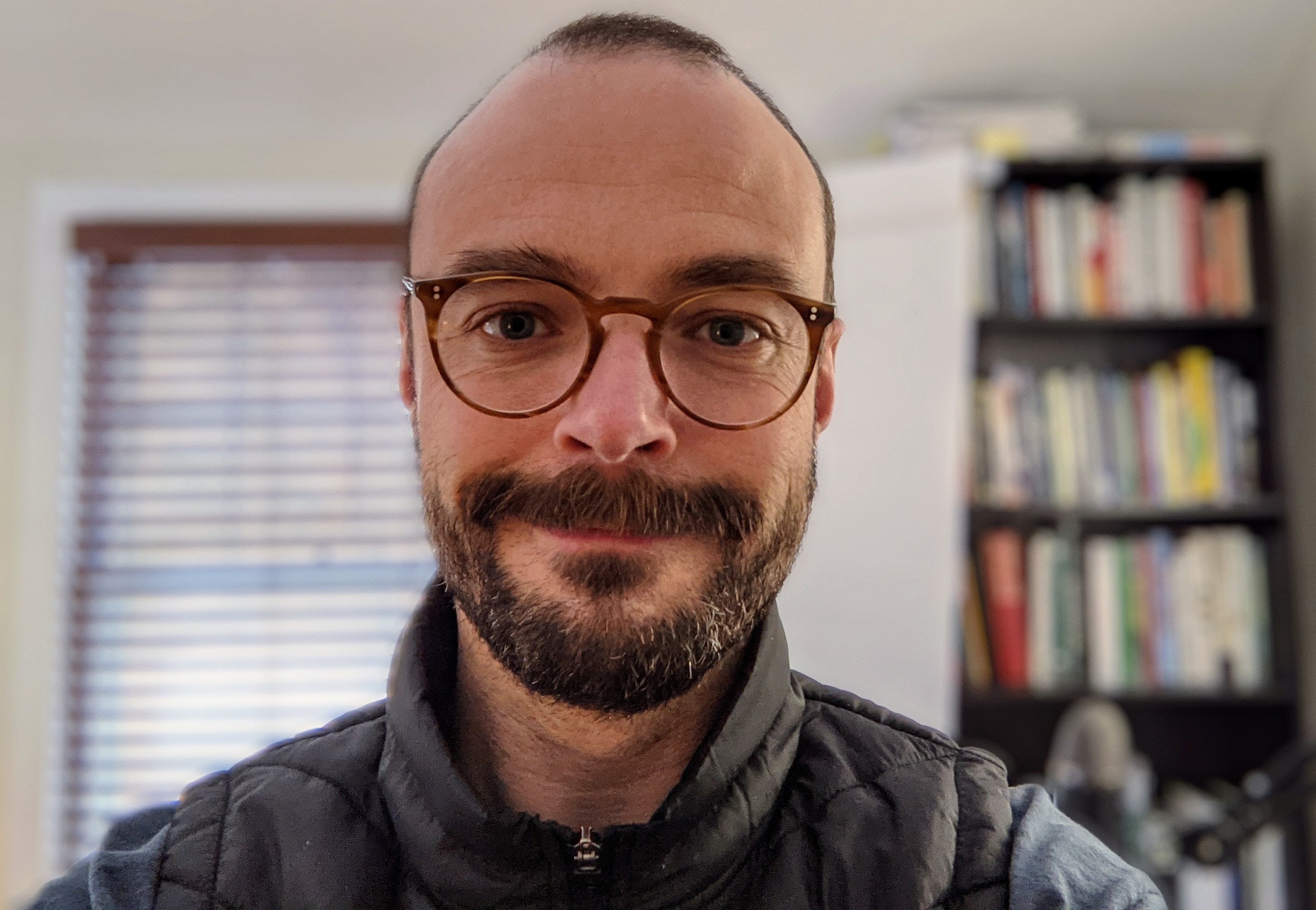
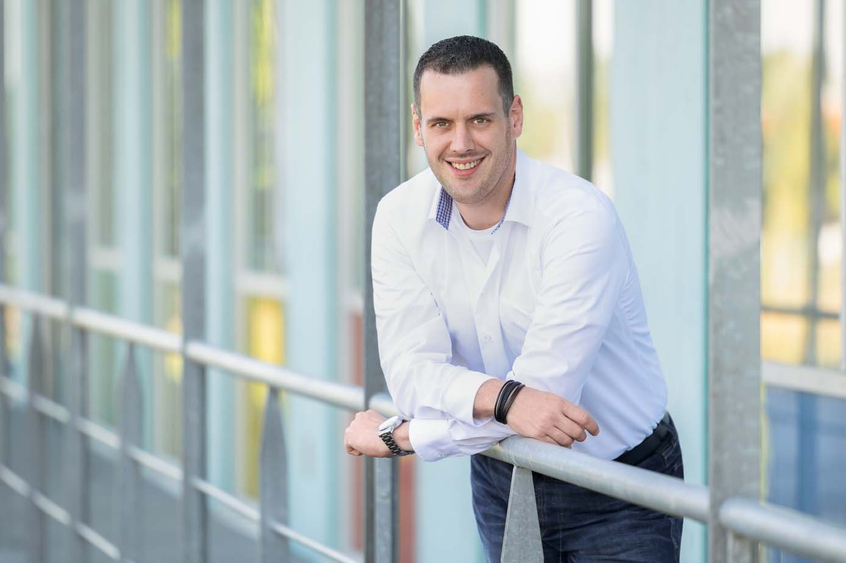
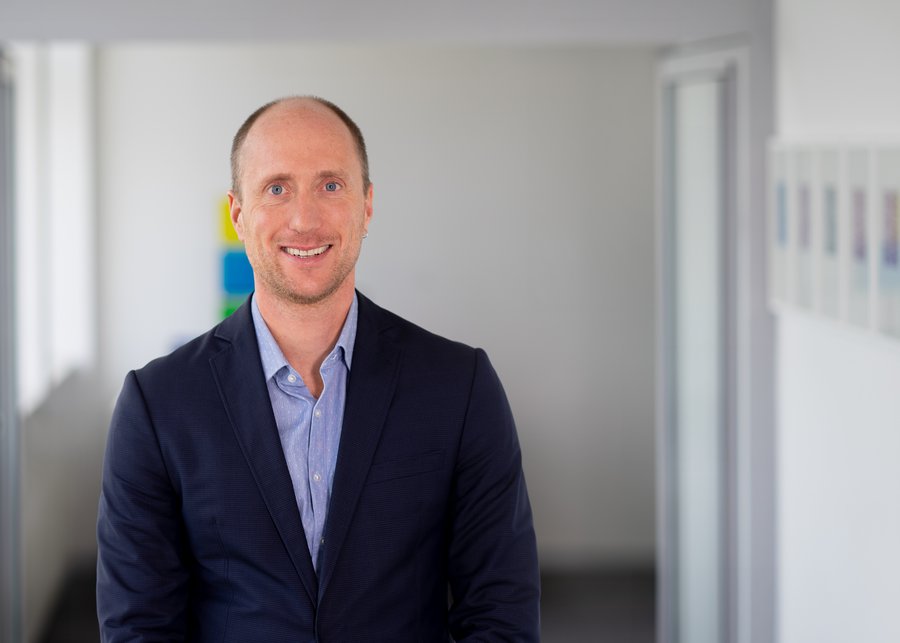
Darko Velić is a Full Professor at the Department of Process Engineering, University of Osijek. His work focuses on biotechnical sciences and food technology, with expertise in food processing, fermentation, and waste valorization. He leads research in fruit wine production, functional foods, and sustainable technologies for agro-industrial byproducts. Affiliations: University of Osijek, Department of Process Engineering Education: Advanced degrees in Biotechnical Sciences (not explicitly detailed in text) Research Interests: The professor explores topics such as wine yeast starter cultures, antioxidant activity in blackberry wines, and ultrasound-assisted extraction of bioactive compounds. His work emphasizes sustainable solutions like using lignocellulosic waste as biosorbents and optimizing spray drying processes for food waste utilization. Publications: His 68+ publications span fruit wine chemistry, food engineering, and environmental applications. Recent work includes studies on wild apricot vermouth maturation and electrochemical detection of vitamin C. Awards: No specific awards listed, but his contributions to food technology and biotechnology are well-recognized through extensive publication and research activity. Advising and Grants: Supervised doctoral candidates like Esma Karahmet Farhat and Mario Kovač. Engaged in projects funded by Croatian and international research initiatives.
Prof. Dr. Malte Beinhauer serves as Professor of Business Administration with a focus on Corporate Management and Organization at Saarland University of Applied Sciences since January 2009. He holds leadership roles including Dean of the Faculty of Economics and previously served as Program Director for the part-time Business Administration Bachelor's program. His academic journey includes a doctorate under Prof. Dr. Dr. h.c. mult. August-Wilhelm Scheer at the German Research Center for Artificial Intelligence (DFKI) in Saarbrücken. His research spans Corporate Management, Organizational Change, and Knowledge Management with recent emphasis on AI applications in business processes. Current investigations focus on Design Thinking with ChatGPT in student innovation projects, reflecting his ongoing engagement with emerging technologies. His work demonstrates consistent evolution from early research on Knowledge Communities (2004) through Enterprise 2.0 impacts (2010-2012) to current AI integration studies. Notable recognition includes a 2001 Research Scholarship from the University of California, Berkeley. His publications reveal strong industry connections through collaborations with major corporations including BMW, Daimler, E.ON, KPMG, and Volkswagen. As an active academic leader, he serves on multiple university committees including Senate membership, Master's Program Admission Committee for International Management, and as International Liaison Officer for the Faculty of Economics. His professional background combines 25 years of academic and industry experience in process, project, IT, knowledge, and change management.
Professor Malte A. Peter is a distinguished faculty member at the University of Augsburg, holding a professorship in Applied Analysis within the Faculty of Mathematics, Natural Sciences, and Materials Engineering. He serves as Vice-director of the Centre for Advanced Analytics and Predictive Sciences and is a member of the board of directors of the AI Production Network at the University of Augsburg. His leadership extends to international collaborations as a Local representative of the Association of Applied Mathematics and Mechanics (GAMM) and as an Associate editor of Nature Scientific Reports. His research spans mathematical modeling of wave phenomena, homogenization theory, and multiscale analysis. Key areas include water wave scattering, periodic homogenisation, physico-chemical mechanisms in multiscale media (porous media, biological cells), microfluidics, and materials science. His work bridges theoretical mathematics with practical applications in engineering and physics, particularly in understanding wave propagation through complex media and developing mathematical frameworks for evolving microstructures. Peter's publication record demonstrates consistent advancement in wave scattering theory, with recent work focusing on multiple wave scattering in locally resonant materials, homogenization of evolving microstructures, and computational methods for complex material behavior. His research shows increasing interdisciplinary collaboration, particularly with physicists and engineers working on metamaterials, wave energy applications, and material characterization. The trajectory indicates growing emphasis on computational implementations of theoretical frameworks. Life membership at Clare Hall, University of Cambridge (2023) Visiting fellowship at Clare Hall, University of Cambridge (2023) Gavin Brown Best Paper Prize of the Australian Mathematical Society (2021) Bremer Studienpreis 2007 (Rotary Club Bremen–Roland Prize) (2008) Admission to the German National Academic Foundation (2001) As leader of the Modelling and Simulation workgroup, Peter directs research on mathematical approaches to complex physical phenomena. His current externally funded projects include 'Novel approaches for the multidimensional convexification of inelastic variational models for fracture' (DFG-SPP 2256) and 'Effective factorisation techniques for matrix functions' (H2020-EU.1.3.). His previous projects have addressed carbon fiber reinforced concrete, lipid membrane dynamics, and electromagnetic emissions from crack propagation. His research program maintains strong international connections, particularly with Australian institutions and the Isaac Newton Institute. Peter leads the 'Workgroup Prof. Dr. M. A. Peter - Modelling and simulation' at the University of Augsburg, which includes research associates Dr. Tanja Lochner, Dr. Sophie Thery, and Lucas Fix, along with computational mathematics specialists Dr. Loïc Balazi and Timo Neumeier. The group collaborates extensively with international partners, particularly through the Isaac Newton Institute programmes and Australian research institutions. Current projects focus on mathematical frameworks for wave scattering, homogenization of evolving microstructures, and computational methods for material failure analysis.
Luis Noguera Artiaga is an Assistant Professor in the Department of Agro-Food Technology at Universidad Miguel Hernández (UMH), specializing in food science and technology. His academic activities are centered at the university's facilities in Orihuela (Alicante), Spain, within the University Institute for Agro-food and Agro-environmental Research and Innovation. His research focuses on food quality analysis , sensory evaluation , and sustainable agricultural practices , with particular emphasis on volatile compound profiling, irrigation strategies for Mediterranean crops, and novel food product development. Current teaching responsibilities include coordinating Sensory Analysis courses for Bachelor's and Master's programs in Food Science and Agro-Food Technology. Analysis of his 15 most recent publications (2024-2025) reveals consistent research themes: Sensory and physicochemical characterization of plant-based foods, fruits, and nuts Irrigation optimization for water-stressed Mediterranean crops Volatile compound analysis in wines, table grapes, and traditional foods Sustainable valorization of agricultural byproducts (e.g., apple pomace, pistachios) His work frequently employs analytical chemistry techniques combined with consumer sensory testing. Teaching activities demonstrate strong engagement with practical food science education: Bachelor's courses: Food Law, Physico-Chemical Properties, Process Fundamentals, Sensory Analysis, Unit Operations Master's courses: Aromatic Profile Analysis, Sensory Innovation Regular tutorials held Wednesdays and Thursdays (9:00-12:00) As a member of the Food Quality and Safety research group, he collaborates on projects related to agricultural sustainability and food innovation, with physical workspace located in the Agro-Food Technology building at Carretera de Beniel Km 3.2.
Malte Ziewitz is an Associate Professor in the Department of Science & Technology Studies at Cornell University , where he also directs the Digital Due Process Clinic . His research explores the sociotechnical dynamics of data-driven systems, blending ethnographic methods with critical inquiry into computational governance. Education : D.Phil. in Management Studies from University of Oxford, M.P.A. in Public Administration from Harvard Kennedy School, First State Exam in Law from University of Hamburg Research Interests focus on: Algorithmic regulation and its societal impacts Ethics and governance of data-driven technologies Digital labor and platform economies Technological due process in data systems Ethnomethodological approaches to digital infrastructures Recent Publications examine: Algorithmic governance frameworks Ethics of search engine optimization Critical data subjectivity Digital labor alienation in tech industries Platform accountability mechanisms Evolving audit cultures in digital contexts Scientific Awards include: NSF Career Award McCloy Fellowship PGP Corporation Scholarship Multiple international research grants Teaching & Research spans courses on algorithmic governance, digital due process, and data valuation while advising students on: Interpretive methodologies STS research frameworks Empirical studies of digital systems Technological ethics in practice Labs & Teams include: Digital Due Process Clinic STS Talk-Walks monthly seminar Data Science & Society Lab Collaborative research networks
Klaas Reglitz is the Head of Subunit Integrated Data Management and Senior Researcher in the Aroma Chemistry group at the Leibniz-Institute of Food Systems Biology at the Technical University of Munich (TUM). His work focuses on identifying key odorants in foods and beverages using molecular sensory science techniques like automated solvent-assisted flavor evaporation (aSAFE) and gas chromatography-olfactometry (GC–O). He holds a Ph.D. (2016) and a Diploma in Brewing and Beverage Technology (2011) from TUM. Professional roles include Officer for Security and Head of Subunit Technology Ressort 1. Education: Dr. rer. nat. (2016), Technical University of Munich Diploma in Brau- und Getränketechnologie (2011), Technical University of Munich Research interests emphasize linking molecular compounds to sensory perceptions, optimizing food quality across agricultural and processing stages, and enhancing consumer eating pleasure. His methods bridge analytical chemistry and sensory evaluation to identify critical odorants influencing food quality. Teaching: Supervised 2 Diploma, 6 Master, and 3 Bachelor students at TUM and Hochschule Niederrhein. No scientific awards explicitly listed, though contributions to predictive hedonics and aroma chemistry are central to his work. Labs/Teams: Leads the Aroma Chemistry research group and manages the Integrated Data Management subunit, integrating analytical and sensory data for food systems biology applications.
Malte Esders is a post-doctoral researcher in the Machine Learning group at Technical University of Berlin, affiliated with the Berlin Institute for the Foundations of Learning and Data (BIFOLD). His research focuses on applying machine learning to physical sciences, including regularization of neural networks for quantum systems, force fields, and graph neural networks. He holds a B.Sc. in Cognitive and Neurobiological Psychology from Utrecht University (2014), an M.Sc. in Computational Neuroscience from the Bernstein Center Berlin (2017), and is completing a Ph.D. in Machine Learning at TU Berlin (expected 2025). His work with BASF on chemical plant simulations addressed challenges in modeling cyclic processes using fixed-point iteration and ML surrogates. Key contributions include developing methods to stabilize ML-based simulations through fine-tuning and exploring industrial applications of machine learning. His interdisciplinary background spans computational neuroscience, quantum systems, and robotics. Beyond research, Esders engages in technical collaborations, such as optimizing machine learning models for chemical engineering processes, and maintains a personal blog exploring topics like meditation, Linux system administration, and scientific experiments (e.g., broccoli sprouting optimization).
Dragan Kovačević is a Tenured Professor at the Faculty of Agriculture, University of Osijek, Croatia. His research focuses on food technology, biotechnical sciences, and food safety, particularly in meat processing, traditional food products, and environmental toxicology. He is based at the address Franje Kuhača 18, 31000 Osijek, Croatia, with an office in building 79/18. His work frequently examines polycyclic aromatic hydrocarbons (PAHs) in smoked and cured meats, additive effects in food products, and sustainable agricultural practices. Education & Research Interests : His expertise spans food chemistry, microbial safety, and the application of biotechnology in food production. He investigates contaminants in traditional foods, such as PAH formation during smoking processes, mycotoxin risks in fermented meats, and the impact of organic fertilizers on crop quality. Research Trends : Recent articles highlight his focus on reducing harmful contaminants in food processing (e.g., PAHs in malt and meat), optimizing traditional preservation methods (e.g., kulen fermentation), and exploring sustainable ingredients like Brewer’s Spent Grain. His work bridges food safety, agricultural innovation, and cultural culinary practices. Advising & Grants : No formal student advisees are listed, but his research impacts food industry standards and agricultural policies. He collaborates on projects addressing Croatia’s energy supply security and environmental challenges. Labs & Teams : While specific lab affiliations are not detailed, his research aligns with food safety, mycotoxin analysis, and agroecology teams at the Faculty of Agriculture.
Nik Willoughby is a Professor at Heriot-Watt University (HWU), affiliated with the School of Engineering & Physical Sciences and the Institute of Biological Chemistry, Biophysics and Bioengineering. He holds a PhD from University College London (1999) and has extensive experience in downstream bioprocessing, protein recovery, and cellular therapies. His research focuses on sustainable bioprocessing, novel separation methods, and valorization of industrial by-products such as malt whisky waste and langoustine shells. Research Interests: Bioprocessing and process development Protein and amino acid recovery Sustainable biorefineries Cellular therapy purification Agricultural waste valorization His work contributes to UN Sustainable Development Goals (SDGs) such as responsible consumption and production (SDG 12) and life below water (SDG 13). He co-founded Horizon Proteins, a company commercializing whisky by-product protein recovery, and serves as its CTO. He chairs the Scottish Bioeconomy Council, shaping national industrial biotechnology strategies. Recent research highlights include studies on whisky fermentation kinetics, algal biomass dewatering via microfluidics, and circular biorefinery design for spent grains. His publications span 54 peer-reviewed articles since 1999, emphasizing industrial symbiosis and resource efficiency.
Damaris Okafor is a Lecturer in the Department of Food Science and Technology at Federal University of Technology Owerri, Nigeria. Her academic career includes a Master's degree from the University of Alberta (2022) in Bioresource Technology and an earlier Master's in Food Science and Technology (2012) from the same institution. She is currently pursuing a PhD in Engineering Sciences at the Estonian University of Life Sciences. Okafor specializes in food processing, enzymology, and nutritional analysis, with a focus on improving food safety, product development, and sustainable agricultural practices. Her research spans topics such as starch modification, fermented foods, and the valorization of plant-based resources. Education: PhD in Engineering Sciences (ongoing), Estonian University of Life Sciences (2021–) MSc in Bioresource Technology, University of Alberta (2019–2022) MSc in Food Science and Technology, Federal University of Technology Owerri (2008–2012) BSc in Food Science & Technology, Imo State University (1998–2003) Research interests include the application of enzymes in food processing, functional food development, and the nutritional evaluation of plant-based products. She has contributed to studies on cassava, yam, and legumes, focusing on enhancing their nutritional value and reducing anti-nutritional factors. Okafor’s work also addresses challenges in sustainable food production, such as optimizing fermentation processes and utilizing waste materials (e.g., fruit peels) in food products. Her publications reflect a strong focus on food chemistry, biotechnology, and product development. Notable research includes the characterization of biomass feedstocks, the functional properties of blended flours, and the antimicrobial activities of oyster mushrooms. Over the years, she has received several awards, including grants from the University of Alberta and the Tertiary Education Trust Fund (TETFUND). Okafor advises on food science projects and collaborates on grants aimed at advancing food technology in Nigeria. Her contributions to food quality and safety have positioned her as a key researcher in West African food science networks.
Malte Wagenfeld is a Senior Lecturer in the School of Design at RMIT University, Australia. He is based at the City Campus and actively supervises postgraduate research projects in domains such as sustainable design, sensory environments, and digital fabrication. His work bridges theoretical research and creative practice, emphasizing interdisciplinary collaboration. His research interests encompass Design Practice and Management, Architecture, Visual Arts and Crafts, and Built Environment and Design. He explores how design shapes lived experiences through the lens of air, interior atmospheres, sensory perception, phenomenology, and climate change. Notable topics include the agency of material processes, regenerative design methodologies, and the integration of technology into environmental and spatial systems. Malte’s recent publications highlight trends in urban climate analysis, regenerative design, and the application of digital tools for environmental experiments. His creative works and installations often investigate atmospheric dynamics, material agency, and the interplay between art and architecture. Scientific Awards: None explicitly mentioned in the provided texts. In advising and grants, he has guided projects on Saudi Crafts transformation, makerspaces empowerment, and self-growing materials. While specific grant details are not provided, his work emphasizes industry collaboration and innovation. Malte is part of RMIT’s Collaboration Network, engaging in interdisciplinary projects that merge design, environmental science, and technology.
Professor Charles Brennan serves as the Chief Scientific Director of the Food & Nutrition Innovation Hub at RMIT University's STEM College in Australia. His research focuses on Food Sciences with emphasis on functional foods, starch digestion, and bioactive compounds. Recent research outputs include 15 publications spanning topics like space nutrition , antimicrobial packaging , and bioactive mushroom compounds . His work explores applications of starch-phenolic complexation for glycemic control, fermented vegetable products with Australian ingredients, and elderly formula foods . He supervises research projects in protein hydrolysates , resistant starch sources , and nutritional interventions . Contact: charles.brennan@rmit.edu.au
Prof. Dr. rer. nat. Malte Prieß is a Professor for Cloud Technologies at Kiel University of Applied Sciences since October 20224, following eight years as Dean and Professor of Applied Computer Science at Schleswig-Holstein Cooperative State University (DHSH) . He teaches modules including Cloud Computing , Web Applications , and Advanced Cloud Computing , with additional involvement in Agile Development Methods and Software Engineering . Academic Background: Diploma in Physics (with distinction) from Leibniz University Hanover and Max Planck Institute for Gravitational Physics (2002-2007) Dr. rer. nat. (magna cum laude) from Kiel University in Algorithmic Optimal Control (2008-2012) Research Interests focus on the intersection of cloud computing, artificial intelligence, and modern software engineering . His work includes surrogate-based optimization for climate models, AI-driven document capture systems , and ethical considerations in AI deployment within project work. Recent Publications demonstrate expertise in AI vulnerability assessment , deep learning training optimization , and document search algorithms for governmental agencies. Scientific Recognition: Best Paper Award at CLOUD COMPUTING 2025 for "Graph of Effort" vulnerability assessment Accepted fellowship at AI Campus (Stifterverband) for "Teaching AI, learning AI at DHSH" (2022) Research Projects: Central Innovation Programme for SMEs (ZIM): "AI MODULES for the skilled trades" (2024/25) HR dashboard for DRK Schwesternschaft, Lübeck Scalable Data Analytics project under BMBF FHprofUnt program (2018)
Prof. Dr. Malte Schilling works at the University of Münster within the Department of Mathematics and Computer Science . His research focuses on the intersection of Artificial Intelligence , Robotics , and Neuroinformatics , with particular emphasis on Deep Reinforcement Learning and Modular AI Systems . He leads projects like Tutor.AI , a science-based learning assistant, and develops Predictive AI models for e-mobility in trucking . His recent publications highlight innovative approaches in biomimetic robotics , including decentralized controllers for hexapod locomotion and neuroWalknet architecture for context-dependent behavior. He also contributes to graph-based learning models for traffic prediction and explainable AI through counterfactual generation. Collaborative work spans institutions and disciplines, reflecting his interdisciplinary focus. Malte Schilling's research integrates principles from neuroscience and computational biology to enhance AI adaptivity. He applies these insights to robotic systems and real-world challenges like urban mobility prediction. His work demonstrates strong connections between theoretical computer science and practical AI implementations .
Malte Weber is a researcher at the Chair of Biomedical Physics, affiliated with the TUM Faculty of Medicine and the TUM Department of Physics at the Technical University of Munich . His work focuses on advancing X-ray imaging techniques for clinical applications and optimizing grating fabrication processes. Research Interests Translation of phase contrast and dark-field CT into clinical environments Quality assessment and characterization methods in X-ray grating fabrication Presentations Oral Presentation at IMXP 06.2024: 'Advances in X-Ray Grating Fabrication for Enhanced Imaging Techniques' Poster Presentation at ICXS 06.2024: 'Advances in X-Ray Grating Fabrication for Enhanced Imaging Techniques' Contact Phone: +49 (89) 289 - 10861 Email: malte.weber@tum.de