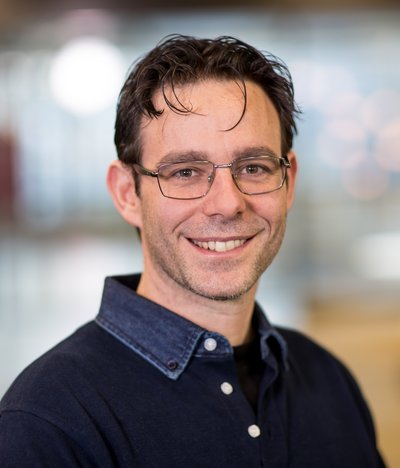
Massimo Mischi is a Full Professor at the Faculty of Electrical Engineering of the Eindhoven University of Technology (TU/e) and chairs the Signal Processing Systems (SPS) Division , the largest division at TU/e with over 250 researchers. He founded the Biomedical Diagnostics (BM/d) Lab in 2012, which now includes 180 researchers and clinical/industrial advisors, focusing on biomedical signal processing for diagnostics and monitoring.
Qian Tao is an Assistant Professor at the Department of Imaging Physics , Faculty of Applied Sciences , Delft University of Technology . She previously worked at the Division of Image Processing, Department of Radiology, Leiden University Medical Center from 2009 to 2020. Academic Background: BSc in Electrical Engineering (Fudan University), MSc in Biomedical Engineering (Fudan University), PhD in Biometric Authentication (University of Twente) Research Interests: Focus on trustworthy AI methodologies for critical healthcare applications, including medical imaging for patient diagnosis and clinical intervention. Specializes in cardiac MRI analysis, image-guided interventions for cardiac arrhythmias, and AI in Radiology. Publication Trends: Recent work emphasizes motion correction in cardiac MRI, deep learning for image registration, and novel techniques like TRAFF2 mapping. Keywords include Medical Imaging , Machine Learning , Cardiac MRI , and Quantitative Analysis . Contact: Email: Q.Tao@tudelft.nl
Michel Versluis is a Full Professor at the University of Twente, Netherlands, specializing in Physical and Medical Acoustics within the Physics of Fluids group. His work focuses on microbubbles and microdroplets for medical imaging and therapy, as well as microfluidic applications in medicine and nanotechnology. University of Twente, Physics of Fluids group His research bridges physics and biomedical engineering, with publications in high-impact journals like PNAS and IEEE Transactions. Recent work emphasizes ultrasound-driven microbubble dynamics, additive manufacturing of flow phantoms, and deep learning for super-resolution imaging. 2025 publications: vascular phantoms, PROTEUS simulator, acoustic microbubble control 2024 innovations: 3D-printed medical devices, immunogenic cell death optimization Contact: m.versluis@utwente.nl
Dr. Daan van Rooij serves as an Assistant Professor in the Department of Experimental Psychology at Utrecht University's Faculty of Social and Behavioural Sciences. His academic work is centered within the Helmholtz Institute Experimental Psychology research program under Chair Kenemans. His research expertise spans Cognitive Neuroscience, Functional Magnetic Resonance Imaging, Psychology, Disruptive Behaviour Disorders (specifically ADHD, ODD, CD), Cognitive Development, and Artificial Intelligence. Van Rooij employs fMRI and EEG imaging metrics to study brain development during childhood and adolescence, with particular focus on understanding how biological and environmental factors shape the development of impulsive behavior in youth. His scholarly publications demonstrate strong contributions to autism research, ADHD symptomology, and the genetic architecture of brain structures, with work appearing in high-impact journals including Molecular Autism, NeuroImage: Clinical, and Nature Genetics. Dr. van Rooij teaches various courses within the bachelor and master programs of Applied Cognitive Psychology, as well as AI bachelor and master tracks at Utrecht University, including courses such as 'Artificial Intelligence for an Open Society' and 'Experimentele methoden en statistiek' (Experimental Methods and Statistics).
Nena Lejko serves as a Lecturer in the Department of Social Sciences at University College Groningen, University of Groningen. Her research focuses on neurocognitive mechanisms in psychiatric and neurodegenerative conditions, with particular expertise in neuroimaging techniques. Her primary research interests include Mild Cognitive Impairment , Functional Connectivity analysis, Dissociative Disorders , and application of Electroencephalography and fMRI in clinical populations. Current work examines biomarkers for acute dissociation and planning deficits in cognitive impairment. Lejko's publication portfolio demonstrates strong trends in neuroimaging methodology applied to cognitive decline, with significant emphasis on meta-analytic approaches and translational neuroscience. Her 2020 meta-analysis on alpha power connectivity has garnered substantial attention with 48 Scopus citations and Wikipedia references. Research collaborations span multiple institutions, with notable partnerships at University Medical Center Groningen. Her work shows consistent funding support evidenced by open-access publication status and research metrics indicating significant real-world impact through news coverage and social media engagement.
Dr. Ben Harvey is an Associate Professor (with Ius Promovendi) in the Perception Group of the Department of Experimental Psychology at Utrecht University, Netherlands, within the Faculty of Social and Behavioural Sciences. He is based at the Helmholtz Institute and can be contacted at b.m.harvey@uu.nl. Harvey completed his DPhil at Oxford University with Professor Oliver Braddick in 2009, followed by postdoctoral work with Professor Serge Dumoulin at Utrecht. In 2015, he moved to Coimbra on a starter grant from the Portuguese Foundation for Science and Technology before returning to Utrecht in 2016 as an Assistant Professor. He was promoted to Associate Professor in 2019 and has led his own research group since 2015. Harvey's research focuses on characterizing sensory and cognitive systems in the human brain, particularly neural responses and computations within these systems. His work combines cutting-edge neuroimaging approaches with computational modeling and behavioral experiments. Initially studying the early visual system as a model of neural processing, he extended invasive animal neurophysiological approaches to non-invasive human neuroimaging. His recent work investigates neural responses underlying cognition in the human association cortex, examining how visual space and number processing differs between cultures and in clinical disorders. His fingerprint reveals expertise in Functional Magnetic Resonance Imaging, Numerosity, Receptive Field, Visual Cortex, Population Receptive Field, Nerve Potential, Early Visual Cortex, and Topographic Maps. His publication record demonstrates significant impact, with works like 'Topographic representation of numerosity in the human parietal cortex' (2013) receiving over 360 citations. His research spans visual neuroscience, with emphasis on how the brain processes visual information, attention mechanisms, and numerical cognition, revealing generalized quantity processing systems in the human brain. Award for highest-rated abstract (2013) Brain Centre Rudolph Magnus Research Award (Best Paper of the Year) (2014) Causal link between cortical organization and conscious perception: human fMRI and electrophysiology (2009, 2010) Harvey has been actively engaged in knowledge dissemination, with multiple invited talks at institutions including INSERM in Paris (2016) and the University of Parma (2015). His research has received significant media attention, with interviews on National Public Radio (NPR) USA, Livescience.com, and Science Magazine in 2013. Beyond academic publications, he writes popular science articles exploring the relationship between visual neuroscience and visual arts. As part of the Helmholtz Institute Experimental Psychology research program, Harvey collaborates widely to investigate visual space and number processing across different populations, contributing to our understanding of how these cognitive functions vary between cultures and in clinical disorders.
Prof. Sarthak Misra is a Full Professor in Medical Robotics at the University of Groningen’s Faculty of Medical Sciences, affiliated with the University Medical Center Groningen (UMCG). He leads research in the Robotics and image-guided minimally-invasive surgery (ROBOTICS) group and the Basic and Translational Research and Imaging Methodology Development in Groningen (BRIDGE) team. His work focuses on advancing medical robotics, microrobotics, and magnetic actuation technologies for surgical and biomedical applications. He holds an ORCID identifier and has published over 127 research outputs, including high-impact articles in journals like Advanced Materials Technologies and European Heart Journal . His research addresses challenges in minimally invasive surgery, soft robotics, and smart materials. Media engagements highlight his contributions to robotic surgery and addressing healthcare workforce shortages through automation. Research interests include: Microrobotics and fluidic systems Magnetic and acoustic actuation for medical devices Soft robotic systems for surgical applications Image-guided interventions 3D printing for biomedical robotics His recent articles emphasize innovations like MagNoFE3D printing and magnetic probes for endovascular interventions. Collaborations span global institutions, reflecting his interdisciplinary approach. No explicit awards are listed, but his extensive media coverage and 127+ publications underscore his impact. He is involved in grants, including OTP-funded projects, and mentors students in advanced robotics and medical engineering.
Sita M.A. Bierma-Zeinstra is a Full Professor in the Department of General Practice at Erasmus MC, Erasmus University Rotterdam. Her academic work is deeply rooted in clinical and epidemiological research, particularly in the domain of musculoskeletal health and primary care. She is a leading figure in osteoarthritis research, focusing on knee and hip osteoarthritis, risk factors, and patient outcomes. Her research interests are centered on osteoarthritis epidemiology , primary health care interventions , biomechanics , and patient-centered outcomes . She employs advanced methodologies such as Mendelian randomization, cohort studies, and randomized controlled trials to investigate causal relationships and long-term disease trajectories. Her work emphasizes early diagnosis, prevention, and non-surgical management of joint disorders. The recent trend in her publications reveals a strong emphasis on large-scale collaborative studies , including meta-analyses from international consortia like World COACH. Her research spans clinical medicine, public health, and data-driven epidemiology, often integrating imaging, genetic, and patient-reported data. She frequently publishes in high-impact orthopedic and rheumatology journals such as Osteoarthritis and Cartilage . She has supervised over 60 research projects, including doctoral theses, indicating a strong commitment to academic mentorship and training the next generation of researchers in musculoskeletal medicine. Her work has been recognized through widespread academic engagement, with mentions in news outlets and discussions on social media platforms like X (formerly Twitter), as well as readership on Mendeley, indicating broad scholarly impact.
Gonzalo Nápoles is an Assistant Professor at Tilburg University's School of Humanities and Digital Sciences, Department of Cognitive Science and AI. He holds a Doctoral Degree in Computer Science from Rough Cognitive Networks (2014–2017). His research focuses on AI applications in cognitive modeling, pattern classification, and neural networks with interdisciplinary applications in healthcare, finance, and social sciences. Key research areas include Fuzzy Cognitive Maps, data augmentation techniques for neuroimaging, and interpretable machine learning systems. He actively contributes to UN Sustainable Development Goals related to education and innovation. Recent work explores AI ethics, financial risk assessment using dynamic networks, and sensory processing disorder analysis through neural networks. Education: Doctoral Degree in Computer Science, 2017 (Thesis: Rough Cognitive Networks) Prize-winning research includes Best Paper Awards at CIARP 2021 and IWAIPR 2023. He collaborates internationally, hosting academic visitors and serving on multiple PhD committees. Current projects involve stock prediction using graph neural networks and fMRI data augmentation methodologies. Awards: Best Paper Award - CIARP 2021 Best Paper Award - IWAIPR 2023 Nápoles advises on PhD theses in cognitive science and AI applications. His work bridges theoretical advancements with practical implementations in healthcare, finance, and urban systems.
Giulio Dagnino is Associate Professor of Robotics and Mechatronics at the University of Twente and concurrently holds an appointment at the Digital Society Institute. His research integrates medical robotics, real-time perception and haptics to create MR-compatible platforms for endovascular surgery, earning an h-index of 17 and 971+ citations. Education & Career: PhD (details not specified in source) leading to faculty appointment at University of Twente. Promoted to Associate Professor with cross-appointments in Robotics & Mechatronics and Digital Society Institute. Research Interests: Prof. Dagnino’s core interest is medical robotic systems that can operate safely inside an MRI scanner. His work spans haptic guidance, real-time computer vision, soft robotic actuation, synthetic data generation and surgical simulation. By combining ferrofluid actuation, electromagnetic tracking and deep-learning-based scene understanding, he aims to reduce ionizing radiation exposure, enhance navigation accuracy and shorten procedure times for minimally invasive endovascular interventions. Publications Trend: Across 44 outputs (2010-2025) the portfolio reveals a clear evolution from early vision-based microsurgery and fracture-robot systems (2010-2016) toward holistic endovascular platforms integrating MR guidance, haptics and autonomy. Recent 2024-25 papers cluster around (i) synthetic data & scene understanding for surgical AI, (ii) MR-safe robot design and tracking, and (iii) translational studies bringing CathBot and related platforms closer to clinical use. Scientific Awards: Best Design Award – Hamlyn Symposium 2019 (with team) Best Innovation Award – ICRA 2018 Best Paper Award – CURAC 2019 IEEE ICRA Best Paper Award in Medical Robotics – 2016 Grants & Projects: Although explicit grant numbers are not listed, the continuous outputs, patents, multi-institutional collaborations (UK, Germany, Estonia, Canada) and press releases imply sustained funding from EU, Dutch and UK research councils as well as industrial partnerships. Labs & Teams: He leads activities within the Robotics and Mechatronics group at University of Twente, collaborates closely with the Digital Society Institute, and maintains international partnerships visible in co-authored papers with Imperial College London, University of Leeds, and several European hospitals.
Melissa Hooijmans is an Assistant Professor at the Vrije Universiteit Amsterdam, affiliated with the Faculty of Behavioural and Movement Sciences and the Physiology department. She also holds a position in the AMS - Ageing & Vitality research group. Her research focuses on advancing MRI techniques for studying muscular dystrophies, skeletal muscle biology, and sports-related injuries. Key areas include diffusion tensor imaging, magnetic resonance imaging applications, and muscle fiber analysis. Her work integrates clinical and biomechanical perspectives, with recent studies on Becker muscular dystrophy, hamstring injury recovery, and exercise physiology. She actively contributes to interdisciplinary collaborations and has published extensively in peer-reviewed journals like NMR in Biomedicine and the Journal of Magnetic Resonance Imaging. Dr. Hooijmans teaches advanced courses such as Master Research Projects and Functional Anatomy, emphasizing hands-on research training for graduate students. She leads initiatives in compositional and functional MRI methodologies, aiming to improve diagnostic precision and therapeutic strategies for muscle-related disorders.
Erik Weerts is a Clinician and Veterinary Pathologist (diplomate of the European College of Veterinary Pathologists) at Utrecht University's Faculty of Veterinary Medicine, Department of Biomolecular Health Sciences, Division of Pathology. He holds a PhD in Veterinary Medicine awarded in June 2023 for his thesis 'Coronaviruses in poultry: an ongoing pandemic?' Dr. Weerts' research focuses primarily on veterinary pathology with special emphasis on avian coronaviruses, particularly infectious bronchitis virus in poultry. His work spans comparative pathology, dual infection models, and molecular mechanisms of viral pathogenesis. He has published extensively on coronavirus-related topics, examining viral transmission, tissue tropism, host-pathogen interactions, and vaccine development. Analysis of his recent publications reveals a strong concentration on poultry diseases, particularly viral respiratory infections in chickens and turkeys. His research often examines the interplay between viral and bacterial pathogens, with significant work on infectious bronchitis virus pathogenesis and immune responses. Weerts frequently collaborates with researchers across multiple institutions, demonstrating a network spanning veterinary virology, immunology, and pathology. Diplomate of the European College of Veterinary Pathologists (February 2014) PhD in Veterinary Medicine (June 2023) Dr. Weerts performs diagnostic research including necropsies on domestic, exotic and wild animals, and biopsy examination. He has significant teaching responsibilities within the veterinary medicine program and participates in research collaborations both within and outside the Faculty of Veterinary Medicine, including heat stress in pigs and poultry studies with the Poultry Science Division and Population Health Sciences Department.
Sabrina Santos Oliveira is an Associate Professor with a shared position between the Cell Biology, Neurobiology and Biophysics division of the Department of Biology and the Pharmaceutics division of the Department of Pharmaceutical Sciences at Utrecht University's Faculty of Science. Her research focuses on Molecular Targeted Therapies, particularly using nanobodies to enhance the selectivity of photodynamic therapy for cancer treatment. Dr. Oliveira received her initial introduction to Utrecht University through an internship at the Department of Pharmaceutical Sciences in 2004 during her studies at the Faculty of Pharmacy of Coimbra University in Portugal. After graduation, she obtained an individual doctoral grant from the Portuguese Foundation for Science and Technology (FCT) to complete her PhD research on Targeted Cancer Therapies (2004-2008). She then worked as a postdoc on nanobody-based tracers for optical molecular imaging (2008-2012). In 2012, she was awarded a VENI grant from the Netherlands Organisation for Research (NWO-STW), which allowed her to start her own research line focused on rendering photodynamic therapy more selective to cancer cells using nanobodies. In 2016, she received a Starting Grant from the European Research Council (ERC) to continue her research. She was appointed Assistant Professor in July 2016 and Associate Professor in May 2019. Dr. Oliveira's research group focuses on developing and evaluating improved therapies directed at relevant molecular targets. Her work primarily centers on nanobody-targeted photodynamic therapy, which uses the small size and binding specificity of nanobodies to target photosensitizers specifically to cancer cells. This approach aims to improve the selectivity of photodynamic therapy, which is currently limited by the non-specific interaction of hydrophobic photosensitizers with all cell types. Her ERC-funded KILLCANCER project (Starting Grant #677582) has investigated the mechanism of nanobody-targeted PDT and evaluated this approach in larger animals, with the goal of translating findings to human patients. The research has potential applications in treating various cancers, including feline oral carcinoma, which is being studied in collaboration with the University Clinic for Companion Animal Health. Analysis of Dr. Oliveira's recent publications reveals a strong focus on translating nanobody technology from basic research to clinical applications. Her work spans multiple therapeutic areas including cancer treatment, viral infection therapies, and advanced drug delivery systems. The research demonstrates significant translational potential, with applications in both human and veterinary medicine, particularly in improving cancer treatment options through more selective targeting approaches. VENI grant from Netherlands Organisation for Research (NWO-STW) (2012) Starting Grant from European Research Council (ERC) (2016) Individual doctoral grant from Portuguese Foundation for Science and Technology (FCT) Dr. Oliveira's laboratory includes a technician, multiple postdocs, and PhD students working on various aspects of nanobody-targeted therapies. Her research has been highlighted by the Morris Animal Foundation as a promising new treatment for cats suffering from oral squamous cell carcinoma, demonstrating the translational potential of her work from bench to bedside (and clinic). The collaborative nature of her research is evident in the numerous collaborations with other departments and institutions, including the University Medical Center Utrecht and veterinary clinics.
Prof. Aldrik Velders is a full Professor and Chairholder of BioNanoTechnology at Wageningen University. He holds affiliations with the Interventional Molecular Imaging group at Leiden University Medical Centre (LUMC) and the Microwave and Sustainable Organic Chemistry group at the University of Castilla-La Mancha (UCLM, Spain). Previously, he served as an assistant and associate professor at the University of Twente (2004–2012), directing NMR & MS facilities there. He also led the MAGNEFY (MAGNEtic resonance research FacilitY) lab and participated in the Dutch national NMR initiative. His expertise spans analytical chemistry, bionanotechnology, biosensors, and spectroscopic techniques including nuclear magnetic resonance (NMR) and fluorescence emission. Education: Aldrik Velders earned his master’s in lanthanide chemistry (Utrecht University) and supramolecular chemistry (University of Pavia, Italy). He received his PhD in BioInorganic Chemistry from Leiden University in 2000. His postdoctoral work involved research at the University of Florence’s Centre for Magnetic Resonance and at Molteni Farmaceutici. Research Interests: He focuses on designing complex nanoparticle systems for biomedical and material applications, advancing microfluidics and nanotechnology, and developing Magnetic Resonance techniques for these fields. His work integrates supramolecular chemistry, diagnostics, and sensor technologies to bridge molecular science with practical applications in health and agriculture. Visual highlights include collaborations in nanomedicine and sustainable organic chemistry. Advising & Grants: Actively supervises BSc/MSc thesis projects in Biotechnology and Molecular Life Sciences, offering students opportunities in device design, coordination chemistry, and sensor development. His group collaborates across disciplines, evidenced by involvement in cross-institutional initiatives like MAGNEFY and Expeditie NEXT (e.g., 2024 participation). Labs/Teams: Leads the BioNanoTechnology (BioNT) research group at Wageningen. Runs the MAGNEFY lab and collaborates with teams studying supramolecular interactions, complex coacervates, and micro/Nano-NMR hardware development.
Prof. Mangala Srinivas is a Full Professor and Chair of Cell Biology and Immunology at Wageningen University & Research (WUR, Netherlands). She is also a Chief Scientific Advisor to the European Commission, the first WUR appointee to this prestigious role. Her research focuses on multifunctional nanoparticles for in vivo imaging and immunomodulation, pioneering 19F MRI for cell tracking and developing translational diagnostic/therapeutic platforms. Her work involves integrating imaging modalities like fluorescence, MRI, and photoacoustics in cancer and cardiovascular disease studies. Key achievements include winning the Dutch Venture Challenge 2015 (leading to spin-off Cenya Imaging B.V.) and securing major grants including ERC, NWO VENI, and EU H2020 funding. She oversees a department of ~30 staff impacting 2000+ students annually and contributes to WUR's sustainability/inclusion policies. Beyond academia, she chairs initiatives on Open Science and gender equity through the Young Academy of Europe, speaking globally at UNESCO and EuroScience events. Education: PhD: Carnegie Mellon University (USA) BSc (Hons): National University of Singapore Research Interests: Multifunctional nanoparticle design for imaging and therapy 19F MRI and multimodal imaging techniques Immune cell tracking in disease models Grants & Awards: ERC Proof of Concept Grants (2019-2024) H2020-MSCA-ITN (€4.05M coordination) NWO Take-off Phase II (€250k) Policy Impact: EU Scientific Advice Mechanism (SAM) member Advocacy for researcher equity and Open Science Her lab integrates cutting-edge imaging technologies with clinical translation, emphasizing nanoparticle stability and safety. Recent work explores force sensing hydrogels and long-term nanoparticle stability, advancing personalized medicine applications. Collaborations span academia, industry (e.g., Cenya Imaging), and policymakers to bridge research and societal impact.