Florian KleberView profile
Researcher
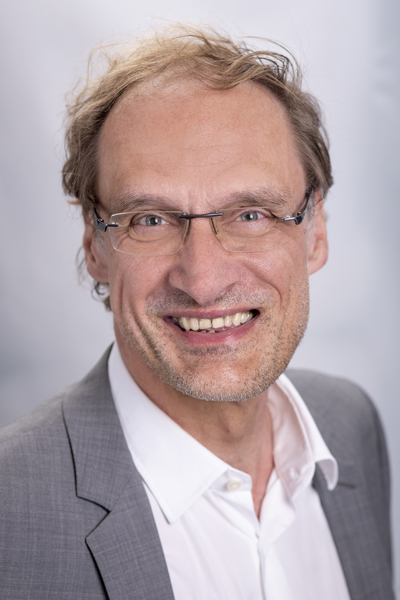
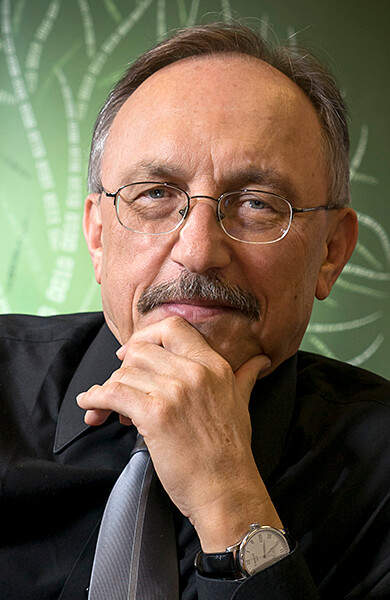
Florian Kleber is a senior scientist at the Computer Vision Lab within the Institute of Visual Computing and Human-Centered Technology at Vienna University of Technology (TU Wien), Austria. His research spans two primary domains: document analysis for cultural heritage preservation and medical data analysis. He has been actively involved in lecturing at TU Wien, particularly in Document Analysis courses, and has served as a substitute member of the Curriculum Commission for Informatics. Dr. Kleber's research focuses on the intersection of computer vision and practical applications. His work in cultural heritage includes multi-spectral acquisition and restoration of ancient manuscripts, development of tools for historical document analysis, and work on writer identification and retrieval systems. In medical data analysis, he has specialized in flow cytometry analysis, particularly for minimal residual disease assessment in acute lymphoblastic leukemia. His research demonstrates a consistent pattern of applying advanced computer vision techniques to solve domain-specific challenges in both humanities and medical fields. His recent publications reveal a strong trend toward synthetic data generation for training document analysis systems, self-supervised learning approaches for writer retrieval, and explainable AI techniques for medical data analysis. The publications show increasing sophistication in transformer-based architectures applied to both document analysis and medical imaging domains. His work bridges theoretical computer vision advances with practical applications in cultural heritage institutions and medical settings. Dr. Kleber has supervised multiple diploma theses at TU Wien, including work on automated analysis of herbarium collections, transparency techniques for neural networks, synthetic data for document analysis, and physical layout analysis of newspaper images. He has been involved in numerous research projects including the Vienna City Library poster collection analysis, digitization of museum holdings in Lower Austria, and the AutoFlow project for medical data analysis. His laboratory work centers around the Computer Vision Lab (E193-01) at TU Wien, where he collaborates on projects involving document image analysis, cultural heritage preservation, and medical data processing. His team has developed tools for manuscript analysis, document reconstruction, and flow cytometry data interpretation, often in collaboration with cultural institutions and medical facilities.