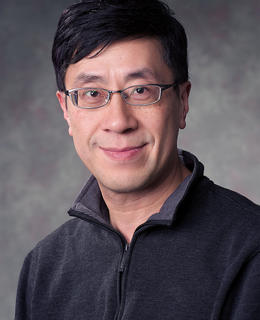
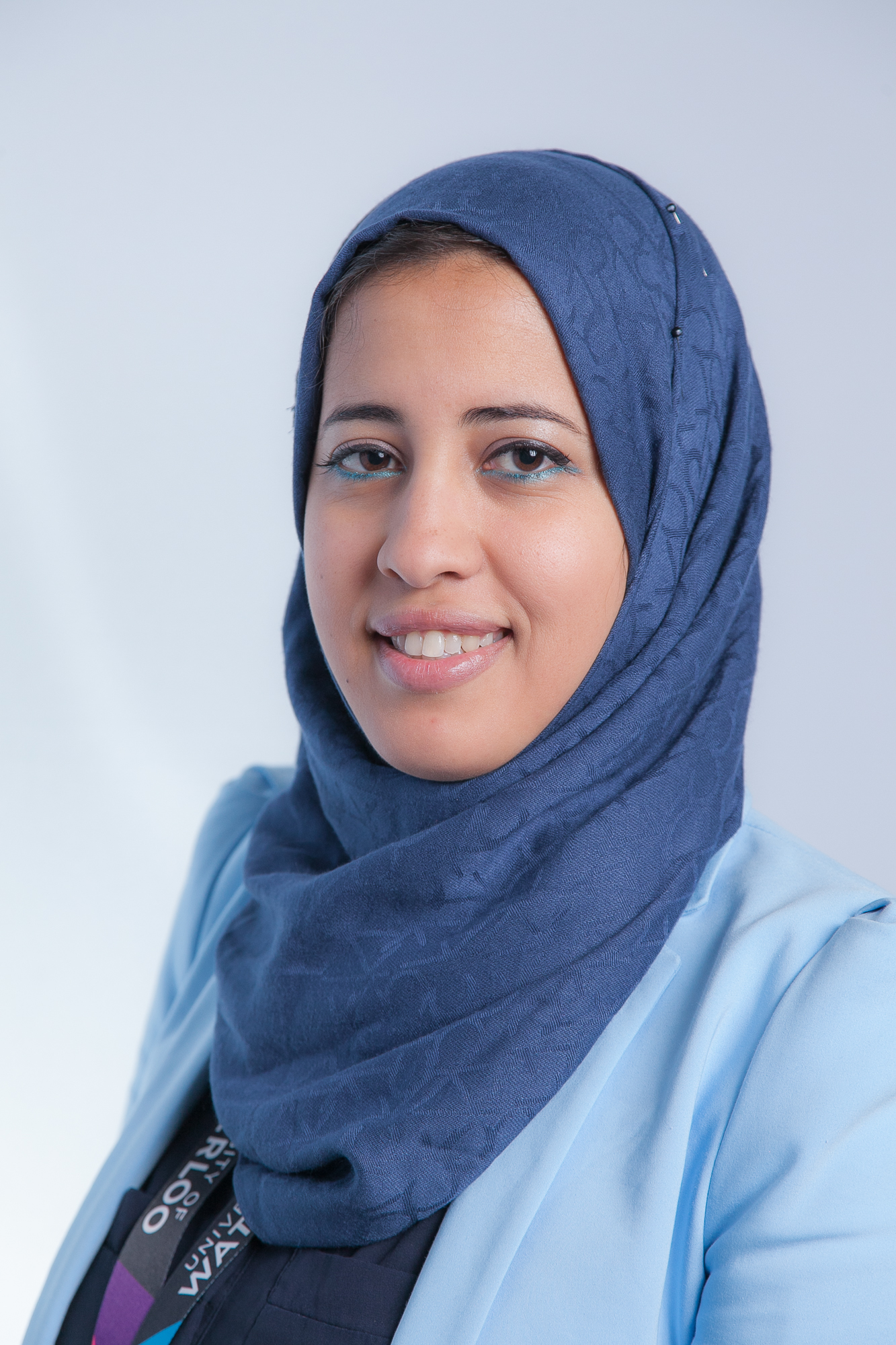
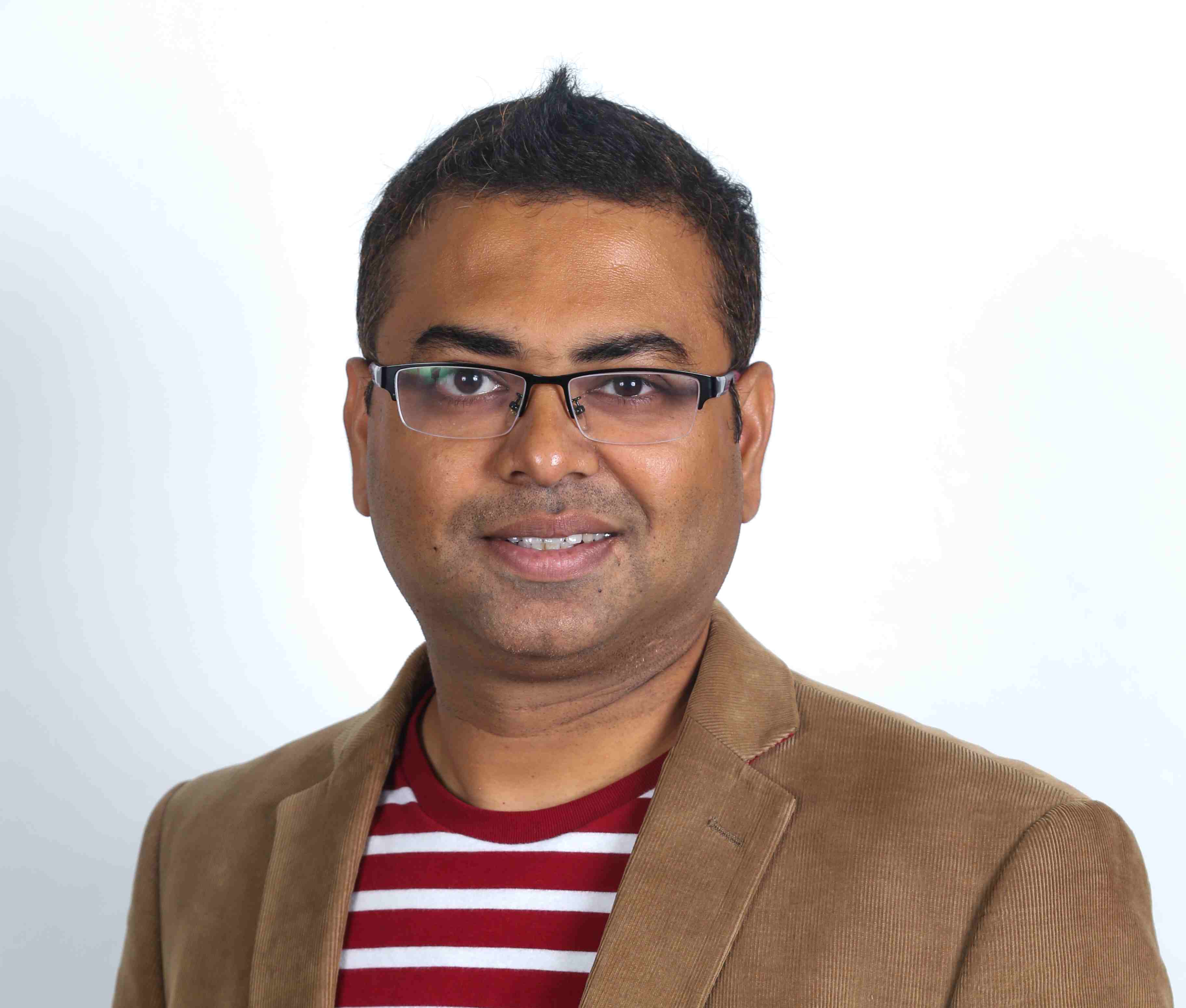
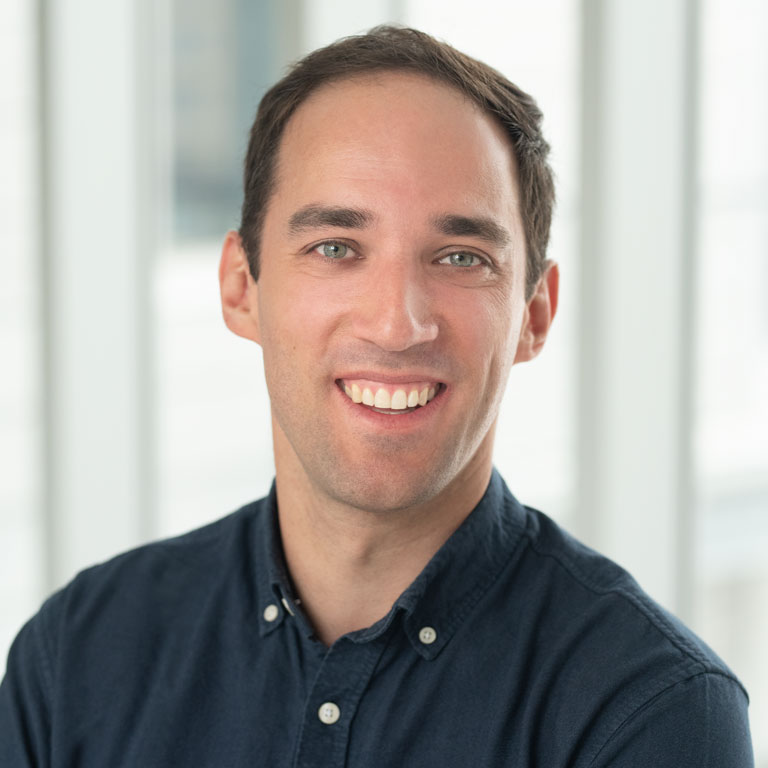
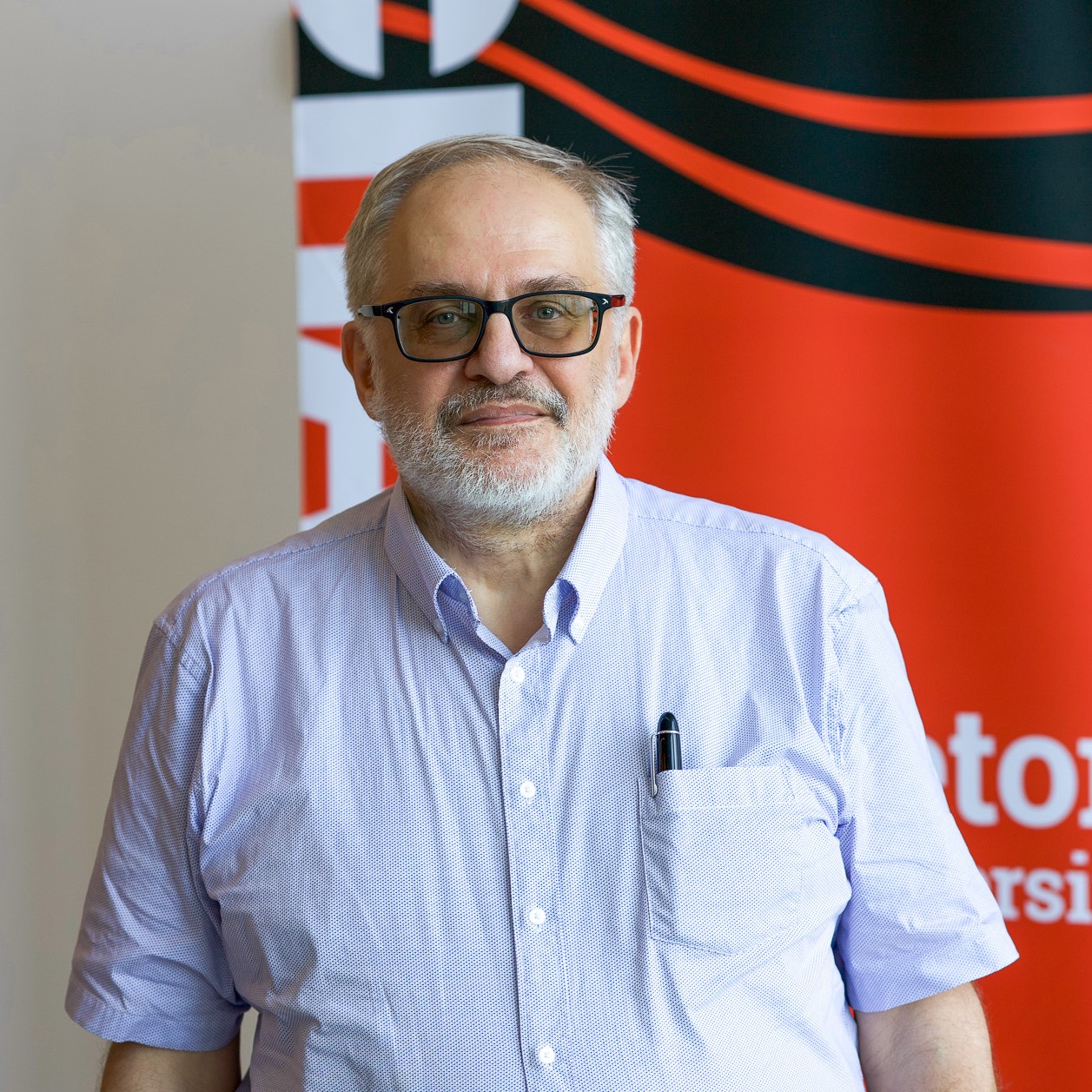
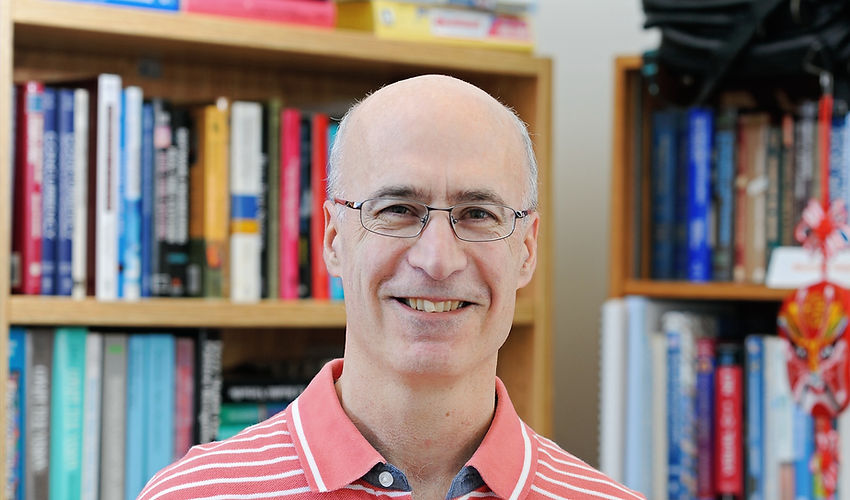
Henry Leung is a Professor in the Department of Electrical and Software Engineering at the Schulich School of Engineering, University of Calgary. His research focuses on autonomous systems, intelligent sensing, and machine learning applications in engineering. He leads the Autonomous Systems and Intelligent Sensing Laboratory. Bachelor of Math in Mathematics, University of Waterloo (1984) Master of Engineering in Engineering Science, McMaster University (1986) M.S. in Mathematics, University of Toronto (1985) Doctorate in Electrical Engineering, McMaster University (1991) His research interests include advanced control systems, robotics, and sensor networks. He has authored numerous conference proceedings in these areas. Recipient of multiple teaching awards, including the 2019 Teaching Achievement Award (Schulich School of Engineering and University of Calgary) IEEE Fellow (2015) Leung has taught courses like Machine Learning for Engineers (ENEL 525) and actively engages in research grants related to autonomous systems. He oversees the Autonomous Systems and Intelligent Sensing Laboratory, fostering interdisciplinary innovation in robotics and intelligent technologies.
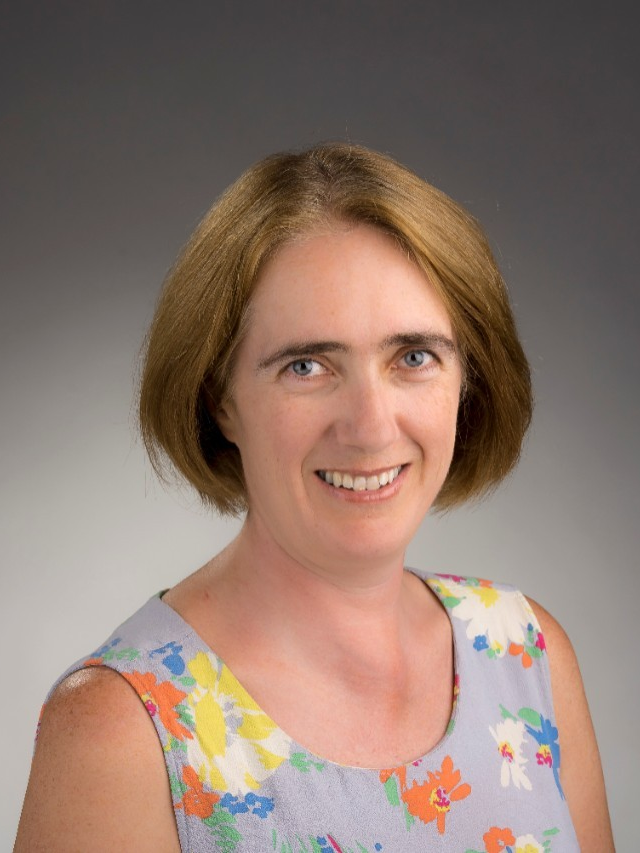
Caroline Colijn is a Professor and Canada 150 Research Chair in the Department of Mathematics at Simon Fraser University (SFU), within the Faculty of Science. Her research focuses on the intersection of mathematics, statistics, evolution, and epidemiology, with a particular emphasis on understanding pathogen transmission and evolution using genomic data. She holds a PhD in Applied Mathematics from the University of Waterloo (2004). Her work spans genomic epidemiology, phylogenetics, and mathematical modeling of infectious diseases such as tuberculosis and SARS-CoV-2. She has contributed to tools like TransPhylo for inferring transmission trees and has advised multiple graduate students and postdoctoral researchers. Key achievements include her 2023 Fellowship from the Royal Society of Canada and her role as a leader in pandemic modeling during the COVID-19 crisis. Recent publications highlight her work on genomic clustering, transmission dynamics, and vaccine optimization. Her research often integrates genomic, clinical, and epidemiological data to inform public health strategies. Colijn’s team, the MAGPIE group, focuses on advancing methods to analyze pathogen evolution and control outbreaks.
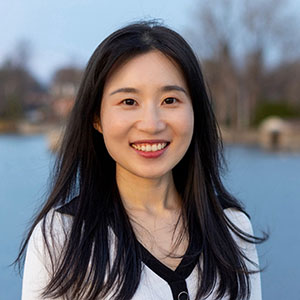
Kaidi Wang is an Assistant Professor and Agriculture and Agri-Food Innovation Chair in Applied Microbiology at the University of Saskatchewan's College of Agriculture and Bioresources, Department of Food and Bioproduct Sciences. Her research program focuses on food microbiology to improve safety, quality and sustainability of agri-food products, with emphasis on microbial ecology of foodborne pathogens like Salmonella. Education includes a PhD in Food Science from McGill University, Master of Science in Food Science from University of British Columbia, and Bachelor of Engineering in Food Science and Engineering from Zhejiang University, China. Research integrates advanced detection techniques including optical tweezers, microfluidics, vibrational spectroscopy, machine learning, transcriptomics and metabolomics. Key investigations examine pathogen survival mechanisms in agroecosystems, particularly biofilm formation and viable but non-culturable (VBNC) states. Additional research applies molecular tools, sensor-enabled data and artificial intelligence to study microbial behavior in food fermentation. Publications demonstrate focus on innovative detection methods, including Raman spectroscopy combined with neural networks for pathogen identification and novel approaches for VBNC state detection in foodborne pathogens. Research contributes to developing safer food processing methods and sustainable supply chain management. Laboratory focuses on molecular detection techniques and advanced spectroscopic methods for microbial characterization in food systems.
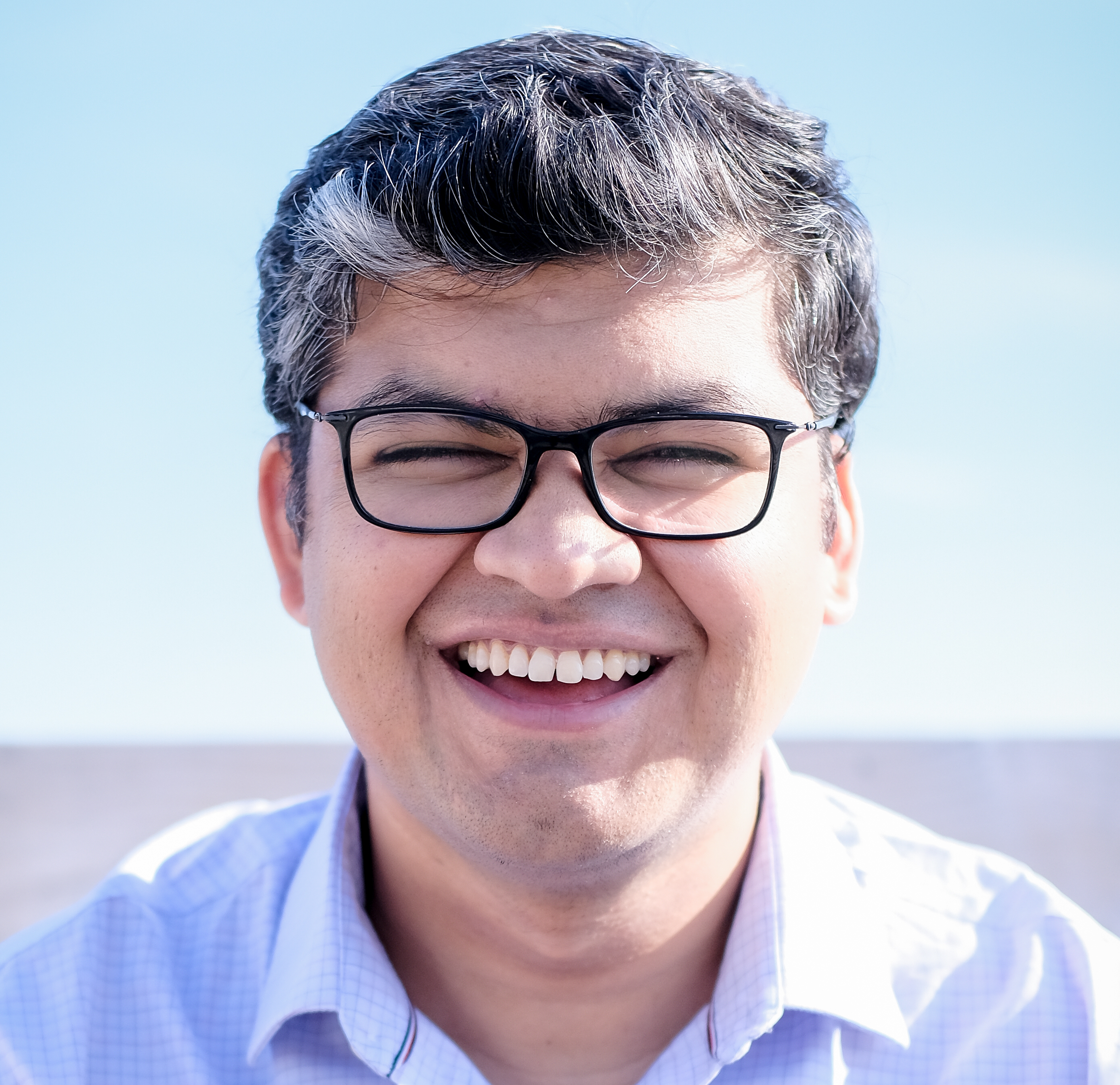
Utsav Sadana is an Assistant Professor of Operations Research in the Department of Computer Science and Operations Research (DIRO) at the University of Montréal. He holds affiliations with IVADO, CIRRELT, and GERAD research centers. His academic journey includes a postdoctoral fellowship at McGill University and a PhD in Management Science from HEC Montréal under Prof. Georges Zaccour. His research spans mathematical optimization, machine learning, and game theory with applications in decision-making under uncertainty. Key interests include entropic risk measures, impulse control in differential games, and contextual optimization methods. His work integrates theoretical foundations with practical applications in security, insurance, and technology adoption. His recent publications demonstrate a strong focus on distributionally robust optimization, risk-averse decision making, and game-theoretic approaches to dynamic systems. The 2025 European Journal of Operational Research survey synthesizes advances in contextual optimization, while his 2023 INFORMS Journal paper establishes the value of randomized strategies in network security contexts. As an educator, he teaches Methods of Operations Research (IFT-6575) and Dynamic Programming (IFT-6521) at the University of Montréal, and previously taught Business Statistics at McGill University. Lead researcher on Decision-making in dynamical systems (2024-2030) funded by NSERC Discovery Grant Co-researcher on Integration of Environmental Data in Urban Planning (2024-2026) with MITACS Acceleration funding His research methodology combines theoretical rigor with computational implementation, evidenced by his GitHub repositories containing optimization solvers and experimental code for risk analysis.
Amira Ghenai is an Assistant Professor at the Ted Rogers School of Information Technology Management, Toronto Metropolitan University, and an adjunct assistant professor at the David R. Cheriton School of Computer Science, University of Waterloo. She holds a PhD from the Cheriton School of Computer Science (University of Waterloo) and an MSc from Imperial College London. Education: PhD in Computer Science, University of Waterloo MSc in Computing Sciences (Software Engineering), Imperial College London Her research focuses on information retrieval, social media analysis, and machine learning, particularly addressing health misinformation and accessibility barriers for older adults. Funded by AGEWELL, her work explores how search and social media interactions influence health-related decisions and accessibility. She has a strong publication record in top-tier conferences like ACM CSCW, CHIIR, and ICTIR. Notable contributions include studies on medical misinformation mitigation and user-centric trust modeling in social networks. Her articles frequently address interdisciplinary challenges in health informatics, misinformation dynamics, and user-centered design. Recent work (2021) highlights e-health solutions for older adults navigating misinformation. She has been honored with the AGE-WELL award (2020) and has held roles such as Accessibility Chair at ICWSM 2021 and reviewer for journals like JMIR and Big Data & Society. Grants & Awards: AGEWELL Graduate Student and Postdoctoral Award in Technology and Aging (2020) Funding from AGEWELL for accessibility research She has taught courses like 'Introduction to Computer Programming' at the University of Waterloo and delivered guest lectures on usability analysis. Her work is part of the Accessible Computing Technologies Research Group (ACT Lab) at McGill University.
Mathias Lecuyer is an Assistant Professor at the University of British Columbia (UBC), Department of Computer Science, where he leads the Systopia research group. His research focuses on trustworthy AI systems, including differential privacy, adversarial robustness, and causal machine learning. He holds a PhD from Columbia University and was a postdoctoral researcher at Microsoft Research. Education: PhD in Computer Science, Columbia University Postdoctoral Researcher, Microsoft Research (New York) Research Interests: Privacy-preserving machine learning (Differential Privacy) Certified adversarial robustness via randomized smoothing Causal inference for model generalization Systems for privacy and security in AI Awards: SOSP Distinguished Artifact Honourable Mention (2024) Google Research Award Supervised Students: PhD: Qiaoyue Tang, Saiyue Lyu, Frederick Shpilevskiy MSc: Mishaal Kazmi, Shadab Shaikh, Shiqi He Undergrad: Alain Zhiyanov, Jessica Bator, Ryan Shar, Eric Xiong, Joel Hempel Labs/Teams: Member of UBC S&P, TrustML, and CAIDA research groups.
Evangelos E. Milios is a Professor in the Faculty of Computer Science at Dalhousie University , Halifax, Nova Scotia. He has been a faculty member since 1998 and leads the MALNIS (Machine Learning and Networked Information Spaces) research group. He is affiliated with the Institute of Big Data Analytics and served as Scientific Director of DeepSense , an innovation hub for ocean data analytics. Education: PhD in Electrical Engineering and Computer Science, MIT (1986) SM & EE, MIT (1983) Dipl. Eng. in Electrical Engineering, NTUA, Greece (1980) His research focuses on visual text analytics, text mining, graph mining, social network analysis, and machine learning . He has made significant contributions to modeling and mining of networked information spaces, with applications in data science and AI. The recent publications reflect a strong trend in data mining, robotics, pattern recognition, and semantic analysis , particularly in log analysis, pose estimation, and information retrieval. His work bridges theoretical algorithms with practical applications in robotics and web technologies. Scientific Awards and Honors: Distinguished Research Professor (2017–2022) Killam Chair in Computer Science (2006–2011) Senior Member, IEEE Professional Engineer, Ontario (1998–2024) He has served in key administrative roles including Associate Dean, Research (2008–2017) and Director of the Graduate Program (1999–2002) . He has supervised numerous graduate students and taught a wide range of courses in AI, machine learning, data science, and networking. His research is supported by major grants and collaborations, including NSERC and industry partnerships. Research Labs and Teams: MALNIS – Focuses on machine learning and networked information spaces. DeepSense – Ocean data analytics and AI innovation. Institute of Big Data Analytics – Cross-disciplinary big data research.
Rob Glew is an Assistant Professor (non-tenure track) at Desautels Faculty of Management , McGill University, with concurrent visiting researcher affiliation at the Institute for Manufacturing , University of Cambridge. His academic journey includes a PhD in Industrial Engineering & Operations Management (2023), MEng (2019), and BA (2018) from the University of Cambridge. Current roles: Assistant Professor (Teaching), Program Director for MMA (Online), Associate Director for Managing Disruption initiative Teaching portfolio spans Operations Management, Data Analytics, and Statistics at McGill's Desautels Faculty His research investigates operational challenges through dual lenses of organizational culture and technological disruption , with methodological expertise in machine learning, game theory, and mechanism design. Key research areas include: Cultural drivers of cooperation in hierarchical systems Food waste reduction through supply chain traceability Diversity impacts on prosocial behavior AI's societal implications in operations contexts Scientific Recognition : Desautels Faculty Teaching Award (2024) Cambridge Chancellor's Commendation (2021) EPSRC-Siemens Doctoral Scholar (2019) Rob has secured significant research funding from SSHRC, UKRI, and industry partners like Siemens UK. His industry collaborations span NHS, Tesco, Proctor & Gamble, and others. He currently does not accept graduate students but previously supervised at University of Cambridge.
Shahrear Iqbal is an Adjunct Associate Professor at Queen's University and a Cyber Security Researcher at the National Research Council (NRC) Canada . He holds a PhD in Cybersecurity (2017) and MSc in Combinatorial Optimization (2011) from Queen's University, along with a BSc in Computer Science and Engineering (2008) from Bangladesh University of Engineering and Technology. Research Focus: Security and Privacy of Smart Systems, including in-vehicle security, self-aware operating systems, IoT-cloud security, and AI-driven cybersecurity. Teaching: Previously taught CISC490: Cybersecurity at Queen's University. Key Projects: Droid Mood Swing (DMS) for context-aware Android security policies Securing ECU Communications in connected vehicles FCFraud for user-side click-fraud detection
Amoon Jamzad is an Adjunct Assistant Professor at the School of Computing, Queen's University, and a postdoctoral fellow at Med-I Lab. He holds a BSc in Electrical Engineering (Electronics) from University of Tehran (2007), an MSc in Biomedical Engineering (2010), and a PhD in Biomedical Engineering (2015). His doctoral research focused on noninvasive ultrasound analysis of kidney stones. He later served as a guest lecturer and lab instructor at University of Tehran for 3 years before joining Queen's University in 2019. BSc: Electrical Engineering (Electronics), University of Tehran (2007) MSc: Biomedical Engineering, University of Tehran (2010) PhD: Biomedical Engineering, University of Tehran (2015) Dr. Jamzad's research centers on cancer cell detection, particularly in developing ultrasonic and optical spectroscopic devices for surgical margin detection. His work integrates advanced machine learning techniques with clinical applications, focusing on breast and prostate cancer surgery. He has pioneered the use of mass spectrometry imaging for cancer margin assessment and developed open-source platforms like ViPRE and MassVision for AI-driven medical data analysis. His recent publications demonstrate expertise in self-supervised learning, domain adaptation, and uncertainty quantification within medical imaging contexts. While no specific awards are mentioned, his contributions to surgical oncology tools and multi-center prostate cancer studies indicate significant clinical impact. He has also explored temporal enhanced ultrasound for composite defect detection and electrosurgical cautery state recognition through deep learning.
Laurent Charlin is an Associate Professor at HEC Montréal and holds an adjunct appointment in Computer Science at Université de Montréal. His research focuses on machine learning for decision-making with applications in recommender systems, reinforcement learning, and optimization.
Bruno Gauthier is a Full Professor in the Department of Psychology at Université de Montréal's Faculty of Arts and Sciences. He directs the Laboratoire d'études en neuropsychologie de l'enfant et de l'adolescent (LÉNEA) and specializes in neuropsychological assessment and intervention for neurodevelopmental disorders. Université de Montréal (2015-present) Clinical Neuropsychologist at Montreal Children's Hospital (former) Co-founder of TELEQ assessment tools for Quebec children Collaborator with CR-IUSMM, BRAMS, and CIRCA research units His research focuses on neurodevelopmental disorders including ADHD, developmental language disorders, and Tourette syndrome. Key areas include executive functions, graphomotor skills, and technology-enhanced assessment tools. Current projects involve developing digital biomarkers and mobile applications for cognitive evaluation. Machine learning for neurodevelopmental assessment Technology integration in child neuropsychology ADHD and executive function relationships Writing and reading disorder evaluation Language acquisition and speech processing Clinical supervision methodologies Recent publications show expertise in ADHD design fluency analysis, phonological awareness testing, and digital assessment tools. His work combines neuropsychological theory with computational methods like artificial neural networks. Grants include funding from: FRQSC (Société et culture) CRSH (Conseil de recherches en sciences humaines du Canada) MITACS Inc. - Stage Accélération Québec Université de Montréal - FEI sans restriction He supervises doctoral and Psy.D. students in clinical neuropsychology, with particular focus on pediatric populations. His lab collaborates with interdisciplinary teams from Polytechnique Montréal and other institutions.
Ioannis Lambadaris is a Full Professor and Chancellor’s Professor at Carleton University's Department of Systems and Computer Engineering, Faculty of Engineering and Design. Holding a Ph.D. from the University of Maryland, he has contributed extensively to network performance analysis over 25+ years. Specializes in stochastic processes, cloud computing, and wireless edge systems Led Ericsson 5G Chair initiatives Supervised over 70 graduate students His research spans QoS control , VNF placement optimization , and IoT indoor localization , with over 170 publications. Recent work focuses on reinforcement learning and deep learning in network resource allocation. Scientific Recognition: Chancellor’s Professor Ericsson 5G Chair Contact: ioannis@sce.carleton.ca | Office: Mackenzie 4448, Ottawa, ON
Robert Bergevin is a Full Professor in the Department of Electrical Engineering and Computer Engineering at Laval University's Faculty of Science and Engineering, where he has been employed since 1990 and achieved full professor status in 2001. He is also a member of CeRVIM (Research Center in Robotics, Vision and Machine Intelligence) and actively participates in graduate recruitment. Dr. Bergevin's educational background includes: Ph.D. in Electrical Engineering from McGill University (1985-1990), with thesis titled "Primal Access Recognition of Visual Objects" under Professor Martin D. Levine M.Sc.A. in Biomedical Engineering from École Polytechnique de Montréal (1982-1984), with thesis on "Modeling and numerical simulation of a nuclear magnetic resonance imaging system" under Professor Robert Guardo B.Sc.A. in Electrical Engineering (Communications specialty) from École Polytechnique de Montréal (1978-1982) Professor Bergevin's research spans cognitive computer vision, pattern recognition, and information systems design methodologies. His work is guided by a unique methodology that progresses "from the general to the particular" to achieve "simply communicable and universally applicable understanding." He has been a researcher in cognitive computer vision since 1985, with particular focus on ontology, methodology, and categorization. His research interests include Ontology of Cognitive Digital Vision, Cognitive Digital Vision Development Methodology, Categorization in cognitive digital vision, Analysis and understanding of images and videos, and Understandable artificial intelligence. As a generalist, he is also a proponent of the science of global anticipatory design (R. Buckminster Fuller) and general semantics (Alfred Korzybski). Analysis of Professor Bergevin's recent publications reveals a strong focus on video anomaly detection, carried object detection, and human activity recognition. His work consistently applies cognitive principles to computer vision problems, often developing novel methodologies for segmentation, tracking, and recognition. The research shows progression from foundational work on image analysis to more complex spatio-temporal understanding of video content, with increasing integration of deep learning techniques in recent years while maintaining a focus on interpretable and cognitively-inspired approaches. Among his professional recognitions: Teaching Star, Faculty of Science and Engineering (2019, 2012) Professor Bergevin has supervised numerous graduate students throughout his career, including four PhD candidates and four Master's students in recent years. His current research includes the "Cyber-physical systems and materialized machine intelligence" project funded by Université Laval, École de technologie supérieure, and Fonds de recherche du Québec - Nature and technologies, running from 2019 to 2026. He was also the director of the bachelor's program in computer engineering from 2001 to 2010 and served as Area Editor for the journal Computer Vision and Image Understanding from 2002 to 2017. As a member of CeRVIM (Research Center in Robotics, Vision and Machine Intelligence), Professor Bergevin collaborates with researchers across multiple disciplines to advance the fields of robotics, computer vision, and machine intelligence. His work bridges theoretical foundations with practical applications, particularly in the analysis of human activities and object recognition in complex visual scenes.
Nicolas Doyon is a Professor at the Department of Mathematics and Statistics , Université Laval, Canada. His research bridges mathematical modeling and neuroscience , focusing on ion transport, neural networks, and neurodegenerative diseases. He collaborates with experimentalists and companies like Doric Lenses . Education: B.Sc., Université Laval M.Sc., University of Montreal Ph.D., Theoretical Mathematics Postdoctoral Fellowship, Quebec City Institute of Mental Health Research Interests: Dr. Doyon investigates chloride homeostasis via the KCC2 cotransporter , its role in synaptic inhibition, and implications for diseases like epilepsy and autism. He develops finite element models for Poisson-Nernst-Planck equations to study electrodiffusion in complex neural geometries. Scientific Awards: Star Teacher (2016, Faculty of Science and Engineering) NSERC Individual Grant (35K$/year, 2014-2019) FQRNT Establishment Grant (20K$/year, 2013-2015) Students: Supervises Ph.D. and Master's students including Tahmineh Azizi (dynamical systems), Frank Boahen (dendritic spines), and Vincent Ouellet (analytic number theory).