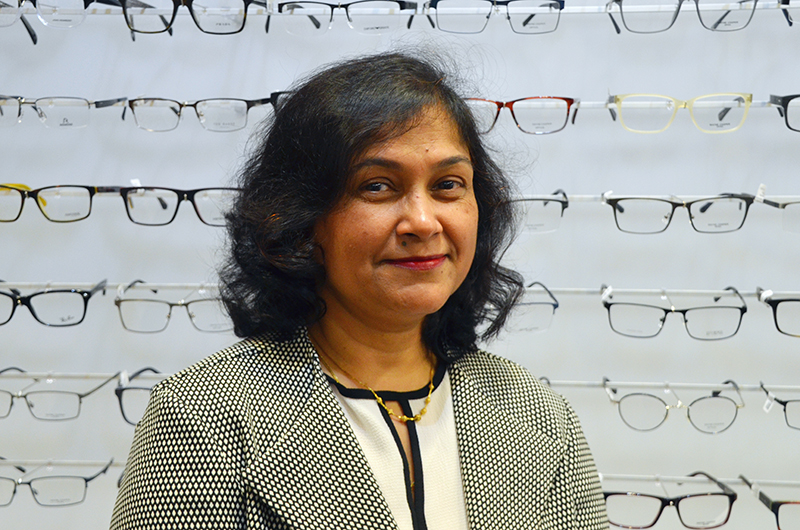
Associate Professor Maitreyee Roy is a researcher at the School of Optometry and Vision Science, University of New South Wales (UNSW Sydney). She specializes in Optical Physics, Quantum Dots, 3D Optical Imaging, and Artificial Neural Networks with applications in biomedical instrumentation, nanophotonics, and optometry/ophthalmology. Her research includes: Developing novel imaging technologies like Full-Field Optical Coherence Microscopy Investigating blue-blocking lens effects on visual/non-visual systems Creating AI-driven ocular disease detection systems Visualizing tear film dynamics using non-toxic quantum dots 3D reconstruction of OCT images for glaucoma diagnosis Recent publications focus on machine learning applications for glaucoma staging, quantum dot tear film imaging, and 3D medical visualization techniques. She collaborates with international labs at UC Berkeley, Tokyo Tech, and Mexico's INAOE. Awards: NMI World Metrology Day Outstanding Achievement (2013, 2011) ProSciTech Trans-Tasman Award (2006) Fellow of Optical Society of America JSPS Invitation Fellowship (2004) She supervises postgraduate and undergraduate students in projects related to optical coherence tomography, artificial intelligence applications, and quantum dot bioimaging. Professional memberships include Optical Society of America, SPIE, and Australian Standards Committee for eye protection.
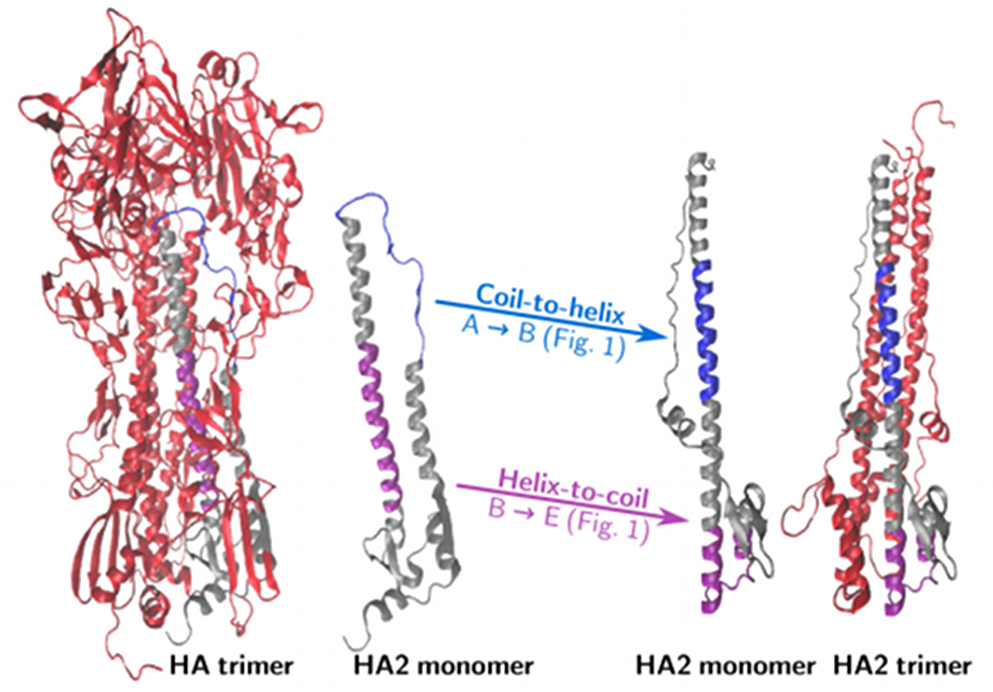
Prof. Dr. Ir. Erik van der Giessen is a Professor at the University of Groningen, leading the Micromechanics group within the Zernike Institute for Advanced Materials. His research spans multiple disciplines including mechanical engineering, materials science, biophysics, and computational modeling, with a focus on mechanical behavior at micro and nanoscales. Van der Giessen's research primarily focuses on three interconnected areas: biophysics (particularly nuclear pore complex and cellular mechanics), discrete dislocation plasticity, and polymer blends and nano-composites. His work in biophysics, conducted in collaboration with the Onck group, investigates fundamental cellular processes including transport through the nuclear pore complex, cytoskeleton structure-property relations, protein aggregation in neurodegenerative diseases, and viral fusion mechanisms. His discrete dislocation plasticity research provides size-dependent descriptions of plastic deformation at microscales, studying phenomena in thin films, micro/nano pillars, surface contact and friction, and fracture processes. His polymer research examines deformation mechanisms and fracture processes in polymer composites with micrometer or nanometer fillers. A common theme across all research areas is size dependence, with the principle that "smaller is harder" in mechanical behavior at reduced scales. The group employs computational techniques including molecular dynamics, dislocation dynamics, Monte Carlo methods, and finite element methods. Recent publications (2022-2025) show continued innovation in applying machine learning to materials science, investigating nuclear transport mechanisms in neurodegenerative diseases, and advancing fundamental understanding of size effects in mechanical properties. Van der Giessen has mentored numerous PhD students who have established successful academic careers, including L. Nicola (University of Padova), S.S. Shishvan (University of Tabriz), and H. Song (Johns Hopkins University). His research has been supported by various national and international collaborations, including significant work with Harvard University researchers on thin film mechanics. The Van der Giessen group maintains strong interdisciplinary connections, creating a research environment that bridges engineering, physics, and biology. Their computational approaches have provided physical understanding for size effects observed in experiments and have generated predictive models for various mechanical phenomena at micro and nanoscales.
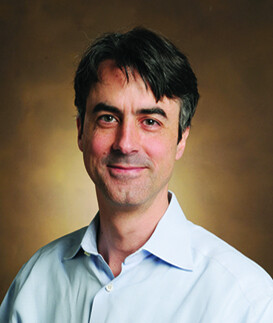
Adam Anderson is a Professor of Biomedical Engineering and Radiology and Radiological Sciences at Vanderbilt University's School of Engineering. His research focuses on developing and applying advanced MRI methods to study tissue structure and function, particularly white matter fiber analysis in the central nervous system. He holds a Ph.D. and M.S. in Physics from Yale University, an M.Phil. from Yale, and a B.A. in Physics & Philosophy from Williams College. His work integrates hardware design, data analysis, and clinical applications in systems neuroscience. Key research interests include diffusion MRI methodologies, high-resolution imaging at 7T, and validation techniques for fiber tractography. His group explores how white matter microstructure and macrostructure relate to neurological conditions like Alzheimer’s and mild traumatic brain injury. Recent efforts emphasize functional connectivity in white matter and BOLD signal modulation in clinical contexts. Publications span innovations in MRI hardware, diffusion-weighted imaging validation, and applications in neurology. Collaborations include the ISMRM Diffusion Study Group for preclinical imaging standards. Current projects address white matter’s role in brain networks and biomarker development for neurodegenerative diseases.
Mats Persson is an Assistant Professor (Docent) at the Department of Physics, KTH Royal Institute of Technology, working within the Physics of Medical Imaging division. He holds dual roles as a Senior Lecturer and Assistant Professor, focusing on photon-counting spectral computed tomography (CT). His research emphasizes data processing, image reconstruction using deep neural networks, and the development of advanced medical imaging detectors. Persson completed his PhD in Physics at KTH (2016) and conducted postdoctoral research at Stanford University and General Electric Research Center in the U.S. before returning to KTH in 2020. He leads projects developing 3D silicon detectors for nuclear medicine imaging and micron-resolution biomedical imaging. Persson teaches courses such as Machine Learning in Physics and supervises students in medical imaging physics. His work bridges theoretical physics and clinical applications, aiming to advance CT technology through novel algorithms and hardware innovations. His research group collaborates on detector hardware improvements, spectral CT reconstruction techniques, and AI-driven solutions for noise reduction and artifact correction. Notable contributions include studies on photon-counting detector performance, basis material decomposition, and deep learning applications in medical imaging.
G.J. Vancso is a Full Professor specializing in Sustainable Polymer Chemistry, recognized for contributions in polymer materials science and nanotechnology. His research focuses on polymer brushes, bio-inspired adhesives, and surface engineering with applications in biomaterials and environmental sustainability. Key research areas include thin film stability, smart hydrogels, and nanomechanical characterization using techniques like atomic force microscopy (AFM). Collaborations span international institutions, emphasizing material innovation in agriculture (e.g., water-harvesting coatings) and biomedical diagnostics. Recipient of two poster prizes at the Xth Dutch Polymer Days (2010) for work on spectroscopy and ellipsometry applications Organized the International Conference on Bioinspired and Zwitterionic Materials (2019) Delivered keynote lectures on smart hydrogels and polymer analysis Over 992 research outputs include articles on copolymer design, AFM-based diagnostics, and innovative material synthesis. His work bridges fundamental polymer science with practical applications in agriculture, healthcare, and environmental technology.
Nicoletta Noceti is an Associate Professor at the Department of Computer Science, Bioengineering, Robotics and Systems Engineering (DIBRIS) of the University of Genoa. Her academic roles include teaching courses such as Computer Vision, Deep Learning, and Machine Learning across undergraduate and master's programs in Robotics Engineering and Computer Science. She also contributes to innovative education initiatives like the 'Smart rogaining' model for computer science orientation. Her research focuses on interdisciplinary areas spanning computer vision, human-centered artificial intelligence, and robotics. Key themes include human motion analysis, causal discovery, and the application of AI in healthcare and social interaction. Recent work emphasizes disentangled representations for microscopy images, scene-unbiased action recognition, and understanding engagement dynamics in virtual teams of older adults. She also explores uncertainty-aware systems for head pose estimation and kinematic primitives in action similarity judgments. Her research frequently intersects with robotics, cognitive science, and biomedical engineering, addressing challenges such as causal inference in nonlinear models and embodied interaction design for robots. These efforts aim to bridge computational methods with human perceptual and motor systems, with applications in assistive technologies and social robotics.
Laura Waller is a Professor in the Department of Electrical Engineering and Computer Science at the University of California, Berkeley, where she leads the Computational Imaging Lab. Her research focuses on integrating hardware and software for optical imaging systems, with applications in microscopy, biomedical imaging, and industrial inspection. She is affiliated with the Berkeley Artificial Intelligence Research Laboratory (BAIR) and the Berkeley Institute of Data Science (BIDS). 2010 Ph.D. in Electrical Engineering and Computer Science from MIT 2005 M.Eng. in Electrical Engineering and Computer Science from MIT 2004 B.S. in Electrical Engineering and Computer Science from MIT Her research spans computational imaging , optics , and machine learning , particularly physics-based approaches for designing imaging systems. Key areas include phase imaging , light-field microscopy , and imaging through scattering . She has pioneered DiffuserCam , a lensless imaging system, and developed space-time reconstruction algorithms for dynamic samples. Her work intersects signal processing , biomedical imaging , and inverse problems . Her recent publications emphasize single-shot 3D imaging , hyperspectral capture , and machine learning-optimized optical design . Notable collaborations include projects with the Lawrence Berkeley National Lab on X-ray and EUV imaging . 2024 : Max Planck-Humboldt Medals 2021 : AIMBE Fellow, OSA Adolf Lomb Medal 2018 : SPIE Early Career Achievement Award 2016 : Carol D. Soc Mentoring Award 2014 : NSF CAREER Award, Moore Investigator in Data Driven Discovery, Packard Fellow, Bakar Fellows Spark Award She mentors graduate students across EECS , Bioengineering , and the Applied Sciences & Technology (AS&T) programs. Her lab has produced alumni who now hold faculty positions at institutions like UT Austin and UCSD.
Reinhard Heckel is a Professor of Machine Learning at the Department of Computer Engineering, Technical University of Munich (TUM). His career includes positions as a Tenure-Track Assistant Professor at Rice University (2017–2019) and postdoctoral fellow at UC Berkeley's Berkeley Artificial Intelligence Research Lab. He holds a PhD from ETH Zurich (2014) and conducted doctoral research at Stanford University’s Statistics Department. Recognitions include being named one of Germany's 'Top 40 under 40' (2022) and the Werner von Siemens Ring Foundation Award (2022). Education & Professional Background: PhD in Computer Science, ETH Zurich (2014) Visiting Doctoral Fellow, Stanford University (Statistics Department) Postdoctoral Fellowship, UC Berkeley (EECS Department) Research Focus: His work bridges theoretical foundations and practical applications in machine learning, including: Algorithm development for deep learning and medical image processing Mathematical foundations of machine learning DNA data storage technology (error correction, synthesis methods) Computational imaging and inverse problem solutions Awards & Highlights: 2022: Capital 40 under 40, Werner von Siemens Ring Foundation Award 2015: ETH Zurich Medal for Doctoral Thesis, IBM Invention Achievement Award Grants & Collaboration: His research has been supported by grants focusing on DNA storage scalability and MRI reconstruction. He collaborates with institutions like IBM Research and the Berkeley AI Lab. Key projects include developing DNA synthesis methods and AI-driven medical imaging tools. Labs & Teams: Leads TUM's machine learning initiatives in computational imaging and biological data storage systems. Active in interdisciplinary teams bridging computer science, bioengineering, and statistics.
Wei Zhang is a Research Assistant Professor in the Department of Biomedical Engineering at the University of Michigan. His work focuses on advancing medical imaging technologies for radiation therapy, including ionizing radiation acoustic imaging (iRAI) for real-time dosimetry and treatment guidance. He also explores interdisciplinary areas like wireless power transfer systems and machine learning applications in healthcare. PhD in Biomedical Engineering His research interests include radiation dosimetry, multimodal imaging techniques (e.g., ultrasound and X-ray combinations), and their clinical applications in cancer therapy. He has pioneered the development of iRAI for volumetric dose mapping during radiotherapy, enabling precise treatment monitoring deep within tissues like the liver. Additional interests span driver behavior prediction systems and energy-efficient wireless charging solutions. Dr. Zhang received the BEST IN PHYSICS (THERAPY) Award in 2020 for his work on FLASH radiotherapy dosimetry. His contributions bridge biomedical engineering, physics, and clinical oncology, with a focus on translating innovations into practical clinical tools. He advises on grants related to medical imaging and energy systems, though specific grant details are not listed here. His lab is part of the Biomedical Engineering department’s advanced imaging and therapeutic technologies initiatives.
Qi Liu is an Assistant Professor at the Department of Computer Science, University of Hong Kong, and serves as Programme Director for the BASc(FinTech) Programme. He holds an MS from the National University of Singapore and a PhD from the University of Oxford. His research focuses on Natural Language Processing (NLP), Machine Learning (ML), and FinTech. He has contributed to leading conferences/journals such as NeurIPS, ICML, ICLR, ACL, and EMNLP, and actively serves on their program committees. His work includes advancements in relational memory models, causal inference, graph neural networks, and domain-specific representation learning. Key research areas include NLP applications in dialogue systems, counterfactual data augmentation for translation, and hyperbolic representations for knowledge graphs. Recent articles explore cutting-edge topics in photonics, spintronics, and memory device security, reflecting interdisciplinary interests. Education: MS (NUS), PhD (Oxford) Programme Role: BASc(FinTech) Director Email: liuqi@cs.hku.hk Homepage: leuchine.github.io No scientific awards are explicitly listed in the provided text. His research spans theoretical ML advancements and applied FinTech systems, with a focus on scalable NLP solutions and secure memory technologies.
Dimitri Basov is a Professor in the Department of Physics at the University of California, San Diego. He leads a research group focused on the infrared nano-optics of quantum materials, employing advanced near-field spectroscopic techniques to explore novel electronic phenomena. Department: Department of Physics University: University of California, San Diego School: College of Letters and Science Research Interests: Basov's research spans strongly correlated electron systems, graphene plasmonics, topological insulators, superconductivity, and the development of infrared nano-spectroscopy. His work emphasizes the electrodynamics of quantum materials, particularly using scattering-type scanning near-field optical microscopy (s-SNOM) to achieve nanoscale resolution at cryogenic temperatures. Key areas include Dirac plasmons in graphene, phase transitions in vanadium dioxide, and charge dynamics in 2D materials. Publication Trends: His most recent publications highlight a strong focus on polaritons in van der Waals materials, ultrafast dynamics in quantum systems, and the integration of machine learning with nanoscale imaging. The research combines experimental innovation with deep theoretical insight into correlated electron behavior and light-matter interactions at the nanoscale. Scientific Awards: NSF Career Award Alfred P. Sloan Fellow Cottrell Fellow Ludwig Genzel Prize Fellow, American Physical Society Humboldt Research Award Frank Isakson Prize for Optical Effects in Solids Gordon and Betty Moore Investigator in Quantum Materials Advising and Grants: Basov leads a major research group at UCSD and has secured significant funding from national and international sources, including the Gordon and Betty Moore Foundation. He mentors numerous graduate students and postdoctoral researchers, fostering interdisciplinary research at the intersection of condensed matter physics, optics, and materials science. Labs and Teams: He directs the Infrared Nano-Optics of Quantum Materials research group, which operates state-of-the-art facilities for near-field infrared imaging and ultrafast spectroscopy. The team collaborates widely across institutions and disciplines, advancing the frontier of nanoscale quantum material characterization.
Albrecht Haase is an Associate Professor in the Department of Physics at the University of Trento, Italy, and Head of the Neurophysics and Biophotonics Laboratory within the Center of Mind/Brain Sciences (CIMeC). His research focuses on neurophysics, quantum biology, and advanced imaging techniques applied to insect models. He holds habilitations in Experimental Physics (2016) and Applied Physics (2018). Education: PhD in Physics (2005), University of Heidelberg, Germany Diploma in Physics (2000), Freie Universität Berlin, Germany External Diploma Thesis at University of Innsbruck, Austria (1999–2000) Research Interests: Neurophysics, quantum biology, neural network dynamics, multiphoton microscopy, olfaction, magnetoreception, and insect sensory systems. He uses cutting-edge imaging tools to study odor coding, neuroplasticity, and the effects of pesticides on insect brains. Key Projects: Development of bioimaging facilities at CIMeC’s Manifattura campus, optogenetic manipulation of olfactory networks, and investigations into magnetic field perception in insects. His work bridges physics, neuroscience, and ecology. Professional Affiliations: German Physical Society (DPG), Italian Physical Society (SIF), Italian Society of Neuroscience (SINS), and bee research associations EurBee and COLOSS.
Yongho Bae, PhD, is an Associate Professor in the Department of Pathology and Anatomical Sciences at the Jacobs School of Medicine & Biomedical Sciences, University at Buffalo. He is also an Affiliated Associate Professor in the Department of Biomedical Engineering and an affiliate of the NSF Science and Technology Center for Engineering MechanoBiology. His research bridges cell biology, bioengineering, and mechanomedicine, with a focus on how mechanical forces regulate cellular function in health and disease. Department: Pathology and Anatomical Sciences School: Jacobs School of Medicine & Biomedical Sciences University: University at Buffalo Affiliation: Biomedical Engineering (Affiliated Associate Professor) NSF Science and Technology Center for Engineering MechanoBiology (Affiliate Faculty) Education: PhD, Bioengineering, University of Pittsburgh (2010) MS, Chemical and Biochemical Engineering, Rutgers University (2005) BS, Biotechnology, Ajou University (1998) Dr. Bae's research centers on cell mechanics and mechanotransduction , particularly in cardiovascular biology and stem cell regulation. His work investigates how extracellular matrix stiffness influences vascular smooth muscle cell (VSMC) behavior in diseases like atherosclerosis and arterial stiffness. He employs advanced techniques including atomic force microscopy, traction force microscopy, optogenetics, and machine learning to study cellular responses. His lab also develops nanophotonic platforms to control stem cell differentiation using light, offering non-invasive strategies for regenerative medicine. His recent publications reveal a strong trend in understanding Survivin (BIRC5) as a central mediator of stiffness-induced cell proliferation, motility, and ECM remodeling in VSMCs. He also explores lamellipodin , FAK , and Rac signaling in mechanosensitive pathways. His work integrates transcriptomics, computational modeling, and high-resolution imaging to decode mechanobiological networks. Scientific Awards: Excellence in Mentoring Award for Research (2025) Louis Sklarow Award (2025) Professional Development Award (2023) LeapRx Drug Discovery Incubator Program Award (2022) Buffalo Blue Sky Silver Coin (2019) American Heart Association Career Development Award (2018) Eugene Mindell & Harold Brody Clinical Translational Research Award (2017) Cell and Molecular Bioengineering Meeting: Fellow Travel Award (2015) American Heart Association Postdoctoral Fellowship (2013) Dr. Bae actively mentors students and has served as a faculty mentor for undergraduate research programs. He has been the Principal Investigator on multiple NIH, NSF, and industry-funded grants, including projects on corneal endothelium, vascular matrix, and drug discovery for arterial stiffening. He is also a co-PI on NSF-funded collaborative research in neuronal network programming. His lab, the Bae Mechanobiology and Mechanomedicine Laboratory, focuses on translating mechanistic insights into therapeutic strategies. He serves on editorial boards and as a peer reviewer for journals such as APL Bioengineering , Scientific Reports , and Cellular and Molecular Bioengineering , and is involved in faculty governance and admissions committees.
Constantino Reyes-Aldasoro is a Senior Lecturer in Biomedical Image Analysis at the Department of Computer Science, School of Mathematics, Computer Science and Engineering, City, University of London. His research focuses on the analysis, interpretation, and visualization of biomedical data, particularly in the context of cancer, inflammation, and neurodegenerative diseases. PhD in Computer Science – University of Warwick (2004) MSc in Electrical Engineering – Imperial College London (1994) Bachelor’s in Mechanical and Electrical Engineering – Universidad Nacional Autónoma de México (1993) His research spans image analysis, machine learning, and computational modeling applied to biomedical imaging, with emphasis on electron microscopy, histopathology, and radiology. He has developed algorithms for cell segmentation, vessel tracing, and tumor microenvironment analysis, contributing significantly to open-source tools in the field. His recent publications show a strong trend toward integrating deep learning with traditional image analysis, especially in cancer diagnostics and Alzheimer’s disease assessment. He has also explored topological data analysis and persistent homology for evaluating dataset consistency in colorectal cancer research. Senior Member, IEEE Member Level 1, Sistema Nacional de Investigadores CONACYT (Mexico) He has supervised multiple PhD students in areas such as HeLa cell analysis, coronary plaque detection, and Alzheimer’s imaging. He has secured grants from the Leverhulme Trust, Australian Research Council, and Cancer Research UK. He is an academic editor for journals including PLOS ONE and Journal of Imaging , and has chaired conferences like MIUA and BMVA. He is part of the giCentre research group at City, and actively promotes interdisciplinary collaboration in AI for healthcare.
Brandon Helfield is an Assistant Professor at Concordia University with cross-appointments in Physics and Biology. He holds the Tier II Canada Research Chair in Molecular Biophysics in Human Health and serves as a Junior Scientist at the Physical Sciences Platform of Sunnybrook Research Institute. His research bridges biomedical ultrasound, microbubble dynamics, and therapeutic applications. Education : PhD in Medical Biophysics (University of Toronto), BSc in Physics (McGill University), Postdoctoral Fellowship in Cardiology (University of Pittsburgh) Research Interests : Dr. Helfield focuses on biomedical ultrasound imaging and therapy, particularly microbubble-based technologies for targeted drug/gene delivery to treat cardiovascular diseases. His recent work explores CRISPR-Cas9 delivery to stem cells, immunomodulation via focused ultrasound, and super-resolution imaging algorithms. Publication Trends : His research spans ultrasound physics, microbubble dynamics, and clinical translation. Key areas include cavitation mechanics, vascular delivery optimization, and machine learning applications for imaging analysis. Awards : Burroughs Wellcome Fund Career at the Scientific Interface Award, Arthur E. Weyman Young Investigator Award, European Symposium on Ultrasound Young Investigator Award