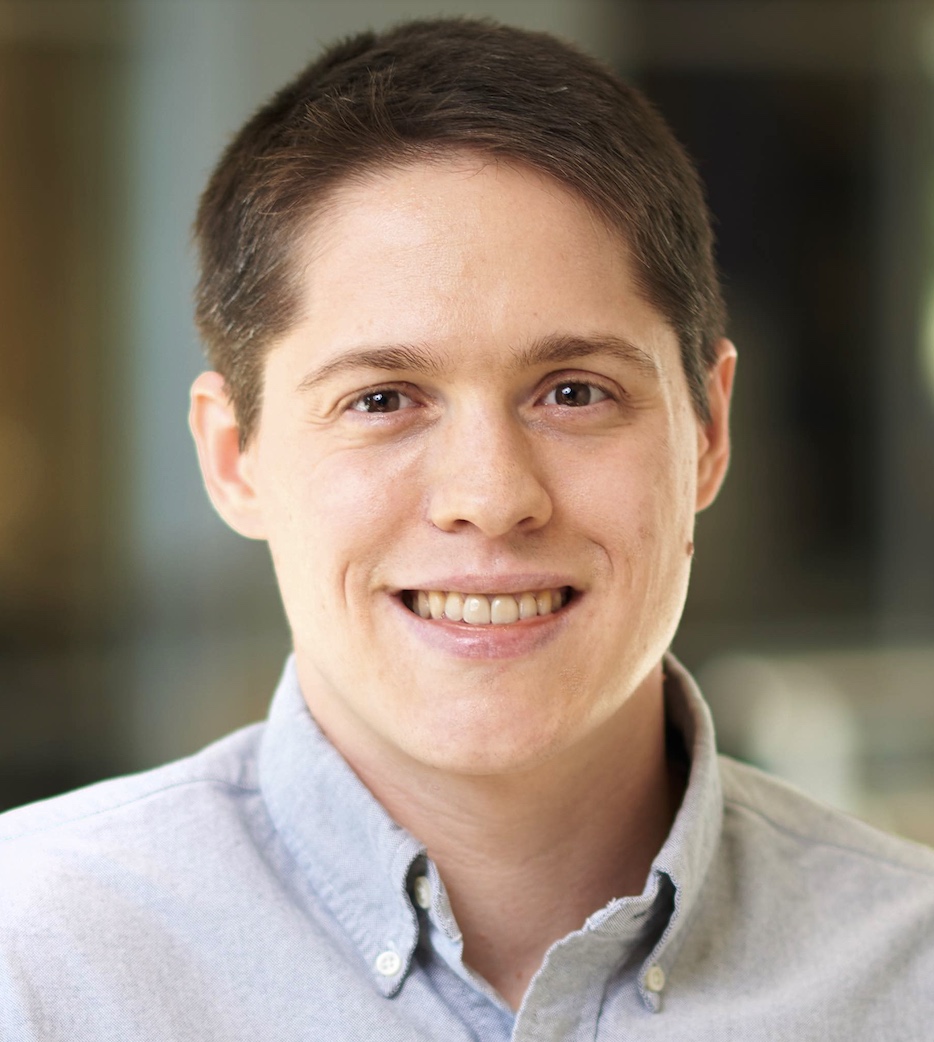
Prof. Jan-Niklas Voigt-Antons is a Professor of Applied Computer Science specializing in Immersive Media at Hamm-Lippstadt University of Applied Sciences. His work focuses on Extended Reality (XR), Virtual Reality (VR), Augmented Reality (AR), and their applications in healthcare, education, and human-machine interaction. He holds a Dr.-Ing (Engineering Doctorate) and has extensive industry experience with organizations like Daimler AG, Telekom Innovation Laboratories, and the German Research Center for Artificial Intelligence (DFKI). Research interests include user experience (UX) design, emotion analysis in virtual environments, and accessibility for aging populations. He has led projects on wearable health tech, AR/VR usability, and immersive training systems. Notable areas of impact include developing guidelines for inclusive XR interfaces and advancing telemedicine through immersive technologies. Prof. Voigt-Antons has collaborated with Charité – Universitätsmedizin Berlin on healthcare applications and has contributed to standardization efforts in telecommunications. His technical competencies include agile project management, statistical analysis, and mobile application development for iOS/Android. He advises on UX evaluations, usability testing, and physiological data analysis for industry partners. Key achievements include creating the Story Time Dataset for video quality research and developing the ColorTable system for flavor perception studies. His work emphasizes real-world deployment, with projects addressing mobility challenges for seniors in rural areas and improving dementia care through tablet-based interventions.
Cathy Ennis is an Assistant Professor in the Department of Computer Science at Maynooth University, Ireland, specializing in perceptually guided graphics and virtual reality. She is actively involved in research and teaching, with affiliations to the ADAPT Centre and D-REAL SFI Centre for Research Training. Education: BEng in Electronic Engineering, Maynooth University MSc in Cognitive Science, University College Dublin PhD in Computer Graphics, Trinity College Dublin PG Dip in Higher Education Teaching and Learning, DIT Research Interests: Dr. Ennis's research centers on creating realistic virtual humans and crowds, exploring multisensory perception in VR, and applying these technologies in serious games and interactive systems. Her work integrates AI, HCI, and immersive technologies to enhance user engagement and learning. Her recent publications reflect a strong focus on virtual character realism, VR-based education, and machine learning applications in animation and interaction. Notable themes include speech-animation realism, cultural VR experiences, and reinforcement learning for character control. Scientific Awards: Best Paper Award, IEEE VR 2022 Teaching and Supervision: Dr. Ennis currently teaches CS401 (Machine Learning and Neural Networks) and CS261 (Multimedia Technology). She is actively seeking PhD students and collaborators interested in VR, games, and virtual characters, particularly using machine learning for gesture generation and engagement. Labs and Teams: She is a Funded Investigator with the ADAPT Centre and D-REAL SFI Centre for Research Training, contributing to interdisciplinary research in AI, HCI, and immersive technologies.
Andreas Hein is an Assistant Professor of IT Management at the University of St. Gallen's Institute of Information Systems and Digital Business (IWI-HSG). His research focuses on digital services, AI literacy, conversational agents, and ethical design in education and business contexts. He holds a PhD (summa cum laude) from the University of Kassel and has led projects funded by SNSF and Innosuisse. Hein is an AIS Distinguished Member Cum Laude and has received numerous awards for research and academic service, including the AIS Best Conference Paper Award (2024) and Best Paper Awards at DESRIST (2023) and HICSS (2020). His work bridges design science and interdisciplinary collaboration, addressing topics like privacy nudges, gamification in learning, and lawful technology development. Hein actively contributes to academic communities, serving as associate editor for ECIS, ICIS, and AOM divisions, and has organized conferences like the Wirtschaftsinformatik-Nachwuchs-Treffen 2023. His teaching spans undergraduate to graduate levels, emphasizing data-driven service innovation and research practices. Hein's research has been published in top journals (ISR, JAIS, EJIS) and frequently recognized for innovation and impact. Education: PhD in Business Information Systems (Kassel University, 2018), Master of Arts in Communication Management, Diplom in Economic Sciences (Kassel University). Key Achievements: Over €2.2m in third-party funding, 60+ co-authors, and impactful contributions to digital education and AI ethics. His work on privacy nudges and conversational agents has been featured in leading conferences and journals.
Dr. Nathalia Costa is a Senior Research Fellow at the University of Queensland's cLinical TRials cApability (ULTRA), located within the Centre for Clinical Research in Herston, and affiliated with the Centre for Innovation in Pain and Health Research (CIPHeR). She holds appointments in the School of Health and Rehabilitation Sciences within the Faculty of Health, Medicine and Behavioural Sciences. Her research focuses on theoretically grounded qualitative and mixed methods approaches to understanding low back pain, pain management, and healthcare systems. Costa is particularly known for her groundbreaking work on low back pain flares, which established the first rigorous definition of pain flares through stakeholder engagement with over 70 experts and consumers. Her methodological expertise spans systematic reviews, qualitative methodologies (interviews, ethnography, Delphi studies), embedding qualitative research in clinical trials, and systems-thinking frameworks. Costa's recent publications demonstrate a growing focus on culturally responsive care, healthcare access for migrant populations, and the intersection of legal services with mental health. Her work bridges micro-level patient experiences with macro-level healthcare systems, aiming to make pain care more nuanced, equitable, and evidence-based. She has published over 55 papers spanning musculoskeletal conditions, pain research, health policy, and qualitative methodologies. Her scientific achievements include the 2021 ISSLS Prize for Lumbar Spine Research, recognition from the International Society for the Study of the Lumbar Spine. Her research has influenced international pain frameworks, including adoption by the International Association for the Study of Pain (IASP) in their online Fact Sheet (July 2023). Costa actively supervises multiple PhD students, serves as Associate Editor for Qualitative Health Research and the Journal of Humanities in Rehabilitation, and has taught across disciplines including research methods, musculoskeletal physiotherapy, and health policy. She has secured over AUD$7.5M in research funding, currently leading the FORENSIC trial investigating lumbar fusion surgery effectiveness for persistent severe low back pain.
Dr. Ahmed Al-Jaishi is an Adjunct Professor in the Department of Epidemiology and Biostatistics and a Research Scientist at the Schulich School of Medicine & Dentistry at Western University. He also holds positions as an Adjunct Scientist with ICES and Senior Epidemiologist at the Public Health Agency of Canada. Education: Ph.D. in Health Research Methodology, McMaster University (2021) M.Sc. in Epidemiology and Biostatistics, Western University (2013) B.Sc. in Biological Sciences, University of Guelph (2010) His research focuses on methodologies for pragmatic randomized controlled trials, with specialization in cluster-randomized designs. Primary research domains include: Clinical trial design and registry-based methodologies Health services research in nephrology (particularly hemodialysis) Population-based epidemiological studies Statistical methods for cluster trials Recent publications demonstrate strong thematic focus on hemodialysis care innovations, COVID-19 impacts on vulnerable populations, autism spectrum disorder epidemiology, and advanced statistical methodologies. Articles frequently utilize registry data, cluster-randomized designs, and health administrative databases across Canadian and international contexts. Dr. Al-Jaishi is actively engaged in training future epidemiologists and biostatisticians through hands-on mentorship in advanced research methodologies.
Anne McLaughlin is a Professor in the Department of Psychology at North Carolina State University, affiliated with the College of Humanities and Social Sciences. She directs the LACElab (Learning, Aging, and Cognitive Ergonomics), focusing on human factors, cognitive aging, and technology usability. She holds a Ph.D. in Engineering Psychology from Georgia Tech (2007) and has been at NC State since 2007. Her education includes a B.A. in Psychology and English Literature from Trinity University (1998), an M.S. in Engineering Psychology from Georgia Tech (2003), and her Ph.D. from the same institution (2007). Her research integrates cognitive science principles with real-world applications, emphasizing aging populations and technology design. Key research interests include cognitive aid design, augmented/virtual reality applications, human-robot interaction, and medical device usability. Recent work explores diminished reality techniques for attention management, trust dynamics in autonomous systems, and veterinary patient safety culture. Her articles highlight trends in human-centered technology development, particularly addressing individual differences in attention control, automation trust, and healthcare system optimization. She advocates for inclusive design principles to enhance older adults' engagement with technology and improve medical screening accessibility. McLaughlin’s work bridges academic research and practical implementation, with collaborations in healthcare, robotics, and educational technology. Her lab’s focus on aging-related challenges underscores her commitment to improving quality of life through human-centered solutions.
James C. Davis is an Assistant Professor at the Elmore Family School of Electrical and Computer Engineering (Purdue University). His research focuses on socio-technical approaches to software engineering , emphasizing security , correctness , and usability in software-intensive systems. He leads the Duality Lab , which publishes in top venues like ICSE , USENIX Security , and EMSE , with funding from the NSF , Google , Cisco , and Rolls Royce . PhD in Computer Science from Virginia Tech Current research themes: software supply chain security, pre-trained model engineering, and empirical studies of developer practices His recent publications (2025) analyze LLM jailbreaking , software signing (Sigstore), IoT model optimization , and deep learning reproducibility . Supported by grants from NSF OAC Core (multi-modal deep learning infrastructure) and RFE (prompt engineering education). Recognized with the ASEE Best Paper Award (2024) for trust engineering research. Current students include Paschal Amusuo (PhD candidate), Wenxin Jiang (now at Socket), and Dharun Venkatraman (Chateaubriand Fellow). Advising highlights : Guided 7 PhD/MSc theses (2022-2025) Developed CodeQL experience report (709 defects in 258 projects) Industry collaborations: Google , Microsoft Research , Qualcomm Research trends from 2022-2025 show sustained focus on: Software security (supply chains, signing, ReDoS) Model engineering (IoT optimization, naming conventions) Empirical methods (interview studies, defect analysis) Human factors (developer practices, training effectiveness)
Chyrell D. Bellamy, PhD, MSW is Professor of Psychiatry at Yale University's Department of Psychiatry and Director of the Yale Program for Recovery and Community Health (PRCH). She also serves as Director of Peer Support Services & Research and Director of the Yale Lived Experience Transformational Leadership Academy (LET(s)Lead). Additionally, Dr. Bellamy functions as a Senior Policy Adviser for the Office of the Commissioner for the State of Connecticut Department of Mental Health and Addiction Services (DMHAS). Yale School of Medicine, Department of Psychiatry Yale Program for Recovery and Community Health (PRCH) Yale Lived Experience Transformational Leadership Academy (LET(s)Lead) Connecticut Mental Health Center Center for Brain & Mind Health Dr. Bellamy's research expertise centers on community-based participatory research and co-design with communities of color and individuals living with psychiatric illness, substance use disorders, HIV, homelessness, and incarceration histories. Her work focuses on healthcare disparities, sociocultural pathways of recovery, development of culturally responsive interventions, qualitative research methods, and community/clinic-based psychosocial and wellness interventions. She brings personal and professional expertise as a frontline service provider, clinician, social worker, and community organizer, openly identifying as a person with lived experience of multiple marginalized identities including mental illness, trauma, and addictions. Dr. Bellamy's publication record demonstrates significant contributions to mental health equity, with a focus on culturally responsive interventions for marginalized populations. Her research trends show a consistent emphasis on community-driven approaches, particularly through initiatives like Harambee (a wellness intervention for serious mental illness) and Imani Breakthrough (a faith-based opioid recovery program). Her recent publications increasingly incorporate technology and AI considerations in mental healthcare while maintaining strong community engagement principles. The breadth of her work spans from local Connecticut implementations to international collaborations in Brazil. PCORI award for co-located primary care for people with mental illness NIMH R34 award for whole health intervention mechanisms CT DMHAS/SAMHSA State Opioid Recovery funds for Imani Breakthrough program NIH Common Fund/NIDA grant for culturally responsive substance use recovery NIH R34 grant for peer support implementation in Brazil NIH NIMHD grant for Recovery Finance study Dr. Bellamy actively mentors researchers through her leadership roles and directs multiple federally funded research initiatives. Her work with the Yale Program for Recovery and Community Health has secured substantial grant funding from NIH, PCORI, NIMH, and state agencies, focusing on innovative approaches to mental health and substance use recovery. Her research portfolio demonstrates strong community partnerships and a commitment to translating research into practice through programs like LET(s)LEAD, which provides leadership training for people with lived experiences. Dr. Bellamy leads the Yale Program for Recovery and Community Health, which operates through a collaborative network of researchers, community members, and practitioners. Her work with the Lived Experience Transformational Leadership Academy (LET(s)LEAD) represents a significant team-based approach that centers lived experience in research and service delivery. She collaborates extensively with community organizations, particularly faith-based institutions serving Black and Latinx communities, and maintains international partnerships in Brazil for mental health system transformation.
Dr Dawn Wimpory is a Lecturer / Practitioner in Clinical Psychology at Bangor University and a Consultant Clinical Psychologist (Lead for ASD) at Betsi Cadwaladr University Health Board (BCUHB). Her work integrates clinical practice and research, focusing on Autism Spectrum Disorder (ASD) through the lens of social timing and its genetic underpinnings. Education: PhD (2017) in Social Engagement in Preschool Autism from Bangor University; MSc (1988) in Clinical Psychology from University of Exeter; MA (1985) in Child Clinical Psychology from University of Nottingham; BEd (1984) in Psychology and Education from University of Wales, Cardiff. Her research explores the Social Timing Hypothesis (Wimpory et al., 2002), which posits that temporal synchronization in interactions is critical for social engagement in ASD. Key contributions include the development of the Detection of Autism by Infant Sociability Interview (DAISI) and Musical Interaction Therapy (MIT), a parent-mediated intervention for severely affected ASD children. Recent publications (2023-2000) span topics such as interoceptive awareness, gait analysis as a diagnostic tool, and MIT's clinical efficacy. She has secured over £884,764 in grants, including KESS Scholarships and Baily Thomas funding, and serves as a reviewer for journals like Molecular Psychiatry and Journal of Autism and Developmental Disorders . Scientific Awards: NISCHR Clinical Research Fellowship (2011-2014) Knowledge Economy Skills Scholarship (KESS) Baily Thomas Charitable Fund Grant Dr Wimpory supervises PhD and postgraduate students, including Judit Elias-Masiques (2020-2023) and Kitty Forster (2013). Her teaching at Bangor University covers Intellectual and Developmental Disabilities, Applied Behaviour Analysis, and Theoretical Models in Clinical Psychology.
Ibrahim Oluwajoba Adisa is a Human-Centered AI Postdoctoral Fellow at Stanford University's Graduate School of Education , collaborating with Dr. Victor Lee. His work focuses on AI literacy, data science education, and collaborative learning in K-12 settings. Ph.D. in Learning Sciences, Clemson University (2024) M.Ed. in Educational Technology, University of Ibadan (2018) B.Tech. in Physics Education, Federal University of Technology Minna (2015) His research merges learning sciences , computing education , and data science to develop tools and curricula that enhance creativity, computational thinking, and collaborative problem-solving through co-designed AI literacy resources. He employs qualitative and statistical machine learning methods to model learner interactions. Recent publications emphasize generative AI in K-12 , elementary data science practices , and critical machine learning literacy , reflecting trends in interdisciplinary pedagogy and ethical AI education. Articles span influential journals like Journal of Educational Research and International Journal of Child-Computer Interaction . PRISM Baker Fellowship, Stanford (2024) Graduate Student Award of Excellence, Clemson (2024) RC Edward Graduate Fellowship (2020-2022) Best Poster Paper, International Conference on Quantitative Ethnography (2021) Adisa advises on NSF-funded projects and co-designs AI literacy resources through the CRAFT initiative at Stanford. He is affiliated with the DISTAL Lab and collaborates with institutions like the Institute for Human-Centered AI .
Prof. Dr. Tobias Kowatsch is an Associate Professor at the Institute for Implementation Science in Health Care, Faculty of Medicine, University of Zurich. He serves as Scientific Director of the Centre for Digital Health Interventions (CDHI) and Director of the School of Medicine at the University of St. Gallen (HSG). His research focuses on digital health interventions at the intersection of information systems, computer science, and behavioral medicine. PhD in Management (University of St. Gallen, 2016) Master in Business Informatics (2012) Master in Media and Informatics (2007) Diploma in Informatics (2005) Kowatsch develops digital health solutions such as MobileCoach (open-source platform for health interventions) and Pathmate Technologies (digital therapeutics like manoa for hypertension). His work integrates machine learning, conversational agents, and wearable technology to address non-communicable diseases and mental health challenges. His recent research trends emphasize personalized health interventions , conversational AI , and biopsychosocial monitoring using wearables. Key areas include dementia prevention , menstrual health , and cancer patient support . ISRII Poster Award (2023) Gold & Silver Awards, World Media Festivals (2023) Fitrockr & Garmin Health EMEA Research Grant (2023) Kowatsch leads the CSS Health Lab and collaborates with institutions like ETH Zurich and the Singapore-ETH Centre. His initiatives include the Precision Digital Therapeutics Summer School and industry partnerships with companies like Pathmate Technologies .
Professor Stacey Conchie is a leading academic in the Department of Psychology at Lancaster University , specializing in socio-psychological factors influencing behavior in high-risk environments. As Director of the ESRC National Centre for Research and Evidence on Security Threats (CREST) and co-lead of the EPSRC SPRITE+ Network Plus , she bridges academic research with practical applications in security, privacy, and trust. Her work is funded by government agencies, private industry, and charities.
Corinna Reichl is a Postdoc researcher and senior research assistant at the University of Bern's Department of Child and Adolescent Psychiatry and Psychotherapy. She co-leads the specialized outpatient clinic for adolescent risk-taking and self-harm behavior (AtR!Sk). Her research focuses on non-suicidal self-injury (NSSI), hypothalamic-pituitary-adrenal (HPA) axis functioning, childhood adversity effects on mental health, and early intervention for borderline personality disorder (BPD) in adolescents. She holds a PhD and has extensive clinical and research experience in adolescent mental health. Her work bridges clinical practice and neuroscience, with a particular emphasis on biological and psychological mechanisms underlying self-harm and personality disorders. She has authored numerous peer-reviewed articles and presented at international conferences on topics such as NSSI trajectories, cortisol dynamics, and BPD treatment outcomes. Key research interests include: Neurobiological underpinnings of NSSI and BPD Impact of childhood adversity on stress responses Early intervention strategies for adolescent BPD Psychopathological correlates of personality dysfunction Her presentations and publications address clinical applications of research findings, including stepped care approaches, machine learning in phenotyping, and transdiagnostic symptom evaluation. She actively contributes to training programs on dialectical behavior therapy (DBT-A) for adolescents and crisis intervention strategies.
Harrison Wilde is a fourth-year PhD student in the Department of Statistics at the University of Warwick, supervised by Sebastian Vollmer at the German Research Center for Artificial Intelligence (DFKI). He holds an honorary Research Fellow position at the UCL Institute of Health Informatics and collaborates with institutions such as Oxford, Wellcome Trust, and the Alan Turing Institute. His research focuses on Bayesian and causal computation, synthetic data generation, and applications in epidemiology, pharmaceuticals, public health, and fairness/privacy in data science. Wilde's research explores the statistical properties of models trained on synthetic data, with a particular emphasis on privacy, fairness, and robust Bayesian updating. He has contributed to projects like the Turing PPL, CVD-COVID-UK, and COVID-IMPACT Consortia, and his work has been published in top journals like PLOS One, BMC Medicine, and BMJ Open. His scientific awards include the Feuer International Scholarship in Artificial Intelligence (2019) Data Science for Social Good Fellowship (2019) He has also been interviewed by the BBC Evening News and actively supports open science initiatives. Wilde has taught modules including ST202: Stochastic Processes (2021-2022) ST346: Generalized Linear Models for Regression and Classification (2020-2021) ST104: Statistical Laboratory (2020-2021) CS118: Programming for Computer Scientists (2019-2021) but took a temporary withdrawal from teaching during Term 1 of the 2021-2022 academic year while working at Twitter. He is a core contributor to the Turing PPL and part of the CVD-COVID-UK and COVID-IMPACT Consortia, collaborating with teams like Chris Holmes’ Lab at Oxford and the Royal Statistical Society’s West Midlands Local Group.
Dr. Jeffrey Proudfoot is an Associate Professor and Chair of the Computer Information Systems Department at Bentley University. He holds a Research Affiliate position at MIT's Cybersecurity at MIT Sloan (CAMS) center and coordinates the Business Core course CS305. He earned his Ph.D. from the University of Arizona, and M.S./B.S. from the University of Utah. Teaching focuses on business process management, ERP systems, and information security. His research examines cybersecurity regulations, corporate board governance of cyber risk, behavioral information security, and deception detection. Recent publications explore cybersecurity investment decisions, regulatory impacts, and human factors in security compliance. Articles demonstrate consistent focus on organizational risk management and behavioral aspects of cybersecurity. Awards include: AIS Best Information Systems Publication Award Leads multiple industry partnerships with organizations including Google, Boston Consulting Group, and Department of Homeland Security. Research has been presented to congressional committees and Fortune-50 boards.