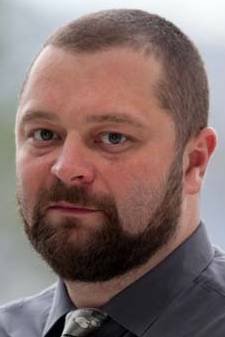
Domingo Savio Rodríguez Baena is a Professor at Pablo de Olavide University, affiliated with the Department of Computer Languages and Systems. His research focuses on data mining, bioinformatics, and computational biology, with a particular emphasis on biclustering algorithms, gene co-expression networks, and high-performance computing applications. PhD in Engineering, Data Science, and Bioinformatics (2012) from Pablo de Olavide University His work spans interdisciplinary domains, including recommender systems , livestock behavior analysis , and biological data interpretation . Recent articles highlight his contributions to multi-GPU optimization , ensemble learning , and historical database construction . Key collaborations include the DATAi Intelligent Data Analysis and DASE Data Analytics Science & Engineering research groups. He has developed tools like the CyEnGNet–App for gene network visualization and BIGO for gene enrichment analysis. Contact: dsrodbae@upo.es
Jose Luis Cantero Lorente is a University Professor in the Department of Physiology, Anatomy and Cell Biology at Pablo de Olavide University, specializing in neuroscience with a primary focus on Alzheimer's disease and neurodegenerative disorders. His work bridges electrophysiology, neuroimaging, and biomarker discovery to understand cognitive decline in aging. Education: Doctorate from the University of Seville (1999) with thesis: "Electrophysiological characterization of alpha activity in three states of brain activation in human subjects: relaxed wakefulness, drowsiness and REM phase", supervised by Dr. Carlos María Gómez González. Research Interests: Dr. Cantero Lorente's research spans Alzheimer's Disease , Neuroscience , and Biomarkers , with emphasis on early detection mechanisms through salivary, blood, and CSF analysis. He investigates sleep-memory interactions , metabolic drivers of neurodegeneration (e.g., insulin resistance), and neuroinflammatory pathways using multimodal approaches including proteomics, lipidomics, and functional MRI. His pioneering work established salivary lactoferrin as a diagnostic tool for Alzheimer's. Publication Trends: His 2022-2025 publications reveal a strategic shift toward multimodal biomarker integration , combining amyloid-beta, tau, and metabolic markers for early Alzheimer's detection. Key themes include Parkinson's disease proteomics (e.g., candesartan neuroprotection), herpes virus-amyloid links in aging, and intracortical myelin alterations as precursors to cognitive decline. Recent work increasingly incorporates machine learning for database analysis and explores angiotensin-based neuroprotective strategies. Scientific Awards: No awards were specified in the source material. Advising and Grants: He supervises doctoral candidates in the Biotechnology, Biomedicine and Health Sciences program at Pablo de Olavide University, specifically guiding the "Early Detection of Alzheimer's Disease" track. His research is supported by Spain's PAIDI framework (Health Science and Techniques), with projects focusing on interdisciplinary audiological databases and neural network alterations in mild cognitive impairment. Labs and Teams: As leader of the LNF Functional Neuroscience research group, he directs studies on electrophysiological correlates of cognitive decline, utilizing EEG, MRI, and molecular techniques to map structural-functional brain changes in Alzheimer's progression. The group collaborates extensively on national initiatives for biomarker validation in neurodegenerative diseases.
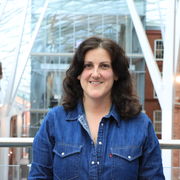
Dr. Isabel Douterelo Soler serves as a Lecturer in Water & Applied Microbiology at the University of Sheffield's School of Mechanical, Aerospace and Civil Engineering within the Department of Civil and Structural Engineering. Since joining as a Research Associate in 2010 on an EPSRC Challenging Engineering project, she has established herself as a leading researcher in urban water systems, culminating in her independent EPSRC Living with Environmental Change Fellowship award in 2016. Her research spans interdisciplinary water quality challenges at the intersection of drinking water supply, sewage infrastructure, and groundwater systems. Key focus areas include biofilm ecology in distribution networks, climate change impacts on water safety, molecular monitoring of pollution, and public health risks from urban flooding. She employs advanced techniques like metagenomics and machine learning to develop risk mitigation technologies for climate-resilient water infrastructure. Analysis of her 15 most recent publications reveals dominant trends in phosphate dosing effects on microbial communities, temperature-driven changes in biofilm dynamics, and molecular methods for pollution tracking. Her work consistently bridges laboratory research with real-world applications through collaborations with water utilities and environmental agencies. Her scientific recognition includes the prestigious EPSRC Living with Environmental Change Fellowship. Major Grants: EPSRC Challenging Engineering project, NBIC proposal with Welsh Water, CIVVSNSF CBET collaboration (US NSF/EPSRC), and Dwr Cymru Welsh Water phosphate dosing initiative. Advising Status: Not currently seeking new PhD students but maintains active supervision through research projects. She actively contributes to the Groundwater Protection & Restoration, Water Distribution Systems & Infrastructure, and SuDS research groups while collaborating with the Pennine Water Group and Co-UDlabs on sustainable urban drainage solutions.
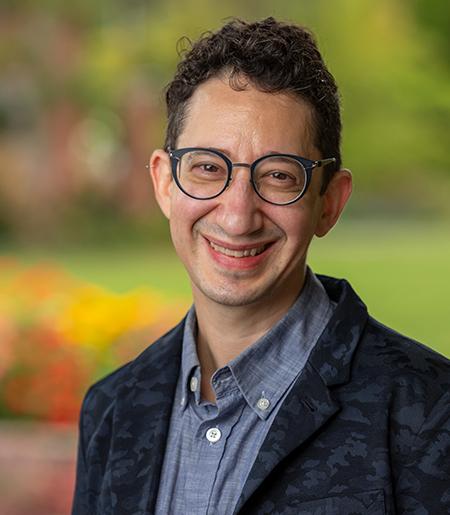
Noah Tamarkin is an Associate Professor at Cornell University with joint appointments in Anthropology and Science & Technology Studies, and a Research Associate at Wits Institute for Social and Economic Research (WISER) in Johannesburg, South Africa. His work examines intersections of genetics, race, citizenship, and power through ethnographic studies in South Africa since 2004. PhD in Cultural Anthropology with Feminist Studies notation (UC Santa Cruz) MA in Cultural Anthropology (UC Santa Cruz) BA in Anthropology (Colorado College) Research focuses on genetic data's political and social implications, particularly in postapartheid South Africa. Key projects include analyzing DNA's role in ancestry testing, forensic databases, and trans health practices. He explores how marginalized communities rework genetic knowledge to assert belonging and challenge exclusionary technologies. Recent publications address indigenous DNA in practice, forensic genetics legislation, and bioinformation ethics. His 2020 book Genetic Afterlives won the 2022 Jordan Schnitzer Prize and received a Diana Forsythe Prize honorable mention. Supported by NSF, Wenner Gren, and Howard Foundation fellowships. 2024 George A and Eliza Gardner Howard Foundation Fellowship 2022 Jordan Schnitzer Prize (Association for Jewish Studies) 2022 Diana Forsythe Prize Honorable Mention 2015 AAA General Anthropology Division Prize Teaches courses on race/religion, carceral systems, biology/society, and genetic temporalities. Collaborates with feminist, STS, and African studies frameworks.
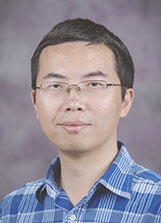
Heyuan Shi is an Associate Professor at the School of Electronic Information, Central South University since 2023. He earned his B.S. (2015) and Ph.D. (2020) from Central South University and Tsinghua University respectively. His research focuses on software quality assurance with emphasis on kernel fuzz testing , open source software security , and AI application security . Presided over 10+ projects including NSFC General Program (No.62472448) and National Key R&D Sub-Project Published 30+ CCF-A/B papers across software security, machine learning, and quantum testing Supervised 15+ graduate students in software quality assurance areas His recent 2024-2025 publications demonstrate expertise in: LLM-enhanced patch classification Quantum neural network verification Hypergraph adversarial attacks RTOS fuzzing techniques Scientific recognition includes: 2024 Beijing Science & Technology Progress Award (First Prize) Hunan Province Xiaohe Sci-Tech Talent (2023) China Association for Science & Technology Young Talent (2025-2027) Active in academic service as PC member for FM2024 and reviewer for IEEE Transactions journals. Leads industry collaborations with Alibaba and Beijing Institute of Aerospace Metrology.
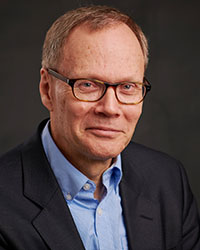
Jan G. Bjaalie is Professor of Neuroinformatics and Dean of Research and Innovation at the University of Oslo Faculty of Medicine . Since 2023 he heads the faculty’s research and innovation strategy, while directing the Neural Systems and Graphics Computing Laboratory at the Institute of Basic Medical Sciences. Education: 1990 Ph.D. in Neuroanatomy, University of Oslo 1986 M.D., University of Oslo Research interests revolve around collaborative and open neuroscience, digital brain atlasing, and the cyber-infrastructures that enable data sharing. He leads efforts to build next-generation atlases that integrate multi-scale brain architecture and connectivity data, and to develop ontologies and FAIR-compliant platforms for global neuroscience. Recent work emphasizes in silico integration of rodent and human imaging datasets, leveraging machine-learning registration tools and cloud-based services such as EBRAINS. The goal is to transform how brain data are stored, visualised and reused across laboratories worldwide. Scientific output & impact: A scan of publications from 2023-2025 reveals a strong focus on digital atlas frameworks, automated image registration (DeepSlice, DeMBA), open data standards (AtOM ontology), and large-scale analyses of genetic influences on brain structure in Alzheimer’s models. These works collectively advance reproducible, high-throughput neuroanatomy and cross-species translation. Grants & leadership roles: Coordinator/Partner in EU Flagships EBRAINS 2.0, BRAIN Health, Human Brain Project (2013-2026) Infrastructure Director, Human Brain Project (2018-2023) Leader of Neuroinformatics Platform & EBRAINS Data Services (2017-2023) Head of Institute of Basic Medical Sciences (2009-2016) Executive Director, International Neuroinformatics Coordinating Facility (INCF) (2006-2008) Chair, International Brain Initiative (2021-) Editorial & governance service: Founding Chief Editor Frontiers in Neuroinformatics (2007-), Section Editor Brain Structure and Function (2002-2020), member of the INCF Governing Board and EBRAINS AISBL Management Board, and numerous international advisory panels on data governance and ethics. His laboratory hosts the Norwegian Neuroinformatics Node and collaborates closely with global consortia to deliver open-access atlases, software pipelines and FAIR data standards that underpin modern neuroscience.
Cen Wu serves as Associate Professor in the Department of Statistics at Kansas State University and Faculty Scientist at the Johnson Cancer Research Center. His methodological research focuses on developing robust statistical machine learning approaches for high-dimensional cancer genomic data integration, addressing challenges where measurement dimensions far exceed sample sizes. Dr. Wu earned his Ph.D. in Statistics from Michigan State University in 2013, followed by a postdoctoral fellowship in Biostatistics at Yale School of Public Health (2013-2015). He joined Kansas State University as Assistant Professor in 2015, was promoted to Associate Professor in 2021, and has maintained dual appointments in Statistics and Cancer Research since 2016. His research program centers on Bayesian sparse learning methods for cancer genomics, with particular emphasis on robust variable selection techniques that accommodate outliers and heavy-tailed distributions common in genomic studies. He develops integrative approaches for multi-platform genomic data (mRNA expression, copy number variations, DNA methylation) to elucidate cancer etiology and identify prognostic markers. His work bridges theoretical statistics with practical clinical applications, including adaptive prediction of patient recruitment in clinical trials. Analysis of his recent publications reveals consistent focus on gene-environment interaction modeling through advanced Bayesian frameworks, with increasing emphasis on longitudinal data structures and robust inference procedures. His methodological innovations frequently translate into practical R packages that implement these complex statistical techniques for broader research communities. Dr. Wu actively contributes to the academic community as Associate Editor for TEST and BMC Genomics, and previously served as Guest Editor for a special issue on Bayesian Learning in Entropy. He maintains active collaborations with cancer researchers at the Johnson Cancer Research Center, applying his statistical expertise to real-world cancer genomics problems. His laboratory develops and implements cutting-edge statistical methods through R packages including 'mixedBayes', 'pqrBayes', 'roben', and 'interep', which address specific challenges in high-dimensional data analysis for cancer research. Current projects focus on extending robust Bayesian frameworks to handle increasingly complex genomic data structures while maintaining computational efficiency.
Dr. Arish Sateesan serves as Professor and Chair of the Institute for Networked Systems at RWTH Aachen University's Faculty of Electrical Engineering and Information Technology, located at Kackertstrasse 9 in Aachen, Germany. His research group operates from House C (Room C046) with direct contact via asa@inets.rwth-aachen.de. His primary research domains center on hardware-accelerated network security solutions, specializing in FPGA implementations for high-speed networking. Key focus areas include: Real-time network monitoring and intrusion detection systems Hardware-optimized cryptographic and non-cryptographic algorithms Machine learning integration for wireless beamforming and LiDAR processing Ultra-high-speed flow measurement architectures His work bridges theoretical computer science with practical hardware constraints, emphasizing throughput optimization for security-critical applications. Analysis of his 15 most recent publications (2021-2025) reveals a pronounced shift toward hardware-software co-design for next-generation networks. The research trajectory shows increasing integration of quantized neural networks with traditional security primitives, particularly for mm-Wave and 5G/6G applications. A consistent theme across all publications is the prioritization of hardware friendliness through algorithmic simplification and architectural innovation. As Institute Chair, he leads a research ecosystem focused on developing deployable security solutions for modern network infrastructures, with current projects targeting autonomous vehicle communication systems and infrastructure protection against distributed denial-of-service attacks.
Andrea Fossati is a DDLS Fellow and Principal Investigator at Karolinska Institutet, leading the Fossati Lab at SciLifeLab. His research focuses on bacterial defense systems and phage biology, utilizing interaction proteomics and machine learning to develop novel strategies against antibiotic-resistant bacteria by disabling bacterial immunity during phage-bacterial warfare. Dr. Fossati's work centers on discovering bacterial defense mechanisms and phage counter-defense systems through advanced proteomic techniques like DIP-MS and quantitative interaction mapping. His lab integrates systems biology and machine learning to analyze host-pathogen interactions, with emphasis on jumbo phage infection mechanisms and lipid compartment formation. This research directly targets the enhancement of phage therapy efficacy by tilting the evolutionary balance toward phages. His publication trends reveal deep specialization in virology and microbiology, with dominant themes in bacterial immunity, phage-bacteria interactions, and proteomic methodology development. Over 80% of recent work involves jumbo phages and defense system characterization, while computational frameworks like PCprophet demonstrate cross-disciplinary integration of machine learning. Scientific awards: DDLS Fellow Dr. Fossati actively mentors the next generation of scientists, currently supervising two PhD students and collaborating with three postdoctoral researchers. His DDLS fellowship provides substantial research funding enabling cutting-edge instrumentation for proteomic analysis and high-throughput screening of phage-bacterial interactions, with recent grants focusing on quantitative interaction mapping and defense system discovery. The Fossati Lab operates within SciLifeLab's national infrastructure, maintaining close collaborations with leading proteomics and virology groups across Europe. The team specializes in next-generation interaction proteomics, developing novel methodologies for complex deconvolution while maintaining strong computational biology capabilities for data analysis and machine learning applications in host-pathogen systems.
Betül Boz is an Assistant Professor at the Department of Computer Hardware, Faculty of Engineering, Marmara University. She holds a B.Sc. and M.Sc. in Computer Engineering from Marmara University, and a Ph.D. in Computer Engineering from Boğaziçi University. Her research focuses on computer architecture, optimization, and evolutionary computing. B.Sc., M.Sc., and Ph.D. in Computer Engineering Her research interests include computer architecture, parallel algorithms, optimization techniques, and evolutionary algorithms applied to graph coloring and scheduling. Recent work explores cloud computing scheduling, register allocation, and bioinformatics applications like circRNA-disease prediction. She has published extensively in these areas, utilizing evolutionary computing and machine learning. Key trends in her publications include evolutionary algorithms for graph coloring (2015–2025), register allocation (2004–2024), and cloud computing optimization (2023). She also investigates biomedical applications such as circRNA-disease association prediction. She has advised one thesis, managed one project, and her work aligns with UN Sustainable Development Goals. Her research outputs include 14 WoS-indexed publications, 11 WoS citations, and an h-index of 25 on WoS.
Dr. Kiril Kuzmin is a Lecturer in the Department of Computer Science at Georgia State University, where he teaches Data Structures, Algorithms, Data Science, and Machine Learning. He holds a Ph.D. in Computer Science (2024) with a concentration in Bioinformatics from Georgia State University and a Ph.D. in Mathematics (2009) from the National Academy of Sciences of Belarus. His academic journey includes roles as Assistant and Associate Professor at Belarusian State University and a postdoctoral fellowship at the University of Turku, Finland. Dr. Kuzmin’s research focuses on Bioinformatics, Machine Learning, Discrete Optimization, and Graph Theory. He has published over 50 papers, with notable contributions in stability analysis of combinatorial optimization problems and applications of machine learning in genomics. His work includes predicting host specificity of coronaviruses and developing algorithms for heterogeneous genomic population analysis. Dr. Kuzmin has received the Scopus Award in Mathematics (2013) and served as PI/co-PI on three international projects. His teaching spans Java programming, Data Structures, and advanced mathematical courses like Calculus and Algebra. He is affiliated with Georgia State’s bioinformatics research group and has actively contributed to academic and political advocacy in Belarus.
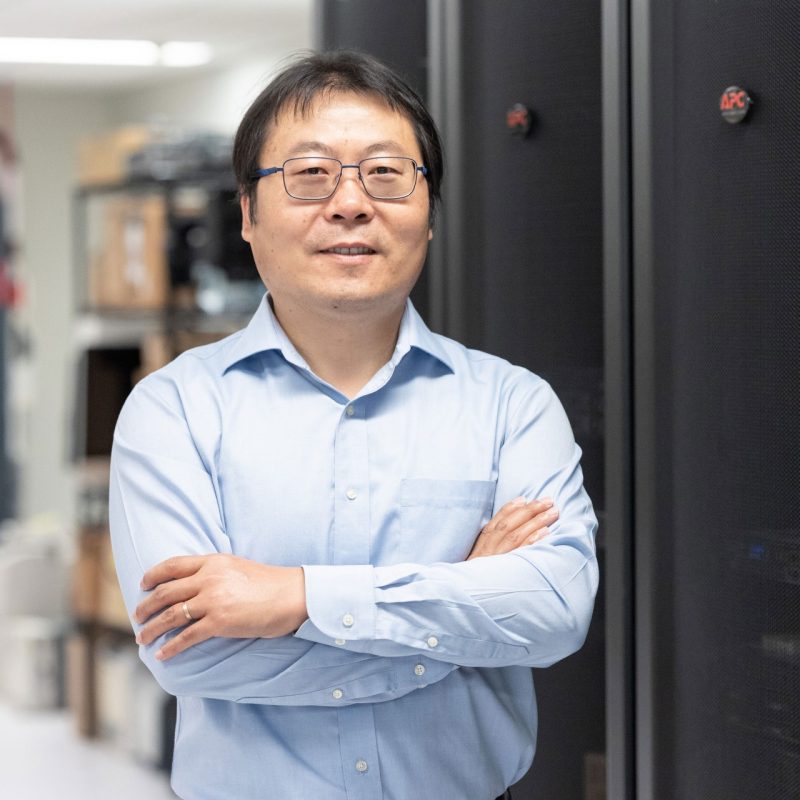
Guoqiang Yu is a Professor in the Bradley Department of Electrical and Computer Engineering at Virginia Tech. He holds a joint appointment at the Virginia Tech Research Center - Arlington. His research focuses on integrating machine learning, signal processing, and statistical methods to develop computational tools for analyzing multiplatform biomedical data. Key areas include neuroinformatics, bioinformatics, and systems biology, with applications in understanding human diseases through genomic, proteomic, and imaging data integration. Education: Ph.D. in Electrical Engineering, Virginia Tech (2011) Postdoctoral Fellowship at Stanford University (2012) M.S. Tsinghua University (2004) B.S. Shandong University (2001) Research Interests: Machine learning methodologies for biomedical data analysis, pattern recognition in complex datasets, optimization algorithms for high-dimensional data, stochastic signal processing, and their applications in neurodegenerative diseases (e.g., ALS, Alzheimer's), glial cell biology, and precision medicine. His work emphasizes developing open-source tools like ABDS, CAM3.0, and SynQuant for data normalization, deconvolution, and quantitative imaging analysis. Awards & Service: NSF Career Award (2018) Dean's Award for Excellence in Research (2022) Member of NIH BRAIN Initiative Consortium (2021–present) Associate Editor for BMC Bioinformatics (2017–present) Labs & Teams: Leads the Yu Lab at Virginia Tech, collaborating with multidisciplinary teams in neuroscience, bioengineering, and computational biology. Active in NIH-funded consortia focused on brain data science and large-scale neuroimaging initiatives.
Prof. Sander M. Bohte holds a part-time appointment as a Professor of Computational Neuroscience at the Swammerdam Institute for Life Sciences (SILS), University of Amsterdam, and is a researcher at the CWI Machine Learning group. His research focuses on computational models of neural information processing, emphasizing spiking neural networks, predictive coding, and reinforcement learning. He bridges computational neuroscience and machine learning, exploring how biological insights can improve neural network designs and vice versa. Key collaborations include work with Cyriel Pennartz (UvA), Pieter Roelfsema (NIN), and Steven Scholte (B&C). His applied research spans scientific machine learning applications in finance and genomics. He actively supervises MSc thesis students, prioritizing those from UvA, with projects ranging from biologically inspired neural architectures to efficient spiking network simulations. Research highlights include developing biologically plausible learning rules for deep networks, predictive coding models for sensory data, and spiking network models for working memory tasks. His work also addresses challenges in temporal dynamics and scalable neural computation, leveraging both theoretical and applied perspectives.
Dr. Kirill Zaychik is a Research Professor in the Department of Mechanical Engineering at Binghamton University (SUNY). He holds an M.S. in Aerospace Engineering from the Moscow Institute of Physics and Technology (2001) and a Ph.D. in Mechanical Engineering from Binghamton University (2009). His career includes industry experience at Bombardier Aerospace (Montreal, Canada) focusing on Fly-by-Wire Control Systems before joining academia in 2012. Education: M.S., Aerospace Engineering, Moscow Institute of Physics and Technology (2001) Ph.D., Mechanical Engineering, Binghamton University (2009) His research interests span human perceptual systems, man-machine interaction, control systems design, and machine learning applications. Key areas include flight/vehicle simulation, human-in-the-loop modeling, and parameter estimation using numerical methods. He has contributed to projects for NASA and the U.S. Airforce, authoring 19 technical papers. Dr. Zaychik’s publications (2003–2023) focus on advancing control systems, human operator modeling, and simulation technologies. Recent work explores real-time pilot identification via biometrics and adaptive control algorithms. Earlier studies addressed turbulence simulation, vection phenomena, and simulator sickness mitigation. While no scientific awards are mentioned, his research demonstrates significant industry-academic collaboration. He has advised no listed students but contributes to curricula like ME 212 (Mechanical Engineering Programming). No affiliated labs/teams are explicitly noted, though his work aligns with aerospace and mechanical engineering systems research at Binghamton’s Watson School.
Tobias Erb is a Professor at the University of Marburg and Director of the Department of Biochemistry and Synthetic Metabolism at the Max Planck Institute for Terrestrial Microbiology in Marburg. He received an ERC Advanced Grant (2024) for his project 'pro2neo-RUBISCO', aiming to enhance photosynthetic efficiency through synthetic biology. His research focuses on CO2 fixation, metabolic engineering, and enzyme design to address climate and agricultural challenges. He earned his PhD in microbiology from the University of Freiburg (2009) and held research positions in the US and Switzerland before becoming a Max Planck Director (2017) and University of Marburg professor (2018). His honors include the Leibniz Prize (2024), Otto Bayer Prize (2019), and EMBO membership (2022). Research interests span synthetic carbon assimilation pathways, Rubisco enzyme evolution, and sustainable biotechnology. He leads teams developing new-to-nature metabolic cycles (e.g., the C3/C4 shuttle) and engineered organisms for CO2 conversion. His work bridges foundational biology and applied biotechnology, with implications for bioeconomy and climate mitigation. Key achievements include the THETA cycle (2023), which outperforms natural CO2 fixation, and functional screening of uncultured microbes for novel CO2-reducing enzymes. Collaborations include cell-free systems for pathway testing and machine learning-driven enzyme optimization.