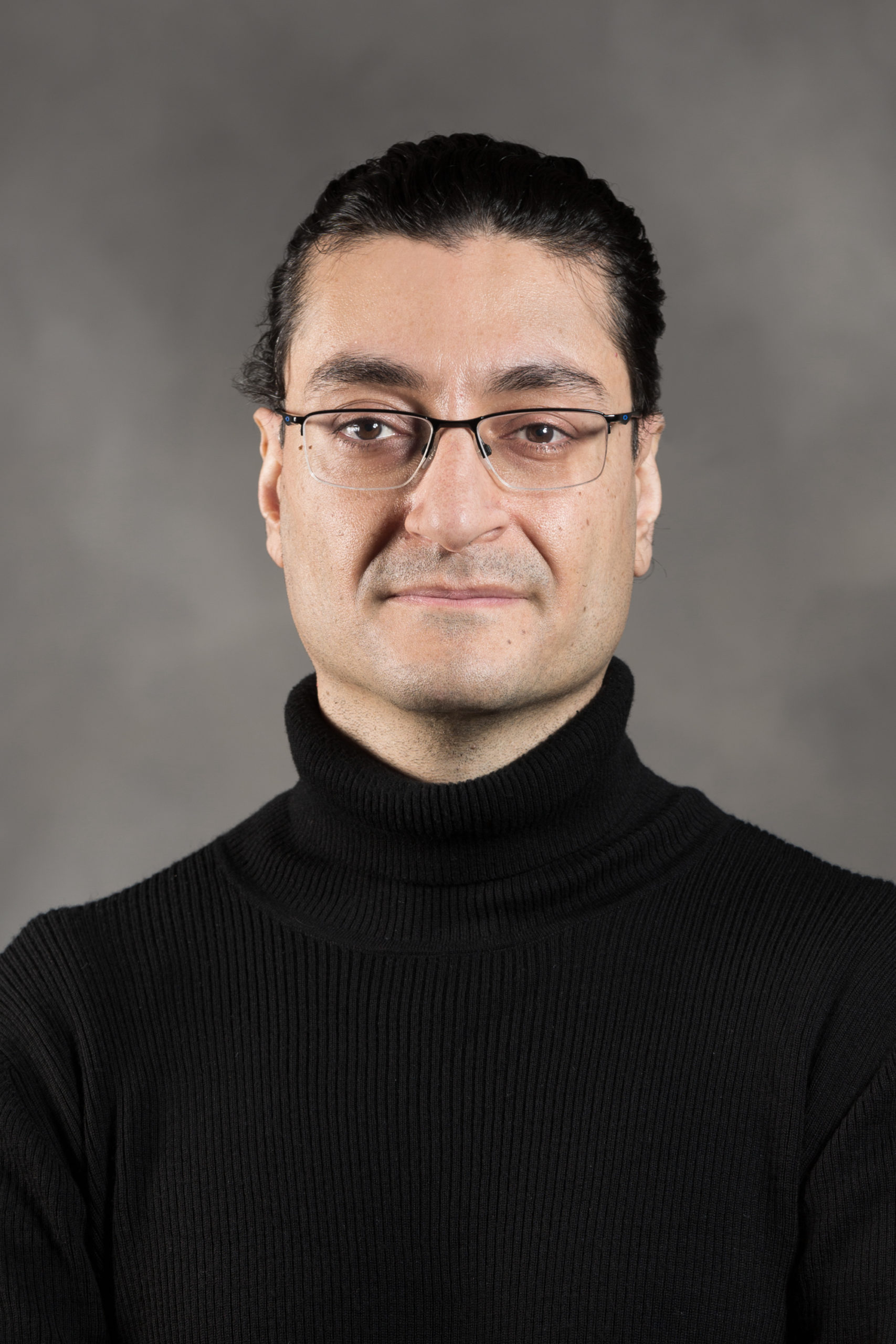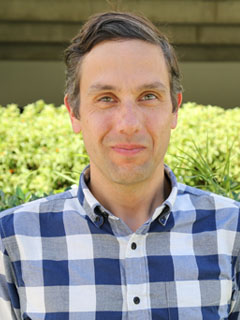
Marc R KnechtView profile
Professor
Marc R Knecht serves as a Professor and Chair of the Department of Chemistry within the College of Arts and Sciences at the University of Miami. His research program bridges chemistry, materials science, and nanotechnology with a focus on biomimetic approaches to materials design and catalysis. Dr. Knecht's research interests center on developing peptide-based strategies for controlling nanomaterial synthesis and function. His work spans Materials Chemistry , Nanotechnology , Biomimetic Materials , and Peptide Engineering , with particular emphasis on protein-material interactions, catalytic nanoparticle design, and sustainable materials synthesis approaches. His research often combines experimental techniques with computational modeling to understand structure-function relationships at the nanoscale. His recent publications demonstrate a strong focus on using peptides to control the structure and function of nanomaterials, particularly bimetallic catalysts. His work shows how peptide sequences can be engineered to direct metal distribution in nanoparticles, how protein conformations affect surface binding, and how light-responsive ligands can enable optical control of catalytic activity. The research spans fundamental surface science to practical applications in sustainable catalysis. Dr. Knecht has maintained an active research program with numerous publications in high-impact journals including ACS Nano, Journal of Physical Chemistry, and Small. His work demonstrates interdisciplinary collaboration across chemistry, materials science, and computational modeling fields. As Department Chair, he leads the Chemistry Department's academic and research initiatives while maintaining an active laboratory investigating biomimetic materials design. His research program appears well-funded through multiple grants supporting the synthesis and characterization of peptide-directed nanomaterials. His laboratory utilizes advanced characterization techniques including X-ray absorption spectroscopy, electron microscopy, and quartz crystal microbalance analysis to understand nanomaterial structure-property relationships at the molecular level.