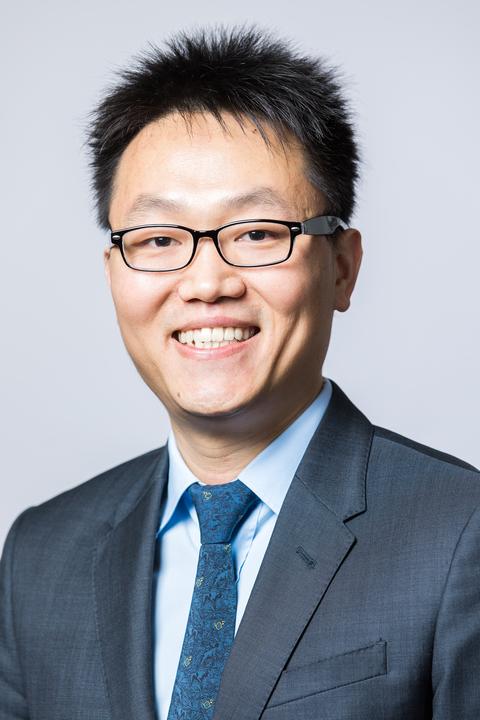
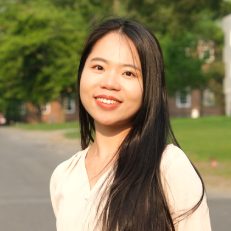
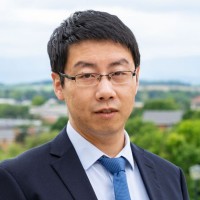
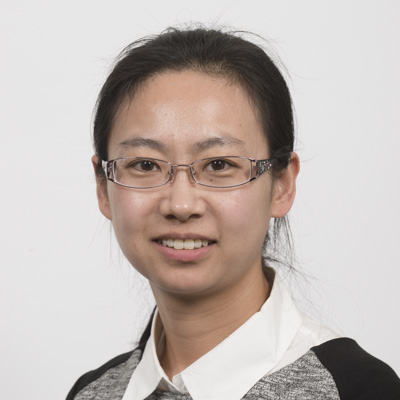
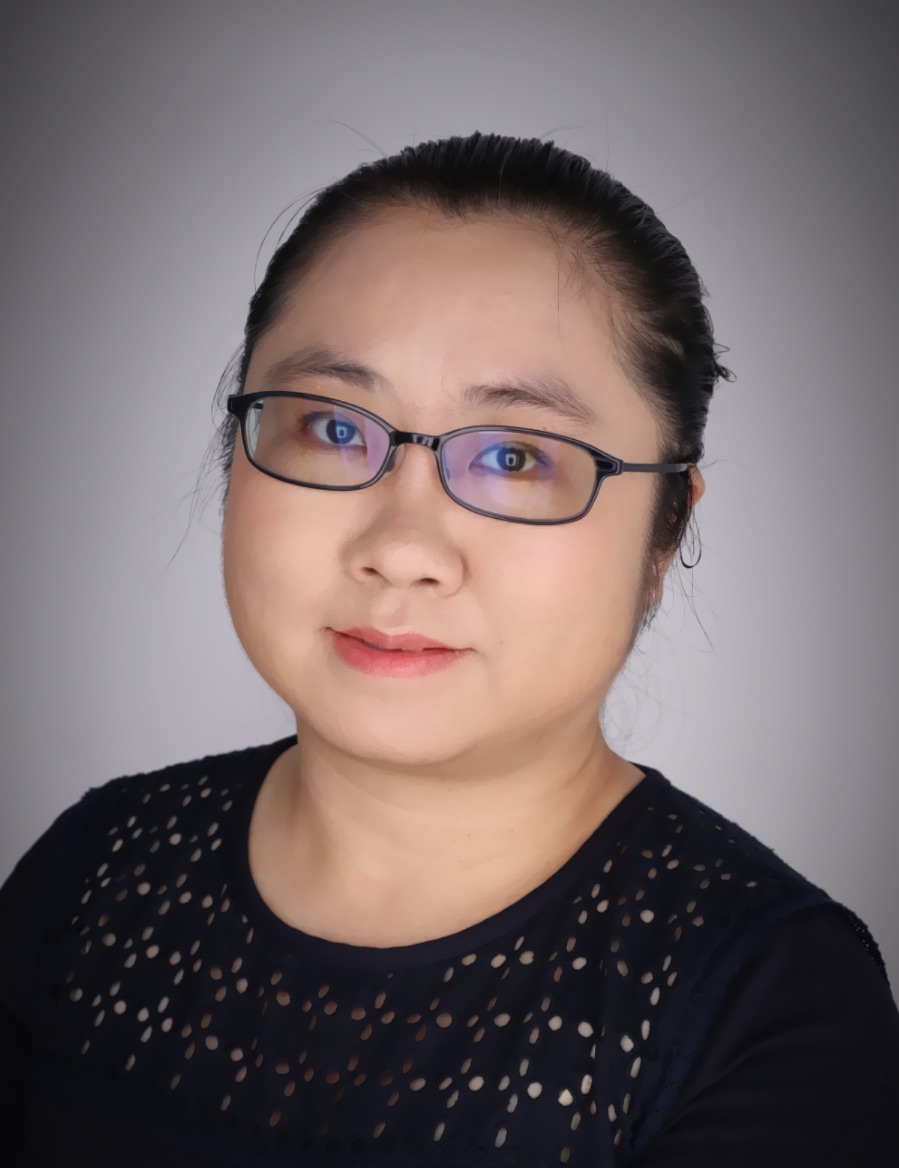
Dr. Wei Sun is a Chancellor's Fellow (equivalent to Assistant Professor) in Energy Systems Integration at the University of Edinburgh's School of Engineering. His research specializes in low-carbon energy systems with high renewable penetration, utilizing data science and optimization techniques. He contributes to major initiatives like the National Centre for Energy Systems Integration (CESI) and Hydrogen’s Value in Energy Systems (HYVE). Research encompasses network integration of distributed energy resources, climate impacts on renewables, and multi-vector energy systems. Recent publications focus on hybrid energy storage, hydrogen integration, and machine learning applications for system optimization. He holds professional credentials as a Chartered Engineer (CEng) with memberships in IET and IEEE. Teaching includes Hydropower Design Projects and Renewable Energy Fundamentals. Visiting research affiliations include University College London, enhancing collaborative networks in energy systems research.
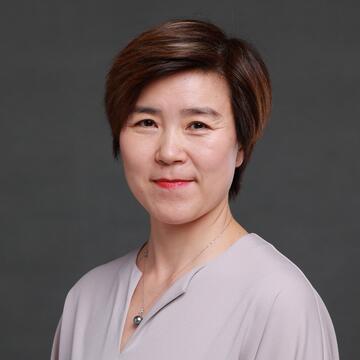
Dr. Yiqun Pan is a Special Faculty at Carnegie Mellon University's Center for Building Performance and Diagnostics, and a Visiting Professor at Lawrence Berkeley National Laboratory. With 25+ years of experience, she specializes in building performance simulation, energy efficiency, and sustainable design. Her work integrates machine learning and big data to enhance building performance and occupant well-being. Research focuses include low-carbon building technologies, energy flexibility optimization, and carbon reduction strategies. She has led projects funded by the China National Science Foundation and U.S. Energy Foundation. Dr. Pan has authored six books and over 150 publications, including 42 English journal papers. Teaching includes courses on LEED certification, green infrastructure, HVAC systems for low-carbon buildings, and building energy systems integration. Awards include IBPSA Fellow and ASHRAE Membership. She chaired the 2023 Building Simulation Conference, demonstrating global leadership in building science. Her contributions span tool development (e.g., DeST 3.0 simulation platform) and interdisciplinary collaborations. Current work bridges academic research with practical applications, advancing sustainable urban development and zero-carbon building practices.
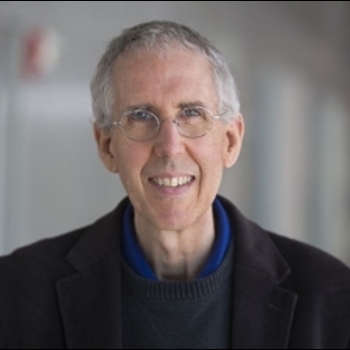
Alfred Hero is the John H. Holland Distinguished University Professor of Electrical Engineering and Computer Science and the R. Jamison and Betty Williams Professor of Engineering at the University of Michigan. He is currently on leave from the University of Michigan as a Program Director in the CISE Directorate at the National Science Foundation. His primary appointment is in the Department of Electrical Engineering and Computer Science (EECS) with secondary appointments in the Department of Biomedical Engineering and the Department of Statistics. He is affiliated with multiple research centers including the UM Center for Computational Medicine and Bioinformatics (CCMB), the UM Graduate Program in Applied and Interdisciplinary Mathematics (AIM), the UM Applied Physics Program, and the Michigan Institute for Data Science (MIDAS). Hero's research focuses on data science, developing theory and algorithms for multimodality data collection, fusion, analysis and visualization using statistical machine learning and distributed optimization. His work has applications in wearable technologies for personalized health and predictive medicine, spatio-temporal networks in biology, climate, and social discourse, anomaly detection, and data analysis for international security. His research group has produced numerous PhD students who have gone on to prominent academic and industry positions. His recent publications show a strong focus on high-dimensional statistical methods, machine learning theory, network analysis, and applications in biomedical domains. The research trends indicate increasing emphasis on multimodal data fusion, robust learning algorithms, and applications to complex systems in biology and security domains. His work bridges theoretical foundations with practical implementations across diverse application areas. Fellow of the Institute of Electrical and Electronics Engineers (IEEE) Fellow of the Society for Industrial and Applied Mathematics (SIAM) Fourier Award in Signal Processing from the IEEE Hero has advised numerous PhD, MS, and undergraduate students who have gone on to successful careers in academia and industry. His research has been supported by various grants, though specific grant details are not provided in the source material. His lab collaborates extensively across disciplines with researchers in statistics, biomedical engineering, and computational medicine. The Hero Research Group maintains active collaborations with institutions worldwide and participates in major conferences in machine learning, signal processing, and data science.
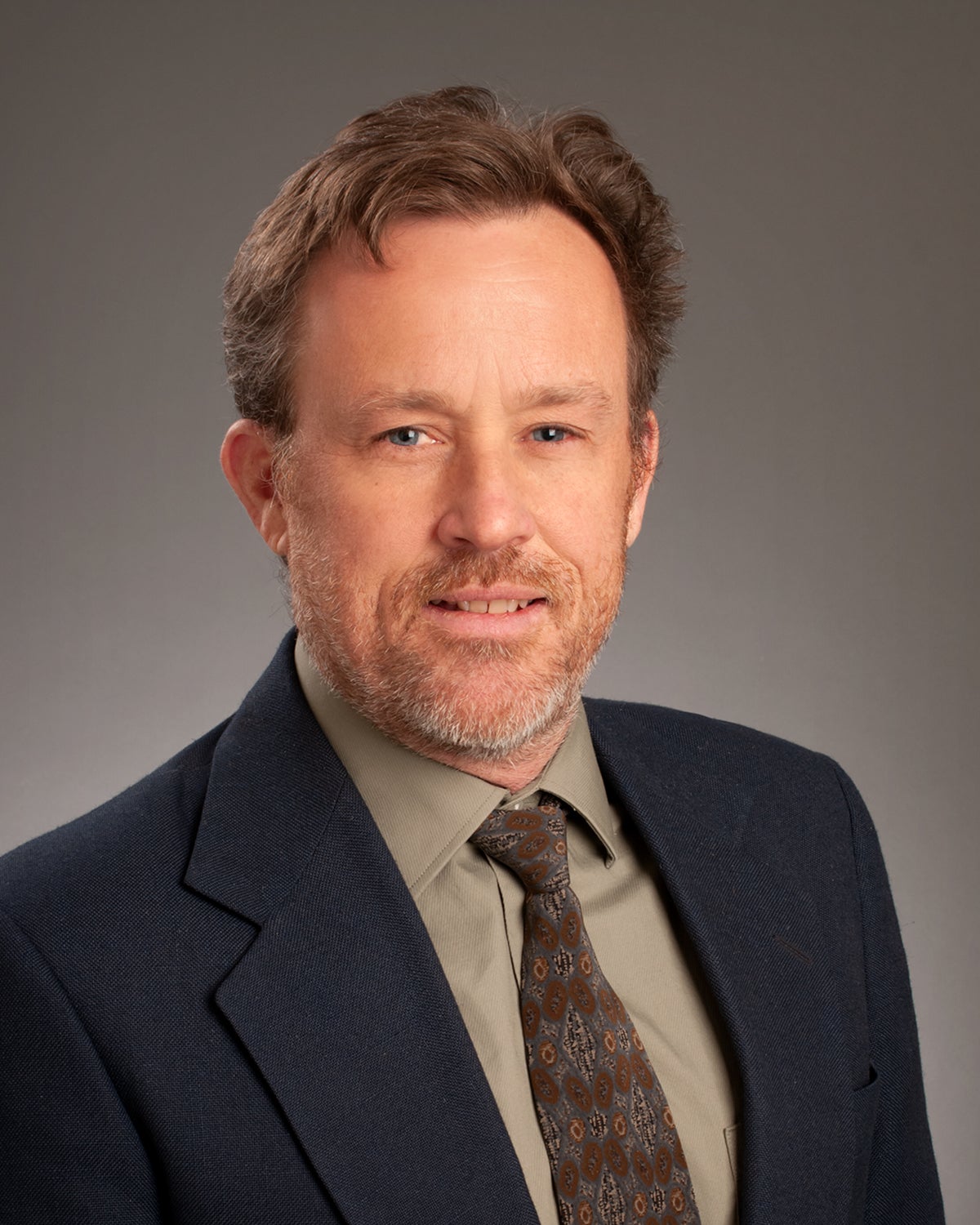
James P McNamara is a Professor in the Department of Geosciences at Boise State University , where he leads the Watershed Research Group (WPRG) . His academic focus is on hydrology, geomorphology, and hydrogeology, with extensive research in watershed processes, snow hydrology, and critical zone dynamics. He teaches courses in hydrology, hydrogeology, hydrologic analysis, and watershed hydrology. Education: Ph.D. in Hydrology, University of Alaska Fairbanks (1997) M.S. in Hydrogeology, Syracuse University (1991) B.S. in Geology, Western Michigan University (1987) Research Interests: McNamara's research centers on understanding how water moves through watersheds and the resulting impacts on landscapes and stream environments. His work integrates field experiments and modeling to explore hydrologic partitioning, snowmelt dynamics, karst systems, and the role of the critical zone in controlling water fluxes. He is particularly interested in the rain-snow transition zone and how climate change affects water availability and ecosystem function in semiarid and mountainous regions. Research Themes from Recent Publications: His recent publications highlight a strong focus on integrating advanced modeling techniques—including deep learning and geophysics-informed approaches—with field observations to study snow-dominated and karst-influenced watersheds. Themes include streamflow response to warming, post-wildfire hydrology, sediment transport, and the influence of subsurface structure on hydrologic partitioning. Students and Mentorship: McNamara mentors a number of graduate students, including Maggi Kraft , Josh Morell , Liz Crowther , and Nate Ashead , who are actively involved in field and modeling research within the WPRG. Contact: Email: jmcnamar@boisestate.edu Office: ERB 4165, Boise State University
Zhiying Li is an Assistant Professor at the O'Neill School of Public and Environmental Affairs at Indiana University Bloomington, where she joined as a tenure-track faculty member in 2023. She leads the Hydroclimatology Group, focusing on fundamental and applied questions regarding how climate variability and human intervention are altering the water cycle, with particular emphasis on hydroclimatic extremes and water availability. Dr. Li earned her Ph.D. in Geography from The Ohio State University in 2021, an M.S. in Physical Geography from the University of Chinese Academy of Sciences in Beijing (2017), and a B.S. in Agriculture in Soil and Water Conservation from Northwest A&F University in China (2014). Her research spans multiple critical areas in hydroclimatology, including drought monitoring systems, hydrological modeling, streamflow prediction, and extreme precipitation analysis. She employs diverse methodologies such as process-based hydrologic models, Earth System Models, spatiotemporal statistical modeling, machine learning, and remote sensing to address complex water-climate challenges. Her work has significant implications for risk management, climate adaptation, and sustainable development under changing climatic conditions. Analysis of her recent publications reveals a strong focus on drought monitoring systems, particularly examining how static drought thresholds perform in nonstationary climate conditions. Her research demonstrates growing interest in machine learning applications for hydroclimatic prediction and understanding spatial heterogeneity in water balance controls across the United States. Her work bridges fundamental hydroclimatology with practical applications for water resource management. American Association of Geographers (AAG) 'Elevate the Discipline' Climate Change & Society Cohort (2023) The Story Exchange 'Our Women in Science Incentive Prize' (2022) Presidential Fellowship, The Ohio State University (2020-21) AAG Climate Specialty Group Paper of the Year Award for 2024 AGU Advances paper Sustainability Research Development Grant by IU Integrated Program in the Environment First Place Climate Specialty Group's Student Paper Competition for the 2025 AAG Annual Meeting Dr. Li actively mentors graduate students including Ph.D. candidates Guoqing Gong and Tian Yang, and serves as Principal Investigator for multiple research projects. She secured significant funding through USGS 104G National Competitive Grant (as PI with co-PIs Ficklin and Lesk) to study hydrologic intensification and water availability, and a USGS 104B Annual Base Grant to investigate drought-flood abrupt alternation in Indiana. Her Hydroclimatology Group fosters an inclusive research environment that advances knowledge at the intersection of water, climate, and people. The Hydroclimatology Group at IU Bloomington employs a multidisciplinary approach, utilizing process-based hydrologic models, statistical modeling, machine learning algorithms, and remote sensing techniques to address complex water-climate challenges. Current research focuses on hydroclimatic extremes such as drought and flooding, water availability under climate change, and developing improved drought monitoring systems that account for nonstationary climate conditions.
Prof. Felix Bießmann holds a professorship in Computer Science and Media at Berlin University of Applied Sciences' Department VI. His research focuses on machine learning applications in diverse fields including healthcare, urban planning, environmental science, and robotics through his Cognitive Algorithms Lab. He teaches courses such as Machine Learning, Deep Learning, and Data Science Workflows, alongside roles at TU Berlin and Korea University. Education: PhD (Dr. rer. nat.) in Natural Sciences Research interests span machine learning theory and practical implementations across domains like computer vision, generative AI, and sensor data analysis. His work addresses challenges in automated systems, healthcare monitoring, and sustainable technologies. Recent student theses explore topics like license plate recognition, adaptive game soundtracks, and bird song detection using TinyML. Collaborations include projects with the Charité Berlin and Robert-Koch Institute. Lab: Cognitive Algorithms Lab (developing machine learning methods/applications) Contact: felix.biessmann@bht-berlin.de | Office D138, Berlin University of Applied Sciences.
Xuebin Wei is an Associate Professor of Geography at the College of Integrated Science & Engineering (CISE) at James Madison University (JMU). He holds a Ph.D. in Geography from the University of Georgia, complemented by advanced degrees in GIS and Urban Planning from Wuhan University and ITC at the University of Twente. Dr. Wei specializes in integrating geospatial technologies with social media analysis, machine learning, and cloud computing to address urban and environmental challenges. His research focuses on spatial-social networks, 3D urban modeling using LiDAR and aerial imagery, and applying social media data for disaster response and public health. Notable projects include the JMU Virtual 3D Campus and LBSocial initiative exploring geosocial data frameworks. Wei teaches courses in GIS, cloud computing (AWS), programming for data science, and machine learning. His publications span topics like election prediction using Twitter data, spatial analysis of climate phenomena (El Niño), and optimizing urban transit infrastructure. While no specific awards are listed, his work reflects interdisciplinary innovation at the intersection of geography, technology, and society. He advises students in CISE's data science and geospatial programs through courses like IA340 Data Mining and GEOG215 Cartography.
Laura Tipton is an Assistant Professor in the Department of Mathematics & Statistics at James Madison University (JMU), affiliated with the College of Science and Mathematics. Her research focuses on microbiome dynamics across diverse habitats such as human lungs, aerobiota, invertebrate guts, and fermented foods, emphasizing bacterial-fungal interactions and robust statistical methodologies. She integrates techniques from ecology, machine learning, and graph theory, with side projects in digital humanities, data visualization, and data feminism. Education: PhD in Computational Biology (2016), University of Pittsburgh/Carnegie Mellon University MS in Statistics (2011), George Washington University BA in Biostatistics (2007), University of Virginia Her research interests span microbiome analysis, microbial interactions, and interdisciplinary data science. Recent work includes studies on airborne fungal DNA dynamics, fungal contributions to neonatal lung diseases, and psychobiotic field developments. She emphasizes methodological innovation in microbiome studies and advocates for inclusive data practices. While no formal awards or grants are listed, her work reflects significant contributions to collaborative projects like the Global Spore Sampling Project and Pacific Innovations, Knowledge, and Opportunities (PIKO) Program. Laura’s advising focuses on mentoring students in interdisciplinary projects at the intersection of mathematics, biology, and computational science.
Professor Jing Yao is a leading academic in Urban Analytics and Geographic Information Science at the University of Glasgow, affiliated with the Urban Big Data Centre. She holds a PhD in Geography from Arizona State University (ASU) and advanced degrees in GIS from Nanjing University. Her research focuses on spatial optimization, health geography, and urban planning, with applications in emergency service location modeling, environmental monitoring, and socio-spatial equity. Education: PhD in Geography (ASU), MSc Industrial Engineering (ASU), MSc & BSc GIS (Nanjing University). Research: Specializes in spatial analysis, GeoAI, and urban-rural disparities. Recent work includes optimizing emergency medical services, analyzing pandemic impacts on urban resilience, and tracking global rangeland conditions via big data. Grants & Collaborations: Principal Investigator for projects on rangeland tracking (£11,970) and healthy urban spaces (£9,800). Co-Investigator in ESRC-funded Urban Big Data Centre and GCRF SHLC. Supervises PhD students in spatial optimization and GeoAI. Hosts visiting scholars from Chinese institutions. Teaching & Training: Leads postgraduate courses on GIS, spatial analysis, and urban research methods at the Urban Big Data Centre.
Prof. Peter Groot Koerkamp is a Professor and Managing Chairholder at the Agricultural Biosystems Engineering group at Wageningen University. His expertise spans agricultural engineering, environmental systems, and sustainable livestock production. He holds an MSc (1990) and PhD (1998) from Wageningen University, with a focus on ammonia emissions from poultry systems. He has held roles as a researcher, project manager, and senior scientist across multiple institutes before joining Wageningen University in 2005. His research emphasizes sustainable agricultural systems, including manure/nutrient management, gaseous emissions, and animal welfare. He leads projects on methane monitoring in dairy cows, climate control in livestock housing, and bioenergy from segregated excreta. He supervises over 50 PhD students and collaborates on initiatives like the National Growth Fund’s regenerative agriculture projects. Notable projects include Synergia (optimizing dairy systems) and collaborations with the European Society of Agricultural Engineers (EurAgEng). His work integrates environmental engineering with technological innovation, addressing challenges like particulate matter reduction in poultry houses and precision livestock farming.
WU Jian is a Professor of Finance at NEOMA Business School, serving ten years as Head of the Economics and Finance Department. She teaches investment, financial risk management, and sustainable finance across undergraduate and executive programs. Her research focuses on financial engineering, banking regulation, corporate governance, and ESG integration. Notable contributions include studies on green bonds' impact on manufacturing, carbon pricing mechanisms in EU countries, and the diffusion of corporate social responsibility through board interlocks. Education: Holds a Doctorate in Management Sciences with specialization in Finance. Professional activities include organizing seminars on banking capital structure and presenting at global conferences such as EFMA, AFFI, and ATINER. Recent work emphasizes sustainability topics like smart agriculture evaluation and carbon subsidy effectiveness in Chinese cities. Her publications span journals like Renewable Energy , Economics Letters , and Bankers, Markets & Investors , reflecting expertise in both theoretical finance (e.g., exotic options) and applied sustainability research. Active in international academic networks, she contributes to bridging financial innovation with real-economy applications.
Dr Babatunde Anifowose is an Assistant Professor at the CEES School of The Environment. He holds a PhD in Environmental Science from the University of Birmingham (2011) and advanced qualifications in Geography and Data Processing. His expertise spans Environmental Impact Assessment (EIA), oil spill modeling, water pollution management, and the application of AI/ML in environmental decision-making. Education PhD in Environmental Science, University of Birmingham (2011) MSc in Geography (Transport & Remote Sensing), University of Lagos (2007) BSc in Environmental Science, University of Lagos (2005) Diploma in Data Processing (Computer Science), University of Lagos (1997) Research Interests Anifowose focuses on sustainable natural resource exploitation, decarbonization, and EIA innovations using AI/ML. His work addresses oil spill dynamics in fluvial-marine transition zones, EIA quality assessment, and socio-environmental equity in development projects. He also explores climate change mitigation strategies in energy systems. Awards & Recognition 2020 Sustainability and Stewardship Award (Oil & Gas Industry) EPSRC Peer Review College Member (2020–present) SPE Sustainable Development Technical Section Chair (2017–present) Advisory Roles & Grants Anifowose advises on water pollution and energy infrastructure projects. His grants include funding from the Nigerian Government (PTDF) and collaborations with JICA and the AfDB. He has supervised over 4 PhD students and actively engages in peer review for Elsevier journals. Labs & Collaborations He contributes to the Data Science and Engineering Analytics Technical Section and collaborates with institutions like the British Hydrological Society and the Transportation Research Board’s Hazardous Materials Committee.
Dr. Shenyue Jia is an Assistant Professor of Geography and Director of the Geospatial Analysis Center at Miami University, Ohio. Her research focuses on leveraging satellite and crowdsourced data to analyze climate change impacts in semi-arid ecosystems and human adaptation strategies. She also innovates GIS education to democratize geospatial analysis tools beyond traditional software. Education: Ph.D. in Geography (UCLA), M.S. in Cartography (Nanjing University), B.S. in GIS (Nanjing Normal University) Her research interests include: Wildfire risk assessment using SMAP soil moisture and vegetation indices GIS applications in disaster response (e.g., power outage analysis during wildfires) Social media data utilization for crisis management GIS curriculum development emphasizing R/Python tools Recent projects include NASA DEVELOP's Kentucky tornado power outage analysis and collaborative work with CrisisReady on real-time geolocation data platforms. She has presented at AGU Annual Meetings and received grants from CADS and Miami University's CTE. Key Collaborations: CrisisReady, Thriving Earth Exchange, Google Geo for Good Teaching initiatives include a Climate Science Communication course and 3D urban modeling projects funded by the Humanities Center. She advises Slade Laszewski, whose 2024 ERC publication on WUI population trends earned recognition.
Dr. Ngoc Nha Vi Tran is an Associate Professor of Computer Science at UiT The Arctic University of Norway. She holds a PhD from UiT and was a visiting scholar at Rutgers University, USA. Her research focuses on high-performance and energy-efficient computing, machine learning, and bioinformatics. She is a member of the NORA.startup Steering Group and leads the Arctic Green Computing Group. Education: PhD in Computer Science (UiT), M.Sc. in Software Engineering via Erasmus Mundus (Blekinge Institute of Technology, Sweden & Technical University of Kaiserslautern, Germany). Research interests include energy-efficient algorithms, bioinformatics tools (e.g., vCOMBAT), and applications of machine learning in healthcare and robotics. She teaches courses such as INF-2200 Computer Architecture, INF-2900 Software Engineering, and INF-2202 Concurrent Programming. Her work spans computational models for antibiotic target-binding, runtime energy optimization (REOH framework), and power models for embedded systems (RTHpower/ICE). She contributed to the EXCESS project on energy-efficient computing systems. Labs/Teams: Arctic Green Computing Group, EXCESS consortium.
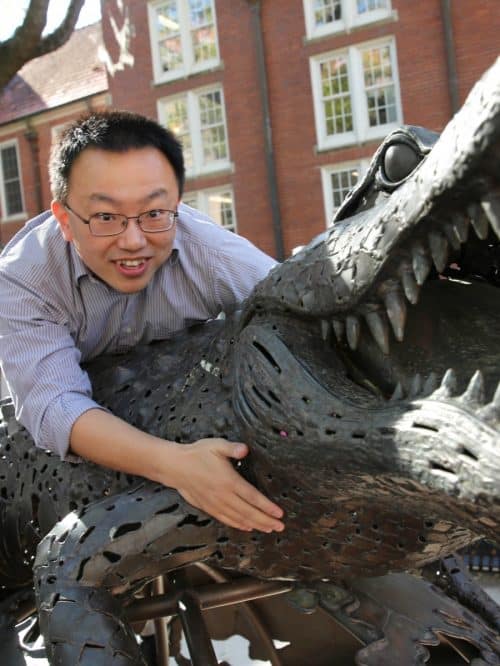
Mo Wang is a University Distinguished Professor and Lanzillotti-McKethan Eminent Scholar Chair at the University of Florida’s Warrington College of Business. He holds multiple leadership roles including Associate Dean for Research and Strategic Initiatives, Management Department Chair, and Director of the Human Resource Research Center. His research focuses on retirement strategies, occupational health, leadership dynamics, and advanced quantitative methods, supported by over $5M in federal funding from NIH, NSF, and CDC. Education: PhD (2005), MA (2003) from Bowling Green State University; BS (2001) from Peking University. Research interests include retirement policy, older worker employment, expatriate adjustment, and team processes. His work has been featured in major media outlets like the New York Times and Wall Street Journal, and he advised U.S. Congress on retirement policies. A Fellow of AOM, APA, APS, and SIOP, he leads editorial roles for journals like Work, Aging and Retirement and serves on National Academies committees. Recent articles explore age bias in creativity, AI-driven workplace practices, and organizational resilience during crises. Awards include the Academy of Management HR Division Scholarly Achievement Award (2008) and SIOP’s William A. Owens Award (2016).