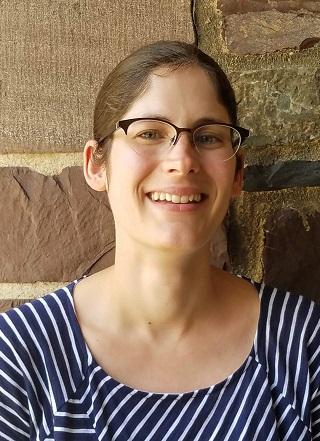
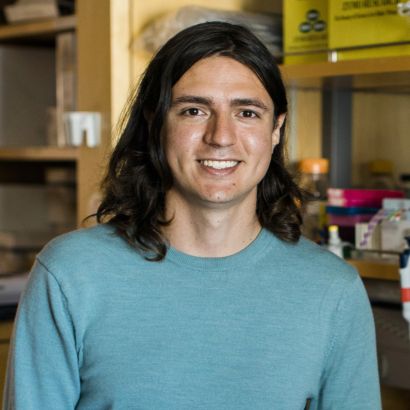
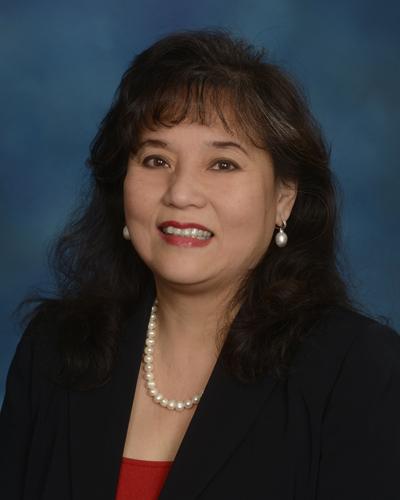
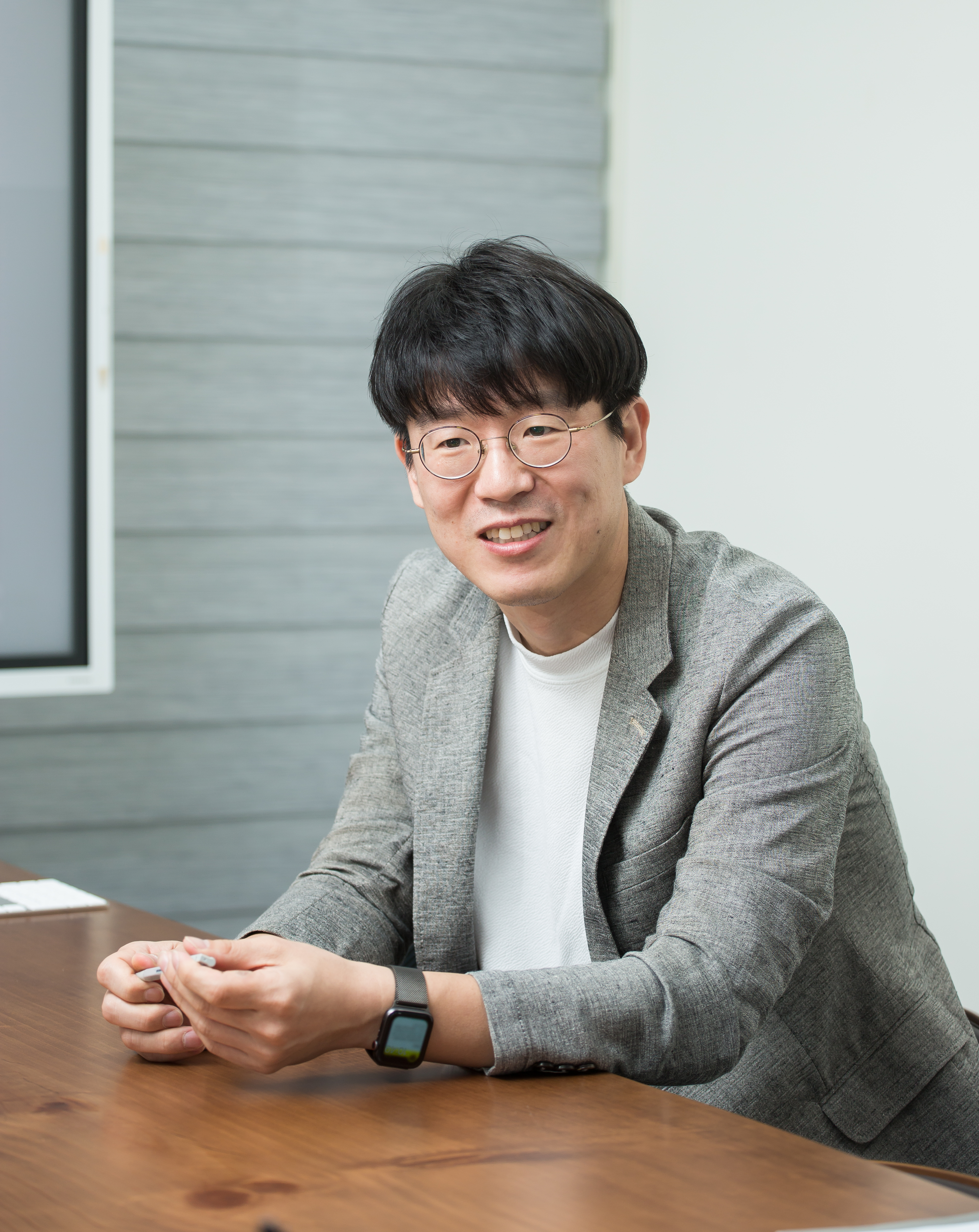
Prof. Dr. Jakob Franke is a W2 Tenure Track Professor for the Biochemistry of Plant Specialised Metabolites at the Institute of Botany, Leibniz University Hannover , Germany. He serves as an Emmy Noether Group Leader and Junior Research Group Leader under Prof. Russell Cox, focusing on plant biosynthetic pathways and metabolic engineering. Education: PhD in Chemistry (2011-2015) and MSc in Chemistry (2009-2011) from Ludwig Maximilians University Munich; BSc in Biochemistry (2006-2009) from Technical University Munich. His research bridges plant biochemistry with ecosystem service assessment, particularly in agricultural and coastal environments. Recent work includes standardizing ecosystem condition indicators, modeling pollinator habitats, and evaluating digital agriculture impacts using Bayesian networks. Key article trends (2025-2018) span Environmental Science , Ecology , and Computational Modeling , with subfields like ecosystem accounting, soil biodiversity, marine service mapping, and socio-ecological frameworks. Collaborative projects often involve Prof. Burkhard and teams across Europe, China, and Southeast Asia. Scientific Awards: Emmy Noether Group Leader He has advised on national ecosystem service indicators and contributed to Horizon Europe projects. His lab integrates biochemical research with large-scale environmental modeling, emphasizing sustainability and policy-relevant outcomes.
Dr. Mary-Ellen Harper is a Professor in the Department of Biochemistry, Microbiology and Immunology at the University of Ottawa Faculty of Medicine. She holds a Tier I Canada Research Chair in Mitochondrial Bioenergetics and Metabolic Health, and serves as Director of both the Ottawa Institute of Systems Biology and the NSERC-CREATE MATRIX program. Her research focuses on mitochondrial energy transduction mechanisms in health and disease. BSc, University of Guelph PhD, University of Ottawa Postdoctoral Fellowship, Cambridge University As a leading expert in mitochondrial bioenergetics, Dr. Harper investigates metabolic pathways affecting cellular energy efficiency through mitochondrial uncoupling proteins (UCPs), adenine nucleotide translocators (ANTs), and supercomplex formation. Her work has significant implications for obesity, diabetes, cardiovascular diseases, and neurodegenerative disorders. Dr. Harper's research team has produced over 215 peer-reviewed publications cited more than 21,300 times (H-index 74). Her recent publications explore mitochondrial transporter networks in cancer, cardiac metabolic regulation, and exercise interventions for obesity-related metabolic dysfunction. Scientific Distinctions Tier I Canada Research Chair (2024-2031) Lifetime Achievement Award, Diabetes Canada (2021) University Research Chair in Mitochondrial Bioenergetics (2016-2021, 2021-2024) Premier's Research Excellence Award (2000) John Charles Polanyi Prize (1995) Dr. Harper has supervised 21 MSc, 9 PhD, and 11 postdoctoral fellows. Her lab receives funding from CIHR, NSERC, Canadian Nuclear Laboratories, and the Canada Research Chairs program. The Harper Laboratory operates from Roger Guindon Hall, Room 3522, at the University of Ottawa.
Viktoria Dorfer is a Professor at the University of Applied Sciences Hagenberg, affiliated with the Bioinformatics Center of Excellence and Medical Engineering/TIMed Center HEAL. She holds an ORCID iD (0000-0002-5332-5701) and has published 66 research outputs with an h-index of 9 and 676 citations. 2007–2012: Doctoral research on algorithmic approaches 2013–2016: FWF Translational Research on MS Amanda 2020–2022: PI for b-tastic project Research Interests: Spanning bioinformatics, mass spectrometry, and medical engineering, her work focuses on: Algorithm development for peptide identification Evolutionary algorithms in data analysis Mass spectrometry software platforms (AMANDA, Annika) Cross-linked peptide analysis Precision agriculture applications Medical device optimization 2024 Trends: Recent contributions include symbolic regression in livestock farming, enhanced rescoring platforms, and structural analysis of the C. elegans Box C/D complex. Awards: EuPA Bioinformatics Mass Spectrometry Award (2020) Leadership: Organized Austrian Proteomic Research Symposia (2017), served as reviewer/peer-reviewer for journals, and led interdisciplinary collaborations.
Dr. Ammasi Periasamy is Professor of Biology and Biomedical Engineering at the University of Virginia, where he serves as Founder and Center Director of the internationally renowned W.M. Keck Center for Cellular Imaging (KCCI). He received M.S. and Ph.D. degrees from the Indian Institute of Technology, Madras, and completed postdoctoral training in Biomedical Engineering at the University of Washington. M.S. in Physics, Annamalai University M.S. and Ph.D. in Biomedical Engineering, Indian Institute of Technology, Madras Dr. Periasamy is a pioneer in fluorescence lifetime imaging microscopy (FLIM) and Förster resonance energy transfer (FRET) for studying calcium signaling, mitochondrial metabolism, and molecular interactions. His group developed the FLIRR (Fluorescence Lifetime Redox Ratio) technique for cancer metabolism analysis and investigates lysosome-mitochondria signaling in neurodegenerative diseases. His 15 most recent publications focus on prostate cancer metabolism via multiphoton FLIM, machine learning integration in imaging analysis, and neurodegenerative mechanisms using mitochondrial biomarkers like NAD(P)H and FAD. Key themes include label-free diagnostics , lysosomal-mitochondrial communication , and in vivo metabolic imaging . Scientific Awards & Leadership : Fellow, SPIE Optical Society (2012) Organizer of Annual SPIE International Conferences (since 2001) Editor of 11 books on Cellular & Clinical Imaging Dr. Periasamy leads the KCCI, providing advanced imaging training through annual workshops since 2002. His work bridges optical engineering and clinical translation , with over 234 research publications and 8,041 citations.
Prof. Dr. Lukas Milles is a faculty member at the Gene Center, Ludwig-Maximilians-Universität München , where he has held the position of Professor (W2) since October 2024. He is also the Emmy Noether Group Leader at the Max Planck Institute of Biochemistry in Martinsried, leading the Biomolecular Design research group. His work bridges de novo protein design, deep learning, and single-molecule biophysics to engineer novel proteins and understand biological mechanisms. Education: PhD in Physics/Biophysics (2014–2018), Ludwig-Maximilians-Universität München, with Hermann Gaub Postdoctoral Researcher (2019–2023), Institute for Protein Design, University of Washington, Seattle, with David Baker Acting Instructor (Jan–Jun 2024), Institute for Protein Design, University of Washington, Seattle Research Interests: Prof. Milles' research lies at the intersection of computational protein design and experimental biophysics. His lab uses deep learning to design proteins de novo , focusing on creating synthetic enzymes and self-strengthening protein bonds inspired by bacterial pathogens. The group employs high-throughput single-molecule techniques to validate designs and explore protein mechanics, folding, and function. Scientific Awards: Human Frontier Science Program Cross Disciplinary Fellowship (2020–2023) EMBO Long Term Fellowship (2019–2020) Honourable Mention, Birnstiel Award (2019) PhD Prize, LMU Munich University Society (2019) Students & Team: Prof. Milles currently advises four PhD students: Nele Dierlamm, Lars Dornfeld, Iryna Poplevicheva, and Andreas Riedlberger. His lab is interdisciplinary and welcomes applications from candidates in biology, physics, chemistry, engineering, and computer science. Lab & Collaborations: The Milles lab operates jointly at the LMU Gene Center and the MPI of Biochemistry, supported by the DFG Emmy Noether programme. The team maintains a high-throughput pipeline for protein design and characterization, integrating computational modeling with experimental validation using atomic force microscopy and single-molecule force spectroscopy.
Christopher E. Wilmer is an Associate Professor at the Swanson School of Engineering , University of Pittsburgh, specializing in computational materials discovery for energy applications. His work focuses on Metal-Organic Frameworks (MOFs) in gas separation, thermal conductivity, and sensor array design. PhD, Chemical & Biological Engineering, Northwestern University (2013) BASc, Engineering Science, University of Toronto (2007) Wilmer's research integrates computational modeling with hypothetical materials to advance carbon capture , gas sensing , and thermal transport in nanoporous systems. He pioneered genetic algorithms for MOF sensor optimization and studies defect impacts in MOFs like UiO-66. His 15 most recent publications (2024-2021) span Materials Science , Chemical Engineering , and Environmental Technology , emphasizing MOFs for CO2 capture , electronic nose development , and thermal property engineering . Key journals include Journal of Materials Chemistry A , ACS Sensors , and Chemical Science . Scientific honors include Forbes 30-under-30 , ACS Excellence Award , and NSF Visualization Challenge . He has advised co-authors on MOF-based projects but no formal students are listed in the provided data. Wilmer's cyber-physical systems work intersects with infrastructure security , as noted in his faculty profile. He developed MOFUN , an open-source Python tool for molecular design, and contributed to E-waste fraud modeling and light-harvesting MOFs .
Beryl Jones is an Assistant Professor in the Department of Entomology at the University of Kentucky's Martin-Gatton College of Agriculture, Food and Environment. Her research focuses on the genomics of socio-behavioral plasticity in wild bees, integrating behavior, ecology, and modern computational biology approaches to understand phenotypic complexity evolution. She serves as both a Career and Professional Mentor and Research Mentor for students. Dr. Jones received her educational training through: B.S. in Ecology and Evolutionary Biology, Biochemistry, University of Arizona, 2011 Ph.D. in Ecology, Evolution, and Conservation Biology, University of Illinois at Urbana-Champaign, 2019 Her research program centers on social insects as models for evolutionary transitions and phenotypic plasticity. The Jones Lab specifically studies sweat bees (Halictidae) which exhibit remarkable plasticity within and across species, repeated gains and losses of social traits, and newly developed genomic resources. Her work integrates behavioral ecology with computational biology and genomics to understand the mechanisms behind phenotypic complexity. This research has implications for understanding evolutionary transitions, social behavior development, and the genetic basis of plasticity across developmental and evolutionary timescales. Analysis of Dr. Jones' publication record reveals a consistent focus on the genomics of social behavior in bees, with particular attention to sweat bees as model organisms. Her work spans molecular, physiological, and behavioral levels, connecting gene regulatory networks to social phenotypes. Recent research has increasingly incorporated advanced computational methods including AI and machine learning for behavioral tracking. Her publications span high-impact journals across evolutionary biology, genomics, and entomology, reflecting the interdisciplinary nature of her work. Dr. Jones has received numerous scientific awards throughout her career: George C. Eickwort Student Research Award (IUSSI-NAS) 2019 Robert Emerson Memorial Award (UIUC) 2018 NSF Graduate Research Fellowship 2012-2015 Illinois Distinguished Fellowship 2012-2018 Multiple undergraduate research awards including the Barry M. Goldwater Fellowship Dr. Jones actively mentors students and has served as a Teaching Assistant, Guest Lecturer, and Lecturer for various courses including Bioinformatics and Bees and Beekeeping. She is currently recruiting M.S. and Ph.D. students for her lab. Her research has been supported by multiple grants including NSF funding and institutional fellowships. Dr. Jones has also served on graduate admissions committees, organized conferences, and participated in peer review for numerous journals. The Jones Lab focuses on the genomics of socio-behavioral plasticity in wild bees, particularly sweat bees in the family Halictidae. The lab integrates behavioral ecology with computational biology and genomics to understand the evolution and development of phenotypic complexity. Current research examines how social traits evolve and are maintained through genetic and environmental interactions, with particular attention to facultatively eusocial species that can switch between solitary and social behaviors.
Professor David Palmer is affiliated with the University of Strathclyde as a Professor in Pure and Applied Chemistry. He obtained his MChem from the University of Sheffield and PhD in Chemistry from the University of Cambridge. Current role: Professor (since 2025) Prior roles: Lecturer (2014), Senior Lecturer (2019), Reader (2022) Postdoctoral research: Aarhus University (2008-2011), Max Planck Institute (2011-2012) Research Interests : Development of molecular simulation and informatics methods for industrial applications at the interface of biochemistry and chemical physics. Focus areas include computational drug discovery (AstraZeneca, GSK, Pfizer collaborations) and enzyme design for food manufacturing (Chr. Hansen A/S). Expertise spans solvation thermodynamics, molecular dynamics, machine learning, and biophysics. Scientific Awards : Chemical Structures Association Trust Grant (2014) Marie Curie Intra-European Fellowship (2012) Collaborations & Grants : Principal Investigator for Dxcover and Penrhos Bio PhD studentships. Co-investigator in EPSRC-funded projects related to molecule design beyond Lipinski space. Labs & Companies : Founding Director of Dxcover (cancer diagnostics) and Penrhos Bio Ltd.
Willow Coyote-Maestas is an Assistant Professor in the Department of Bioengineering and Therapeutic Sciences at the University of California San Francisco (UCSF), where she leads the Coyote-Maestas Lab. She holds affiliations with multiple graduate programs, including the Biophysics Graduate Program, Chemistry and Chemical Biology Graduate Program, Pharmaceutical Sciences and Pharmacogenomics Graduate Program, and the Tetrad Graduate Program. Her research focuses on integrating computational biology, molecular biophysics, and pharmacogenomics to understand protein structure-function relationships and their implications in disease and drug development. Education PhD in Biochemistry, Molecular Biology, and Biophysics from the University of Minnesota, Twin Cities (2021) MS in Bioinformatics and Computational Biology from the University of Minnesota (2019) BS in Chemistry and BA in Environmental Studies from Evergreen State College (2014) Research interests span molecular dynamics simulations, deep mutational scanning, and domain engineering in ion channels and drug transporters. Her work addresses critical questions in pharmacogenomics, systems pharmacology, and evolutionary constraints on protein function. Recent projects include the development of computational frameworks like Rosace and ORACLE, and functional studies on the MET receptor tyrosine kinase and OCT1 transporter mutations. Scientific Awards Chan Zuckerberg Biohub Investigator (2023-2028) HHMI Hanna Gray Fellow (2021-2027) QBI Fellow (2021-2023) NSF Graduate Research Fellowship (2017-2018) University of Minnesota Ross A. Gortner Award (2019) Publications highlight her expertise in computational genomics, protein engineering, and biophysics, with recent studies analyzing codon interplay, kinase resistance mechanisms, and bacterial secretion systems. Her methodological innovations, such as DIMPLE and Rosace, provide tools for studying protein variation and functional landscapes.
Linda Chang, MD, MS is a Professor at the University of Maryland School of Medicine in the Department of Diagnostic Radiology and Nuclear Medicine . She also holds an Adjunct Professor position at the Johns Hopkins University School of Medicine . Dr. Chang is internationally recognized for her work in advanced neuroimaging and genetics to study HIV-related neurological disorders , substance use , and brain development/aging . BS in Biochemistry, University of Maryland College Park MS in Physiology and Biophysics, MD from Georgetown University Neurology Residency and Fellowships at UCLA Her research spans machine learning for brain injury assessment , MR-guided focused ultrasound to eliminate HIV reservoirs , and multimodal MRI in working memory training . She leads the ABCD Study at University of Maryland with $21M+ NIH funding. Recent publications focus on HIV and Alzheimer's interactions , sleep disruption , and neuroinflammation . A NIDA Avant-Garde Award recipient, she has served NIH councils and journals as Associate Editor for Frontiers in Neurology . Labs include Center for Advanced Imaging Research and teams with experts like Thomas Ernst, Christine Cloak , and Muhammad Saleh . Her work combines clinical trials , animal models , and population studies to address neurodegenerative and developmental disorders .
Jean-Pierre da Costa is a Professor at Université de Bordeaux, affiliated with the Institut Polytechnique de Bordeaux and the IMS (Integration of Material to System) Laboratory. His research focuses on signal and image processing with applications in precision agriculture and plant disease detection, particularly within the MOTIVE team of the Signal and Image Processing research group. Dr. da Costa's research spans computer vision, deep learning, and proximal sensing technologies applied to agricultural challenges. He specializes in developing automated systems for crop monitoring, disease diagnosis, and precision farming operations. His work bridges theoretical image processing with practical agricultural solutions, with significant contributions to grapevine disease detection (particularly Flavescence Dorée and downy mildew), mechanical weeding systems, and vineyard monitoring technologies. The research combines algorithm development with real-world field validation, often involving multi-year experimental studies across different grape varieties and crop types. His publication record shows a consistent trajectory toward increasingly sophisticated AI-driven agricultural solutions. Early work focused on fundamental image processing techniques, while recent publications demonstrate integrated systems combining proximal sensing, deep learning, and real-time decision making. The research spans both fundamental materials science (pyrocarbon nanostructure analysis) and practical agricultural applications, showing remarkable interdisciplinary breadth. A common thread is the development of robust, field-deployable technologies that operate effectively in challenging outdoor conditions. Dr. da Costa collaborates extensively with agricultural researchers, viticulturists, and industry partners including STMicroelectronics, Stellantis, and various French research institutions. His work often involves multi-year projects with practical implementations, such as the BIPBIP project (Bloc-outil et Imagerie de Précision pour le Binage Intra-rang Précoce) funded by ANR. The MOTIVE team he leads develops complete solutions from image acquisition through to actionable agricultural insights, with several publications describing systems that operate in real-time on low-power embedded platforms suitable for field deployment.
Jae Kyoung Kim is an Associate Professor in the Department of Mathematical Sciences at KAIST (Korea Advanced Institute of Science and Technology) and serves as Chief Investigator in the Biomedical Mathematics Group at the Institute for Basic Science (IBS). He is also a Member of the Young Korean Academy of Science and Technology and the KOFST Future Generation Committee. His academic journey began with a B.S. from Seoul National University, followed by a Ph.D. from the University of Michigan, Ann Arbor, under advisors Daniel Forger and Victoria Booth. He completed postdoctoral training at the Mathematical Biosciences Institute at Ohio State University. Kim's research spans mathematical and biological domains, focusing on dynamical systems, biological oscillators (particularly circadian rhythms), systems pharmacology, cancer chronotherapy, stochastic processes, Bayesian inference, and single-cell sequencing data analysis. His work bridges abstract mathematical concepts with practical biomedical applications, developing mathematical frameworks to solve complex biological problems related to sleep patterns, drug development, and cancer treatment timing. His publications demonstrate a strong trend toward integrating machine learning with traditional mathematical modeling, particularly in sleep medicine and circadian biology. Recent work emphasizes wearable technology applications, personalized chronotherapy, and the development of clinical tools with mathematical foundations. The research shows increasing interdisciplinary collaboration across mathematics, biology, medicine, and data science. Choi Seok-jeong Award (Minister of Science and ICT Award) KAIST Global Research Cooperation Awards Citation from the Minister Ministry of Science and ICT Innovation Award from MEDITEK J. Shelton Horsley Research Award Yonam International Collaborative Research Professorship KSIAM Young Researcher Award Kim actively advises numerous graduate students and postdoctoral fellows, with several former students securing prestigious academic positions. His research has been supported by significant grants including Samsung Science & Technology Foundation, LG Yonam Foundation, and Pfizer Inc. He organizes major international conferences and serves on editorial boards for leading journals including SIAM Review, PLOS Computational Biology, and Current Opinion in Systems Biology. His book '수학이 생명의 언어라면' (If Mathematics is the Language of Life) has gained recognition as a significant contribution to mathematical biology education.
Etienne Audureau is a Full Professor at University of Paris-Est Créteil and holds multiple leadership positions including Co-director of the INSERM CEpiA team, Co-holder of the AI-RACLES Chair in Artificial Intelligence for health vulnerability assessment, Head of the Mondor Clinical Research Unit, and Head of the Public Health Department at Henri Mondor Hospital (AP-HP). He also serves as President of the College of Public Health. His research primarily focuses on vulnerability associated with aging, particularly in elderly cancer patients. His work spans identification and characterization of vulnerability, multimorbidity profiles, development of prognostic models, and quality of life measures in geriatrics. His studies frequently employ advanced statistical methods and machine learning approaches to analyze complex health trajectories in aging populations. Analysis of his recent publications reveals a strong emphasis on applying artificial intelligence to geriatric oncology, with particular attention to frailty assessment, multimorbidity patterns, and mortality prediction in elderly cancer patients. His work bridges clinical epidemiology with computational approaches, demonstrating how machine learning can enhance traditional geriatric assessment tools. Audureau leads the CEpiA research team focusing on 'Multimorbidity, Frailty, Dependence' and co-holds the AI-RACLES Chair which specifically addresses 'Artificial intelligence for the evaluation of profiles, trajectories and management of vulnerability in health' across three domains: COVID-19, elderly fragility, and cancer. His research has significant implications for improving healthcare delivery to vulnerable elderly populations through better risk stratification and personalized care approaches.
Dr. Siddharth Arora is an Associate Professor of Machine Learning and Management Science at the Saïd Business School , University of Oxford. He teaches quantitative courses across MBA, Executive MBA, and Executive Education programmes. Recipient of the 2025 University of Oxford Social Sciences Division Teaching Excellence Award Research focuses on machine learning applications in healthcare, energy forecasting, and biomedical signal processing Collaborates with programme teams including Hilary O’Hare, Susie Middleton, Phil Curnick, and Paulina Gasparek Leverages large-scale datasets from the Parkinson’s Voice Initiative and smart meter studies Emphasizes inclusive teaching approaches and cross-disciplinary methodology His work spans neurodegenerative disease diagnostics , emergency department risk modeling , and energy demand forecasting , applying advanced machine learning techniques to real-world problems. The Parkinson’s Voice Initiative studies demonstrate how telephone-quality speech can enable remote disease monitoring, while his energy forecasting research addresses grid stability challenges with weather integration models. Siddharth has received multiple scientific awards , including: 2025 Social Sciences Division Teaching Excellence Award Publications in top journals on Parkinson's disease and energy forecasting Recognized for innovative quantitative teaching methods His teaching philosophy emphasizes student-driven learning, supported by programme teams and infrastructure that enable complex quantitative instruction at scale. He acknowledges contributions from colleagues in programme management and teaching resources.
Saara Ollila is a University Lecturer at the Molecular and Integrative Biosciences Research Programme (University of Helsinki, Faculty of Biological and Environmental Sciences). She is also Principal Investigator (PI) for the Translational Cancer Biology Program and Genome Biology Unit . Academic rank: Lecturer Research areas: Genetics, Developmental Biology, Physiology, Biochemistry, Cell and Molecular Biology Email: saara.ollila@helsinki.fi Research Focus combines genetic analysis of cancer predisposition (particularly mismatch repair genes like MSH2 and MLH1 ) with molecular mechanisms of intestinal tumorigenesis. Her work explores: Genomic instability in Lynch syndrome Stromal-epithelial interactions in cancer Role of GDNF and NRG1 in intestinal differentiation Western diet impacts on bile acid homeostasis CRISPR/Cas9-based gene regulation Functional testing of missense variants Publication Trends (2025-2013) show consistent contributions to: Translational cancer biology (especially intestinal and thyroid cancers) Genome-wide association studies (GWAS) Gene editing applications (CRISPR/Cas9) Organoid classification algorithms (e.g., Tellu ) Mechanistic studies of DNA repair and signaling pathways