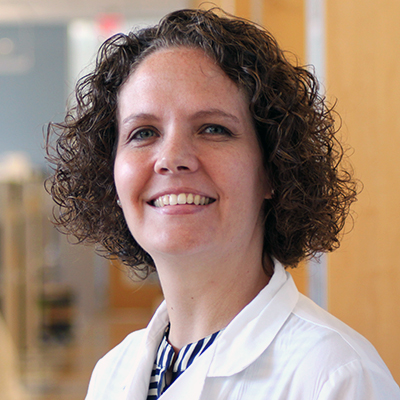
Professor Robert Eason is a leading academic at the University of Southampton, specializing in photonics and laser technology. His research spans interdisciplinary areas combining Machine Learning , Medical Diagnostics , and Microfluidics . Research Interests : Eason focuses on AI-driven laser applications, including deep learning for phototherapy , autonomous laser machining , and low-cost paper-based diagnostic devices . His work bridges photonics with biomedicine and advanced manufacturing. Recent Publications : His 2025 article in Scientific Reports explores AI simulations for psoriasis treatment, while 2024-2022 works address laser-controlled microfluidics, deep learning in microscopy, and reinforcement learning for laser machining. Supervision : He supervises PhD student Georgia Mourkioti in laser-based research projects. External Roles : Eason has served as a speaker at international conferences including the International Symposium on Laser Precision Microfabrication (2018), LAISER (2019), and Deep Learning for Control of Light-Matter Interactions (2022).
Deyu Lu is a Physicist with continuing appointment at the Center for Functional Nanomaterials (CFN), Brookhaven National Laboratory, a position held since 2018, and concurrently serves as an Adjunct Professor in the Department of Materials Science and Engineering at Stony Brook University since 2012. His work bridges theoretical physics and materials engineering through advanced computational methodologies. Dr. Lu's educational background includes: B.S. in Physics, Tsinghua University, China, 1997 M.S. in Physics, Chinese Academy of Sciences, 2000 Ph.D. in Physics, University of Illinois at Urbana-Champaign, 2000 His research centers on developing first-principles computational methods including density functional theory and many-body perturbation theory to investigate materials properties. Current focus areas encompass catalytic behavior of 2D zeolites, computational modeling of X-ray spectroscopy (XPS/XAS/XES) for catalysis and battery systems, and machine learning applications for structure-property relationship analysis. This work positions him at the intersection of computational physics, materials characterization, and data science. Analysis of his 2017-2024 publications reveals a progressive integration of machine learning with spectroscopic techniques, particularly in X-ray absorption analysis. Key contributions include the Lightshow Python package for computational spectroscopy inputs and methods for decoding structure-spectrum relationships using physically constrained latent spaces, demonstrating significant advancement in data-driven materials characterization. Within Brookhaven's CFN, Dr. Lu actively contributes to the Theory/Computation group and has organized multiple workshops at NSLS-II and CFN User Meetings, including the 2023 Workshop on X-ray Absorption Spectroscopy Curation, the 2022 Symposium on Electronic Structure of Nanomaterials honoring Dr. Mark Hybertsen, and 2021-2022 workshops on machine learning for battery development and X-ray scattering.
A. Asadi is an Assistant Professor at the Faculty of Electrical Engineering, Mathematics and Computer Science at TU Delft. He leads the Wireless Communication and Sensing (WISE) Lab within the Embedded Systems Group, focusing on the integration of wireless communication and sensing systems for Beyond-5G and 6G networks. His research leverages machine learning to develop practical solutions for next-generation wireless networks, with strong industrial collaborations from companies such as Nokia, NEC, and National Instruments. Research Themes : Wireless Sensing, 6G Networks, Physical Layer Security, Reconfigurable Intelligent Surfaces (RIS), mmWave Communication Key Collaborations : Industry partnerships with Nokia, National Instruments, and NEC Recent research outputs highlight his work on Reconfigurable Intelligent Surfaces (RIS) for 6G systems, including liquid crystal-based designs for fast beam switching and temperature compensation. His publications emphasize practical implementations in mmWave communication, security protocols, and experimental validation. Scientific Awards : Athene Young Investigator Prize (2017) Educational Fellowship (2025) Asadi contributes to the academic community through committee roles at major conferences like IEEE INFOCOM , IEEE ICNP , and ACM CoNEXT , and his work on D2D communication has been cited as an ESI highly cited paper.
Phil Pavilionis is an Associate Professor of Kinesiology in the School of Public Health at the University of Nevada, Reno. With over 20 years of clinical experience as a Certified Athletic Trainer (ATC) and Certified Strength and Conditioning Specialist (CSCS), he bridges academic research with practical applications in sports medicine. His roles include teaching undergraduate/graduate courses, conducting research in the Neuromechanics Laboratory, and serving as an adjunct clinical athletic trainer for Nevada Sports Medicine. Education: Ph.D. in Neuroscience, University of Nevada, Reno (2024) M.S. in Exercise Science, California University of Pennsylvania (2007) B.S. in Health Science, University of Nevada, Reno (1995) Dr. Pavilionis specializes in head injury prevention and virtual reality applications for concussion evaluation. His research leverages clinical experience to develop standardized assessment protocols, focusing on vestibular-ocular motor screening (VOMS) using virtual reality to reduce administrator variability. Key investigations include oculomotor deficits following concussion, head impact biomechanics in football using instrumented mouthguards, and minimal detectable change metrics for neurocognitive tests like ImPACT. His work integrates neuroscience, kinesiology, and engineering to improve concussion diagnosis and management. Analysis of his 45 publications (2022-2025) reveals three dominant trends: (1) Virtual reality standardization of concussion assessments, particularly VOMS protocols; (2) Head impact monitoring using instrumented mouthguards to evaluate protective equipment like Guardian Caps; and (3) Machine learning applications for objective concussion detection through eye-tracking and biomechanical data. These studies consistently address the critical need for objective, standardized tools to overcome subjective symptom reporting in sports concussion management. Dr. Pavilionis actively collaborates with the Neuromechanics Laboratory and Nevada Sports Medicine, translating research into clinical practice. While no specific grants are documented in the provided materials, his extensive publication record (including 15 articles in 2023 alone) demonstrates sustained research productivity and interdisciplinary collaboration across neuroscience, engineering, and sports medicine disciplines.
Bruno Alonso is a CNRS Research Director at the Institute of Chemistry of Montpellier (ICGM), a joint research unit of CNRS, University of Montpellier, and the National School of Chemistry of Montpellier (ENSCM). His work focuses on advanced materials chemistry with emphasis on nanostructured hybrid systems and NMR characterization of organic-inorganic interfaces. Education Engineer, National School of Chemistry of Paris (1993) Doctorate in Materials Science, University of Paris VI (1998) CNRS Research Fellow (2001) Accreditation to Supervise Research, University of Orléans (2006) Bachelor of Fine Arts, University of Paris 1-CNED (2017) Research Interests Dr. Alonso's research centers on hybrid organic-inorganic materials with expertise in sol-gel chemistry , nanoscale self-assembly , and advanced NMR spectroscopy . His group develops: Biomimetic nanocomposites using polysaccharides (chitin/cellulose) and oxides Zeolite systems with controlled heteroelement distribution and acidity Multinuclear NMR methods for probing molecular interactions at interfaces Applications span sustainable materials, energy storage, and catalytic systems with strong emphasis on green synthesis approaches. Publication Trends Analysis of recent publications (2021-2025) reveals dominant themes in zeolite chemistry (40% of output) and biomimetic nanomaterials (30%), with growing integration of computational methods (15%). His work increasingly employs machine learning for NMR prediction and solvent-free synthesis techniques , reflecting industry shifts toward sustainable materials. Collaborative publications span 12 countries with consistent focus on energy applications (hydrogen storage, thermal management) and advanced characterization. Research Infrastructure Based at Montpellier's Balard Research Chemistry Center, Dr. Alonso utilizes ICGM's state-of-the-art facilities including high-field NMR spectrometers and materials synthesis laboratories. His group maintains active collaborations with European institutions for X-ray diffraction, computational modeling, and gas-sensing applications.
Dr. Sung Sik Lee serves as a Lecturer in the Department of Materials at ETH Zurich, Switzerland. Affiliated with ScopeM (Scientific Center for Optical and Electron Microscopy), he develops microfluidic platforms for real-time cellular analysis at the HPM C 52.2 facility (Otto-Stern-Weg 3, Zürich). His research bridges engineering and biology to investigate cellular responses to mechanical and chemical stimuli. His primary research domains include: Microfluidics : Design of microfabricated devices for cell stretching, particle separation, and dynamic stimulation Cellular Aging : Mechanisms of chromosome loss and nuclear pore complex reorganization in yeast models Nanotoxicology : Impact of nanoplastics on macrophage inflammation and intestinal barrier integrity Advanced Imaging : Application of holotomography and Raman spectroscopy for label-free cellular analysis His work consistently targets translational applications in disease modeling and diagnostics. Analysis of his 50+ publications reveals strong interdisciplinary integration, particularly the convergence of machine learning with microscopy (e.g., automated vacuole quantification in yeast) and the development of open-access resources like MicrobioRaman. Recent trends emphasize nanoparticle-cell interactions and microfluidic solutions for inflammatory conditions including IBD and acute kidney injury. Dr. Lee actively contributes to ScopeM's mission of advancing microscopy techniques, maintaining collaborations across ETH Zurich's research ecosystem. His laboratory focuses on microfluidic device fabrication, cellular mechanotransduction studies, and biophysical characterization of particles and cells, with ongoing projects extending through 2025.
William Harbert is a Professor in the Department of Geology and Environmental Science at the University of Pittsburgh, where he leads research in geophysics and subsurface characterization. His work bridges fundamental geophysical principles with practical applications in energy and environmental systems. Education: MS in Exploration Geophysics from Stanford University PhD in Geophysics from Stanford University Research focuses on seismic analysis across multiple scales, from micro-CT to surface seismic. His group specializes in advanced processing of microseismic, reflection seismic, and VSP data to image subsurface structures and understand pore-scale dynamics. Current work integrates deep learning for geophysical object detection and classification, with emphasis on organic shale systems and CO 2 storage monitoring. Key areas include rock physics, microseismicity analysis, and environmental geophysics for water quality assessment. Publication trends show strong emphasis on energy-related geophysics, particularly hydraulic fracturing monitoring, CO 2 sequestration verification, and unconventional reservoir characterization. Recent work increasingly incorporates machine learning techniques and addresses environmental monitoring challenges in subsurface operations. Scientific recognition: DOE ORISE Research Associate Resident Institute Fellow of the NETL-Institute for Advanced Energy Solution Professional engagements include membership on the Altarock Review Board for DOE-funded geothermal projects and prior service on the Scientific Advisory Board for the In Salah CO 2 Injection Project. His research involves extensive collaboration with national laboratories and industry partners on subsurface monitoring technologies. His laboratory group develops advanced geophysical processing techniques for subsurface imaging across multiple scales, with current projects focusing on microseismic monitoring of shale reservoirs and CO 2 storage sites.
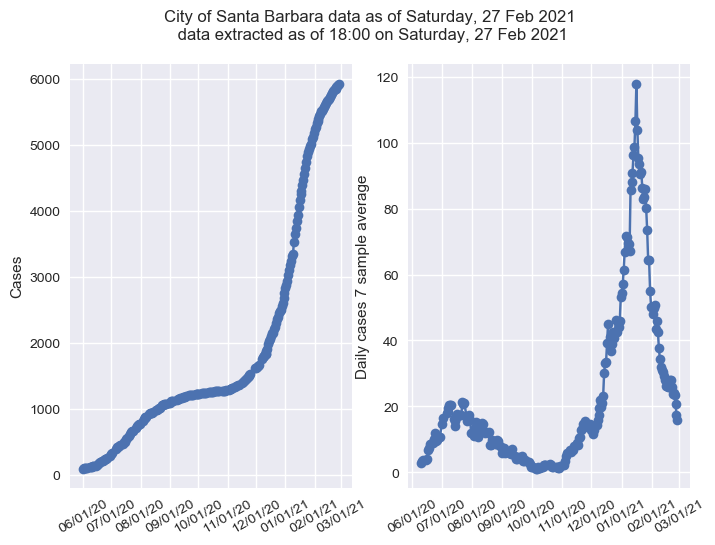
Leon Balents is a Professor at the Kavli Institute for Theoretical Physics (KITP) and holds the Yzurdiaga Chair of Theoretical Physics at the University of California Santa Barbara (UCSB). He is a leading theoretical physicist in quantum materials, with affiliations including co-director of the CIFAR Quantum Materials program, a Fellow of the American Physical Society, a member of the American Academy of Arts and Sciences, and the National Academy of Sciences. His work bridges theory and experiment in condensed matter physics, focusing on systems like quantum spin chains, twisted bilayer graphene, and magnetic 2D materials. Bachelor’s in Physics and Mathematics, MIT PhD in Physics, Harvard University (1994) Dr. Balents is renowned for pioneering the theory of Coulomb interactions in quantum wires, discovering 3D topological insulators, and establishing Weyl semimetals. His research spans quantum spin liquids, topological spintronics, Van der Waals materials, and non-equilibrium probes of quantum systems. He collaborates extensively with experimentalists at UCSB, including Stephen Wilson, Susanne Stemmer, and Andrea Young, and leads efforts in the UCSB Quantum Foundry and the Simons Collaboration on Ultra-Quantum Matter. Scientific Awards and Honors : Fellow, American Physical Society Member, American Academy of Arts and Sciences Member, National Academy of Sciences Co-Director, CIFAR Quantum Materials Program Students and Collaborators : Kasra Hejazi, Chunxiao Liu, Mitchell Bordelon, and postdocs like Wenjie Ji and Jong Yeon Lee contribute to his group’s work. He teaches graduate-level condensed matter physics and leads virtual workshops on quantum materials. His GitHub projects, including a covidSB repository , reflect his interdisciplinary interests beyond physics.
Dr. Miguel Rico-Ramirez serves as Associate Professor of Radar Hydrology and Hydroinformatics at the University of Bristol's School of Civil, Aerospace and Design Engineering. His research integrates advanced radar technology with hydrological modeling to address critical water resource challenges including flood forecasting, drought management, and precipitation measurement across diverse global contexts from South Korea to Mexico City. Education: Bachelor of Engineering (Eng.) Master of Engineering (M.Eng.) Ph.D. in Engineering, University of Bristol His research program focuses on radar-based precipitation estimation, hydroinformatics, and flood prediction systems. He pioneers deep learning applications for rainfall nowcasting and develops innovative methods for uncertainty quantification in hydrological modeling. Current work emphasizes cosmic-ray neutron sensor validation, satellite-based flood mapping, and seasonal forecast applications for reservoir operations, with strong emphasis on translating research into operational water management solutions. Recent publications (2023-2025) reveal three dominant research thrusts: (1) deep learning frameworks for spatiotemporal rainfall prediction, (2) global validation of precipitation and soil moisture datasets using novel sensor networks, and (3) operational implementation of seasonal forecasts for drought mitigation in South Korea. His work consistently bridges radar meteorology with practical hydrological applications across urban and data-scarce environments. Scientific Awards: No specific awards documented in source materials Dr. Rico-Ramirez supervises postgraduate researchers in radar hydrology and hydroinformatics, with projects spanning flood early warning systems, precipitation nowcasting, and climate adaptation strategies. His research receives funding for international collaborations focused on water security challenges, particularly in drought-prone regions and data-scarce basins like the Nile Delta. Current grants support development of integrated forecasting systems combining global datasets with machine learning for extreme event management. He leads the Radar Hydrology research group within Bristol's Water and Environmental Engineering division, collaborating closely with Professor Dawei Han on hydroinformatics and Dr. Rafael Rosolem on water-climate interactions. The team maintains active partnerships with meteorological agencies and water authorities globally, particularly in flood forecasting system implementation across South Korea and Mexico.
Cynthia D. Rudin is the Gilbert, Louis, and Edward Lehrman Distinguished Professor of Computer Science at Duke University, with joint appointments in the Departments of Electrical and Computer Engineering, Statistical Science, Mathematics, and Biostatistics & Bioinformatics. She directs the Interpretable Machine Learning Lab and has held previous positions at MIT, Columbia, and NYU. Her educational background includes: Undergraduate degree from the University at Buffalo PhD from Princeton University (2004) Research Interests: Dr. Rudin's research focuses on interpretable machine learning and its applications across multiple domains. Her work emphasizes creating machine learning models whose reasoning processes people can understand, which includes algorithms for extremely sparse models, interpretable neural networks, interpretable matching methods for causal inference, and dimension reduction for data visualization. She applies these techniques to critical societal problems in healthcare, criminal justice, materials science, and other domains. Her lab has developed practical code for sparse models such as decision lists, decision trees, and additive models that provably optimize accuracy and sparsity. Dr. Rudin's recent publications (2024-2025) demonstrate a strong focus on interpretable AI applications across diverse fields including healthcare (mortality risk scores, breast cancer prediction), materials science (metamaterials design), and environmental justice (location-based health analysis). Her work consistently emphasizes practical implementations with real-world impact, particularly in high-stakes decision-making domains where model transparency is critical. Scientific Awards: Squirrel AI Award for Artificial Intelligence for the Benefit of Humanity (2022) - often described as the "Nobel Prize of AI" INFORMS Society on Data Mining Prize (2024) Guggenheim Fellowship (2022) Three-time winner of the INFORMS Innovative Applications in Analytics Award (2013, 2016, 2019) Winner of the 2023 John M. Chambers Statistical Software Award for PaCMAP Winner of the 2024 Award for Innovation in Statistical Programming and Analytics Dr. Rudin has advised numerous PhD students and postdocs who have co-authored significant publications with her. Her lab has received substantial funding for projects applying interpretable machine learning to healthcare (seizure prediction in ICU patients), criminal justice (crime series analysis), and energy infrastructure (underground electrical distribution networks). Her work on the Series Finder algorithm has been adapted by the NYPD and has been running live in NYC since 2016. She directs the Interpretable Machine Learning Lab at Duke, which includes the Almost-Matching-Exactly Lab focused on interpretable causal inference. Her team develops practical code implementations for all their research, emphasizing usability and real-world application in critical domains.
Seung Eock Kim is a Professor in the Department of Civil and Environmental Engineering at Sejong University, Korea, where he has served since 1997. Previously, he held executive leadership as Senior Vice President (2015-2018) and brings industry experience from Daewoo Engineering. His academic credentials include a Ph.D. from Purdue University (1996), M.S. from KAIST (1990), and B.S. from Yonsei University (1983). Kim leads research in structural systems optimization with emphases on: Nonlinear inelastic analysis of steel/composite structures AI-driven structural design methodologies LRFD (Load and Resistance Factor Design) frameworks Advanced computational mechanics for infrastructure His recent publications (2024-2025) demonstrate strong focus on machine learning applications for structural health monitoring, nano-scale material characterization of steels, and sensor-based corrosion detection. This represents a strategic expansion into intelligent infrastructure systems beyond traditional mechanics. Awards and honors: National Research Laboratory designation (Ministry of Science, 2000) Elected Full Member of Korean Academy of Science and Technology (2011) He directs the Steel Structure Laboratory , where he developed the specialized nonlinear analysis software 3D-PAAP. His research has generated 132 SCIE-indexed publications with 1,599+ citations, including the influential CRC Press book LRFD Steel Design Using Advanced Analysis (1997).
Professor Kiyotaka Iwasaki at Waseda University's Faculty of Science and Engineering is a leading figure in biomedical engineering with a focus on cardiovascular device development , tissue engineering , and regulatory science . His career spans over two decades at Waseda University, including roles as Associate Professor (2006-2014) and positions at Harvard Medical School's Laboratory for Tissue Engineering. Holding a Doctor of Engineering from Waseda, he serves on numerous international regulatory committees and has contributed to ISO/TC194 standards for medical devices. 1993-2002: Waseda University Education in Mechanical Engineering 2001-2004: Research Associate at Waseda University 2004: Research Scientist at Harvard Medical School 2018-Present: Professor at Waseda University His research interests include Non-clinical testing methodologies for medical devices Regulatory science frameworks Tissue engineering for ligament and cardiac applications Cardiovascular biomedical engineering His scientific contributions reveal through Development of decellularized tissue grafts for orthopaedic surgery Innovations in 3D cardiac tissue engineering using fibrin-based cell sheet stacking Pioneering bioresorbable stent technology with magnesium alloys Creation of biomechanical simulators for valvular disease modeling His awards span from the 2021 Japanese Ministerial Science Commendation 2020 JSME Standards Award 2018 ARIA Innovation Award 2001 ASAIO Fellowship While his publications demonstrate expertise in Vascular and cardiac device testing Bioresorbable stent evaluation Machine learning in medical device regulation Decellularized tissue applications
Kristy M. Ainslie, PhD, is a Professor in the Department of Pharmacoengineering and Molecular Pharmaceutics at the University of North Carolina at Chapel Hill's Eshelman School of Pharmacy and a member of the UNC Lineberger Comprehensive Cancer Center. Her research develops immune-modulatory therapies using biomaterials to treat infectious and autoimmune diseases as well as cancer, with explicit focus on scalable production for resource-limited settings globally. Dr. Ainslie's work integrates biomaterials science and immunology to engineer practical drug delivery systems, particularly using acetalated dextran (Ac-DEX) platforms. Her lab specializes in creating microparticles and nanofibers for antigen/vaccine delivery, cancer immunotherapy, and autoimmune disease treatment, prioritizing formulations adaptable to developing nations. Recent advancements include electrospray techniques for non-denaturing protein encapsulation and machine learning models for predicting drug release kinetics. Her publication trajectory reveals consistent innovation in nanomedicine, with increasing emphasis on translational applications. Key trends include acid-responsive polymer systems for controlled therapeutic release, scalable manufacturing methods for global vaccine access, and immune-modulation strategies targeting T-regulatory cells for autoimmune conditions like multiple sclerosis. Dr. Ainslie's accolades include: Sato Memorial International Award (2023) Controlled Release Society Fellow (2022) American Institute for Medical and Biological Engineering Fellow (2021) OSU Council of Graduate Students Distinguished Faculty Advising Award (2012) She actively mentors PhD and Master's students, with recent advisees including Nicole Rose Lukesh, Sophie Mendell, and Ryan Woodring. Her lab comprises postdoctoral researchers like Pamela Tiet and Monica Johnson, supported by collaborative projects with institutions including Ohio State University. While specific grants aren't detailed, her high-impact publications and lab operations indicate substantial external funding. The Ainslie Lab, headquartered at 4012 Marsico Hall, drives translational nanomedicine through interdisciplinary teams. It maintains active outreach initiatives like school science demonstrations and hosts international collaborators, reflecting its commitment to education and global health impact.
Jiefeng Sun serves as Assistant Professor in the Department of Aerospace and Mechanical Engineering within Arizona State University's School for Engineering of Matter, Transport and Energy. His research program centers on designing artificial-muscle-driven robots that replicate biological adaptivity through advanced modeling and control systems. His academic credentials include: Ph.D. in Robotics and Control from Colorado State University (2022) M.S. in Mechanical Engineering from Dalian University of Technology (2017) B.S. in Mechanical Engineering from Lanzhou University of Technology (2014) Dr. Sun's research integrates soft robotics, artificial muscles, and adaptive control to create morphologically intelligent systems. His work spans aerial robotics, wearable exoskeletons, and biomimetic locomotion, with emphasis on shape-changing mechanisms and energy-efficient actuation that enables robots to operate in unstructured environments. Analysis of his recent publications reveals dominant themes in twisted-and-coiled actuators, tensegrity structures, and physics-informed control methods. Key trends include variable-stiffness systems for wearable devices, data-efficient simulation techniques using Koopman operators, and bistable mechanisms for aerial grasping applications. His research excellence has been recognized through: Finalist for Best Student Paper Award at IEEE/RSJ IROS 2018 Reviewer of the Year 2021 for Smart Materials and Structures Journal 2022 DARPA Riser designation Dr. Sun actively recruits graduate students for robotics research and has secured significant funding including DARPA support. He teaches core courses including System Dynamics and Control I (MAE 318) while supervising thesis research and applied projects through MAE 599 and MAE 792. He directs the Sun Robotics Lab (https://sunroboticslab.github.io), which collaborates across biomechanics, materials science, and control theory to develop next-generation adaptive robotic systems with applications in healthcare, exploration, and human augmentation.
Roman Krems is a Professor and Distinguished University Scholar at the University of British Columbia (UBC) in the Department of Chemistry, with affiliations to the Stewart Blusson Quantum Matter Institute. His research focuses on the intersection of quantum physics, machine learning, and chemistry, particularly in quantum materials and quantum technologies such as quantum computing and sensing. Key Roles: Professor at UBC (2013–present), Distinguished University Scholar (2017–present) Education: Ph.D. from Göteborg University (2002), Postdoctoral Fellow at Harvard-MIT Center for Ultracold Atoms (2003–05) Research Interests include: Quantum machine learning (QML) for solving complex physics problems Quantum scattering theory in electromagnetic fields Applications of quantum computing to chemistry Developing machine learning algorithms for quantum dynamics Recent publications highlight advancements in extrapolating quantum observables, Gaussian process models for collision dynamics, and quantum walks in disordered systems. His work bridges theoretical physics, computational methods, and experimental applications in cold molecule research. Scientific Awards include the UBC Killam Teaching Prize (2017), election as Fellow of the American Physical Society (2015), and the Keith Laidler Award (2013). He has held editorial board positions for journals such as Machine Learning: Science & Technology and New Journal of Physics . Research Group members include graduate students and postdocs working on quantum technologies, machine learning, and molecular scattering. He also contributes to outreach through invited talks and seminars at institutions like MIT and Lawrence Berkeley National Laboratory.