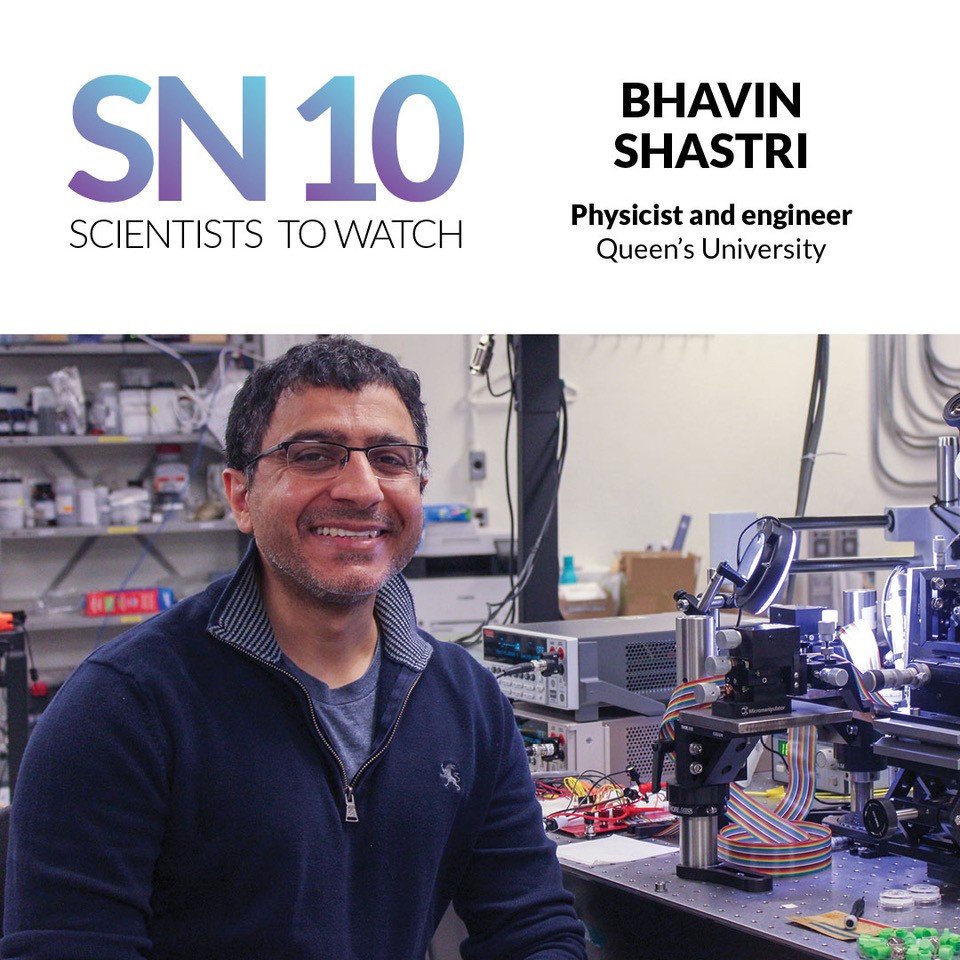
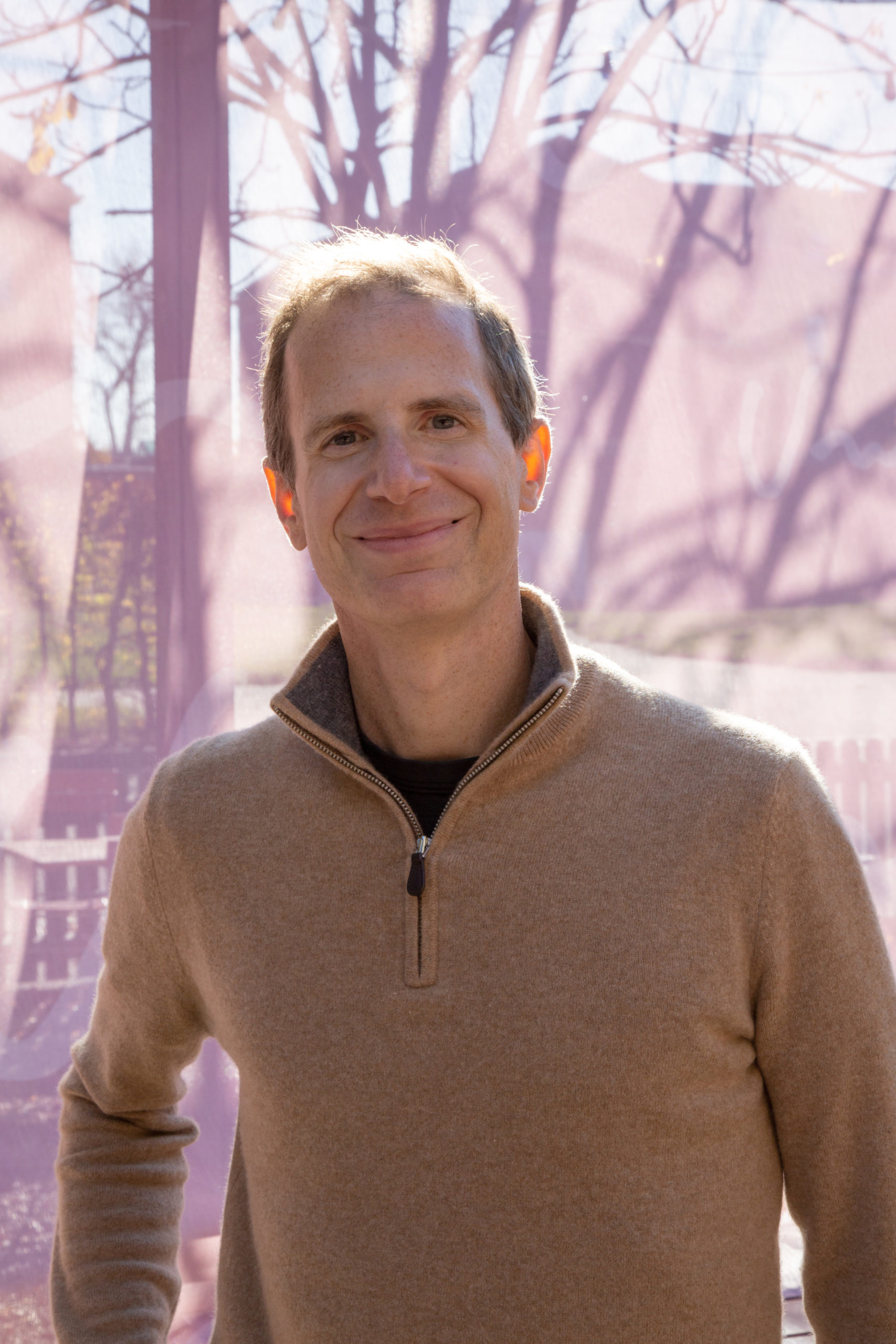
Bhavin Shastri is Canada Research Chair in Neuromorphic Photonic Computing and Assistant Professor of Engineering Physics at Queen's University. He directs research developing light-based computing systems that mimic neural processing for AI applications. His lab designs photonic integrated circuits that implement neural network architectures on chip-scale platforms. Research focuses on overcoming limitations of conventional computing through nanophotonic physics and novel materials. Publications demonstrate advances in photonic tensor cores, quantum photonic neural networks, and microwave photonic processors. Recent work achieves orders-of-magnitude improvements in processing speed and energy efficiency over electronic systems. Awards include: Alfred P. Sloan Research Fellowship (2025) Royal Society of Canada College Member (2024) Science News SN10 Scientist to Watch (2024) SPIE Early Career Award (2022) As Scientific Co-Director of NSERC's NUCLEUS program, he leads national efforts in photonic computing. Guides 12+ graduate students researching silicon photonics, neuromorphic architectures, and quantum photonics.
Akshay Narayan is a Senior Lecturer (Educator Track) at the School of Computing, National University of Singapore (NUS), where he teaches senior undergraduate and graduate-level courses in AI Planning and Decision Making, as well as introductory and intermediate-level Software Engineering courses. Education: Ph.D. in Computer Science from National University of Singapore (completed in 2020) M.Tech. in Information Technology from International Institute of Information Technology Bangalore, India B.E. in Computer Science & Engineering from Visveswaraya Technological University, India Research Interests: Dr. Narayan's research spans multiple domains within computer science with a primary focus on artificial intelligence and its applications. His current research centers on transfer learning in reinforcement learning, multi-agent decision making, and AI planning. He has also made significant contributions to cloud computing research, particularly in areas such as smart metering, chargeback systems, power-aware cloud metering, and workload analysis for virtual machine sizing. His work bridges theoretical foundations with practical applications, addressing real-world challenges in computing systems. He has recently expanded his research to include technology in education, exploring how AI can be integrated into teaching and learning processes. Publication Trends: Dr. Narayan's publication record demonstrates a clear evolution from foundational work in cloud computing to more recent explorations in reinforcement learning and AI education. His early work focused on practical applications in cloud systems, including smart metering and QoS monitoring. More recently, his research has shifted toward AI planning, decision making, and the educational applications of AI. This progression shows his ability to adapt to emerging fields while maintaining a strong foundation in systems research. Awards and Recognition: Teaching and Mentoring: Dr. Narayan teaches a variety of courses at NUS including CS2113 Software Engineering & Object-Oriented Programming, CS3219 Software Engineering Principles and Patterns, CS3268 Responsible AI: From Algorithms to Impact, and IT5100F Industry Readiness: Data Analytics and AI in Practice. He has also taught CS4246/CS5446 AI Planning and Decision Making. His teaching approach integrates his research expertise with practical applications, providing students with both theoretical foundations and hands-on experience. He has taught these courses across multiple academic years from AY-2013/14 through AY-2020/21. Research Groups and Collaborations: Dr. Narayan has collaborated with researchers across multiple institutions, including work with Prof. Tze Yun Leong at NUS (his PhD advisor), Shrisha Rao, Zhuoru Li, and others. His research has often involved interdisciplinary collaborations that bridge theoretical computer science with practical system implementations.
Assistant Professor Low Jun Siong is affiliated with the Department of Microbiology and Immunology at the National University of Singapore (NUS), under the Yong Loo Lin School of Medicine. His research focuses on understanding T and B cell biology in the context of infection, cancer, and autoimmunity. He collaborates with clinical partners to characterize immune cell responses in patient cohorts and explores strategies to manipulate these cells for therapeutic purposes. Key areas of interest include antigen specificity, immune cell dysfunction, and immune-based disease interventions. Education: Holds a BSc and PhD (specific disciplines unspecified). Affiliated with the Cancer Science Institute (CSI) and A*STAR Infectious Diseases Labs. His work spans translational immunology, virology, and cancer immunotherapy. Recent projects include studies on SARS-CoV-2 immune responses, tumor microenvironment interactions, and tropical sponge microbiome evolution. He employs high-throughput approaches and machine learning for immune profiling. Research highlights include: Characterizing T/B cell responses against pathogens and cancers Engineering immune cells for enhanced functionality Investigating antibody mechanisms against coronaviruses Dissecting metabolic influences on T cell efficacy in tumors Exploring symbiotic microbiome evolution in marine environments No specific grants or advising roles are detailed in the provided text. He contributes to collaborative initiatives like the Department Safety and Health Programme (DSHP) and the Department Microbial Culture Collection (DMCC).
Kathleen H. Sienko is the Arthur F. Thurnau Professor in the Department of Mechanical Engineering at the University of Michigan's College of Engineering. She directs the Sienko Research Group, a multidisciplinary lab focused on developing technological solutions at the intersection of healthcare and engineering. Her work spans medical device design, design science, and engineering education with a strong emphasis on global health contexts. Dr. Sienko earned her Ph.D. in Medical Engineering and Bioastronautics from the Harvard-MIT Division of Health Sciences and Technology (HST) program in 2007, an S.M. in Aeronautics & Astronautics from MIT in 2000, and a B.S. in Materials Engineering from the University of Kentucky in 1998. Ph.D., Medical Engineering and Bioastronautics, Harvard-MIT Division of Health Sciences and Technology, 2007 S.M., Aeronautics and Astronautics, Massachusetts Institute of Technology, 2000 B.S., Materials Engineering, University of Kentucky, 1998 Her research focuses on sensory augmentation, rehabilitation engineering, biomechanics, and medical device design with emphasis on global health contexts and task-shifting devices. She has pioneered efforts to incorporate global health technology constraints within engineering design education at undergraduate and graduate levels, establishing field sites in sub-Saharan Africa and Asia where numerous devices have been conceptualized and refined with local stakeholders. Her work in design science examines how and when designers use prototypes in development cycles and how prototypes assist during stakeholder interactions and user requirements identification. Her recent publications reveal a strong trend toward human-centered approaches in global health design, with increasing focus on stakeholder engagement, contextual factors in engineering design, and equity considerations in health technology development. Her work bridges biomechanics, rehabilitation engineering, and design methodology with applications in balance assessment, medical device development for low-resource settings, and engineering education. Dr. Sienko has received numerous prestigious awards including the NSF CAREER Award, University Undergraduate Teaching Award, Provost's Teaching Innovation Prize, and the Miller Faculty Scholar Endowed Award. Her recognition spans teaching excellence, research innovation, and outreach contributions. NSF CAREER Award, 2009 Provost's Teaching Innovation Prize, 2012 Miller Faculty Scholar Endowed Award, 2013 University Undergraduate Teaching Award, 2012 Raymond J. and Monica E. Schultz Outreach and Diversity Award, 2011 She has advised numerous graduate students including Nick Moses (who defended his dissertation in December 2023), Lucy Spicher, Marty Kilbane, and Ibrahim Mohedas. Her research has been supported by significant grants from the National Science Foundation, including the CAREER program, Research Initiation Grants in Engineering Education, and the Graduate Research Fellowship program, as well as funding from the University of Michigan's Rackham Merit Fellows program and Center for Research on Learning and Teaching. The Sienko Research Group operates as a talented multidisciplinary lab developing novel methodologies to create technological solutions addressing pressing societal needs at the healthcare-engineering intersection. Current research thrusts include Design Science, Autonomous Vehicles, Balance, Sensory Augmentation, and Wearable Devices, with particular emphasis on how design ethnography can inform medical device development and how engineering students develop ethnographic skills for global health contexts.
Professor Danilo Mandic is a leading academic in Machine Intelligence and Signal Processing at Imperial College London's Department of Electrical and Electronic Engineering. He holds roles including President of the International Neural Network Society and Distinguished Lecturer for IEEE Computational Intelligence and Signal Processing Societies. His research spans Statistical Learning, Wearable Sensing (Hearables), Financial Signal Processing, and Tensor Networks for Big Data. Key contributions include pioneering in-ear physiological sensing and developing quaternion-based adaptive filters. He has authored over 600 publications, including seminal monographs on neural networks and complex-valued signal processing. Education: PhD in Nonlinear Adaptive Signal Processing from Imperial College (1999). Professional accolades include the 2019 Dennis Gabor Award and multiple IEEE Best Paper Awards. His labs include the Financial Signal Processing & Machine Learning Lab and collaborations with the Centre for Neurotechnology. He advises numerous students and leads projects on AI ethics, graph signal processing, and biomedical applications. His work emphasizes translating research into educational curricula via participatory sensor-based learning.
Chun Wang is a Professor in the Department of Measurement & Statistics at the University of Washington's College of Education. His research focuses on advancing quantitative methods in educational and psychological measurement, with expertise in item response theory (IRT), computerized adaptive testing (CAT), and cognitive diagnostic modeling. He holds affiliate faculty status at the Center for Statistics and the Social Sciences. Education: B.S. in Psychology, Peking University (China) M.S. and Ph.D. in Quantitative Psychology, University of Illinois at Urbana-Champaign Research Interests: Development and validation of multidimensional/mixture IRT models Computerized adaptive testing optimization Cognitive diagnostic modeling for classroom applications Health measurement and bias detection in assessments Recent Trends in Articles: His work bridges statistical innovation with practical applications, emphasizing fairness and efficiency in assessments. Notable areas include: - Healthcare : Predictive models for discharge disposition and functional outcomes - Education Technology : Adaptive learning systems and diagnostic feedback mechanisms - Methodology : Bias detection (DIF), Bayesian estimation techniques, and computational efficiency Scientific Awards : Includes the Anne Anastasi Award (2020), McKnight Presidential Fellowship (2017), and multiple best reviewer recognitions from leading psychometrics journals. Advising & Grants: Supervised students including Xiao J., Zhu R., and Lu J.* in high-impact projects. Co-led a $10M NIH grant (AmplifyGAIN Center) to advance Gen AI in STEM education. Published extensively in Psychometrika , Journal of Educational and Behavioral Statistics , and other top outlets. Labs/Teams: Directs the Pmetrics Lab ( https://sites.uw.edu/pmetrics/ ), collaborating on cutting-edge measurement tools for education and healthcare.
Prof. Dr. Florian Knoll is a full professor in Computational Imaging at the Department of Artificial Intelligence in Biomedical Engineering (AIBE) at Friedrich-Alexander-Universität Erlangen-Nürnberg. He leads the Computational Imaging Lab, focusing on machine learning applications in medical imaging, particularly accelerating MRI through innovative reconstruction algorithms and translating them into clinical practice. His research emphasizes improving MRI speed, artifact robustness, and accessibility, alongside developing quantitative biomarkers for disease processes. Knoll's work is funded by NIH grants, including projects on machine learning for musculoskeletal imaging, MR fingerprinting, and deep learning frameworks for MRI reconstruction. He is a key figure in open science initiatives, co-creating the fastMRI dataset with Facebook AI, providing public access to over 1300 knee and 7000 brain MRI scans. He currently serves as deputy editor of Magnetic Resonance in Medicine and chairs the ISMRM Reproducible Research Study Group. His contributions extend to reproducible research, maintaining GitHub repositories with code for image reconstruction techniques (e.g., AGILE, gpuNUFFT) and educational materials. He teaches medical imaging fundamentals at FAU, integrating theoretical and practical insights for students and researchers. Grants: NIH R01EB024532, R21EB027241, P41EB017183, R01EB029957 Labs/Teams: Computational Imaging Lab, fastMRI initiative Software: GitHub repositories for MRI reconstruction (e.g., github.com/FlorianKnoll )
Prof. Dr. Franziska Mathis-Ullrich is a Professor at Friedrich-Alexander-University Erlangen-Nuremberg (FAU) leading the Surgical Planning and Robotic Cognition Lab (SPARC) in the Department of Artificial Intelligence in Biomedical Engineering. Previously, she was an Assistant Professor at Karlsruhe Institute of Technology (KIT) from 2019 to 2023. Her research focuses on minimally invasive robotic systems, soft robotics, and embedded machine learning for surgical applications. She holds a PhD in Microrobotics from ETH Zurich (2017), with earlier degrees from the same institution. Education: B.Sc. and M.Sc. in Mechanical Engineering and Robotics (ETH Zurich, 2009–2012) Ph.D. in Microrobotics (ETH Zurich, 2017) Research Interests: Minimally invasive medical robotics, soft robotic systems, AI-driven surgical assistance, microrobotics, and robot-assisted surgery. Her work emphasizes translating robotics innovations into clinical applications through interdisciplinary collaboration. Key Awards: IEEE ICRA Best Paper Award in Medical Robotics (2014) IEEE BioRob Best Student Paper Award (2016) ICRA Microassembly Challenge First Prize (2014 & 2015) Forbes 30 under 30 (2017) Grants & Projects: Leading a Bavarian State Ministry-funded project on endometriosis diagnostics (€3M). Active in multidisciplinary collaborations with Erlangen University Hospital. Serves as Vice-President of the German Society for Computer- and Robot-assisted Surgery (CURAC). Labs & Teams: Directs the SPARC Lab, which develops cognitive robotic systems for surgical planning and execution. Collaborates with institutions like Max Planck, Fraunhofer, and Helmholtz.
Elliot Hui, Ph.D., is an Associate Professor in the Department of Biomedical Engineering at the University of California, Irvine (UCI), within the Samueli School of Engineering. His research focuses on biological microtechnology, including spatial cell biology, microscale tissue engineering, global health diagnostics, and microfluidic computing. He leads the Hui Lab, which develops tools for automating biochemical reactions, controlling cellular organization, and understanding tissue development dynamics. Key achievements include pioneering microfluidic logic systems for autonomous laboratory automation and creating novel cell culture platforms to study intercellular communication in tissues. His work bridges engineering and biology, addressing challenges in diagnostics and regenerative medicine. Notable contributions include the development of a programmable finite state machine for microfluidic control and a SLAS Fellowship awarded to his student Erik. Research Interests: Microfluidic devices, cell-cell interaction modeling, tissue engineering, and lab-on-a-chip systems. Labs/Teams: Hui Lab at UCI, specializing in microscale biological systems and automation. Publications span topics such as microfluidic computing architectures, tissue dissociation devices, and Bayesian experimental design. His work emphasizes applications in global health diagnostics and mechanistic studies of cellular processes.
Daniela Calvetti is the James Wood Williamson Professor in the Department of Mathematics, Applied Mathematics, and Statistics at Case Western Reserve University. Her research focuses on large-scale scientific computing, computational inverse problems, uncertainty quantification, and predictive modeling in neuroscience, metabolism, and cellular physiology. She holds a PhD from the University of North Carolina-Chapel Hill. Her work integrates advanced mathematical techniques with biomedical applications, including brain energy metabolism modeling, MEG/EEG source reconstruction, and computational methods for medical imaging. Notable contributions include Bayesian hierarchical algorithms for inverse problems and interdisciplinary collaborations bridging mathematics with neuroscience and physiology. Recent research highlights include developing sparsity-promoting Bayesian models for tomography, computational frameworks for neuromuscular control variability, and predictive models of disease dynamics like post-pandemic COVID-19 recurrence. Her methodologies emphasize statistically inspired preconditioning and adaptive meshing techniques to enhance computational efficiency in solving complex inverse problems. Dr. Calvetti has published extensively across computational science, inverse problems, and biomedical applications. She leads a research group advancing interdisciplinary computational methods with applications in neuroscience, virology, and metabolic systems.
Hao Chen, Ph.D. is an Associate Professor in the Department of Statistics at the University of California, Davis. His research focuses on statistical methodology for high-dimensional and non-Euclidean data, including anomaly detection, graph-based methods, and change-point analysis. He also explores AI security, multimodal models, and geospatial applications. His work bridges statistical theory and practical machine learning challenges. Education: Ph.D., Graduate Group in Biostatistics, Stanford University Research Interests: Dr. Chen’s expertise spans statistical methods for streaming data, categorical data analysis, and allele-specific copy number variation. He has pioneered work in detecting signals in complex datasets and developing robust AI systems. His recent focus includes mitigating modality interference in LLMs, enhancing model safety via guardrails, and advancing geospatial AI through projects like GeoLM. Publications: His recent work addresses cutting-edge topics such as multimodal model vulnerabilities, unlearning algorithms, and clinical radiology applications. Key themes include improving model robustness, ethical AI design, and interdisciplinary data integration. Labs/Teams: Engages in collaborative projects at UC Davis, though specific lab names are not listed in the provided information.
Dr. Farhad Maleki is an Assistant Professor in the Department of Computer Science at the University of Calgary, Faculty of Science. He holds a PhD in Computer Science from the University of Saskatchewan (2019). His postdoctoral research at McGill University’s Augmented Intelligence & Precision Health Laboratory focused on machine learning for medical image analysis. He has held leadership roles, including President of the Association of Postdoctoral Fellows at McGill and President of the Computer Science Graduate Council at the University of Saskatchewan. Currently, he serves on the Machine Learning Education Sub-Committee of the Society for Imaging Informatics in Medicine and as a guest editor for journals in medical data analysis. Dr. Maleki’s research spans Artificial Intelligence , Machine Learning , Biomedical Data Analysis , and Computer Vision . His work emphasizes medical applications, including tumor segmentation, clinical outcome prediction, and AI-driven diagnostics in oncology and cardiology. He also explores agricultural challenges, such as wheat head segmentation using generative models and domain adaptation. Key contributions include developing robust medical imaging tools (e.g., Rel-UNet for tumor segmentation) and frameworks for evaluating AI model reliability ( RIDGE ). His work bridges clinical needs with computational innovation, addressing issues like reproducibility, generalizability, and low-annotation learning across healthcare and agriculture domains. Dr. Maleki’s articles focus on advancing AI methods for precision health and agriculture. His recent work highlights interdisciplinary applications, such as integrating clinical and pathology data for cancer survival prediction, optimizing radiation therapy using Bayesian methods, and leveraging synthetic data for crop phenotyping. These studies emphasize practical deployment and ethical considerations in AI adoption.
Michael Daniele is an Associate Professor at North Carolina State University, jointly appointed in the Department of Electrical & Computer Engineering and the Joint Department of Biomedical Engineering . His research focuses on bioelectronics engineering, particularly in developing microsystems for monitoring, mimicking, and augmenting biological functions. He leads the @BiointerfaceLab , exploring wearable/implantable biosensors, microphysiological systems, and process analytical technologies for biomanufacturing. Education : Ph.D. in Materials Science & Engineering (Clemson University, 2012) Bachelor's in Materials Science & Engineering (Rutgers University, 2009) Research Highlights : Developing "injury-on-a-chip" models for coagulation studies Pioneering hydrogel microneedles for diagnostic devices Advancing light-controlled peptide ligands for protein purification Collaborating with Novartis on viral vector manufacturing Award Recognition : 2024 William F. Lane Outstanding Teaching Award 2019 NSF CAREER Award 2022 University Faculty Scholar Grants & Initiatives : Co-leader of the NC-Viral Vector Initiative (2023–present) NSF-funded projects in biosensor integration and biomanufacturing His work bridges engineering and medicine, with applications in gene therapy, wearable diagnostics, and precision agriculture.
Jiaxiang Zhang is Professor of Artificial Intelligence in the Department of Computer Science at Swansea University's Faculty of Science and Engineering. He holds a PhD in Computational Neuroscience from the University of Bristol and previously held positions at the University of Birmingham, MRC Cognition and Brain Sciences Unit (Cambridge), and Cardiff University where he founded the Cognition and Computational Brain Lab. Zhang's research integrates computational modeling, machine learning, brain imaging (MEG/EEG/fMRI), and experimental approaches to study human cognition, aging, and neurological disorders. Key focus areas include: Neural mechanisms of decision-making and problem-solving Computational models of cognitive processes AI applications in healthcare diagnostics and neuroimaging Brain network dynamics in neurological conditions Recent publications emphasize deep learning models for neural data, multimodal brain connectivity, decision-making impairments in Parkinson's disease, and neuroinformatics tools. His work shows strong clinical translation through epilepsy biomarker development and emergency department outcome prediction. Zhang has led research grants from ERC, MRC, BBSRC, and Wellcome Trust. As primary investigator for multiple projects, he oversees significant computational neuroscience initiatives. He is available for postgraduate supervision.
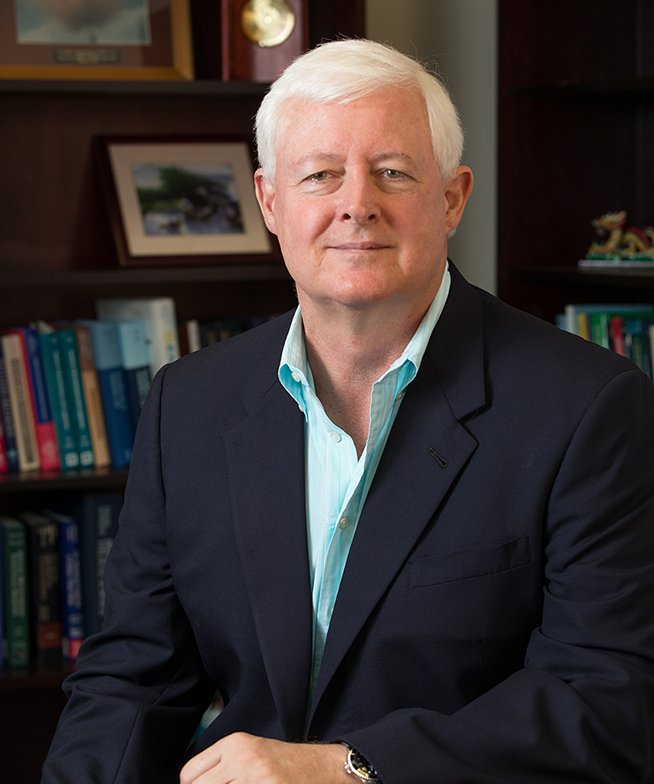
Valen E. Johnson is a University Distinguished Professor and Dean Emeritus of the College of Science at Texas A&M University, where he has been a faculty member since 2012. He previously held professorships at the University of Texas M. D. Anderson Cancer Center (2004–2012), the University of Michigan (2002–2004), and Duke University (1989–2001). He also served as a Technical Staff Member at Los Alamos National Laboratory (2001–2002). Johnson earned his Ph.D. in Statistics from the University of Chicago (1989), M.A. in Applied Mathematics from the University of Texas at Austin (1985), and B.S. in Mathematics from Rensselaer Polytechnic Institute (1981). His research focuses on Bayesian methodology, including hypothesis testing, variable selection in high-dimensional spaces, latent variable models, and applications in medical imaging, clinical trials, and educational assessment. He has contributed to the development of non-local prior densities and Bayesian diagnostics for MCMC convergence. His work bridges Bayesian and classical statistical approaches, emphasizing reproducibility and rigorous evidence assessment in scientific research. Johnson has held editorial roles, including Co-Editor of Bayesian Analysis (2010–2014) and Associate Editor of the Journal of the American Statistical Association (2011–present). He is a Fellow of the American Statistical Association and the Royal Statistical Society and has served on the Board of Directors of the International Society for Bayesian Analysis. His advocacy for revised statistical significance standards has sparked major debates in scientific methodology. Johnson has supervised numerous doctoral students, including those whose theses won prestigious awards like the Savage Award. He has collaborated on grants addressing medical imaging, system reliability, and cancer symptom management, reflecting his interdisciplinary impact in biostatistics and public health.