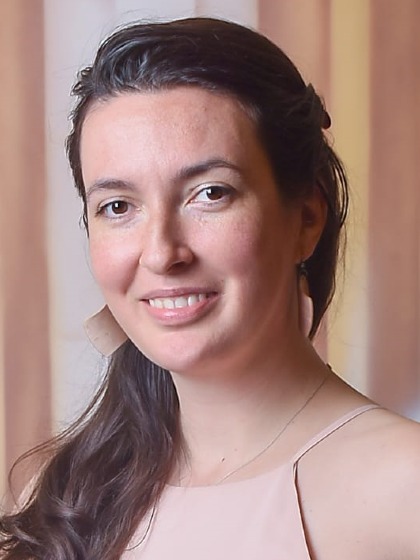
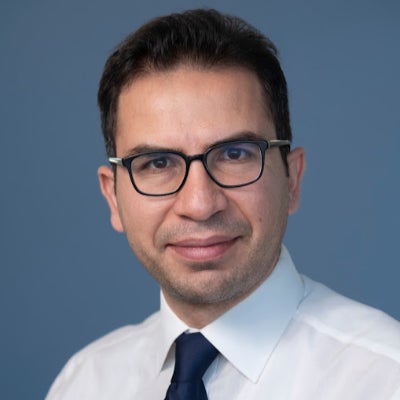
Andreea Sburlea is an Assistant Professor in Human Centered Intelligence at the Faculty of Science and Engineering, University of Groningen . Her expertise focuses on Brain-Computer Interfaces , Machine Learning , and Neuroprosthetics , with a particular emphasis on uncertainty quantification in BCI systems. Research Trends : Recent publications highlight her work in applying machine learning and deep learning to motor imagery BCI, transfer learning for P300-based systems, and quantifying classification uncertainties in biosignal applications. Collaborations : Active in international research networks, she collaborates with institutions like the German Research Center for Artificial Intelligence (DFKI) and contributes to conferences such as the Graz Brain-Computer Interface Conference . Contact : Email a.i.sburlea@rug.nl | ORCID
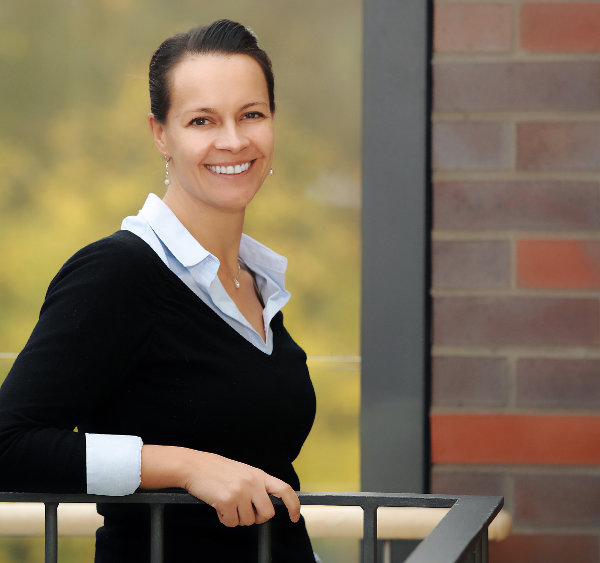
Puneet Sharma is an Associate Professor at the Department of Automation and Process Technology, UiT The Arctic University of Norway. His primary research areas include computer vision, image analysis, machine learning, and wearables technology, with active contributions to atmospheric science data processing and maritime navigation AI applications. Current role: Associate Professor (Automation) Teaching: Industrial data communication (bachelor), Machine Vision (master) Research: Machine Learning Group member, focus on visual attention models, deep learning for PMSE segmentation, and wearable training systems Recent publications highlight his work in applying machine learning to Polar Mesospheric Summer Echoes (PMSE) analysis, noctilucent cloud classification, and biosignal-based maritime navigation studies. He participated in the Horizon 2020 WEKIT project for wearable-based industrial training.
Emran Ali is a Graduate Researcher (Ph.D. candidate) and Part-Time Lecturer at Deakin University's School of Information Technology within the Faculty of Science, Engineering and Built Environment. He holds concurrent faculty appointments at Hajee Mohammad Danesh Science & Technology University (HSTU) in Bangladesh where he teaches computer science courses while on study leave. His academic journey includes a Master of Science (Research) in Information Technology from Deakin University (2022) and a Bachelor of Science in Computer Science and Engineering from HSTU. Doctor of Philosophy (Ph.D.) in Information Technology, Deakin University (2023–present) Doctor of Philosophy (Ph.D.) in Machine Learning, Coventry University (Cotutelle program, 2023–present) Master of Science (Research) in Information Technology, Deakin University (2020–2022) Bachelor of Science in Computer Science and Engineering, HSTU Bangladesh (2007–2012) Ali's research focuses on algorithm development and applied machine learning in health informatics, specializing in biosignal processing for neurological and sleep disorder detection. His work integrates time-series data analysis with explainable AI techniques to develop clinical decision support systems. Current projects include ML/DL modeling of sleep-stage transitions in aging populations and causal relationship analysis in sleep disorders using EEG data. Analysis of his 10 recent publications reveals strong concentration in biomedical ML applications (60%), particularly EEG-based neurological disorder detection and mental health diagnostics. Secondary focus areas include environmental monitoring systems (20%) and foundational computer science (20%). His work consistently employs ensemble methods and feature optimization techniques across diverse datasets, with increasing emphasis on real-world clinical applicability in recent publications. Deakin University Post-graduate Research Scholarship (DUPRS) through Cotutelle program with Coventry University National Fellowship from Bangladesh Ministry of Science and Technology (2020) Best Presentation Award at Deakin School of IT Conference (2021) AWS AI/ML Scholarships (2023, 2024) Next Generation Tech Booster Scholarship (2024) Ali provides research supervision at HSTU while serving as a Graduate Research Teaching Fellow at Deakin University for Machine Learning and Data Analytics units. His industry collaborations include projects with Monash University, Alfred Health, and AETMOS Australia focused on health informatics applications. Current funding includes AWS-sponsored nanodegrees and Deakin University research scholarships supporting his sleep disorder research. His technical work integrates cloud-based AI/ML platforms (AWS, Azure) with biosignal processing pipelines, utilizing collaborations across Australian healthcare institutions to validate clinical applications. Recent projects emphasize explainability in deep learning models for medical diagnostics, particularly in resource-constrained environments relevant to Bangladesh healthcare contexts.
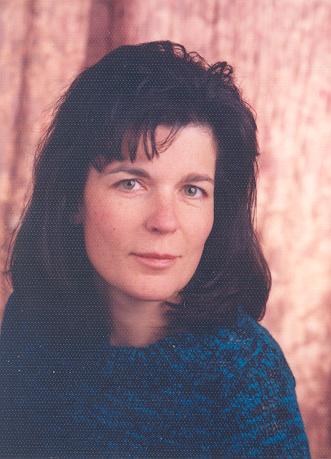
Professor Maria Schweigel Prof. Maria Schweigel is a Professor at the Department of Autonomous Systems, Schmalkalden University of Applied Sciences. Her teaching focuses on automation control, electronic control systems, robotics, and embedded systems. She leads the research group 'Eingebettete Diagnosesysteme' (Embedded Diagnostic Systems) and specializes in artificial intelligence algorithms, optimization using genetic and evolutionary methods, and biosignal analysis for anesthesia and sleep studies. Her research spans robotics, embedded systems, image processing, and software development with tools like C/C++, MATLAB/Simulink, and LabView. Key projects include real-time EEG classification for anesthesia monitoring, low-SNR biomedical signal extraction, and SVM-based classification on resource-constrained platforms. She has contributed to international conferences like ECT and IWK TU Ilmenau, focusing on interdisciplinary applications in medical technology and autonomous systems. No scientific awards were explicitly listed in the provided materials. Her advising and grants are not detailed here, but her extensive publication record (2009–2016) demonstrates active involvement in collaborative research with colleagues like Wenzel, Walther, and Baumgart-Schmitt. She co-developed tools such as the Multi-EEG-Viewer and explored wireless biomedical signal transmission for relaxation control systems.
Massimo Orazio Spata is a Research Fellow in Computer Science at the University of Catania's Department of Mathematics and Computer Sciences, specializing in deep learning applications for biomedical, audio, and biometric systems. He has held roles at STMicroelectronics since 1999, focusing on system integration, image processing, and biomedical device R&D. He teaches courses such as Mobile Programming and Computer Architecture at secondary schools and has advised numerous students on grid computing and middleware projects. Education: PhD in Computer Science (University of Catania, 2008), MSc in Computer Science (University of Catania, 2013), and a teaching certification in Computer Science (University of Catania, 1998). Research interests include deep learning algorithms, biomedical device development, grid scheduling, and cybersecurity. He has authored patents on lab-on-chip systems, bio-computer analysis, and scheduling methods, and his work has been recognized with STMicroelectronics Innovation Awards (2016–2014) and a Cisco CCNA certification. Key collaborations include projects with Google (Mediapipe Objectron for robotics), Huawei (video deblurring), and involvement in the PNRR Horizon HiCONNECTS project (2024–present). He serves on conference committees (e.g., ICAETA 2023) and has developed e-learning systems and CAD tools for STMicroelectronics.
Corrado Sciancalepore is a fixed-term researcher at the Department of Industrial and Systems Engineering (DISTI), University of Parma. He teaches materials science and design courses across multiple degree programs, including Sustainable Design for Food Systems and Engineering for the Food Industry. His research interests lie in materials science and engineering, particularly in advanced materials for food industry applications. He focuses on bio-based polymer composites, 3D printing technologies (FDM and VAT systems), and innovative thermal management solutions for power electronics. Recent work includes applying machine learning to optimize 3D printing parameters and developing self-adhesive sericin electrodes for biosignaling. He also investigates dynamic boronate ester networks to improve isotropy in printed components. He contributes to the Lab. of Materials and Technologies for the Food Industry and has published extensively on materials engineering topics in 2025. No scientific awards are mentioned in available data.
Constantinos S. Pattichis is a Professor of Computer Science and Director of the Biomedical Engineering Research Centre at the University of Cyprus. He also leads the HealthXR Group at CYENS Centre of Excellence and serves as a technical leader on high-impact EU-funded projects, including the EU Digital Covid Certificate Platform and the national eHealth4U initiative. His research focuses on eHealth, mHealth, medical imaging, and AI-driven healthcare solutions. **Education**: Ph.D., Electronic Engineering, University of London (1992) MSc, Neurology, University of Newcastle Upon Tyne (1991) MSc, Biomedical Engineering, University of Texas at Austin (1984) BSc, Electrical Engineering, University of New Brunswick (1983) Technician Engineer, Higher Technical Institute, Cyprus (1979) **Research Interests**: eHealth systems, mHealth interventions using Extended Reality (XR), medical image analysis (MRI, ultrasound), biosignal analysis, and explainable AI for clinical decision support. His work addresses challenges in stroke risk assessment, multiple sclerosis progression, and telemedicine accessibility. **Awards & Roles**: Fellow of IEEE, IET, IAMBE, and EAMBES. He has managed over €20M in EU grants, edited multiple books on mHealth and biomedical imaging, and serves on editorial boards of journals like IEEE Journal of Biomedical and Health Informatics. He has published ~409 peer-reviewed works (150 journals, 259 conferences) with an h-index of 54. **Grants & Projects**: Led projects such as the EU Digital Covid Certificate Platform, eHealth4U (national eHealth ecosystem), and the IPMT Excellence Centre. Active in standardizing cross-border eHealth services via EU CEF programs. **Labs & Teams**: Directs the eHealth Lab at the University of Cyprus and collaborates with CYENS on HealthXR innovations. His work includes developing VR tools for dementia care, teleconsultation apps, and AI-driven diagnostic systems.
Dr. Sahil Sharma is a Research Fellow at the School of Computing, Engineering and Intelligent Systems, Ulster University, Derry~Londonderry campus. His interdisciplinary research bridges artificial intelligence, biomedical engineering, and agricultural science, with significant contributions to medical diagnostics and sustainable agricultural practices through advanced computational techniques. Sharma's primary research domains include artificial intelligence (particularly deep learning and large language models), biomedical engineering (focusing on cardiac biomarker detection and medical data analysis), and agricultural science (specializing in plant biostimulants and sustainable farming). His work demonstrates consistent innovation in applying machine learning to solve real-world problems across healthcare and agriculture, with recent emphasis on explainable AI for medical visualization and anime recommendation systems. Analysis of Sharma's 15 most recent publications (2023-2025) reveals a dominant trend toward AI-driven healthcare solutions, including cardiac troponin I detection assays, XAI-based medical data visualization, and synthetic data generation for diagnostics. Parallel work explores agricultural applications through deep learning-based crop monitoring systems. His research outputs show strong translational impact, with significant citations (h-index 86) and practical implementations referenced in patents, particularly in the biomedical domain where his 2012 agricultural paper accumulated 85 Scopus citations.
Timothy Bardouille is an Associate Professor and Undergraduate Program Coordinator at Dalhousie University, affiliated with the Faculty of Science and cross-appointed with the School of Biomedical Engineering, Department of Diagnostic Radiology, Department of Psychology and Neuroscience, and the School of Physiotherapy. He holds a PhD from the University of Toronto, an MSc from Dalhousie University, and a BSc (Hon) from Queen's University, Kingston, ON. His research focuses on non-invasive neuroimaging technologies , including magnetoencephalography (MEG) with optically pumped magnetometers, and the development of advanced software/hardware for brain imaging and data analysis. The Biosignal Lab , which he leads, explores neural networks, brain plasticity post-injury, and machine learning applications in neuroimaging. Doctor of Philosophy, University of Toronto Master of Science, Dalhousie University Bachelor of Science (Hon), Queen's University, Kingston, ON
Elisabeth André is a Full Professor of Computer Science and Chair of Multimedia Concepts and Applications at University of Augsburg, where she has been faculty since 2001. She previously served as Managing Director of the Institute for Computer Science at Augsburg University from 2004 to 2006. Professor André has received multiple prestigious professorship offers, including W3-Professorships in Human-Computer Interaction and Cognitive Systems from University of Stuttgart and Human-Machine Interaction from Otto-Friedrich-Universität Bamberg in 2009. Her academic journey began with a Diploma in Computer Science (1988) and Dr. rer. Nat. (1995) from Saarland University. Before joining Augsburg, she spent over a decade as a Scientific Researcher at DFKI GmbH (German Research Center for Artificial Intelligence), where she rose to Principal Researcher and was appointed a DFKI Research Fellow. Professor André's research focuses on designing and evaluating interactive multimodal user interfaces, experimental learning environments with animated characters, and affective computing. She is internationally recognized as a pioneer in embodied conversational agents, having organized one of the first international workshops on the topic in 1997. Her work stands out for its empirical foundation, including extensive corpus studies of human behaviors to inform virtual agent behavior modeling. Notably, she has conducted significant cross-cultural research with Japanese partners to develop culture-specific behaviors in virtual agents. Her publication record shows a consistent trajectory of innovation in human-computer interaction, with particular emphasis on multimodal analysis, gaze behavior simulation, and emotion recognition systems. The research trends in her recent work demonstrate increasing sophistication in input recognition methods and the development of practical toolboxes (AuBT, EmoVoice, SSI) that have been adopted by research institutions worldwide. 2007 Alcatel-Lucent Fellowship at Universität Stuttgart Best Paper Finalist at International Conference on Intelligent Virtual Agents (2007-2009) 2005 Convivio Best Demo Award 2000 Best Paper Award at International Conference on Intelligent User Interfaces 1998 RoboCup Scientific Award Multiple student projects winning international awards including GALA Awards and TEI conference awards Professor André has supervised 2 completed dissertations and is currently guiding 11 PhD students and 1 Habilitation candidate. Her leadership extends to major research projects including EU-funded initiatives (METABO, E-Circus, IRIS, DynaLearn, CALLAS) and DFG projects (CUBE-G, OC-Trust). She serves on numerous editorial boards and has held significant organizational roles in major conferences including IUI, IVA, and CASA. Her laboratory has developed multiple software toolkits that are used internationally in large-scale research projects, demonstrating the practical impact of her work. Current research directions include advanced emotion recognition systems, culture-adaptive virtual agents, and applications of her technology to educational and healthcare domains.
Dr. Reza Abiri is an Assistant Professor in the Department of Electrical, Computer and Biomedical Engineering at the University of Rhode Island's College of Engineering. His research focuses on translational neurorobotics, combining biosignal control systems with AI-enabled medical robotics to address neurorehabilitation challenges. He leads the Translational Neurorobotics Laboratory (TN Lab), established in Fall 2021 with NSF CAREER 2025 funding. Education: Postdoctoral Fellow, University of California, San Francisco and UC Berkeley (2021) Ph.D., Mechanical Engineering, University of Tennessee (2017) M.Sc., Mechanical Engineering, Amirkabir University of Technology, Iran (2011) B.Sc., Mechanical Engineering, K.N. Toosi University of Technology, Iran (2009) Dr. Abiri's research spans multiple disciplines including robotics, artificial intelligence, brain-machine interfaces, and biomedical engineering. His work addresses critical challenges in decoding neural activity for motor control, developing novel actuation mechanisms, and enhancing neurorehabilitation technologies through advanced signal processing and AI integration. Recent publications demonstrate a strong focus on brain-computer interfaces, attention training, and robotic rehabilitation systems. Key topics include EEG signal analysis, shared autonomy algorithms, multimodal AI frameworks, and magnetic actuation technologies. These works reveal a consistent pattern of innovation in connecting neural signals with robotic control systems. Scientific Recognition: NSF CAREER Award (2025) Dr. Abiri's TN Lab develops computational methods to overcome translational barriers in neurorehabilitation and motor control restoration. The lab's work integrates machine learning with biosignal processing to create advanced human-machine interaction systems, particularly focusing on noninvasive neural interfaces and their practical applications in healthcare robotics.
Ali Hassan is a researcher affiliated with the National University of Sciences and Technology (NUST), School of Electrical Engineering and Computer Science, Department of Computer and Software Engineering. His work spans multiple domains in computer science, engineering, and applied mathematics, focusing on areas such as machine learning, IoT, energy systems, and medical informatics. His research explores: Reinforcement learning applications for battlefield information systems IoT antenna design and performance evaluation Optimization of second-life battery systems in electric vehicles Transformers for real-time vehicle collision avoidance Image hashing techniques using visual attention models Neural network-based phasor estimation for power grids Biomedical sensor systems for non-invasive health monitoring Mathematical modeling of viral dynamics Recent publications demonstrate his emphasis on interdisciplinary approaches combining AI, signal processing, and sustainability. He has collaborated with institutions across Pakistan, France, Saudi Arabia, and the USA, with a focus on practical implementations in cybersecurity, energy optimization, and healthcare technology.
Balandino Di Donato is a Lecturer in interactive audio at Edinburgh Napier University's School of Computing Engineering and the Built Environment. His research focuses on soundscapes in mountaineering environments and embodied human-computer interaction in music. He led AHRC-funded projects on Sound Design Pipeline for Cross-platform 360 Virtual Productions BSL in Embodied Music Interaction and chaired the Audio Mostly 2023 conference. Education includes a 2021 PhD from Royal Birmingham Conservatoire (Birmingham City University) in Designing Embodied Human-Computer Interactions in Music Performance . Prior academic roles featured collaborations with Goldsmiths (ERC BioMusic project), De Montfort University (Creative AI Dataset), and University of Leicester (INCITE project). Research spans Mountain soundscape analysis Accessible audio-visual-haptic systems Biosignal-driven musical instruments 360 audio design British Sign Language integration Interactive sound art installations Scientific achievements include Biennale awards (2018, 2019) Audio Mostly steering committee Conference chair and session roles EPSRC and AHRC grant reviewer
Giulia Masi is a Ph.D. candidate in Computer and Systems Engineering at Politecnico di Torino, Department of Control and Computer Science (DAUIN), specializing in data science, computer vision, and AI applications for Parkinson’s disease rehabilitation and remote monitoring. She also serves as an external lecturer and teaching assistant, contributing to Computer Science courses in the Aerospace Engineering program. University: Politecnico di Torino Department: Control and Computer Science (DAUIN) Academic Rank: Lecturer Her research integrates life sciences and technology, focusing on neurodegenerative diseases like Parkinson’s. She employs neurophysiological signals, biosignal processing, and serious games to study emotional and motor symptoms, aiming to reduce clinicians' workload through automation. Giulia’s recent publications highlight trends in RGB-D sensor validation, deep learning for hand tracking, and semi-supervised approaches for Parkinson’s assessment. These works span conferences like IEEE EMBC and journals such as Electronics and Artificial Intelligence in Medicine , emphasizing clinical AI and remote monitoring. She is a member of the SMILIES research group, which focuses on resilient computer architectures and life sciences collaborations. Her educational background includes a Master’s in Biomedical Engineering at Politecnico di Torino (2021), where her thesis automated REM sleep without atonia scoring—a critical task for early Parkinson’s detection. Prior to her Ph.D., she worked as a research fellow in the Neuroscience Department at the University of Turin, analyzing neurophysiological signals for quantitative symptom measurements.
Carlos Chaccour is a researcher specializing in global health, particularly focused on malaria control and drug repurposing. His work integrates clinical trials, field epidemiology, and innovative technologies like AI-driven cough monitoring systems. He collaborates on large-scale studies such as BOHEMIA, investigating ivermectin's role in malaria vector control and collateral health benefits. His research spans tropical disease epidemiology, environmental health, and public health policy, emphasizing One Health approaches to combat neglected tropical diseases. Key research areas include: Evaluation of ivermectin's efficacy and safety in malaria and other parasitic infections Development of digital health tools for respiratory disease surveillance Impact assessment of air pollution on respiratory illnesses Health equity in malaria-endemic regions, especially in Mozambique and Venezuela His studies frequently employ randomized controlled trials, cohort designs, and advanced analytical techniques like MALDI-TOF MS for biomarker discovery. He advocates for evidence-based policy changes to address gaps in global health interventions, particularly in resource-limited settings.